Is a New York Fishing License Cheaper Than Connecticut’s?
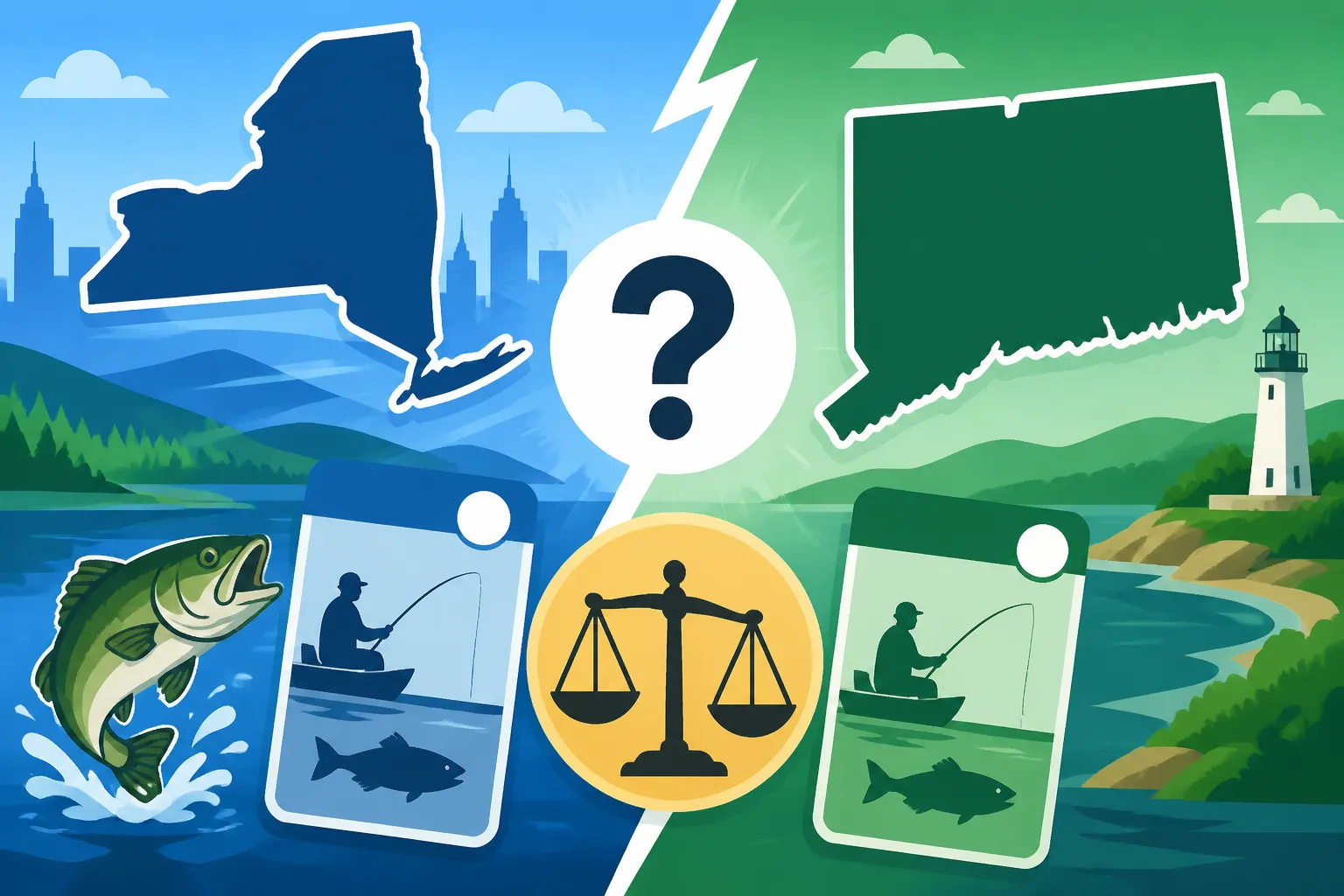
It’s a tale as old as time for anglers living near a state border: you’re eager to hit the water, but then the nagging question pops up – which state’s license do you need, and critically, which one is going to cost you less? Whether you’re eyeing the rich waters of the Long Island Sound or the diverse freshwater offerings, comparing New York and Connecticut fishing license costs can feel like navigating a maze. This guide is here to untangle that confusion, offering a comprehensive look at the fees and factors that determine where your fishing dollar goes further.
Understanding New York's Fishing License Structure and Costs
New York State, with its vast network of lakes, rivers, and extensive coastline, offers a variety of fishing opportunities, each with its own licensing considerations. The system is designed to fund conservation efforts and manage fish populations effectively, meaning your license purchase directly supports the health of these waterways. Before we dive into the numbers, it's important to differentiate between freshwater and saltwater fishing requirements.
Freshwater Fishing License Options and Pricing
For anyone looking to cast a line in New York’s countless lakes, ponds, and rivers, a freshwater fishing license is your golden ticket. The cost often depends on your residency status and the duration of the license you need.
- Resident Annual Licenses: If you call New York home, an annual freshwater fishing license is generally the most cost-effective option for regular anglers. As of 2024, a New York Resident Annual Fishing License Cost 2026 is quite reasonable, sitting at $25. This covers you for an entire year of freshwater pursuits, from chasing bass in the Finger Lakes to trout fishing in the Adirondacks. It's a fantastic value if you plan on fishing more than a few times a year.
- Nonresident Annual Licenses: For our friends visiting from out of state, the costs are a bit higher, reflecting the local residents' contribution through taxes and other means. A New York Nonresident Annual Fishing License Cost 2026 typically runs about $50. While higher than the resident rate, it's still competitive for access to such diverse and abundant fishing grounds. Many out-of-state visitors find this a worthwhile investment, especially if they make multiple trips to New York throughout the year.
- Short-Term Options: Sometimes, you’re just passing through or planning a quick weekend getaway. New York understands this and provides flexible short-term licenses.
- A Resident 1-Day Fishing License Cost is a mere $5, perfect for a spontaneous outing.
- For those needing a bit more time, a New York 7-Day Fishing License is available for residents at $12 and for nonresidents at $28. These are ideal for vacations or extended fishing trips where an annual license might be overkill.
- Special Categories and Combination Licenses: New York also offers specific pricing for various demographics. For instance, anglers aged 70 and older are eligible for a free license, making fishing accessible for seniors. You just need to apply for it, there's no fee. Kids under 16 generally don't need a license to fish in freshwater, which is fantastic for family outings, as covered in Do Kids Need a Fishing License to Fish in New York?. If you're an avid outdoors enthusiast, a combination hunting and fishing license is also available, often providing a slight saving compared to purchasing both separately.
Marine Fishing Registry (Saltwater) Requirements
When it comes to saltwater fishing in New York, the requirements are different from freshwater. For most recreational marine fishing, including angling from shore, a private boat, or a for-hire vessel, you need to register with the New York Recreational Marine Fishing Registry.
- Cost of the Marine Registry: The best part? This registry is absolutely free! This can be a pleasant surprise for many, especially when comparing it to other states that charge for saltwater access. You still need to register, but there’s no fee attached. It’s part of the New York Saltwater Fishing Registration Guide to help the state monitor fishing activity and comply with federal regulations. Even though it's free, failing to register can lead to penalties, so make sure to complete this simple step before hitting the ocean. You can typically complete the registration quickly and easily online.
Connecticut's Fishing License Landscape and Associated Fees
Just across the border, Connecticut presents its own set of rules and costs for anglers. Like New York, Connecticut differentiates between inland (freshwater) and marine (saltwater) fishing, and your residency status plays a significant role in the price you'll pay. Understanding these differences is key to making an informed decision about where to fish and which license to purchase.
Inland (Freshwater) Fishing Licenses in Connecticut
Connecticut boasts beautiful rivers and lakes, from the Farmington River to Candlewood Lake, offering excellent opportunities for trout, bass, and pike. The state’s inland license structure is similar to New York's in principle but with different price points.
- Resident Inland Annual Licenses: For Connecticut residents, an annual inland fishing license comes in at $28. This provides a full year of access to the state's freshwater fisheries. It’s a solid investment for local anglers who frequently explore the state’s many freshwater fishing spots.
- Nonresident Inland Annual Licenses: Visitors looking to fish Connecticut’s inland waters will find the annual nonresident license priced at $40. This is slightly less than New York's nonresident annual freshwater license, which is a point worth noting if your primary interest is freshwater fishing as an out-of-stater.
- Short-Term Inland Options: Connecticut also provides flexibility for shorter trips.
- A 1-day inland fishing license for residents is $5, mirroring New York’s price point for a single day.
- Nonresidents can purchase a 1-day inland license for $15, which is a bit more than New York's nonresident 1-day option.
- A 3-day inland license is available for nonresidents at $22, a convenient choice for a longer weekend trip.
Marine (Saltwater) Fishing Licenses in Connecticut
Connecticut's coastline on the Long Island Sound provides fantastic opportunities for catching striped bass, bluefish, flounder, and more. Unlike New York’s free marine registry, Connecticut typically requires a paid marine fishing license.
- Resident Marine Annual Licenses: If you live in Connecticut and want to fish its saltwater, an annual marine fishing license costs $10. This is a very reasonable fee for a full year of saltwater access.
- Nonresident Marine Annual Licenses: For nonresidents, an annual marine fishing license is $15. Again, this is a modest fee, especially for access to the rich fisheries of the Long Island Sound.
- Combination Options: Connecticut also offers a combined inland and marine license for convenience, which can sometimes provide a small discount or simplify the purchasing process. A resident annual all-waters (inland and marine) license is $32, while a nonresident annual all-waters license is $63. These bundled options are popular for anglers who enjoy both types of fishing throughout the year.
- Youth and Senior Benefits: Connecticut offers a discounted annual inland/marine license for resident youth aged 16 and 17 for $5. Children under 16 do not need a license. For resident seniors (65 years or older), an annual fishing license is free, similar to New York’s policy but starting at a slightly younger age.
Direct Comparison: New York vs. Connecticut Fishing License Costs
Now that we’ve broken down the costs for each state, let’s put them side-by-side to clearly see where the differences lie. This is often where the rubber meets the road for anglers trying to decide which waters to frequent, especially if you live close to the border.
Side-by-Side Cost Overview
To make this as clear as possible, here's a quick comparison of the most common license types for both states (as of 2024 pricing):
| License Type | New York Cost (2024) | Connecticut Cost (2024) |
|---|---|---|
| Resident Annual Freshwater | $25 | $28 (Inland) |
| Nonresident Annual Freshwater | $50 | $40 (Inland) |
| Resident 1-Day Freshwater | $5 | $5 (Inland) |
| Nonresident 1-Day Freshwater | $10 | $15 (Inland) |
| NY Marine Registry | Free | |
| CT Resident Annual Marine | $10 | |
| CT Nonresident Annual Marine | $15 | |
| CT Resident Annual All-Waters | $32 | |
| CT Nonresident Annual All-Waters | $63 | |
| Resident Senior (70+ NY / 65+ CT) | Free | Free |
| Junior (Under 16) | Free | Free |
Note: Some state-specific combination licenses and short-term marine options exist beyond this table, but these represent the most common comparisons.
From this table, we can draw some immediate conclusions. For a New York resident, freshwater fishing is slightly cheaper annually in their home state ($25 vs. CT's $28 inland). However, for a nonresident specifically targeting freshwater, Connecticut's annual inland license is cheaper ($40 vs. NY's $50).
The biggest cost differentiator for many will be marine fishing. New York’s free Recreational Marine Fishing Registry definitely gives it an edge for saltwater anglers, while Connecticut charges modest fees for its marine licenses ($10 for residents, $15 for nonresidents). This means if you primarily fish saltwater, New York might be the more budget-friendly option, assuming you're within reasonable travel distance.
Key Differences and What They Mean for You
The subtle differences in pricing and structure can significantly impact your angling plans, especially for those who live in border towns like Port Chester, NY, or Greenwich, CT.
- Marine Access: New York clearly wins on price for saltwater access with its free registry. If you're passionate about fishing the Long Island Sound and don't want to pay an extra fee, New York's side is more attractive. This is a critical point for many, as detailed in the New York Saltwater Fishing Registration Guide. Remember that you still need to register, even though it costs nothing.
- Nonresident Freshwater Annual: If you're an out-of-state angler looking to spend a lot of time fishing inland waters, Connecticut actually offers a slightly cheaper annual option ($40) compared to New York ($50). This could be a deciding factor if you live in, say, Massachusetts or New Jersey and frequent freshwater lakes in either NY or CT.
- Resident Annual Freshwater: New York residents enjoy a slightly lower annual freshwater license fee, which can add up over years of fishing. For instance, a New York Resident Annual Fishing License Cost is $25, whereas a Connecticut resident pays $28 for inland. It’s not a huge difference, but it's there.
- Short-Term Flexibility: Both states offer similar 1-day freshwater pricing for residents. However, New York's nonresident 1-day is $10 compared to Connecticut's $15, making a quick trip for a visiting angler slightly more affordable in New York. Connecticut does offer 3-day options that New York doesn't explicitly market in the same way, which can be useful for longer weekend trips.
- Age and Senior Discounts: Both states are quite generous to their younger and older anglers. New York offers a free license to residents 70 and older, while Connecticut extends this benefit to residents 65 and older. Both states allow kids under 16 to fish without a license, which is wonderful for encouraging the next generation of anglers. For more on age requirements, see New York Fishing License Age Cutoff Explained.
Ultimately, whether a New York fishing license is cheaper than Connecticut's depends entirely on your specific situation: where you live, what kind of fishing you do (freshwater or saltwater), and how often you plan to fish. There’s no single, one-size-fits-all answer.
Navigating Cross-State Fishing Without Breaking the Bank
Understanding the nuances of New York and Connecticut's fishing license requirements is crucial, especially for anglers who live near the border. It's not uncommon to fish waters that literally span both states or to have favorite spots just a short drive across the state line. Ignoring these regulations can lead to fines and a ruined fishing day, so a little planning goes a long way.
The Reality of Reciprocity (or Lack Thereof)
One of the most common misconceptions among anglers is the idea of license reciprocity between states. Many hope that a license purchased in one state will grant them permission to fish in a neighboring state, particularly in shared waterways. Unfortunately, for New York and Connecticut, this is largely not the case.
- Separate Licenses Required: Generally, if you are fishing in New York waters, you need a New York fishing license. If you are fishing in Connecticut waters, you need a Connecticut fishing license. This holds true even if you launch your boat from one state and drift into the waters of another. The jurisdiction applies to where your line is in the water, not necessarily where your boat is registered or where you launched. For a comprehensive overview, it's always best to consult the New York Fishing Regulations Explained.
- Border Waters: While some states have agreements for specific border waters, New York and Connecticut do not have widespread reciprocal agreements for general fishing licenses. This means if you're targeting striped bass in the Long Island Sound and plan to fish both sides, you'll likely need both the New York Marine Fishing Registry (free) and the appropriate Connecticut Marine Fishing License (paid). Always verify with the respective state's Department of Environmental Conservation (DEC for NY, DEEP for CT) if you have specific questions about border waters.
Planning Your Trips and Purchases
With the cost differences and separate requirements in mind, smart planning can help you optimize your spending and ensure you're always legally covered.
- Evaluate Your Primary Fishing Grounds: Do you mostly fish freshwater lakes in New York's Westchester County, or are you more often jigging for fluke off the Connecticut coast? Your primary stomping grounds should dictate which state's annual license is your priority. If you're a New York resident focused on saltwater, the free New York Recreational Marine Fishing Registry makes fishing the New York side of the Sound very appealing.
- Consider Short-Term Licenses: If your cross-state trips are infrequent, opting for a 1-day or 7-day license in the "other" state might be more economical than purchasing a full annual nonresident license. For example, if you're a New York resident who only visits a specific Connecticut pond once or twice a year, buying a couple of 1-day Connecticut inland licenses would be cheaper than a nonresident annual.
- Where to Buy: Both states offer convenient ways to purchase licenses. You can typically buy them online through the state's environmental conservation department websites, at authorized license agents (like sporting goods stores or bait shops), or sometimes at town clerk offices. For New York, you can easily find information on How to Get a Fishing License in New York and Where to Buy a New York Fishing License. While you won't buy a license on a platform like Amazon, it's a great place to stock up on gear like tackle boxes, new rods, or a comprehensive New York Fishing Guide before your trip. For example, you might grab your license online and then head to Amazon to pick up some new lures.
- Always Carry Your License: Whether digital or physical, always have proof of your valid fishing license and any necessary permits (like the Marine Registry) with you while fishing. Conservation officers frequently check for compliance, and being unprepared can lead to fines.
By understanding the specific New York Fishing Regulations Explained and making smart choices based on your fishing habits, you can enjoy the fantastic angling opportunities both states have to offer without unnecessary expense or legal trouble. It's about being informed and responsible so you can focus on the joy of the catch!
Disclaimer
Please note that fishing regulations and license costs are subject to change by state authorities. While this guide provides the most current information available at the time of writing, it is always best practice to consult the official New York State Department of Environmental Conservation (DEC) and the Connecticut Department of Energy and Environmental Protection (DEEP) websites for the latest regulations and pricing before you head out on the water.