Best Walleye Spots on the Niagara River
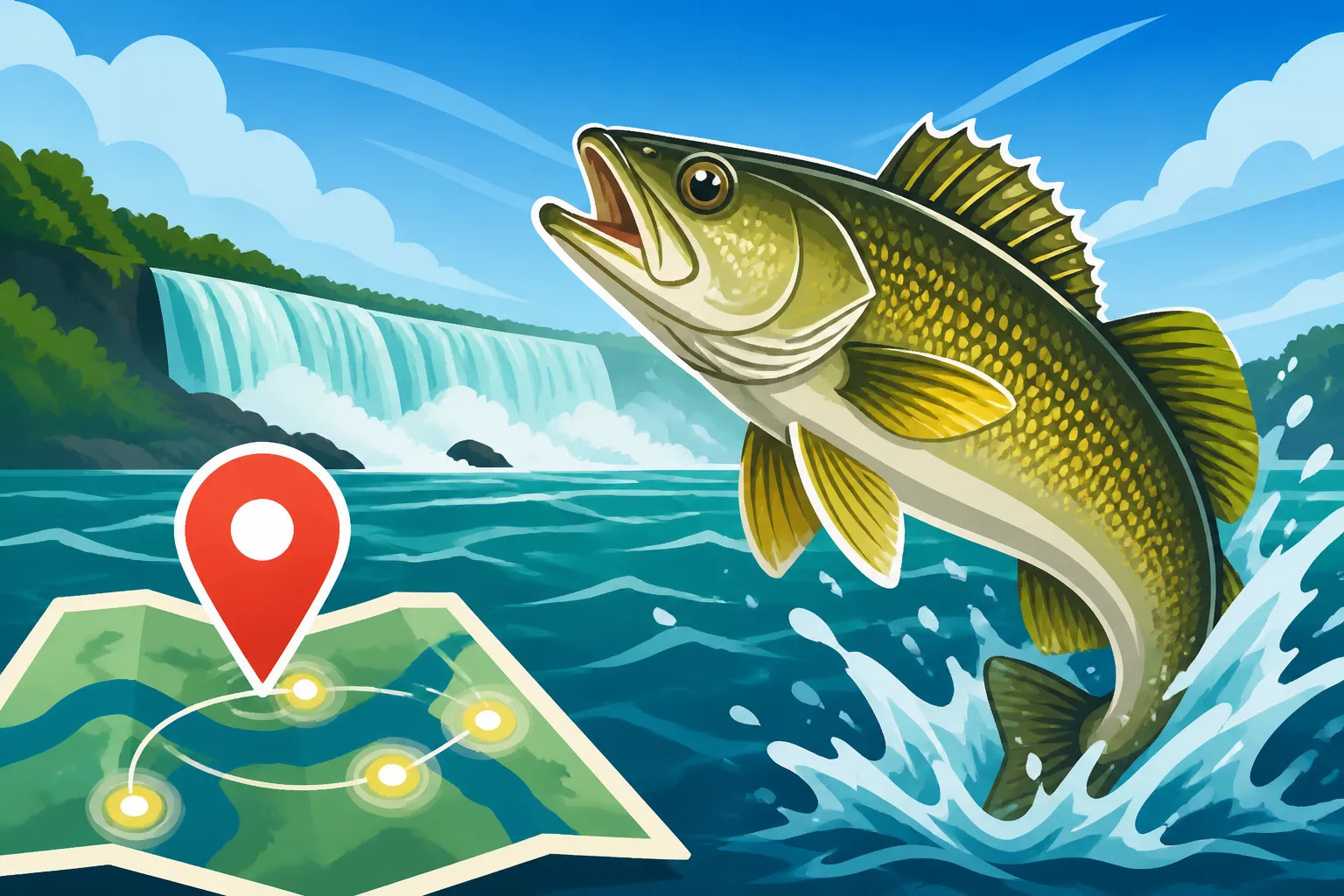
The Niagara River, a truly iconic waterway that connects Lake Erie to Lake Ontario, presents a unique challenge and immense reward for anglers chasing walleye. It's not like still-water lake fishing; the current can be fierce, the depths daunting, and finding those elusive schools of walleye can feel like searching for a needle in a haystack. But for those who crack its code, the Niagara River offers some of the most exciting and productive walleye fishing experiences in New York, and this guide is here to help you navigate its rich waters.
Understanding the Niagara River's Walleye Habitat
Before you even think about dropping a line, it's crucial to understand why the Niagara River is such a powerhouse for walleye. It's not just a river; it's a dynamic system with unique features that contribute to its incredible productivity. The confluence of two Great Lakes, coupled with varying depths and currents, creates a perfect storm of conditions that walleye absolutely thrive in.
The Unique Ecosystem and Abundant Forage
The Niagara River's magic largely comes from its direct connection to Lake Erie, one of the premier walleye fisheries in the entire country. Thousands upon thousands of walleye migrate from Lake Erie into the Niagara River, particularly during spawning seasons, turning the river into a temporary, but incredibly rich, feeding ground. These fish aren't just passing through; they're here to feast and reproduce, making them highly concentrated and accessible to anglers who know where to look.
Beyond the sheer number of migrating fish, the river itself is teeming with baitfish, offering an endless buffet for hungry walleye. Emerald shiners, alewives, and round gobies are just some of the abundant forage species that call the Niagara home. This rich food source means the walleye here grow big and strong, often surpassing the size of their counterparts in less fertile waters. The constant flow of water also keeps the oxygen levels high and the temperatures favorable, even in deeper sections, ensuring a healthy environment for these predatory fish year-round. It’s a truly vibrant and robust ecosystem that supports a thriving walleye population.
Impact of Water Flow and Depth on Walleye Location
Walleye are masters of using current to their advantage, and on the Niagara River, understanding the water flow is paramount. These fish often position themselves in current breaks, behind rocks, ledges, or even subtle changes in bottom contour, allowing them to ambush prey without expending too much energy fighting the relentless flow. You’ll find them in eddies, behind islands, or along deep drop-offs where the current slows just enough for them to hold.
The river's depth also plays a critical role. While some sections are relatively shallow, particularly closer to the banks, the main channel of the Niagara can plunge to impressive depths, creating distinct thermal layers and hidden structures. Walleye will relate to these deeper areas, especially during bright sunny days or when water temperatures fluctuate, seeking the comfort and cover that depth provides. Knowing how to read your electronics to identify these depth changes and current seams can be the difference between a slow day and a banner day. Don't be afraid to target various depths until you find where the fish are holding, as their preferences can change based on the time of day, weather, and seasonal patterns.
Top Walleye Fishing Locations on the Niagara River
Now that we understand why the Niagara River is a walleye haven, let's dive into some of the most productive fishing spots. While the entire river holds potential, certain stretches are legendary among local anglers for consistently producing quality walleye.
The Upper Niagara River: Connecting Lake Erie
The Upper Niagara River, extending from Lake Erie down to the brink of Niagara Falls, is an exceptional walleye fishery, particularly during the spawning runs. This section is generally wider and shallower than the lower river, with significant structure that holds fish. The currents here, while still strong, are often more manageable for boaters than the lower river.
One prime area in the Upper Niagara is around the Peace Bridge and further upstream towards Buffalo. Here, the river offers extensive shoals, rocky bottoms, and channels that walleye frequent. As spring approaches, thousands of walleye stage in these areas before making their spawning push. You'll find anglers targeting them from boats, often drifting jigs or trolling crankbaits along the channel edges. The key is to find those subtle transitions in depth where walleye can intercept baitfish being carried by the current. Another hot spot is near Strawberry Island, where the varying currents and structure create ideal ambush points. Don't forget to check the New York Walleye Season and Limits before you head out, as regulations can vary.
The Lower Niagara River: Below the Falls to Lake Ontario
The Lower Niagara River, stretching from the base of Niagara Falls downstream to Lake Ontario, is a completely different beast. It's a much deeper, colder, and swifter section, renowned for its incredible year-round fishing opportunities, including trophy walleye. This section benefits from migrations from both Lake Erie and Lake Ontario.
Devil's Hole and Artpark: These iconic locations, nestled within the Niagara Gorge, are legendary. Devil's Hole, with its turbulent water and deep pockets, is a prime feeding ground. The extreme depths and strong currents here mean you'll need heavy jigs and a robust fishing setup. Many anglers swear by vertical jigging in these areas, particularly using bright, flashy jigging spoons or heavy hair jigs. Artpark, just downstream, offers similar conditions with deep shelves and current breaks. Fishing from shore here is possible, but often challenging due to the steep terrain and powerful currents. For boaters, navigating this section requires skill and caution due to the formidable current and potential for debris.
Lewiston and Fort Niagara: As you move further downstream towards Lake Ontario, the river widens slightly and the current, while still significant, becomes a bit more navigable. The area around Lewiston and down to Fort Niagara is phenomenal. Walleye stage here before entering Lake Ontario or after spawning runs. The deep water near the Lewiston launch ramps and the various points and drop-offs around Fort Niagara State Park are perennial favorites. Trolling with deep-diving crankbaits or snap-jigging heavy jigs is particularly effective here. Many anglers find success by keying into subtle depth changes indicated on their fish finders. If you're new to the area or prefer local expertise, finding Niagara River Fishing Guides in New York through platforms like FishingBooker can provide invaluable insights and safety on these powerful waters.
The Mouth of Lake Ontario: The immediate mouth of the Niagara River where it spills into Lake Ontario is another walleye magnet. This convergence point creates complex current patterns and thermal breaks that attract massive schools of baitfish, and naturally, predatory walleye. Early spring and late fall are particularly productive as walleye move between the lake and the river. Trolling is often the most effective method here, covering large expanses of water with various depths. Experiment with different lure colors and depths until you hit the magic zone.
| Location Segment | Key Features | Best Times to Fish | Recommended Techniques | Notes |
|---|---|---|---|---|
| Upper Niagara (Buffalo) | Shallower, extensive shoals, spawning grounds | Spring (spawning run) | Drifting jigs, trolling cranks | Less current, more boat traffic. |
| Devil's Hole / Artpark | Deep pockets, turbulent current, gorges | Year-round, especially Fall | Vertical jigging, heavy spoons | Challenging conditions, requires heavy gear and caution. |
| Lewiston / Fort Niagara | Deep channels, varied structure, staging area | Spring & Fall | Trolling, snap-jigging | Easier boat access, good for targeting migrating fish. |
| Mouth of Lake Ontario | Confluence, complex currents, baitfish | Early Spring, Late Fall | Trolling, deep-diving baits | Excellent for large, migrating walleye; covers a wide area. |
Techniques and Best Practices for Niagara River Walleye
Fishing for walleye on the Niagara River isn't just about showing up; it's about employing the right tactics for the conditions. The strong currents and varied depths demand specific approaches to effectively target these elusive fish.
Effective Jigging Strategies for Current
When you're dealing with the powerful currents of the Niagara, jigging becomes an art form. The goal is to keep your bait in the strike zone, near the bottom, without getting swept away too quickly. This usually means using heavier jigs than you might typically employ in lakes.
For vertical jigging in deep, swift currents like those found in Devil's Hole or certain sections near Lewiston, you'll want jigs ranging from 1/2 ounce to even 2 ounces or more, depending on the current speed and depth. Lead-head jigs tipped with soft plastic bodies (like Berkley Gulp! minnows or twister tails) or live bait such as emerald shiners are incredibly effective. The trick is to drop your jig to the bottom, lift it sharply a foot or two, and let it fall back down on a semi-slack line, mimicking a stunned or fleeing baitfish. The bites can be subtle – a slight tick or just added weight on your line – so pay close attention. Using a sensitive rod with braided line will help you detect these subtle takes. Learning How to Jig for Walleye effectively in these conditions takes practice, but the rewards are well worth the effort.
Trolling and Drifting for Cover
Trolling and drifting are also highly productive methods, especially when covering larger areas or when fish are scattered. These techniques allow you to present your lure or bait over a wider range of depths and structures.
Trolling: For trolling, deep-diving crankbaits are your best friend. Lures like Rapala Deep Tail Dancers, Storm ThunderSticks, or Berkley Flicker Shads in natural baitfish colors or bright perch patterns are excellent choices. You'll want to use lead-core line or downriggers to get your lures down to the desired depths, often 20-50 feet or more, depending on where the walleye are holding. Pay close attention to your speed, typically 1.5 to 2.5 mph, and vary it until you find what triggers bites. Keep an eye on your fish finder for schools of bait or individual fish, and adjust your trolling passes accordingly. You can learn more about How to Troll Crankbaits for Walleye in our detailed guide.
Drifting: Drifting with the current, especially in the Upper Niagara or less severe sections of the Lower River, can be incredibly effective. Anglers often use bottom-bouncing rigs with live bait (like a large shiner or nightcrawler harness) or three-way rigs with a heavy weight to keep their bait near the bottom. The drift speed will be dictated by the current, so you'll need to adjust your weight to maintain bottom contact. This method is particularly good for presenting natural bait to wary walleye that might be spooked by a fast-trolled lure. FishingBooker can help you find guides who specialize in these techniques, ensuring you get the most out of your trip.
Seasonal Patterns and Best Times to Fish
Walleye fishing on the Niagara River truly offers year-round opportunities, but certain seasons stand out for their exceptional productivity.
Spring (April-May): This is arguably the prime time, especially for the Upper Niagara, as walleye migrate from Lake Erie for their annual spawn. Fish are concentrated and aggressive. The post-spawn period in late spring can also be fantastic as hungry fish recover and feed heavily.
Summer (June-August): As temperatures rise, walleye often move to deeper, cooler waters, particularly in the Lower Niagara and near the Lake Ontario mouth. Night fishing can be very effective during the summer months when walleye move into shallower feeding grounds under the cover of darkness.
Fall (September-November): Another incredible season, especially in the Lower Niagara. Walleye from Lake Ontario start their fall feeding frenzy, staging in the river as they gorge on baitfish before winter. Some of the largest walleye of the year are caught during this time.
Winter (December-March): Even in winter, the Niagara River offers opportunities, particularly in the deeper, open water sections of the Lower Niagara. While ice fishing is popular on many New York lakes, the strong currents of the Niagara generally prevent safe ice formation in most prime walleye areas. However, boaters willing to brave the cold can find success with vertical jigging or slow trolling. For a deeper dive into seasonal patterns, check out our guide on the Best Time to Fish for Walleye in New York.
Essential Gear and Safety for Niagara River Walleye
Fishing the Niagara River, while incredibly rewarding, demands respect for its powerful currents and unique environment. Having the right gear and prioritizing safety are non-negotiable.
Rods, Reels, Line, and Lures
Your tackle needs to be robust enough to handle strong currents and potentially large walleye.
- Rods: Medium-heavy to heavy power rods, 6'6" to 7'6" in length, with a fast action are ideal. This provides the backbone to fight big fish in current and the sensitivity to detect subtle bites.
- Reels: Durable spinning reels in the 3000-4000 series or baitcasting reels capable of holding ample line are preferred. A good drag system is crucial.
- Line: Braided line (20-30 lb test) is highly recommended for its strength, sensitivity, and lack of stretch, which is vital for detecting bites in deep water and heavy current. Pair it with a fluorocarbon leader (10-20 lb test) for abrasion resistance and invisibility.
- Lures: As discussed, heavy jigs (1/2 oz to 2 oz+), jigging spoons, and deep-diving crankbaits are staples. Consider a variety of colors, especially those mimicking natural forage like shiners, perch, or crayfish, along with brighter colors for stained water. Our guide on Best Walleye Jig Colors for Stained Water offers more tips. Live bait, particularly emerald shiners, is often unbeatable.
Navigating the Currents and Boat Safety
The Niagara River is no place for the inexperienced boater to venture unprepared. The currents, especially in the Lower Niagara, are incredibly powerful and can quickly become dangerous.
- Boat Type: A sturdy boat with a reliable engine is essential. Jet boats are popular for their ability to navigate shallower, faster-moving water, but traditional V-hull boats can work with sufficient horsepower.
- Electronics: A good quality fish finder/chartplotter is indispensable for identifying depths, bottom structure, and current breaks, as well as for navigation. GPS is critical for marking productive spots and ensuring safe passage.
- Anchor: A heavy anchor system, often two anchors, is necessary to hold your position in strong currents. Ensure your anchor rope is long enough for the depths you'll be fishing.
- Life Jackets: This is non-negotiable. Everyone on board must have a properly fitting life jacket, and it's highly recommended to wear it at all times. Check out the Life Jacket Requirements While Fishing for New York.
- Communication: Have a reliable means of communication, such as a VHF radio, especially if you venture into less-populated areas. Cell service can be spotty in the gorge.
- Weather: Always check the weather forecast before heading out. High winds can make the Niagara River extremely treacherous, especially where it meets Lake Erie or Lake Ontario.
- Local Knowledge: If you're unfamiliar with the river, consider hiring a reputable local guide. Services found on platforms like FishingBooker connect you with experienced captains who know the river's moods, hazards, and, most importantly, where the fish are. They can teach you the ropes and ensure a safe, productive trip. You can also research New York's Niagara River Walleye Guide Rates to understand the investment.
New York Fishing Regulations for Walleye
Before casting a line, make sure you're fully up to date on New York's fishing regulations for the Niagara River. These rules are in place to protect the fishery and ensure sustainable angling for generations to come.
- Fishing License: A valid New York State fishing license is required for all anglers over the age of 16. You can find comprehensive information in our New York Fishing License Guide.
- Walleye Season and Limits: The season dates, minimum size limits, and daily creel limits for walleye can vary by water body and sometimes even by specific sections of the river. Always consult the most current New York Fishing Regulations Explained for the Niagara River. For walleye specifically, be sure to check New York Walleye Season and Limits.
- Number of Lines: Generally, New York allows up to two lines per angler for recreational fishing. However, rules can vary in specific locations or for certain types of fishing. It's always best to verify How Many Fishing Rods Can I Use at Once? with the latest DEC regulations.
- Baitfish Rules: Be aware of regulations regarding the use and transport of baitfish, especially concerning invasive species. Do not release unused baitfish into the waterway.
By understanding the Niagara River's unique environment, mastering the right techniques, and always prioritizing safety and regulations, you're well on your way to experiencing some of the best walleye fishing New York has to offer. It's a challenging river, but the rewards are truly unforgettable.
Disclaimer
Fishing conditions and regulations in New York can change. While this guide provides comprehensive information based on current knowledge, always verify the latest rules and safety advisories with the New York State Department of Environmental Conservation (DEC) before your trip. Your safety and adherence to regulations are your responsibility.