What to Bring on a New York Fishing Charter
Heading out on a New York fishing charter is one of life's great pleasures, but the excitement can quickly turn to a little bit of anxiety if you're not sure what to pack. You want to be prepared for anything Mother Nature throws your way, from a sudden downpour to blazing sunshine, and make sure you have all the necessities without overpacking. This guide will walk you through everything you might need to bring along to ensure your day on the water is comfortable, safe, and, most importantly, incredibly fun.
The Absolute Essentials: Don't Leave Home Without These
Before you even think about your lucky fishing hat or that special snack, there are a few non-negotiable items that belong in your bag. These are the things that can genuinely make or break your trip, so pay close attention!
Your New York Fishing License and Registry
I cannot stress this enough: your fishing license is the single most important item you need for any fishing trip in New York State. Whether you're chasing freshwater bass in the Finger Lakes or battling stripers on the Hudson, you absolutely must have the proper license. Many charters assume you have this covered, and if a DEC officer boards the boat and you don't have one, your trip could be cut short, and you could face significant fines. Imagine getting all the way out on Lake Ontario, only to realize you forgot this crucial piece of paper. The heartbreak!
For freshwater excursions, you'll need a New York State freshwater fishing license. If your charter is heading into saltwater, like the Long Island Sound or out into the Atlantic, you'll need to be registered with the New York State Recreational Marine Fishing Registry. The good news is that the marine registry is free, but it's still mandatory. Always double-check with your charter captain beforehand to confirm what type of waters you'll be fishing and what specific licenses or registrations are required. It's a small step that saves a huge headache. You can find more detailed information on New York Fishing License Guide and New York Recreational Marine Fishing Registry.
Sun Protection: Hat, Sunglasses, and Sunscreen
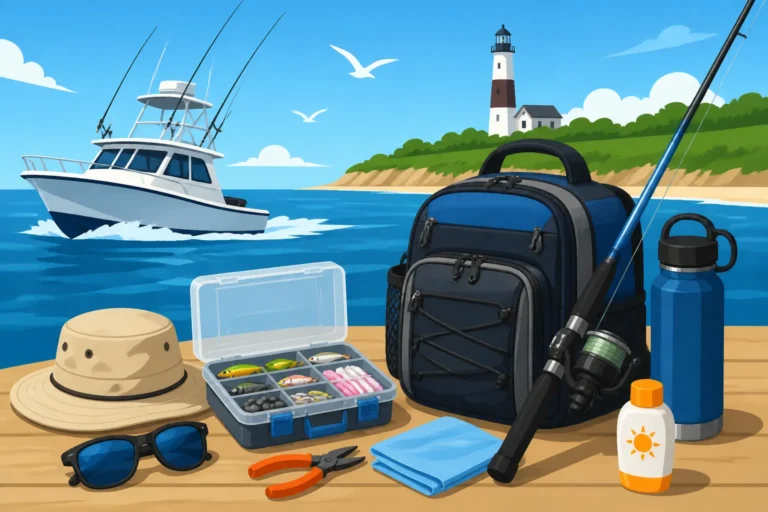
The sun on the water, even on an overcast day, can be incredibly intense. Not only do you get direct exposure from above, but also reflective glare from the water's surface, which can lead to a nasty sunburn or severe eye strain if you're not prepared. A wide-brimmed hat or a baseball cap at the very least is essential to protect your face, ears, and neck. Trust me, nobody wants a sunburnt scalp.
Polarized sunglasses are another absolute must. They don't just protect your eyes from harmful UV rays; they also cut through the glare on the water, allowing you to see deeper and sometimes even spot fish or underwater structure. This can be a huge advantage, especially in clearer waters. Finally, a good waterproof, broad-spectrum sunscreen with a high SPF is critical. Apply it generously before you even leave the dock, and reapply frequently throughout the day, especially after getting wet or sweating. Don't forget those often-missed spots like the tops of your ears, the back of your neck, and the backs of your hands.
Small Waterproof Bag for Valuables
While your charter boat will likely have some storage, having a small, personal waterproof bag is invaluable for keeping your absolute essentials dry and easily accessible. Think about your phone, wallet, keys, and any medications you might need. A dry bag designed for kayaking or boating is perfect, or even a heavy-duty Ziploc bag placed inside a small backpack can work in a pinch.
You don't want to be rummaging through a soggy backpack looking for your phone to snap a picture of that trophy fish, or worse, finding your car keys waterlogged at the end of the day. Keeping these items secure and dry gives you peace of mind and allows you to focus on the fishing. Plus, it's a handy spot for any snacks or personal items you want to keep close by.
Dress for Success: Layering for New York Weather
New York weather, especially near large bodies of water, can be famously unpredictable. A sunny morning can quickly turn into a chilly, windy afternoon, or a calm day can give way to a sudden rain shower. Layering is your best friend when preparing for a fishing charter.
Moisture-Wicking Base Layers and Insulating Mid-Layers
Start with a good moisture-wicking base layer, even on a warm day. These fabrics pull sweat away from your skin, keeping you dry and comfortable. Cotton, while comfortable for everyday wear, is a terrible choice for fishing because it holds moisture and will make you feel cold and clammy if it gets wet. Synthetics or merino wool are much better options.
Over your base layer, an insulating mid-layer is key. A fleece jacket, a lightweight puffy vest, or a wool sweater can provide warmth without being too bulky. You can easily shed these layers if the sun comes out strong or the action heats up, and just as easily put them back on if a cool breeze picks up or clouds roll in. Remember, it's always easier to take layers off than to wish you had more when you're shivering in the middle of a lake or out on the open water.
Waterproof Outerwear: Jacket and Pants
This is perhaps the most crucial clothing consideration for any serious angler. A quality waterproof and windproof outer shell – both a jacket and pants – will protect you from rain, sea spray, and biting winds. Even if the forecast is clear, squalls can pop up unexpectedly, or you might get drenched by a wave. Being wet and cold will quickly sour an otherwise fantastic day.
Look for outerwear made from breathable, waterproof materials. A full rain suit is ideal, but at the very least, a good waterproof jacket is essential. Make sure it has a hood that can be cinched down to keep your head dry and warm. Many seasoned anglers will tell you that a reliable rain suit is one of their most valuable pieces of gear, allowing them to stay comfortable and fish effectively through any weather. When considering What to Wear on a New York Lake Ontario Charter, waterproofs are at the top of the list.
Non-Slip Footwear: Stay Safe on Deck
The deck of a fishing charter boat can get wet and slippery, especially when there's fish slime, bait, or water from waves splashing over. Proper footwear isn't just about comfort; it's about safety. Opt for shoes with good traction and non-marking soles. Deck shoes, boat shoes, or even sturdy sneakers with excellent grip are good choices.
Avoid open-toed sandals, flip-flops, or high heels. Not only do they offer no protection for your feet from hooks, dropped gear, or fish spines, but they also significantly increase your risk of slipping and falling, which can lead to serious injury. Consider waterproof boots if you expect a lot of spray or colder conditions, as cold, wet feet are a quick way to become miserable.
Fueling Your Adventure: Food, Drinks, and Comfort
A day of fishing, especially a full-day charter, can be surprisingly exhausting. You'll be standing, casting, reeling, and battling fish, all of which burn energy. Keeping yourself properly hydrated and fueled will ensure you maintain your energy levels and stay sharp.
Hydration: Water is King
This might seem obvious, but it's easy to overlook when you're focused on fishing. Bring plenty of water. Even on cooler days, you can become dehydrated, especially with sun exposure and physical activity. Bottled water is best, but a reusable water bottle is also a great eco-friendly option.
Many charters will have a cooler with ice, but it's always a good idea to bring your own beverages, ensuring you have what you like. Avoid excessive sugary drinks, which can lead to a sugar crash, and go easy on the caffeine. If you're susceptible to seasickness, staying well-hydrated is also a key factor in prevention.
Snacks and Lunch: Keep Energy Levels High
Depending on the length of your charter, you'll definitely want to pack some snacks and maybe even a packed lunch. Fishing charters rarely provide meals, so plan ahead. Easy-to-eat, non-messy options are best. Think sandwiches, wraps, granola bars, fruit (like apples or bananas), nuts, and crackers.
Avoid anything that requires a lot of preparation or might make a mess on deck. A small, soft-sided cooler can be a great way to keep your food fresh and organized. And please, remember to pack out everything you pack in – don't leave any trash on the boat!
Motion Sickness Remedies
If you're prone to seasickness, or even if you're not sure how you'll react to being on the water for an extended period, it's far better to be prepared than to suffer. Over-the-counter medications like Dramamine or Bonine can be very effective, but be sure to take them before you leave the dock, as they often need time to kick in.
Other options include motion sickness patches, acupressure wristbands, or even ginger chews. Talk to your doctor if you have concerns or specific medical conditions. There's nothing worse than having your dream fishing trip ruined by a queasy stomach, so take precautions.
Essential Documentation and Safety Considerations
Beyond your fishing license, there are a few other items and considerations that contribute to a safe and hassle-free trip. Your captain is responsible for safety, but personal preparedness goes a long way.
Personal Identification and Emergency Contacts
Always carry some form of personal identification, like your driver's license. While you likely won't need it on the boat, it's good practice to have it on you in case of any unforeseen circumstances once you've disembarked. It's also wise to have a written or easily accessible list of emergency contacts, perhaps in your waterproof bag, especially if your phone might be out of service or lost.
If you have any serious medical conditions or allergies, discreetly inform your captain before the trip. They don't need your full medical history, but knowing about something critical like a severe allergy or a condition that might require specific attention can be lifesaving in an emergency.
Medications and Basic First-Aid
If you take any prescription medications, make sure you bring a sufficient supply for the duration of your trip, stored safely in your waterproof bag. Don't rely on the boat having what you need. For minor cuts, scrapes, or headaches, a small personal first-aid kit with band-aids, antiseptic wipes, pain relievers, and any personal allergy medications (like an EpiPen if applicable) can be incredibly useful.
While your charter captain will have a more comprehensive first-aid kit on board, having your own readily available for small issues means you don't have to interrupt their focus on running the boat and finding fish. It's all about being self-sufficient for the small stuff.
Optional Extras to Enhance Your Trip
Now that we've covered the absolute must-haves, let's talk about some additional items that can truly elevate your New York fishing charter experience, turning a good day into a fantastic one.
Cooler for Your Catch and Fish Cleaning Supplies
One of the best parts of a successful fishing trip is bringing home your fresh catch! While most charters will have a cooler for general boat use or to hold the day's catch, bringing your own dedicated cooler is often a good idea. This ensures your prize fish stay fresh and separate, especially if you plan on having the captain or mate fillet them.
Speaking of filleting, ask your captain beforehand about their policy. Some charters offer filleting services for a fee or as part of the tipping etiquette. If you prefer to clean your own fish and the captain allows it (and provides a suitable space), you might bring your own fillet knife and a small cutting board. However, most anglers just let the crew handle this or clean them at home. Remember to ask Do Fishing Charters Clean Your Catch?.
Camera, Portable Charger, and Binoculars
Capturing memories of your big catch, the beautiful New York scenery, or just the fun times with friends and family is priceless. A camera, whether it's your smartphone or a dedicated waterproof camera, is a great addition. Just make sure it's well-protected in your waterproof bag! And with all the photo opportunities, a portable power bank for your phone can be a lifesaver, ensuring you don't miss that perfect shot because of a dead battery.
Binoculars might seem like an odd item, but they can be fantastic for spotting wildlife, checking out distant landmarks, or even identifying other boats. They add an extra layer of enjoyment for those moments when the fishing action slows down, allowing you to take in the vastness and beauty of New York's waterways.
Your Own Tackle (Check with the Captain First!)
This is a big one for experienced anglers. Most New York fishing charters provide all the necessary rods, reels, bait, and tackle. This is usually covered in the charter fee. However, if you have a favorite rod, a lucky lure, or specific tackle you prefer to use, you might be able to bring it along.
Crucially, always check with your captain before the trip. Some captains are perfectly fine with guests bringing their own gear, especially if it matches the style of fishing they'll be doing. Others prefer everyone use their gear to maintain consistency, especially on crowded boats or for specific techniques like trolling. Communicating this beforehand prevents any awkward situations on the dock. If you're wondering What Is Included in a New York Fishing Charter Price?, tackle is almost always included.
What Your Charter Will Likely Provide (and Why It Matters)
Understanding what your charter captain typically provides can help you avoid overpacking and ensure you have what you truly need. Most reputable New York fishing charters operate with a "come as you are" mentality for gear, making it easy for beginners and experienced anglers alike.
Rods, Reels, Bait, and Tackle
The vast majority of fishing charters, whether you're targeting salmon on Lake Ontario or fluke in the Long Island Sound, will supply all the necessary fishing equipment. This includes high-quality rods and reels suitable for the target species, fresh bait, and all the terminal tackle (hooks, weights, lures, leaders, etc.). This is a huge benefit, especially for those new to the sport or visiting from out of state. You don't have to worry about buying or transporting specialized gear.
When you're looking at different options, perhaps through a platform like FishingBooker, you'll often see a clear list of what's included. This allows you to compare charters and understand their offerings before you even step foot on the boat. It's a significant part of the value a charter provides.
Safety Equipment and Experienced Crew
Every licensed charter boat is required to carry a full complement of safety equipment, including life jackets, fire extinguishers, first-aid kits, communication devices, and navigation tools. Your captain and crew are highly experienced professionals who know the local waters inside and out. They are trained in safety procedures and are there to ensure your trip is not only productive but also secure.
You can rest assured that you're in capable hands. While you should still bring your personal medications and emergency contacts, the larger safety aspects are expertly handled by the charter. This is part of why choosing a reputable charter, and knowing How to Find a Reputable Fishing Guide in New York, is so important.
Fishing Licenses and Food/Drinks are NOT Usually Included
While charters provide almost all the fishing gear, there are a few things they almost universally do not provide: your personal fishing license (as discussed above) and your food and drinks. It's your responsibility to secure the proper New York Fishing License Types Explained or marine registry before you board.
Similarly, while many boats will have a cooler with ice, you should always plan to bring your own snacks, lunch, and beverages. Don't expect a catered meal unless explicitly stated in your booking, which is rare for a standard fishing charter. Understanding these distinctions will help you pack smart and avoid any surprises on the day of your trip.
A Quick Reference Checklist for Your New York Fishing Charter
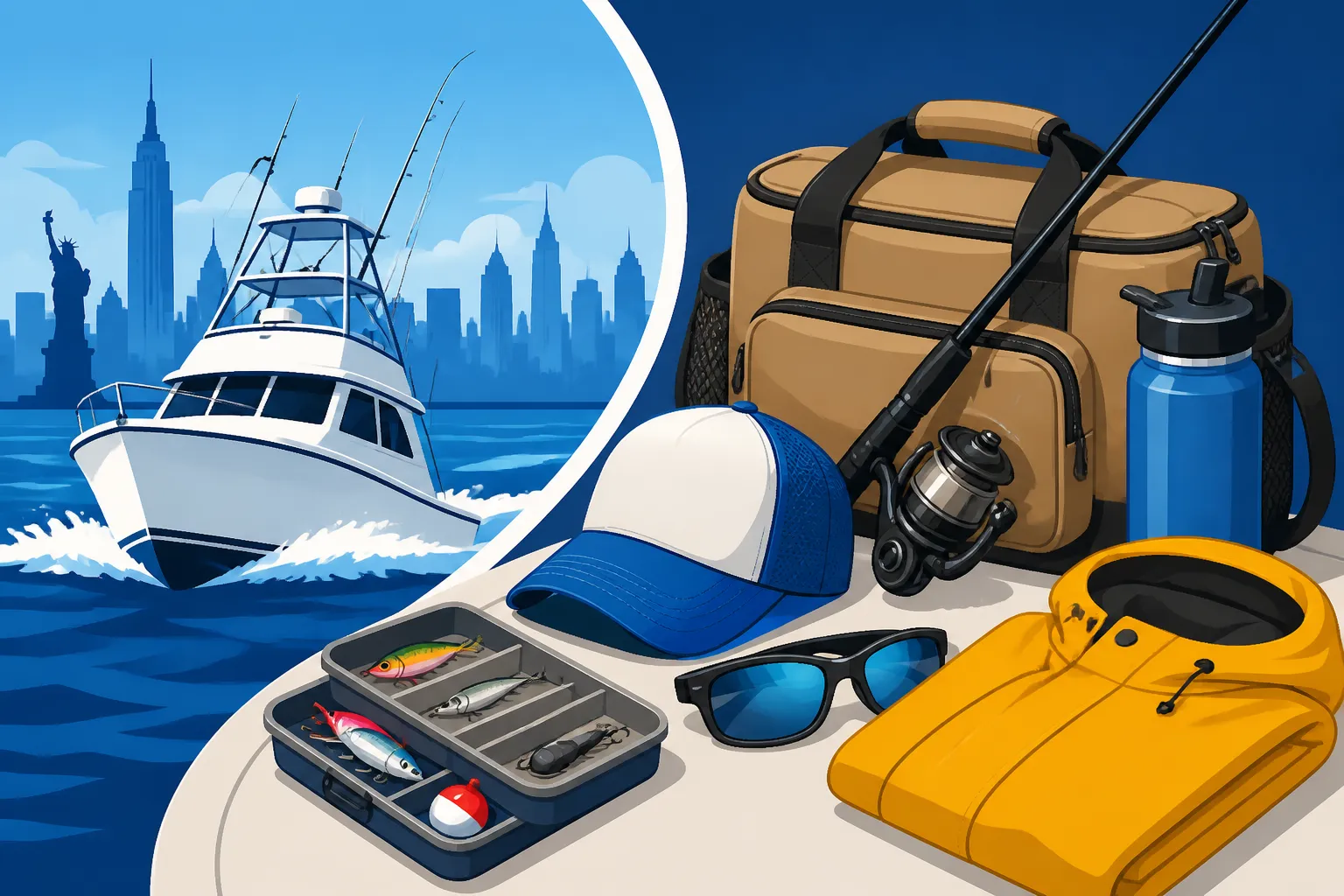
To make things easy, here's a handy checklist of items to consider bringing on your New York fishing charter.
| Category | Essential Items | Recommended Additions |
|---|---|---|
| Personal Documents | New York Fishing License/Marine Registry | Personal ID, Emergency Contacts |
| Sun Protection | Hat (wide-brimmed or cap) | Lip balm with SPF |
| Polarized Sunglasses | ||
| Sunscreen (high SPF, waterproof) | ||
| Clothing | Moisture-wicking base layer | Insulating mid-layer (fleece, wool) |
| Waterproof & windproof jacket | Waterproof pants (rain suit) | |
| Non-slip, closed-toe shoes | Extra pair of socks | |
| Food & Drink | Plenty of water | Snacks (granola bars, fruit, nuts) |
| Lunch (sandwiches, wraps) | Non-alcoholic beverages of choice | |
| Comfort & Health | Motion sickness medication (take before trip) | Small personal first-aid kit |
| Any personal prescription medications | Hand sanitizer | |
| Gear & Extras | Small waterproof bag for valuables | Camera & portable charger |
| Cooler for your catch (with ice) | Binoculars | |
| Small towel | Your favorite lucky lure (check with captain first!) |
Preparing for your New York fishing charter doesn't have to be complicated. By focusing on these key items, you'll be ready for whatever the day brings, ensuring a comfortable, safe, and memorable experience on the beautiful waters of New York. Now go catch some fish!
Disclaimer
This article is for general informational purposes only and does not constitute professional advice. Laws, prices and regulations vary by location and change over time. Consult a qualified professional for guidance on your specific situation.