Best Fishing Guides for Fly Fishing in the Catskills
The allure of fly fishing in the Catskill Mountains is undeniable, with its storied rivers and challenging trout. However, for many anglers, especially those new to the area or new to fly fishing, the sheer scope of water and the intricate techniques required can feel incredibly daunting. This guide will walk you through what makes a truly great fly fishing guide in the Catskills and how to find the perfect expert to unlock these legendary waters for you.
Why a Fly Fishing Guide in the Catskills is Essential
Navigating the renowned trout streams of the Catskills isn't like casting a line in your local pond. These are hallowed waters, rich with history and teeming with wild and wary trout that demand a specialized approach. Without local insight, you might spend more time untangling your line from streamside brush or spooking fish than actually hooking them. A seasoned guide transforms a potentially frustrating trip into an educational and rewarding experience, regardless of your skill level.
Navigating Complex Waters
The Catskill region is a spiderweb of rivers and creeks, each with its own unique characteristics, public access points, and specific regulations. Take the Beaverkill, for instance – some stretches are wide and open, while others are tight and brushy. Then you have the West Branch of the Delaware or the Neversink, which present entirely different challenges with their currents and bottom structures. A local guide knows these nuances intimately. They understand where the fish are holding based on water levels, temperature, and recent insect activity. Trying to figure all this out on your own through maps and online forums can eat up precious fishing time.
Imagine arriving at a new stretch of river, gear in hand, only to discover the prime spots are on private land or that the water is too high to safely wade. A good guide eliminates this guesswork. They’ve spent countless hours on these very waters, learning their secrets through every season. They can take you directly to productive pools, riffles, and runs, ensuring you're not wasting time casting into barren water. This insider knowledge is priceless, especially when you're on a limited vacation or day trip, and want to maximize your time on the water.
Local Knowledge is Gold
Beyond just knowing where to fish, a Catskills fly fishing guide brings a wealth of ecological understanding to your trip. They can tell you about the current insect hatches – what's coming off the water, when, and where. This "matching the hatch" aspect is often the key to success with finicky trout. They'll point out the subtle rises of fish, explain why they're feeding in a particular spot, and even help you understand the life cycle of the insects the trout are keying in on. It's an immersive lesson in entomology and trout behavior.
Furthermore, a guide understands the local weather patterns, which can dramatically affect fishing conditions. A sudden cold front, a heavy rain, or a drop in barometric pressure can turn a hot bite cold. Your guide will interpret these signs and adjust your day's plan accordingly, perhaps moving to a different river system or switching tactics. This adaptive approach, born from years of experience, is something you simply can't gain from a few hours of research online. They’re not just showing you how to cast; they’re teaching you how to think like a Catskill angler.
Mastering Catskill-Specific Techniques
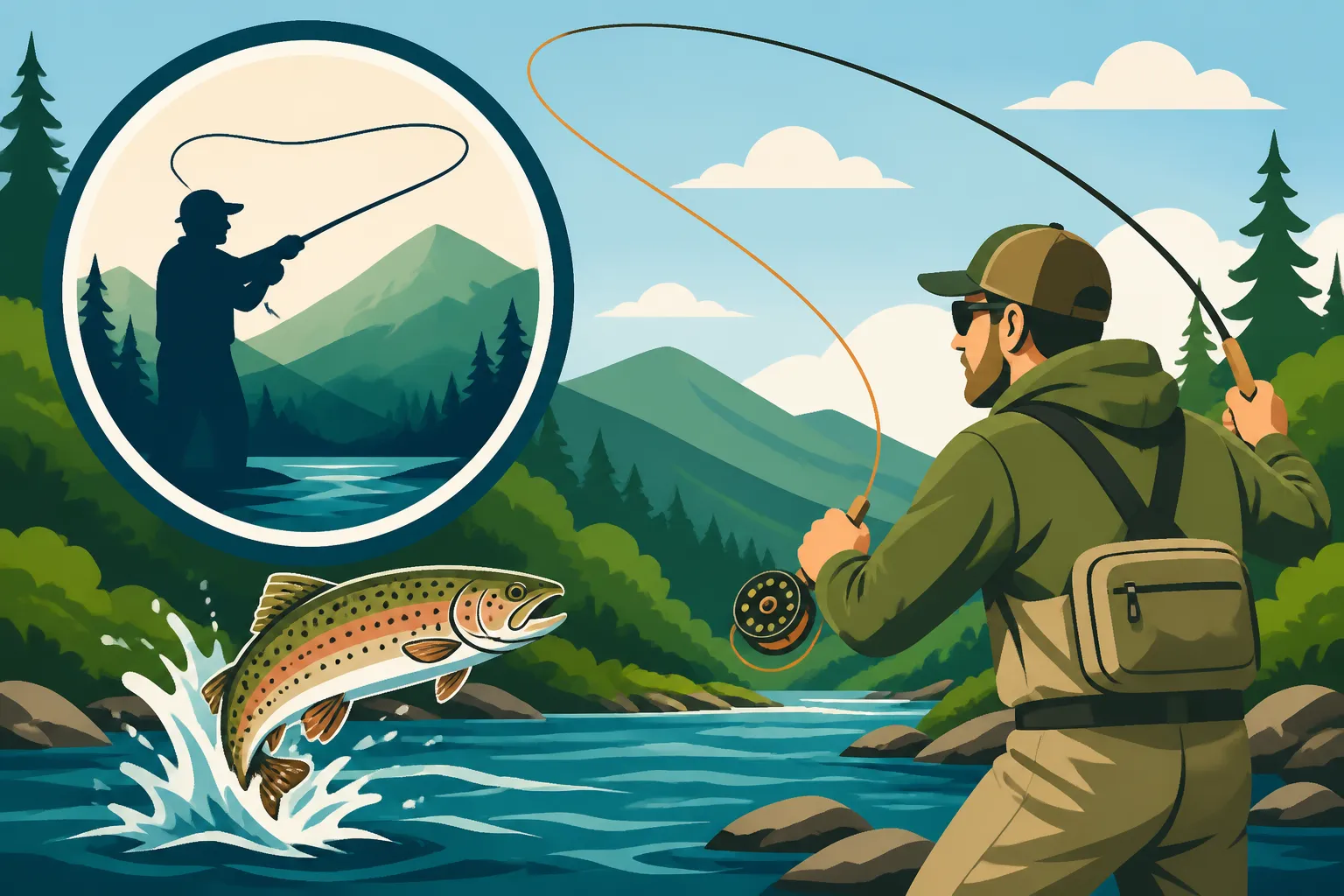
Fly fishing in the Catskills isn't always about perfect dry fly presentations on glassy pools. While that's certainly a classic scenario, you might also find yourself nymphing deep runs, swinging streamers for bigger browns, or even delicate Euro-nymphing in pocket water. Each technique requires specific gear, rigging, and casting adjustments. A guide is an expert instructor who can break down these complex methods into digestible steps, helping you improve your skills dramatically in a single outing.
Think about the classic Catskill style of casting: precise, accurate, often short-to-medium casts under tight canopy or into tricky currents. A guide can observe your casting stroke, offer immediate, personalized feedback, and help you correct long-standing bad habits. They'll teach you to mend line effectively, control your drift, and set the hook with finesse. For example, if you're struggling with a downstream mend on the Esopus, your guide can demonstrate exactly how to position your rod and line to achieve that perfect, drag-free drift that fools selective trout. This hands-on instruction is invaluable for both beginners wanting to learn the fundamentals and experienced anglers looking to refine their technique. How to Fly Fish in New York offers a great overview, but nothing beats one-on-one instruction on the water.
What to Look for in a Top Catskills Fly Fishing Guide
Choosing the right guide can make or break your trip. It's not just about finding someone who can put you on fish; it's about finding someone who is a great teacher, a good companion, and committed to your overall experience. Here’s what you should prioritize.
Experience and Certifications
A guide's experience on the specific waters you want to fish is paramount. Look for guides who have been operating in the Catskills for many years, intimately familiar with rivers like the Beaverkill, Willowemoc Creek, Esopus, and the various branches of the Delaware River system. This isn't just about general fly fishing knowledge; it's about understanding the micro-climates, the unique hatches, and the historical behavior of the fish in these particular drainages. Ask about their background: how long have they guided professionally? Are they primarily a walk-wade guide, or do they offer drift boat trips on larger sections of the rivers?
Beyond experience, professional certifications speak volumes. Many top-tier guides are licensed by the U.S. Coast Guard, especially if they operate drift boats on navigable waters. While not always mandatory for walk-wade guides, having CPR and First Aid certifications demonstrates a commitment to client safety. Check if they are insured – this protects both you and the guide in case of an unforeseen incident. Reputable guiding services, often found on platforms like FishingBooker, will usually highlight these qualifications as a matter of pride and professionalism.
Teaching Style and Personality Fit
This might be the most overlooked aspect when booking a guide. You're going to spend an entire day, or possibly more, with this person. Their personality and teaching style need to align with your expectations. Do you prefer a patient, encouraging instructor who will break down every step, or are you a seasoned angler who just wants someone to put you on fish and leave you to it? Some guides are natural teachers, passionate about sharing their knowledge; others are more focused on the catch. Don't be afraid to ask about their teaching philosophy when you call to inquire.
A great guide understands that not every day is about catching a trophy fish. Sometimes it's about learning a new casting technique, understanding a complex hatch, or simply enjoying the tranquility of the river. They should be adaptable and able to tailor the day to your interests and skill level. For instance, if you're keen to learn How to Nymph Fish for Trout, they should be excited to spend time on that, even if the dry fly bite is red hot. Reading reviews from previous clients on sites like FishingBooker can offer valuable insights into a guide's personality and how they interact with different anglers.
Gear, Logistics, and Trip Customization
A comprehensive guide service typically provides most, if not all, of the necessary gear. This includes high-quality rods, reels, waders, boots, and a selection of flies suited to the current conditions. This is a huge benefit, especially for travelers who don't want to lug all their equipment, or for beginners who haven't yet invested in their own setup. Confirm what's included and what you might need to bring yourself, such as a New York fishing license (which is always your responsibility) or personal items like sunglasses, sunscreen, and appropriate layered clothing. What to Bring on a New York Fishing Charter is a good resource, even for guided walk-wade trips.
| Service/Inclusion | Basic Walk-Wade Trip (Typical) | Drift Boat Trip (Often) | Premium Full-Service (Less Common) |
|---|---|---|---|
| Rods & Reels | Included | Included | High-end brands included |
| Waders & Boots | Included (sizes permitting) | Included | Provided, often custom fit |
| Flies & Terminal Tackle | Included | Included | Extensive selection, custom tied |
| Lunch & Drinks | Often light lunch/water | Usually more substantial | Gourmet lunch, craft beverages |
| Transportation to River | Guide provides | Guide provides | Hotel pickup available |
| Casting Instruction | Yes | Yes | Extensive, video analysis |
| Photography | Casual photos | Casual photos | Professional photo package |
| Fishing License | NOT included | NOT included | NOT included |
| Gratuity | NOT included | NOT included | NOT included |
Consider also the guide's flexibility in customizing your trip. Are you looking for a full day of intensive instruction, a half-day introduction for a beginner, or a multi-day adventure hitting different rivers? Perhaps you're interested in targeting a specific trout species, like a wild brook trout in a remote Catskills stream, or pursuing the larger brown trout found in rivers like the West Branch of the Delaware. Discuss these preferences upfront. Many guides are happy to tailor the experience to your specific desires, ensuring a truly memorable outing. The best guides understand that it's your day on the water, and they are there to facilitate your ideal experience.
Booking Your Catskills Fly Fishing Adventure
So you've decided a guide is the way to go – excellent choice! Now comes the fun part: finding that perfect fit and preparing for an unforgettable day on the water.
Researching and Vetting Guides
The internet is a powerful tool for finding guides, but a personal recommendation often carries the most weight. Ask around at local fly shops, check with friends who have fished the Catskills, or browse reputable online booking platforms. Websites like FishingBooker are excellent resources, as they aggregate listings for numerous guides, often with detailed profiles, photos, and, most importantly, client reviews. These reviews are gold; they give you a real sense of a guide's personality, teaching ability, and success rate. Look for consistent positive feedback regarding their patience, knowledge, and professionalism.
Once you have a few potential guides in mind, don't hesitate to call them directly. This initial conversation is crucial. It allows you to ask specific questions about their experience, what they include in their trips, and their availability. Pay attention to how they communicate. Are they friendly, responsive, and willing to answer all your questions thoroughly? A good guide will take the time to understand your skill level, expectations, and any particular goals you have for the day. This conversation is also your chance to get a feel for their personality and whether it's a good match for yours. You might even ask them about Best Catskills Fly Fishing Streams or How to Fly Fish the Beaverkill River to gauge their expertise.
Understanding Pricing and Inclusions
Guide rates in the Catskills can vary depending on the guide's experience, the length of the trip (half-day vs. full-day), and whether it's a walk-wade or drift boat trip. Generally, you'll find options for individual anglers, couples, or small groups. When comparing prices, ensure you understand exactly what's included. Does the stated price cover all necessary equipment, flies, and terminal tackle? Is lunch and beverages provided? What about transportation to and from the river? The more transparent a guide is about their pricing and inclusions, the better.
Be aware that gratuity is typically not included in the upfront cost, and it's customary to tip your guide. A general guideline is around 15-20% of the trip cost, but ultimately, it's based on the quality of the service and your overall satisfaction. Don't be shy about asking about their cancellation policy, especially if you're booking far in advance or during a season with unpredictable weather. Understanding all these financial and logistical details upfront prevents any surprises on the day of your trip. You can find general information on Fly Fishing Guide Rates in New York's Catskills to help set your expectations.
Preparing for Your Guided Trip
Once you've booked your guide, they will likely provide you with a checklist of items to bring. The most crucial item you are responsible for is your valid New York State fishing license. Make sure you purchase this well in advance, as you cannot fish without it. You can often buy these online through the New York State DEC website or at local sporting goods stores. Where to Buy a New York Fishing License or How to Get a Fishing License in New York can help you get this squared away.
Beyond the license, think about comfort and safety. Dress in layers appropriate for the weather, as conditions in the mountains can change quickly. Even on warm days, long sleeves can protect you from the sun and insects. Bring a good hat, polarized sunglasses (essential for spotting fish and eye protection), sunscreen, and insect repellent. A waterproof jacket is always a good idea, no matter the forecast. If you have your own waders or boots that you prefer, confirm with your guide if you should bring them. Most importantly, come with an open mind, a willingness to learn, and a positive attitude. The Catskills offer some of the most rewarding fly fishing experiences in the country, and with the right guide, you're set for an unforgettable adventure.
Disclaimer
This article is for general informational purposes only and does not constitute professional advice. Laws, prices and regulations vary by location and change over time. Consult a qualified professional for guidance on your specific situation.