New York’s St. Lawrence River Muskie Guides
Chasing muskellunge on New York's mighty St. Lawrence River is an endeavor unlike any other. These formidable freshwater predators are legendary for their elusive nature and explosive power, often earning them the moniker "the fish of 10,000 casts." It’s a challenge that can feel utterly overwhelming for even seasoned anglers, given the vastness of the river and the muskie's notoriously finicky habits. This guide is here to unravel the complexities, offering deep insights into why a dedicated muskie guide on the St. Lawrence River isn't just a luxury, but often a crucial component for success, transforming a potentially frustrating quest into a genuinely rewarding adventure.
Why You Need a Muskie Guide on the St. Lawrence River
Let's be honest, the St. Lawrence River is an incredible fishery, but it's also a beast. It's sprawling, with diverse habitats, strong currents, and a notoriously temperamental resident — the muskellunge. Going it alone can feel like searching for a needle in a haystack, especially when that needle has teeth and is actively trying not to be found. A professional guide brings an unparalleled level of expertise, experience, and efficiency to your muskie hunt, dramatically increasing your chances of success.
The Elusiveness of the Muskellunge
Muskies aren't like other fish. They don't school up in predictable patterns or feed indiscriminately. They are apex predators, solitary hunters that occupy specific territories and strike only when conditions are absolutely perfect, or they're sufficiently provoked. Their reputation for being the "fish of 10,000 casts" isn't an exaggeration – it's a testament to their wariness and intelligence. Without intimate knowledge of their seasonal movements, preferred ambush points, and feeding triggers, you could spend days casting over barren water.
A St. Lawrence muskie guide spends countless hours on the water, observing patterns, tracking fish, and understanding the nuances of the river system. They know where the muskie are likely to be holding based on water temperature, current, time of year, and even atmospheric pressure. This isn't just about finding fish; it's about understanding the mind of the muskie, knowing when and how to present a lure to elicit that often violent, heart-stopping strike. It’s the difference between blindly hoping and strategically hunting.
Navigating Vast and Complex Waters
The St. Lawrence River, particularly in the Thousand Islands region, is an immense body of water, studded with islands, shoals, deep channels, and hidden structures. It can be incredibly intimidating to navigate, especially if you're not familiar with its specific hazards and productive zones. Imagine trying to cover hundreds of miles of water, trying to distinguish between promising structure and dead water, all while keeping an eye on navigation and safety. It's a full-time job in itself, let alone trying to fish effectively.
Guides possess not only top-tier vessels designed for these waters but also an encyclopedic knowledge of the river's geography. They know the subtle humps, the deep weed edges, the rock piles, and the current breaks where trophy muskies often lie in wait. They can safely and efficiently transport you to these prime locations, saving you precious fishing time and ensuring your safety. This localized expertise, refined over years, is truly invaluable when you're targeting a fish that demands precision and persistence. If you're looking for Best Spots on the St. Lawrence River for Trophy Muskie, a guide will take you there directly.
Specialized Gear and Techniques
Muskie fishing isn't just throwing a lure out and reeling it in. It requires specialized heavy-duty tackle capable of handling massive lures, powerful fish, and the strain of repetitive casting. This includes robust rods, high-capacity reels, heavy line, and an arsenal of oversized baits – bucktails, crankbaits, jerkbaits, and soft plastics – that can be incredibly expensive to acquire. Furthermore, presenting these lures effectively requires specific techniques, from the rhythmic cadence of a bucktail retrieve to the boat-side figure-eight that often triggers follows into strikes.
A reputable St. Lawrence muskie guide will come equipped with all the necessary high-end gear, perfectly matched to the conditions and the fish. This means you don't have to invest a fortune in tackle just for one or two trips. More importantly, they'll teach you the proper casting techniques, how to work different lures, and crucial boat-side maneuvers like the How to Figure-Eight a Muskie Boatside. They’ll explain why certain presentations work better than others on a given day, essentially providing a hands-on masterclass in muskie fishing. This ensures you're using the right tools in the right way, significantly boosting your chances of success. To learn more about the gear, check out Best Lures for Muskellunge.
What to Expect from a St. Lawrence Muskie Guide
Booking a guide isn't just about hiring someone to drive a boat. It's about entering into a partnership with an experienced professional who is dedicated to making your muskie fishing dreams a reality. From the moment you step on their boat, you'll benefit from their dedication, knowledge, and commitment to providing a memorable experience.
Expert Knowledge and Local Insights
The best St. Lawrence muskie guides are walking encyclopedias of the river. They've spent decades learning its moods, its currents, its depths, and most importantly, its fish. This isn't just about where to cast, but when to cast, how to cast, and why certain methods are effective on specific days. They track New York Muskellunge Minimum Size Limit and other regulations religiously. They know the baitfish patterns, the spawning habits of Muskellunge in New York, and the subtle environmental cues that indicate muskie activity.
Imagine a scenario: the wind shifts, the barometer drops, and suddenly, the bite slows down. An experienced guide won't panic. Instead, they'll swiftly adapt, perhaps moving to a more protected bay, changing lure colors, or adjusting the retrieve speed, all based on their profound understanding of how these factors influence muskie behavior. They’ll share anecdotes, explain the local ecosystem, and offer insights that go far beyond just catching a fish – it’s a truly immersive educational experience. This kind of deep, localized insight is something you simply cannot replicate with maps or apps. Learn more about the local fishing opportunities in New York's St. Lawrence River and Thousand Islands and Muskellunge Fishing in New York's Thousand Islands.
Top-Notch Equipment and Boat
A professional muskie guide invests heavily in their craft. This means a safe, stable, and well-maintained boat specifically rigged for muskie fishing. These vessels typically feature powerful motors, advanced electronics like GPS and fish finders, and spacious casting decks to accommodate large rods and aggressive casting motions. The onboard tackle will be impeccably maintained, from sharp hooks to smoothly functioning reels, ensuring that when that trophy muskie strikes, your equipment is ready for the fight.
You can expect to find a diverse selection of high-quality muskie rods, reels, and a vast array of proven lures. Guides often have custom-built baits or highly sought-after patterns that aren't readily available to the public. They understand that a moment's hesitation or a tackle malfunction can mean the difference between landing a fish of a lifetime and telling a "one that got away" story. Knowing that you're fishing with reliable, professional-grade equipment allows you to focus entirely on the fishing experience, rather than worrying about your gear.
Tailored Fishing Experience
One of the great advantages of hiring a private guide is the ability to customize your trip. Whether you're a seasoned muskie hunter looking for a personal best, a beginner hoping to learn the ropes of How to Fish for Muskellunge, or a family looking for an exciting day on the water, a good guide will tailor the experience to your specific goals and skill level. They’ll ask about your expectations, patiently teach you techniques, and adjust the pace of the day to suit your preferences.
They understand that not every trip is solely about catching the biggest fish; sometimes it's about learning, enjoying the scenery, or creating lasting memories with friends or family. If you're particularly interested in What Muskellunge Eat and how that influences lure choice, they'll delve into the biological aspects. They act as not just a captain, but also a coach, a naturalist, and a host, dedicated to ensuring every moment on the water is enriching and enjoyable. This personalized approach makes the investment in a guide truly worthwhile.
Choosing the Right Muskie Guide for Your Trip
Selecting the right guide is paramount to having a successful and enjoyable muskie fishing trip on the St. Lawrence. It's not just about who's available; it's about finding a personality and a style that matches your own, and someone with a proven track record.
Key Factors to Consider
When you're looking for a St. Lawrence muskie guide, start by thinking about what's most important to you. Are you prioritizing a specific type of experience, like a full day of hardcore casting, or something more relaxed with a focus on education? Here are some crucial factors:
- Experience and Reputation: Look for guides with years of experience specifically targeting muskies on the St. Lawrence River. A guide who primarily targets bass might know the water, but they won't have the specialized muskie knowledge you need. Check their reputation through online reviews, forums, and word-of-mouth recommendations. A guide who consistently puts clients on fish and provides a great experience will have a strong following.
- Safety Record and Licensing: This should be non-negotiable. Ensure your guide is properly licensed by the U.S. Coast Guard (or Canadian equivalent if you're fishing Canadian waters) and carries appropriate insurance. Don't hesitate to ask for proof. Their boat should be well-maintained and equipped with all necessary safety gear, including life jackets for all passengers.
- Boat and Equipment Quality: As mentioned, muskie fishing requires specialized gear. Inquire about the type of boat they run and the quality of their rods, reels, and lures. While you don't need to know every brand, ensure they use heavy-duty tackle appropriate for large, powerful fish.
- Communication Style and Personality: You'll be spending a full day, or even multiple days, with this person. Their personality can make or break the trip. Do they communicate clearly and promptly? Are they patient, enthusiastic, and willing to teach? Some guides are quieter, others more gregarious. Consider what kind of interaction you prefer.
Researching and Booking Your Guide
Once you have an idea of what you're looking for, it's time to start your research. The St. Lawrence River, especially the Thousand Islands region, is home to many excellent muskie guides.
- Online Platforms: Websites like FishingBooker are fantastic resources for finding reputable guides. You can often filter by location, target species, and even read client reviews and see photos of past catches. This makes it much easier to compare options and get a feel for different guides' styles and offerings. New York Fishing Charters and Guides can be easily found through such platforms.
- Local Bait Shops and Marinas: These are goldmines of information. Local tackle shop owners often know the guides personally and can give honest recommendations based on current conditions and angler feedback.
- Fishing Forums and Social Media Groups: Online communities dedicated to muskie fishing or New York fishing can provide valuable insights and direct recommendations from fellow anglers.
- Direct Contact: Once you've narrowed down your choices, reach out to prospective guides directly. Call them, don't just email. This allows you to gauge their personality, ask specific questions, and clarify any details about your trip. Inquire about their typical schedule, target species focus, and what they recommend bringing.
Understanding Guide Rates and Packages
Muskie guide rates on the St. Lawrence River can vary based on the guide's experience, the length of the trip (half-day vs. full-day), and whether it's a private charter or a per-person rate. Don't be shy about discussing costs upfront.
| Trip Type | Duration | Typical Inclusions | Considerations |
|---|---|---|---|
| Half-Day | 4-5 hours | Boat, fuel, tackle, bait (if applicable) | Good for beginners or those with limited time; less muskie time |
| Full-Day | 8-10 hours | Boat, fuel, tackle, bait, sometimes lunch/drinks | Standard for serious muskie fishing; maximizes time on water |
| Multi-Day | Varies | All above, often discounted per day, lodging not incl. | Intensive hunt for trophy fish; requires more commitment |
- What's Included: Clarify what the quoted price covers. Does it include all tackle, bait, fuel, and snacks? What about fish cleaning (though catch-and-release is common for muskie)? Most guides will provide everything you need except for personal items, food/drink (beyond water), and your New York Fishing License Guide.
- Hidden Costs: Ask about any potential additional fees, such as a "fuel surcharge" if gas prices are exceptionally high, or costs for lost lures (though most guides don't charge for this unless it's excessive).
- Deposit and Cancellation Policy: Understand the deposit requirement and their cancellation policy, especially regarding weather. Reputable guides will have a clear policy for rescheduling if adverse weather makes fishing unsafe. Check out Cancellation Policies for New York Fishing Charters.
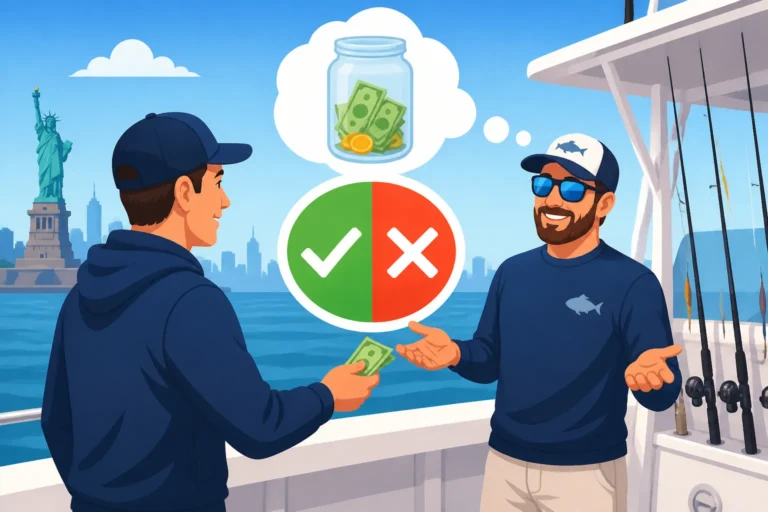
- Tipping: It's customary to tip your guide if you've had a good experience, regardless of whether you caught a fish. They work hard, often starting long before you arrive and finishing long after you leave. Typically, 15-20% of the trip cost is a good guideline. More on this later with Tipping Etiquette for New York Fishing Charters.
Preparing for Your St. Lawrence Muskie Adventure
Once you've booked your guide, a little preparation on your part can make a big difference in the enjoyment and effectiveness of your trip. Don't underestimate the physical and logistical aspects of a muskie hunt.
Essential Gear and Clothing
Comfort and preparedness are key, regardless of the weather forecast. The St. Lawrence River can be unpredictable.
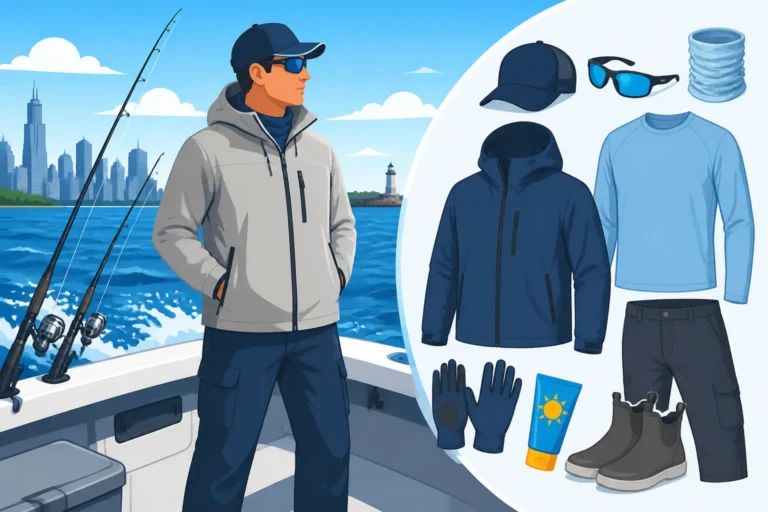
- Layered Clothing: Even on a warm day, mornings can be cool on the water, and conditions can change rapidly. Wear layers that you can easily add or remove. Think moisture-wicking base layers, a warm fleece or sweatshirt, and a waterproof/windproof outer shell.
- Rain Gear: Always pack a good set of rain gear, even if rain isn't in the forecast. It can save your day from an unexpected shower or provide extra warmth against wind and spray.
- Footwear: Wear comfortable, non-slip, waterproof shoes or boots. You'll be standing a lot, and decks can get wet.
- Sun Protection: Sun exposure on the water is intense. Bring a wide-brimmed hat, polarized sunglasses (crucial for spotting fish and structure), and plenty of high-SPF sunscreen. Even on cloudy days, UV rays are potent.
- Food and Drink: While some guides provide water or snacks, it’s always best to bring your own. Pack a lunch, plenty of water, and any other beverages or snacks you might want. A small cooler is often welcome.
- Camera: You'll want to capture the memories, especially if you land a trophy! Ensure it's waterproof or in a protective case.
Licensing and Regulations
This is absolutely critical. Fishing without the proper license and understanding the rules can lead to significant fines and penalties.
- New York Fishing License: Everyone fishing must have a valid New York State fishing license. This applies whether you're a resident or an out-of-state visitor. Your guide cannot provide this for you. You can purchase these online, at various sporting goods stores, or at some town clerk offices. If you're a New York resident, you'll need a New York Resident Fishing License Cost; if not, a New York Nonresident Fishing License Cost or a shorter-term option like a New York 7-Day Fishing License might be suitable. For a comprehensive overview, see the New York Fishing License Guide.
- Marine Fishing Registry (if applicable): While muskie are freshwater, if your trip takes you into certain boundary waters or if you plan to do any marine fishing in addition, ensure you understand the New York Saltwater Fishing Registration Guide.
- Understanding Regulations: Your guide will be intimately familiar with the current New York Fishing Regulations Explained, including catch limits, size restrictions (like the New York Muskellunge Minimum Size Limit), and season dates. Listen carefully to their instructions regarding keeping or releasing fish. It's always a good idea to familiarize yourself with the basic rules beforehand.
Physical and Mental Readiness
Muskie fishing, especially casting big baits all day, can be physically demanding. Long days of repetitive casting, often with heavy tackle, can take a toll.
- Stamina: Be prepared for a full day of activity, primarily standing and casting. If you're not used to it, consider doing some light arm and core exercises beforehand.
- Patience: Muskies are notorious for being elusive. There will be long stretches without action, and sometimes, days without a single strike. A positive attitude and unwavering patience are your greatest assets. Celebrate the follows, the learning moments, and the sheer beauty of the St. Lawrence River. Don't get discouraged if the fish aren't biting; that's just part of the muskie game.
- Open Mind: Be open to learning new techniques and listening to your guide's advice, even if it differs from what you're used to. They are the experts on that water and that fish. Embrace the educational aspect of the trip.
Maximizing Your Muskie Guiding Experience
You've invested time, money, and anticipation into this trip. To make the most of it, proactive communication, respectful behavior, and an appreciation for conservation go a long way.
Communication is Key
Don't be afraid to speak up! Your guide wants you to have a great time and to catch fish.
- Before the Trip: Clearly communicate your goals and expectations. Are you hoping to catch any muskie, or are you specifically targeting a trophy? Do you prefer a relaxed pace, or are you eager for intense action? Do you have any physical limitations the guide should be aware of? The more information you provide, the better they can tailor the experience for you.
- During the Trip: Ask questions! How do you work this lure? Why are we fishing this spot? What's that on the fish finder? A good guide loves to share their knowledge. If you need a break, feel uncomfortable, or have a question about a technique, just ask. Also, pay attention to the guide's instructions on casting, retrieving, and especially the How to Figure-Eight a Muskie Boatside at the boat. This crucial technique can often convert a follow into a strike right at the boat.
- Feedback: Providing polite and constructive feedback after the trip can be helpful for the guide, whether it’s a positive review or a private suggestion.
Tipping Etiquette and Gratitude
A professional fishing guide works incredibly hard, often starting before dawn and finishing well after you've left, cleaning the boat, maintaining tackle, and preparing for the next trip. Their income largely depends on these trips, and a significant portion often comes from tips.
- Standard Tip: As a general rule, a tip of 15-20% of the trip's total cost is customary if you've had a good experience.
- Consideration: Even if the fish aren't biting, if your guide worked hard, provided excellent service, taught you a lot, and kept you safe, a tip is still warranted. Fishing success isn't always within their control, but their effort, professionalism, and dedication are.
- Handing Over the Tip: It's usually best to discreetly hand the tip directly to the guide at the end of the trip. Cash is often preferred, but some guides might accept other forms of payment. For more detailed guidance, refer to Tipping Etiquette for New York Fishing Charters.
Conservation and Catch-and-Release Practices
Muskellunge are a precious resource, and their populations depend heavily on responsible angling practices. While New York has specific rules on New York Muskellunge Minimum Size Limit and daily limits, most dedicated muskie anglers and guides practice catch-and-release, especially for trophy fish.
- Proper Handling: Your guide will demonstrate proper handling techniques to ensure the fish's survival. This includes minimizing fight time, keeping the fish in the water as much as possible, using appropriate tools (like large nets and long-nose pliers/hook removers), and supporting the fish properly for photos. Never hold a large muskie vertically by the jaw.
- Quick Release: The goal is to get the fish back into the water quickly and safely. Your guide will emphasize this. Be ready with your camera, get your shot, and then get the fish released.
- Respect for the Resource: Understand that every muskie caught, especially the big ones, is an old, wise fish. Treating them with respect and ensuring their healthy release contributes to the future of this incredible fishery on the St. Lawrence River.
Common Questions About St. Lawrence River Muskie Guides
It's natural to have a few lingering questions, especially if you're venturing into muskie fishing for the first time or exploring new waters like the St. Lawrence.
First-Timer Concerns
Many anglers, even those with years of experience in other types of fishing, feel a little intimidated by muskie fishing. It's often perceived as an exclusive club, but a good guide welcomes all skill levels.
- "I've never caught a muskie before, is a guide still worth it?" Absolutely! For first-timers, a guide is arguably even more valuable. They will teach you everything from casting heavy lures correctly to the proper boat-side figure-eight. You’ll learn years of experience in a single day. Without a guide, you might spend several trips just figuring out the basics. It’s the fastest and most effective way to enter the world of muskie fishing.
- "What if I don't catch anything?" This is the "fish of 10,000 casts," remember? Catching a muskie is never guaranteed, even with the best guide. However, your guide significantly increases your chances. More importantly, a good guide ensures that even if the fish aren't biting, you still have a fantastic experience. You'll learn, see beautiful scenery, and enjoy being on the water. The guide's effort and dedication are not diminished by a slow bite, and neither should your enjoyment of the day.
- "Do I need to be an expert caster?" No, not at all! While the ability to cast large baits a good distance is helpful, a guide will patiently work with you on your casting technique. Many guides use electric trolling motors to position the boat optimally, making shorter, more accurate casts more important than long bomb casts sometimes. The main thing is a willingness to learn and keep trying.
Group Sizes and Logistics
Muskie fishing boats are designed for specific numbers of anglers for safety and comfort, particularly when dealing with large lures and even larger fish.
- How many people can go on a muskie charter? Most St. Lawrence muskie guides operate boats that comfortably accommodate 1 to 3 anglers, plus the guide. This allows for ample casting room, safe navigation, and personalized instruction. Trying to cram more people into a boat can make casting dangerous and reduce individual attention. Always confirm the maximum number of anglers with your guide when booking. If you have a larger group, you might need to book multiple boats.
- What if I want to fish with a friend who targets bass or walleye? Most muskie guides are specialized. While they might occasionally catch other species, their boat, tackle, and expertise are geared towards muskie. It's best to discuss this with the guide beforehand. Some might be willing to dedicate a portion of the day to other species if conditions are right, but don't expect it. It's usually best for everyone to be on the same page about targeting muskies. If you want to explore other species in the area, consider a separate trip with a dedicated guide for New York Walleye Season and Limits or New York Bass Season Dates.
- Do I need to bring my own fishing license? Yes, every angler aged 16 and older needs to have their own valid New York State fishing license. Your guide cannot provide this for you. Make sure you purchase it before your trip. It's one of the non-negotiables to avoid a costly fine. You can find out more about where to get one in our guide, Where to Buy a New York Fishing License.
A guided muskie trip on the St. Lawrence River is an experience every serious angler should consider. It's an investment in a unique adventure, an educational opportunity, and your best chance at encountering one of North America's most thrilling freshwater predators.
Disclaimer
This article is for general informational purposes only and does not constitute professional advice. Laws, prices and regulations vary by location and change over time. Consult a qualified professional for guidance on your specific situation.