Thousand Islands Fishing Guides in New York
The Thousand Islands region of New York is an absolutely breathtaking place to fish, but its sheer size and complex waterways can be incredibly daunting for even experienced anglers. Trying to navigate unfamiliar channels, find hidden honey holes, and understand local fish patterns without help can quickly turn a dream trip into a frustrating guessing game. This guide is designed to walk you through everything you need to know about hiring a top-notch fishing guide in the Thousand Islands, ensuring your adventure is both successful and memorable.
Why a Fishing Guide is Essential for Thousand Islands Anglers
You might be thinking, "Do I really need a guide? I've got my own boat and I know how to fish." And while that's wonderful, the Thousand Islands isn't just any body of water. It's a vast, intricate network of over 1,800 islands, bays, shoals, and deep channels on the majestic St. Lawrence River. It's truly a unique fishery, and having someone who lives and breathes these waters can make all the difference between a decent day and an unforgettable one.
Navigating the Unique Waters
Imagine trying to find a needle in a haystack – now imagine that haystack is moving and full of hidden currents and underwater structures! That's a bit like trying to navigate the Thousand Islands without local expertise. The St. Lawrence River, which forms the core of this region, has strong currents that vary from spot to spot, and the depths can change dramatically within a short distance. There are also countless shoals and rock piles, some clearly marked, others less so, that can pose a real hazard to unfamiliar boaters.
A local guide knows these waters like the back of their hand. They understand the river's moods, where the current tends to push baitfish, and where sudden drops provide ambush points for predatory species. They can safely navigate the maze of islands, taking you directly to productive spots without wasting precious fishing time or risking your boat on unseen obstacles. This local insight means less time spent looking at charts or trying to figure out which channel to take, and more time with a line in the water, which is exactly what you came for.
Tapping into Local Knowledge
Beyond navigation, a guide offers an invaluable repository of local fishing knowledge that no map or online forum can truly replicate. They know what's biting, where it's biting, and on what. Is it a crankbait day or a jig bite? Are the smallmouth hitting topwater in the mornings, or are they hunkered down deep on transition areas? What subtle changes in water temperature or clarity are affecting the bite? These are questions a guide answers daily, often hourly.
They've spent years, sometimes decades, refining their techniques for specific species in specific conditions unique to the Thousand Islands. They know the subtle nuances of fishing pressure, seasonal migration patterns, and even how different weather fronts impact fish behavior here. This isn't just about showing you where to cast; it's about sharing a lifetime of accumulated wisdom, helping you understand the why behind the what, which can significantly elevate your own angling skills for future trips. You can learn so much about Fishing New York's St. Lawrence River and Thousand Islands from a seasoned pro.
Maximizing Your Catch Potential
Let's be honest, we all want to catch fish when we go out! And a guide dramatically increases your chances of doing just that, especially when you're targeting specific species like the legendary muskellunge or trophy smallmouth bass. They have a vested interest in your success and will work tirelessly to put you on fish. This means having the right bait, the right tackle, and the right approach for the day's conditions, without you having to second-guess every decision.
They often have access to private spots or lesser-known areas that aren't easily found by the general public. They can quickly adapt to changing conditions, switching techniques or moving to different locations if the bite slows down. This level of adaptability and expertise means you spend less time frustrated by empty casts and more time experiencing the thrill of a hook-up. For many, a guided trip is an investment in creating those unforgettable fishing memories, rather than just another day on the water.
What to Look for in a Thousand Islands Fishing Guide
Choosing the right guide can feel a bit like dating – you want someone you click with, who knows what they're doing, and who will make your day enjoyable. It's not just about who can put you on the most fish; it's about the overall experience. Here are some key factors to consider when you're looking for that perfect match.
Experience and Specialization
First and foremost, you want a guide with proven experience in the Thousand Islands. This isn't a place for someone just learning the ropes. Look for guides who have been operating in these waters for many years, as their deep understanding of the diverse ecosystem and ever-changing conditions is invaluable. A guide who specializes in the species you're most interested in catching is also a huge plus. If you're dreaming of a monster muskie, you'll want a guide known for Muskellunge Fishing in New York's Thousand Islands. If smallmouth bass are your target, find someone with a reputation for Best Bass Fishing on New York's St. Lawrence River.
Some guides are generalists, excellent at putting clients on a variety of species throughout the season, which can be great if you're open to anything. Others are highly specialized, focusing intensely on one or two key species. Think about what kind of fishing experience you're hoping for. A specialized guide will often have custom gear, specific techniques, and a laser focus on that particular fish, increasing your chances of success for that target. Don't be shy about asking how long they've been guiding in the region and what their primary targets are.
Boat and Equipment Quality
A professional guide will have a well-maintained, comfortable, and safe boat that is appropriate for the conditions of the St. Lawrence River. This usually means a robust, stable craft designed for big water, equipped with modern electronics like fish finders, GPS, and radar. Safety equipment, including life jackets, first-aid kits, and communication devices, should be readily available and up to date. You want to feel secure and comfortable on the water, no matter what the day brings.
Beyond the boat, consider the quality of the fishing gear they provide. Are the rods and reels well-maintained and suitable for the type of fishing you'll be doing? Do they offer a variety of lures and baits that are proven producers in the area? A good guide understands that quality equipment contributes significantly to the overall experience and your success. While some anglers prefer to bring their own favorite rods, it's reassuring to know that the guide has high-quality backups or specialized gear for the local conditions. What to Bring on a New York Fishing Charter can sometimes include your own gear, but a good guide will always have you covered.
Communication and Personality
This is often overlooked but is incredibly important. You'll be spending several hours, if not a full day, in close quarters with your guide. Their personality, communication style, and teaching ability can make or break your trip. A great guide is not just a skilled angler but also an excellent communicator, patient teacher, and an all-around pleasant person to be around. They should be able to clearly explain techniques, answer your questions, and engage in conversation without being overbearing or silent.
Ask yourself: Do they seem genuinely enthusiastic about fishing and sharing their knowledge? Are they patient with beginners or children? Do they adapt their approach to suit your skill level and preferences? Reading reviews from previous clients can give you a good sense of a guide's personality. Ultimately, you want someone who will make the experience fun, educational, and memorable, regardless of how many fish you catch. A friendly demeanor and good rapport can turn a slow fishing day into a truly enjoyable outing.
Popular Fish Species Targeted by Guides in the Thousand Islands
The Thousand Islands region is a true angler's paradise, boasting a diverse array of fish species that draw enthusiasts from all over. While many fish call these waters home, some are particularly sought after by guides and their clients due to their fighting prowess, size, or delicious taste. Understanding what's available can help you decide what kind of guided trip you want to pursue.
Trophy Muskellunge
Ah, the muskie! The "fish of 10,000 casts" is arguably the crown jewel of the Thousand Islands fishery. These monstrous freshwater predators are famous for their elusive nature, incredible strength, and explosive strikes. Anglers specifically target them for the challenge and the chance to land a truly massive fish. Guides specializing in muskie fishing in this region are masters of their craft, knowing the deep-water haunts, weed edges, and current seams where these giants lurk. They often employ large baits, heavy tackle, and specific trolling or casting patterns designed to entice a strike from these wary creatures.
Catching a muskie is often a quest, and a guide provides the best chance of success, especially for visitors. They track migration patterns, preferred forage, and even the subtle changes in weather that might trigger a bite. Many New York's St. Lawrence River Muskie Guides will tell you that patience is key, but the reward of seeing a huge muskie follow your lure or engulf a bait is unparalleled. The Thousand Islands has a reputation for producing truly massive muskies, with some approaching or even exceeding the New York State Muskellunge Record: 69 Pounds, 15 Ounces. Imagine being part of a World Record Catch-and-Release Muskie Caught on the St. Lawrence River story yourself!
Smallmouth Bass and Walleye
If you're looking for consistent action and thrilling fights, the smallmouth bass and walleye fisheries in the Thousand Islands are exceptional. Smallmouth bass, known for their bronze color and acrobatic leaps, thrive in the clear, rocky waters around the islands. They are aggressive fighters, making them a favorite for both spin-fishing and fly-fishing enthusiasts. Guides know where to find schools of these "bronze backs" congregating on shoals, drop-offs, and around submerged structures. Techniques often include jigging, drop-shotting, and casting crankbaits or tubes.
Walleye, on the other hand, are prized for their delicate white meat and their preference for low-light conditions. They inhabit deeper areas of the river and are often targeted during dawn, dusk, or even night fishing trips. Guides employ tactics like trolling with crankbaits, drift fishing with live bait, or vertical jigging to entice these wary fish. The Thousand Islands region offers fantastic opportunities for both smallmouth and walleye, providing anglers with a chance to fill their cooler with delicious fish or simply enjoy the thrill of the catch. The action for these species can often be more consistent than the elusive muskie, making for a very satisfying day on the water.
Northern Pike and Panfish
Beyond the headline species, the Thousand Islands also offers excellent fishing for northern pike and various panfish, which can provide plenty of excitement, especially for families or those seeking continuous action. Northern pike are aggressive, toothy predators that inhabit weed beds, shallow bays, and slower current areas. They strike with ferocity and put up a strong fight, making them a fun target. Guides will often take you to areas where pike are plentiful, using spoons, spinners, or large minnows.
Panfish, including species like yellow perch, bluegill, and rock bass, are abundant throughout the region. While smaller, they offer fantastic light-tackle fun and are a perfect target for younger anglers or those who simply want to catch a lot of fish. Guides often know productive panfish spots, which can be an excellent way to introduce kids to fishing or to simply enjoy a relaxed day of steady bites. These species are also excellent table fare, providing a delicious bonus to your fishing adventure. Don't underestimate the simple joy of a bent rod and a continuous stream of willing panfish.
Understanding Guide Services and Typical Inclusions
When you decide to book a fishing guide, it's helpful to know what to expect in terms of trip duration, what's usually provided, and how pricing works. This helps you plan your budget and ensures there are no surprises on the day of your adventure. Guides offer a range of services designed to accommodate different needs and schedules.
Half-Day vs. Full-Day Trips
The most common options you'll find are half-day and full-day trips. Half-day trips usually last around four to five hours, perfect for those with limited time, beginners, or families with younger children who might have a shorter attention span. They offer a taste of what the Thousand Islands fishery has to offer without committing to a whole day on the water. The pace is often a bit quicker, focusing on getting to productive spots efficiently.
Full-day trips typically run for eight hours or more. These are ideal for serious anglers who want to maximize their time, explore more areas, and target multiple species or trophy fish. A full day allows for more flexibility, permitting the guide to chase the bite as it moves, or to try different techniques throughout the day. Naturally, full-day trips represent a more substantial investment. When considering Half-Day vs Full-Day Fishing Charters, think about your group's stamina and your fishing goals. Some species, like muskies, often require the extended time that a full-day trip provides to increase your chances.
What's Provided (and What You Need to Bring)
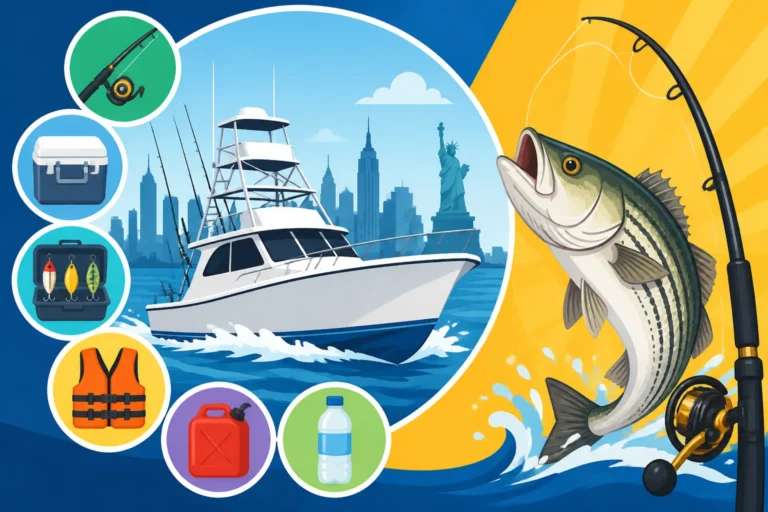
Most reputable Thousand Islands fishing guides provide all the necessary fishing gear, including rods, reels, tackle, and bait. This is a huge convenience, as it means you don't have to worry about bringing your own specialized equipment or wondering if you have the right lures for the local conditions. They'll have a cooler stocked with ice and often offer bottled water. Safety equipment, such as life jackets (which are legally required for certain ages and always available for everyone), will always be on board. Some guides might even offer to clean and package your catch at the end of the day, which is a fantastic perk!
However, there are a few things you'll almost certainly need to bring yourself. Foremost is your New York State fishing license. This is a non-negotiable legal requirement, and guides cannot provide it for you. You can usually purchase one online or at authorized vendors before your trip. You'll also want to bring appropriate clothing for the weather, including layers, rain gear, and sun protection (hat, sunglasses, sunscreen). Snacks, drinks (beyond water), and any personal medications are also your responsibility. Don't forget your camera to capture those awesome memories! Check out New York Fishing License Guide and New York Fishing Regulations Explained well before your trip.
Group Sizes and Pricing Structure
Guide services in the Thousand Islands typically price their trips based on the duration (half-day or full-day) and the number of anglers in your party. Most guide boats are equipped to comfortably handle two to three anglers, sometimes four, in addition to the guide. Bringing more people usually means a slight increase in the total trip cost, but the per-person cost might actually decrease, making it a more economical option for small groups. Be sure to clarify the maximum number of people the guide can accommodate.
The actual cost will vary significantly based on the guide's experience, the type of fishing, and the length of the trip. While I can't provide specific figures, expect guide services to represent an investment in a high-quality, personalized fishing experience. It's important to understand that you're paying not just for the guide's time, but for their extensive knowledge, expensive equipment, boat maintenance, insurance, and fuel. When researching, ask for their pricing upfront and confirm what is and isn't included. You might find general information on What St. Lawrence River Muskie Guides Charge which can give you a ballpark idea.
How to Book a Fishing Guide for Your Thousand Islands Adventure
Once you've decided a guide is the way to go, the next step is actually finding and booking one. This process involves a bit of research and planning, but it's well worth the effort to ensure you end up with the right professional for your needs.
Researching and Comparing Options
The Thousand Islands region has many excellent fishing guides, and finding the right one means doing a little homework. Start by searching online for "Thousand Islands fishing guides" or "St. Lawrence River fishing charters." Websites like FishingBooker are fantastic resources, as they allow you to browse multiple guides in one place, read reviews, see their specialties, and view photos of their boats and past catches. You can also get a good sense of their availability and services.
Beyond online platforms, ask for recommendations. Local tackle shops in towns like Clayton, Alexandria Bay, or Cape Vincent are often great sources of information. They interact with guides daily and know who's reputable. Fishing forums and social media groups dedicated to New York fishing can also provide valuable insights and personal testimonials. Compare guides based on their experience, target species, boat setup, and what past clients have to say about their personality and professionalism. Don't just look at who catches the biggest fish; consider the overall experience they offer.
The Booking Process
Once you've narrowed down your choices, it's time to reach out. Most guides prefer initial contact via phone call or email. Be clear about your desired dates, the number of people in your party, and what species you're hoping to target. This allows the guide to determine if they can accommodate you and if their expertise aligns with your goals. Don't be afraid to ask questions about their experience, what's included, their cancellation policy (especially important given unpredictable weather), and what measures they take to ensure client safety.
Many guides require a deposit to secure your booking, with the balance due on the day of the trip. Make sure you understand their payment terms and cancellation policy thoroughly. Confirm everything in writing, whether by email or a formal booking confirmation. Reputable platforms like FishingBooker streamline this process, often handling deposits and providing clear terms, which can offer an extra layer of peace of mind. Remember, popular guides, especially during peak seasons for species like muskie or salmon, book up far in advance, so plan ahead!
Tipping Etiquette and Expectations
Tipping your fishing guide is customary, much like tipping in a restaurant or for other service industries. It's a way to show appreciation for their hard work, expertise, and dedication to making your trip successful and enjoyable. The standard tipping range for a fishing guide in New York, and generally across the industry, is typically 15-20% of the total trip cost. If your guide went above and beyond – perhaps they worked extra hard to find fish in tough conditions, were exceptionally patient with your kids, or provided outstanding instruction – a larger tip is certainly warranted and deeply appreciated.
Even if the fishing was slow (which sometimes happens, it's fishing after all!), if your guide put in a full effort, maintained a positive attitude, and provided a safe and enjoyable experience, a tip is still appropriate. Remember, they can't control the fish, but they can control their effort and professionalism. Handing the tip directly to the guide at the end of the trip is the most common and courteous way to do it. For more detailed insights, you can review guides like Tipping Etiquette for New York Fishing Charters.
Making the Most of Your Guided Trip
You've done the research, booked your guide, and the date is set! Now, let's talk about how you can ensure you get the absolute most out of your Thousand Islands fishing adventure. A little preparation and a positive attitude go a long way in making memories that last.
Preparing for Your Day on the Water
Preparation starts well before you meet your guide. Check the weather forecast for the Thousand Islands area a few days in advance and adjust your clothing accordingly. Layers are always a good idea, even in summer, as conditions on the St. Lawrence River can change rapidly, from sunny warmth to cool breezes or even a sudden shower. Bring rain gear, a hat, sunglasses, and plenty of sunscreen, even on cloudy days. UV rays can be intense on the water.
Pack any personal snacks and drinks you might want, keeping in mind that while guides often provide water, a longer day might call for more substantial provisions. Don't forget your valid New York fishing license – this is crucial! Most guides will confirm your license status beforehand, but it's your responsibility to have it. Get a good night's sleep, arrive on time at the designated meeting point, and be ready for an exciting day. A well-rested and prepared angler is a happy angler!
Learning from Your Guide
One of the greatest benefits of hiring a guide is the opportunity to learn. Don't be afraid to ask questions! How do they choose their lures? What do they look for on the fish finder? How do they read the current? What's the best technique for setting the hook on a smallmouth bass versus a muskie? A good guide loves to share their knowledge and teach. Pay attention to their techniques, their presentation, and how they handle fish.
Think of your guide as a mentor. They can teach you about knot tying, proper fish handling for catch and release (especially important for trophy species), and interpreting different types of fishing structure. Even if you're an experienced angler, you'll pick up local tips and tricks unique to the Thousand Islands. The more engaged you are in the learning process, the more you'll gain from the experience, making you a better angler for your next solo trip. Embrace the opportunity to absorb their expertise.
Respecting the Environment
Fishing in the Thousand Islands is a privilege, and it's essential to treat the natural environment with respect. Your guide will undoubtedly lead by example, but it's important for you as a client to do your part. This means following all local New York Fishing Regulations Explained and catch limits. Practice proper catch and release techniques, especially for larger or protected species, ensuring the fish has the best chance of survival. If you're targeting specific fish, ensure you know their slot limits or minimum sizes.
Always properly dispose of trash and never litter. Take out everything you bring in, and leave nothing behind. Be mindful of boat wakes, especially when passing smaller boats or docks. Respect private property along the shoreline. By being a responsible angler, you help preserve the beauty and health of the Thousand Islands fishery for future generations. Your guide is not just there to catch fish; they are also stewards of these incredible waters, and you should be too.
| Aspect | Half-Day Trip (Approx. 4-5 hours) | Full-Day Trip (Approx. 8+ hours) |
|---|---|---|
| Ideal For | Beginners, families with kids, limited time, quick experience | Serious anglers, trophy hunting, multiple species, in-depth learning |
| Typical Focus | Efficiently targeting active fish, one or two main species | Exploring diverse spots, adapting to conditions, deeper water |
| Energy Level | Moderate, less physically demanding | Higher, requires more stamina |
| Cost | Generally lower total cost | Generally higher total cost |
| Learning Potential | Good for basic techniques and immediate results | Excellent for in-depth understanding and varied scenarios |
| Flexibility | Less time to adjust if conditions change significantly | More flexibility to move around and try different approaches |
| Lunch/Snacks | Often just snacks/drinks needed | Usually requires packed lunch and more snacks/drinks |
Disclaimer
This article is for general informational purposes only and does not constitute professional advice. Laws, prices and regulations vary by location and change over time. Consult a qualified professional for guidance on your specific situation.