Muskellunge Fishing in New York’s Thousand Islands
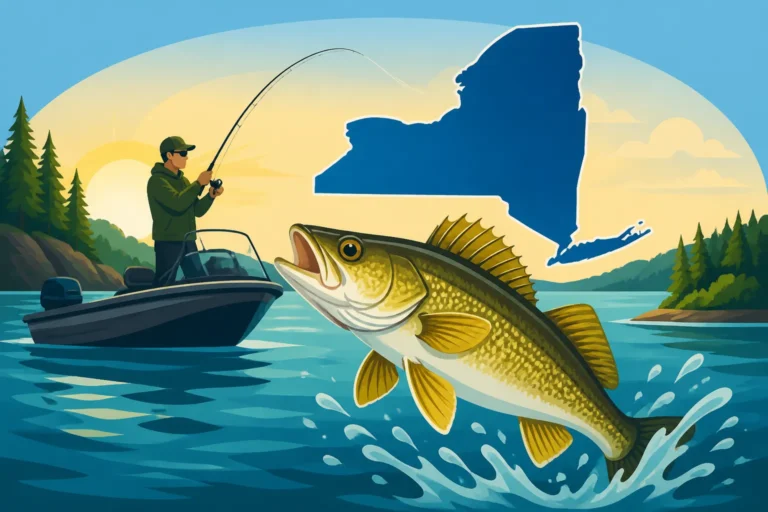
Few freshwater angling experiences match the intense anticipation and sheer adrenaline rush of targeting a monstrous muskellunge, especially in a legendary fishery like New York's Thousand Islands. Many anglers feel intimidated by the sheer size and elusive nature of these apex predators, often spending countless hours on the water without even a glimpse. This comprehensive guide will equip you with the knowledge, strategies, and local insights needed to significantly improve your chances of hooking into a true freshwater giant in this incredible region.
The Allure of Muskellunge Fishing in the Thousand Islands
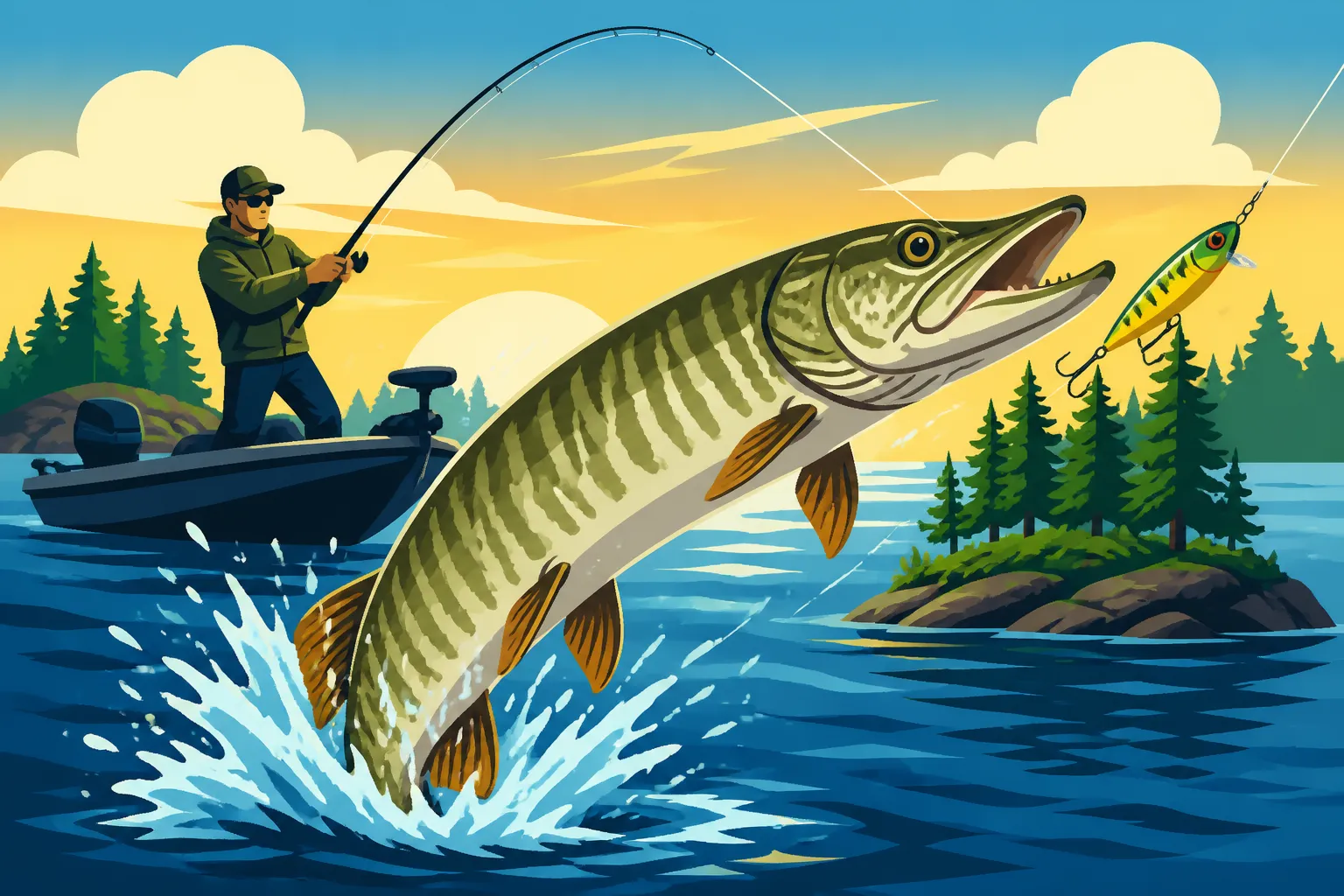
The Thousand Islands region, where the mighty St. Lawrence River begins its journey from Lake Ontario, isn't just a picturesque vacation destination—it's a world-renowned battleground for anglers chasing the elusive muskellunge. These fish, often called "the fish of 10,000 casts," present a challenge unlike any other, and the St. Lawrence River boasts some of the biggest and most aggressive specimens you'll ever encounter. It's a place where legends are made, and every cast holds the promise of a lifetime catch.
Why the Thousand Islands is Muskie Paradise
What makes the Thousand Islands such a prime location for muskellunge? It boils down to a perfect storm of environmental factors. The St. Lawrence River here is a vast, nutrient-rich system with an incredible diversity of baitfish, including ample populations of suckers, perch, and ciscoes, which are essential for growing muskies to gargantuan sizes. The river's unique structure, characterized by thousands of islands, rocky shoals, expansive weed beds, deep channels, and current breaks, provides an endless array of ambush points and holding areas for these solitary predators. Unlike smaller, more confined lakes, the sheer size and complexity of this system allow muskies to thrive, grow to exceptional sizes, and remain relatively undisturbed.
Fishing here isn't just about catching a fish; it's about immersing yourself in an epic quest. The feeling of casting a heavy lure, working it painstakingly through prime habitat, and then experiencing that heart-stopping strike is what keeps anglers coming back, year after year. The potential to land a true trophy, perhaps even matching some of the impressive specimens mentioned in articles like New York's Biggest Muskellunge Ever Caught, is a powerful draw that sets the Thousand Islands apart.
Understanding the Muskie: A Predatory Masterpiece
To successfully target muskellunge, you need to think like one. These aren't your average panfish; they are finely tuned, opportunistic predators. Known for their powerful, elongated bodies, razor-sharp teeth, and incredible bursts of speed, muskies are ambush hunters. They prefer to lurk in areas where they can surprise their prey, such as along weed edges, beneath submerged timber, or in current seams near rocky structures. Their elusive nature isn't just a quirk; it's a testament to their intelligence and survival instincts. They can follow a lure for what feels like an eternity, only to turn away at the last second, or strike with such ferocity that it rips the rod from your hands.
Their feeding habits are largely dictated by water temperature, forage availability, and time of year. While they can feed at any time, they often exhibit periods of heightened activity, which experienced anglers learn to recognize. They're not always actively chasing; sometimes they're just "soaking" in a comfortable spot, waiting for an easy meal to pass by. Understanding these nuances—their territoriality, their preference for cover, and their sometimes maddening fickleness—is crucial. It’s why fishing for them is as much a mental game of patience and observation as it is a physical endeavor of casting and retrieving. If you're looking for more general information on this fascinating species, check out our guide on Muskellunge in New York.
Prime Muskellunge Habitats in the Thousand Islands
The Thousand Islands region of the St. Lawrence River offers an astonishing variety of fishing environments, each potentially holding a trophy muskie. Knowing where to focus your efforts is paramount, as blindly casting across miles of open water will likely lead to frustration. The key is to identify areas that provide the necessary cover, current breaks, and forage opportunities that muskies demand.
Navigating the St. Lawrence River's Muskie Hotspots
The main channel of the St. Lawrence River through the Thousand Islands is a dynamic waterway, offering a blend of deep water, strong currents, and intricate structure. Towns like Clayton, Cape Vincent, and Alexandria Bay aren't just launch points; they're gateways to some of the most productive muskie waters. Around Clayton, for instance, you'll find numerous islands and shoals that create current breaks and eddies where baitfish congregate, and where muskies lie in wait. These areas often feature a mix of rock and scattered weeds, providing excellent cover. Moving towards Cape Vincent, the river transitions into a wider expanse, but don't be fooled—the deeper flats and offshore humps can hold massive fish, especially during the colder months when they seek stable temperatures.
Further downstream towards Alexandria Bay, the terrain becomes even more convoluted with countless small islands, narrow passages, and extensive weed beds. These "back channel" areas, while sometimes tricky to navigate, can be goldmines for active fish. Focus on points where current sweeps around an island, creating a seam. Look for areas where healthy weed beds abruptly meet deeper water or rocky bottom. These transition zones are prime ambush locations. It's often said that if you can find the bait, you'll find the muskie, and the St. Lawrence River has no shortage of schools of perch and shiners, making these hotspots particularly attractive. For a broader overview of this exceptional fishing region, consider reading our guide on Fishing New York's St. Lawrence River and Thousand Islands.
Beyond the Main Channel: Exploring Bays and Tributaries
While the main river channel holds its share of giants, neglecting the myriad bays and the mouths of smaller tributaries would be a mistake. These less-pressured areas often provide critical sanctuary for muskies, especially during periods of high boat traffic or extreme weather. Large bays, with their extensive weed flats, lily pad fields, and isolated patches of timber, are ideal for casting. Here, the current is often significantly reduced, allowing muskies to conserve energy and ambush prey more easily. Look for variations in weed height, distinct weed edges, or pockets within the weeds that create ideal hiding spots.
The mouths of tributaries flowing into the St. Lawrence can also be productive, especially during seasonal migrations of baitfish or when muskies are seeking slightly different water temperatures. These areas often feature murky water and unique current dynamics that can concentrate both bait and predators. For instance, smaller creeks or rivers that empty into the St. Lawrence might have deeper holes or submerged fallen trees at their confluence with the main river, providing perfect cover. Exploring these quieter, often overlooked spots requires patience and a keen eye for subtle changes in bottom contour or vegetation, but the reward can be a less-pressured, eager muskie that hasn't seen dozens of lures every day.
Essential Gear and Tackle for Thousand Islands Muskies
Catching a muskellunge, especially a trophy from the Thousand Islands, demands a serious commitment to your gear. These fish are not only large and powerful, but they possess an incredible ability to test the limits of your equipment. Skimping on tackle can lead to heartbreaking losses, snapped rods, and damaged reels. Investing in the right tools isn't just about performance; it's about safety and ensuring you can properly handle and release these magnificent creatures.
Rods, Reels, and Line: Building Your Muskie Arsenal
When it comes to muskellunge fishing, "heavy-duty" is the operative term for rods. You'll want a rod that can handle large, heavy lures, generate powerful casts, and withstand the violent head shakes of a furious muskie. Typically, muskie rods range from 8 to 10 feet in length, with a heavy or extra-heavy power rating and a fast or extra-fast action. This length provides leverage for long casts and aids in controlling the fish, while the heavy power ensures you have enough backbone to drive large hooks into a muskie's bony mouth. Brands like St. Croix, G. Loomis, and Shimano offer excellent muskie-specific rods that are designed for this punishing style of fishing.
Pair these rods with robust baitcasting reels featuring a high gear ratio for quick line retrieval and a strong, smooth drag system. Reels in the 300 to 500 size range are common, with a sturdy all-metal construction to handle the strain. For line, 65 to 100-pound braided line is standard. The braid's lack of stretch provides superior sensitivity and hook-setting power. However, direct braid to lure is a recipe for disaster with their sharp teeth. You absolutely must use a strong leader, typically 80-150 pound test fluorocarbon or, for maximum protection, a titanium or heavy-duty wire leader. The length of the leader should be at least 18-24 inches to prevent bite-offs during the fight. For further insights on general muskie tackle, our guide on How to Fish for Muskellunge offers more foundational advice.
Lures and Baits: What Gets a Muskie's Attention
Muskies are attracted to large, aggressive presentations, and the Thousand Islands offers an incredible variety of lure choices. Your tackle box should be stocked with a diverse selection to cover different depths, conditions, and muskie moods.
Bucktails are perhaps the most iconic muskie lure. Their pulsating skirts and spinning blades create intense flash and vibration, triggering aggressive strikes. Popular models include the Mepps Musky Killer, Bucher Topraider, and Musky Mayhem Double Cowgirls. Vary blade size and color based on water clarity and sunlight.
Jerkbaits and Glide Baits are essential for mimicking injured baitfish. Lures like the Grandma or Hellhound can be worked with erratic twitches and pauses, driving muskies wild. These are particularly effective when fish are somewhat lethargic or holding in denser cover.
Topwater Lures provide some of the most exciting strikes in muskie fishing. Large prop baits, walk-the-dog baits, and soft plastic topwaters can be deadly in low light conditions or over weed beds. Suick and Whopper Plopper style baits are popular.
Crankbaits and Swimbaits round out the arsenal. Deep-diving crankbaits are excellent for trolling deep channels or casting to drop-offs, while large soft plastic swimbaits can be rigged weedless and worked through heavy cover.
When selecting colors, consider natural baitfish patterns for clear water and bright, high-contrast colors (like chartreuse, firetiger, or black and orange) for stained water or low light. The key is to experiment; what works one day might not work the next. Regularly inspecting your lures for damage and sharpening hooks after every fish is critical to ensure a solid hookset and successful landing. If you're looking for more details on what specifically to throw, our article on Best Lures for Muskellunge can provide more specialized recommendations.
| Lure Type | Best Use Case | Key Characteristics | Popular Examples |
|---|---|---|---|
| Bucktails | All-around, fast retrieve, search baits, aggressive fish | Flash, vibration, multiple blades | Musky Mayhem Double Cowgirl, Mepps Musky Killer |
| Jerkbaits | Erratic retrieve, mimic injured bait, cooler water | Suspending, glides side-to-side, no inherent action | Rapala Super Shad Rap, Hellhound, Salmo Slider |
| Topwater Lures | Low light, over weeds, calm conditions, exciting strikes | Creates surface disturbance (props, bubbles, splashing) | Whopper Plopper, Suick, Heddon Zara Spook (large) |
| Crankbaits | Trolling, deep water, covering open water, consistent dive | Dives to specific depths, wobbling action | Wiley Lure, Deep Diver Rapala, Cisco Kid |
| Glide Baits | Subtle presentations, precise casts, wary fish | S-shaped glide on retrieve, responsive to rod taps | Phantom Lures, Salmo Fatso, Musky Mania Jitterbug |
| Swimbaits | Realistic baitfish imitation, versatile retrieve | Soft plastic or hard body, natural swimming action | Bondy Bait, Chaos Tackle Medusa, Savage Gear |
Effective Techniques for Landing a Thousand Islands Muskie
Muskellunge fishing isn't just about brute strength; it's a strategic game of patience, persistence, and precision. The sheer size and power of these fish mean that every step, from presentation to the fight itself, must be executed flawlessly. There are several tried-and-true techniques that consistently produce fish in the Thousand Islands, each with its own nuances and ideal conditions.
Trolling for Trophy Muskies
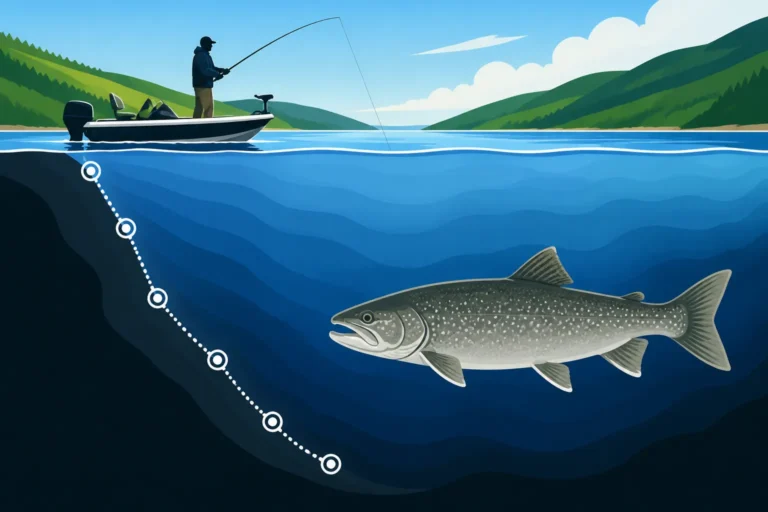
Trolling is an incredibly effective method for covering vast amounts of water in the St. Lawrence River and presenting large baits to muskies that might be scattered or holding in deeper, less obvious locations. It allows you to systematically work along weed lines, over rocky reefs, or through deep channels that might be difficult to reach with casting alone. The key to successful trolling is understanding depth control and speed. Large, deep-diving crankbaits are staples for trolling. You'll need to use heavy braided line and potentially even planer boards or downriggers to get your lures to the desired depth and spread them out effectively.
Typical trolling speeds for muskies range from 3.5 to 6 miles per hour, but this can vary depending on the lure, water temperature, and muskie activity. Often, subtle changes in speed, even momentary accelerations or decelerations, can trigger a strike. Pay close attention to your electronics: sonar and GPS are invaluable for identifying underwater structure like humps, drop-offs, and baitfish schools. When you mark fish or structure, make passes over those areas repeatedly. Many guides on the St. Lawrence rely heavily on trolling, especially in the wider, deeper sections, as it's a proven method for targeting the largest, most solitary fish that aren't necessarily holding tight to visible cover. It's a game of covering ground and waiting for that one explosive hit that makes the entire endeavor worthwhile.
Casting and Figure-Eighting
While trolling is excellent for covering water, casting allows for more precise presentations to specific pieces of structure, such as isolated weed clumps, fallen trees, or rocky points. This method demands focus and stamina, as you'll be making hundreds, if not thousands, of casts throughout the day. When casting, aim to place your lure right into the heart of potential muskie holding areas. Work your lure back with a varied retrieve, experimenting with speed, pauses, and twitches to find what the fish prefer on any given day. The goal is to make your lure look like an easy, injured meal.
Perhaps the most critical technique in muskie casting is the "figure-eight." Many muskies will follow a lure right up to the boat, often unseen until the very last second. Instead of immediately lifting your lure from the water, plunge your rod tip into the water and execute a large, continuous figure-eight motion right next to the boat. This keeps the lure in the water and simulates a fleeing baitfish, often triggering a strike from a hesitant follower. It's an electrifying moment when a muskie suddenly appears out of nowhere and engulfs your lure at the side of the boat! Mastering this technique, as detailed in our guide on How to Figure-Eight a Muskie Boatside, can convert many follows into actual catches. Persistence is key with casting; sometimes it takes dozens of casts to a single piece of cover before a fish decides to commit.
Seasons, Regulations, and Conservation
Muskellunge fishing in the Thousand Islands is a seasonal pursuit, heavily influenced by water temperatures and the fish's metabolic rates. Understanding the nuances of the fishing calendar, coupled with a strict adherence to New York State's regulations, is crucial for both success and the long-term health of this incredible fishery. Conservation isn't just a suggestion here; it's a vital part of muskie angling.
Best Times to Fish for Muskellunge in the Thousand Islands
The muskellunge season in the Thousand Islands generally kicks off in late June, after the fish have completed their spawning rituals and water temperatures have risen sufficiently to make them active hunters. Early summer (late June through July) can be fantastic as muskies recover from spawning and feed aggressively. During this period, they often relate to shallower weed beds and rocky structures, making them accessible to both casting and trolling. Water temperatures are comfortable, and the fish are generally less pressured initially.
However, many seasoned Thousand Islands muskie anglers consider fall (September and October) to be the absolute prime time for trophy fish. As water temperatures begin to drop, muskies enter a "feeding frenzy" phase, bulking up for the lean winter months. They become incredibly active, often chasing down large baits with unmatched ferocity. During fall, muskies frequently move to deeper structure, like humps, break lines, and deep points, where they ambush schools of baitfish. This is when the largest fish are most vulnerable, and when the chances of landing a true giant significantly increase. You can find more specific seasonal advice in our article on Best Season for Muskellunge Fishing in New York. While weather can be unpredictable in the fall, those willing to brave the cooler temperatures and potential winds are often rewarded with the fish of a lifetime.
Navigating New York's Muskie Regulations
New York State, through the DEC (Department of Environmental Conservation), has stringent regulations in place to protect its valuable muskellunge populations, especially in trophy waters like the St. Lawrence River. These regulations are designed to ensure the sustainability of the fishery and allow these slow-growing fish to reach their impressive sizes. It is absolutely essential to familiarize yourself with the current regulations before you even consider casting a line. You can't just go out and fish without preparing beforehand; consulting resources like the New York Fishing Regulations Explained or a comprehensive New York Fishing License Guide are your first steps.
For muskellunge in the St. Lawrence River (and connecting waters), the minimum size limit is often quite large, commonly 54 inches. This exceptionally high limit reflects the commitment to protecting these mature, spawning-size fish. In most cases, muskellunge fishing in the Thousand Islands is exclusively catch-and-release, meaning you cannot keep any muskies you catch, regardless of size. This practice is critical because muskies grow slowly and are vital to the ecosystem. Always consult the most current New York DEC fishing regulations for the specific body of water you intend to fish, as rules can change annually and vary by location.
Beyond adhering to size and catch limits, proper catch-and-release techniques are paramount. Muskies are tough fish, but their survival rate after being caught depends heavily on how they are handled. Use large, rubberized landing nets to protect their slime coat, and keep the fish in the water as much as possible. Avoid excessive handling, and if you must take a photo, do so quickly and support the fish horizontally with both hands. Use long-nosed pliers or jaw spreaders to safely remove hooks, and ensure the fish is fully revived before release. Responsible angling ensures that future generations can also experience the thrill of Thousand Islands muskie fishing.
Planning Your Thousand Islands Muskie Adventure
Embarking on a muskellunge fishing trip to the Thousand Islands is an investment in time, money, and passion. To maximize your chances of success and ensure a smooth, enjoyable experience, careful planning is absolutely essential. From securing expert guidance to understanding local amenities, a well-thought-out itinerary can make all the difference between a frustrating trip and a memorable triumph.
Finding a Reputable Guide or Charter
Given the muskellunge's elusive nature and the vastness of the St. Lawrence River, hiring a reputable local guide or charter is often the best investment an angler can make, especially for first-timers or those seeking a trophy. These guides spend countless hours on the water, possess intimate knowledge of current muskie patterns, hotspots, and productive techniques, and often have specialized gear optimized for the region. They understand the river's moods, the subtle nuances of currents, and where the baitfish are holding—all critical factors in finding muskies. A good guide doesn't just put you on fish; they teach you about the fishery, the species, and proper handling techniques.
When selecting a guide, look for experienced captains who specialize in muskie fishing in the Thousand Islands. Check their reputation, read reviews, and confirm their licensing and insurance. A platform like FishingBooker can be an excellent resource for finding and comparing local Thousand Islands Fishing Guides in New York, allowing you to view profiles, see available dates, and read testimonials from other anglers. Don't be shy about asking questions beforehand regarding their approach, what's included in the trip (bait, tackle, snacks), and what you should bring. While an unguided trip offers a unique sense of independence, the learning curve for Thousand Islands muskies can be steep, and a knowledgeable guide significantly shortens that curve, enhancing your overall experience.
Lodging, Amenities, and Local Resources
The Thousand Islands region offers a variety of charming towns that serve as excellent bases for a muskie fishing trip. Clayton and Alexandria Bay are two of the most popular, each offering a range of accommodations from cozy motels and B&Bs to larger resorts and vacation rentals. When booking lodging, consider proximity to boat launches and fishing access points. Many local marinas also offer boat rentals if you're planning to navigate the waters yourself, though a well-equipped, powerful boat is highly recommended for safety and efficiency on the St. Lawrence.
Beyond lodging, consider the practicalities. Local bait and tackle shops are invaluable resources, not just for gear but for up-to-date fishing reports and local advice. Stores like Chaumont Hardware & Marine or local specialty tackle shops often carry the specific lures and terminal tackle that are proven effective in the Thousand Islands. Restaurants, grocery stores, and other amenities are readily available in the larger towns. Before you arrive, take some time to map out essential stops and services. Remember to factor in boat launching fees, bait costs, and any necessary New York fishing licenses. A well-planned trip, down to the details of where you'll eat and refuel, ensures that your focus remains squarely on the thrilling pursuit of the magnificent muskellunge.
Disclaimer
Fishing regulations and conditions can change rapidly. Always consult the latest New York State Department of Environmental Conservation (DEC) regulations before fishing. This guide is for informational purposes only and does not constitute legal advice. Adhere to all local, state, and federal laws. Fish responsibly and practice proper catch-and-release techniques to preserve the fishery for future generations.