Best Fishing Spots on Lake Ontario
Stepping onto the shores of Lake Ontario, or even just looking at a map, it's easy to feel a rush of excitement mixed with a bit of overwhelm. This massive body of water, stretching across the horizon, holds incredible fishing potential, but knowing where to cast your line for the best chances of success can feel like trying to find a needle in a haystack. This guide is here to break down the best fishing spots on Lake Ontario, specifically focusing on the New York side, to help you plan your next unforgettable angling adventure.
The Immense Appeal of New York's Lake Ontario Fishery
Lake Ontario isn't just a big lake; it's a freshwater ocean, a dynamic and diverse ecosystem that offers some of the most exciting fishing opportunities in North America. For anglers in New York, it's a true gem, renowned for its incredible salmon and trout populations, but also home to impressive bass, walleye, and panfish. This vastness, while sometimes daunting, is also its greatest strength, providing varied habitats for a multitude of species.
A World-Class Freshwater Fishery
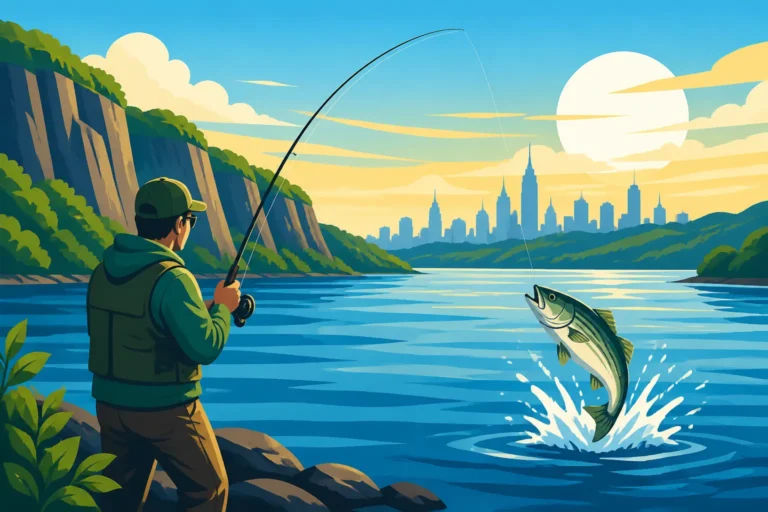
Imagine reeling in a powerful Chinook salmon, its silver scales flashing in the sun as it fights with all its might. Or perhaps you dream of the acrobatic leaps of a steelhead, fresh from the lake and full of vigor. These aren't just dreams on Lake Ontario; they're everyday realities for countless anglers. The lake's deep, cold waters provide ideal conditions for these anadromous species, which spend their lives growing large in the lake before returning to its tributaries to spawn. Beyond the big game, the lake's nearshore waters and connecting bays also host robust populations of smallmouth bass, northern pike, and even walleye in certain areas. It's a fishery that truly caters to all preferences, from the dedicated offshore troller to the casual shore angler.
The sheer volume of fish and the potential for trophy-sized catches are what draw anglers from all over the world to this Great Lake. From the western stretches near the Niagara River to the eastern basin's more sheltered bays, the habitat varies, offering unique challenges and rewards. It's a constant learning experience, as fish patterns can shift with weather, bait movements, and seasonal changes.
The Challenges and Rewards of Lake Ontario Fishing
While the rewards are undeniably huge, fishing Lake Ontario comes with its own set of challenges. Its immense size means that weather conditions can change rapidly, turning calm waters into formidable waves in a heartbeat. Successful fishing often requires specialized equipment, particularly for offshore trolling targeting salmon and trout in deeper waters. You'll need reliable boats, downriggers, multiple rod setups, and a good understanding of sonar and GPS to locate structure and baitfish.
However, overcoming these challenges is part of the thrill. The knowledge that a record-breaking fish could be on the end of your line drives many anglers to continuously hone their skills and invest in the right gear. The camaraderie among fellow boaters, the stunning sunrises and sunsets over the water, and the quiet satisfaction of a well-earned catch make every trip worthwhile. Whether you’re learning how to fish for salmon in New York or exploring the nuances of How to Fish for Steelhead in New York, the journey is as fulfilling as the destination.
Prime Fishing Hotspots Along New York's Lake Ontario Shoreline
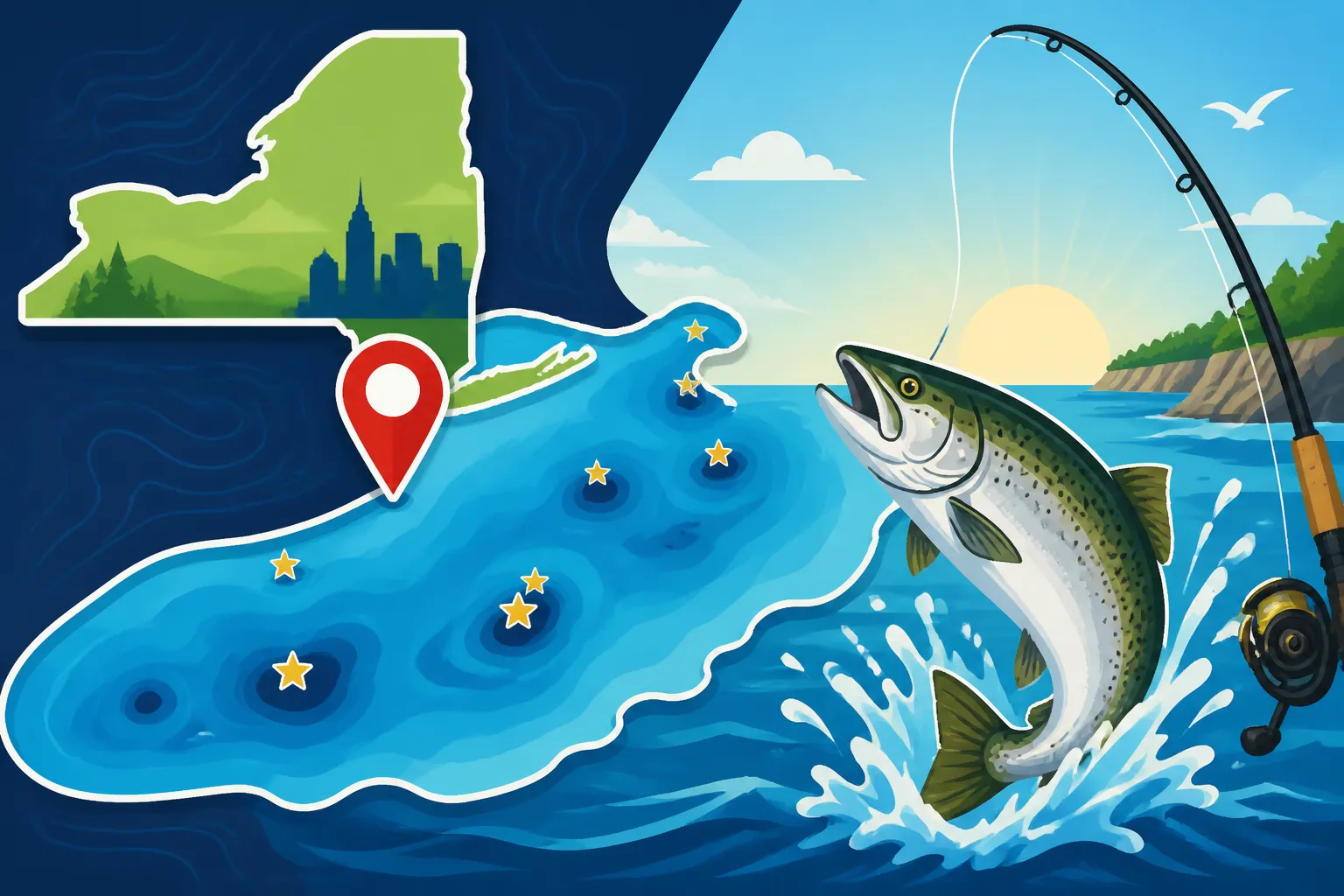
New York's Lake Ontario shoreline spans over 100 miles, dotted with excellent fishing ports, bays, and tributary mouths that act as natural magnets for fish. Knowing which spots shine brightest for certain species and times of the year is key to a successful outing.
Oswego and Mexico Bay
The port of Oswego is, without a doubt, one of the most iconic and productive fishing destinations on Lake Ontario. It's often referred to as the "Salmon Capital of New York" for good reason. The deep waters just outside the harbor, combined with the influence of the Oswego River, create a perfect staging area for migrating salmon and trout. Anglers flock here annually, especially during the late summer and fall, to intercept powerful Chinook salmon and Coho salmon as they prepare for their spawning runs.
Mexico Bay, located just to the east of Oswego, is another incredible hotspot, particularly for early-season brown trout and steelhead. Its shallower, warmer waters can be highly productive in spring when baitfish are abundant and larger game fish are feeding actively. As the season progresses, these fish move to deeper, cooler waters, but Mexico Bay remains a consistent producer for various species throughout the year. The diverse structure, from shallow flats to sharp drop-offs, offers a variety of habitats, making it a versatile spot for both trolling and casting, especially near the mouth of the Salmon River, which is a prime location for staging fish. If you're considering a guided trip, many charter captains operating out of Oswego and Mexico Bay can be found on platforms like FishingBooker, offering invaluable local expertise.
Henderson Harbor and the Eastern Basin
Moving further east, you'll find Henderson Harbor, a charming and productive area that's a bit more sheltered than the open lake. This region is famous for its incredible smallmouth bass fishing, with rocky structures, shoals, and islands providing ideal habitat for these hard-fighting bronze backs. In the spring and early summer, Henderson Harbor buzzes with bass anglers, many of whom participate in tournaments. It’s also a fantastic spot for northern pike and panfish in its calmer, weedier sections.
The surrounding eastern basin of Lake Ontario, including areas around Sackets Harbor and Chaumont Bay, offers exceptional diversity. While still yielding salmon and trout, especially lake trout in its deeper pockets, it truly shines for warmwater species. The waters here tend to be a bit shallower and warmer, creating a perfect environment for robust populations of smallmouth and largemouth bass. These areas are also popular for ice fishing in the winter, offering a different kind of challenge and reward. This part of the lake provides excellent opportunities for anglers who prefer to fish closer to shore or from smaller boats.
Niagara River Bar and Western Lake Ontario
On the far western end of New York’s Lake Ontario shoreline, the Niagara River Bar and the waters around it represent another world-class fishery. The immense flow of the Niagara River, carrying nutrients and baitfish, creates a super-highway for migrating salmon and trout. This area is particularly famous for its incredible steelhead fishing, especially in the spring and fall as these powerful fish move in and out of the river. The "Bar" itself is a dynamic underwater structure that holds vast schools of baitfish, making it a prime feeding ground for predatory fish.
Ports like Olcott, Wilson, and Youngstown are popular launching points for anglers looking to explore this fertile region. Beyond the river mouth, the deeper waters of western Lake Ontario are highly productive for lake trout, brown trout, and both Chinook and Coho salmon throughout the open water season. The diverse depths and currents require various trolling techniques, often involving extensive setups to cover different parts of the water column. The fishing here can be incredibly consistent, especially when targeting staging fish before they enter the river systems. You can find detailed information on species and methods in our guide to How to Fish New York's Great Lakes Tributaries.
Targeting Lake Ontario's Trophy Fish Species
Understanding the behavior and preferred habitats of Lake Ontario’s primary game fish is crucial for maximizing your success. Each species has its own seasons, techniques, and favorite haunts.
Chasing King Salmon and Coho
Chinook salmon, often called "Kings" for their immense size and fighting power, are the undisputed royalty of Lake Ontario. They spend years in the open lake, feeding heavily on alewives and other baitfish, growing to impressive sizes before their annual migration. Coho salmon, while generally smaller, are known for their acrobatic jumps and aggressive strikes, providing exhilarating fights. The best time to fish for Chinook salmon on New York's Lake Ontario generally peaks in late summer and early fall, particularly from August into October, as they begin to stage near river mouths like the Salmon River and Oswego River.
Successful salmon fishing on Lake Ontario typically involves sophisticated trolling techniques. Anglers use downriggers to present spoons, flasher-fly combinations, and meat rigs at precise depths where salmon are feeding. Covering a lot of water at specific speeds and depths is key. Early in the season (May-July), salmon can be found offshore, often in the upper 60-100 feet of the water column. As summer progresses and water temperatures rise, they push deeper and concentrate closer to the staging areas off the tributaries. Learning about Best Trolling Spreads for New York's Lake Ontario Salmon can significantly improve your chances.
The Thrill of Steelhead and Lake Trout
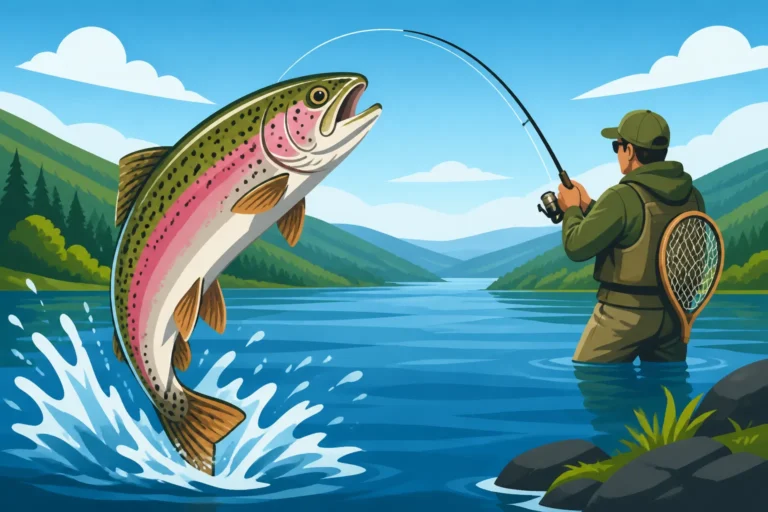
Steelhead, which are migratory rainbow trout, offer some of the most exciting fishing on Lake Ontario. They are known for their incredible speed and aerial acrobatics. Unlike salmon, steelhead often remain in the lake and near tributary mouths for longer periods, entering rivers to spawn in winter and spring, and then returning to the lake. Their incredible endurance makes them a favorite among both trollers and tributary anglers. Lake trout, on the other hand, are true residents of the deep, cold waters of Lake Ontario. They are often found near the bottom, especially around deep-water structure and temperature breaks. While not as flashy as steelhead or salmon, they are powerful fighters and can grow to very large sizes.
Targeting steelhead on the lake often involves trolling spoons or stickbaits, often higher in the water column than salmon, especially in the spring and fall. They frequently hit lines run off planer boards. For lake trout, downriggers are essential to present lures (like spoons, stickbaits, or even cowbells with peanut flies) at depths sometimes exceeding 100 feet, particularly during the warmer months when they seek refuge in the deepest, coldest water. Early spring and late fall can also find them shallower. You can learn more about these fascinating fish by checking out our articles on Steelhead Trout in New York and Lake Trout in New York.
Spring and Summer Smallmouth Bass and Walleye Opportunities
While salmon and trout often dominate the Lake Ontario narrative, don't overlook the incredible warmwater fishing opportunities, especially for smallmouth bass and walleye. The numerous bays, harbors, and rocky shorelines of the New York side of Lake Ontario provide ideal habitat for smallmouth bass. Places like Henderson Harbor, Chaumont Bay, and the shallower areas near the mouth of the Niagara River are renowned for their smallmouth populations.
Smallmouth bass fishing is typically best from late spring through summer and into early fall. Anglers use a variety of techniques, including drop-shotting, Ned rigs, tube jigs, and crankbaits, often targeting rocky points, shoals, and submerged structure. The fight of a Lake Ontario smallmouth is legendary, with powerful runs and aerial displays. Walleye are also present, though perhaps less widespread in trophy numbers than on Lake Erie. However, specific areas, particularly the bays and shallower eastern basin, can hold good walleye populations. Trolling with crankbaits or jigging spoons are effective methods. For specific species and seasonal details, a deeper dive into New York Fishing Seasons Explained will be incredibly helpful.
Planning Your Lake Ontario Fishing Adventure
A successful trip to Lake Ontario requires more than just knowing where the fish are; it involves preparation, understanding regulations, and sometimes, the wisdom of local experts.
Gear Up for Success
Given the size and nature of Lake Ontario fishing, especially for salmon and trout, having the right gear is paramount. For boat fishing, a sturdy vessel capable of handling open water conditions is essential. You'll need specialized trolling rods and reels, typically medium-heavy to heavy action, spooled with braided line and fluorocarbon leaders. Downriggers, planer boards, and a good fishfinder/GPS unit are almost necessities for consistently targeting offshore species. Lures should include a variety of spoons (like Sutton, Dreamweaver, or Michigan Stinger), flasher-fly combos, and stickbaits in various colors and sizes to match the prevalent baitfish and water conditions.
Shore anglers or those targeting warmwater species in bays might opt for lighter spinning or casting gear, with a focus on versatile rods that can handle lures, live bait, and the occasional powerful strike. Waders are often useful for accessing shallower spots or tributary mouths. Don't forget essentials like a good landing net, pliers, a tackle box stocked with a range of terminal tackle, and safety gear including life jackets, a first-aid kit, and marine radio. Always check the weather forecast before heading out, as Lake Ontario can be unpredictable.
Navigating Regulations and Hiring Experts
Before you even think about casting a line, ensure you're up-to-date on all the current New York fishing regulations. This includes understanding catch limits, minimum size requirements, and season dates for all species you plan to target. You'll also need a valid New York fishing license, which is a non-negotiable requirement for anglers aged 16 and older. Our comprehensive New York Fishing License Guide covers everything you need to know about purchasing and understanding your license.
Many anglers, especially those new to Lake Ontario or seeking specific trophy fish, opt to hire a fishing charter or guide. This is often the quickest way to learn the ropes, gain local knowledge, and fish effectively on such a large body of water. Experienced captains come equipped with all the necessary gear, know the current hotspots, and can dramatically increase your chances of success. When searching for a reputable charter, platforms like FishingBooker are an excellent resource, allowing you to compare captains, read reviews, and book trips with confidence. They connect you with seasoned professionals who specialize in Lake Ontario's various fisheries, ensuring you make the most of your time on the water. Another platform to explore for local guides is FishAnywhere, offering a wide selection of charters. For details on costs, read our Lake Ontario Salmon Charter Cost in New York article.
| Fishing Spot / Area | Primary Target Species | Best Time of Year | Key Techniques |
|---|---|---|---|
| Oswego / Mexico Bay | Chinook Salmon, Coho Salmon, Steelhead | Late Summer, Fall (Salmon); Spring (Trout) | Offshore Trolling (Downriggers, Planer Boards) |
| Henderson Harbor | Smallmouth Bass, Northern Pike, Lake Trout | Spring, Summer, Early Fall (Bass); Year-Round (Lakers) | Jigging, Drop-shotting (Bass); Trolling (Lakers) |
| Niagara River Bar | Steelhead, Lake Trout, Chinook Salmon | Spring, Fall (Steelhead); Year-Round (Lakers, Salmon) | Trolling (near river mouth); Drifting (river) |
| Eastern Basin (General) | Smallmouth Bass, Largemouth Bass, Walleye | Spring, Summer, Early Fall (Bass, Walleye) | Casting, Jigging (Bass); Trolling, Jigging (Walleye) |
Choosing a guide or charter can provide invaluable insights, whether you're targeting Chinook Salmon in New York or exploring techniques for new species. These professionals often follow the fish movements closely, which can change daily, and their expertise can turn a challenging day into a triumph.
Disclaimer
Fishing conditions, regulations, and fish populations on Lake Ontario can change. Always consult the latest New York State Department of Environmental Conservation (DEC) regulations before heading out. Safety should always be your top priority when on the water.