Steelhead Trout in New York
For many anglers, the mention of "steelhead" conjures images of powerful, chrome-bright fish battling against raging currents, and for good reason. However, the world of steelhead, particularly here in New York, can be a bit confusing for newcomers and even seasoned anglers alike. This comprehensive guide will untangle the mysteries surrounding these incredible fish, exploring their life cycle, where to find them, and how to successfully hook into one of New York's toughest fighting trout.
What Exactly is a Steelhead Trout?
Let's cut right to the chase: "steelhead" isn't a separate biological species, which often leads to the biggest head-scratching moments for anglers. Instead, it's a specific life history form of the rainbow trout (Oncorhynchus mykiss). Think of it like a superhero alter ego for a rainbow trout. They share the same genetic makeup, but their lifestyle choices make all the difference in their appearance, size, and fighting prowess.
The Great Debate: Steelhead vs. Rainbow Trout
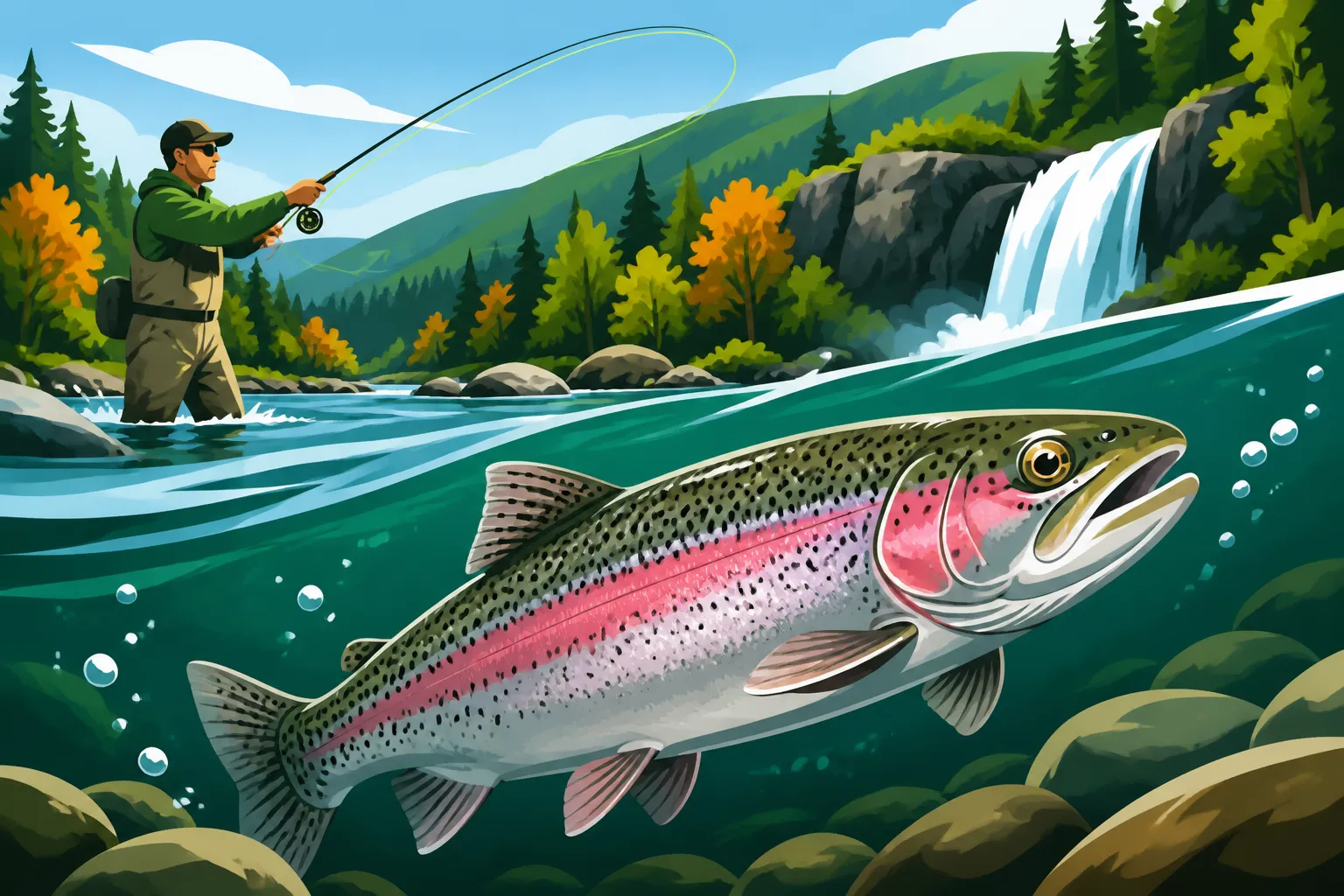
The core difference lies in their habitat during most of their lives. A typical rainbow trout lives its entire life in freshwater, often in streams, rivers, or landlocked lakes. They'll grow, reproduce, and stay relatively close to their birth stream. They're beautiful fish, often displaying vibrant pink and red lateral bands. Steelhead, on the other hand, spend their adult lives in the vast, open waters of a Great Lake – Lake Ontario or Lake Erie in New York's case – before migrating back into tributary rivers and streams to spawn. This oceanic (or, in our case, "lacustrine" for lake-dwelling) migration transforms them. The abundant food sources and expansive habitat of the Great Lakes allow steelhead to grow much larger and develop that distinctive "chrome" or silvery coloration that gives them their name. Once they enter the tributaries, they often start to redevelop some of those classic rainbow trout colors, but their sheer size and power remain. To really dive into the nuances, you might find our guide Steelhead vs Rainbow Trout: What's the Difference? quite insightful.
When you're standing on the bank of the Salmon River, battling a torpedo-shaped fish that screams line off your reel, you'll instantly understand the difference. These aren't your average creek trout. Their power is a direct result of spending years foraging in the rich waters of the Great Lakes, packing on muscle and developing an incredible stamina for their arduous spawning migrations. It’s this wild, migratory aspect that truly defines them and sets them apart from their stream-dwelling cousins.
Anadromous vs. Resident Lifestyle
Steelhead are what we call "anadromous" (or technically "adfluvial" for lake-run fish). This means they are born in freshwater, migrate to saltwater (or a large freshwater lake) to grow, and then return to freshwater to spawn. After hatching from eggs in the gravel beds of a tributary, young steelhead, known as parr, will spend one to two years in the river, feeding and growing. During this time, they develop distinct vertical markings that help them camouflage in the stream environment.
Once they reach a certain size and age, usually in the spring, they undergo a physiological change called "smoltification." Their bodies adapt to tolerate open water, they lose their parr marks, and turn a silvery color. As "smolts," they migrate downstream into the Great Lakes. They'll spend anywhere from two to five years out in the lake, growing rapidly on a diet of baitfish and other aquatic organisms. When the time comes, typically in the fall, they instinctively head back to their natal streams to complete the cycle and spawn. Unlike Pacific salmon, which die after spawning, steelhead are iteroparous, meaning they can survive spawning and return to the lake, potentially making multiple spawning runs throughout their lives. This ability to survive and return is a key factor in their appeal to anglers.
The Steelhead Migration in New York
The steelhead migration is one of New York's most anticipated angling events, drawing passionate fishermen from all corners of the state and beyond. Understanding the timing and progression of these runs is crucial for success, as it dictates where the fish will be and how they might react to your presentations.
Fall Run: The First Wave
As the crisp autumn air descends upon New York, signaling cooler water temperatures in the Great Lakes, the first vanguard of steelhead begins to stage near the mouths of their natal tributaries. This initial push, often starting in late September and really picking up in October, is driven by instinct and the allure of higher flows from fall rains. These "fall run" steelhead are generally the brightest, chrome-colored fish, fresh from the lake and full of fight. They haven't yet been in the rivers long enough to develop the pronounced colors of spawning fish.
This early run offers incredible opportunities, especially after a good rain swells the rivers. Fish will push upstream, often holding in deeper pools, behind structure, and in transition areas where faster water meets slower. They are aggressive feeders at this stage, looking to put on energy for the coming winter and eventual spawning. Anglers often target them with brightly colored egg sacs, swung flies, or small crankbaits. Knowing When Does Steelhead Fishing Start in the Fall? can really give you a leg up.
Winter Holdovers and Early Spring Push
Once winter sets in, typically from December through March, the rivers can become challenging. However, the steelhead don't disappear. Many of the fall-run fish will "hold over" in the deeper, slower sections of the rivers, seeking refuge from harsh conditions and conserving energy. While their activity might slow down in frigid water, they can still be caught by anglers willing to brave the cold. Fishing techniques often shift to slower, more subtle presentations, such as drifting natural baits like waxworms or small egg imitations, or delicately presented nymphs for fly anglers. Ice can be a factor, sometimes locking up river mouths, but open stretches continue to hold fish.
As winter begins to reluctantly release its grip and early spring thaws arrive, usually in March and April, we witness the "spring run." These are often a mix of holdover fish that become more active as water temperatures rise, and new waves of steelhead pushing in from the lakes. These fish are now fully focused on spawning. Their colors become more pronounced, with males often displaying brilliant reds and purples. This is arguably the most exciting time for many steelhead anglers, as the fish are very active and often incredibly aggressive. You'll find a lot of useful details about this period in Spring Steelhead Fishing in New York Peaks Into Mid-May.
Post-Spawn and Summer Retreat
After the intense period of spawning, which typically peaks from late March into May, steelhead begin their journey back to the Great Lakes. These "drop-back" or "spent" fish can still offer incredible action. While they may be thinner after their arduous spawning efforts, they are often ravenously hungry and will strike at a variety of offerings as they move downstream. Many anglers specifically target these post-spawn fish because they can be very eager to feed before returning to the lake for another year of growth.
By late spring and early summer, most of the steelhead have returned to the deep, cool waters of Lake Ontario and Lake Erie. While a few stragglers might remain in the lower sections of the tributaries, finding them becomes much more challenging. During the summer months, steelhead in the Great Lakes are typically targeted by offshore trolling anglers, who pursue them in the deeper, cooler thermoclines where baitfish congregate. This migratory pattern, cycling through the rivers and the vast lakes, is what makes steelhead fishing such a dynamic and year-round pursuit in New York.
Where to Find Steelhead in New York
New York State boasts some of the finest steelhead fishing in the Great Lakes region, primarily concentrated in the numerous tributaries flowing into Lake Ontario and Lake Erie. These rivers and creeks act as vital spawning grounds and migratory highways for these magnificent trout.
Lake Ontario Tributaries: The Steelhead Mecca
Without a doubt, the rivers and streams emptying into Lake Ontario are New York's premier steelhead destinations. The sheer number of tributaries, combined with a robust stocking program and natural reproduction, creates an incredible fishery. From the western end near Niagara to the eastern basin, anglers have a wealth of options.
- Salmon River: When people talk about steelhead in New York, the Salmon River often comes up first. It's legendary for its consistent runs of large fish, drawing anglers from across the country. Known for its strong currents and diverse holding water, it offers opportunities for drift fishing, fly fishing, and even centerpinning. Access is excellent, with numerous public fishing easements and dedicated parking areas. Our detailed guide, New York's Salmon River Fishing Guide, covers this iconic river extensively.
- Genesee River: Flowing through Rochester, the Genesee offers a unique urban steelhead experience. While access might require a bit more local knowledge, its lower stretches can hold good numbers of fish, particularly in the spring.
- Oswego River: A powerful, dam-controlled river, the Oswego provides a reliable flow and can hold immense numbers of steelhead, especially in its lower sections and around the locks. Its urban setting provides easy access for many.
- Smaller Eastern Basin Tributaries: Don't overlook gems like Sandy Creek, Oak Orchard Creek, Eighteenmile Creek, and Maxwell Creek. These smaller, more intimate streams can offer fantastic fishing, especially during periods of higher water. They often see strong runs and can be less crowded than the "big name" rivers. Finding productive water often involves walking and exploring, which is part of the adventure.
These tributaries are maintained through a combination of natural reproduction and aggressive stocking efforts by the New York State Department of Environmental Conservation (DEC). The sustained quality of these fisheries is a testament to dedicated conservation efforts and passionate anglers. If you're planning a trip, a great starting point is our broader article Lake Ontario Fishing in New York: Where to Go.
Lake Erie Tributaries: A Western New York Gem
Western New York offers another fantastic steelhead fishery in the tributaries flowing into Lake Erie. While perhaps not as famous as the Salmon River, these streams are equally productive and offer their own unique challenges and rewards. The runs here are typically strong, with many fish entering the rivers from late fall through spring.
- Cattaraugus Creek: This is the largest and most prominent Lake Erie tributary in New York, often referred to as "The Cat." It's known for its significant runs of steelhead, as well as its challenging and diverse structure. The gorge sections can be spectacular but require careful navigation.
- Eighteenmile Creek (Lake Erie): Not to be confused with its Lake Ontario namesake, this Eighteenmile Creek is another reliable producer of steelhead on the Lake Erie side. It's a popular spot, especially during peak migration periods.
- Chautauqua Creek, Clear Creek, and Other Smaller Streams: Several other smaller creeks along the Lake Erie shoreline also receive strong steelhead runs. These can be excellent choices for anglers looking for less pressure and a more tranquil fishing experience, especially during mid-week outings. Access often involves seeking out public easements or talking to local landowners.
Just like their Lake Ontario counterparts, the Lake Erie steelhead population thrives due to effective management and the dedicated efforts of local angling communities. For a broader look at fishing opportunities in this region, check out Lake Erie Fishing in New York: Where to Go.
Other Notable Steelhead Fisheries
While the Lake Ontario and Lake Erie tributaries are the main draw, it's worth noting that some other New York waters might occasionally produce steelhead or similar lake-run rainbow trout, though typically not with the same consistency or numbers. For example, some larger river systems might see occasional migratory trout, but these are often more localized occurrences.
The key to successful steelhead fishing in New York is to focus on these well-established Great Lakes tributaries, understand their flow dynamics, and time your visits with the migratory runs. Local bait shops and online fishing reports are invaluable resources for up-to-the-minute information on water conditions and fish activity. Always be prepared for varying conditions, as these powerful fish can challenge even the most experienced anglers.
Essential Gear for New York Steelhead Fishing
Successfully targeting New York steelhead requires specialized gear designed to handle powerful fish in challenging river environments. Having the right tools won't guarantee a fish in the net, but it will certainly improve your chances and make the experience much more enjoyable.
Rods, Reels, and Line Choices
The core of your steelhead setup revolves around a robust rod and reel, paired with appropriate line. This isn't your ultralight panfish gear; you need something with backbone.
- Rods: For traditional drift fishing or float fishing, a longer, medium-light to medium-heavy action spinning rod is often preferred. Rods in the 9-11 foot range are popular, as their length helps with line control, mending, and shock absorption when fighting a powerful fish in current. For fly fishing, a 9-10 foot rod in a 7 to 9-weight class is standard, providing the necessary power to cast heavy flies and battle large fish. For specialized techniques like centerpinning, rods can be even longer, sometimes reaching 13-15 feet, designed for incredibly subtle drift presentations. You can find a fantastic selection of these longer rods on platforms like Amazon, offering options for every budget.
- Reels: Spinning reels for drift fishing should be durable, with a smooth drag system and enough line capacity for strong runs. A 2500-4000 series reel is usually a good fit. Fly reels should be robust, with a reliable disc drag, primarily serving as a line storage device and drag system, rather than for retrieving line like a spinning reel. Centerpin reels are specialized, free-spooling reels designed for incredibly natural drifts, and mastering them takes practice.
- Line: For drift fishing, many anglers spool their reels with a bright, high-visibility monofilament mainline (10-15 lb test) to easily detect subtle bites, then connect a fluorocarbon leader (6-10 lb test) for stealth in the water. Fly anglers will use appropriate weight-forward or shooting-head fly lines, often with poly leaders and fluorocarbon tippets. The fluorocarbon leader material is key for its invisibility underwater and abrasion resistance against rocks and logs. Make sure to check your leader regularly for nicks and abrasions; a lost trophy fish often comes down to leader failure.
Baits and Lures That Get Bites
Steelhead can be finicky, but a range of baits and lures consistently entice them, especially during their migratory runs.
- Egg Sacs: These are arguably the most popular and effective bait for steelhead, particularly during the fall and spring runs when natural eggs are present in the water. They are typically tied with cured salmon or trout eggs in various colors (orange, pink, chartreuse) and sizes. You can buy pre-tied sacs or components to tie your own, and Amazon offers a wide array of netting material and cured eggs. Our article How to Fish Egg Sacs for Steelhead goes into greater detail on this deadly technique.
- Plastic Baits: Soft plastic egg imitations, worms (like Berkley Gulp! or PowerBait), and small grub-style baits are also highly effective, especially when drifted naturally. These offer a durable, convenient alternative to natural bait.
- Spoons and Spinners: During certain conditions, especially when fish are aggressive or holding in faster water, spoons (like Little Cleos or Koho) and inline spinners (like Mepps or Blue Fox) can provoke powerful strikes. Bright, flashy colors or natural baitfish patterns often work well.
- Flies: Fly anglers have a vast arsenal, including egg patterns, stonefly nymphs, Caddis larvae, flesh flies (imitating decaying salmon flesh), and various streamers. Matching the hatch (or what steelhead are keying in on) is crucial, but general attractor patterns often work well.
- Jigs: Small jigs (1/32 to 1/8 ounce) tipped with a grub, waxworm, or small plastic can be incredibly effective when drifted under a float, especially in colder water.
Experimentation is key, as steelhead preferences can change based on water conditions, light, and time of year.
Waders, Boots, and Safety Essentials
Steelhead fishing almost always means wading in cold, often swift, rivers. Proper attire and safety gear are paramount.
- Waders: Breathable chest waders are essential. Neoprene waders can provide more warmth in colder temperatures, but breathable models offer versatility across seasons. Look for durable construction and comfortable fit. Layering underneath is crucial for warmth and moisture management.
- Wading Boots: Paired with your waders, sturdy wading boots with felt or rubber soles (often with studs for extra grip) are non-negotiable. River bottoms can be extremely slippery with algae-covered rocks, and proper traction prevents dangerous falls.
- Life Vest/PFD: Especially when fishing larger rivers like the Salmon River or the Niagara, or in swift currents, wearing a personal flotation device (PFD) is a smart and often life-saving precaution. Inflatable PFDs are less bulky and comfortable for all-day wear.
- Wading Staff: A collapsible wading staff provides crucial stability, allowing you to probe the bottom and maintain balance in strong currents. This simple tool can prevent a serious fall.
- Polarized Sunglasses: Not just for eye protection, polarized sunglasses cut through the glare on the water, allowing you to see submerged structure and, more importantly, sometimes even spot fish. This is a game-changer for drift fishing.
- Other Essentials: A small backpack or vest to carry extra tackle, a water bottle, snacks, a first-aid kit, and a pair of pliers or forceps for hook removal are all vital. And don't forget your New York Fishing License Guide – fishing without one can lead to serious penalties!
Always prioritize safety when wading, especially in unfamiliar waters or during high flows. Never wade alone if possible, and always let someone know where you're going and when you expect to return.
Effective Techniques for Catching Steelhead
Steelhead fishing is a nuanced art, requiring patience, stealth, and a keen understanding of fish behavior. While there are many ways to tempt these elusive trout, a few techniques stand out as particularly effective in New York's tributaries.
Drift Fishing: The Classic Approach
Drift fishing, often done with a float (or "bobber"), is arguably the most popular and productive method for steelhead in New York's rivers. The goal is to present your bait or lure as naturally as possible, mimicking a piece of food drifting downstream with the current. This technique allows you to cover a lot of water and present your offering to fish holding in various current seams, pools, and runs.
- Float Selection: A properly weighted float is critical. Slip floats are popular as they allow you to set your depth much deeper than the rod length, letting you target fish holding near the bottom in deep pools. The float should be buoyant enough to suspend your bait and split shot, but sensitive enough to show even the most subtle takes.
- Weighting: Achieving a natural drift requires careful weighting. A string of small split shot, or a pencil sinker, is typically placed above the leader and bait to get the offering down to the fish quickly without hindering the natural drift. The idea is for the bait to be just above the riverbed, tumbling along with the current.
- Reading the Water: Understanding where steelhead hold is key. Look for current seams, changes in depth, eddy lines, and structure like submerged logs or large rocks. These areas provide cover, reduced current, and prime feeding lanes. Casting upstream and allowing your float and bait to drift naturally downstream, slightly slower than the current, is the essence of this technique. Being able to mend your line effectively to prevent drag on the float is a crucial skill. You can learn a lot more about this in How to Drift Fish for Steelhead.
Fly Fishing for Steelhead
Fly fishing for steelhead is a deeply rewarding challenge that combines delicate presentations with the raw power of these fish. It demands precision casting, intricate fly selection, and an intimate understanding of river dynamics.
- Nymphing: The most common fly fishing technique involves nymphing, where weighted flies (like stoneflies, caddis, or egg patterns) are drifted beneath an indicator, mimicking the natural drift of aquatic insects or eggs. High-stick nymphing, or European nymphing techniques, are highly effective as they provide superior feel and contact with the fly in fast currents.
- Swinging Flies: Swinging flies, especially larger streamers or spey flies, involves casting across or slightly downstream and allowing the current to swing the fly through potential holding lies. This method often provokes aggressive, territorial strikes from active fish.
- Egging: Using artificial egg patterns, often tied with glo-bug yarn, can be incredibly effective, especially when salmon or other trout are spawning, making it a natural food source for steelhead. These are typically fished under an indicator, similar to nymphing. For deeper dives, check out How to Fly Fish for Steelhead.
Fly fishing gear for steelhead is typically heavier than what you'd use for stream trout, reflecting the size and fight of the fish. Two-handed "spey" rods are also popular for covering large rivers and making long casts with minimal effort.
Centerpinning: A Refined Method
Centerpin fishing, while gaining popularity, is a specialized float fishing technique that originated in Europe and is highly effective for steelhead. It uses a free-spooling reel (the "centerpin") mounted on a long, flexible rod to achieve incredibly long, drag-free drifts.
- The Advantage: The main benefit of centerpinning is the ability to present a bait or fly completely naturally, matching the speed of the current exactly. This can be crucial for enticing wary steelhead in clear water or pressured conditions. The free-spinning spool allows line to pay out effortlessly, enabling drifts far downstream.
- Technique: Anglers cast upstream and then "feather" the spool with their thumb or fingers to control the line payout, ensuring the float moves at precisely the same speed as the current. This eliminates any drag, making the bait appear completely natural. When a fish bites, the free-spooling reel allows for an immediate, unimpeded run, which is exhilarating.
- Learning Curve: Centerpinning has a steeper learning curve than traditional spinning setups, but the mastery of it can lead to increased success, particularly when targeting large, wary steelhead. The long rods provide excellent line control and shock absorption, making for a truly memorable fight.
Regardless of the technique you choose, remember that stealth and patience are virtues in steelhead fishing. These are intelligent, wary fish that are highly attuned to their environment. Learning to read the water, understanding fish behavior, and refining your presentation will be your greatest assets.
| Technique | Rod Type | Common Baits/Lures | Pros | Cons | Ideal Conditions |
|---|---|---|---|---|---|
| Drift Fishing | Long Spinning (9-11 ft) | Egg Sacs, Plastic Worms, Jigs | Easy to learn, covers water, versatile | Can induce line drag, less subtle presentations | Varying flows, general river conditions |
| Fly Fishing | 7-9 wt Fly Rod (9-10 ft) | Nymphs, Egg Patterns, Streamers | Highly effective, rewarding, stealthy | Steeper learning curve, limited range without spey | Clear water, specific hatches, delicate presentation |
| Centerpinning | Very Long Spinning (11-15 ft) | Egg Sacs, Small Jigs, Plastics | Unparalleled natural drifts, excellent line control | High learning curve, specialized equipment | Clear, steady flows, wary fish, long drifts |
Regulations and Conservation for New York Steelhead
As exhilarating as catching steelhead can be, it's vital that anglers understand and adhere to the regulations designed to protect these valuable fish and their habitat. Sustainable fishing practices ensure that future generations can enjoy the same incredible experiences we cherish today.
Understanding Catch Limits and Seasons
New York's steelhead regulations are typically set by the Department of Environmental Conservation (DEC) and are subject to change. It's crucial to always consult the most current DEC Freshwater Fishing Regulations Guide before heading out. These guides are usually available online or at license vendors. You can also review our general guide New York Fishing Regulations Explained.
Key aspects of steelhead regulations often include:
- Minimum Size Limits: Steelhead typically have a minimum length requirement, meaning any fish caught below that size must be immediately released unharmed. This protects juvenile fish and ensures they have a chance to mature and reproduce.
- Daily Bag Limits: There's usually a limit on the number of steelhead an angler can keep per day. This helps prevent overharvesting and maintains a healthy population balance.
- Special Regulations for Specific Waters: It's very common for popular steelhead rivers, like the Salmon River or Cattaraugus Creek, to have special regulations that supersede general statewide rules. These might include specific tackle restrictions (e.g., single-hook artificial lures only during certain times), closed seasons for certain stretches, or different size/bag limits. Always check for these localized rules.
- Season Dates: While steelhead runs often extend across multiple seasons, there might be specific open and closed periods, particularly on certain river stretches or for particular species. For instance, the general trout season might not always align perfectly with steelhead runs.
It's your responsibility as an angler to know and follow these rules. Ignorance of the law is not an excuse, and penalties for violations can be significant, including fines and license suspension.
Catch and Release Best Practices
Given the strong migratory nature and the value of each individual steelhead, catch and release is a highly recommended and widely practiced approach, even when keeping fish is permitted. Practicing proper catch and release techniques significantly increases a fish's survival rate, allowing it to complete its spawning journey and potentially return to the lake to grow even larger. Our article Catch-and-Release Handling Rules provides even more detailed guidance.
Here are some essential guidelines for responsible catch and release:
- Minimize Fight Time: Use appropriate tackle that allows you to land the fish quickly. An over-exhausted fish has a lower chance of survival.
- Keep Fish in Water: Avoid removing the fish from the water as much as possible. Even a few seconds out of the water can cause significant stress and damage, especially to gills and internal organs. If you must take a photo, do it quickly and keep the fish low over the water.
- Wet Hands: Always wet your hands before handling a fish. Dry hands can remove the protective slime coat, making the fish vulnerable to disease and infection.
- Use Barbless Hooks: Crushing the barbs on your hooks or using hooks that are already barbless makes hook removal much easier, faster, and less damaging to the fish. Many experienced steelhead anglers swear by this practice.
- Proper Hook Removal: Use pliers or forceps to quickly and gently remove the hook. If the hook is deeply embedded and removal would cause excessive damage, it's often better to cut the line as close to the hook as possible.
- Revive Gently: If the fish seems sluggish after the fight, hold it gently upright in the current, facing upstream, allowing water to flow over its gills. Don't move it back and forth; this doesn't help. Wait until the fish is strong enough to swim away on its own.
By embracing these conservation-minded practices, anglers play a direct role in maintaining the health and abundance of New York's incredible steelhead fishery. Remember, we are stewards of these natural resources, and responsible angling ensures their longevity for everyone to enjoy.
Disclaimer
This article is for general informational purposes only and does not constitute professional advice. Laws, prices and regulations vary by location and change over time. Consult a qualified professional for guidance on your specific situation.