Most Common Fish Species in New York Lakes
Stepping out onto the dock or casting from the shore of a beautiful New York lake, it's easy to feel a mix of excitement and perhaps a little overwhelm. Our state is blessed with an incredible diversity of freshwater fish, and if you're new to fishing, or even just new to a particular body of water, figuring out what's swimming beneath the surface can be half the challenge. This guide is here to demystify the aquatic residents of New York's lakes, helping you recognize the most common fish species you're likely to encounter, understand their habits, and increase your chances of a successful and enjoyable day on the water.
The Freshwater Giants: Popular Game Fish
When many anglers picture fishing in New York, their minds often go straight to the big, hard-fighting game fish. These are the species that put up a memorable battle, often grow to impressive sizes, and are frequently sought after for their sporting value and, in many cases, their delicious table fare. They're what get our hearts pumping and our lines screaming, making every trip an adventure.
Largemouth and Smallmouth Bass
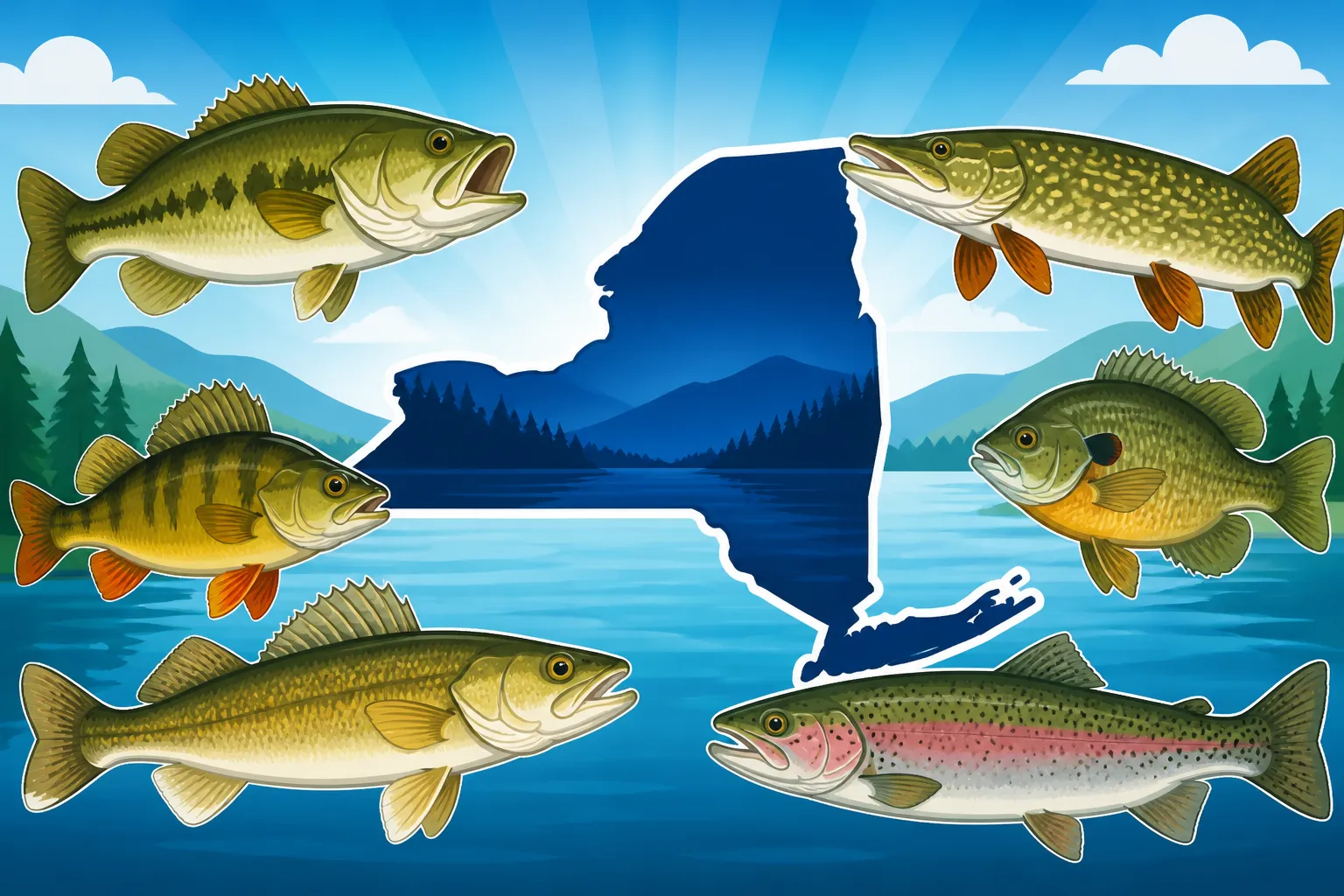
These two members of the bass family are arguably the most popular freshwater game fish across New York's vast network of lakes. While they share a family name, they have distinct preferences and characteristics that make targeting each a unique experience.
The largemouth bass is easily recognized by its distinctive jaw, which extends beyond its eye when its mouth is closed, giving it that characteristic "big mouth" look. These fish are ambush predators, preferring warm, shallow waters with abundant cover. Think lily pads, submerged timber, thick weed beds, and boat docks. They're often found hiding, waiting to strike unsuspecting prey. Many anglers love them for their explosive topwater bites; there's nothing quite like seeing a largemouth blow up on a frog or popper at dawn. They're a staple in many New York lakes, thriving in fertile, often murkier waters, and can grow to impressive sizes, offering a fantastic fight. Targeting them often involves patience and careful presentation into dense cover.
Smallmouth bass, on the other hand, are the acrobats of the bass world. Their jaw doesn't extend past their eye, and they often have distinct vertical bars along their sides, giving them a "bronzebacks" nickname. Unlike their largemouth cousins, smallmouths prefer cooler, clearer water with rocky bottoms, gravel flats, and current. You'll find them cruising drop-offs, around shoals, and near points in deeper lakes. They're known for their incredible fighting ability, often leaping out of the water repeatedly when hooked. Their diet consists largely of crayfish and baitfish, and they'll readily strike a variety of lures. New York boasts some world-class smallmouth fisheries, especially in lakes with plenty of rock structure. Understanding the differences between these two species, including Largemouth Bass vs Smallmouth Bass: Key Differences, is key to consistently finding success.
Walleye
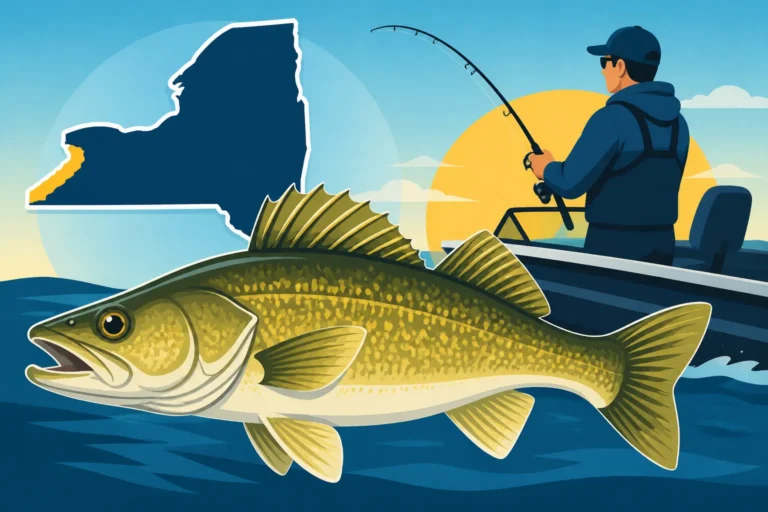
If you're looking for a challenging catch and truly exceptional eating, the walleye is often at the top of the list for New York anglers. These fish are easily identifiable by their large, glassy eyes, which are specially adapted to low-light conditions – hence their name, which refers to their "wall-eyes." This adaptation means walleye are most active at dawn, dusk, and even throughout the night, making them a favorite target for evening or early morning outings.
Walleye prefer deeper, cooler parts of lakes, often congregating around structural elements like humps, submerged islands, and sharp drop-offs. They're predatory fish, primarily feeding on baitfish, and they can be notoriously finicky, demanding subtle presentations. Don't be surprised if you spend some time figuring out their patterns. However, the reward is well worth the effort; a fresh walleye fillet is considered a culinary delicacy by many. They are a common species in many of New York's larger, deeper lakes, including the Great Lakes and some of our Finger Lakes, providing a robust fishery for those willing to learn their ways.
Northern Pike and Muskellunge
These two powerful, toothy predators are the apex hunters of many New York lakes, often growing to truly impressive sizes and providing an unforgettable fight. They are long, slender fish with duck-bill shaped mouths full of razor-sharp teeth, and both species are known for their aggressive strikes.
The northern pike is widely distributed throughout New York's freshwater systems, thriving in weedy bays, around submerged logs, and in slow-moving sections of rivers connected to lakes. They're voracious eaters, preying on anything from smaller fish to frogs, ducks, and even small mammals. Pike are known for their explosive strikes and powerful runs, and while they might not jump like a smallmouth, their sheer power can quickly test your tackle. They typically feature lighter, bean-shaped spots on a darker body.
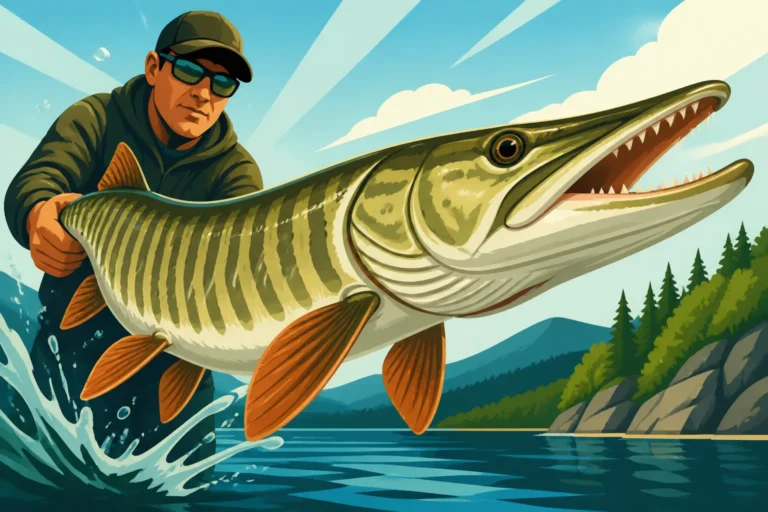
The muskellunge, often simply called "muskie," is the ultimate freshwater trophy fish for many New York anglers. They are less common than pike, and generally grow much larger, often exceeding 40 or even 50 inches. Muskies are typically found in larger lakes and rivers, often lurking in similar cover to pike, but also holding near deeper weed lines and structural elements. They are characterized by dark bars or spots on a lighter body. Catching a muskie is often a quest, earning them the nickname "the fish of 10,000 casts." They're known for their powerful, drawn-out battles and often follow lures right up to the boat before striking, leading to the famous "figure-eight" maneuver. For anglers who crave the ultimate challenge and a potential fish of a lifetime, muskies are an undeniable draw. Knowing the subtle differences, like those detailed in Muskellunge vs Northern Pike: Key Differences, can help you identify your catch.
The Trout and Salmon Family: Coldwater Favorites
New York State is famous for its coldwater fisheries, offering anglers opportunities to pursue several species of trout and salmon. These fish thrive in oxygen-rich, cooler waters, making them prevalent in our deeper lakes, mountain streams, and the tributaries feeding into the Great Lakes. They are often incredibly beautiful fish, offering both visual appeal and a spirited fight.
Lake Trout
Lake trout are native to many of New York's deeper, colder lakes, particularly prominent in the Adirondacks and the Finger Lakes. These powerful fish are true giants of the deep, often found in waters over 50 feet deep, especially during the warmer months when surface waters heat up. They are characterized by their pale spots on a dark body and a deeply forked tail, which helps them navigate the depths.
Targeting lake trout often requires specialized gear, like downriggers, to get lures down to their preferred depths. They are primarily piscivorous, meaning they eat other fish, and will strike spoons, plugs, and even live bait presented effectively in their deep haunts. While they might not make the acrobatic leaps of a rainbow trout, their sheer strength and stamina make for an exhausting and rewarding battle. Catching a large lake trout from the depths of a pristine New York lake is an experience every angler should try.
Brown Trout and Rainbow Trout
These two prolific trout species are mainstays of New York's diverse coldwater fisheries, gracing both our pristine streams and many of our lakes through extensive stocking programs. They both offer unique challenges and thrills for anglers.
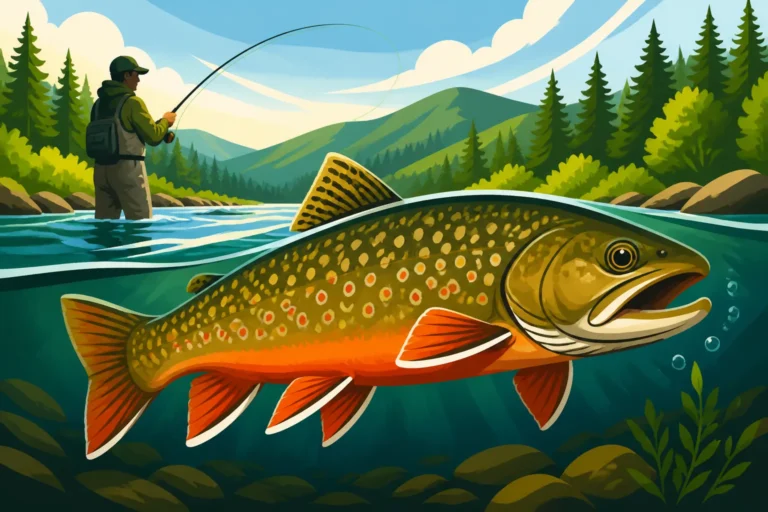
Brown trout are recognizable by their prominent dark spots, often with reddish halos, set against a golden-brown or silvery background. They are notoriously wary and cunning, earning them a reputation as challenging fish to catch. Brown trout are incredibly adaptable, found in both cold rivers and streams, as well as many of our lakes. In lakes, they can grow to impressive sizes, often holding near structure and feeding on baitfish. They can be found in a variety of water temperatures, tolerating slightly warmer conditions than brook trout. A large lake-dwelling brown trout is a formidable opponent, often making powerful, sustained runs.
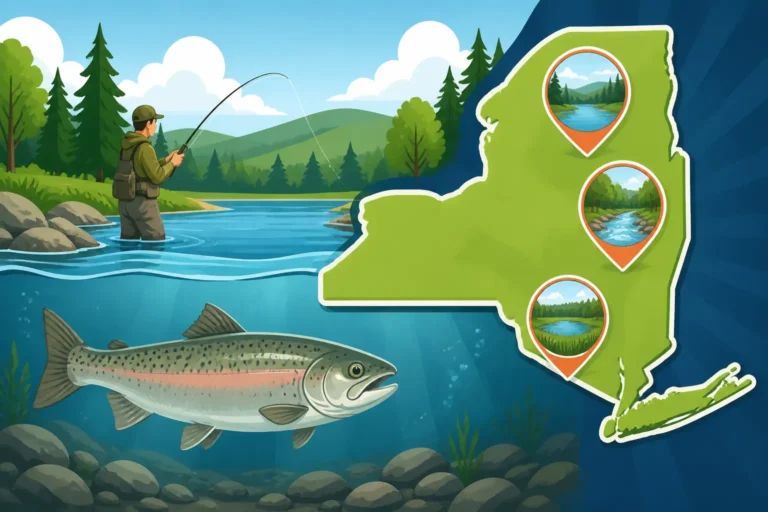
Rainbow trout are beloved for their stunning beauty and acrobatic fights. They get their name from the iridescent, reddish band that runs along their sides, which is particularly vibrant during spawning season. While many are stocked for put-and-take fisheries, they also establish wild populations in suitable streams and lakes. When they migrate from large lakes into tributaries to spawn, they are often referred to as "steelhead," and these are some of the most sought-after fish for tributary anglers. Rainbows are known for their aerial displays when hooked, leaping and twisting in an effort to throw the hook. They'll readily take a variety of baits and lures, making them a popular target for anglers of all skill levels. They are prevalent in many New York lakes, particularly those with good coldwater inputs, and provide an exciting fishing experience regardless of size. To learn more about identifying these distinct species, delve into resources like A Guide to New York's Trout Species.
Landlocked Salmon
While not as widespread as some trout species, landlocked salmon offer an incredibly exciting and rewarding challenge in a select few of New York's deeper, colder lakes, most notably some of the Finger Lakes and Lake George. These fish are essentially Atlantic salmon that have adapted to live their entire lives in freshwater, unable to migrate to the ocean.
Landlocked salmon are sleek, powerful, and known for their aggressive strikes and spectacular fighting ability, often combining the powerful runs of a brown trout with the aerial acrobatics of a rainbow. They typically have a silvery body with scattered black spots and a deeply forked tail. Like lake trout, they prefer the colder, deeper parts of lakes during summer, often schooling to pursue baitfish like alewives. Anglers often target them by trolling spoons and stickbaits at various depths. Catching a landlocked salmon is a true testament to an angler's skill and persistence, as they are often elusive and require precise presentation. Their presence adds a unique big-game thrill to New York's freshwater fishing scene.
Panfish and Bottom Dwellers: Accessible Fun for Everyone
While the thrill of battling a trophy bass or a powerful salmon is undeniable, there's immense joy and relaxation to be found in pursuing the smaller, more accessible fish in New York's lakes. These "panfish" and bottom dwellers are abundant, relatively easy to catch, and often provide hours of continuous action, making them perfect targets for beginners, families, or anyone simply looking for a fun day on the water. Plus, many of them are absolutely delicious when cooked!
Yellow Perch
The yellow perch is a quintessential panfish of New York lakes, easily recognized by its distinctive vertical dark stripes on a golden-yellow body and two prominent dorsal fins. They are incredibly widespread and abundant, found in almost every freshwater lake and pond across the state. This makes them an excellent target for anglers of all ages and skill levels, especially those just starting out.
Yellow perch are schooling fish, so where you find one, you're likely to find many more. They prefer a variety of habitats, from shallow weedy areas to deeper open water, depending on the season and time of day. They readily bite on small live baits like worms and minnows, as well as tiny jigs and spinners. Many New York anglers brave the winter cold to ice fish for perch, as they remain active under the ice and provide steady action. Not only are they fun to catch, but yellow perch are also highly prized for their sweet, flaky white meat, making them a favorite for a fish fry.
Crappie (Black and White)
New York's lakes are home to both black crappie and white crappie, two popular panfish species that offer fantastic fishing, especially in spring and fall. These fish have deep, compressed bodies, giving them a "slab-sided" appearance, and are known for their delicate, delicious flesh.
Black crappie are more common in New York, characterized by irregular dark blotches scattered over a silvery body and seven or eight dorsal spines. They prefer clear, cool water with abundant vegetation or submerged brush. White crappie have more distinct vertical bars and typically six dorsal spines, and are a bit more tolerant of turbid, warmer waters. Both species are schooling fish and love to hang around structure—think submerged trees, brush piles, dock pilings, and bridge abutments.
Crappie are light biters, requiring a subtle touch, but once you find a school, the action can be non-stop. They readily take small jigs, minnows, and tiny tube baits. Targeting crappie is a great way to introduce new anglers to fishing, and they provide consistent enjoyment for seasoned pros as well. Getting to know the nuances between Black Crappie vs White Crappie: Key Differences can help you refine your techniques.
Bluegill and Other Sunfish
The ubiquitous bluegill is often the first fish many children catch, making it a gateway to a lifelong love of fishing. Along with other members of the sunfish family like pumpkinseed and green sunfish, they are incredibly common and widespread throughout virtually all of New York's lakes and ponds.
Bluegill are easily identified by their deep, pan-shaped bodies, typically with a dark blue or black "ear flap" on their gill cover and vertical bars on their sides. They are prolific breeders and can be found almost anywhere there's water, from shallow margins to moderately deep water around cover. These fish are aggressive feeders for their size and will attack almost any small offering. Worms, crickets, corn, and tiny artificial lures like jigs and poppers are all effective.
Fishing for bluegill and other sunfish is the epitome of simple, joyful angling. You don't need fancy gear – a simple bobber, a hook, and a piece of worm will often do the trick. They provide constant entertainment, making them ideal for teaching kids about fishing, patience, and the wonders of aquatic life. And while small, their feisty fight on ultralight tackle is surprisingly fun.
Channel Catfish and Common Carp
Often overlooked by anglers pursuing more glamorous species, channel catfish and common carp are two powerful bottom dwellers that are incredibly common in many New York lakes, offering a unique and often surprising fishing experience.
Channel catfish are easily identified by their smooth, scaleless skin, long barbels (whiskers) around their mouths, and a deeply forked tail. They are highly adaptable and can be found in a wide variety of habitats, from large lakes to slow-moving rivers and even murky ponds. Catfish are primarily bottom feeders, with an excellent sense of smell, which they use to locate food. They'll readily take stinky baits like chicken livers, nightcrawlers, and specially prepared commercial "stink baits." When hooked, channel cats are known for their powerful, bulldog-like fight, often making long, strong runs that test even heavy tackle. They're also excellent table fare, with firm, white meat.
The common carp is another widespread bottom dweller, often found in the same waters as channel catfish. These large, powerful fish are characterized by their large scales, two pairs of barbels, and a downturned mouth adapted for sifting through the bottom. While often considered a "rough fish" by some, carp are gaining popularity among sport anglers in New York due to their incredible strength and size. They can grow truly massive, providing an intense, prolonged battle that few other freshwater fish can match. Carp are primarily vegetarians and omnivores, often targeted with dough balls, corn, or specialized boilies. They can be wary and challenging to hook, but the reward of landing a 20-pound-plus carp is exhilarating. While not traditionally viewed as a food fish in North America, many cultures prize them. You might be surprised to learn that Are Carp Good to Eat? is a common question with varied answers.
Essential Gear for New York Lake Fishing
Getting ready for a day on the lake doesn't have to be complicated, but having the right basic gear can make all the difference between a frustrating outing and a truly enjoyable one. You don't need to break the bank, especially when starting out, but a few key items will set you up for success with New York's common lake species.
Rods, Reels, and Line
Choosing the right rod and reel combo is foundational. For the most common species in New York lakes – panfish, bass, and smaller trout – a versatile setup is usually all you need.
A medium-light to medium power spinning rod, typically 6 to 7 feet long, paired with a matching spinning reel, is an excellent all-around choice. This setup is light enough to feel the subtle bites of a perch but has enough backbone to handle a feisty bass or a respectable trout. For your line, an 6-10 pound test monofilament or fluorocarbon line is a good starting point. Monofilament is forgiving and easy to tie, while fluorocarbon offers less stretch and greater sensitivity. For targeting larger species like pike or muskie, you'll want to step up to heavier gear, perhaps a medium-heavy baitcasting setup with 15-30 pound test braided line and a heavy fluorocarbon or wire leader to protect against those sharp teeth. You can find a wide array of reliable and affordable rod and reel combos for beginners on Amazon, perfect for getting started without a huge investment.
Baits and Lures
The variety of baits and lures available can be overwhelming, but for common New York lake fish, a few staples will cover most situations.
- Live Bait: Nothing beats live bait for many species. Nightcrawlers are universal. They'll catch everything from bluegill to bass, trout, and catfish. Minnows are excellent for perch, crappie, walleye, and even pike. For catfish, consider using chicken livers or commercially prepared stink baits. You can often buy these at local bait shops or even some larger retailers.
- Soft Plastics: These are incredibly versatile for bass and sometimes crappie. Think plastic worms, creature baits, and tube jigs. They can be rigged in countless ways to imitate different prey.
- Crankbaits and Spinnerbaits: These artificial lures are fantastic for covering water and enticing aggressive strikes from bass, pike, and walleye. Crankbaits dive to different depths, while spinnerbaits create flash and vibration.
- Spoons and Jigs: Small spoons work well for trout and salmon when trolling or casting. Jigs, especially small ones tipped with a piece of worm or a minnow, are deadly for crappie, perch, and even ice fishing.
- Topwater Lures: For those thrilling largemouth bass strikes, topwater frogs, poppers, and walking baits are indispensable. These are used when bass are active on the surface, typically during low light conditions or warmer weather.
Accessories for a Successful Day
Beyond the basic rod and reel, a few key accessories will enhance your fishing experience.
- Tackle Box: You'll need somewhere to organize all your hooks, sinkers, swivels, and lures. Tackle boxes come in all shapes and sizes, from small trays to large, multi-compartment systems. Many reputable options are available on Amazon and at your local fishing supply stores.
- Pliers/Forceps: Essential for removing hooks safely from fish, especially those with sharp teeth or delicate mouths.
- Net: A landing net helps you safely bring fish into the boat or onto shore, reducing stress on the fish and preventing lost catches.
- Cooler: For keeping your catch fresh if you plan to keep fish for dinner, and for keeping your drinks and snacks cool.
- Sun Protection: A hat, sunglasses (polarized ones are amazing for seeing into the water!), and sunscreen are crucial for long days on the water.
- Life Vest: Safety first! Always have a properly fitting life vest, especially if you're fishing from a boat or kayak. You can find comfortable, modern designs on Amazon that don't hinder your casting.
- New York Fishing License: Crucially, don't forget your New York Fishing License Guide! Most anglers over a certain age need one to legally fish. Make sure you understand the regulations, including those detailed in New York Freshwater Fishing Rules, to ensure a lawful and enjoyable outing.
Here's a quick reference table for some of the common fish species in New York lakes:
| Fish Species | Typical Habitat | Common Baits/Lures | Notes |
|---|---|---|---|
| Largemouth Bass | Weedy areas, submerged structure, docks, lily pads | Plastic worms, crankbaits, topwater frogs, spinnerbaits, live shiners | Explosive topwater strikes, popular game fish, excellent fighters. |
| Smallmouth Bass | Rocky bottoms, gravel flats, clear, cooler water, drop-offs | Jigs, tubes, crankbaits, soft plastics (tubes, grubs), live crayfish | Strong fighters, known for jumping, prefer colder, clearer water than largemouth. |
| Walleye | Deeper, cooler water, structural elements (humps, points), low light | Jigs (tipped with minnow), crankbaits, spoons, live nightcrawlers | Prized for taste, active at dawn/dusk/night, large glassy eyes. |
| Northern Pike | Weedy bays, submerged logs, slow river sections | Large spoons, spinnerbaits, crankbaits, large minnows | Aggressive, powerful strikes, sharp teeth, common throughout the state. |
| Muskellunge | Large lakes/rivers, deep weed lines, rock reefs, expansive cover | Large bucktails, jerkbaits, glide baits, large live suckers | Trophy fish, challenging to catch, require heavy tackle, "fish of 10,000 casts." |
| Lake Trout | Deep, cold, oxygen-rich waters | Spoons, plugs, cut bait, jigs (for vertical jigging) | Native to many deep NY lakes, powerful fighters, often require specialized deep-water tactics like downriggers. |
| Brown Trout | Rivers, streams, lakes, around structure and cover | Worms, spinners, stickbaits, flies, minnows | Wary and cunning, adaptable to various waters, can grow very large in lakes. |
| Rainbow Trout | Rivers, streams, lakes, often stocked | Worms, small spinners, powerbait, flies, small spoons | Known for acrobatic jumps, widely stocked, vibrant colors. |
| Landlocked Salmon | Deep, cold, clear lakes with good baitfish populations | Spoons, plugs, streamers (trolled), live bait | Powerful and elusive, excellent fighters, provide unique big-game freshwater thrill. |
| Yellow Perch | Varies (shallow weeds to deeper open water), schools | Small jigs, minnows, worms, grubs | Abundant, delicious, excellent for beginners and ice fishing, schooling fish. |
| Black Crappie | Submerged brush, weed beds, dock pilings, clear water | Small jigs, minnows, tiny tube baits | Excellent table fare, schooling fish, light biters. |
| Bluegill/Sunfish | Shallow areas, docks, weed edges, almost anywhere | Worms, crickets, corn, tiny jigs, poppers | Ubiquitous, easy to catch, great for kids, fun on ultralight tackle. |
| Channel Catfish | Bottom of lakes/rivers, murky water, deep holes, structure | Stink baits, chicken liver, nightcrawlers, cut bait | Strong fighters, excellent food fish, distinct "whiskers" and forked tail. |
| Common Carp | Bottom of lakes/rivers, often near weeds, muddy areas | Dough balls, corn, boilies, worms | Powerful fighters, often grow very large, bottom feeders. |
No matter what kind of angler you are, or what experience level you're bringing to the water, New York's lakes truly offer something for everyone. From the thrill of a muskie strike to the steady tug of a bluegill, understanding the common fish species you're likely to encounter is the first step toward a richer, more successful, and undeniably enjoyable fishing adventure. So grab your gear, consult your New York Fishing License Costs and Options if you haven't already, and get out there to explore the incredible angling opportunities our state has to offer!
Disclaimer
This article is for general informational purposes only and does not constitute professional advice. Laws, prices and regulations vary by location and change over time. Consult a qualified professional for guidance on your specific situation.