Striped Bass Lifespan Explained
It's always fascinating to think about the journey a fish takes throughout its life, especially a magnificent game fish like the striped bass. Many anglers, myself included, often wonder just how long these incredible creatures grace our New York waters. Understanding their lifespan isn't just about curiosity; it helps us appreciate their resilience and the importance of our role in their continued survival, and this guide is going to break down everything you need to know about how long striped bass live, especially right here in our beloved Empire State.
The Life Cycle of a Striped Bass: A Journey Through New York Waters
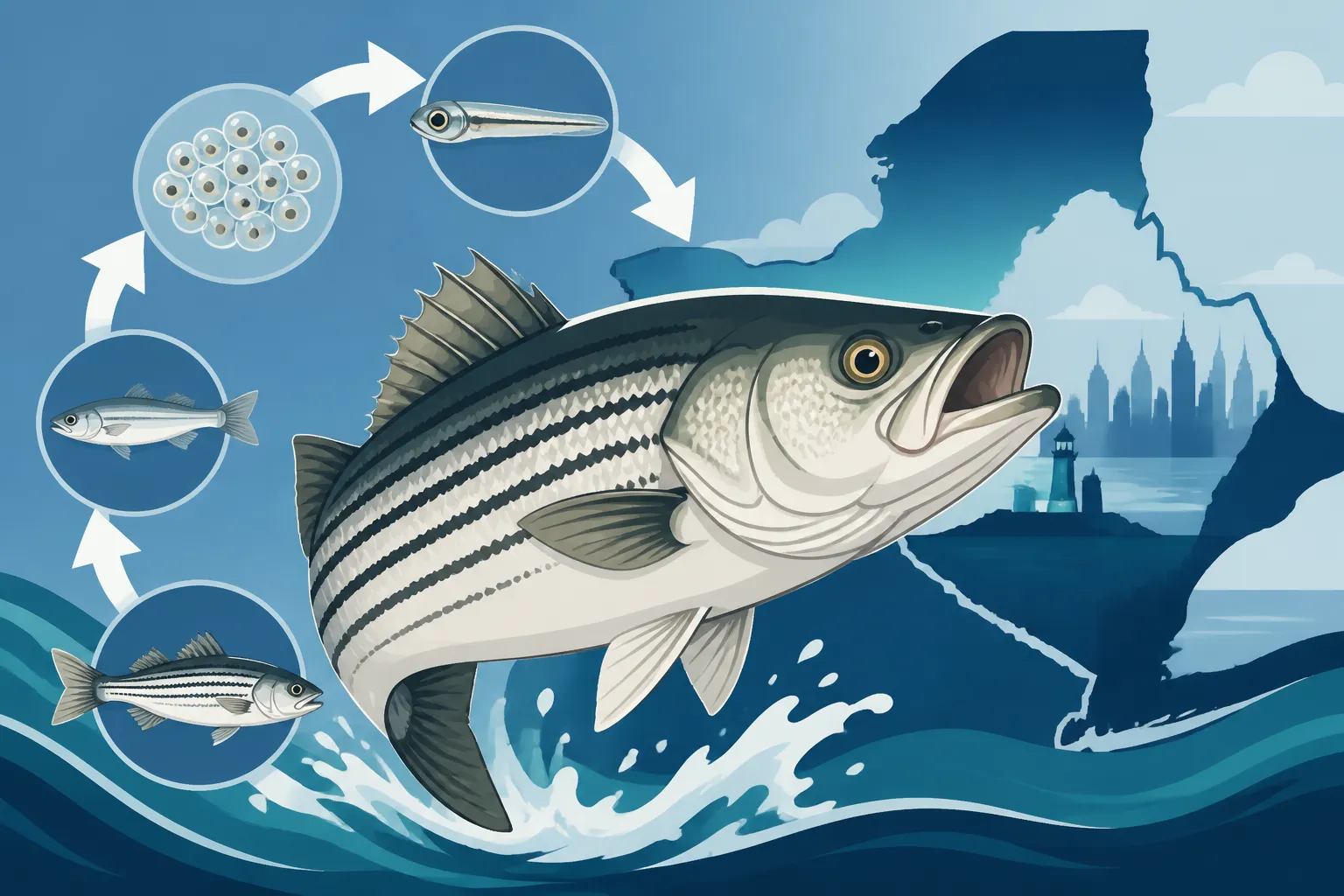
The life of a striped bass is a remarkable saga, full of growth, migration, and survival against the odds. From a tiny, translucent egg to a powerful, migratory adult, each stage is critical and fascinating, particularly within the diverse aquatic environments New York offers.
From Egg to Fry: The Start of a Journey
The story of a striped bass begins in the freshwater spawning grounds of rivers like the mighty Hudson. Unlike many marine fish that spawn in saltwater, striped bass are anadromous, meaning they spend most of their adult lives in saltwater but return to freshwater to reproduce. This crucial event typically happens in late spring and early summer. The female bass can release millions of eggs, which are then fertilized by males. These eggs are semi-buoyant, meaning they drift with the current, a critical factor in their development and survival.
The success of this initial stage is heavily dependent on environmental conditions. Water temperature, river flow, and the absence of pollutants are paramount. A sudden cold snap or excessive siltation can significantly impact egg survival, leading to fewer successful hatches. It's a tough world out there, and only a tiny fraction of those millions of eggs will ever make it to the fry stage. This vulnerability highlights why protecting these specific spawning habitats, like the stretches of the Hudson River, is so incredibly important for the future of the species.
Juvenile Years: Growing Up in the Estuaries
Once hatched, the larval striped bass, or fry, spend their early weeks and months in the nursery grounds of brackish estuaries. In New York, this primarily means the lower Hudson River and its tributaries, as well as sheltered bays and tidal creeks along Long Island Sound. These calm, nutrient-rich waters provide a safe haven where the young bass can feed on microscopic organisms and grow rapidly. Here, they're not yet the powerful predators we know; they're small, vulnerable, and learning the ropes.
During these juvenile years, they face intense predation from other fish, birds, and even larger invertebrates. Their diet shifts as they grow, moving from plankton to small insects, and then to tiny baitfish. The quality of these nursery habitats directly impacts their growth rate and their ability to survive their first few winters. A healthy estuary system, with abundant food sources and shelter from predators, gives these young stripers the best chance to mature into resilient adults. It's truly a critical period, shaping the strength of the future breeding population.
Adulthood: Migrations and Maturity
As striped bass mature, typically around 3-5 years old, their behavior shifts dramatically. They start to join the impressive coastal migrations that define their species. While some populations, like a portion of the Hudson River stock, might stay relatively localized, many others undertake extensive journeys along the Atlantic coast. They'll spend their summers feeding in northern waters, including the vast expanses of the Long Island Sound and the Atlantic Ocean off Montauk, then travel south to overwinter in warmer areas.
These adult fish become powerful, opportunistic predators, feeding on a wide variety of baitfish such as bunker (menhaden), herring, and spearing, as well as crustaceans and squid. If you've ever tried How to Fish for Striped Bass in New York, you know how strong these fish are! The larger they get, the more significant their role in the marine ecosystem. Their migrations are driven by water temperature, food availability, and the instinct to return to their natal rivers for spawning. This cycle continues year after year for many decades, which is a testament to their incredible endurance. For more on what these fish love to eat, check out our guide on What Striped Bass Eat in the Hudson River.
Factors Influencing Striped Bass Lifespan
The ultimate longevity of a striped bass isn't just a predetermined number; it's a dynamic outcome influenced by a complex interplay of environmental, biological, and human factors. Some of these elements are natural, while others are a direct result of our actions, good and bad.
Environmental Conditions and Habitat Quality
Just like us, striped bass thrive in a clean, healthy environment. Water quality is paramount, especially in their spawning and nursery grounds. Pollution from industrial runoff, agricultural chemicals, and urban development can degrade these vital habitats, directly impacting the survival of eggs and juvenile fish. Think about the impact of excessive nutrients leading to algal blooms and subsequent oxygen depletion – it can devastate local fish populations. The health of the entire ecosystem, from the smallest plankton to the largest predatory fish, is interconnected.
Water temperature also plays a significant role. Striped bass prefer a specific range of temperatures, and extreme fluctuations, whether too hot or too cold, can stress them, making them more susceptible to disease or limiting their feeding opportunities. Habitat degradation, such as the loss of vital marshlands and seagrass beds which serve as crucial nurseries and feeding areas, directly reduces the carrying capacity of our waters, meaning fewer fish can survive to old age. A healthy river system and coastal environment are the backbone of a robust striped bass population, allowing them to live out their full potential.
Food Availability and Predation
A steady and abundant food supply is crucial for any animal to grow and survive, and striped bass are no exception. Their diet varies greatly throughout their life, from tiny zooplankton as fry to larger baitfish like Atlantic menhaden (bunker) and herring as adults. If these forage fish populations decline due to overfishing or environmental shifts, the striped bass population will suffer. They need that consistent energy source to maintain their size, endure long migrations, and reproduce successfully.
Natural predation is also a factor, particularly for younger stripers. Larger predatory fish, seals, and various birds all view young striped bass as a potential meal. While this is a natural part of the food web, it means that a large number of fish won't make it past their early years. However, as striped bass grow larger, their natural predators become fewer, mainly limited to large sharks and marine mammals. It’s a classic survival story, where growing big and strong is their best defense. Sometimes, even when fishing for them, a bigger predator might snatch your catch right off the line!
Fishing Pressure and Management
Perhaps one of the most significant human-influenced factors affecting striped bass lifespan is fishing pressure. Both recreational and commercial fishing contribute to the harvest of these fish. While fishing is a beloved pastime and an important industry, unregulated or excessive harvesting can deplete fish stocks and reduce the average age and size of the population. This is why strict regulations are so important. New York Fishing Regulations Explained are put in place not to make fishing harder, but to ensure there are plenty of fish for future generations.
Management strategies like slot limits, which dictate a specific size range of fish that can be kept, are designed to protect both the younger, immature fish and the largest, most prolific breeders. Many anglers also practice catch-and-release, especially for large "trophy" fish, which allows these older, more experienced individuals to continue contributing to the spawning stock. Learning Catch-and-Release Handling Rules is vital here, as improper handling can still cause mortality even if the fish is returned to the water. Our collective adherence to these rules directly impacts how many striped bass reach their full potential lifespan.
How Long Do Striped Bass Really Live?
So, after all that growth and migration, just how many candles can a striped bass expect on its birthday cake? The answer isn't a single, fixed number, but rather a range influenced by all the factors we've discussed.
Average Lifespan vs. Maximum Lifespan
In New York's waters and along the Atlantic coast, the average lifespan of a striped bass is generally in the range of 10 to 20 years. This represents the typical life journey for many of the fish you might encounter. They grow, mature, spawn multiple times, and contribute to the population before succumbing to natural causes, predation, or fishing pressure. It's a respectable run for a fish, especially given the challenges they face.
However, the maximum lifespan can be significantly longer. Under ideal conditions, with abundant food, pristine habitat, and minimal human impact, striped bass have been known to live for 30 years or even more! The oldest documented striped bass have exceeded 30 years, with some records pushing close to 40. These are truly ancient fish, often reaching impressive sizes. Scientists typically determine a fish's age by examining their otoliths, or "ear bones," which have growth rings much like a tree. These rings provide a reliable record of the fish's life history, helping researchers understand population dynamics and set appropriate fishing limits.
Longevity in New York Waters
New York's diverse waters, from the Hudson River to the Atlantic Ocean, support robust striped bass populations, and our fish exhibit similar longevity patterns to those found throughout their range. The Hudson River, being a crucial spawning ground, is particularly important for the survival of the species. Striped bass here can grow quite large and live for many years, though their migratory patterns might differ slightly from coastal ocean-run fish. If you're out fishing the Hudson, especially during peak times, you'll see some impressive stripers. For those interested, the Striped Bass Season on the Hudson Runs April Through November is a great time to witness these magnificent fish.
It's not uncommon to catch striped bass in the 20-30 pound range in New York, and these fish are often well over a decade old. While exact numbers fluctuate, New York State has a proud history of impressive catches, including the New York State Record Striped Bass Weight. These record-setting fish are, without a doubt, venerable elders of the striped bass world, showcasing the incredible potential for longevity within our waters. Anglers often find fantastic opportunities for both catching and observing these long-lived fish in places like the Long Island Sound; our guide to Long Island Sound Striped Bass Fishing in New York: A Complete Guide has more details. The sustained presence of these large, older fish is a good indicator of a healthy, well-managed fishery.
| Life Stage | Typical Age Range (Years) | Key Characteristics & Activities |
|---|---|---|
| Egg & Larval | 0-1 month | Drifting, highly vulnerable, developing into fry |
| Juvenile | 0-3 years | Estuary residents, rapid growth, feeding on small prey |
| Sub-Adult | 3-5 years | Beginning migrations, approaching sexual maturity |
| Adult (Spawning) | 5-20 years | Regular migrations, annual spawning, primary breeders |
| Older Adult/Max Age | 20+ years | Continued spawning, larger size, experienced survivalists |
The Importance of Conservation for Striped Bass Longevity
When we talk about how long striped bass live, we're not just discussing a biological fact; we're also touching on a crucial aspect of conservation. Our actions today directly impact the lifespan of these fish and the health of their populations for years to come.
Sustainable Fishing Practices
As anglers, we have a significant responsibility to fish sustainably. This means not only adhering strictly to New York Fishing Regulations Explained regarding season dates, size limits (like the important Striped Bass Slot Limit Explained), and bag limits, but also going beyond the minimum requirements. Many of us choose to release fish, especially the very large breeding females, to ensure they can continue to spawn and contribute to the next generation. Using appropriate gear, such as circle hooks for bait fishing (learn Why Are Circle Hooks Required for Striped Bass Bait Fishing?) can significantly reduce gut-hooking and improve the survival rate of released fish.
Being mindful of how we handle fish we intend to release is also paramount. Wet hands, minimizing time out of water, and supporting the fish's body properly can make all the difference. Think about it: a fish that survives a release has a chance to live for many more years, growing larger and spawning again and again. These practices are not just about compliance; they're about being stewards of the resource and ensuring that future generations can enjoy the thrill of catching a magnificent striped bass. If you're looking for gear to improve your catch and release success, you can find a wide range of tools, from de-hookers to measure mats, on Amazon.
Habitat Protection and Restoration
Beyond what happens on the water, the health of the striped bass population is intrinsically tied to the quality of their habitat. Protecting and restoring their spawning grounds, like the freshwater stretches of the Hudson River, is non-negotiable. This means advocating for clean water initiatives, reducing pollution from all sources, and preventing habitat destruction due to development or dredging. Our estuaries, the crucial nursery areas for juvenile bass, also need our vigilance. Maintaining healthy marshlands and seagrass beds, which provide food and shelter, is vital for young fish to thrive.
Efforts to remove obsolete dams, improve fish passage, and manage water flow can also have a profound positive impact on allowing striped bass to access historical spawning areas. When we protect and restore these critical habitats, we're essentially investing in the long-term health and longevity of the entire striped bass population. It's a collective effort, involving individuals, local communities, and government agencies, but the reward is a thriving fishery that supports both ecological balance and our passion for angling. You can find many educational resources on habitat protection, often in book form, available through retailers like Amazon.
Disclaimer
This article is for general informational purposes only and does not constitute professional advice. Laws, prices and regulations vary by location and change over time. Consult a qualified professional for guidance on your specific situation.