Average Largemouth Bass Size in New York
It's incredibly exciting to head out on the water, rod in hand, hoping for that tug that signals a feisty largemouth bass. But as many of us seasoned anglers (and even the excited newbies!) have discovered, the "average" size of a largemouth bass can feel a bit like a mystery, especially here in New York. You hear tales of monsters, but what should you really expect to reel in? This guide is going to clear up those expectations, giving you a realistic picture of the average largemouth bass size in New York and what factors play into growing those impressive bucketmouths.
Understanding the Average Largemouth Bass Size in New York Waters
When we talk about an "average" largemouth bass in New York, it's important to remember that this isn't a hard and fast number carved in stone. It's more of a general range that helps us understand what's typical across the state's incredibly diverse fisheries. From tiny farm ponds to massive Great Lakes tributaries, the conditions vary wildly, and so do the fish.
What "Average" Really Means for New York Anglers
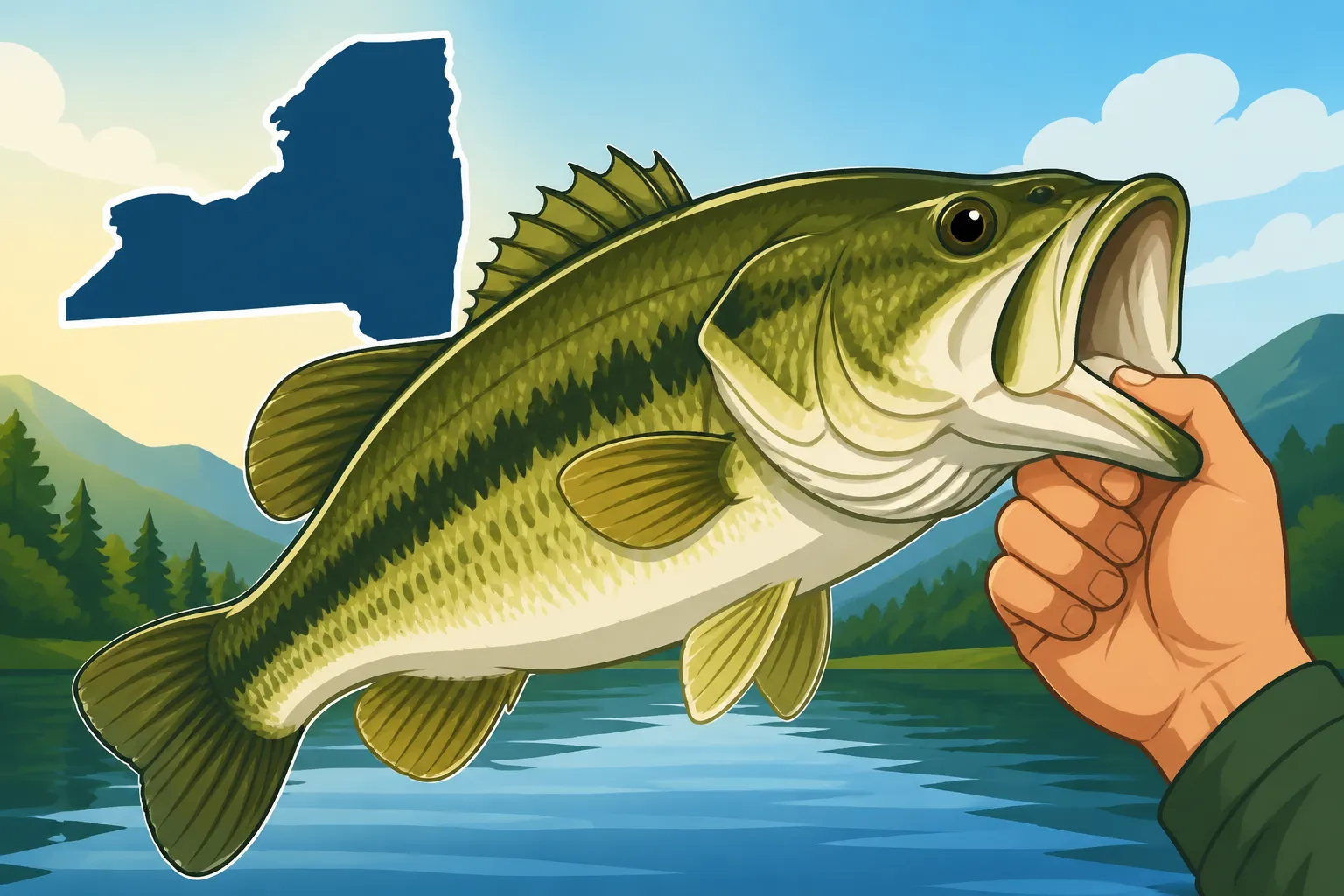
For most recreational anglers in New York, a "keeper" largemouth bass often falls into the 12 to 16-inch range, typically weighing anywhere from 1 to 2.5 pounds. This is a solid, healthy fish that offers a respectable fight and is a joy to catch. Think about those classic bass boat tournament scenes – while they're chasing giants, the bulk of their catch often falls within this very respectable average. You'll certainly catch smaller ones, often called "dinks" by some, especially in overpopulated ponds or areas with less forage. Conversely, you'll have those days where you hit a sweet spot and land something significantly larger, pushing into the 3 to 5-pound territory.
It's about setting realistic expectations. If you head to a local pond that gets a lot of pressure, a 14-inch largemouth is a fantastic catch. If you're on a renowned trophy lake, you might be hoping for something closer to 18-20 inches to truly feel like you've had a banner day. The key is to appreciate the fish you catch and understand what the water you're fishing is capable of producing.
Factors Contributing to Bass Growth in New York
What makes a bass grow big? It's a complex recipe, much like baking a perfect sourdough. There are several key ingredients that determine how quickly and how large a largemouth bass will grow in any given New York waterway.
Firstly, food availability is paramount. Largemouth bass are voracious predators. If a lake or river system has an abundant supply of forage – think baitfish like shiners, alewives, bluegill, perch, and even crayfish and frogs – the bass have all the fuel they need to pack on pounds. Waters with a diverse and plentiful prey base will consistently produce larger, healthier bass. Conversely, in waters where the food chain is thin, bass might be numerous but often remain stunted.
Water quality and temperature also play a massive role. Bass thrive in warmer waters but need good oxygen levels. New York's climate offers a distinct advantage with warm summers that accelerate metabolism and growth, followed by colder winters where growth slows. However, extreme temperatures, whether too hot or too cold, can stress fish and impact their feeding patterns. Clean, well-oxygenated water helps bass stay healthy and free from disease, allowing them to allocate more energy towards growth rather than fighting off illness.
Habitat structure is another critical factor. Largemouth bass are ambush predators, and they need cover to hide, hunt, and spawn. Lush weed beds, fallen timber, rock piles, docks, and submerged brush all provide essential sanctuary and hunting grounds. Waters with diverse and ample cover offer bass the perfect environment to thrive and grow, protecting them from predators and providing prime ambush points for their prey.
Then there's the element of genetics. Some bass populations simply have a genetic predisposition to grow larger than others. While you can't control this as an angler, understanding that certain strains of bass (often introduced through stocking programs) might have different growth potentials can influence which waters consistently produce bigger fish.
Finally, fishing pressure and conservation practices weigh heavily on average size. In heavily fished waters where many fish are harvested, the average size might trend smaller. However, places with strong catch-and-release ethics, especially for larger breeding-size fish, can help maintain or even increase the presence of trophy-sized bass. This is why many anglers are so diligent about Catch-and-Release Handling Rules. They understand that letting that big one go means it can grow even bigger and pass on its genes.
Regional Differences and Notable Waters for Largemouth Bass
New York State is a mosaic of different aquatic environments, and each one offers a unique experience when it comes to largemouth bass fishing. The average size you encounter will absolutely depend on where you drop your line.
Largemouth Bass Hotspots Across New York State
While you can find largemouth bass in almost any warm-water lake or pond in New York, some regions and specific bodies of water are truly renowned for their ability to produce bigger, healthier fish. These are the places where the "average" starts to lean towards the higher end of the spectrum.
Oneida Lake, for instance, is famous statewide for its incredible bass fishing. The sheer volume of forage, excellent water quality, and diverse habitat make it a prime location for largemouth to bulk up. Anglers frequently report catching multiple bass in the 3 to 5-pound range here, and trophy fish pushing six, seven, or even eight pounds are not uncommon. It’s one of the New York Lakes Known for Largemouth Bass that lives up to the hype.
The intricate backwaters and tributaries of the Hudson River also hold some impressive largemouth. These tidal areas are rich in nutrients and forage, offering a dynamic environment where bass can grow large. The Finger Lakes, too, particularly the shallower ends and bays of lakes like Cayuga and Seneca, provide excellent habitat for big bass. While they are often associated with trout, their warm-water sections are truly fantastic. Smallmouth bass often steal the show in the St. Lawrence River, but its slower, weedy bays and adjacent lakes can also hold some absolute giants if you know where to look.
Even some of the larger reservoirs in the southern part of the state, like those in Westchester County, can surprise you with impressive largemouth populations thanks to good management and ample food sources. Anglers often travel significant distances to fish these areas because the potential for a truly memorable catch is so much higher.
The Spectrum of Sizes: From Ponds to Major Lakes
It's crucial to understand that an "average" bass in a small, privately owned farm pond might be a very different creature than an "average" bass in a massive, fertile lake.
In many small farm ponds or less-managed municipal parks, bass can become stunted. This often happens due to overpopulation and a limited food supply. You might catch dozens of bass in an hour, but many of them will be 8-10 inches long and weigh less than a pound. While it's still fun to catch them, a 2-pound bass in such a pond would be considered a genuine "trophy." These waters are often great for beginners or kids because action can be fast, even if the fish aren't huge.
Conversely, on a large, well-managed system like Oneida Lake or even parts of Lake Champlain that New York shares, a 2-pound bass is often just the beginning. The average size is simply larger due to better conditions, and a true trophy might be 6 pounds or more. Knowing the general characteristics of the water you're fishing will help you temper your expectations and celebrate your catches appropriately. Don't be discouraged if your local honey hole doesn't produce world-beaters; focus on the fun and the fight!
Here's a quick overview of what you might typically expect in terms of average size depending on the type of New York water you're fishing:
| Water Body Type | Typical Average Length (inches) | Typical Average Weight (pounds) | Trophy Length (inches) | Trophy Weight (pounds) | Notes |
|---|---|---|---|---|---|
| Small Farm Ponds | 10-14 | 0.75-1.5 | 16+ | 2.5+ | Often numerous but can be stunted if overpopulated. |
| Medium Public Lakes | 12-16 | 1.0-2.5 | 18+ | 4+ | Good balance of size and numbers, common for recreational angling. |
| Large Lakes (e.g., Oneida) | 14-18 | 1.5-3.5 | 20+ | 5+ | Excellent forage and habitat lead to larger average sizes. |
| River Systems/Backwaters | 13-17 | 1.25-3.0 | 19+ | 4.5+ | Current and diverse structure provide strong growth opportunities. |
Measuring Your Catch and Pursuing Trophy Largemouth
There's a special thrill that comes with landing a truly magnificent largemouth, and accurately measuring it adds to the satisfaction and the story! It also helps us understand fish populations better.
Accurate Measurement and Responsible Handling
When you land a bass, especially one you suspect might be above average, having the right tools to measure its length and weight can be incredibly rewarding. It allows you to track your personal bests, compare catches with friends, and contribute to informal (or sometimes formal) data gathering that helps understand fish health.
For length, a simple measuring board or tape measure is all you need. Lay the fish flat, with its mouth closed and against the bump at the end of the board, and pinch its tail to get an accurate reading to the nearest quarter or eighth of an inch. For weight, a quality digital fishing scale is invaluable. Many anglers opt for portable, waterproof digital scales that can handle fish up to 50 pounds, offering precise measurements to the ounce. You can find a fantastic selection of these digital scales and measuring boards on Amazon, ensuring you have reliable tools for your next big catch.
Beyond the measurement, responsible handling is absolutely critical, particularly if you intend to release the fish. Catch-and-Release Handling Rules are not just suggestions; they are vital for the survival of the fish and the health of the fishery. Always wet your hands before touching the fish to protect its slime coat, minimize the time it's out of the water, and support its body horizontally to avoid internal damage. If you're using a lip grip, make sure it's not supporting the full weight of the fish vertically, which can injure its jaw. Quick, gentle handling ensures that your impressive catch swims away strong to fight another day, possibly growing even larger.
Tips for Targeting Larger Bass in New York
So, you're ready to move beyond the average and start targeting those true New York trophy largemouth bass? It requires a slight shift in strategy and often a good dose of patience.
One of the most fundamental tips for catching bigger bass is to "think big." Larger bass generally prefer larger meals. While smaller baits will catch bass of all sizes, upsizing your lures—think 10-inch plastic worms, larger swimbaits, substantial spinnerbaits, or even big topwater frogs—can often deter smaller fish and appeal specifically to the lunkers. They're not as inclined to expend energy on tiny snacks. When you're browsing for those substantial lures, remember that Amazon is an excellent resource for finding a wide variety of specific baits designed for trophy bass, including regional favorites you might not find everywhere.
Timing your efforts is another critical component. Big bass are often more cautious and might feed more actively during low-light conditions. Dawn and dusk are prime times, as are overcast days. Understanding the Best Time of Day to Fish in New York can dramatically increase your odds of encountering a larger specimen. Additionally, paying attention to weather fronts—like the calm before a storm or the periods immediately after a cold front has passed and fish are becoming active again—can be incredibly productive.
Focus on structure fishing and cover. As mentioned earlier, bass use cover for ambush and protection. Big bass often relate to the heaviest, most complex cover available. This could mean flipping jigs into dense lily pad fields, working a Texas-rigged creature bait through thick submerged vegetation, or slow-rolling a spinnerbait past a submerged log pile. Don't be afraid to fish tight to cover, as that's where the biggest fish often hide. Learning how to effectively fish specific structures, whether it's deep humps, creek channels, or riprap, will set you apart.
Lastly, use appropriate gear. When you're throwing bigger baits and fishing heavy cover, you need a rod and reel combo that can handle the stress. A medium-heavy to heavy action rod with a strong backbone, paired with a reliable baitcasting reel spooled with fluorocarbon or braided line, will give you the power to cast those larger lures and pull a trophy bass out of thick weeds. Don't skimp on line strength; losing a personal best because your line snapped is a frustration we've all felt.
New York's Largemouth Bass Regulations and Conservation
Understanding the average size is just one piece of the puzzle. To truly appreciate and help sustain New York's fantastic largemouth bass fishery, it's essential to be aware of the rules and play your part in conservation.
Understanding Catch Limits and Seasons
New York State has specific regulations designed to manage fish populations, ensuring healthy numbers and sustainable fishing for years to come. For largemouth bass, these regulations typically involve a minimum length requirement and a daily creel limit. These limits can vary not only by species but also by specific water body and time of year. For instance, while there's a general statewide regulation for bass, certain lakes or rivers might have special regulations to protect spawning fish or encourage the growth of larger individuals.
It's absolutely vital to check the New York Bass Season Dates for the specific water body you plan to fish before heading out. Generally, New York has a closed season for bass during their primary spawning period, which is usually late spring/early summer. During this time, bass are incredibly vulnerable, and closing the season helps ensure successful reproduction. Once the open season begins, you'll need to adhere to the minimum size and daily bag limits. These rules are in place not to frustrate anglers but to allow enough fish to reach reproductive maturity and maintain a balanced population, which in turn leads to better fishing opportunities and a chance for those bass to grow to impressive sizes.
The Role of Conservation in Growing Bigger Bass
Beyond simply following the regulations, thoughtful conservation practices by individual anglers are what truly make a difference in fostering bigger bass. Every angler has a role to play.
The most impactful practice is catch and release, especially for larger, mature bass. These bigger fish are often the most prolific breeders, and releasing them back into the water allows them to contribute to future generations. As we discussed earlier, learning and practicing Catch-and-Release Handling Rules ensures that these released fish have the best chance of survival. This means minimizing their time out of water, handling them gently with wet hands, and supporting their body weight properly.
Protecting habitat is another crucial aspect. Largemouth bass rely heavily on aquatic vegetation, submerged timber, and other structures for survival. Being mindful of your impact on these habitats—avoiding damage to weed beds, not littering, and reporting pollution—helps ensure bass have healthy environments to live and grow. Anglers can also advocate for habitat protection and restoration efforts in their local communities.
Finally, just being an informed and responsible angler contributes immensely. Understanding the biology of largemouth bass, respecting other anglers, and educating newer generations about ethical fishing practices creates a culture of conservation. The goal isn't just to catch a fish today, but to ensure that the joy of battling a strong New York largemouth bass can be experienced for many generations to come.
Disclaimer
This article is for general informational purposes only and does not constitute professional advice. Laws, prices and regulations vary by location and change over time. Consult a qualified professional for guidance on your specific situation.