Best Time of Day to Fish in New York
There's nothing quite as frustrating as waking up before dawn, hitting your favorite New York fishing spot, casting for hours, and coming up empty-handed while watching another angler across the water pull in fish after fish. Often, the difference isn't skill or secret bait, but simply understanding when the fish are most active. This comprehensive guide will peel back the layers of daily fish behavior, helping you pinpoint the best time of day to fish in New York, no matter the season or target species.
Understanding the Daily Rhythms of Fish
Just like us, fish have daily routines influenced by a myriad of factors. They don’t just swim around aimlessly; their movements, feeding habits, and even their comfort levels are dictated by the environment around them. Grasping these fundamental rhythms is the first step to becoming a more successful angler.
The Impact of Light Levels on Fish Activity
Light, or the lack thereof, is perhaps the single most influential factor in a fish's daily life. Think about it: an aquatic environment means light filters through water, and this filtration changes throughout the day, affecting visibility both for predator and prey.
In low light conditions, such as dawn and dusk, many predatory fish feel more secure coming out of deeper, darker waters or heavy cover to hunt. The dim light gives them an advantage, making it harder for their prey to spot them. Species like largemouth and smallmouth bass, northern pike, and even trout become incredibly active during these periods. Their vision is often adapted for lower light, giving them an edge. Conversely, baitfish, which are typically smaller and more vulnerable, might be more active then too, seeking food under the cover of low light before the bright sun exposes them to every watchful eye. On the other hand, extremely bright, midday sun can drive many fish to seek refuge in deeper, cooler waters or dense cover, making them less inclined to feed. It's too exposed, too vulnerable, and often, too warm.
Water Temperature Fluctuations and Fish Metabolism
Water temperature is a silent, yet powerful, conductor of fish activity. Fish are cold-blooded, meaning their body temperature largely mirrors their environment. This directly impacts their metabolism, which in turn dictates how often they need to eat and how active they'll be.
In New York, where we experience four distinct seasons, these temperature fluctuations are pronounced. During the heat of summer, surface waters can become uncomfortably warm for many species. Fish will often retreat to cooler, deeper pockets where the water is more oxygenated and at a more agreeable temperature. This means that midday fishing during summer often requires targeting these deeper haunts. During colder seasons, like late fall or winter, fish metabolism slows down considerably. They might still feed, but often less frequently and with less aggression. In these conditions, warmer parts of the day, when the sun might penetrate and slightly warm shallower waters or dark bottom areas, could actually spark a short feeding window. For instance, during the cold winter months, the middle of the day during an ice fishing trip might be your most productive window as the sun can slightly raise water temperatures under the ice, even just by a degree or two, spurring activity.
The Role of Tides and Currents (Saltwater & Great Lakes)
While light and temperature are universal, tides and currents add another layer of complexity, especially for saltwater anglers or those fishing the Great Lakes and their tributaries in New York. These forces aren't just about water movement; they're about food delivery and fish positioning.
In tidal waters, like those found around Long Island or the lower Hudson River, the moving tide is often synonymous with feeding activity. As the tide comes in or goes out, it creates currents that dislodge baitfish, crabs, and other invertebrates from their hiding spots, carrying them past waiting predators. This concentrated food source makes fish incredibly opportunistic. Slack tide, the period of minimal water movement between the incoming and outgoing tides, is often the slowest for fishing, as the food delivery system temporarily shuts down. For more insights on this, you might want to read our guide on how to fish for striped bass in New York. Similarly, in the Great Lakes tributaries, strong currents, especially during salmon and steelhead runs, position fish in predictable ways, making them easier targets. Understanding the current breaks, eddies, and seams where fish conserve energy while waiting for food to drift by is crucial, regardless of the time of day.
Dawn and Dusk: The Golden Hours for Anglers
If there's one piece of advice nearly every seasoned New York angler will give you, it's to fish during the low-light periods of dawn and dusk. These "golden hours" aren't just a romantic notion; they are biologically prime times for many of our most sought-after species.
Why Sunrise and Sunset are Prime Times
The transition from darkness to light (and vice versa) creates a dynamic environment that triggers a feeding frenzy for many fish. As the sun barely peeks over the horizon or dips below it, the subdued light offers an ideal hunting scenario for opportunistic predators. The glare on the water's surface is reduced, making it harder for prey to spot lurking danger from above or below. This means predatory fish feel more confident moving into shallower water or out from heavy cover to ambush unsuspecting baitfish or insects.
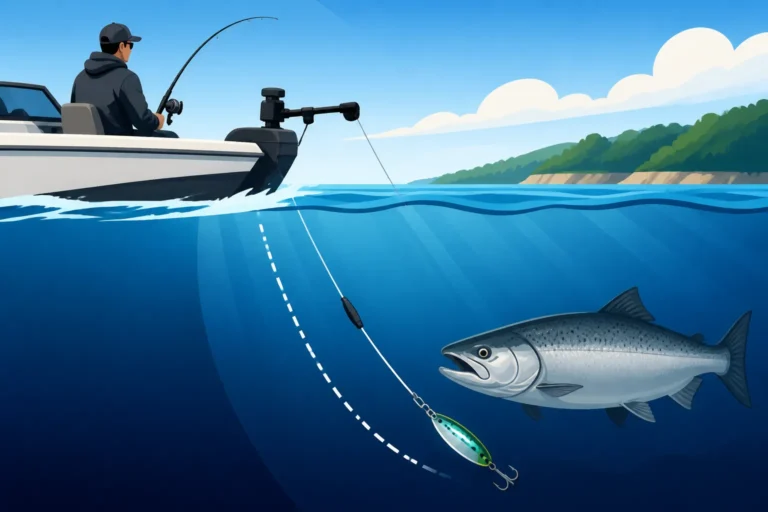
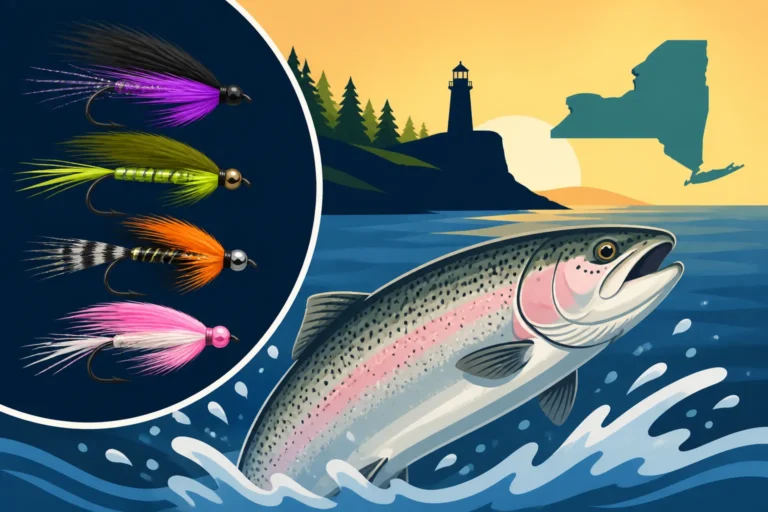
Beyond visibility, these periods often coincide with more comfortable water temperatures, especially during the summer months. After a hot day, the evening offers a cooling trend, which can invigorate fish that were sluggish in the midday heat. Conversely, after a cold night, the rising sun can slightly warm the water, kickstarting their metabolism. You’ll often find species like largemouth and smallmouth bass, walleye, and northern pike actively cruising shorelines and structure during these times. For freshwater anglers pursuing trout, the hatches often occur at dawn and dusk, making these the absolute best times for fly fishing. Those targeting species like salmon in the Great Lakes tributaries also know that the dawn hours can bring explosive strikes as fish move upriver under the cover of low light. Our guide on how to fish for salmon in New York delves deeper into these specific patterns.
Strategies for Low-Light Conditions
Fishing effectively during dawn and dusk requires a slight shift in strategy compared to bright midday conditions. Because visibility is limited for both you and the fish, you'll want to choose lures and presentations that excel in these circumstances.
Darker colored lures (like black, blue, or purple) can often be more silhouetted against the fading or rising light, making them easier for fish to detect. Lures with strong vibrations or noisy rattles are also excellent choices, as they appeal to a fish's lateral line system, helping them locate your offering even if they can't see it perfectly. Think spinnerbaits, chatterbaits, or topwater lures that create a commotion on the surface. When fishing topwater during these times, the strikes can be absolutely electrifying! Consider checking out a wide array of options on Amazon to equip your tackle box for these prime moments. Presentation should often be slightly slower than in bright conditions, allowing fish more time to locate and commit to the strike. Safety is also paramount. Always bring a reliable headlamp and make sure you're familiar with your chosen fishing spot in daylight before attempting it in low light. Having a buddy along is always a good idea, too, especially if you're navigating unfamiliar terrain or slippery banks.
Midday Fishing: Overcoming the Challenges
While dawn and dusk often steal the spotlight, it doesn't mean you should pack up and go home when the sun gets high. Midday fishing certainly presents its challenges, but with the right approach, it can be incredibly productive, especially for certain species or under specific conditions.
When Midday Can Still Be Productive
The bright, high sun of midday can be a deterrent for many fish, driving them deep or into dense cover. However, this isn't always the case. Overcast days, for instance, essentially create prolonged low-light conditions, extending those prime feeding windows well into the afternoon. If a thick cloud cover rolls in, don't hesitate to deploy your dawn/dusk tactics.
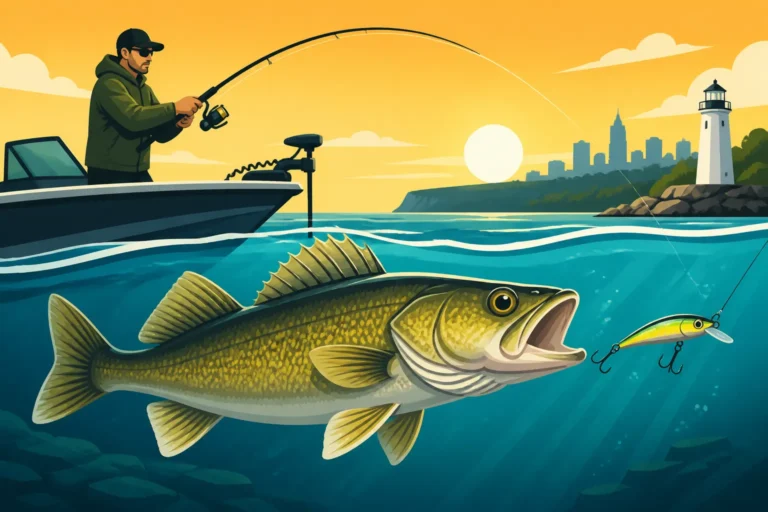
Furthermore, certain species are simply more comfortable, or even prefer, deeper water, regardless of the time. Walleye, known for their light-sensitive eyes, will often lurk in deeper sections of New York's lakes and rivers during the day, making midday a great time to target them with vertical jigging or trolling techniques. Lake trout in the Finger Lakes also reside in cooler, deeper waters, making them a consistent midday target, especially during warmer months. During the cold winter season, when ice fishing in New York, midday can actually be a fantastic time. The sun, even on a chilly day, can penetrate the ice and slightly warm the water, boosting fish activity and metabolism. This can make the difference between a slow morning and a productive afternoon.
Adapting Techniques for Bright, High-Sun Conditions
When the sun is blazing and there's not a cloud in the sky, you'll need to adjust your approach to coax fish into biting. They're likely feeling a bit lethargic or spooky, so subtlety and precision become key.
First, seek shade and cover. Fish will naturally gravitate towards areas that offer relief from the harsh sun and potential predators. This means targeting docks, overhanging trees, bridge pilings, submerged timber, or weed lines. Flipping and pitching jigs or soft plastics into these shaded pockets can be incredibly effective. Second, go deeper. As mentioned, many fish will retreat to cooler, darker depths. This calls for tactics like drop-shotting, Carolina rigging, or deep cranking to get your bait down to where the fish are holding. Consider a heavier jig or a weighted worm rig to get your bait through the water column quickly. Third, slow down your presentation. Aggressive retrieves might not entice a sluggish fish. A slow, subtle retrieve, allowing your bait to hover and entice, can often trigger a strike from a fish that's not actively hunting. Natural baits, like live minnows or worms, can also be particularly effective in these conditions, as they look and act like easy meals for less active fish. Don't forget to wear polarized sunglasses yourself! They cut glare on the water, allowing you to spot subtle movements or even see fish holding in cover.
Night Fishing: A Different Kind of Thrill
For many anglers, the idea of fishing under the stars holds a unique allure. Night fishing in New York offers a completely different experience, often with less competition, cooler temperatures, and the chance to target species that become truly active after dark.
Target Species and Locations for Night Angling
Not all fish are nocturnal, but a significant number of New York's popular species thrive under the cloak of darkness. Walleye, with their large, light-gathering eyes, are infamous for their nighttime feeding sprees, often moving into shallower rocky areas or flats to hunt baitfish. Catfish, too, are primarily nocturnal feeders, relying on their keen sense of smell and barbels to locate food in murky waters. The larger specimens are frequently caught after sunset.
Perhaps one of the most exciting night fishing opportunities in New York is for striped bass, especially in the Hudson River or along the coast of Long Island. These powerful fish often move into shallow estuaries, around docks, and beneath bridges at night to feed. The cover of darkness gives them confidence to cruise closer to shore, making them accessible to both boat and shore anglers. For a deep dive into this, check out our guide on how to fish for striped bass in New York. Areas with artificial lights, such as bridge lights, dock lights, or streetlights reflecting on the water, are often hotspots. These lights attract baitfish, which in turn attract predators.
Essential Gear and Safety for Night Fishing
Night fishing requires careful preparation beyond your usual tackle box. Safety is paramount when you're out on the water or along the bank after dark.
First and foremost, lighting is essential. A reliable headlamp with both a bright white light for navigating and a red light option (which preserves your night vision better) is a must-have. Keep spare batteries handy. For your boat, ensure all navigation lights are fully functional. Secondly, insect repellent is your best friend, especially during warmer months near standing water. Mosquitoes and other biting insects can quickly turn a peaceful night into an unbearable ordeal. Bug sprays available on Amazon can be a lifesaver here. Thirdly, consider using noisy or scented lures. Since fish might rely more on their lateral line and sense of smell than sight, lures that produce strong vibrations, rattles, or come pre-scented can be incredibly effective. Glow-in-the-dark lures or those with reflective properties can also stand out under moonlight or artificial light. Always inform someone of your fishing plans and expected return time. Fishing with a buddy is highly recommended. Pay extra attention to your surroundings, as tripping hazards or slippery banks are much harder to spot in the dark.
Considering Other Influences on Daily Timing
While light, temperature, and tides lay the foundation, the daily best fishing times are rarely static. Mother Nature loves to throw curveballs, and savvy anglers know how to read the signs and adjust their strategies.
Weather Patterns and Cloud Cover
The weather isn't just about whether you need a raincoat; it's a huge determinant of fish behavior. A sudden cold front can shut down a bite instantly, while a sustained period of stable weather, even if it's hot, can lead to predictable patterns.
Cloud cover, as we briefly touched on, can significantly extend those prime low-light feeding windows. On a heavily overcast day, what might typically be a slow midday period can turn into a hotspot, as fish feel more comfortable moving and feeding in the diffused light. Conversely, a sudden clearing after a storm might bring a burst of activity, but then settle into a slower bite as the sun brightens. Pay attention to barometric pressure changes, too. A falling barometer often signals approaching bad weather, which can trigger a pre-front feeding frenzy. Once the front passes and the pressure rises sharply, the bite often slows considerably. Always check the forecast before heading out, and be prepared to adapt your approach based on what the skies are doing. For a broader understanding of how the seasons and weather intertwine, our guide on the best time of year to fish in New York offers valuable context.
Seasonal Variations and Species-Specific Habits
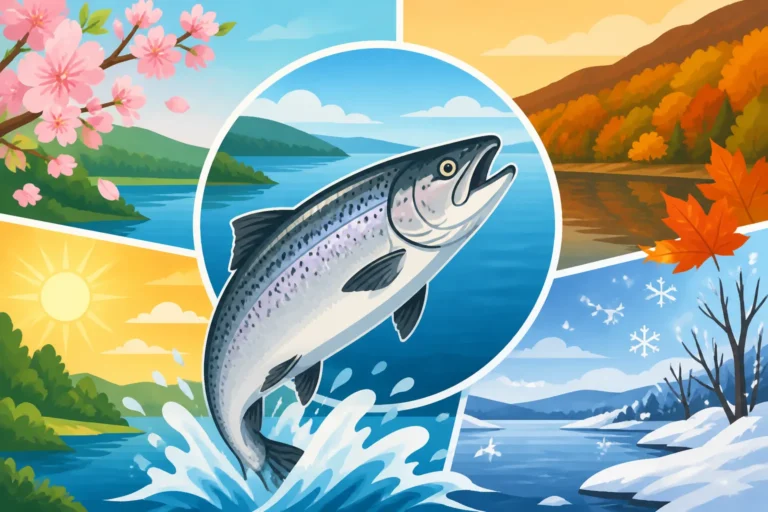
The general rules about dawn and dusk are great, but fishing in New York means recognizing that daily patterns shift dramatically with the seasons and according to the species you're targeting. A "best time" for trout in April won't be the same for walleye in July, or striped bass in October.
- Spring: During the spring spawn for many freshwater species like bass, fish can be active throughout the day, especially if they are guarding beds or actively spawning. Water temperatures are rising, invigorating fish. Trout fishing in early spring is often excellent in the warmer midday sun, particularly on smaller streams.
- Summer: The heat of summer pushes many fish into deeper, cooler water during the brightest parts of the day. Early morning and late evening become critically important. For coldwater species like trout, the warmest parts of the day can be stressful, making early mornings and late evenings better, or even avoiding the hottest hours altogether to protect the fish. Our guide on how to trout fish in New York has more on this.
- Fall: As temperatures begin to drop, many species enter a "fall feeding frenzy" to bulk up for winter. This often means extended periods of activity throughout the day, especially for species like bass, pike, and muskellunge, as they chase baitfish. Salmon and steelhead runs in the Great Lakes tributaries are also in full swing during fall, and while dawn/dusk are still prime, fish can be caught all day, especially on overcast days.
- Winter: During ice fishing season, the sunniest, warmest parts of the day (mid-morning to mid-afternoon) can often be the most productive, as the slight increase in water temperature and light penetration can stimulate fish activity. Night fishing for walleye and crappie through the ice can also be very effective.
Understanding the specific biological needs and habits of the fish you're after is key. The New York DEC Fishing Regulations Guide is an invaluable resource, often providing insights into species behavior by dictating seasons and limits.
Local Knowledge and Technology: Your Secret Weapons
No matter how much you read, the real secrets to consistent fishing success often lie in hyper-local details and the smart application of modern tools. Combining old-school wisdom with cutting-edge tech can give you a significant edge in finding that perfect fishing window.
Tapping into Local Expertise and Reports
You can read all the articles and watch all the videos, but nothing beats firsthand, local knowledge. The anglers who spend day-in and day-out on a particular body of water are goldmines of information, especially concerning the nuances of daily timing.
Start by visiting local bait and tackle shops. These places are often the hub of the local fishing community. The folks working there live and breathe fishing, and they're usually happy to share recent reports on what's biting, what baits are working, and crucially, when the fish have been most active. They can tell you if the morning bite has been better than the evening, or if a particular spot is only producing during midday on overcast days. Online fishing forums and social media groups dedicated to New York fishing are another fantastic resource. You can often find real-time reports and ask specific questions about a particular lake or river. Don't underestimate the value of a good fishing guide, either. Booking a trip with one of the many excellent New York fishing charters and guides, even just for a half-day, can provide an incredible amount of insight into local patterns and daily hot windows that would take you years to discover on your own.
Using Apps and Online Resources for Optimal Timing
In today's digital age, your smartphone can be an incredibly powerful fishing tool. There are numerous apps and online resources designed to help you predict optimal fishing times, taking much of the guesswork out of your planning.
- Solunar Tables: Many fishing apps and websites incorporate solunar tables, which predict periods of increased fish activity based on the moon's position relative to the earth. While not foolproof, many anglers swear by them, finding that major and minor feeding periods often align with these predictions. Apps like Fishbrain or Angler's Atlas often include this feature, alongside mapping and logging tools.
- Weather Apps: Beyond just temperature, advanced weather apps provide details on barometric pressure, wind speed and direction, and precise sunrise/sunset times. As we discussed, these factors directly influence fish behavior.
- Tide Charts: For saltwater and tidal freshwater anglers, a reliable tide chart app is non-negotiable. Knowing exactly when the tide will be moving (incoming or outgoing) and when slack tide occurs is critical for planning your trips. Websites like NOAA's Tides and Currents provide hyper-local tide predictions across New York.
- Mapping Apps: Tools like Google Maps or dedicated fishing mapping apps can help you identify potential holding areas (like deep channels, weed beds, or submerged structures) where fish might congregate during certain times of the day. Knowing the lay of the land, or rather, the lay of the lakebed, is crucial for finding the best fishing spots in New York. You can often find waterproof cases for your phone on Amazon, ensuring your valuable tools stay safe on the water.
By combining the wisdom of local experts with the power of modern technology, you'll be well-equipped to decipher the daily patterns of New York's diverse fish species and maximize your time on the water.
| Time of Day | Typical Conditions | Best for (General) | Notes for New York |
|---|---|---|---|
| Dawn (First 1-2 hours of daylight) | Low light, rising sun, often cooler air/water | Predatory fish: Bass, Trout, Salmon, Walleye, Pike | Excellent for topwater, moving baits. Prime for Great Lakes tributaries. |
| Morning (Mid-to-late morning) | Increasing light, warming water | Moderately active fish, deeper species | Good for working structure, targeting shaded areas, ice fishing. |
| Midday (Late morning to mid-afternoon) | Bright sun, warmest water (summer), coolest water (winter) | Deep-water species: Lake Trout, Walleye. Catfish. | Seek shade or depth. Can be good for winter panfish. Focus on cover. |
| Afternoon (Late afternoon) | Decreasing light, cooling water | Fish returning to shallower areas, often a pre-dusk surge | Good transition period. Fish structure and edges. |
| Dusk (Last 1-2 hours of daylight) | Low light, setting sun, cooling air/water | Predatory fish: Bass, Walleye, Striped Bass, Pike | Replicates dawn activity. Excellent for topwater, aggressive presentations. |
| Night (After dark) | No light, stable/cooling temperatures | Walleye, Catfish, Striped Bass, Crappie (ice fishing) | Fish lighted areas, use noisy/scented baits. Requires special safety gear. |
Disclaimer
Fishing regulations and conditions in New York State can change frequently. Always consult the latest New York State Department of Environmental Conservation (DEC) regulations before heading out on the water. This guide is for informational purposes only and does not supersede official regulations or local advisories. Stay safe and fish responsibly!