Best Lures for Northern Pike in Spring
Trying to figure out the best lures for northern pike in spring can feel like a guessing game, especially when those notoriously aggressive fish are acting a bit finicky after a long winter. This guide is here to cut through the confusion and equip you with the knowledge and specific lure recommendations to make your spring northern pike fishing trips in New York waters a resounding success, turning those frustrating days into memorable catches.
Why Spring Pike Fishing is Unique and Often Challenging
Spring in New York brings a unique set of circumstances for northern pike anglers. The landscape is transforming from icy slumber, and the water temperatures are slowly creeping up, signaling changes in fish behavior. It's not like the hot summer bite or the aggressive fall feed; spring requires a different approach, which can sometimes stump even seasoned anglers.
The Dynamics of Water Temperature and Pike Activity
As the ice finally recedes from New York's lakes and rivers, the water begins to warm, but it's a gradual process. Different parts of a lake or river will warm at different rates, creating thermal pockets that attract baitfish and, consequently, pike. Early spring waters are still quite cold, meaning pike are often lethargic, conserving energy after the long winter. This can make them less willing to chase fast-moving baits over long distances. You might find them suspended near structure, waiting for an easy meal rather than actively hunting. Understanding how to fish cold water in New York is absolutely key during this period.
Later in spring, as temperatures rise, pike become more active, but their behavior is still heavily influenced by spawning cycles. Missing this nuance can mean the difference between a productive day and one spent wondering where all the fish went. You can't just throw out any lure and expect consistent results; you need to tailor your presentation to the specific conditions and the pike's mood.
Navigating Pre-Spawn Aggression and Post-Spawn Recovery
Spring is all about the spawn for northern pike. Before they spawn, usually when water temperatures are still quite chilly, between 40-50 degrees Fahrenheit, pike exhibit a period of intense feeding known as the pre-spawn. They are ravenous, trying to pack on energy for the arduous spawning process. This is often when you can encounter some of the biggest, most aggressive fish. They'll be moving into shallower areas, congregating in weedy bays or near submerged timber, areas that offer protection and a clear path to their spawning grounds.
However, once the spawn is over, usually when water temperatures hit the low to mid-50s, pike go through a post-spawn recovery period. Much like any creature after a strenuous event, they become exhausted and lethargic. They'll often retreat to slightly deeper water or dense cover, not feeding as actively. They might still strike, but it will often be out of irritation or opportunity rather than a full-on chase. This post-spawn phase can be tricky, as their energy levels are low, and they may be less inclined to exert themselves for a meal. You really need to understand these seasonal nuances to apply the right strategies, much like keeping up with the New York Fishing Season Dates and Catch Limits for all species.
Understanding Pike Behavior in Spring and How It Impacts Lure Choice
Northern pike are apex predators, and their behavior in spring is largely dictated by their biological clock and the warming environment. Knowing where they are likely to be and why they're there is half the battle when selecting your arsenal of lures.
Prime Spring Habitats for Northern Pike
In early spring, right after ice-out, pike will gravitate towards the warmest water they can find. This usually means shallow, dark-bottomed bays, creek mouths, and areas with shallow emergent weeds that absorb sunlight. These spots also tend to be where baitfish gather, drawn by the slightly warmer temperatures and early insect activity. Look for areas with reeds, cattails, or shallow wood debris. These areas provide both cover for the pike to ambush prey and protection from harsh winds or sudden temperature drops.
As spring progresses and the spawn approaches, these shallow, vegetated areas become even more critical. Pike will move into dense weed beds, submerged brush, and flooded timber to lay their eggs. After the spawn, they might linger in these areas for a short time, recovering, or they might move to the edges of these shallow flats, seeking slightly deeper water that still offers cover and feeding opportunities. Think about the transition zones – where shallow water meets a drop-off, or where a weed line ends. These are classic ambush points for hungry pike. For comprehensive details on where these fish like to hang out, it’s worth checking out the general New York Fishing Regulations Explained.
The Role of Pike's Vision and Aggression
Pike are primarily sight feeders, and their vision is exceptionally good, especially in clear water. This means lure color and action play a huge role. In spring, with often clearer water conditions before the full bloom of aquatic vegetation, a lure that stands out visually can be incredibly effective. However, their aggression levels vary significantly throughout the spring.
During the pre-spawn, they can be incredibly aggressive, slamming almost anything that comes into their strike zone. Flashy, noisy, or erratic lures can trigger a powerful reaction strike. Post-spawn, however, their aggression dips. You might need to present a lure right in front of their face, moving it slowly and deliberately to entice a strike. This requires patience and a willingness to experiment with retrieve speeds and subtle movements. Their predatory instincts are still there, but the energy expenditure for a meal has to be worth it. Understanding these nuances helps us pick the best lures for northern pike in spring.
Top Lures for Northern Pike in New York Spring Waters
Now that we've covered the "why" and "where" of spring pike fishing, let's dive into the "what" – the specific lures that consistently produce results. Remember, versatility and experimentation are your best friends.
Spinnerbaits and Inline Spinners
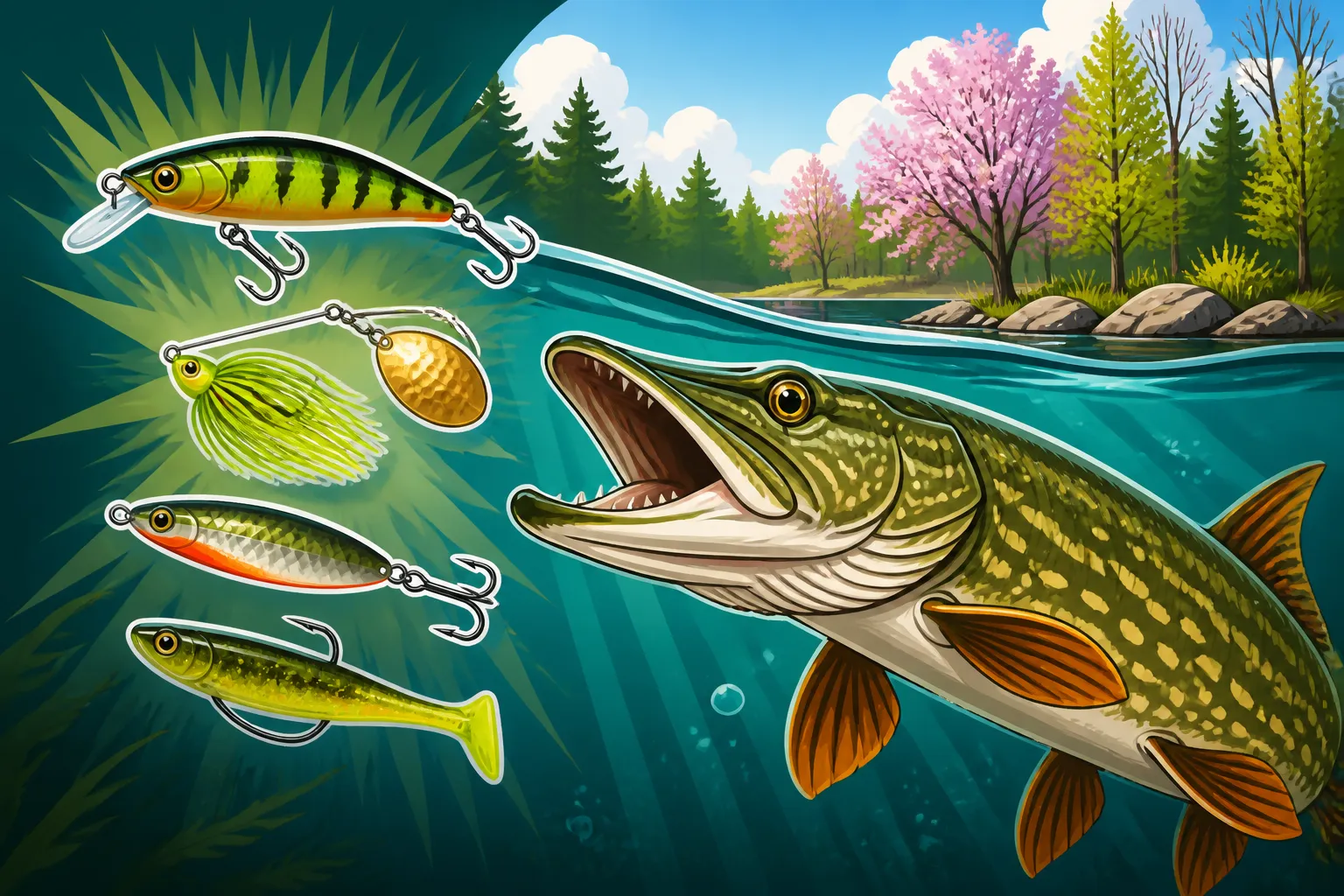
Spinnerbaits and inline spinners are absolute classics for northern pike, and they truly shine in the spring. Their flash and vibration mimic fleeing baitfish, and they can be worked through various types of cover effectively.
- Spinnerbaits: These are fantastic for fishing around emergent weeds, submerged timber, and brush. The single hook is generally more weedless than trebles, allowing you to get into prime pike ambush zones without constantly snagging. In early spring, opt for larger blades (Colorado or Indiana styles) that create more vibration and lift, allowing for a slower retrieve. Think about white, chartreuse, or black/blue combinations. The flash from the blades is highly attractive to pike, especially in stained or low-light conditions. You can find robust spinnerbaits from brands like Booyah or Strike King on Amazon, perfect for those aggressive spring hits. Learning how to fish a spinnerbait in New York Lakes is a skill that will pay dividends not just for pike, but for bass too.
- Inline Spinners: These simple yet effective lures, like a classic Mepps or Blue Fox, are deadly for active pike. They cast well and offer continuous flash and vibration. For spring pike, sizes ranging from #3 to #5 are usually ideal. Again, brighter colors like silver, gold, or chartreuse can be great, especially if the water has some color. They excel when pike are slightly more active, perhaps in the mid-spring period when they're starting to recover from the spawn or are in full pre-spawn mode. Work them with a steady retrieve, just fast enough to get the blade spinning consistently.
| Lure Type | Blade/Body Style | Ideal Water Temp | Retrieve Style | Key Advantage |
|---|---|---|---|---|
| Spinnerbait | Large Colorado/Indiana | 40-55°F | Slow, steady roll; Stop-go | Weedless, high vibration, good for cold water |
| Inline Spinner | Single blade (#3-#5) | 45-60°F | Steady, medium pace | Constant flash, casts well, simple to use |
| Jerkbait | Suspending | 38-55°F | Twitch-pause, long pauses | Subsurface presentation, excels in cold water |
| Soft Plastic | Swimbait/Tube | 45-65°F | Slow, steady swim; Drag | Natural profile, versatile, can be subtle |
| Spoon | Heavy, wide wobble | 40-60°F | Jigging, flutter, retrieve | Long casts, strong flash, vertical presentation |
Jerkbaits
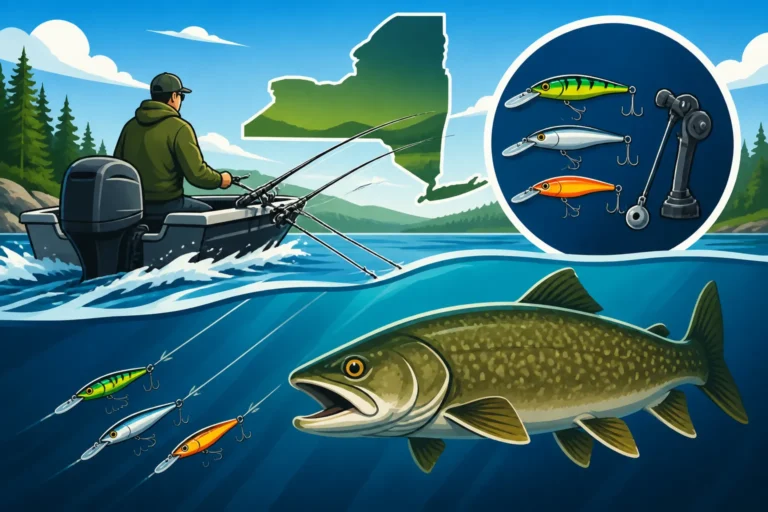
When the water is still chilly in early spring, and pike are a bit sluggish, suspending jerkbaits are absolutely deadly. These lures are designed to be twitched and paused, staying at a specific depth during the pause – a crucial characteristic for lethargic pike who won't chase far.
- Suspending Jerkbaits: Look for models that suspend perfectly, or even very slowly rise or fall. Cast it out, twitch it a few times to get it down to depth, and then pause. And I mean, really pause it. Ten, fifteen, even twenty seconds isn't too long in truly cold water. Pike will often eye the bait during the pause, and the strike comes when you give it that next little twitch. Natural baitfish colors like silver, perch patterns, or even brighter firetiger patterns can be effective depending on water clarity and forage. Some popular options for these are readily available on Amazon, and having a few different sizes and dive depths can be a game-changer.
- Action and Presentation: The beauty of a jerkbait is its erratic, wounded baitfish action. The sharp, short twitches make it dart and flash, while the long pauses mimic a struggling, easy meal. This is particularly effective for post-spawn pike that are recovering and less willing to expend energy on a chase. Focus your casts around points, breaklines, and the edges of weed beds where pike might be holding.
Soft Plastics (Swimbaits and Tubes)
Soft plastics offer a more subtle presentation and are incredibly versatile for spring pike, especially when they are finicky or after the spawn.
- Swimbaits: Paddle-tail swimbaits on a jig head are excellent for mimicking baitfish. You can retrieve them steadily, slow-roll them along the bottom, or even jig them vertically. For spring pike, opt for larger sizes (4-6 inches) in natural colors like shad, perch, or bluegill patterns. The key here is a realistic swimming action and a profile that matches the forage. You can easily find jig heads and a wide array of soft plastic swimbaits from various manufacturers on Amazon.
- Tube Jigs: While often associated with smallmouth bass, larger tube jigs (3-5 inches) can be incredibly effective for pike, particularly when they are holding tight to cover like rocks or wood. Rig them on an internal jig head and work them with short hops and drags along the bottom or through cover. The fluttering action of the tentacles can be irresistible to a curious pike. Green pumpkin, black, or even white can be good starting colors. This slower, more subtle approach is often best for targeting those less aggressive, post-spawn fish.
Spoons
No pike angler's tackle box is complete without a selection of spoons. These metal lures are simple, but incredibly effective, especially for covering water or targeting fish holding deeper.
- Casting Spoons: Heavy casting spoons, like Dardevles or Johnson Silver Minnows, are fantastic for covering a lot of water. Their wobbling, fluttering action on the retrieve or fall drives pike wild. In spring, try gold, silver, red/white, or five-of-diamonds patterns. They're excellent for targeting the edges of weed lines, over submerged flats, or around rocky points. Their weight allows for long casts, reaching distant pike holding areas.
- Jigging Spoons: For pike holding tight to structure or deeper breaklines, jigging spoons can be invaluable. Drop them to the bottom and work them with sharp lifts and drops, letting them flutter back down. This vertical presentation can be incredibly effective, especially if you're marking fish on your sonar. Jigging spoons often entice strikes from pike that might ignore horizontal presentations.
Tips for Maximizing Your Spring Pike Lure Success
Having the right lures is one thing, but knowing how to use them effectively in spring conditions is another. These tips will help you fine-tune your approach for optimal results.
Mastering Retrieve Speed and Cadence
This is arguably the most critical aspect of spring pike fishing. Remember, early spring pike are often lethargic. A lightning-fast retrieve that might work in summer will likely be ignored.
- Slow it Down: Err on the side of a slower retrieve. Whether you're using a spinnerbait, swimbait, or spoon, a slow, deliberate presentation allows the pike more time to see the lure, approach it, and decide to strike without having to chase far. For jerkbaits, those long pauses are non-negotiable. Don't be afraid to count to ten or even twenty during a pause, especially if the water is still below 45 degrees Fahrenheit.
- Vary Your Cadence: While slow is generally good, don't be robotic. Incorporate subtle changes: a slight twitch, a momentary stop, a quick acceleration. This erratic movement can often trigger a reaction strike from a pike that was merely following your lure. Think of it as a wounded or disoriented baitfish – an easy meal. This attention to detail is just as important as knowing the Northern Pike Season and Limits.
Effective Color Selection for Spring Conditions
Pike are sight predators, and lure color can play a significant role, especially in varying water clarities often found in spring.
- Natural vs. Bright: In clear water, natural baitfish patterns (shad, perch, silver) are often excellent choices. They blend in well and look realistic. However, if the water is stained from runoff or cloudy conditions, or on dark, overcast days, brighter "attractor" colors can be more effective. Chartreuse, firetiger, or even bright orange can provide the contrast needed for pike to spot your lure.
- Experimentation is Key: Don't be afraid to experiment. Start with a natural color, and if you're not getting bites, switch to something brighter. Pay attention to what the baitfish in the area look like. If you're seeing lots of yellow perch, a perch-patterned lure is a smart choice. You'll find a wide variety of colors for all these lures on Amazon, making it easy to build a diverse tackle box.
Proper Tackle Considerations for Pike
Using the right gear isn't just about comfort; it's about effectively casting your chosen lures and having the power to handle a feisty northern pike.
- Rod and Reel: For most spring pike fishing, a medium-heavy to heavy power spinning or baitcasting rod, 6'6" to 7'6" in length, is ideal. This provides the backbone needed to cast larger lures and to horse a pike out of heavy cover. Pair this with a sturdy reel spooled with 20-30 lb braided line. Braid offers sensitivity and strength, which are crucial for detecting subtle bites and preventing break-offs.
- Leader Material: Pike have incredibly sharp teeth, and they will make short work of monofilament or fluorocarbon main line. A steel, fluorocarbon, or titanium leader is essential. A 9-12 inch leader, 30-80 lb test, will provide protection against those razor-sharp choppers. Don't skimp here; losing a trophy pike because of a snapped line is a heartbreaker. It's a critical piece of gear, just like knowing your New York Freshwater Fishing Rules to stay compliant.
- Landing Gear: A good pair of long-nosed pliers for hook removal and a large landing net or a sturdy BogaGrip-style tool are highly recommended. Pike can be thrashy, and keeping your fingers away from their mouths is paramount. This will ensure both your safety and the health of the fish for a quick release, should you choose to let them go.
Armed with these lure choices and tactical tips, you're well on your way to a successful spring northern pike season in New York. Remember that patience, observation, and a willingness to adapt your strategy are the hallmarks of a truly successful angler. The more you understand the nuances of pike behavior, the more you'll enjoy every moment on the water.
Disclaimer
This article is for general informational purposes only and does not constitute professional advice. Laws, prices and regulations vary by location and change over time. Consult a qualified professional for guidance on your specific situation.