Best Beginner Fishing Techniques for New York Lakes
Stepping into the world of New York lake fishing can feel a little daunting, right? You see all the seasoned anglers with their specialized gear, casting with seemingly effortless grace, and it’s easy to feel like you need a degree in ichthyology just to get started. But trust me, it doesn't have to be complicated! This guide is here to strip away the jargon and show you the best, most approachable techniques and gear to get you catching fish in New York's beautiful lakes from your very first outing.
Getting Started: The Essential Gear for Lake Fishing Beginners
One of the biggest hurdles for new anglers is often the sheer volume of equipment out there. Walk into any sporting goods store or browse online, and you're bombarded with rods, reels, lines, lures, and gadgets that make your head spin. But for starting out on a New York lake, you really don't need to break the bank or get overwhelmed. Keep it simple, effective, and fun!
Rod and Reel Combos: Your First Big Decision
For a beginner, the absolute best place to start is with a pre-spooled spinning rod and reel combo. These are designed to be user-friendly, affordable, and perfectly capable of catching a wide variety of fish. You don't have to worry about matching rod power to reel size or spooling line correctly; it's all done for you.
When choosing a combo, look for something labeled "medium light" or "medium" power with a "fast" or "moderate fast" action. This gives you a versatile setup that can handle smaller panfish yet still have enough backbone to fight a decent bass or northern pike. A spinning reel is the easiest to learn how to cast, minimizing frustrating tangles. You can find excellent beginner combos from reliable brands on platforms like Amazon, often at a very reasonable price. These entry-level setups are perfect for casting lighter baits and lures that are common in lake fishing.
Line, Lures, and Live Bait: Keeping it Simple
Once you have your rod and reel, you'll need something to connect you to the fish! For beginners, the choice of line is usually straightforward. Most combos come pre-spooled with monofilament line, which is forgiving, easy to tie knots with, and has enough stretch to absorb sudden runs from a fish. Stick with a 6- to 8-pound test monofilament for most lake scenarios.
When it comes to bait, you've got two main routes: artificial lures or live bait. For pure simplicity and often guaranteed action, live bait is king for beginners. A tub of earthworms, nightcrawlers, or even small shiners from a bait shop can be incredibly effective. Thread a worm onto a hook, and you're in business. If you want to try lures, start with simple, easy-to-use options. Small inline spinners, jig heads tipped with soft plastic grubs, or simple spoons are fantastic choices. You can pick up a starter kit of these basic lures on Amazon that will cover a lot of bases. Remember, the goal here is to build confidence and get some bites!
The Little Things: Tackle Box Essentials
You don't need a massive tackle box to start. Think of a small, compact box that holds just the essentials. Here's what I recommend:
- Hooks: A variety of sizes, generally smaller for panfish (size 8-12) and slightly larger for bass (size 1/0-2/0).
- Sinkers: Split shot sinkers are easy to attach and remove, perfect for adjusting how quickly your bait sinks.
- Bobbers: Both traditional red-and-white clip-on bobbers and slip bobbers (which allow you to fish deeper) are great. How to Set Up a Rod for Panfish is a great resource if you're not sure how these work.
- Pliers: Small needle-nose pliers are invaluable for removing hooks, cutting line, and bending wires.
- Line Clippers: A small pair of nail clippers or dedicated line clippers makes quick work of trimming line.
- Stringer or Cooler: If you plan on keeping fish, you'll need a way to keep them fresh.
Having these basics means you're prepared for most common lake fishing situations without being weighed down by unnecessary gear.
Tried and True: Beginner-Friendly Techniques for New York Lakes
Once you have your gear, it's time to actually get a line in the water! Forget about complicated casting techniques or advanced lure presentations for now. We're going to focus on methods that are simple to learn, highly effective, and will get you those first exciting bites. These techniques are fantastic for building confidence and understanding how fish react.
Bobber Fishing: The Classic Entry Point
If you're asking about the easiest way to catch fish, bobber fishing is almost always the answer, especially for those learning the ropes or fishing with kids. There's a reason it's a timeless method – it works! It’s also incredibly visual and exciting when that bobber starts to dance and then disappears under the water.
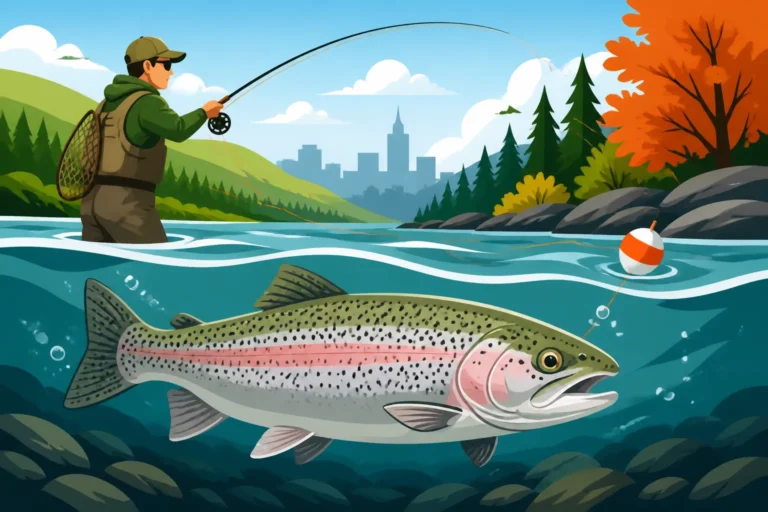
To set up for bobber fishing, you’ll need your rod, reel, line, a small hook (size 8 or 10 is usually good), a few split shot sinkers, and, of course, a bobber. First, tie your hook to the end of your line. About 6-12 inches above the hook, pinch on one or two split shot sinkers – just enough to help your bait sink but not so much that it pulls the bobber down too far. Finally, attach your bobber another 1-3 feet above your sinkers, depending on how deep you want your bait to sit. Put a piece of live bait, like a worm or a small minnow, on the hook. Cast it out into a likely spot, and then just watch your bobber. When it dips, tugs, or goes completely under, it’s time to gently set the hook! This technique is phenomenal for catching panfish and yellow perch.
Bottom Fishing with Bait: Simple and Effective
Another super effective and straightforward method, particularly good for targeting fish that hang out closer to the lakebed like catfish, carp, or even some of the larger panfish, is bottom fishing. This technique removes the need for precise casting or lure retrieval, letting the fish come to you.
The setup is pretty minimalist. You can use a simple egg sinker rig, often called a Carolina rig. To do this, thread an egg sinker (about 1/4 to 1/2 ounce) onto your main line, then tie on a swivel. To the other end of the swivel, tie a leader line (a piece of fishing line, usually 12-24 inches long) and then your hook. The swivel prevents your line from twisting, and the egg sinker slides freely on your main line, allowing the fish to pick up the bait without feeling the weight of the sinker. Bait your hook with a juicy nightcrawler, corn, or a dough ball, cast it out, and let it sink to the bottom. Place your rod in a rod holder or prop it up, and watch your rod tip for bites. The gentle tugs or sudden bends will let you know you have a customer. You can even find pre-tied bottom rigs on Amazon, making setup even quicker for beginners.
Spin Fishing with Lures: Active and Engaging
Once you've gotten a feel for casting and handling your rod, trying out artificial lures with spin fishing can add a whole new dimension of excitement. This technique is more active, requiring you to cast and retrieve, but it's incredibly rewarding when you trigger a strike from an aggressive fish. It's an excellent method for targeting bass, pike, and even larger perch and walleye.
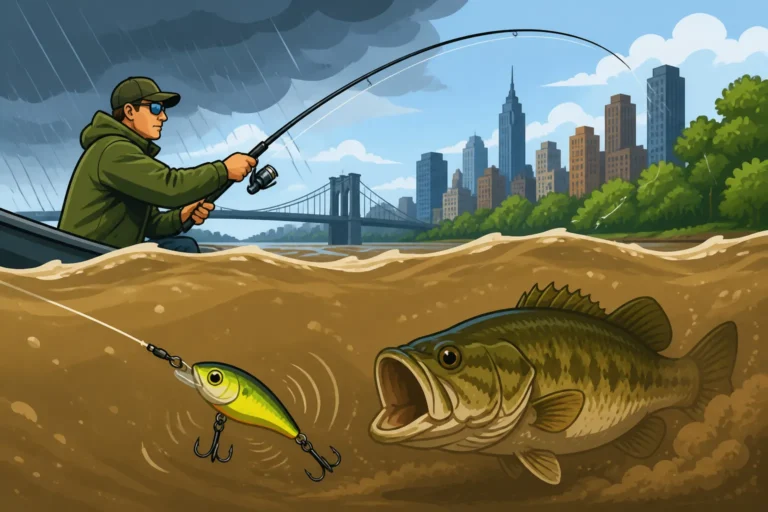
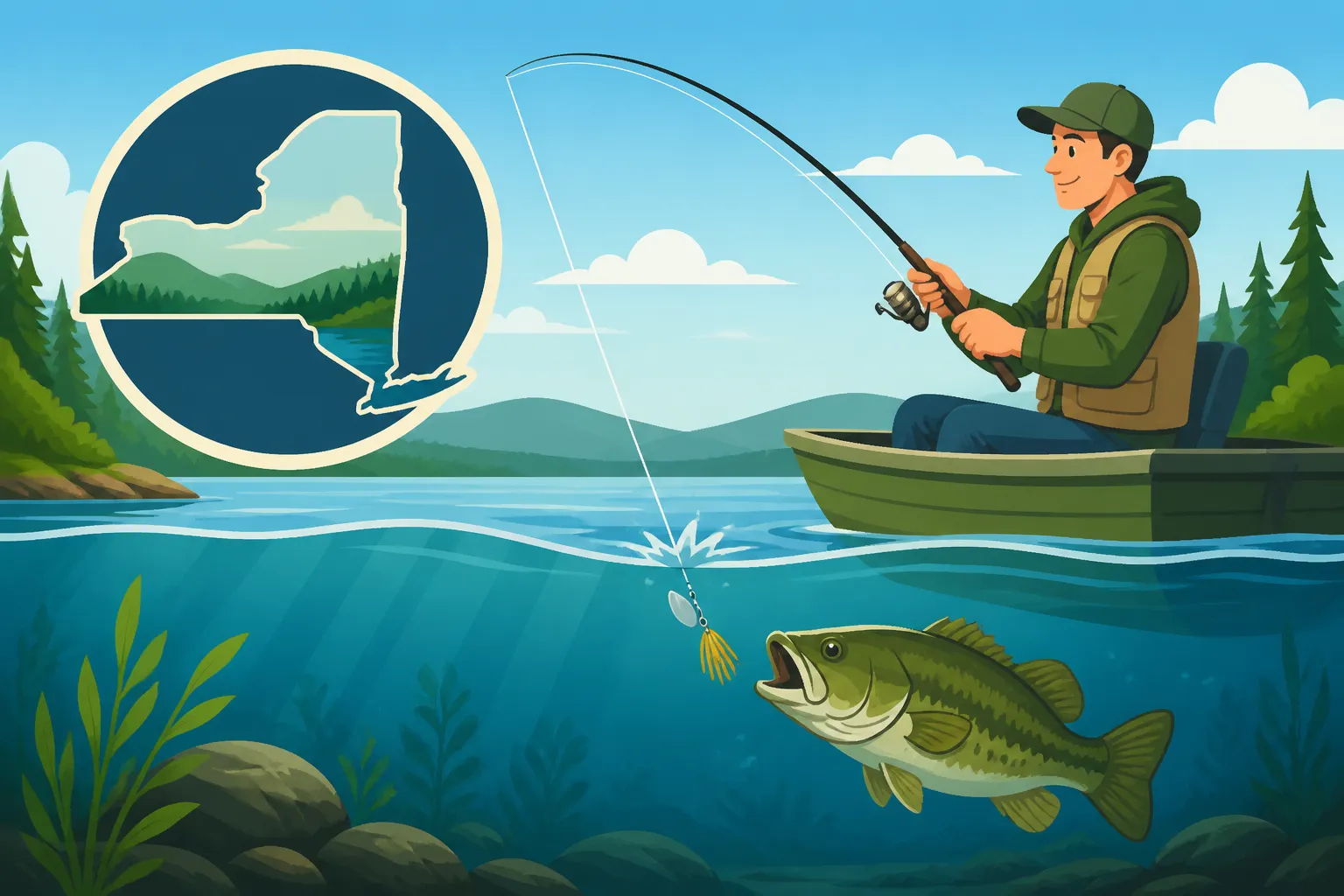
Start with simple lures like inline spinners (think Mepps or Rooster Tail) or small casting spoons. The key to these lures is their built-in action. When you cast them out and reel them in, they wobble, spin, or flash, attracting fish. The technique involves casting your lure out, letting it sink to your desired depth (or not at all, depending on the lure), and then steadily reeling it back in. Experiment with retrieve speeds – sometimes a slow, steady retrieve works, sometimes a faster retrieve is better. Pay attention to what the fish seem to prefer on a given day. You'll feel a definite "thump" or "strike" when a fish hits, and that's your cue to set the hook with a swift upward sweep of the rod. This active style of fishing keeps you engaged and moving, covering more water to find those hungry fish.
| Technique | Ideal Target Fish | Essential Gear | Key Advantage for Beginners |
|---|---|---|---|
| Bobber Fishing | Panfish, Yellow Perch, Sunfish | Bobber, Small Hook, Split Shot, Bait | Visually engaging, simple setup, relaxing |
| Bottom Fishing | Catfish, Carp, Panfish, Bullhead | Sinker, Hook, Swivel, Bait | Less active, fish often hook themselves |
| Spin Fishing (Lures) | Largemouth Bass, Smallmouth Bass, Northern Pike, Perch | Spinning Rod, Inline Spinners, Spoons, Jigs | Active, covers water, exciting strikes, versatile |
Understanding Your Target: Common New York Lake Fish for Beginners
Knowing what fish you're likely to catch, and a little bit about them, can significantly increase your success and enjoyment. New York's lakes are teeming with diverse species, but some are definitely more beginner-friendly than others. Focusing on these common catches will give you the best chance of feeling that satisfying tug on your line. Fish Species You Can Catch in New York covers a wide range, but let's narrow it down for new anglers.
Panfish: The Easiest Catch
When you're starting out, panfish are your best friends. This group includes bluegill, sunfish (like pumpkinseed and green sunfish), and crappie. They get their name because they typically fit perfectly in a frying pan, and they are incredibly abundant in almost every New York lake. What makes them so great for beginners? They are often plentiful, eager biters, and relatively easy to catch on simple baits.
Panfish love to hang around submerged structures like fallen trees, weed beds, docks, and rocky areas in shallower water. They aren't picky eaters, readily hitting small worms, crickets, or even tiny pieces of bread or corn. You'll find that using a bobber setup with a small hook and a piece of nightcrawler is incredibly effective. New York's Panfish Species Explained delves deeper into these fun fish, but for now, just know that if you want consistent action, panfish are your go-to.
Yellow Perch: Delicious and Plentiful
Another fantastic target for new anglers in New York lakes is the yellow perch. These beautiful, striped fish are widespread, often found in schools, and provide excellent eating. Like panfish, they are generally cooperative and can be caught using straightforward methods.
Yellow perch tend to school in slightly deeper water than sunfish, often near drop-offs, weed edges, or open water in larger lakes. In smaller lakes, they might be found anywhere from shallow bays to deeper basins. They are voracious eaters, readily taking small minnows, pieces of worm, or tiny jigs and spinners. If you find one perch, chances are there are many more in the vicinity! A simple bobber rig or a light bottom fishing setup with a small minnow or worm is usually all it takes. Once you hook into a school, you can often catch them one after another, providing continuous excitement.
Largemouth and Smallmouth Bass: The Next Challenge
While panfish and perch are great for getting started, many anglers eventually dream of catching a bass. New York lakes are home to both largemouth and smallmouth bass, and while they can be a bit more challenging to catch than panfish, they are definitely accessible with beginner techniques and offer a more substantial fight. New York's Bass Species Explained is a good read if you want to know more about these popular sport fish.
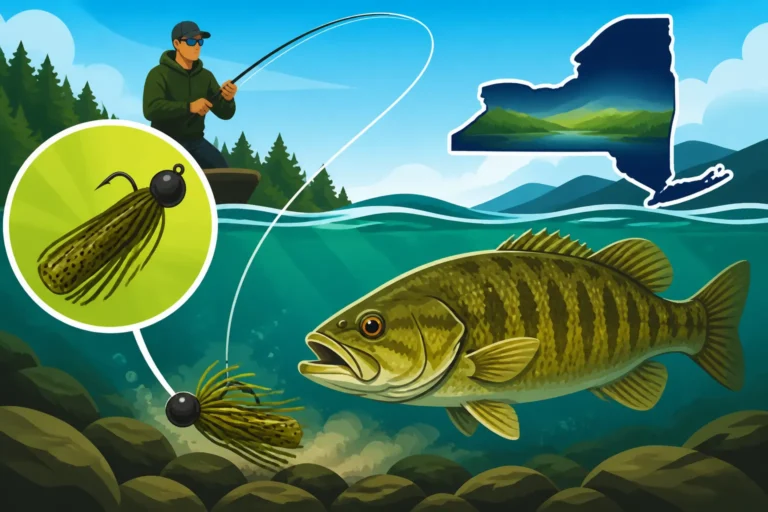
Largemouth bass are typically found in shallower, weedy areas, around submerged logs, lily pads, and docks – places where they can ambush prey. Smallmouth bass, on the other hand, prefer clearer, cooler water, often congregating around rocky points, gravel bars, and drop-offs. While you can catch them on live bait like nightcrawlers or shiners, this is where trying out simple lures like inline spinners or jig-and-grub combos really shines. Bass are predatory fish, and they often strike out of aggression or curiosity. Don't be surprised if you're fishing for perch with a worm and suddenly a feisty largemouth inhales your bait! The key is to be ready for the fight.
Maximizing Your Success: Tips for New York Lake Fishing Beginners
Starting a new hobby can be a steep learning curve, and fishing is no exception. Beyond the gear and the basic techniques, there are a few general principles that can dramatically increase your enjoyment and success when fishing New York's beautiful lakes. These aren't secrets, but rather lessons learned over countless hours on the water.
Choosing Your Spot: Where to Cast
Knowing where to fish is often as important as how to fish. For beginners, the best spots are usually easily accessible and offer natural fish-holding structure. Don't feel like you need a fancy boat to find fish; many New York lakes offer excellent shore fishing opportunities.
Look for areas with visible cover or structure:
- Docks and Piers: Fish often congregate under and around docks for shade and cover. Public fishing piers are fantastic spots.
- Weed Lines: The edges of submerged weed beds are prime ambush points for many fish, especially bass and pike.
- Fallen Trees or Logs: These provide excellent habitat, offering shelter and hiding places for baitfish, which in turn attract bigger fish.
- Creek Inlets or Outlets: Moving water can concentrate baitfish and provide cooler, oxygenated water.
Before you go, do a quick online search for "public fishing access" for the lake you plan to visit. Many New York State Parks and DEC (Department of Environmental Conservation) lands offer designated fishing spots. Always remember to check New York Fishing Regulations Explained for any specific rules related to your chosen location, as some lakes have unique guidelines.
Patience and Persistence: The Angler's Virtues
Let's be real: not every fishing trip is a grand success with a cooler full of trophy fish. Sometimes, you'll cast for hours without a single bite. This is absolutely normal, and it's where patience and persistence truly come into play. Fishing is as much about enjoying the outdoors, the quiet, and the company (or solitude) as it is about catching fish.
If one spot isn't producing, don't be afraid to move a little. Try casting in different directions or varying your retrieve speed. If live bait isn't working, try a small lure, or vice-versa. Sometimes, a slight change in depth or location can make all the difference. Embrace the learning process, celebrate every bite, and understand that even on a slow day, you're gaining valuable experience. The more you go, the more you'll learn about fish behavior, local patterns, and your own techniques. For instance, sometimes the Best Time of Day to Fish in New York might be early morning or late evening, so trying different times can also improve your chances.
Respecting the Resource: Catch, Release, and Regulations
As you embark on your fishing journey, it’s crucial to understand your responsibility to the environment and the fish populations. Always, always make sure you have the proper fishing license. You can find detailed information in the New York Fishing License Guide, and it's super easy to get one online or at many sporting goods stores. Fishing without one is just not worth the hassle or potential penalties.
Understand and adhere to all fishing regulations for the specific lake and species you are targeting. This includes minimum size limits, daily creel limits (how many fish you can keep), and season dates. If you plan to release fish, learn how to handle them properly to maximize their survival. Wet your hands before touching the fish, support their body, and use pliers to quickly remove hooks. Using barbless hooks can also make releasing fish easier and less stressful for them. Whether you plan to keep your catch for a delicious meal or practice catch-and-release, respecting the fish and the regulations ensures that New York's fantastic fishing opportunities will be there for generations to come.
Disclaimer
This article is for general informational purposes only and does not constitute professional advice. Laws, prices and regulations vary by location and change over time. Consult a qualified professional for guidance on your specific situation.