How to Fish With Kids in New York
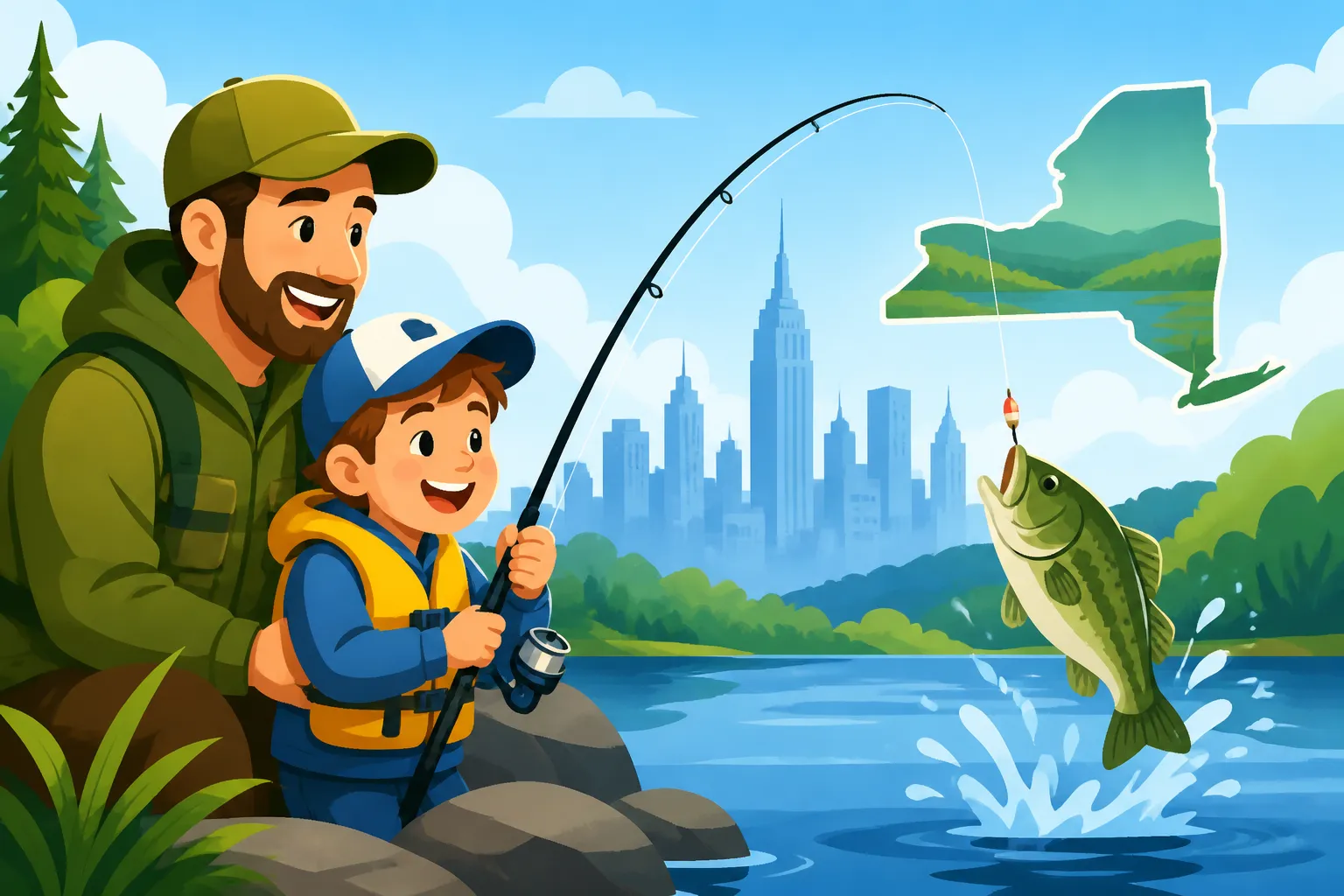
One of the greatest joys in life is sharing the quiet magic of fishing with the next generation, but let's be honest, taking kids fishing can sometimes feel less like a peaceful pastime and more like herding a school of particularly energetic minnows. From tangled lines to short attention spans and endless questions, the challenges are real. This guide is here to walk you through everything you need to know to make your family fishing trips in New York enjoyable, educational, and, most importantly, memorable for everyone involved.
Getting Started: The Essential Preparations for Kid-Friendly Fishing
Before you even think about baiting a hook, a little thoughtful preparation goes a long way when you're planning a fishing trip with children. It's about setting the stage for success, not just in terms of catching fish, but in creating a positive experience that will have them asking to go again. Forget those grueling all-day excursions to remote spots; with kids, the name of the game is accessibility, comfort, and keeping things light and fun.
Choosing the Right Location and Time
The absolute first step to a successful outing with young anglers is picking the perfect spot. When you're fishing with kids, "perfect" usually means a few key things: easy access, calm water, and a good chance of catching something, even if it's small. Forget about trying to tackle the roaring currents of the Salmon River for steelhead on your first trip; that's an adventure for another day. Instead, think tranquil ponds, accessible lake edges, or protected bays. Places like local town parks often have small, stocked ponds that are perfect for panfish, which are typically abundant and eager to bite. These spots usually have amenities like bathrooms and picnic tables, which are huge bonuses when you're dealing with little ones.
Consider the environment. A spot with some shade is a lifesaver on a sunny day, preventing sunburn and overheating that can quickly sour the mood. Avoid areas with steep banks, slippery rocks, or dense, thorny brush where kids could easily get hurt or tangled. Safety is paramount, so a stable, flat area where they can move around a bit without being too close to deep, fast-moving water is ideal. Many New York State Parks offer excellent, well-maintained fishing access points specifically designed for families, often with piers or easy-to-reach shorelines.
Timing is just as important as location. Kids have notoriously short attention spans, especially when they're new to an activity that requires patience. Plan for shorter trips, especially the first few times out. An hour or two of focused fishing is often more productive and enjoyable than a four-hour slog that ends with meltdowns. Mornings or late afternoons are often best for fishing, as fish tend to be more active during cooler parts of the day, increasing your chances of a bite. These times also avoid the harshest midday sun. Check the weather forecast, too! A sudden downpour or a gusty, cold wind can turn a fun outing into a miserable one in a flash.
Kid-Friendly Gear Selection
One of the biggest mistakes new parents make is handing a child an adult-sized rod and reel. It's simply too cumbersome and frustrating for small hands to manage. Investing in some proper kid-friendly gear will make a world of difference. The best option for young beginners is almost always a spin-cast (or "push-button") reel. These are incredibly easy to operate: just push a button, cast, and reel. No complicated bails or backlash to worry about. You can find some fantastic beginner combos that include a rod and reel on platforms like Amazon, often featuring fun colors or cartoon characters that appeal to kids.
Look for a rod that's relatively short, typically between 3 to 5 feet, which is much easier for children to handle and cast without hitting everything around them. It should also have a lighter action, meaning it bends easily, making even a small panfish feel like a monster and providing a more exciting fight. Speaking of panfish, that's what we'll be targeting, so choose light line, perhaps 4 to 6-pound test. Simple tackle is best: small hooks (size 8 or 10), split shot weights, and a bobber are usually all you need. A bobber is fantastic for kids because it gives them a visual cue when a fish is biting, adding to the excitement.
Don't forget the accessories! A small tackle box that they can call their own, maybe a little net for landing those first catches, and a small bucket to keep bait or show off their fish (before release, of course). Make sure the gear is durable. Kids are, well, kids, and gear might get dropped, dragged, or even stepped on. Choose something that can withstand a bit of rough-and-tumble play. Remember, the goal isn't to buy the most expensive gear, but the most appropriate and user-friendly.
| Gear Item | Why It's Kid-Friendly | Best For | Considerations |
|---|---|---|---|
| Spin-Cast Combo | Easy push-button casting, no tangles | All beginners, ages 3-8 | Look for shorter rods (3-5 ft), durable construction |
| Lightweight Rod | Easier to hold and cast for small hands | All ages | Flexible tip for feeling bites, 4-6 lb line weight |
| Small Bobbers | Visual indicator of bites, highly exciting for kids | Panfish, sunfish, bluegill | Bright colors, easy to attach |
| Small Hooks (Size 8-10) | Appropriate for small mouths, less intimidating | Panfish, perch | Barbless hooks can be gentler for catch & release |
| Worms/PowerBait | Easy to bait, highly attractive to panfish | Panfish, trout | Less messy options exist if preferred |
| Small Net | Helps land fish, prevents dropping, boosts confidence | All fish sizes | Lightweight, easy for kids to handle |
Packing the Essentials Beyond Fishing Gear
A successful fishing trip with kids extends far beyond just hooks and bait. Think of it like a mini-adventure where comfort and entertainment are just as important as fishing prowess. First up: snacks and drinks. This cannot be overstated. Hunger or thirst can quickly turn a happy angler into a grumpy one. Pack a cooler full of their favorite juice boxes, water bottles, and easy-to-eat snacks like granola bars, fruit, or crackers. A small treat for a good cast or a patiently waiting moment can work wonders for morale!
Beyond sustenance, consider protection from the elements. Sunscreen is an absolute must, even on cloudy days. Apply it generously before you leave, and bring it along for reapplication. Hats with wide brims and sunglasses are also great for protecting their sensitive skin and eyes. If you're fishing near wooded areas or during dusk, bug spray will be your best friend. Nothing ruins a fishing trip faster than swarms of biting insects. Again, you can easily find family-sized bug spray options on Amazon to toss into your tackle bag.
Think about comfort and cleanliness. A small towel or a roll of paper towels can be incredibly handy for wiping hands after handling bait or fish. Wet wipes are also a lifesaver for sticky fingers and faces. And, perhaps most importantly, pack a change of clothes for each child. No matter how careful you try to be, someone will get wet, muddy, or slimed. Having dry, clean clothes on hand can prevent a cold, uncomfortable ride home. Don't forget a small first-aid kit for those inevitable minor scrapes or hook pokes (handled carefully, of course!).
Making Fishing Fun and Engaging for Young Anglers
The primary goal of fishing with kids isn't necessarily to catch the biggest fish or even a limit; it's to foster a love for nature, patience, and the outdoors. If they have fun, they'll want to go back, and that's the real win. Focus on the experience, not just the outcome.
Simple Techniques and Realistic Expectations
When you're teaching kids to fish, simplicity is key. Start with the most straightforward techniques. For most New York freshwater scenarios, a bobber rig is perfect. Attach a small bobber a foot or two above a small hook, add a little split shot just above the hook to help it sink, and bait it with a piece of worm, corn, or a small PowerBait nugget. Cast it out, and let the bobber do its job. When it dips or dances, it's a bite! This visual excitement is often all it takes to hook a child on fishing. Target easy-to-catch species like sunfish, bluegill, or yellow perch, which are abundant in many New York waters. These feisty little fish provide plenty of action and don't require specialized skills to catch. Bluegill and Sunfish in New York or Yellow Perch in New York are excellent targets.
Manage expectations, both yours and theirs. Explain upfront that sometimes fish bite, and sometimes they don't. It's called "fishing," not "catching," for a reason! Celebrate every success, no matter how small. Did they cast it out without tangling? High five! Did they reel it in smoothly? Great job! Did they feel a bite, even if they didn't land it? That's progress! The feeling of a tug on the line, no matter how small the fish, is often enough to ignite that spark of excitement. Best Beginner Fishing Techniques for New York Lakes will give you more ideas on simple methods.
Don't be afraid to help them. Guide their hands when casting, assist with baiting hooks, and gently help them reel in their first fish. As they gain confidence, gradually let them do more independently. The goal is to build their skills slowly, not overwhelm them. Remember, it's a process of discovery, not a test.
Incorporating Games and Activities
Let's face it, even the most patient adult can get bored when the fish aren't biting, and kids are no different. That's why having a backup plan of non-fishing activities is essential. When the bites slow down, or their attention starts to wane, seamlessly transition to something else. A nature scavenger hunt can be a huge hit: "Can you find a smooth rock? A feather? A leaf with three points? A specific type of bug?" This keeps them engaged with their surroundings and turns potential frustration into a new game.
Another great idea is to simply talk about what you see. Point out birds, ducks, turtles, or other wildlife. Discuss the clouds, the trees, or the sound of the wind. Teach them about the types of trees, or how to identify different bird calls. Bring a small magnifying glass for examining interesting leaves or insects. You could even bring a small notepad and pencil for sketching what they see, or just jotting down notes about their "fishing adventure."
If the spot allows, bring a small bucket and let them explore the shallows for interesting pebbles, shells, or even tiny minnows. Just be sure to set clear boundaries and supervise closely. Sometimes, simply skipping rocks or watching their bobber float in the water can be meditative and enjoyable, even without a fish on the line. The key is flexibility and being prepared to pivot. If fishing isn't happening, let something else take center stage for a bit.
Celebrating Success and Handling Disappointment
Every cast, every nibble, and every fish caught is an opportunity for celebration. When they make a good cast, offer enthusiastic praise. If they manage to reel in a fish, no matter how tiny, make it a momentous occasion! Take a quick photo, marvel at the fish together, and share in their excitement. This positive reinforcement builds confidence and creates wonderful memories. Even if the fish gets away, acknowledge their effort and focus on what they did right. "You almost had it! That was a great fight!" is far more encouraging than "Aw, too bad, you lost it."
On the flip side, disappointment is an inevitable part of fishing. There will be days when the fish just aren't biting, or when a big one gets off the hook. This is a crucial teaching moment. Gently explain that it happens to everyone, even experienced anglers. Frame it as part of the challenge and mystery of fishing. "Sometimes the fish just aren't hungry today, but we still had fun being out here, didn't we?" Focus on the other enjoyable aspects of the trip – the beautiful scenery, the snacks, the time spent together.
Avoid making promises of catching a fish every time. Instead, promise a fun outing in nature, with the chance to catch a fish. This helps manage expectations from the start. Emphasize patience and perseverance, but also know when to call it a day if frustration is setting in. Ending on a positive note, even if it means cutting the trip short, is always better than pushing it too far and leaving them with a negative association with fishing.
Safety First: Keeping Your Little Anglers Secure
Fishing is a fantastic outdoor activity, but like any outdoor pursuit near water, safety must always be the top priority, especially when children are involved. A fun day can turn sour quickly if proper precautions aren't taken.
Water Safety and Life Jackets
This is non-negotiable: if your children are going to be fishing near any body of water, especially from a boat, dock, or any area where there's a risk of falling in, they must wear a properly fitted personal flotation device (PFD), commonly known as a life jacket. Even strong swimmers can be caught off guard by a slip, a swift current, or cold water. In New York, laws often dictate when and where PFDs are required for young children on boats, but it's always best to exceed the minimum requirements for peace of mind.
Ensure the life jacket is the correct size for your child's weight and chest circumference. A jacket that's too big can ride up around their ears, and one that's too small won't provide adequate buoyancy. Check all the straps and buckles to make sure it's snug, but not uncomfortably tight. Show them how to put it on and take it off, and explain why they're wearing it. Make it a normal, natural part of getting ready for fishing, just like putting on shoes. You can find excellent, comfortable, kid-specific PFDs from brands like Stearns or even through general retailers on Amazon, often with fun colors and designs that make kids more willing to wear them. Remember, Life Jacket Requirements While Fishing vary, so it's always good to be informed.
Beyond life jackets, teach children about respecting the water. Explain that water can be powerful and unpredictable. Establish clear boundaries of where they can and cannot go near the water's edge. Constant supervision is essential. Never turn your back on a child near water, even for a second. If you're on a boat, review basic boat safety rules, and ensure they understand the importance of staying seated and keeping hands and feet inside the vessel.
Hook and Line Safety
Hooks are sharp, and lines can tangle. It's a simple fact of fishing, but one that requires careful management when kids are present. Before you even bait the hook, teach your child how to handle fishing rods safely. Emphasize that hooks are only for fish, not for people. When casting, ensure there's plenty of clear space behind and around them to avoid hooking anyone, especially you! Demonstrate a safe overhead cast or, even better for beginners, a gentle sidearm cast or flip that keeps the hook away from others.
When a fish is caught, supervise the unhooking process closely. For younger children, it's best for the adult to handle the fish and remove the hook. As kids get older and more capable, you can start teaching them how to do it themselves using appropriate tools like a de-hooker or pliers, always with safety glasses and gloves, and with you watching every move. Explain how to hold the fish carefully to avoid injury to both the fish and themselves. Catch-and-Release Handling Rules are important to teach early on.
Tangling is inevitable, and it can be incredibly frustrating. Instead of getting annoyed, use it as a teaching moment. Patiently show them how to untangle a simple knot, or explain that sometimes it's easier to cut the line and re-tie. Keep a pair of clippers or small scissors handy. Explain that leaving tangled line behind is bad for wildlife and the environment, fostering a sense of responsibility from a young age.
Sun Protection and Hydration
New York summers can be glorious, but the sun is no joke, and neither is dehydration. We talked about packing sunscreen and hats earlier, but it bears repeating under the safety umbrella. Sunburn isn't just uncomfortable; it's a genuine health risk. Apply a broad-spectrum sunscreen with an SPF of 30 or higher to all exposed skin before you even leave the house. Reapply every two hours, or more frequently if they've been splashing or sweating. Encourage them to wear wide-brimmed hats that protect their face, ears, and neck, and consider lightweight, long-sleeved shirts for added protection, especially during peak sun hours.
Staying hydrated is equally important. Children, especially when excited and active, can easily forget to drink water until they're already feeling the effects of dehydration. Pack plenty of water, juice, or electrolyte drinks. Encourage them to take regular sips, even if they don't feel thirsty. Symptoms of dehydration can include fatigue, dizziness, and headaches, all of which will quickly ruin a fishing trip. Make hydration a routine part of your outdoor activity, just like putting on sunscreen.
Teach them to recognize when they're getting too hot or thirsty. Empower them to tell you if they need a break in the shade or a drink. Taking short breaks in a cooler, shady spot can help prevent overheating and keep spirits high for longer. Remember, a child who is uncomfortable due to sun or thirst is a child who isn't having fun fishing.
Understanding Regulations for Kids Fishing in New York
Navigating fishing regulations can be confusing even for seasoned anglers, so it's understandable to wonder how it applies to kids. Thankfully, New York makes it relatively easy for young people to get into fishing.
Do Kids Need a License?
This is perhaps the most common question parents have, and it's a great one to ask! In New York State, children under the age of 16 generally do not need a freshwater fishing license. This is fantastic news because it removes a barrier for families wanting to introduce their kids to the sport. So, if you're heading to a lake, pond, or river for some freshwater fun, your younger kids can fish without any paperwork or fees. This makes spontaneous trips much easier and more affordable for families. This policy is clearly laid out in the New York Fishing License Guide and is a wonderful way to encourage youth participation.
However, there's a crucial distinction for saltwater fishing. If you plan to fish in New York's marine waters (like Long Island Sound or the Atlantic Ocean), everyone, regardless of age, needs to register with the Recreational Marine Fishing Registry. While this registration is often free, it's still a requirement. So, if your little angler wants to cast a line off a pier on Long Island, make sure they're registered. It's a quick process, but it's important not to overlook it. You can find more details in the New York Saltwater Fishing Registration Guide. So, to be super clear: generally no license for freshwater under 16, but marine registry always required for saltwater. Always double-check the latest regulations before you go, just in case there have been any changes or specific exceptions.
Catch Limits and Species Identification
Even if your child doesn't need a license, they are still subject to the same fishing regulations as adults regarding catch limits, minimum size limits, and open seasons for different fish species. This is an important lesson in responsible angling and conservation. You might not be aiming for a trophy, but teaching kids to respect the rules is part of the experience.
Before you go, take a few minutes to look up the basic regulations for the body of water you'll be fishing and the types of fish you expect to catch. For example, if you're targeting panfish, their limits are often quite generous, meaning you can keep a few for a family meal if you wish. If you happen to catch something unexpected, like a small bass or trout, you'll need to know if it meets the legal size requirement to keep, or if it needs to be released. The New York Freshwater Fishing Rules are a great place to start your research.
Teaching kids basic fish identification is also a fun and educational activity. Point out the different markings, fin shapes, and colors. Explain that certain fish have specific rules. "This is a pumpkinseed sunfish, and we can keep a few if they're big enough, but this tiny bass needs to go back." You can even bring a simple laminated fish identification chart or an app on your phone to help. This not only teaches them about marine biology but also instills a sense of respect for the ecosystem.
Catch-and-Release Ethics
Instilling proper catch-and-release ethics in young anglers is one of the most valuable lessons you can impart. It teaches them about conservation, respect for wildlife, and the importance of ensuring healthy fish populations for the future. Even if you plan to keep a few fish for dinner, most of what you catch with kids, especially smaller panfish, will likely be released.
Show them how to handle fish gently. Explain that wet hands are best to protect the fish's slime coat, which is vital for its health. Demonstrate how to quickly and carefully remove the hook, perhaps by pushing it back through the same way it went in. If the fish is deeply hooked, explain that sometimes it's best to cut the line close to the hook and release the fish, as trying to remove a deeply embedded hook can cause more harm.
Then, show them how to gently return the fish to the water, supporting it until it swims away on its own. Talk about giving the fish a "kiss goodbye" or a "good luck" wish. This ritual reinforces the idea that you're not just playing with a toy; you're interacting with a living creature. It’s a powerful lesson in empathy and environmental stewardship that will stay with them long after the fishing trip is over. Teaching them to leave the fishing spot cleaner than they found it, picking up any stray lines or trash, further enhances this responsible outdoor ethic.
Disclaimer
This article is for general informational purposes only and does not constitute professional advice. Laws, prices and regulations vary by location and change over time. Consult a qualified professional for guidance on your specific situation.