Bluegill and Sunfish in New York
If you've ever cast a line into a quiet New York pond or lake, chances are you've encountered the charming, feisty, and often delicious bluegill and their sunfish cousins. Many anglers, especially those new to the sport or fishing with family, find themselves a little confused by the sheer variety of "sunfish" out there and wonder what makes a bluegill distinct. This comprehensive guide is designed to cut through that confusion, helping you understand, locate, and successfully catch these delightful panfish across New York State, from their preferred habitats to the best techniques and even how to enjoy them on the dinner plate.
Demystifying Bluegill and Sunfish: Understanding New York's Favorite Panfish
It's easy to lump all those smaller, disc-shaped fish with colorful markings into one category and call them "sunfish." And you wouldn't be entirely wrong! Bluegill are indeed a type of sunfish, but the sunfish family, scientifically known as Centrarchidae, is quite a diverse bunch. Understanding the nuances not only satisfies your curiosity but also helps you become a more informed and effective angler, knowing what you're targeting and what to expect when it bites.
The Bluegill Basics: A Closer Look
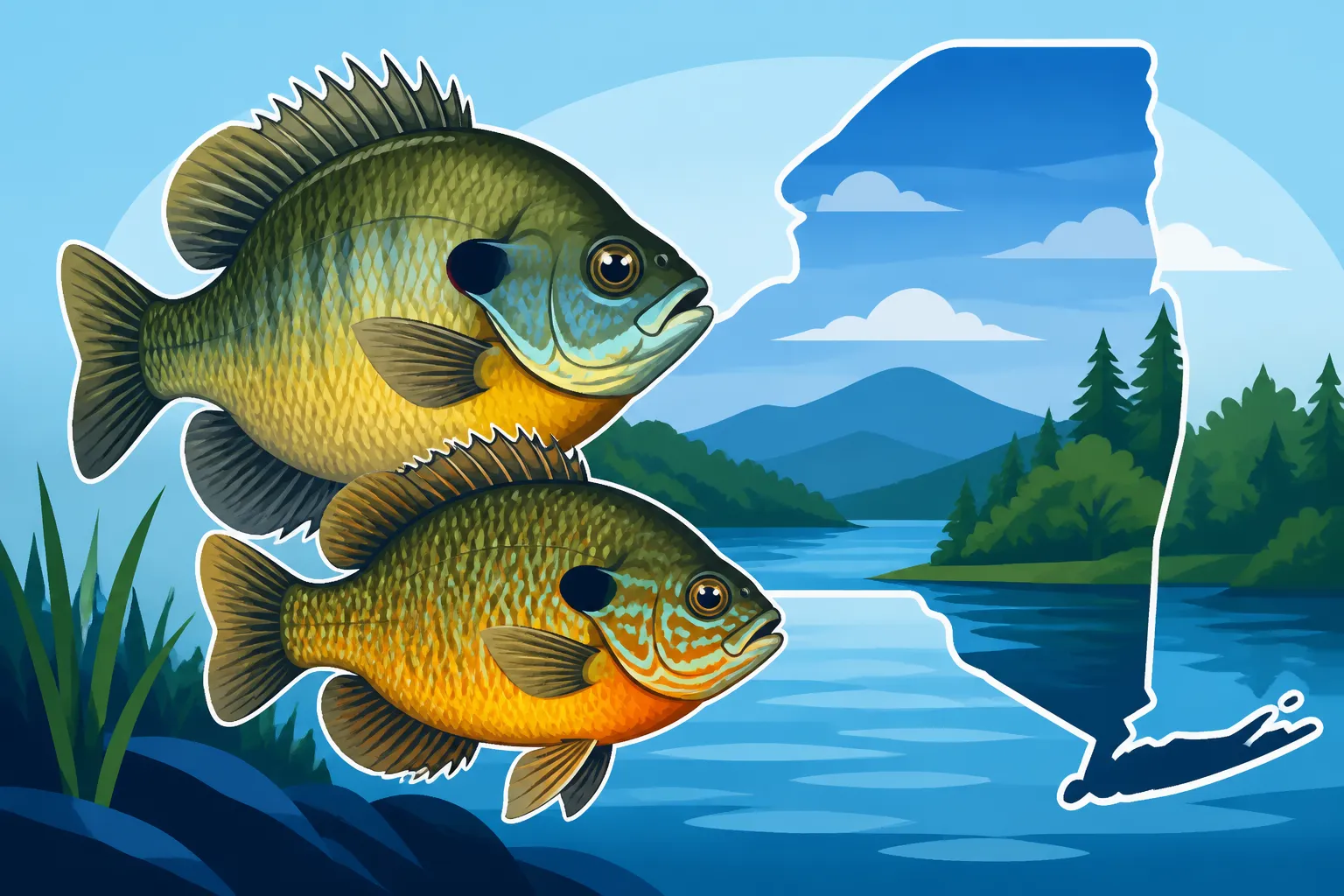
Let's start with the star of the show: the bluegill. This species (scientific name: Lepomis macrochirus) is undeniably one of New York's most popular freshwater fish, especially for beginners and families due to their abundance and willingness to bite. They get their common name from the distinct dark blue or black "ear flap" on the gill cover, which often has a brighter margin. Their bodies are typically deep-bodied, almost disc-shaped, with an olive-green back fading to yellowish sides and a white belly. Often, you'll see several dark vertical bars along their sides, especially when they are smaller or in certain water conditions.
Beyond their looks, bluegill are known for their feisty fight, especially on light tackle. They might not be the biggest fish in the lake, but a palm-sized bluegill can put a surprising bend in a rod. They're also prolific breeders, creating beds in shallower waters during spring and early summer, making them easy to target. This combination of accessibility, fun, and good eating makes them a staple for countless New York anglers. Understanding New York's Most Popular Freshwater Fish often starts right here.
Exploring the Sunfish Family: More Than Just Bluegill
While bluegill might be the most famous, they are just one member of the extensive sunfish family that calls New York waters home. Other common sunfish species you're likely to encounter include pumpkinseed, redbreast sunfish, green sunfish, and even rock bass and crappie, though crappie are often treated as their own distinct panfish category due to their slightly different body shape. Each of these species has its own unique characteristics, though they all share that general deep, compressed body shape.
For instance, pumpkinseeds (Lepomis gibbosus) are often even more brilliantly colored than bluegill, sporting iridescent spots of orange, green, and blue, along with a prominent red-orange spot on the posterior edge of their gill flap. Redbreast sunfish (Lepomis auritus) are identifiable by their exceptionally long, black gill flap and a more elongated body shape. Green sunfish (Lepomis cyanellus) tend to be chunkier, with a larger mouth and noticeable iridescent blue-green spots on their flanks. Learning How to Identify Fish Species in New York can be a fun challenge when you're trying to distinguish between these close relatives.
Key Differences and Why They Matter to Anglers
Distinguishing between bluegill and other sunfish can sometimes feel like a game of "spot the difference," but a few key markers can help. The bluegill's plain, dark gill flap is often the easiest identifier, lacking the bright red or orange spot you'd see on a pumpkinseed or the extreme length of a redbreast. Their mouths are also relatively small, rarely extending past the front of their eye, which is a good indicator when selecting appropriate hook sizes for panfish.
From an angling perspective, these differences are more about appreciation than necessity. Most sunfish species will readily take the same baits and lures and inhabit similar waters. However, knowing what you've caught adds to the joy of fishing and helps you understand the biodiversity of your local waters. For example, if you're consistently catching pumpkinseeds, you might be in an area with more aquatic vegetation, which they tend to favor more than open water. While the regulations for panfish are generally quite liberal, knowing the exact species isn't usually critical for compliance, but it certainly enhances the fishing experience and your understanding of Panfish and Sunfish Limits in New York.
Where to Find Bluegill and Sunfish in New York's Waters
One of the great joys of fishing for bluegill and sunfish is their widespread availability. These fish are true survivors and thrive in a wide array of aquatic environments across the Empire State. You'd be hard-pressed to find a pond, lake, or slow-moving river section in New York that doesn't hold a healthy population of these eager biters.
Preferred Habitats: The Ideal Spots
Bluegill and sunfish are generally found in warm, shallow, vegetated waters. Think about those serene coves in larger lakes, the edges of lily pad fields, or slow bends in rivers with plenty of submerged weeds, brush, or fallen timber. These areas provide them with ample cover from predators like bass and northern pike, as well as a rich food source of insects, small crustaceans, and aquatic larvae. In deeper lakes, they might congregate in shallow bays during warmer months and move to slightly deeper, but still structured, areas as temperatures drop.
When they are spawning, typically from late spring through early summer when water temperatures reach the upper 60s, you'll find them in very shallow water, often just a foot or two deep. Look for circular depressions on the bottom, often in sandy or gravelly areas near docks, seawalls, or weed lines. These are their spawning beds, and both male and female sunfish will be actively guarding them, making them easy targets for ethical anglers looking for a quick catch. These are prime spots for Best Fishing Spots for Kids in New York.
Top New York Regions and Lakes for Panfish
You really don't have to travel far to find excellent bluegill and sunfish fishing in New York. They are ubiquitous, from the smallest farm ponds to the largest Finger Lakes, and even in parts of the Great Lakes. For instance, the Finger Lakes (like Cayuga, Seneca, and Oneida Lake) offer vast expanses of prime habitat, especially in their shallow bays and along their extensive shorelines. The smaller Adirondack lakes and ponds are also teeming with various sunfish species, often sharing the waters with brook trout.
Even urban areas have productive panfish waters. Many city and county parks maintain ponds stocked with panfish, offering accessible fishing opportunities for families. On Long Island, numerous freshwater ponds and reservoirs hold robust populations. Upstate, major lakes like Chautauqua Lake, Lake George, and the various reservoirs that feed New York City all boast impressive numbers of bluegill and other sunfish. Really, wherever you find calm, vegetated freshwater, you're likely to find panfish. For a broader overview, check out Best Fishing Spots in New York.
Reading the Water: Locating Fish in Different Seasons
While bluegill and sunfish are available year-round, their locations and behavior change with the seasons. In spring, after the ice melts, they'll often be found in relatively shallow, warming water, congregating to feed before spawning. As summer progresses, they'll be on their spawning beds, or after spawning, they'll retreat slightly deeper during the heat of the day, moving back into the shallows during morning and evening. Look for shade and cover when the sun is high.
Fall sees them feeding heavily in preparation for winter, often moving into slightly deeper water near structure, but still accessible. During winter, especially for ice fishing, they'll gather in deeper holes, often near the bottom or suspended over deep water, seeking slightly warmer, more stable temperatures. Learning to "read" the water – looking for submerged cover, weed lines, and changes in depth – will dramatically increase your success, no matter the season.
Gear Up: Tackle and Techniques for Catching Bluegill and Sunfish
One of the beautiful things about bluegill and sunfish fishing is that it doesn't require a massive investment in specialized gear. It's truly a sport for everyone, from youngsters with a simple cane pole to seasoned anglers honing their ultralight skills. The simplicity of the setup is part of its charm, but understanding the right tools can certainly elevate your success and enjoyment.
The Right Gear for Success: Rods, Reels, and Line
For bluegill and sunfish, light tackle is the name of the game. A light or ultralight spinning rod between 5 and 6.5 feet in length is ideal. This type of rod is sensitive enough to detect subtle bites from smaller fish yet has enough backbone to handle a surprisingly strong panfish. Pair this with a small spinning reel (typically a 500 to 1000 size) spooled with 2 to 4-pound test monofilament or fluorocarbon line. The lighter line allows for longer casts with small baits and lures and is less visible to these often-skittish fish. Braided line can also be used, but you might want a fluorocarbon leader for stealth.
Alternatively, for a truly classic and simple approach, a cane pole or telescoping pole around 10-12 feet long is fantastic, especially when fishing with kids or in very close quarters. Just tie a length of line (matching the pole's length) directly to the tip, add a bobber, a small weight, and a hook, and you're ready to go. You can find excellent starter kits for both spinning setups and cane poles on platforms like Amazon, offering a convenient way to get equipped quickly without breaking the bank. For a more detailed look at setting up your gear, check out How to Set Up a Rod for Panfish.
Best Baits and Lures for Hungry Panfish
Bluegill and sunfish are not picky eaters, which is another reason they are so popular. Their diet primarily consists of insects, small worms, and aquatic invertebrates, so matching these natural food sources is often the most effective strategy.
-
Live Bait: This is hands-down the most consistent producer.
- Worms: Small pieces of earthworms, red wigglers, or mealworms are irresistible. You can often dig them up in your backyard or buy them cheaply at any bait shop.
- Grubs/Larvae: Wax worms, spikes (maggots), and even small crickets or grasshoppers are excellent choices. Their wiggling action drives panfish wild.
- Bread Balls/Corn: Believe it or not, these pantry staples can work well, especially in heavily pressured waters where fish are used to seeing human activity.
-
Artificial Lures: Don't underestimate the power of tiny artificials!
- Small Jigs: Marabou jigs, tube jigs, or soft plastic micro-jigs (1/32 to 1/16 ounce) are incredibly effective. Pair them with a small plastic grub or a piece of Gulp! bait for added attraction.
- Spinnerbaits/Inline Spinners: Tiny inline spinners, like those from Rooster Tail or Mepps, in sizes #0 or #1, can provoke aggressive strikes, especially in slightly deeper or clearer water.
- Flies: If you enjoy fly fishing, small nymphs, dry flies (like ant patterns or small poppers), and wet flies can be deadly, particularly for larger bluegill.
You can find a huge variety of these baits and lures available online on sites like Amazon, or at your local tackle shop. Experimentation is key; what works best can vary by lake, time of day, and even minute to minute. For more ideas, you can dive into Best Bait for Catching Sunfish and Bluegill.
Effective Fishing Techniques for All Skill Levels
Whether you're a seasoned pro or taking a child out for their very first fishing trip, there's a bluegill technique for you.
-
Bobber Fishing: This is the quintessential bluegill method and perfect for beginners. Attach a small bobber (a clip-on or slip bobber) about 1-3 feet above a small hook (size #8 to #12) baited with a worm or grub. Add a tiny split shot weight a few inches above the hook to help it sink. Cast it out near cover, sit back, and watch the bobber. When it dips or moves, set the hook gently! This technique is covered in more detail in Best Beginner Fishing Techniques for New York Lakes.
-
Tightlining/Bottom Fishing: If fish are deeper or bites are subtle, try removing the bobber. Use a small split shot or an ultralight jig head, bait it, and cast it out. Let it sink to the bottom or a desired depth, and slowly retrieve, twitching it occasionally. Pay close attention to your line for any twitch or slack that indicates a bite.
-
Sight Fishing: In clear, shallow water, especially during the spawn, you can often see bluegill and sunfish actively guarding their beds. Cast your bait or jig directly into their spawning depression. They'll often strike out of aggression more than hunger, so be ready for an immediate hook-up. This is an exciting way to fish, but remember to practice responsible angling.
-
Ice Fishing: During the winter, jigging with tiny jigs tipped with wax worms or spikes through a hole in the ice is incredibly effective. A small ice fishing rod (like those you might find on Amazon during winter sales) or even a standard ultralight rod works well. Focus on areas with remaining green weeds or subtle depth changes.
The beauty of these techniques is their adaptability. You can use a single setup to try multiple approaches until you find what the fish are responding to on any given day.
New York Regulations and Responsible Angling Practices
Fishing is a privilege and a joy, and it comes with the responsibility of adhering to regulations and practicing good stewardship. New York State has clear rules in place to ensure that our fish populations remain healthy and abundant for future generations. While panfish regulations are generally quite lenient, it's always critical to know the specifics for the waters you're fishing.
General Panfish Regulations in New York
The good news for panfish enthusiasts is that New York's fishing regulations for species like bluegill and other sunfish are typically very generous. Unlike trout, salmon, or bass, which often have specific season dates, minimum size limits, and strict daily creel limits, panfish usually fall under a more generalized rule. Most inland waters in New York have a statewide daily limit of 50 panfish (which includes bluegill, sunfish, yellow perch, and crappie) with no minimum size limit and no closed season.
However, and this is crucial, there are always special regulations for specific waters. Some lakes or ponds might have reduced limits, different size restrictions, or even catch-and-release only rules, particularly in urban ponds managed for youth fishing, or in waters designated for specific management goals. It is your responsibility to check the current New York State Department of Environmental Conservation (DEC) Fishing Regulations Guide for the specific body of water you intend to fish. You can usually find this guide online or pick up a physical copy at any bait shop or DEC office. Understanding New York Freshwater Fishing Rules is paramount for any angler.
Catch and Release vs. Keeping Your Catch
With such generous limits, many anglers wonder about the ethics of keeping bluegill and sunfish. These fish are generally considered excellent table fare, and keeping a meal of smaller panfish (within legal limits) is a perfectly acceptable and enjoyable part of the fishing experience. In fact, selective harvesting of smaller, abundant panfish can sometimes even benefit a fishery by reducing competition for food and allowing the remaining fish to grow larger.
However, consider practicing selective harvest. This means keeping some of the medium-sized fish (say, 6-8 inches) for dinner, and releasing the very small ones to grow, as well as the truly large "breeder" fish. These larger fish are often older and have proven their ability to survive and reproduce, contributing significantly to the health of the population. When practicing catch-and-release, handle fish gently with wet hands, remove hooks quickly (barbless hooks can help), and return them to the water promptly.
Promoting Healthy Ecosystems: Beyond the Catch
Being a responsible angler goes beyond just following the rules. It involves actively contributing to the health of our aquatic ecosystems. This means never introducing non-native species, always disposing of trash properly (pack it in, pack it out!), and being mindful of your impact on the environment. Even small things, like not leaving discarded fishing line, can make a huge difference to wildlife.
Furthermore, consider supporting conservation efforts through purchasing your New York Fishing License Guide. The funds generated from license sales directly contribute to fish stocking programs, habitat restoration, scientific research, and enforcement, all of which benefit the very fisheries we love to enjoy. Every angler plays a role in keeping New York's waters vibrant and full of life. It’s about being part of the solution, not the problem.
The Culinary Delight: Enjoying Your Bluegill and Sunfish Catch
Let's be honest, for many anglers, especially when it comes to panfish, a big part of the appeal is the prospect of a delicious meal. Bluegill and sunfish are renowned for their delicate, flaky, white flesh and mild flavor. They are incredibly versatile in the kitchen, making them a fantastic reward after a successful day on the water.
Cleaning and Filleting Your Panfish
While bluegill and sunfish are small, cleaning them doesn't have to be a chore. A sharp fillet knife and a cleaning board are your best friends. Many anglers choose to simply scale and gut smaller panfish and cook them whole, especially if they're around 6-7 inches. This leaves the bones in, but the meat flakes off easily after cooking.
For larger panfish (8 inches and up), filleting is a popular choice. The process is similar to filleting larger fish, just on a smaller scale. Start by making a cut behind the gill plate down to the backbone, then turn your knife and run it along the backbone towards the tail, separating the fillet. Flip the fish over and repeat. You can then skin the fillet or leave the skin on for certain cooking methods. If you're new to filleting, there are countless instructional videos online that can guide you, or you might even find a specialized fillet knife kit on Amazon to make the job easier and safer.
Simple and Delicious Cooking Methods
The mild flavor of bluegill and sunfish lends itself well to many simple preparations. Less is often more when cooking these tasty fish, allowing their natural flavor to shine through.
-
Pan-Fried: This is perhaps the most classic and beloved method. Dredge your fillets (or whole fish) in a mixture of flour, cornmeal, salt, and pepper. Fry them in hot oil (vegetable oil, canola, or even butter for extra flavor) until golden brown and crispy, usually just a few minutes per side. Serve with lemon wedges and a side of tartar sauce. This method is incredibly easy and highlights the fish's flaky texture.
-
Baked/Broiled: For a healthier option, brush fillets with olive oil, sprinkle with your favorite herbs and spices (dill, parsley, garlic powder are excellent), and bake at 375°F (190°C) for 10-15 minutes, or broil for 5-7 minutes until cooked through and lightly browned. Baking in foil packets with some vegetables is another fantastic, easy way to prepare them.
-
Fish Tacos: Flaked, cooked bluegill or sunfish (especially pan-fried or baked) makes incredible fish tacos. Serve them in warm tortillas with shredded cabbage, a creamy sauce, and a squeeze of lime. It's a fresh, flavorful way to enjoy your catch.
-
Deep Fried: If you enjoy a crispier texture, breaded fillets can be deep-fried. This method works well for larger batches and can be a real crowd-pleaser, especially with a side of homemade coleslaw. Remember, regardless of how you cook them, these fish cook quickly due to their thin fillets. Overcooking will dry them out and diminish their delicate flavor.
Eating Fish From New York Waters: Advisories and Safety
While bluegill and sunfish are generally safe and healthy to eat, it's vital to be aware of New York State's fish consumption advisories. These advisories are issued by the New York State Department of Health (DOH) and are based on levels of contaminants (like mercury or PCBs) found in fish from specific bodies of water. These contaminants can accumulate in fish, and consuming too much of them can pose health risks, especially for sensitive populations like pregnant women, nursing mothers, young children, and those who eat fish frequently.
These advisories are usually species- and location-specific. For many common panfish species, the advisories often recommend limiting consumption to one meal per week or one meal per month, but this varies greatly. Always check the latest advisories for the specific lake, river, or pond where you caught your fish. The DEC website or the DOH website are the best places to find this information. Being informed about New York Fish Consumption Advisories Explained ensures you can enjoy your catch safely and responsibly.
Disclaimer
This article is for general informational purposes only and does not constitute professional advice. Laws, prices and regulations vary by location and change over time. Consult a qualified professional for guidance on your specific situation.