Best-Tasting Fish Species From New York Waters
Let's be real: after a long day of casting lines and battling the elements on a New York lake or ocean, there's nothing quite like the thought of bringing home a delicious fresh catch for dinner. But if you're like many anglers, you might wonder which fish species truly stand out as the best-tasting when you're looking to fill your cooler. This guide is here to help you navigate the flavorful waters of New York, highlighting the species renowned for their culinary appeal and offering tips to make sure your fish dinner is nothing short of fantastic.
Factors Influencing the Taste of Fish
Before we dive into specific species, it’s important to understand that a fish's flavor isn't just about its kind; it's a complex equation. Many factors play a huge role in how that fillet ends up tasting on your plate.
Water Quality and Diet
Think of it like this: what you eat affects your own body, and it's the same for fish. The diet of a fish, along with the quality of the water it lives in, profoundly impacts its flesh. Fish from clean, clear waters with abundant natural food sources tend to have a cleaner, milder flavor. Conversely, fish from murky, stagnant, or polluted waters might carry an "off" taste, sometimes described as muddy or earthy. This is why you often hear folks say that certain lakes or rivers produce better-tasting fish than others, even of the same species. For instance, a brook trout caught from a pristine Adirondack stream might taste remarkably different from one caught in a slower-moving, nutrient-rich pond. Always be aware of New York Fish Consumption Advisories Explained for any body of water you're fishing, as safety comes before taste!
Handling and Preparation
This is perhaps the most critical factor after you've landed your fish. A prime fish, poorly handled, can quickly become an unappetizing meal. The goal is to preserve the freshness and flavor from the moment it leaves the water. This means proper bleeding, rapid cooling, and timely cleaning. Imagine catching a beautiful walleye and letting it sit on a stringer in warm water for hours; by the time you get home, the quality will have degraded significantly. Conversely, a less-prized species, handled meticulously and prepared with care, can often surprise you with its deliciousness. Investing in a good cooler, easily found on Amazon, and knowing how to dispatch your catch humanely and efficiently are essential steps for any angler who prioritizes taste.
Top Freshwater Species for the Table in New York
New York's freshwater systems offer an incredible bounty for anglers, from vast Great Lakes to serene mountain streams. Many of these waters hold fish that are truly exceptional on the dinner plate. Let's explore some of the stars.
Walleye
Ah, the walleye! If you ask a seasoned New York angler what their favorite freshwater fish to eat is, walleye will often be at the top of the list. They are widely celebrated for their delicate, flaky, and exceptionally mild white flesh. There's a reason they're so sought after in places like Lake Erie or Oneida Lake; they simply don't have that "fishy" taste that turns some people off. This mildness makes them incredibly versatile in the kitchen, suitable for almost any cooking method, whether baked, fried, broiled, or grilled.
The taste profile of a walleye is often described as sweet, with very little oil content, which contributes to its delicate texture. Their diet of smaller baitfish in clear, cooler waters helps maintain this pristine flavor. When you hook into a nice walleye, especially from clean, deep lakes, you know you're in for a treat. Just remember to check the Walleye Daily Limit in New York to ensure you're fishing responsibly.
Yellow Perch
Another fantastic freshwater option, yellow perch, are often underrated but highly prized by those in the know. These panfish, abundant in many New York lakes like Lake Erie and the Finger Lakes, offer sweet, firm, white meat that is incredibly tasty. While they don't grow as large as walleye, their fillets are still substantial enough for a satisfying meal, especially when caught in good numbers.
Yellow perch are famous for their thin, crisp skin when pan-fried, making for a delightful texture contrast with the tender flesh. Their flavor is clean and sweet, making them another excellent choice for those who prefer a less "fishy" fish. They're particularly popular among ice anglers, who often enjoy a fresh perch fry right on the ice. If you're looking for a consistent producer of delicious fillets, learning how to catch Yellow Perch in New York should be on your list.
Trout Species
New York is a trout angler's paradise, boasting a variety of species, each with its own culinary nuances. A Guide to New York's Trout Species will show you the full range, but three stand out for the table.
Brook Trout, Rainbow Trout, and Brown Trout
- Brook Trout: New York's state fish, brook trout are often considered the connoisseur's choice, especially those caught from wild, cold, pristine streams in the Adirondacks or Catskills. Their flesh is typically delicate, flaky, and has a unique, subtle, earthy flavor. Often, their meat takes on a beautiful pinkish-orange hue, indicative of their diet of crustaceans and insects. They are best enjoyed simply prepared, perhaps pan-fried with a little butter and herbs, to truly savor their natural goodness. How Many Trout Can You Keep Per Day in New York? is a good thing to remember if you're planning a meal.
- Rainbow Trout: Known for their vibrant colors and acrobatic fights, rainbow trout also offer excellent eating. Their flesh is usually milder than a brook trout, with a firm, delicate texture and a clean, slightly nutty flavor. They can vary in color from white to pink depending on their diet. Rainbows are incredibly versatile and hold up well to grilling, baking, or smoking.
- Brown Trout: Brown trout, especially larger ones from rivers or lakes, tend to have a richer, more robust flavor than brooks or rainbows. Their flesh is usually a bit firmer and often a deep orange or red. While some might find them slightly more "fishy" than other trout, many anglers appreciate their full-bodied taste. They're excellent smoked or baked whole, allowing their flavors to develop beautifully.
Crappie
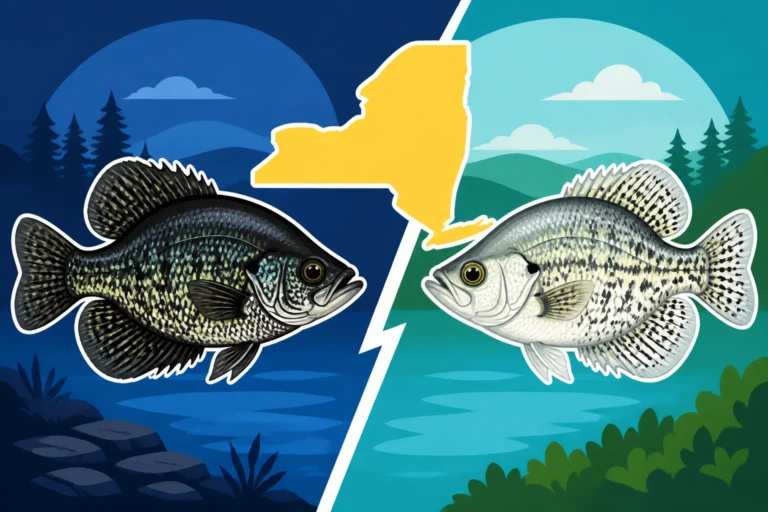
Another wonderful panfish, crappie (both black and white) are celebrated for their incredibly delicate, sweet, and flaky white meat. They're often compared to walleye in terms of mildness and texture, though their fillets are smaller. They are abundant in many New York lakes and ponds, providing consistent action and delicious meals.
Crappie are perfect for a classic fish fry, lightly breaded and quickly cooked to a golden crisp. Their mild flavor profile means they pair well with a wide variety of seasonings and sauces. For a family fishing trip where eating your catch is part of the fun, targeting crappie is a fantastic idea, as they're often eager biters and make for easy cleaning and cooking.
Largemouth and Smallmouth Bass
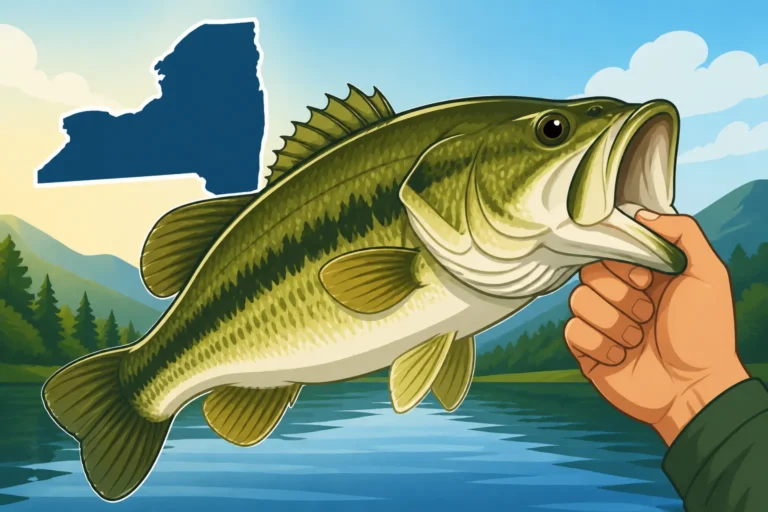
While not always topping the list for taste, both Largemouth Bass in New York and Smallmouth Bass in New York can be surprisingly good eating, especially when handled properly. Smallmouth bass are generally considered superior on the plate compared to largemouth, possessing firmer, whiter, and flakier meat with a milder flavor. Largemouth bass can sometimes have a stronger, earthier taste, particularly larger fish from warmer, weedy waters, but smaller largemouth from cleaner environments are often quite palatable.
Both species benefit greatly from being bled and iced immediately after being caught. Many anglers prefer to skin bass rather than scale them, which can help remove some of the stronger flavors. Pan-frying or baking are common methods, and their firmer flesh stands up well to bolder seasonings.
Top Saltwater Species for the Table in New York
When it comes to saltwater, New York offers access to a diverse range of species from the Atlantic Ocean, Long Island Sound, and its estuaries. These fish often have a bolder, richer flavor profile compared to their freshwater cousins, thanks to their diet and environment. New York's Most Popular Saltwater Fish will give you a good idea of what's out there.
Fluke (Summer Flounder)
Fluke, also known as summer flounder, is a quintessential New York saltwater delicacy. These flatfish are renowned for their incredibly delicate, moist, and flaky white flesh with a very mild, sweet flavor. They are incredibly versatile in the kitchen, perfect for pan-frying, baking, broiling, or even sashimi if prepared immediately after catching.
The beauty of fluke lies in its subtle flavor, which doesn't require heavy seasoning to shine. It’s a clean-tasting fish that appeals to almost everyone, even those who claim not to like "fishy" fish. When you're drifting the waters of Long Island Sound or off the coast, a nice-sized fluke is always a welcome sight in the cooler. Check out Fluke in New York Waters for more on this prized species.
Striped Bass
Striped Bass in New York are an iconic sportfish, and they are equally celebrated for their culinary qualities. Their flesh is firm, flaky, and moist, with a rich, distinctive flavor that many consider to be one of the best among saltwater species. The taste is robust without being overly "fishy," making it a favorite for grilling, baking, or pan-searing.
The flavor of striped bass can vary slightly depending on their diet and the water they're caught in. For example, stripers caught in the ocean or from the clear, tidal waters of the Hudson River tend to have a cleaner taste than those from more brackish or muddy environments. They possess a good fat content, which keeps the meat moist and flavorful during cooking. When you land one, make sure to bleed it properly and get it on ice quickly to preserve that excellent taste.
Bluefish
Bluefish have a bit of a reputation, but don't let it scare you away from trying them. They are known for their strong, oily, and distinctively "fishy" flavor, which is a turn-off for some, but a delicacy for others. However, when handled correctly, especially the smaller "snapper" blues, they can be absolutely delicious. The key with bluefish is freshness and proper preparation.
Their rich, dark meat is packed with omega-3 fatty acids. If you plan to eat bluefish, bleed them immediately and get them on ice as quickly as possible. Many anglers prefer to remove the darker, blood-line meat along the lateral line, as this concentrates much of the stronger flavor. Bluefish are excellent grilled, smoked, or baked, particularly when marinated or served with bold sauces that complement their rich taste. Don't knock it until you've tried a fresh, properly prepared bluefish fillet!
Tautog (Blackfish)
Tautog, or blackfish, are another fantastic eating fish found in New York's rocky coastal waters and around structures like jetties and wrecks. They are highly regarded for their firm, white, incredibly clean-tasting meat. Their diet of crabs, mussels, and other crustaceans gives their flesh a unique, sweet flavor.
The texture of tautog is dense and almost lobster-like, making it a favorite among those who appreciate firm-fleshed fish. They hold up exceptionally well to various cooking methods, including baking, broiling, or steaming. Because their skin is very thick and tough, most anglers choose to skin tautog rather than scale them. If you're looking for a solid, flavorful white meat fish from the ocean, tautog is a superb choice.
Porgy (Scup)
Porgies, also known as scup, are small but mighty when it comes to flavor. These abundant panfish offer delicate, sweet, white meat that is incredibly tasty. They are often overlooked by anglers targeting larger species, but those who appreciate good eating know the value of a cooler full of fresh porgies.
Their small size means more work to fillet, but many anglers prefer to scale and cook porgies whole, either pan-fried, grilled, or baked, which keeps the meat moist and flavorful. Their mild flavor makes them a hit with kids and adults alike, and they're relatively easy to catch, providing a fun and rewarding fishing experience.
Optimizing Your Catch for the Plate
Landing a great fish is only half the battle. To truly enjoy the best-tasting fish from New York waters, how you treat your catch after it's hooked makes all the difference.
Icing and Bleeding
This step cannot be overstated. As soon as you land a fish you intend to keep, the first thing you should do is bleed it. This involves making a cut to sever the main artery (often near the gills) to allow the blood to drain out. Blood left in the flesh can contribute to a stronger, "fishy" flavor and can spoil faster. After bleeding, immediately get your fish into a cooler filled with ice slurry (a mix of ice and a small amount of water). The cold stops bacterial growth and rigor mortis, preserving the texture and flavor. Don't just toss it on top of dry ice; submerging it in a slurry cools it down much faster and more evenly. A quality cooler, which you can find on Amazon, is an absolute game-changer here.
Cleaning and Filleting
Once you're back on shore, clean your fish promptly. Freshness is paramount. Remove the guts and, if you're not cooking them whole, fillet the fish. A sharp, flexible fillet knife is essential for getting clean, boneless fillets. There are many great instructional videos out there, and having a good knife, possibly one you picked up from Amazon, makes the job much easier. Whether you choose to remove the skin is often a matter of preference and species; for fish with strong flavors like bluefish, removing the skin can help, while for delicate fish like fluke, the skin can add flavor and help hold the fillet together.
Storage at Home
If you're not eating your catch right away, proper storage is crucial. Fresh fish should be eaten within a day or two. For longer storage, vacuum sealing and freezing are your best friends. Pat the fillets dry, then vacuum seal them to remove air, which causes freezer burn. Properly vacuum-sealed fish can last for several months in the freezer without a significant loss in quality. Label your packages with the date and species so you know what you've got.
Remember, every step from the hook to the plate contributes to the final taste experience. Taking the time to handle your catch with care will elevate even a good-tasting fish to an exceptional meal.
| Fish Species | Flavor Profile | Texture | Common Cooking Methods |
|---|---|---|---|
| Walleye | Mild, sweet, clean | Flaky, delicate | Pan-fry, bake, broil, grill |
| Yellow Perch | Sweet, very mild, clean | Firm, flaky | Pan-fry (especially whole) |
| Brook Trout | Delicate, subtle earthy, sweet | Very flaky, tender | Pan-fry, bake, smoke |
| Rainbow Trout | Mild, clean, slightly nutty | Firm, delicate | Grill, bake, pan-fry, smoke |
| Striped Bass | Rich, distinctive, robust, slightly sweet | Firm, moist, flaky | Grill, bake, pan-sear |
| Fluke (Summer Flounder) | Very mild, sweet, delicate | Moist, very flaky | Pan-fry, bake, broil, sashimi |
| Tautog (Blackfish) | Clean, sweet, unique (crustacean-like) | Very firm, dense | Bake, broil, steam |
When you're out on the water in New York, whether you're targeting Best Fishing Spots on Lake Ontario or exploring the Best Catskills Fly Fishing Streams, knowing which fish offer the best table fare can make your angling adventures even more rewarding. Tight lines, and happy cooking!
Disclaimer
This article is for general informational purposes only and does not constitute professional advice. Laws, prices and regulations vary by location and change over time. Consult a qualified professional for guidance on your specific situation.