Fluke in New York Waters
There's nothing quite like the excitement of feeling that tell-tale tap, tap, thump as a fluke slams your bait in the rich waters of New York. But figuring out where they are, what they eat, and how to stay on the right side of the regulations can sometimes feel like trying to solve a puzzle. This comprehensive guide is here to unravel all the mysteries of fluking, helping you understand this fantastic flatfish so you can catch more, larger fluke on your next New York fishing adventure.
Understanding the Fluke: What Exactly is This Fish?
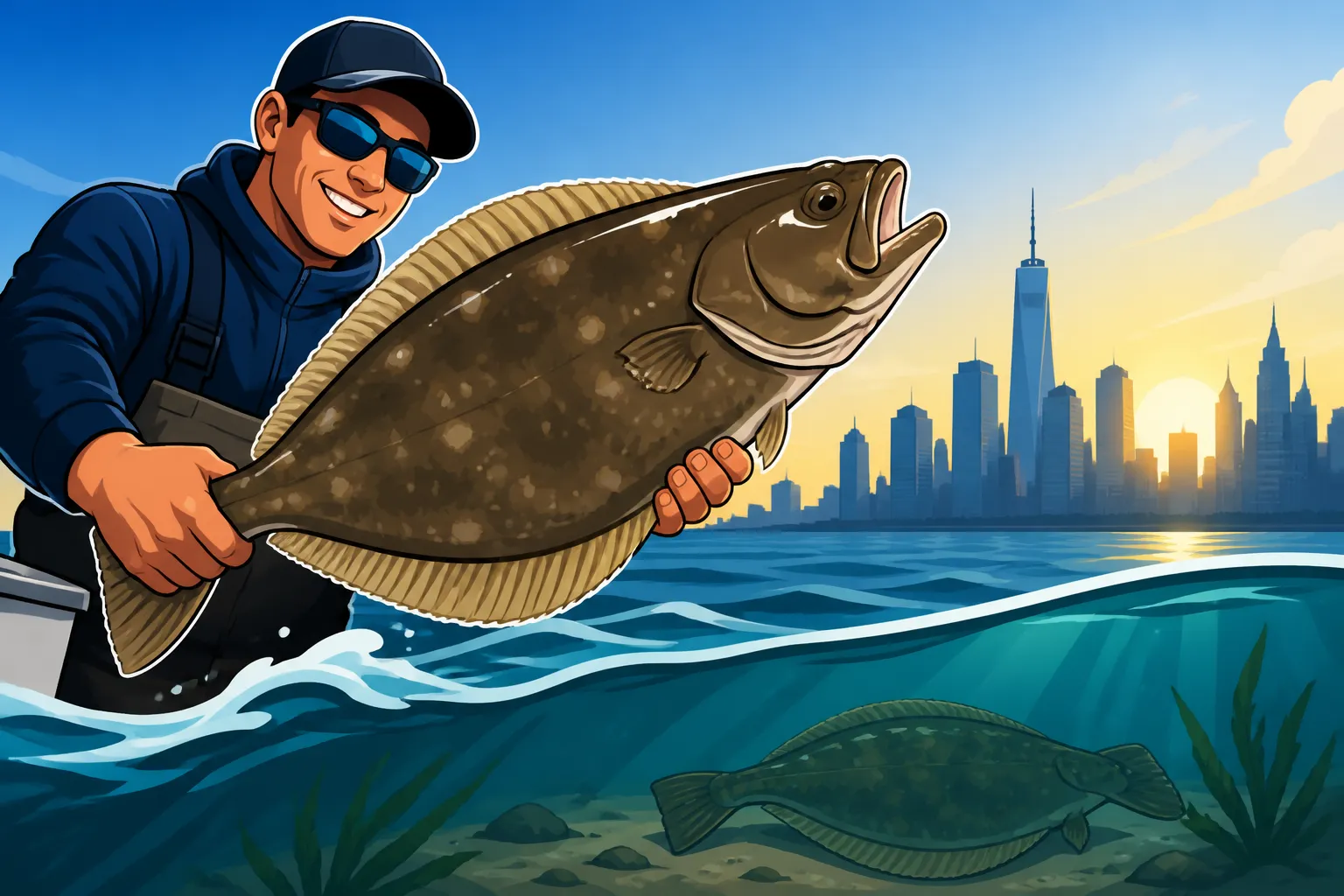
The fluke, or summer flounder as it's often formally known, is one of New York's most sought-after recreational fish. Anglers flock to our coastal waters and bays each year, eager to fill their coolers with its delicious, flaky white meat. But beyond its culinary appeal, the fluke is a fascinating creature, perfectly adapted to its bottom-dwelling lifestyle. Its unique flat body and camouflaged skin make it an ambush predator par excellence, lying in wait for unsuspecting prey.
Fluke vs. Summer Flounder: Clearing Up the Confusion
Let's clear up a common point of confusion right from the start. Is it a fluke, or is it a summer flounder? Well, the answer is both! "Fluke" is the common, colloquial name that most anglers in New York and throughout the Northeast use. When you're out on the water, you'll almost exclusively hear people calling them fluke. However, officially, in scientific circles and within fishing regulations, the species is Paralichthys dentatus, more formally known as the summer flounder. So, when you see references to "summer flounder" in the New York State Department of Environmental Conservation (DEC) regulations or scientific papers, rest assured, they're talking about the very same fish you love to catch. It's really just a matter of regional dialect and scientific nomenclature. Don't let the different names trip you up; they refer to the same amazing species that provides so much sport and food in our waters. To dive deeper into this, check out our guide on Fluke vs Summer Flounder: Same Fish, Different Name.
Physical Characteristics and Identification
Fluke possess several distinct features that make them easy to identify, even for novice anglers. The most striking characteristic, of course, is their flattened body, which allows them to lie perfectly flush with the seabed. Unlike some other flatfish, fluke are "left-eyed" or "sinistral," meaning that both of their eyes are located on the left side of their head when viewed from above. This is a crucial identification point, as other flounder species might be right-eyed. Their coloration is also a marvel of natural camouflage. The upper, or "ocular" side, is typically mottled brown, gray, and sometimes even greenish, allowing them to blend seamlessly with sandy, muddy, or pebbly bottoms. This side is often speckled with dark spots that help break up their outline. The underside, or "blind" side, is usually a pure white.
Another key identifier is their mouth. Fluke have a relatively large mouth armed with sharp, conical teeth. This isn't the tiny, suction-cup mouth you might find on some bottom feeders; the fluke is a predator, and its dental work is designed for grabbing and holding prey like baitfish. When you hook one, you'll immediately notice the firmness of its body and the distinct "fluke tail" – a rounded, fan-like tail fin that provides powerful propulsion for quick bursts of speed when ambushing prey or evading danger. Knowing these characteristics will help you confirm your catch and appreciate the unique adaptations of this fantastic fish. For more on size, you can refer to Average Fluke Size on Long Island Sound.
Where to Find Fluke in New York Waters
Finding fluke is often a game of understanding their preferred environment. These fish are masters of camouflage and ambush, which means they like to set up shop in specific types of bottom structures where they can effectively hide and wait for a meal to swim by. New York offers an incredible variety of fluke habitats, from vast sandy expanses to intricate bay systems.
Prime Habitats and Bottom Structures
Fluke are predominantly bottom dwellers, and their ideal habitat combines areas where they can blend in with the bottom and places where baitfish congregate. They absolutely love structure. Think about areas with a mix of sand and gravel, or patches of broken shell bottom. These irregularities provide perfect hiding spots. They'll often be found lying on the edges of channels, along the slopes of underwater ledges, or around mussel beds. These transitions in depth and bottom type create current breaks and eddies, which are natural highways for baitfish.
Another key factor is water temperature. Fluke are "summer flounder" for a reason – they prefer warmer waters. As spring progresses and water temperatures rise, they migrate into shallower bays and nearshore ocean waters. During the hottest parts of summer, they might move to slightly deeper channels or areas with cooler upwellings. Keep an eye out for submerged grass beds (though these are less prevalent than in some other areas), wrecks, reefs, and even subtle depressions in an otherwise flat bottom. Any feature that offers an ambush point or a current break is a potential fluke hotspot. Understanding these preferences is your first step to locating them.
Key New York Fishing Grounds for Fluke
New York boasts an expansive coastline and numerous bays that are absolutely teeming with fluke during the warmer months. You're spoiled for choice when it comes to prime fluking spots.
- Long Island Sound: This vast body of water, stretching from New York City to Montauk, is a legendary fluke fishery. Its diverse bottom, numerous rips, and rich baitfish populations make it a top destination. Key areas include the North Shore bays, the central sound, and the eastern reaches. Long Island Sound Fishing in New York: A Complete Guide offers a more detailed look.
- South Shore Bays (Great South Bay, Moriches Bay, Shinnecock Bay): These shallower, often warmer bay systems are fantastic in early summer and late spring. The extensive sand flats, channels, and inlets are ideal for fluke. They provide shelter and plenty of food, drawing in large numbers of fish.
- Nearshore Ocean Waters: Just outside the inlets and along the ocean beaches, particularly where structure like jetties, rockpiles, or artificial reefs exist, you'll find excellent fluking. Montauk, at the very eastern tip of Long Island, is famous for its robust fluke bite, especially for larger "doormat" fluke later in the season. Best Spots to Catch Fluke Near Montauk is a great resource if you're heading that way.
- New York Harbor and Raritan Bay: Don't overlook the waters closer to New York City. The complex channels, shoals, and shipping lanes of New York Harbor and the expansive Raritan Bay offer fantastic opportunities, especially during the spring migration.
When planning your trip, consider the time of year and water temperature, as fluke will move between these areas as the seasons change. Local bait shops are always an invaluable source of real-time information on where the bite is best.
The Life Cycle and Habits of New York Fluke
Understanding the life cycle and habits of fluke is not just interesting, it's incredibly useful for anglers. Knowing when and where they spawn, how they grow, and what they feed on provides crucial insights into their movements and how best to target them. It’s like getting a peek into their secret diary!
Spawning, Growth, and Migration Patterns
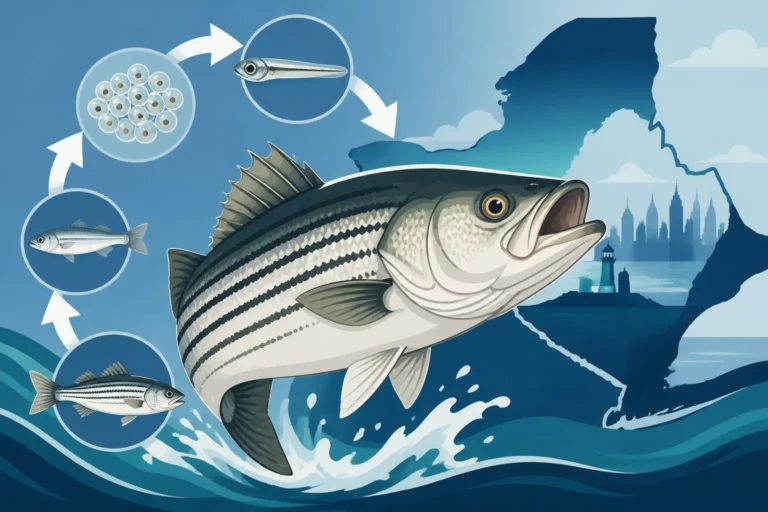
Fluke undertake significant migrations throughout the year, driven largely by temperature and their reproductive cycle. They are an offshore spawning species. Typically, adult fluke migrate from inshore waters and bays out to the continental shelf during late fall and early winter to spawn. This deep, cold-water spawning strategy helps ensure the survival of their eggs and larvae in a more stable environment.
After hatching, the tiny larval fluke are pelagic, drifting in the open ocean. What's truly remarkable is their metamorphosis. Initially, fluke larvae swim upright like typical fish, with an eye on each side of their head. As they grow, one eye actually migrates across the top of their head to the other side – always the left side for fluke – and their body flattens. This incredible transformation prepares them for their bottom-dwelling existence.
Juvenile fluke then migrate back into inshore waters, estuaries, and bays in the spring, where they grow rapidly in the food-rich nursery grounds. As they mature, they continue to migrate between these shallow, productive feeding grounds in summer and deeper, offshore waters for winter and spawning. This annual pattern means that anglers will find them in different locations depending on the season, moving into bays in spring and summer, and often concentrating in deeper channels and ocean rips as fall approaches.
What Do Fluke Eat? Their Diet and Feeding Behavior
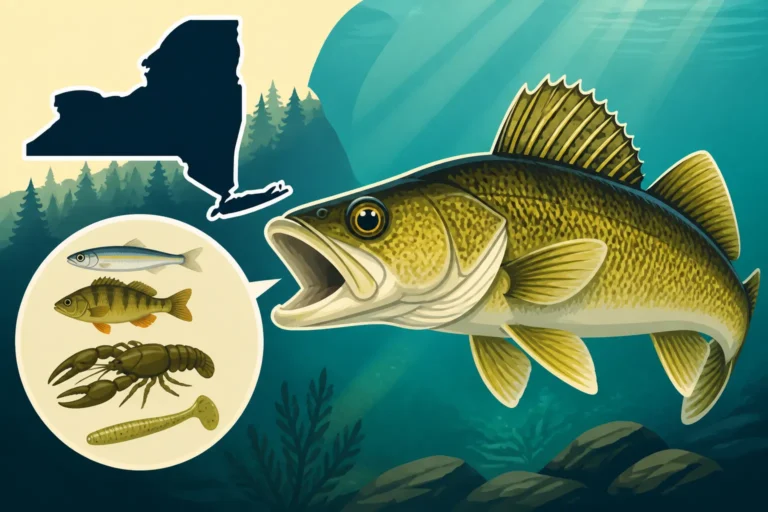
Fluke are voracious ambush predators, and their diet reflects this. They are opportunistic feeders, meaning they'll eat pretty much anything that swims or crawls within striking distance and fits in their mouth. Their flat, camouflaged bodies allow them to lie almost invisible on the bottom, patiently waiting for prey. When an unsuspecting baitfish or crustacean comes too close, they erupt from the sand with astonishing speed, engulfing their meal in a swift, powerful lunge.
Their primary diet consists of a wide variety of baitfish, including:
- Spearing (silversides): A common small baitfish found in shallow waters.
- Mummichogs: Another small, hardy baitfish prevalent in estuaries.
- Sand Eels (Lances): A favorite, especially in ocean waters.
- Bunker (Menhaden): While adult bunker might be too large, juvenile bunker are a prime food source.
- Perch and small scup: Often found in the same habitats.
In addition to fish, fluke also feast on:
- Squid: Particularly during squid runs.
- Shrimp: A delicacy for many fish, including fluke.
- Crabs: Small crabs, especially blue crabs, are a common meal.
Knowing their diet is critical for choosing the right bait and lures. If you can "match the hatch" – meaning use bait that mimics what they're naturally feeding on – you'll significantly increase your chances of success. It's a classic example of working with nature, not against it.
Regulations and Conservation for New York Fluke
Fishing regulations aren't just there to make things complicated; they are vital tools for ensuring that we have healthy fish populations for generations to come. Fluke, being such a popular species, are carefully managed in New York, and it's every angler's responsibility to know and abide by the rules. It helps protect the resource we all love. For a broader understanding of fishing regulations, consult New York Fishing Regulations Explained.
Size Limits, Bag Limits, and Season Dates
New York State, in conjunction with federal guidelines, implements specific regulations for fluke to prevent overfishing and allow the population to sustain itself. These regulations can change, sometimes annually, so always double-check the most current DEC regulations before you head out. However, generally, you'll encounter rules regarding:
- Minimum Size Limit: This specifies the smallest length of fluke you are legally allowed to keep. The idea here is to allow fish to reach sexual maturity and spawn at least once before being harvested, contributing to future generations. For example, if the limit is 19 inches, any fluke shorter than that must be immediately and carefully released.
- Bag Limit: This dictates the maximum number of fluke an individual angler can keep in a single day. This helps spread the catch among more anglers and reduces the overall harvest pressure on the stock.
- Season Dates: Fluke fishing is typically open during specific months of the year, usually from late spring through fall. This ensures that the fish are protected during critical periods, such as their offshore spawning migration.
It’s crucial to measure your fish accurately from the tip of the snout to the end of the tail (with the tail compressed). Always keep a copy of the current regulations handy, either a printout from the DEC website or through a reliable fishing app. Ignorance of the law is never an excuse for violations. Our guide on New York Fishing Season Dates and Catch Limits provides general information, but specific numbers should always be checked from official sources.
Why Conservation Matters for Fluke Populations
The popularity of fluke fishing highlights the importance of robust conservation efforts. Without proper management, highly sought-after species can face significant pressure, leading to population declines. Fluke, like many marine species, are susceptible to fluctuations in environmental conditions, habitat degradation, and fishing pressure.
Conservation efforts for fluke focus on a few key areas:
- Sustainable Harvest: Regulations like size and bag limits ensure that enough fish survive to reproduce, maintaining a healthy breeding stock. This is the core of sustainable fishing.
- Habitat Protection: Protecting the estuaries, bays, and offshore spawning grounds where fluke live and breed is essential. This includes efforts to reduce pollution and coastal development impacts.
- Scientific Research: Ongoing studies help biologists understand fluke populations, their migration patterns, growth rates, and how they respond to fishing pressure and environmental changes. This data informs future management decisions.
- Angler Awareness: Educating anglers on responsible fishing practices, such as proper catch-and-release techniques for undersized fish, minimizes mortality and contributes to the health of the fishery.
By adhering to regulations and practicing ethical fishing, every angler plays a direct role in safeguarding the future of fluke fishing in New York. We want our children and grandchildren to experience the same joy of catching these fantastic fish that we do today.
Gear, Techniques, and Best Practices for Catching Fluke
Now for the fun part: how do we actually catch these elusive flatfish? Successful fluking isn't just about luck; it's a combination of having the right equipment, knowing the effective techniques, and understanding best practices. Whether you're fishing from a boat or the shore, a little preparation goes a long way.
Essential Rods, Reels, and Line for Fluke Fishing
Choosing the right tackle can make a huge difference in your fluke fishing success and enjoyment. You want gear that's sensitive enough to detect those subtle bites, yet strong enough to handle a hard-fighting "doormat."
- Rods: A medium-light to medium-action spinning or baitcasting rod, typically 6'6" to 7'6" in length, is ideal. Look for a rod with a sensitive tip that can telegraph those light taps but has enough backbone to set the hook firmly and fight a good-sized fish. Fiberglass or a composite blend often offers the perfect mix of sensitivity and durability for bottom fishing.
- Reels: A reliable spinning reel in the 3000-4000 size range, or a baitcasting reel with good line capacity and a smooth drag, will serve you well. Ensure the reel can handle saltwater exposure, as corrosion is the enemy of all fishing gear. Brands like Penn, Shimano, and Daiwa offer excellent options that are widely available, even through retailers like Amazon.
- Line: This is a crucial choice.
- Braided Line: Many experienced fluke anglers prefer braided line (15-30 lb test) as their main line. It has virtually no stretch, which provides incredible sensitivity, allowing you to feel every bump and bite on the bottom. Its thin diameter also helps cut through current, keeping your rig more vertical.
- Monofilament Leader: Always connect a monofilament or fluorocarbon leader (20-40 lb test) to your braided main line. This provides invisibility in the water, offers abrasion resistance against structure and fish teeth, and acts as a shock absorber. A leader length of 3-6 feet is a good starting point. Use a strong knot like an Albright or FG knot to connect your main line to your leader.
Having balanced tackle means you'll feel more bites, get better hook sets, and have a more enjoyable fight when you connect with a quality fluke.
Popular Rigs and Baits for Successful Fluking
The right rig and bait presentation are paramount when targeting fluke. They're visual predators, but they also respond strongly to scent and movement.
-
Rigs:
- Plain Sinker Rig: This is the simplest and most effective. It consists of a barrel swivel, a leader (18-36 inches), and a hook. The sinker (typically a bank or pyramid sinker, often purchased in bulk from outdoor stores or online like Amazon) is attached either directly above the swivel or on a separate dropper loop above the main leader. This allows the bait to drift naturally just above the bottom.
- Fluke Ball/Bucktail Jig: Many anglers swear by bucktail jigs, especially when tipped with bait. A bucktail jig mimics a baitfish or squid. You can cast them and jig them back, or drift them along the bottom. Adding a teaser hook a foot or so above the main jig can dramatically increase your hook-up rate.
- Three-Way Swivel Rig: This rig uses a three-way swivel, with one eye for the main line, one for a leader to your hook, and one for a shorter leader to your sinker. This keeps your bait elevated off the bottom, making it more visible.
-
Baits:
- Live Bait: Live spearing, mummichogs, or small killifish are incredibly effective. Their natural movement is irresistible to fluke. Hook them through the lips or just behind the dorsal fin.
- Strip Baits: Strips of fresh squid, a fillet of legal-sized fluke belly (often referred to as "fluke candy"), or a strip of bluefish or bunker are excellent. Cut them into a slender, tapering strip about 4-6 inches long, ensuring it has good action in the water.
- Artificial Baits: Gulp! Alive! grubs, swimming mullets, or minnows are incredibly popular and effective, especially when paired with bucktail jigs. Their scent dispersion and realistic action make them deadly. Having a variety on hand from Amazon or your local tackle shop is a smart move.
| Rig Type | Best Use | Advantages | Disadvantages |
|---|---|---|---|
| Plain Sinker Rig | General drifting, sandy/muddy bottoms | Simple, effective, natural bait presentation | Can get snagged in rocky areas |
| Bucktail Jig | Aggressive jigging, mimicking baitfish | Active presentation, can be very enticing | Requires more angler input, might need tipping |
| Three-Way Swivel | Keeping bait off bottom, stronger current | Elevates bait, good for multiple bait options | More complex, can tangle more easily |
Remember, fresh bait is always best! Changing your bait frequently ensures maximum scent and appeal. Check out How to Rig a Fluke Fishing Rod for more specific setup advice.
Effective Fishing Techniques from Boat and Shore
Fluking is largely about presenting your bait where the fish are, and keeping it moving.
-
From a Boat (Drifting is Key!):
- Drifting: This is the most popular and often most effective method for fluke from a boat. Position your boat upwind or upcurrent from a promising area (like a channel edge, a shoal, or a structure) and let the boat drift naturally, dragging your bait along the bottom. The idea is to cover ground and present your bait to as many fluke as possible. Adjust your sinker weight to maintain bottom contact – you want your line to be as vertical as possible, with the sinker just occasionally ticking the bottom, not dragging heavily or flying high.
- Jigging: While drifting, actively jig your rod tip. Lift it a foot or two, then let it fall back, allowing your bucktail or bait to "swim" and create puffs of sand that attract attention. Some days, a fast, aggressive jigging motion works wonders; other days, a slow, subtle twitch is more effective. Experiment to see what the fluke prefer.
- Boat Control: If the drift is too fast, you can use a drift sock or a sea anchor to slow down. If it's too slow, a small trolling motor can help you cover ground. Mastering your drift is crucial for success. For more on this, consider our post on Best Drift Speed for Fluke Fishing.
- Chumming: While not as common as for other species, sometimes a little chum – like crushed clam or bunker – can draw fluke to your area, especially when anchored.
-
From Shore (Piers, Beaches, Jetties):
- Casting and Retrieving: From beaches or piers, cast your bucktail or bait rig out and slowly retrieve it, jigging it along the bottom. Focus on areas where currents create depressions, troughs, or where there's submerged structure.
- Jetties and Inlets: These are prime locations. Fluke will often lie in wait along the edges of the rocks or in the scour holes created by currents around the structures. Cast parallel to the jetty, letting your bait drift along the edge, or fan-cast into different depths.
- Walk the Beach: On open beaches, walk and cast. Fluke will often feed in the troughs and sloughs just beyond the breaking waves. Look for subtle changes in bottom contour or areas where baitfish are present.
Regardless of where you're fishing, pay attention to the tides. Often, a moving tide (either incoming or outgoing) is best, as it concentrates bait and activates feeding behavior. And remember, the fluke bite can sometimes be very subtle – a slight tick, a mushy feeling, or just added weight on your line. Stay focused!
Preparing and Enjoying Your Fluke Catch
Congratulations, you've landed some beautiful New York fluke! Now comes the equally rewarding part: preparing them for the table. Fluke are renowned for their delicate, mild flavor and firm, white flesh, making them a favorite among seafood lovers. Properly handling your catch from the moment it's brought aboard until it hits your plate ensures the best possible eating experience.
Cleaning and Filleting Your Fluke
Proper handling starts immediately after the catch.
- Icing: As soon as you catch a legal-sized fluke, get it on ice. This chills the fish quickly, preserving its flavor and texture. A cooler full of ice is non-negotiable for quality fish.
- Filleting: Filleting a flatfish like a fluke is a bit different from a round fish, but it's quite straightforward with a sharp, flexible fillet knife.
- Lay the fluke white-side down on a clean, stable surface.
- Make an incision down the center of the dark side, from just behind the head all the way to the tail, cutting through the skin and just to the backbone.
- Then, make a cut across the top of the fish, just behind the head, meeting your first cut.
- Starting from this head cut, carefully run your knife flat along the backbone, separating the fillet from the bones. Work slowly, using the bones as your guide. You'll get two fillets from the top side.
- Flip the fish over and repeat the process on the other side to get two more fillets from the blind side. The blind side fillets are often thicker and larger.
- Finally, skin the fillets. Lay a fillet skin-side down, hold the tail end firmly, and slide your knife between the flesh and the skin, working from tail to head with a slight downward angle.
You'll end up with four beautiful, boneless, skinless fillets. Rinse them gently in cold water, pat them dry, and they're ready for cooking or freezing.
Best Ways to Cook New York Fluke
Fluke's mild flavor and delicate texture make it incredibly versatile in the kitchen. It's hard to go wrong, but here are some popular and delicious ways to prepare it:
- Pan-Seared: This is a classic for a reason. Lightly dredge the fillets in seasoned flour, cornmeal, or panko breadcrumbs. Heat a skillet with butter or olive oil over medium-high heat. Sear the fillets for 2-3 minutes per side, until golden brown and cooked through. Serve with a squeeze of lemon and fresh parsley. This method truly highlights the fluke's natural flavor.
- Baked/Broiled: For a lighter option, place fillets on a baking sheet, drizzle with olive oil, sprinkle with salt, pepper, and your favorite herbs (dill, thyme, or parsley work beautifully). You can add a pat of butter or a slice of lemon on top. Bake at 375°F (190°C) for 10-15 minutes, or broil for 5-7 minutes, until the fish flakes easily with a fork.
- Grilled: If you're grilling, you might want to keep the fillets whole or use a fish basket to prevent them from falling through the grates. Brush with olive oil, season, and grill over medium-high heat for about 3-4 minutes per side. The slight char adds a wonderful depth of flavor.
- Fried: For a crispy treat, batter your fluke fillets (a simple beer batter works wonders) and deep-fry them until golden brown. Serve with tartar sauce and coleslaw for a delicious fish and chips experience.
- Fish Tacos: Fluke makes incredible fish tacos. Pan-sear or grill small strips of seasoned fluke, then serve them in warm tortillas with cabbage slaw, a creamy sauce, and a squeeze of lime.
No matter how you prepare it, fresh New York fluke is a culinary delight. Enjoy the fruits of your angling efforts!
Disclaimer
This article is for general informational purposes only and does not constitute professional advice. Laws, prices and regulations vary by location and change over time. Consult a qualified professional for guidance on your specific situation.