Average Fluke Size on Long Island Sound
There's nothing quite like the anticipation of a fluke bite when you're out on Long Island Sound, but sometimes it feels like you're constantly wondering just how big that next fish might actually be. It's a common frustration: are you landing typical keepers, or are you in the zone for a real doormat? This comprehensive guide will clear up the mystery, helping you understand the average fluke sizes you can expect to encounter and how to better your chances of hooking into something noteworthy.
Understanding Fluke in Long Island Sound
Before we dive into the numbers, it's helpful to understand a bit about the fluke themselves, also known as summer flounder. These aren't just any fish; they're masters of camouflage and ambush predators that bring a unique challenge to anglers. Knowing a little about their habits and biology can really elevate your fishing game, helping you anticipate where they might be lurking and what size you might pull up.
What Exactly is a Fluke?
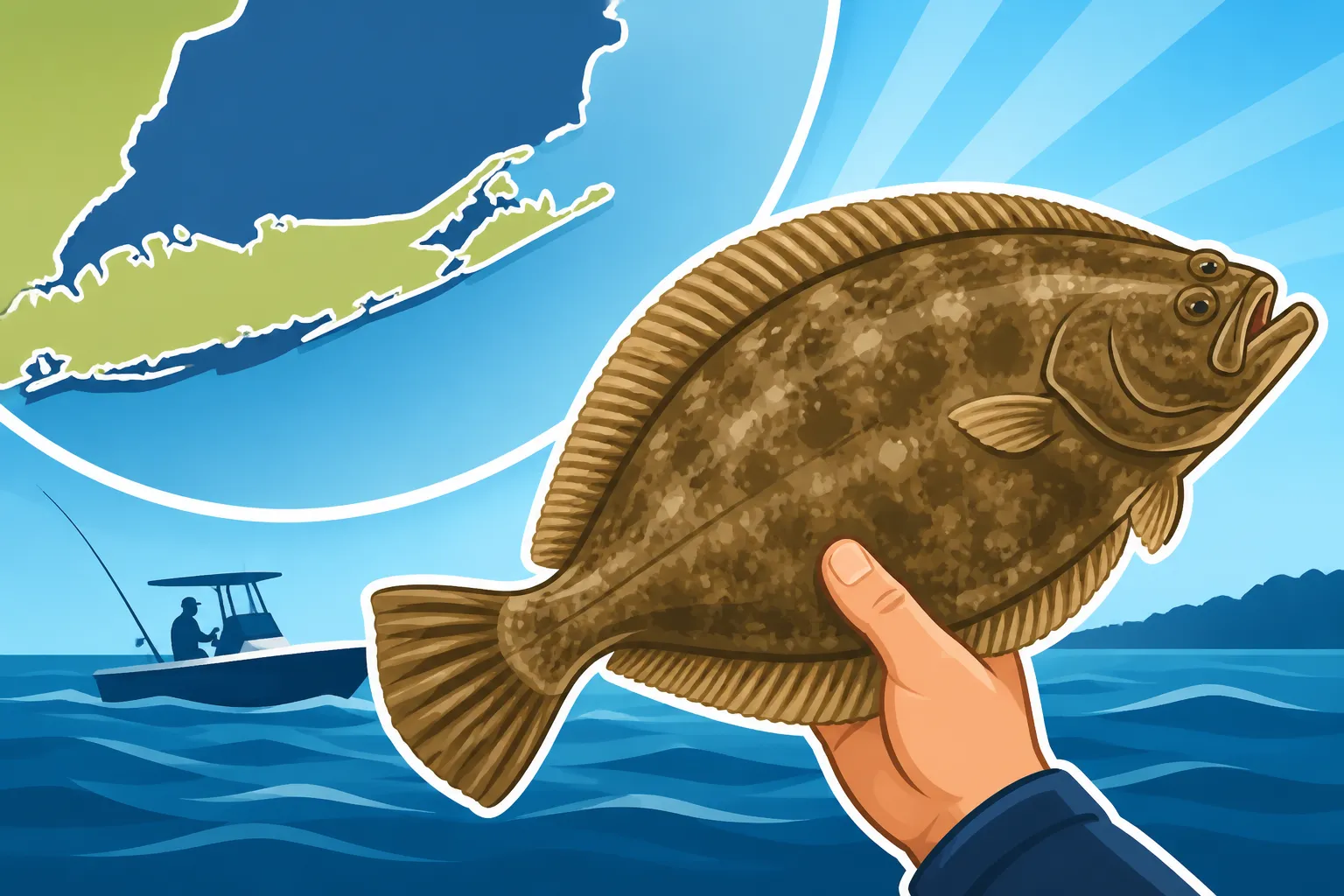
When we talk about fluke in New York, we're specifically referring to the summer flounder (Paralichthys dentatus). These fascinating fish are flatfish, meaning they're laterally compressed and lie on one side. What's truly remarkable is that they start life looking like a typical fish, with eyes on either side of their head. As they mature, one eye actually migrates over to the other side, allowing both eyes to sit on what becomes their "up-side." For fluke, both eyes end up on their left side. This adaptation is perfect for their bottom-dwelling, predatory lifestyle, where they bury themselves in the sand or mud, waiting for unsuspecting baitfish or crustaceans to swim by. They can rapidly change their coloration to blend in seamlessly with the seafloor, making them incredibly difficult to spot until they strike your lure. Understanding this camouflage means you need to present your bait right on the bottom, where they're typically hiding. Many anglers spend a lot of time learning Fluke in New York Waters and their unique characteristics.
Factors Influencing Fluke Size
The size of fluke you encounter on Long Island Sound can vary quite a bit, and several factors play a significant role in how big these fish grow. Think about it: just like us, fish need the right environment and plenty of food to thrive. Water temperature is a huge one; fluke prefer warmer waters, which is why they're "summer" flounder. As the water warms up in the late spring and summer, they become more active, feeding aggressively and putting on weight. The availability of baitfish, like spearing, bunker, and squid, is another critical component. Areas with abundant food sources tend to produce larger, healthier fluke.
Depth and bottom structure also influence size. Larger fluke often prefer slightly deeper water or areas with more complex structure, like rocky reefs, wrecks, or channels, where they can ambush bigger prey and feel more secure. Overfishing, unfortunately, can also impact average sizes over time, which is why regulations are so important. The genetic makeup of the population in a specific area, combined with their age, dictates their growth potential. A fluke might grow quickly in its first few years but then slow down as it ages, dedicating more energy to reproduction.
The "Average" Fluke: What to Expect on Long Island Sound
So, you're heading out to Long Island Sound, eager to feel that distinctive thump of a fluke bite. What can you realistically expect to put in your cooler, or at least measure up before releasing? The term "average" is tricky because it encompasses everything from tiny throwbacks to solid keepers. However, there's a definite range that most anglers encounter regularly.
Common Keeper Sizes
For many recreational anglers on Long Island Sound, a "common keeper" fluke typically falls into the 18 to 22-inch range. These are the fish that most frequently meet or exceed the legal minimum size limit, allowing you to take them home. They're respectable fish, offering a decent fight and providing a tasty meal. When you're drifting through productive areas, like around Gardiners Bay, Montauk, or the various rips and shoals of the Sound, this is the size class you'll likely be catching most often. You might catch many smaller fish before you hit a keeper, which is why patience is truly a virtue in fluke fishing.
The thrill of landing a common keeper is real, especially after a stretch of smaller fish. It's a testament to your technique and persistence. Anglers often discuss how to best target these sizes, looking at strategies for Fluke Fishing on Long Island Sound and Best Spots to Catch Fluke Near Montauk. It’s common for a good day of fishing to yield several fluke in this size bracket, making for a satisfying trip without necessarily breaking any records.
The Thrill of a Trophy Fluke
Ah, the "doormat"! This is the dream for any dedicated fluke angler. A trophy fluke on Long Island Sound is generally considered to be anything over 25 inches, with true giants pushing past 30 inches and weighing into the double digits. These are not everyday catches, and many experienced anglers go years, or even a lifetime, without landing one of the truly massive ones. The likelihood of catching one drastically decreases with each inch past the 20-inch mark, making them highly prized.
These larger fish are often found in specific conditions and locations. They tend to hang out in deeper pockets, around strong current breaks, or near significant underwater structure where they have access to larger baitfish and less competition. A trophy fluke doesn't just put up a great fight; it's a memorable experience that often involves heavier tackle and a bit of luck. The excitement of seeing that broad, flat profile come into view after a spirited battle is what keeps many of us coming back for more, year after year.
Here's a quick look at general fluke size expectations:
| Category | Typical Length Range (inches) | Typical Weight Range (pounds) | Encounter Frequency |
|---|---|---|---|
| Small/Juvenile | Under 16 | Under 1 | Very High |
| Common Keeper | 18 – 22 | 2 – 5 | High |
| Large Keeper | 23 – 26 | 6 – 9 | Moderate |
| Trophy/Doormat | 27+ | 10+ | Low |
Note: These are general ranges and can vary based on specific regulations, location, and yearly fish populations.
Practical Tips for Targeting Larger Fluke
While luck always plays a role in fishing, there are definitely things you can do to stack the odds in your favor when you're aiming for those bigger fluke. It often comes down to understanding their behavior, using the right gear, and knowing where they like to hide. Small adjustments to your approach can make a significant difference between a day of small fish and a shot at a real doormat.
Gear and Bait for Bigger Fluke
If you're serious about targeting trophy fluke, you need to think a little differently about your setup. Forget the light freshwater gear; we're talking about more robust tackle. A medium-heavy spinning or conventional rod, paired with a reel spooled with 20-30 lb braided line, is a good starting point. Braided line is crucial because it has almost no stretch, allowing you to feel the subtle bites of a fluke on the bottom, even in deep water or strong current. You'll want a sensitive rod tip but enough backbone to handle a powerful fish and heavy sinkers. When rigging up, consider using a high-quality fluorocarbon leader; its invisibility underwater can be a game-changer for wary fish, and you can find a good selection of quality leader material on Amazon.
When it comes to bait, bigger fluke often prefer bigger meals. While spearing and squid strips work well for common keepers, consider larger baits for doormats. Whole or half bunker, large strips of fresh mackerel, or even live snapper blues can be incredibly effective. Many successful anglers swear by pairing natural bait with artificial lures. A large bucktail jig, tipped with a generous strip of squid or a Gulp! Swimming Mullet, is a classic combination. The jig provides action and flash, while the bait adds scent and taste. Learning How to Rig a Fluke Fishing Rod specifically for these larger baits can also make a huge difference.
Prime Locations and Conditions
Finding those elusive trophy fluke is often about knowing where they prefer to hang out. They typically aren't in the same shallow, sandy flats as the smaller fish. Instead, look for deeper areas, especially where there's a strong current. Rips, channels, and the edges of underwater structure are prime real estate. Think about places like The Race, Plum Gut, or the deeper sections off Montauk Point. These areas offer strong currents that bring baitfish to them, and the structure provides excellent ambush points.
Current is key for fluke. They are ambush predators that face into the current, waiting for food to be swept past them. A strong drift allows you to cover more ground and present your bait naturally. Knowing Best Drift Speed for Fluke Fishing is paramount. Tidal changes are also critical; many experienced anglers find that the beginning or end of a strong current flow, when the tide starts to pick up or slow down, can be incredibly productive. Overcast days or periods of low light can sometimes trigger bigger fish to feed more aggressively, as they feel less exposed. Keep an eye on your local tide charts and weather forecasts to maximize your chances.
Regulations and Conservation in New York
It's tempting to focus solely on catching the biggest fish, but being a responsible angler means understanding and respecting the rules that are in place to protect our fisheries. Fluke populations can fluctuate, and adhering to regulations helps ensure that future generations can enjoy the same great fishing opportunities we do today.
New York's Fluke Size and Bag Limits
New York State has specific regulations regarding fluke, and these rules can change periodically, so it's always critical to check the current guidelines before you head out. Generally, there's a minimum size limit—meaning any fluke shorter than that specified length must be immediately released—and a daily bag limit, which dictates how many fish you can keep per person per day. These limits are set by the New York Department of Environmental Conservation (DEC) based on scientific data to manage fish populations sustainably.
Sometimes, different areas within New York, or even different types of fishing (like party boats versus private vessels), might have slightly varied rules. For instance, the regulations for fluke caught in the ocean off Long Island might differ from those caught further up Long Island Sound or in protected bays. Don't rely on old information or what your buddy told you last year; always check the official New York DEC website for the most up-to-date New York Fishing Regulations Explained. Understanding these regulations is not just about avoiding a fine; it's about being part of the solution for healthy fish stocks.
The Importance of Responsible Angling
Responsible angling goes beyond just following the rules; it's about practicing good ethics on the water. Catch and release is a huge part of this, especially for undersized fluke. When you land a fish that doesn't meet the legal minimum, handle it with care. Try to minimize its time out of the water, use wet hands when handling to protect its slime coat, and consider using de-hooking tools to remove hooks quickly and gently. Releasing these smaller fish ensures they can grow bigger and contribute to future spawning.
Think about the long-term health of the fishery. Those 14-inch fluke you catch today are the 20-inch keepers of tomorrow. Many anglers are also interested in Do I Need a Fishing License to Fish in New York? and it's essential to understand that without a valid fishing license or marine registry, you're not contributing to the conservation efforts funded by those fees. Being a good steward of our natural resources ensures that the joy of fluke fishing on Long Island Sound will continue for years to come.
Disclaimer
This article is for general informational purposes only and does not constitute professional advice. Laws, prices and regulations vary by location and change over time. Consult a qualified professional for guidance on your specific situation.