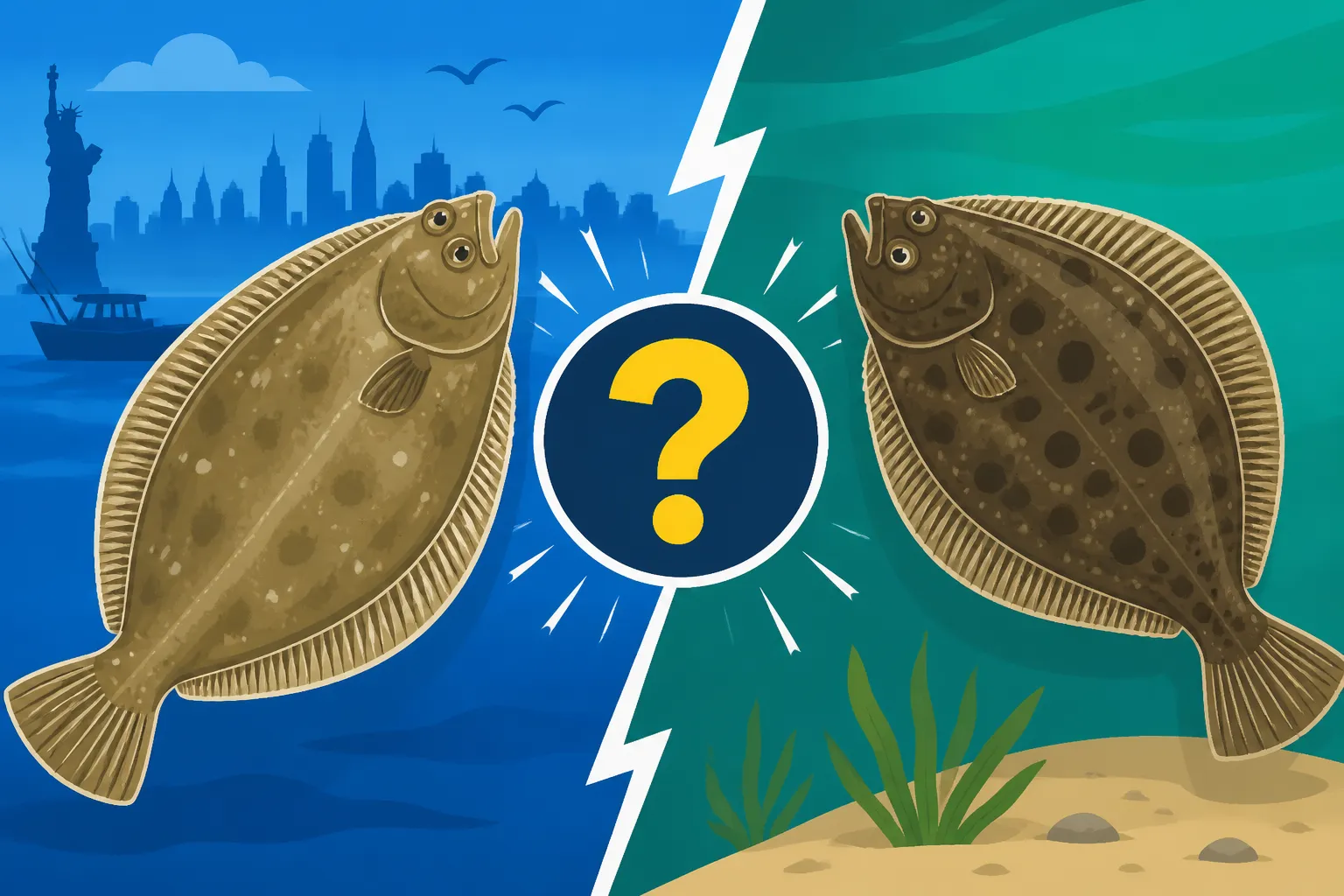
Is Fluke the Same as Flounder?
It's incredibly common for anglers, especially those just getting into saltwater fishing in New York, to get totally tripped up by the terms "fluke" and "flounder." You'll hear people use them interchangeably, or sometimes they'll seem to refer to totally different fish, and it can leave you scratching your head. This guide is here to clear up that confusion once and for all, diving deep into what these terms mean in the context of New York's fantastic fisheries.
Unpacking the Fluke vs. Flounder Confusion
Let's cut right to the chase: yes, for the most part, when people in New York are talking about "fluke," they are indeed talking about a specific type of flounder. It's like how a golden retriever is a type of dog, but you wouldn't necessarily call every dog a golden retriever. The confusing part is that the official common name for "fluke" is actually "summer flounder." See? Right there, the word "flounder" pops up again!
The "Summer Flounder" Name Game
This linguistic tango around "fluke" and "summer flounder" is honestly one of the most frustrating things for new anglers, and even some seasoned ones still mix it up. You'll be at the bait shop asking for tips, and one person will say, "The fluke are biting on squid!" while another nearby declares, "Flounder fishing has been great!" And you're left wondering if you need two different setups. Rest assured, they're often talking about the exact same fish.
The term "fluke" is deeply ingrained in the local fishing vernacular, especially along the coast of New York and throughout the Northeast. It's how generations of anglers have referred to Paralichthys dentatus, the flatfish species that migrates into our shallow bays and estuaries during the warmer months. The official "summer flounder" designation helps distinguish it from other members of the flounder family. It's all about precision in science, but in everyday conversation, "fluke" reigns supreme for this particular species. So, if you hear someone talking about fluke, know they are almost certainly referring to the summer flounder. It's a matter of regional tradition, and it can definitely make things feel a bit muddied when you're trying to learn the ropes.
The Broader Flounder Family
Now, here's where the "flounder" part of the equation truly becomes a general category. "Flounder" isn't just one fish; it's a blanket term for a whole family of flatfish. Imagine you say "bird." That could be a sparrow, an eagle, or a pigeon, right? "Flounder" is similar. In New York's waters, we have several other distinct species that fall under the general "flounder" umbrella, and they are not fluke.
For instance, there's the beloved winter flounder (Pseudopleuronectes americanus), often simply called "blackback" by old-timers. These fish prefer colder waters and are usually targeted in early spring or late fall. They have a different body shape, mouth structure, and eye placement than fluke. Then you have species like the windowpane flounder (Scophthalmus aquosus), which is typically much thinner and translucent, and not usually a target for anglers, though they do exist in our waters. There's also the hogchoker (Trinectes maculatus), a small, nearly circular flounder-like fish, often found in brackish waters, which is more of a curiosity than a sportfish. Understanding that "flounder" is a broad family name is the key to unlocking the confusion. When you hear "flounder," your next question should always be, "Which kind of flounder?" This immediately clears up a lot of the ambiguity.
Key Distinctions and Identification
Knowing that "fluke" is "summer flounder" is step one. Step two is learning how to tell them apart from other flounders, and even how to identify a fluke itself once it's on your line. These fish have some pretty distinctive characteristics if you know what to look for!
Left-Eyed vs. Right-Eyed Flounder
One of the most fascinating and scientifically useful ways to distinguish between different flatfish species, including various types of flounders, is by checking which side their eyes are on. It might sound strange, but it's a consistent biological trait!
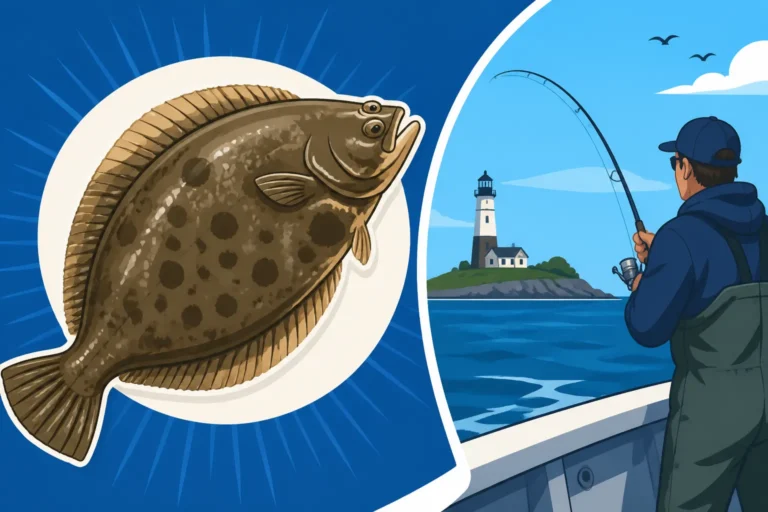
Fluke, or summer flounder, are what we call "left-eyed" flatfish. This means that if you hold the fish with its dark, pigmented (top) side facing you and its mouth pointed up, both of its eyes will be on the left side of its head. This is a crucial identifier that helps you quickly confirm you've got a summer flounder in hand, rather than a winter flounder or another species. Winter flounder, for example, are "right-eyed." They're mirror images in this regard. This isn't just a quirky fact; it's an adaptation related to their development and how they lay on the seabed, perfectly camouflaged. Getting into the habit of checking eye placement is a dead giveaway when you're trying to figure out if you've landed a fluke or something else. It takes a second, but it provides instant clarity.
Physical Characteristics of Fluke (Summer Flounder)
Beyond the left-eyed trait, fluke have several other noticeable features that help identify them. They are masters of camouflage, and their appearance can vary slightly depending on their immediate surroundings.
- Shape and Size: Fluke have a diamond or kite-like shape, often broader near the middle and tapering towards the tail. They can grow to impressive sizes in New York waters, with trophy fish exceeding 10 pounds not uncommon. Their bodies are relatively thin, perfect for hugging the bottom.
- Coloration: Their top side (occular side) is typically olive-brown, grayish, or sandy, often speckled with darker spots and usually 5-14 distinct, dark, ocellated (ring-like) spots, though these can sometimes be faint or blend in. The underside (blind side) is pure white.
- Mouth and Teeth: This is a big one! Fluke have a relatively large mouth armed with sharp, needle-like teeth. They are ambush predators, and these teeth are perfectly designed for grabbing and holding onto prey like baitfish. If you catch one, be mindful when removing the hook – those teeth are no joke! This is a stark contrast to the smaller, less aggressive mouths of many other flounder species, like the winter flounder, which primarily feed on worms and small crustaceans.
- Texture: Their skin is generally smooth on the blind side and slightly rougher on the ocular side, with small, embedded scales.
These characteristics collectively paint a clear picture of the summer flounder. When you're fishing Fluke in New York Waters, knowing these identification points will help you confidently identify your catch and ensure you're adhering to specific regulations.
Habitat and Behavior Differences
Understanding where different flounder species prefer to live and how they behave is just as important as knowing what they look like. This knowledge helps you target the right fish and avoid confusion.
Fluke (summer flounder) are, true to their "summer" moniker, lovers of warmer waters. As temperatures rise in late spring and early summer, they migrate from deeper offshore waters into New York's shallower bays, estuaries, and along the coastline. They prefer sandy or muddy bottoms, where they can lie perfectly camouflaged, waiting to ambush unsuspecting baitfish, squid, and crustaceans. Their predatory nature means they're often found near structure, drop-offs, or current seams where bait congregates. They are highly active hunters, not content to simply sift through the mud for worms.
In contrast, other flounder species like the winter flounder have different preferences. Winter flounder, as their name suggests, thrive in colder water. They move into shallower, protected bays and estuaries during the cooler months (late fall, winter, early spring) for spawning and feeding. They prefer soft, muddy bottoms and are less aggressive predators, often feeding on polychaete worms, small clams, and crustaceans they find buried in the sediment. Their smaller mouths reflect this different diet. So, if you're out fishing in January and catch a flatfish, it's highly unlikely to be a fluke; it's almost certainly a winter flounder. Conversely, reeling in a flatfish in July in Long Island Sound means you've probably got a fluke on your line. These habitat and seasonal differences are key indicators.
Fishing for Fluke (Summer Flounder) in New York
If you're eager to target these toothy flatfish, New York offers some incredible opportunities. Knowing when and where to go, along with the right techniques, can significantly increase your chances of a successful outing.
Prime Seasons and Locations
Fluke fishing in New York truly shines during the warmer months, generally from late spring through early fall. This is when the summer flounder have moved into our shallower coastal waters, bays, and estuaries to feed aggressively.
- Season: While exact dates can vary slightly year to year based on water temperatures, the season typically kicks off strong in May and can run well into September or even early October. The peak action often happens in July and August when the water is warmest and baitfish are abundant.
- Where to Find Them:
- Long Island Sound and Bays: Areas like Peconic Bay, Shinnecock Bay, and the various harbors and inlets along Long Island are fantastic spots. The warmer, shallower waters with sandy or muddy bottoms are ideal. Many anglers find success drifting channels and near mussel beds. You can find some of the Best Fishing Spots on Long Island Sound for fluke during the summer.
- Ocean Beaches and Inlets: As the season progresses, larger fluke can often be found just off ocean beaches, especially near inlets where currents create natural ambush points. Boat anglers will target them on offshore reefs and wrecks.
- Hudson River Estuary: While primarily known for striped bass, the lower Hudson River estuary can also hold good numbers of fluke during their migration.
- Near Structure: Look for them around bridges, docks, jetties, and any underwater structure that creates current breaks or holds bait. Drop-offs, where shallow water meets deeper channels, are also prime real estate for these ambush predators.
Remember that fluke are constantly on the move, following bait and temperature shifts, so staying flexible and paying attention to local fishing reports can really pay off.
Effective Techniques and Baits
Fluke are aggressive feeders, and there are a few tried-and-true methods that consistently put them in the cooler. The key is to present your bait or lure in a way that mimics their natural prey.
- Drift Fishing: This is arguably the most popular and effective method. You allow your boat to drift with the tide or wind over sandy or muddy bottoms, presenting your bait or jig along the bottom. This covers a lot of ground and increases your chances of encountering fish.
- Bottom Rigs: A classic fluke rig consists of a sinker (often a bank sinker or pyramid sinker) on the bottom, with one or two snelled hooks (often called "teasers") tied above it on dropper loops. These teasers are typically adorned with colored beads or small skirts to add attraction.
- Jigging: Bucktail jigs are incredibly effective. You can tip them with bait (more on that in a moment) and bounce them along the bottom. The jig provides action, while the bait adds scent and taste. Jig weights should be chosen to maintain bottom contact without snagging excessively, adjusting for current and depth.
- Baits: Fluke are not picky and will hit a wide variety of offerings.
- Squid: Strips of fresh squid are perhaps the most universally effective fluke bait. They're tough, stay on the hook well, and have a natural scent.
- Minnows/Spearing: Live or fresh kill minnows (like spearing or killifish) are fantastic, especially when fished on a bucktail jig or a teaser hook. The natural profile and movement are irresistible.
- Gulp! Baits: These scented soft plastics are incredibly popular and effective. They come in various shapes and sizes, mimicking squid, minnows, and shrimp. The 4-inch swimming mullet or grub patterns are often go-to choices. Many anglers will pair a Gulp! bait with a bucktail jig or on a teaser hook above a baited hook. You can often find a great selection of these on Amazon to stock up before your next trip.
- Presentation: Keep your bait moving! Fluke respond well to baits that are jigged, lifted, and dropped, mimicking injured prey. Maintain contact with the bottom, but don't just drag your rig. Give it some action.
Using these techniques and baits, you'll be well-equipped to target the elusive, yet abundant, summer flounder in New York's beautiful waters.
Regulations and Conservation
Understanding the rules and practicing responsible angling are paramount to ensuring healthy fish populations for future generations. When it comes to fluke and other flounder species, New York has specific regulations in place.
Navigating New York's Flounder Regulations
This is where the distinction between "fluke" (summer flounder) and other "flounder" species becomes critically important. The New York State Department of Environmental Conservation (DEC) sets distinct regulations for different fish species, and they do not treat all flounders the same.
- Species-Specific Rules: You absolutely cannot assume that the rules for winter flounder apply to summer flounder, or vice-versa. Each species will have its own specific season, minimum size limit, and daily creel (bag) limit. For example, the season for fluke (summer flounder) is typically during the warmer months, while winter flounder might have a much shorter or earlier season. Similarly, the minimum length for a legal fluke might be significantly different from that of a legal winter flounder.
- Dynamic Regulations: It's crucial to understand that these regulations are not static. They can, and often do, change year to year based on stock assessments, conservation efforts, and interstate management plans (especially for migratory species like fluke). Before every fishing trip, you should consult the most current New York DEC fishing regulations guide. This can usually be found on the DEC's website, at bait and tackle shops, or by looking up New York Fishing Regulations Explained. Never rely on old information or hearsay.
- Recreational Marine Fishing Registry: For saltwater species like fluke, anglers are often required to register with the New York State Recreational Marine Fishing Registry. This is typically free for New York residents and helps the state monitor fishing effort and collect data vital for managing fish stocks. Make sure you're up to date on your registration before heading out.
Ignoring or misunderstanding these regulations can lead to fines and penalties, so take the time to learn them. It's part of being a responsible angler.
Sustainable Fishing Practices
Beyond just following the rules, truly being a good steward of our fisheries means adopting sustainable fishing practices. This ensures that the joy of catching fluke can be shared by anglers for years to come.
- Catch-and-Release: Many anglers enjoy the thrill of the fight, even if they don't plan to keep every fish. For undersized fluke or fish you simply don't need, practice proper catch-and-release techniques.
- Minimize handling: Try to keep the fish in the water as much as possible.
- Use appropriate tackle: Avoid overly light gear that prolongs the fight and exhausts the fish.
- De-hook gently: Use a de-hooking tool if necessary, especially with those sharp fluke teeth.
- Revive if needed: Hold the fish gently in the water, facing into the current, until it regains strength and swims away on its own.
- Respect Bag Limits: Even if you're having an incredible day and the fish are biting, stick to the daily bag limit. These limits are put in place for a reason – to prevent overfishing and maintain healthy populations. Taking only what you need is a sign of respect for the resource.
- Minimize Waste: If you do keep fish, make sure you properly clean and utilize all the edible portions. Avoid wasteful practices.
- Report Violations: If you witness someone violating fishing regulations, such as keeping undersized fish or exceeding bag limits, report it to the DEC. This helps protect the resource for everyone.
By embracing these practices, you're not just fishing; you're contributing to the health and longevity of New York's incredible marine ecosystem.
Fluke (Summer Flounder) vs. Other Flounder at a Glance
To summarize the key differences and help you identify your catch, here's a quick comparison of Fluke (Summer Flounder) and the common Winter Flounder you might encounter in New York.
| Feature | Fluke (Summer Flounder) | Winter Flounder (Blackback) |
|---|---|---|
| Eye Placement | Left-eyed (eyes on left side when mouth points up) | Right-eyed (eyes on right side when mouth points up) |
| Mouth & Teeth | Large mouth with sharp, needle-like teeth | Small mouth with blunt teeth |
| Body Shape | Diamond or kite-shaped, broad body | Oval or rounder shape, generally thicker body |
| Coloration | Olive-brown/sandy, usually with distinct dark spots | Dark olive-brown or mottled, no distinct spots |
| Preferred Habitat | Warm water, sandy/muddy bottoms, estuaries, coastal | Cold water, muddy/silty bottoms, shallow bays |
| Primary Diet | Baitfish, squid, crustaceans (ambush predator) | Worms, small crustaceans, mollusks (bottom feeder) |
| Peak Season | Late Spring to early Fall (Summer) | Early Spring to late Fall (Cooler months) |
This table should serve as a handy reference the next time you're wondering, "Is that a fluke or just a flounder?" Happy fishing, and remember to always check the latest regulations!
Disclaimer
This article is for general informational purposes only and does not constitute professional advice. Laws, prices and regulations vary by location and change over time. Consult a qualified professional for guidance on your specific situation.