Best Fishing Spots on Long Island Sound
For anglers venturing into the vast, tidal waters of Long Island Sound, the sheer scale can be overwhelming, making it tough to pinpoint those truly productive fishing spots. It’s a common frustration to spend hours searching or casting without a bite, wondering if you’re even in the right place. This guide is here to cut through that confusion, offering a comprehensive look at the best fishing locations on Long Island Sound, helping you land more fish and enjoy your time on the water.
Unlocking the Potential of Long Island Sound Fishing
Long Island Sound isn't just a large body of saltwater; it's a dynamic estuary teeming with a diverse array of fish species that migrate, feed, and spawn throughout its waters. From the bustling harbors of Western Long Island to the expansive, less developed eastern reaches, each section offers unique opportunities for both shore-bound and boat anglers. Understanding the diverse habitats—rocky reefs, sandy flats, deep channels, and sprawling eelgrass beds—is key to successful fishing here. This rich ecosystem supports everything from hard-fighting game fish to delicious table fare, making it a perennial favorite for New York anglers. For a deeper dive into the region's offerings, check out our comprehensive guide on Long Island Sound Fishing in New York: A Complete Guide.
Why Long Island Sound is a Premier Fishing Destination
The beauty of Long Island Sound lies in its incredible biodiversity and accessibility. It's close enough to major population centers to be a convenient escape, yet vast enough to offer a true wilderness experience. The mixing of freshwater from numerous rivers and saltwater from the Atlantic Ocean creates a nutrient-rich environment that attracts baitfish, which in turn draw in predatory species. This constant influx of food and varying water depths means that no matter the season, there’s usually something biting if you know where to look.
Anglers often get frustrated trying to crack the code, bouncing from one spot to another without understanding the underlying patterns. The truth is, the Sound’s productivity isn't random. It’s driven by tides, structure, and bait presence. Knowing these factors can transform a frustrating day into a memorable one. Whether you're chasing migrating striped bass in the spring or targeting bottom fish in the fall, the Sound offers a unique blend of challenge and reward that keeps fishermen coming back season after season.
Key Factors Influencing Fishing Success
To truly excel on Long Island Sound, you need to think like a fish. What are they looking for? Shelter, food, and optimal water conditions. This means paying attention to several critical factors. Structure, such as rocky reefs, wrecks, and mussel beds, provides both ambush points and protection. Tidal currents concentrate baitfish and carry nutrients, so understanding the ebb and flow is paramount. The presence of bait—menhaden (bunker), spearing, anchovies, or squid—is often the biggest indicator of where predatory fish will be.
Moreover, the time of day and year play a huge role. Early morning and late evening often provide the best bites for many species, especially during the warmer months when fish seek cooler water and lower light conditions. Seasonal migrations dictate which species are present and where. For instance, the spring run of striped bass often sees these powerful fish congregating in river mouths and shallow bays before spreading out into the main body of the Sound. Keeping an eye on baitfish movements and water temperatures, often reported by local bait shops or fishing forums, can give you a significant advantage.
Top Shore Fishing Hotspots on Long Island Sound
For many anglers, especially those just starting out or looking for a quick trip, shore fishing on Long Island Sound is a fantastic option. You don't need a boat, and many prime spots are publicly accessible. These locations offer diverse opportunities, from calm bay waters to more exposed rocky points, each attracting different species at different times. If you're specifically looking for more shore-based intel, our guide to Best Shore Fishing Spots on Long Island, New York provides additional insights.
Fishing Piers and Public Beaches
Long Island Sound boasts numerous fishing piers and public beaches that offer excellent access to productive waters. These spots are often great for family outings or for anglers who prefer to keep their feet on solid ground.
- Orient Beach State Park (Orient Point): Located on the very eastern tip of the North Fork, Orient Beach State Park offers unique access to the mouth of Peconic Bay and Long Island Sound. The currents here are strong, which attracts large striped bass and bluefish, especially during the spring and fall migrations. Anglers can cast from the beach or a small pier. It's a fantastic spot for soaking bait (like clams or bunker) or casting heavier lures. The water gets deep quickly, making it accessible even at low tide. The biggest challenge here can be the current, so heavier tackle is often required.
- Sunken Meadow State Park (Kings Park): Situated on the North Shore of Suffolk County, Sunken Meadow provides a long boardwalk and sandy beaches that are popular for fishing. It’s well-known for bluefish and striped bass, particularly in the spring and fall. Many anglers target porgies and fluke here during the summer months. It's a good place for both bait fishing (worms, squid, clam) and lure casting (spoons, poppers). The park offers ample parking and facilities, making it a comfortable spot for a day of fishing.
- Port Jefferson Harbor (Port Jefferson): While primarily a ferry terminal, the surrounding areas of Port Jefferson Harbor offer surprisingly good shore fishing opportunities. The docks and jetties within the harbor can yield porgies, snapper blues, and even some striped bass. It’s a more urban fishing experience but offers convenient access to deeper water and structure. During the warmer months, schools of baitfish often congregate here, attracting predators. It's a great spot for light tackle and bottom fishing.
Rocky Outcroppings and Tidal Flats
Beyond the sandy beaches, Long Island Sound's rocky outcroppings and expansive tidal flats provide different challenges and rewards for the dedicated shore angler.
- Caumsett State Historic Park Preserve (Lloyd Harbor): This stunning preserve on the North Shore features miles of undeveloped coastline, including rocky points and secluded coves. It's a prime location for those willing to walk a bit to find unpressured water. Striped bass and bluefish are common targets, especially at dawn and dusk. The varied bottom structure here, with rocks giving way to sandy patches, creates ideal ambush points for predatory fish. Fly fishing can also be very productive in the shallower areas, particularly during strong tidal movements. The isolated nature of Caumsett makes it feel like a true escape.
- Eatons Neck Point (Northport): Located near the entrance to Northport Bay, Eatons Neck Point is a rugged, rocky area that experiences strong currents. This is a classic spot for targeting trophy striped bass and aggressive bluefish. The deep water and rips created by the currents are irresistible to larger game fish. Anglers often employ heavy surf rods here, casting large plugs, metal lures, or chunks of bait. Access can be a bit challenging, often requiring a hike, but the rewards can be substantial. Just be mindful of private property signs and local parking regulations.
- Flax Pond Marine Park (Old Field): While smaller than some other locations, Flax Pond offers excellent access to a tidal pond connected to the Sound, as well as a rocky shoreline. It’s a great spot for targeting smaller striped bass and bluefish, as well as a variety of panfish. The diverse habitat, including marsh grasses and rocky areas, provides shelter and food for many species. It's particularly good for bait fishing with sandworms or small jigs.
Prime Boating and Charter Locations on Long Island Sound
For those with access to a boat, or who prefer the expertise of a professional, Long Island Sound truly opens up. The ability to reach deeper waters, structure, and offshore reefs provides opportunities for a wider variety of species and often larger fish.
Major Harbors and Launch Points
Strategic launch points are crucial for a productive day on the Sound. These harbors provide easy access to different fishing grounds.
- Port Washington (Manhasset Bay): Located on the western end of the Sound, Port Washington offers excellent access to Manhasset Bay and the surrounding waters. This area is known for its consistent porgy (scup) fishing during the summer, along with fluke, bluefish, and striped bass. The bay itself has many sheltered coves and structure, while the main channel leading out to the Sound can be very productive for migratory species. Many local guides operate out of this area, making it a convenient base for charter trips. You might consider booking a trip through platforms like FishingBooker to explore these waters with a local expert.
- Oyster Bay (Oyster Bay Harbor): Another fantastic western Sound location, Oyster Bay Harbor and its approaches are renowned for excellent striped bass and bluefish action, especially around the numerous mussel beds and rocky reefs. Fluke are also a popular target here. The harbor is protected, offering calm waters even on choppier days, while the entrance and surrounding areas provide more dynamic fishing. It's a beautiful area to boat and fish, with plenty of amenities for boaters.
- Mattituck Inlet (Mattituck): Moving eastward on the North Fork, Mattituck Inlet is a gateway to some superb fishing spots. This area is famous for its fluke fishing, with many anglers drifting the inlet and nearby rips. Striped bass and bluefish also pass through in strong numbers during their seasonal migrations. The deeper channels and varying bottom contour outside the inlet make it a versatile spot for different techniques. It's a bustling hub during the fishing season, with several marinas and bait shops.
Offshore Reefs and Underwater Structure
Venturing further into the Sound allows access to prime underwater structures that hold larger, more concentrated schools of fish.
- Hempstead Reef (near Port Jefferson): This well-known artificial reef system is a magnet for a wide array of species. It's a complex of varied bottom structures, including concrete, rock, and old barges, creating an ideal habitat for bottom dwellers and their predators. Anglers frequently target blackfish (tautog) here in the spring and fall, as well as sea bass, porgies, and sometimes cod. During summer, large schools of bluefish and striped bass patrol the reef edges. The sheer amount of structure means there's always something to explore, but it also means snagging can be common.
- Rocky Outcroppings of the Thimbles (near Stony Brook): While technically a series of small islands and rocks off the Connecticut shore, the waters around the Thimbles are easily accessible from many Long Island ports and are incredibly productive. The strong currents and exposed rocky habitat are perfect for holding large striped bass and bluefish, especially during feeding frenzies. Fluke and blackfish can also be found in the calmer, deeper pockets. Anglers often drift live bait (e.g., eels or bunker) or cast large topwater plugs and poppers into the rips.
- Eastern Long Island Sound Rips (The Race, Plum Gut, Gutters): For the serious offshore angler, the powerful tidal rips at the eastern end of Long Island Sound—The Race, Plum Gut, and the Sluiceway (often called "The Gutters")—are legendary. These areas are characterized by extremely strong currents, deep water, and significant turbulence, creating a feeding paradise for massive striped bass, bluefish, and even false albacore in late summer and fall. Trolling large spoons and plugs, or jigging with heavy diamond jigs, are common and effective techniques here. These spots are not for the faint of heart, requiring experienced boat handling and heavy-duty tackle, but they offer the chance at truly trophy-sized fish. Many Long Island Fishing Charters specialize in these challenging but rewarding waters.
Targeting Key Species and Essential Techniques
Long Island Sound offers a thrilling challenge for anglers targeting specific species. Knowing what fish are likely to be present at certain times and using the right techniques can dramatically increase your success. It’s not just about being in the right place, but also about presenting the right offering.
Striped Bass and Bluefish
These two predatory species are the kings of Long Island Sound, offering exhilarating battles and strong runs. Their seasonal migrations are highly anticipated by local anglers.
- Striped Bass Fishing: Striped bass are present in the Sound from early spring through late fall. In spring, they follow baitfish into shallower waters and river mouths, feeding heavily after their long migration. This is a prime time for casting soft plastics, lipless crankbaits, or even live herring. As the water warms, they move to deeper channels, rocky reefs, and current rips. Here, trolling Mojos, bunker spoons, or wire-line fishing with tubes can be incredibly effective. Night fishing with eels or large plugs along rocky shorelines is also a deadly tactic for trophy-sized fish. For more on this, check out our guide on Striped Bass Fishing on Long Island Sound, New York. Remember to check the New York Fishing Regulations Explained for current size and bag limits.
- Bluefish Action: Bluefish often arrive shortly after stripers in the spring and stay throughout the summer and into the fall. These aggressive feeders are famous for their vicious strikes and strong fights. They’ll hit almost anything, making them a fantastic target for anglers of all skill levels. Casting metal lures (like spoons or Got-Cha plugs), topwater poppers, or chunks of cut bait (bunker is a favorite, see Best Bait for Striped Bass, which also applies to bluefish) are highly effective. When you find a bluefish blitz (a feeding frenzy where fish are chopping bait on the surface), it's an unforgettable experience. Be mindful of their sharp teeth – a pair of pliers and a de-hooker are essential! Our guide on Bluefish Fishing on Long Island Sound, New York has more tips.
Fluke and Porgies
When the summer heats up, fluke and porgies become highly sought-after targets, offering delicious fillets and steady action.
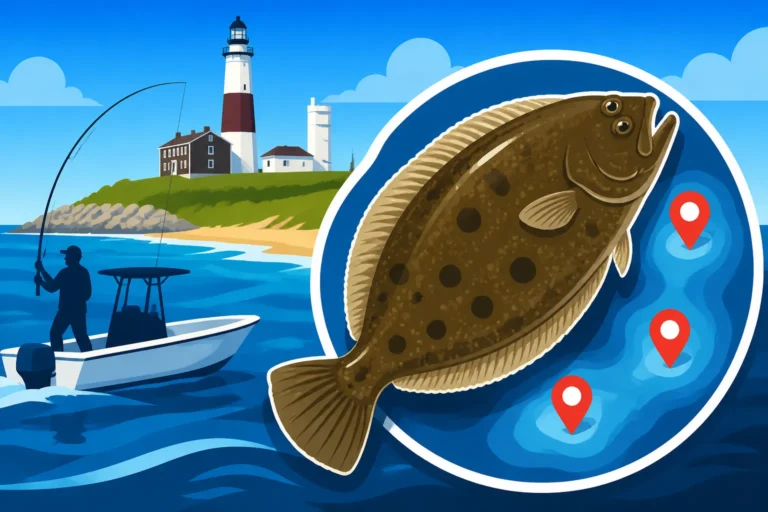
- Fluke (Summer Flounder) Tactics: Fluke are bottom dwellers that prefer sandy or muddy bottoms, often near structure or current. They are typically found in the Sound from late spring through early fall. The most common and effective technique is drift fishing with a bucktail jig tipped with a Berkley Gulp! or a strip of squid/spearing. Vary your drift speed and depth until you find where they are holding. Many anglers will use a two-hook rig with a sinker on the bottom, allowing the bait to bounce along the seabed. Good spots include the sand flats around the harbors and the mouths of inlets. To learn more about targeting these flatfish, read our guide on Fluke Fishing on Long Island Sound.
- Porgies (Scup) for Fun and Food: Porgies are abundant in Long Island Sound throughout the warmer months and are a fantastic species for consistent action, especially for kids or beginners. They school up over rocky bottoms, mussel beds, and around piers and jetties. They are not picky eaters; a simple bottom rig with a small hook baited with clam, sandworms, or squid will often result in a steady bite. Porgies have surprisingly strong pulls for their size and make excellent table fare. Look for them in areas like Manhasset Bay or near the Hempstead Reef.
Tautog (Blackfish) and Sea Bass
These are prized bottom fish, known for their powerful fights and delectable meat, primarily targeted during cooler water temperatures.
- Tautog (Blackfish) Strategies: Tautog are a winter and spring specialty, found around rocky structures, wrecks, and mussel beds. They are notoriously strong fighters and require specific bait and techniques. Green crabs and fiddler crabs are the absolute best baits, presented on a stout hook with a snell rig. It’s a patience game, waiting for their subtle bite, but once hooked, they pull hard into the structure. You’ll need heavy tackle to get them out. For an in-depth look at these tenacious fish, check out our article on Tautog (Blackfish) in New York.
- Sea Bass Opportunities: Black sea bass are another excellent bottom-dwelling species found around similar structures as tautog. They are targeted in spring and fall, often overlapping with fluke and porgy seasons. Jigging with small metal jigs or bucktails, or using bait rigs with squid, clam, or strips of fish, are effective methods. They are aggressive eaters and provide excellent sport and table quality.
Planning Your Long Island Sound Fishing Adventure
A successful fishing trip isn't just about knowing where the fish are; it's about being prepared. From understanding regulations to choosing the right gear, a little planning goes a long way.
Essential Gear and Bait for Long Island Sound
Having the right equipment can make all the difference between a productive and a frustrating day on the water.
- Rods and Reels: For most Long Island Sound fishing, a medium-heavy spinning rod (7-8 feet) paired with a 4000-6000 size reel spooled with 20-30 lb braided line is a versatile setup. This will handle most striped bass, bluefish, fluke, and porgies. For heavier tackle, especially when targeting larger fish in strong currents or for blackfish, a conventional setup with a stout rod and a reel capable of holding 40-50 lb braid or monofilament might be necessary.
- Lures and Baits: Stock up on a variety. For stripers and blues, keep an assortment of topwater poppers, swimming plugs (like the venerable SP Minnow), metal spoons (such as Kastmasters or Avas), and soft plastics (like those from Zoom or Tsunami). For bottom fishing, bucktail jigs, Gulp! artificial baits, and a good supply of sinkers are crucial. Natural baits like fresh clams, sandworms, bunker (menhaden), spearing, and squid are essential, especially for fluke, porgies, and blackfish.
- Safety Gear and Comfort: Don't forget essentials like a good pair of pliers (for de-hooking toothy fish), a fishing net, a cooler with ice, sunscreen, polarized sunglasses, and appropriate clothing. If you're on a boat, ensure all required safety gear, including life jackets, is on board. For a full checklist, consider our guide on What to Bring on a Long Island, New York Fishing Charter.
Navigating Licenses and Regulations
Before you even make your first cast, you need to be legal. New York State has specific requirements for saltwater fishing.
- Saltwater Registry: In New York, most recreational marine anglers need to register with the New York State Department of Environmental Conservation (DEC) for the Marine Recreational Fishing Registry. The good news? It's typically free for residents and non-residents. This helps the state collect vital data on fishing effort and catches. You can register online, usually quickly and easily. Learn more in our New York Saltwater Fishing Registration Guide.
- Understanding Catch Limits and Seasons: Regulations for size limits, bag limits, and open/closed seasons vary by species and can change year to year. It is your responsibility to know the current rules. Always consult the latest NYS DEC marine fishing regulations guide before heading out. Ignorance of the law is not an excuse, and penalties for violations can be steep. These details are frequently updated, so always double-check. Our article on New York Fishing Regulations Explained offers further clarity.
Hiring a Fishing Charter or Guide
If you're new to Long Island Sound, visiting from out of town, or simply want to maximize your chances of success and learn from a pro, hiring a fishing charter or guide is an excellent investment.
- Benefits of a Charter: A local captain brings years of experience, specialized knowledge of hot spots, current patterns, and effective techniques. They also provide all the necessary gear, bait, and often even handle the fish cleaning. This means you can focus entirely on the fishing experience. It’s a fantastic way to learn the nuances of Long Island Sound fishing without the upfront investment in a boat or specialized equipment.
- Finding Reputable Guides: Word-of-mouth is always great, but online platforms can also be incredibly helpful. Websites like FishingBooker allow you to browse numerous local charters, read reviews from other anglers, compare prices, and book directly. They often list what species each charter specializes in and what equipment is provided. When choosing, look for captains with strong track records, good communication, and a focus on safety. Don't be afraid to ask questions about their experience and what a typical trip entails.
Best Fishing Spots on Long Island Sound: A Quick Reference
To help you get started, here's a summarized look at some of the top spots discussed:
| Fishing Spot | Location (General) | Primary Target Species | Best Time to Fish | Accessibility | Notes |
|---|---|---|---|---|---|
| Shore Fishing | |||||
| Orient Beach State Park | Eastern North Fork | Striped Bass, Bluefish | Spring, Fall | Beach, Small Pier | Strong currents, deeper water access. |
| Sunken Meadow State Park | North Shore Suffolk Co. | Bluefish, Striped Bass, Porgies, Fluke | Spring, Summer, Fall | Beach, Boardwalk | Family-friendly, good facilities. |
| Port Jefferson Harbor | North Shore Suffolk Co. | Porgies, Snapper Blues, Striped Bass | Summer | Docks, Jetties | Urban setting, light tackle, bottom fishing. |
| Caumsett State Historic Park | Lloyd Harbor | Striped Bass, Bluefish | Spring, Fall | Rocky Shoreline | Secluded, requires walking, good for fly fishing. |
| Eatons Neck Point | Northport | Striped Bass, Bluefish | Spring, Fall | Rocky Outcropping | Trophy fish potential, strong currents. |
| Boat/Charter Fishing | |||||
| Port Washington (Manhasset Bay) | Western LI Sound | Porgies, Fluke, Striped Bass, Bluefish | Summer, Fall | Boat Launch, Charters | Diverse fishing, sheltered water. |
| Oyster Bay (Oyster Bay Harbor) | Western LI Sound | Striped Bass, Bluefish, Fluke | Spring, Summer, Fall | Boat Launch, Charters | Productive around mussel beds and reefs. |
| Mattituck Inlet | Central North Fork | Fluke, Striped Bass, Bluefish | Summer, Fall | Boat Launch, Charters | Famous for fluke, strong inlet currents. |
| Hempstead Reef | Off Port Jefferson | Blackfish, Sea Bass, Porgies, Striped Bass | Spring, Fall | Boat, Charter | Artificial reef, diverse bottom fish. |
| Eastern LI Sound Rips (The Race) | Easternmost Sound | Trophy Striped Bass, Bluefish, False Albacore | Summer, Fall | Boat, Charter | Extreme currents, challenging but rewarding. |
Final Thoughts on Fishing Long Island Sound
Long Island Sound truly offers something for every angler, from the casual shore caster to the hardcore offshore enthusiast. Its diverse habitats and rich fishery ensure that with a bit of planning and the right approach, you can have incredibly rewarding experiences. Whether you're chasing the thrill of a striped bass blitz or enjoying a peaceful afternoon catching porgies, the Sound delivers. Don't forget to register for your New York Saltwater Fishing Registration Guide and always stay updated on current regulations. Tight lines!
Disclaimer
Fishing conditions and regulations in New York are subject to change. Always consult the official New York State Department of Environmental Conservation (DEC) website or local authorities for the most current information regarding fishing licenses, seasons, size limits, and bag limits before heading out. Fishing involves inherent risks; please prioritize safety on the water.