Tautog (Blackfish) in New York
If you've ever cast a line into the rocky, structure-rich waters off New York's coast, you've likely heard whispers of the "blackfish" – a notoriously challenging yet incredibly rewarding species to pursue: the tautog. These hard-fighting fish are a true test of an angler's patience and skill, and figuring out their subtle bite and preferred haunts can feel like trying to solve a cryptic puzzle. This comprehensive guide is here to demystify the tautog in New York, giving you a deep dive into their fascinating biology, the specific habitats they favor, what's on their menu, and the crucial regulations you need to know, all to help you conquer this elusive species and enjoy a more successful day on the water.
Understanding Tautog: New York's Elusive "Blackfish"
Tautog, or Tautoga onitis, are one of the most distinctive and sought-after game fish in New York's marine environment. They aren't flashy like striped bass or acrobatic like false albacore, but what they lack in aerial displays, they more than make up for in sheer stubbornness and powerful, bulldogging fights. Their presence often signals healthy, complex underwater ecosystems, as they thrive where there's plenty of structure.
Anglers often develop a love-hate relationship with tautog. On one hand, they can be incredibly frustrating, delivering barely perceptible "taps" that are almost impossible to detect if you're not fully dialed in. On the other hand, the reward for deciphering their bite and successfully hooking one is immense, followed by a vigorous battle that often ends with a fish of impressive size. Learning about them is the first step in turning frustration into triumph.
What Exactly is a Tautog?
Tautog are members of the wrasse family, a group of fish known for their thick lips and strong teeth, which are perfectly adapted for crushing the shells of their prey. These fish are relatively slow-growing and long-lived, which is why proper management through fishing regulations is so vital. They are predominantly found in the Western Atlantic, ranging from Nova Scotia down to South Carolina, with New York's waters being a prime location for them.
Unlike many pelagic species that roam open waters, tautog are highly site-specific. They develop strong homing instincts, often returning to the same wrecks, rock piles, or reefs year after year. This makes understanding their habitat preferences even more crucial, as finding the right structure is often half the battle when targeting these fish. Their survival depends on these structures, which provide both shelter and a bountiful food source.
Physical Characteristics and Identification
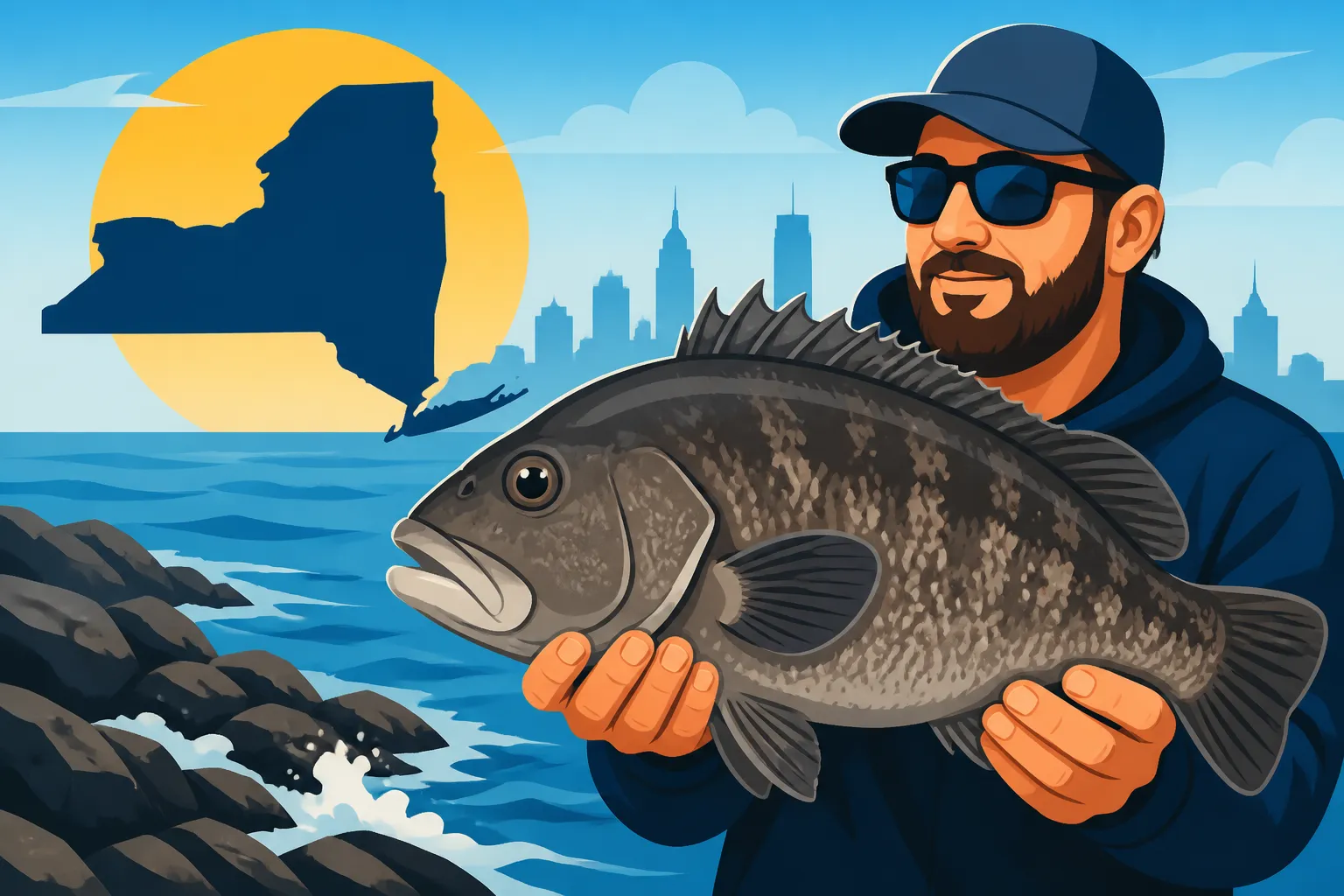
Identifying a tautog is usually straightforward once you know what to look for. They have a stout, somewhat blocky body, with a deep profile and a distinct humped back in larger specimens, especially males. Their coloration is typically a mottled dark gray, brown, or black, which helps them blend seamlessly into their rocky surroundings. This camouflage is so effective that sometimes you won't even see them until they are right up against the boat or boat side.
A key identifying feature is their set of strong, canine-like teeth at the front of their jaws, followed by powerful crushing plates in the back. These teeth are nature's perfect tools for cracking open mussels, clams, and crabs. They also possess thick, rubbery lips that protect their mouths from sharp shells. When you catch one, take a moment to look at their unique dental work – it’s a marvel of adaptation! Their eyes are often a striking, almost iridescent blue or green, adding to their distinctive appearance.
The "Blackfish" Moniker and Why it Sticks
The nickname "blackfish" is widely used, particularly among East Coast anglers, and it's not hard to see why it stuck. Their dark, often almost black, coloration helps them disappear against the dark rocks and shadows of their preferred underwater lairs. This natural camouflage makes them incredibly difficult to spot, even in clear water, and further adds to their elusive reputation.
While the name is simple, it evokes the essence of the fish: dark, mysterious, and rooted to the rocky bottom. It’s a term of endearment and respect among those who pursue them. You'll hear seasoned captains and anglers alike refer to them almost exclusively as blackfish, a testament to the strong identity this species has carved out within the local fishing community. This strong identity makes them a classic target for Long Island Sound fishing charters.
Where Tautog Call Home in New York Waters
Tautog are creatures of habit, particularly when it comes to their living arrangements. They are not open-water cruisers; instead, they are inextricably linked to specific types of underwater terrain. Understanding their preferred habitats is paramount to successful tautog fishing. If you're not fishing where the structure is, you're likely not fishing where the tautog are.
The waters surrounding New York, particularly Long Island and the offshore areas, offer an abundance of these prime tautog habitats. From natural rock formations to man-made reefs and sunken vessels, there's no shortage of places where these fish can take up residence. Knowing where to look will significantly increase your chances of a successful outing.
Preferred Habitats: Rocks, Wrecks, and Reefs
Tautog absolutely adore structure. Think of them as the apartment dwellers of the ocean floor, always seeking out the safest, most food-rich complexes. This means natural rock piles, boulder fields, and underwater ledges are prime real estate. These areas provide both ambush points for prey and protection from larger predators. The cracks and crevices offer perfect hideouts for crabs and other invertebrates, which form the bulk of the tautog's diet.
Beyond natural formations, man-made structures are equally attractive. Sunken ships (wrecks), artificial reefs, bridge pilings, and even old pier footings become magnets for tautog. These structures often become encrusted with mussels, barnacles, and other marine growth, creating a veritable buffet for blackfish. When searching for tautog, always look for spots marked with "reef" or "wreck" on your charts, or any areas indicating rocky bottom. This type of habitat is also key to catching species like fluke, as highlighted in Fluke Fishing on Long Island Sound.
Geographic Distribution Across New York
In New York, tautog are predominantly found in the marine and estuarine waters south of the Tappan Zee Bridge. This includes a vast expanse of prime fishing grounds, from the bustling waters of New York Harbor and the shores of Long Island to the deeper offshore wrecks. The Long Island Sound is a particularly renowned tautog hotspot, offering numerous rocky outcrops and artificial reefs that hold impressive populations.
You'll find them scattered along the entire Long Island coastline, from the western stretches near the city all the way out to Montauk. Areas like the Peconic Bay and Gardiners Bay also offer excellent opportunities, especially during their seasonal migrations. It's a vast territory, which means there's always a new spot to explore once you understand their preferences.
Seasonal Movements and Patterns
Tautog are well-known for their distinct seasonal movements, largely driven by water temperature. In the colder months of late fall and early spring, they tend to congregate in deeper, offshore waters where temperatures are more stable. As the water warms in late spring and through the summer, they move into shallower, inshore areas, including bays and estuaries, becoming more accessible to shore anglers and smaller boats.
This inshore-offshore migration dictates when and where you should target them. The spring and fall are often considered prime seasons, as tautog are actively feeding and moving. During the peak of summer, they can be found in a wider range of depths, but often remain close to structure. Conversely, winter sees them retreating to the deepest, most stable wrecks and rock piles. Understanding these movements is key to successful fishing throughout the year, and crucial for planning around New York Fishing Season Dates and Catch Limits.
The Tautog Diet: What They Eat and Why It Matters for Anglers
If you want to catch tautog, you absolutely have to understand what they eat. Tautog are not picky eaters in the sense that they'll munch on anything available in their habitat, but their diet is highly specialized. They are true bottom feeders, equipped with formidable dental hardware designed specifically for crushing hard-shelled invertebrates. This unique feeding strategy directly impacts the types of bait you should be using.
Many anglers make the mistake of trying to catch tautog with traditional fish baits, and while they might get lucky occasionally, the most consistent success comes from offering them what they naturally crave. Thinking like a tautog and presenting baits that mimic their natural food sources will significantly improve your hook-up rates.
Their Natural Forage: Crabs, Clams, and Mussels
The tautog's menu is heavily biased towards crustaceans and mollusks. Crabs, in particular, are their absolute favorite. Green crabs, fiddler crabs, calico crabs, and even hermit crabs are all fair game. They'll also readily devour various types of clams, especially chowder clams, steamers, and razor clams, as well as mussels and barnacles that encrust their rocky homes. Sea worms, like sandworms and bloodworms, can also be part of their diet, especially smaller ones found in the crevices of rocks.
It's fascinating to observe a tautog's feeding behavior. They use their strong lips and teeth to pick off mussels from rocks or to crush crab shells with remarkable efficiency. This is why when you clean a tautog, you'll often find a mix of crushed shells and crab parts in their stomachs – evidence of their powerful jaws at work. They don't typically chase down fast-moving prey; rather, they patrol their chosen structure, methodically picking off their next meal.
How Their Diet Influences Bait Choice
Given their natural diet, it's no surprise that crabs are king when it comes to tautog bait. Green crabs are the most common and effective choice, easily purchased at most bait shops across New York. For larger tautog, bigger crabs or half-crabs can be more effective. The trick is to present the crab in a way that is natural and enticing. Many anglers will "quarter" or "half" larger green crabs, exposing the juicy inner meat to release scent and make it easier for the tautog to get a bite.
Clams, especially fresh surf clams or skimmer clams, are another excellent option, particularly when fishing softer bottoms near structure or when crabs are hard to come by. Pieces of clam, threaded onto a hook, release a strong scent that can draw in nearby tautog. Some anglers even have success with a combination of clam and a small piece of crab. While you can find fishing gear at many local shops, online retailers like Amazon also offer a wide selection of hooks, sinkers, and specialized tautog rigs if you want to be well-prepared.
| Bait Type | Effectiveness Rating | Tautog Preference | Best Presentation |
|---|---|---|---|
| Green Crabs | Excellent | High | Whole (small), Halved/Quartered (large) |
| Fiddler Crabs | Excellent | High | Whole |
| Hermit Crabs | Good | Medium | Cracked shell, whole |
| Surf Clams | Good | Medium | Fresh pieces, hooked securely |
| Mussels | Fair | Medium | Freshly shucked, small pieces |
| Sandworms | Fair | Low | Small pieces, often as an accent |
New York Regulations for Tautog Fishing
Fishing for tautog in New York isn't just about knowing where and how to find them; it's also crucial to understand and adhere to the specific regulations set forth by the New York State Department of Environmental Conservation (DEC). These rules are in place to ensure the long-term health and sustainability of the tautog population, which, like many slow-growing species, can be vulnerable to overfishing. Ignoring these regulations can lead to hefty fines and penalties, and nobody wants their fishing trip to end that way.
Regulations often change, sometimes yearly, so it's always your responsibility to check the most current DEC marine fishing regulations before heading out. A quick search for "New York DEC fishing regulations guide" will always point you to the latest official information. Remember, ignorance of the law is not an excuse. Beyond state regulations, you might also need to be aware of the New York Recreational Marine Fishing Registry, especially for saltwater fishing.
Size Limits and Bag Limits
Tautog, like many desirable game fish, have minimum size limits. This means any fish you catch below a certain length must be immediately released unharmed. The purpose of this is to allow fish to reach reproductive maturity and contribute to the population before being harvested. It's a critical conservation measure. Measuring devices should always be on hand and easily accessible on your boat or person.
In addition to size limits, there are also daily bag limits, which restrict the number of tautog an individual angler can keep in a single day. These limits can vary by season, sometimes being more restrictive during peak spawning periods. For example, some seasons might allow for a higher bag limit, while others might be limited to just one or two fish per person. Always consult the official DEC regulations to confirm the current numbers for both minimum size and daily bag. Proper measurement is crucial; lay the fish flat, jaw closed, against a ruler or measuring board, measuring to the tip of the tail. This attention to detail contributes to the overall conservation effort and ensures future generations can enjoy Fish Species You Can Catch in New York.
Seasonality and Open/Closed Dates
Tautog seasons in New York are typically divided into distinct periods, usually spring, fall, and sometimes a brief winter season. These seasons are carefully crafted to protect the species during critical times like spawning, while still providing ample opportunities for anglers to enjoy their sport. There might be periods when tautog fishing is entirely closed, or when the bag limits are significantly reduced.
It's common to see a spring season, a summer closure, and then a fall season, sometimes with different bag limits for each. For instance, a spring season might have a conservative bag limit, followed by a slightly more liberal fall season when the fish are actively feeding. Pay close attention to these dates. Fishing outside of the legal season, even by accident, can result in significant penalties. Staying informed through resources like the New York Fishing Regulations Explained is a must for any responsible angler.
Essential Gear and Techniques Restrictions
While there aren't many restrictions on the type of gear you can use for tautog, certain practices are either mandated or highly recommended for ethical and successful fishing. For example, using appropriate hooks is important. Circle hooks are often encouraged for bait fishing, as they tend to hook fish in the corner of the mouth, reducing gut-hooking and improving the survival rate of released fish. This is especially important for fish that are under the legal size limit or when you've reached your bag limit and are practicing catch and release.
Beyond hooks, having a proper dehooking tool and a strong net is essential. Tautog have very tough mouths, and trying to remove a hook with your bare hands can be a challenge. A good pair of pliers or a dedicated dehooker from an online store like Amazon can save you a lot of trouble and minimize stress on the fish. Also, ensure your fishing line is strong enough to handle their powerful runs into structure, typically 30-50 lb braid with a heavy fluorocarbon leader for abrasion resistance.
Common Challenges and Rewards of Tautog Fishing
Tautog fishing is not for the faint of heart or the impatient. It demands a unique blend of skill, persistence, and often, a good sense of humor because there will be days when they simply refuse to cooperate. However, for those who embrace the challenge, the rewards are truly exceptional. It's an experience that builds character and truly hones your angling abilities.
Many anglers find that after mastering tautog, other forms of bottom fishing seem almost easy by comparison. The lessons learned in detecting subtle bites and battling powerful fish in heavy cover translate well to a myriad of other species. It’s not just about catching fish; it’s about becoming a better angler.
The Frustration of Their Finicky Bites
The tautog's bite is legendary for its subtlety. Instead of a strong pull or a rapid series of taps, a tautog often delivers what feels like a slight "tick" or a gentle weight on your line. It's as if they are carefully investigating the bait, rather than aggressively striking it. They'll mouth the bait, often crushing the shell of a crab before fully committing. This makes strike detection incredibly difficult, especially for beginners.
You'll quickly learn the difference between a wave bouncing your sinker and a genuine tautog bite. The frustration comes when you feel that faint "tick," set the hook, and come up empty, only to find a perfectly cleaned hook where your crab used to be. It takes immense concentration, a sensitive rod, and sometimes, nerves of steel to wait for that exact moment to set the hook. This is why many tautog anglers prefer high-quality, sensitive graphite rods, which can be found from various brands on Amazon, to help detect those almost imperceptible takes.
The Thrill of a Hard-Fighting Fish
Despite their finicky bite, once you hook into a tautog, the game changes entirely. These fish are pound-for-pound some of the strongest fighters in New York's waters. Their initial run is often a powerful, head-down dash directly back into the nearest rock pile or wreck, attempting to cut your line on the sharp edges of the structure. This is where a heavy leader and quick reflexes come into play.
The battle is a test of strength and strategy. You need to quickly turn their head and winch them away from cover, or risk being "rocked up" – a common term for when a tautog breaks you off by wrapping your line around structure. Successfully landing a large tautog after such a tenacious fight is an incredible feeling of accomplishment. Their stubborn refusal to give up, combined with their close proximity to abrasive underwater obstacles, makes every landed fish a true trophy.
Tautog on the Table: Culinary Delight
Beyond the thrill of the fight, tautog are also highly prized for their exceptional table fare. Their firm, white, flaky meat has a mild, sweet flavor that is a favorite among seafood lovers. Many consider it one of the best-eating fish found in New York waters. They are versatile in the kitchen, suitable for baking, broiling, frying, or grilling.
Cleaning a tautog can be a bit challenging due to their thick skin and powerful bone structure, but the effort is well worth it. A sharp fillet knife and a steady hand will make quick work of it. If you're successful in catching your limit of legally sized tautog, you're in for a delicious treat. It’s the perfect end to a challenging, yet rewarding day of fishing, and a fantastic way to share the bounty of the ocean with friends and family. Learning to prepare them is just another part of the rich experience of New York fishing.
Disclaimer
This article is for general informational purposes only and does not constitute professional advice. Laws, prices and regulations vary by location and change over time. Consult a qualified professional for guidance on your specific situation.