Porgy (Scup) in New York
Oh, the porgy! Often overlooked, sometimes misunderstood, but for those of us who spend our days by the New York saltwater, these feisty little fish are a true delight. If you've ever found yourself wondering what those small, silvery fish biting at your bait are, or if you're a seasoned angler looking to dial in your scup strategy, you're in the right place. This guide is all about demystifying the porgy, from finding them to frying them up, and tackling some of the common frustrations New York anglers face when targeting this abundant species.
Understanding the Humble Porgy (Scup) in New York
Let's be honest, porgies, or scup as they're also known, might not have the trophy status of a striped bass or the sheer fight of a bluefish, but don't let that fool you. These fish are a cornerstone of the inshore fishery around New York, offering consistent action and a delicious reward for those who know how to target them. They're accessible, abundant, and fantastic for a family day out on the water.
What Exactly is a Porgy? Identification and Characteristics
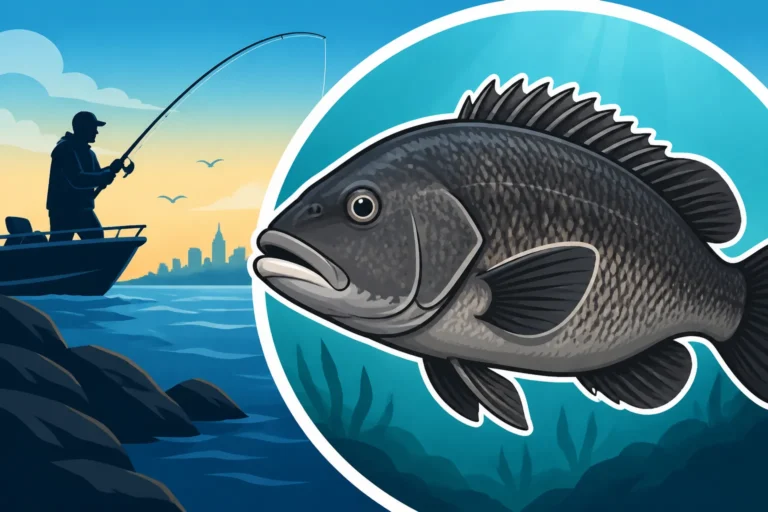
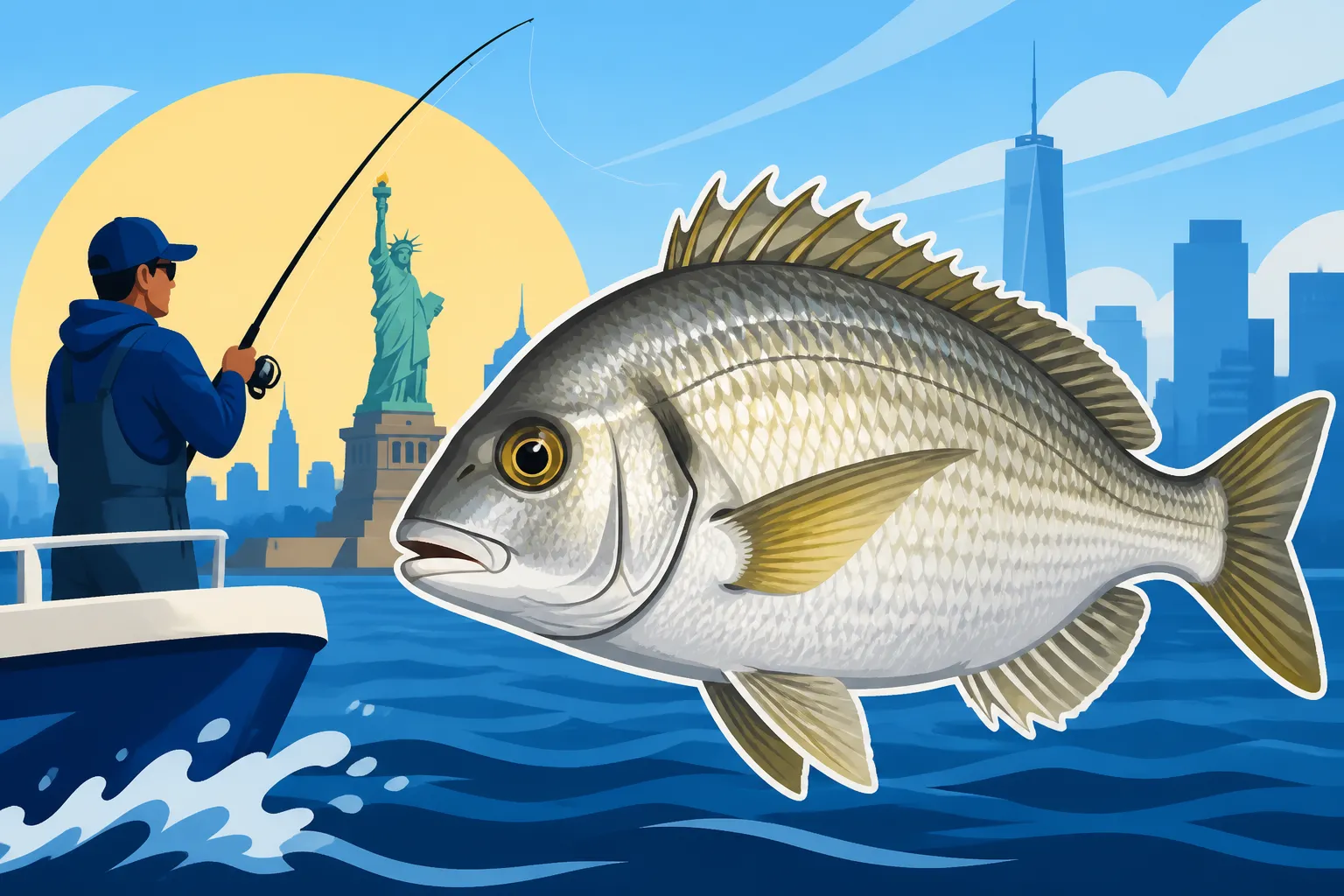
So, what are we talking about when we say "porgy" or "scup"? Well, the scientific name is Stenotomus chrysops, but for us anglers, they're simply a fun, tasty fish. They're generally small to medium-sized, with a distinct, somewhat flattened, oval body. Their coloration is usually silvery-grey, often with a subtle bluish or pinkish sheen, especially when fresh out of the water. You'll notice their high back and small, spiny dorsal fin. They also have a small mouth with surprisingly strong teeth, perfect for crunching on crustaceans and small shellfish – something to keep in mind for your bait choice!
One common frustration new anglers face is distinguishing a porgy from other small panfish or even juvenile versions of other species. While their overall shape is quite distinctive, size can sometimes be misleading. Remember their silvery, often iridescent scales and those fine, spiny rays on their dorsal fin. They're not typically long and sleek like a mackerel, nor do they have the pronounced patterns of a flounder. Once you've caught a few, you'll start to recognize them instantly, especially when you feel that characteristic "thump" on your line. For a deeper dive, check out What a Porgy Fish Is.
Why Anglers Love Chasing Scup in New York
Why do anglers flock to chase these "humble" porgies? It comes down to a few key factors that make them a truly appealing target, especially for those who appreciate consistent action and a good meal. First, they are incredibly abundant. You don't usually have to search far and wide for porgies when they're in season; often, they're right there, waiting for your bait. This makes them ideal for beginners, kids, or anyone just looking to bend a rod without the pressure of a trophy hunt. There’s nothing quite like feeling that constant tap-tap-tap and bringing in fish after fish to keep everyone engaged, even on a slower day for other species.
Another huge draw is their reputation as excellent table fare. Many seasoned New York anglers will tell you that a fresh porgy, properly cleaned and cooked, is easily one of the best-tasting fish out there. Their white, flaky meat has a mild, sweet flavor that's incredibly versatile. It's a real shame when folks dismiss them simply because they're not a "glamour" fish. If you haven't tried eating porgy, you're truly missing out on a culinary treat that's readily available right here in our local waters.
Porgy's Role in the New York Ecosystem
Porgies aren't just important to us anglers; they play a vital role in the marine ecosystem of New York's coastal waters. As omnivorous bottom feeders, they help keep the seafloor clean by grazing on a variety of invertebrates like worms, small crabs, clams, and even some plant matter. This makes them an integral part of the food web, acting as both predator and prey.
Because they are so numerous, porgies also represent a significant food source for larger predatory fish that we all love to target. Striped bass, bluefish, flounder, and even some shark species will readily feed on schools of scup. This means a healthy porgy population often indicates a healthy overall ecosystem, supporting the larger fish that draw many of us out onto the water. Protecting their habitats and ensuring sustainable fishing practices for porgies directly contributes to the well-being of the entire marine environment around Long Island and the mainland coast. It's a delicate balance, and every species, no matter how small, has its part to play.
Prime Locations and Habitats for New York Porgy
One of the great things about porgy fishing in New York is just how accessible they are. You don't necessarily need a fancy boat or expensive gear to get into them. They're often found in places many other coveted species frequent, making them a great bonus catch or a primary target for a fun day.
Where to Find Porgy in Saltwater Environments
Porgies are fundamentally a saltwater species, and in New York, that means you'll find them primarily in the protected bays, harbors, and nearshore waters of Long Island Sound, the Atlantic Ocean coastline, and even up into parts of the Hudson River estuary where the salinity is sufficient. They prefer areas with some sort of structure on the bottom. Think rocky bottoms, mussel beds, artificial reefs, wrecks, and even bridge pilings. These structures provide them with both shelter from predators and a rich feeding ground for the invertebrates they love to munch on.
You'll often hear about porgies congregating in large schools, sometimes numbering in the hundreds or even thousands. When you hit a school, the action can be non-stop, which is why they're so popular for party boat fishing. These schools move around, following food sources and water temperatures, but their general preference for structured bottoms remains constant. Don't be surprised to find them just a short cast from shore if the bottom conditions are right.
Specific Hotspots in New York for Scup Fishing
New York is blessed with an abundance of porgy hotspots. For those fishing from shore or looking for easy access, the numerous piers and jetties along Long Island and within New York City can be incredibly productive. Places like the piers in Brooklyn, the jetties at Jones Beach, or various public access points along Long Island Sound are often swarming with scup during the peak season. You might want to check out Best Fishing Piers in Brooklyn, New York for some ideas.
If you have access to a boat, the options expand dramatically. The entire length of Long Island Sound is a porgy paradise, especially around the numerous reefs and humps. Areas like Port Jefferson, Mattituck, and other North Shore towns often have excellent porgy fishing. On the south side of Long Island, the bay systems and nearshore ocean out of inlets like Shinnecock or Moriches can also hold big schools. Even some of the calmer waters around the mouth of the Hudson River can produce porgies. Many Long Island Fishing Charters specifically target porgy, knowing they offer great action for their clients. It's all about finding those productive bottom structures where they like to hang out and feed. Also, if you're exploring Long Island Sound, you'll quickly see why porgies are such a staple in that region.
Reading the Bottom: Porgy's Preferred Structures
Successfully targeting porgies often comes down to understanding their preferred habitat: structure, structure, structure. While they might occasionally be found over flat, sandy bottoms, their true preference lies with areas that offer a buffet of food and some protection. This includes natural features like rock piles, oyster beds, mussel beds, and broken bottom. These areas are teeming with the crabs, worms, and mollusks that make up the bulk of a porgy's diet.
Beyond natural features, artificial structures are also porgy magnets. Sunken wrecks, bridge pilings, jetties, dock pilings, and even discarded debris on the seafloor can attract large schools. If you're fishing from a boat, a good fish finder is invaluable for identifying these bumps and humps on the bottom. For shore anglers, studying bathymetric charts or simply knowing the local geology can give you a huge advantage. Porgies will often hug these structures tightly, so dropping your bait right on top of or very close to them is key. It's not enough to just be in the general area; precision in your presentation can make all the difference in turning a slow day into a busy one.
Timing Your Trip: When Porgy Are Biting in New York
Timing is everything in fishing, and porgies are no exception. While they're generally abundant, knowing when to go can drastically improve your catch rates and ensure you're hitting them during their most active periods. Their presence in New York waters is largely dictated by water temperature, making them a distinctly seasonal target.
Seasonal Migration Patterns of New York Scup
Porgies are migratory fish, and their arrival in New York waters is a sure sign that spring has fully sprung and summer is on its way. Typically, you'll start seeing them in good numbers in late April or early May, as the inshore waters begin to warm up. They'll generally stick around throughout the summer, providing excellent fishing opportunities well into the fall. As water temperatures drop in late October and November, porgies will begin their migration to deeper, offshore waters where they'll spend the winter.
The peak season for porgies in New York is usually from June through September. During these months, they are abundant, active, and can be caught with relative ease. Early season and late season fishing can also be fantastic, sometimes offering larger, pre-spawn or post-spawn fish, but the overall numbers might be less consistent than in the warm summer months. Keep an eye on local fishing reports and water temperature charts to pinpoint their arrival and departure each year, as slight variations can occur.
The Impact of Tides and Currents on Porgy Activity
Like many saltwater species, porgies are highly influenced by tidal movements and currents. In general, a moving tide is almost always better than a slack tide when fishing for porgies. The moving water stirs up the bottom, dislodging food items and making them more available for scavenging porgies. This current also concentrates baitfish, which, while not a primary food source for porgies, can attract other predators that porgies might follow for opportunistic feeding.
Both the incoming and outgoing tides can be productive, but many experienced porgy anglers have their preferences. Often, the beginning and end of a tide, when the current is just starting to pick up or beginning to slow down, can be particularly fruitful. During these periods, porgies might be less prone to hunkering down against a strong current and more actively feeding. Experimentation is key; pay attention to when you're getting bites and try to replicate those conditions on future trips. A good tide chart for your specific fishing location is an indispensable tool for maximizing your porgy catch.
Best Times of Day for a Successful Porgy Outing
While tides often play a larger role than specific times of day for saltwater species, there are still some general patterns to consider when planning your porgy trip. Often, the early morning hours, just after sunrise, and the late afternoon into early evening, before sunset, tend to be the most active feeding times for many fish, including porgies. The lower light conditions can make them feel more comfortable moving about and less wary.
However, given their bottom-dwelling nature and preference for structure, porgies can often be caught throughout the day, especially if the tide is moving well. On party boats, for example, anglers are often catching porgies solidly for hours in the middle of the day. If you're fishing a deep channel or a particularly rich reef, they might not be as light-sensitive as some other species. The bottom line? Prioritize a moving tide, and if you can pair that with an early morning or late afternoon window, even better. But don't hesitate to fish for them at midday if the conditions are right; you might just be surprised by the non-stop action.
Mastering the Art of Porgy Fishing: Techniques and Tackle
One of the reasons porgies are so popular is that they don't require overly complex techniques or super expensive gear. In fact, some of the simplest methods are often the most effective. It's all about getting your bait to them efficiently and effectively.
The Best Baits and Rigs for Enticing Scup
Porgies aren't particularly finicky eaters, which is great news for anglers. Their diet of bottom invertebrates means they're eager to snap up natural baits. The absolute perennial favorite, and for good reason, is clam. Whether it's fresh surf clams, topneck clams, or even frozen clam strips, porgies go absolutely bonkers for it. It's soft, smelly, and they can easily crunch it up. Other excellent baits include small pieces of squid, bloodworms, and sandworms. Cut pieces of any small oily fish, like bunker or mackerel, can also work, but clams and worms are usually king.
When it comes to rigs, simplicity is key. A high-low rig (also known as a top-and-bottom rig) is hands down the most popular and effective. This rig typically consists of a main leader with two dropper loops, each holding a small hook, and a sinker at the very bottom. This allows you to present two baits simultaneously, increasing your chances and allowing you to try different baits if you wish. Hooks should be small, usually a #4, #2, or even a #1 O'Shaughnessy or Chestertown style, strong enough to handle their bite but small enough for their mouths. Some anglers also use a simple fish-finder rig with a sliding sinker and a single hook, especially if they're also targeting fluke or other bottom dwellers. You can find pre-tied rigs and all sorts of hooks, weights, and line on sites like Amazon, making it easy to stock up before your trip.
Recommended Rods, Reels, and Lines for Porgy
You don't need heavy-duty surfcasting gear or specialized jigging setups for porgies. Light to medium-light tackle is perfect and makes the fight much more enjoyable.
- Rods: A good 7-foot spinning rod with a fast or moderate-fast action, rated for 8-15 lb line, is ideal. It should have enough backbone to handle a sinker and a couple of porgies, but sensitive enough to feel their often subtle bites. If you're fishing from a boat where you don't need casting distance, a shorter 6-foot rod might be more comfortable. For pier fishing, a slightly longer rod (7.5 to 9 feet) can help with casting out past obstructions.
- Reels: Pair your rod with a spinning reel in the 2500 to 4000 size range. It should have a smooth drag system, which is important even for small fish if you happen to hook into a larger one or simply want to protect your line.
- Line: For main line, 10-15 lb monofilament or 20 lb braided line is a great choice. Braid offers superior sensitivity, which can be a game-changer when feeling those soft porgy bites, and it has no stretch, meaning better hooksets. If using braid, it's a good idea to tie on a few feet of fluorocarbon leader (15-20 lb) at the end. Fluorocarbon is nearly invisible in water and more abrasion-resistant, which is helpful around rocky bottoms and those porgy teeth! You can often find excellent deals on braided line and fluorocarbon leaders on Amazon.
Remember, the goal is to make fishing enjoyable, so choose gear that feels comfortable in your hands and matches the size of the fish you're targeting.
Essential Tips for Landing More Porgy
Beyond the right bait and tackle, a few essential tips can significantly boost your porgy catch rate. These are the little tricks that experienced anglers use to consistently fill their coolers.
First, stay engaged with your bait. Porgies often bite subtly, sometimes just a light tap-tap-tap before a solid pull. Don't set the hook on every little tap; wait for that firm pull or a consistent bend in your rod. Once you feel it, a quick, sharp upward sweep of the rod is usually all it takes to set the hook. This is where sensitive braid and a good rod really shine.
Second, chumming can be incredibly effective for porgies. A chum pot filled with crushed clams or even a mix of bread and fish scraps dropped near your fishing spot can bring porgies right to you and keep them there. The scent trail drives them into a feeding frenzy. Just be mindful of local regulations regarding chumming.
Third, present your bait cleanly. Porgies have relatively small mouths, so don't use huge chunks of bait. Small, neat pieces of clam or worm, just big enough to cover the hook, are far more effective. Ensure the hook point is exposed for a better hookset.
Finally, don't be afraid to move. If you're not getting bites within 15-20 minutes, don't just sit there. Shift your position a few yards, try a slightly different depth, or even move to a new spot entirely. Porgies are often in schools, and if you're not on top of them, you won't catch them. Sometimes, just a slight adjustment can put you right in the middle of the action.
Navigating New York's Porgy Regulations
As with any fishing in New York, understanding and adhering to the regulations is crucial. These rules are in place to ensure the sustainability of the fishery for future generations, and while they can sometimes feel a bit cumbersome, they're there for a good reason. Ignoring them can lead to hefty fines and a ruined day on the water. You should always consult the New York Fishing Regulations Explained for the most current rules.
Understanding Size and Bag Limits for Scup
Porgy regulations in New York typically involve both a minimum size limit and a daily possession limit (bag limit). These numbers can change from year to year, and sometimes even within a season, so always check the latest New York State Department of Environmental Conservation (DEC) regulations before you head out. Generally, the minimum size limit for porgies is around 10 inches, measured from the tip of the snout to the end of the tail. The daily bag limit can vary significantly, often allowing for a generous number of fish, especially for private boat anglers, while party/charter boat anglers may have a slightly different limit.
It's absolutely essential to measure your fish immediately upon catching them. Keep a measuring device handy, like a simple tape measure or a marked ruler on your cooler. Any fish that doesn't meet the minimum size limit must be immediately released back into the water with as little harm as possible. This brings us to the importance of catch-and-release handling rules.
The Importance of Responsible Fishing Practices
Responsible fishing goes beyond just following the rules; it's about respecting the fish and the environment. For porgies, this means a few key things. When releasing undersized fish, handle them gently. Wet your hands before touching the fish to protect its slime coat, which is vital for its health. Avoid squeezing the fish, especially around its internal organs. Remove the hook quickly and carefully. If the fish is deeply hooked, sometimes it's better to cut the line as close to the hook as possible rather than trying to rip it out, which can cause more damage. For more detailed guidance, refer to New York Catch-and-Release Handling Rules.
Another aspect of responsible fishing is being mindful of your impact on the environment. Don't leave trash or discarded fishing line behind. Take everything you bring with you, and perhaps even a little extra if you see it. We all share these precious waters, and it's up to us to keep them clean and healthy for both the fish and our fellow anglers.
Common Misconceptions and Frustrations with Regulations
Let's be real, fishing regulations can sometimes be a source of frustration, even for the most seasoned anglers. One common misconception is that the rules are arbitrary or designed to make fishing harder. In reality, they are based on scientific data and aimed at managing fish populations sustainably. For porgies, sometimes the size limits feel a bit restrictive, especially when you're catching a ton of "just undersized" fish. It can be disheartening to release so many, but remember, those smaller fish are the future of the fishery.
Another point of confusion can be the distinction between private boat limits and party/charter boat limits. These can indeed differ, and it's vital to know which set of rules applies to you. Always clarify with your charter captain if you're on a guided trip. The key is to stay informed. The New York State DEC website is your best friend for up-to-date regulations. Don't rely on old printed guides or hearsay; a quick check online before each trip can save you a lot of grief. It might feel like a hassle, but it's part of being a responsible and successful angler in New York. And don't forget to register for New York Saltwater Fishing Registration Guide if you're fishing marine waters, even if it's free, it's a requirement!
From Catch to Plate: Enjoying Your New York Porgy
Okay, you've put in the time, mastered the techniques, and successfully navigated the regulations. Now for the best part: enjoying the fruits of your labor! Porgies are truly one of the most underrated eating fish in New York, and once you try them, you'll understand why they have such a devoted following.
Proper Handling and Cleaning for Best Flavor
To get the most out of your porgy, proper handling from the moment it comes aboard is paramount. Just like any fish destined for the dinner plate, keeping your porgy cold is crucial for preserving its flavor and texture. Bring a cooler filled with ice, and immediately place your catch on ice after you've decided to keep it. This rapid chilling slows down spoilage and ensures the meat stays firm and fresh.
When it comes to cleaning, porgies are straightforward. Their scales are relatively large and can be a bit tough, but a good scaler or the back of a knife will do the trick. Many anglers prefer to simply fillet porgies, removing the two boneless sides. Their bones are generally easy to navigate once cooked, but filleting offers a hassle-free eating experience. Make sure to remove any dark red bloodline along the backbone during filleting, as this can impart a stronger, "fishier" taste. A sharp, flexible fillet knife is your best friend here. If you're looking for good quality knives, sites like Amazon offer a wide range from various brands that can make cleaning fish much easier.
Simple and Delicious Ways to Cook Porgy
The beauty of porgy meat is its mild, sweet flavor and flaky texture, making it incredibly versatile in the kitchen. You don't need complicated recipes to make it shine.
Here are a few simple ideas to get you started:
- Pan-Fried Perfection: This is a classic for a reason. Lightly dredge porgy fillets in seasoned flour (salt, pepper, garlic powder, paprika are good starters), then pan-fry in a bit of olive oil or butter until golden brown and flaky. A squeeze of fresh lemon juice at the end is divine.
- Baked with Herbs: Place whole, scaled and gutted porgies (or fillets) on a baking sheet. Stuff the cavity of whole fish with lemon slices and fresh herbs like dill or parsley. Drizzle with olive oil, salt, and pepper. Bake at 375°F (190°C) until cooked through, usually 15-20 minutes for whole fish, less for fillets.
- Grilled: For a smoky flavor, grill whole porgies or thick fillets directly on a medium-hot grill. Brush with olive oil and season well. The skin will crisp up beautifully, and the meat will stay moist.
- Porgy Tacos: Flake cooked porgy meat and serve in warm tortillas with your favorite slaw, salsa, and a squeeze of lime for fresh, healthy fish tacos.
| Cooking Method | Prep Time (approx.) | Cook Time (approx.) | Best For | Notes |
|---|---|---|---|---|
| Pan-Frying | 5 min | 5-7 min | Fillets | Quick, crispy, classic. |
| Baking (Whole) | 10 min | 15-20 min | Whole fish | Easy, moist, great for herbs and citrus. |
| Grilling (Whole) | 10 min | 8-12 min | Whole fish | Smoky flavor, crispy skin. |
| Frying (Fish & Chips) | 15 min | 8-10 min | Fillets | Comfort food, use a light batter. |
No matter how you prepare them, fresh porgy are a treat. Don't be shy about experimenting with different seasonings and cooking methods.
Why Porgy is an Underrated Table Fish
Honestly, it's a mystery why porgy isn't more widely celebrated in seafood markets and restaurants. Perhaps it's their smaller size compared to species like cod or halibut, or maybe it's simply a lack of public awareness. But for those in the know, porgy is a hidden gem. Its flavor is clean, delicate, and never overly "fishy," making it appealing even to those who claim they don't like seafood. The meat is tender and flaky, holding up well to various cooking methods without drying out easily.
Beyond taste, porgy also offers a sustainable and often more affordable option compared to some of the more in-demand species. They are abundant in our local waters, and a successful day fishing for them can fill your freezer with delicious, healthy protein. So, the next time you're out on the water in New York, don't overlook the humble porgy. Embrace the consistent action, appreciate the fight, and most importantly, savor the meal. You might just find that this "small fish" becomes one of your favorite catches. Always check New York Fish Consumption Advisories Explained for any local advisories, but generally, porgies are a great choice.
Disclaimer
This article is for general informational purposes only and does not constitute professional advice. Laws, prices and regulations vary by location and change over time. Consult a qualified professional for guidance on your specific situation.