Best Fishing Piers in Brooklyn, New York
It can be incredibly frustrating to live in a bustling city like Brooklyn, feel the call of the water, and wonder where on earth you can even cast a line without owning a boat or driving for hours. Many urban anglers feel this exact pinch – wanting to enjoy the peace and thrill of fishing but facing accessibility hurdles and a maze of regulations. This guide is here to untangle that, diving deep into the best fishing piers Brooklyn has to offer, equipping you with the knowledge to turn those urban frustrations into fantastic fishing adventures.
The Unique Charm of Fishing Brooklyn's Piers
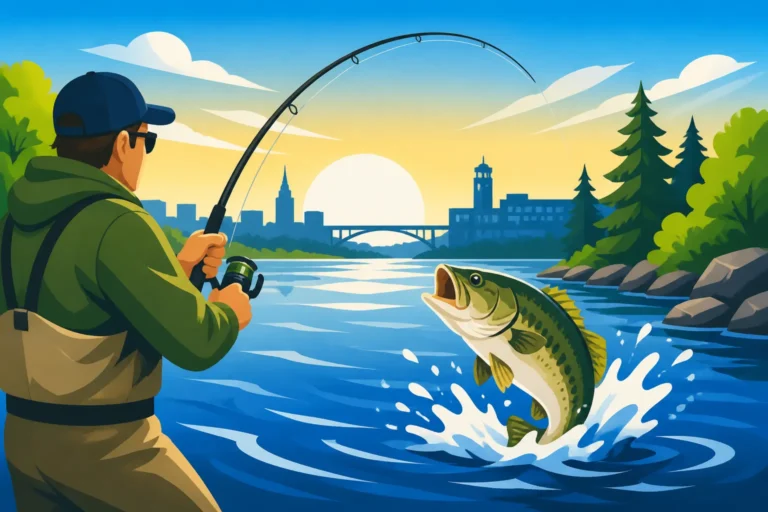
Fishing from a pier in Brooklyn isn't just about catching fish; it's an experience all its own. You're surrounded by iconic cityscapes, the salty air of New York Harbor, and a vibrant mix of fellow anglers and city dwellers. It's a fantastic way to connect with nature without leaving the convenience of the five boroughs. But it's also a distinct style of fishing, requiring a bit of local know-how to truly succeed.
Why Pier Fishing in Brooklyn is a Different Ballgame
Unlike fishing remote lakes or quiet streams upstate, urban pier fishing comes with its own set of challenges and charms. You're dealing with strong tidal currents, especially in areas closer to the open harbor and the East River. Boat traffic can be constant, which means your lines need to be robust and your casting accurate to avoid snags and interruptions. There's also the sheer volume of people – from strollers to fellow anglers – requiring a heightened sense of awareness and etiquette.
One of the biggest differences is the direct access to deep, productive waters that would otherwise only be reachable by boat. Piers extend out into channels and bays, putting you right over structure and migratory paths that hold a variety of species. Plus, many of these locations are easily accessible by public transport, which is a huge bonus for city dwellers who don't have a car. It's truly a unique blend of urban energy and angling tranquility.
Common Catches from Brooklyn Piers
The beauty of fishing Brooklyn's piers lies in the surprising diversity of species you can encounter throughout the year. While you might not land a record-breaking tuna, there are plenty of exciting and tasty fish to target right from shore.
In the warmer months, from late spring through fall, the waters around Brooklyn's piers teem with activity. Striped bass are a perennial favorite, often patrolling the pier pilings and ambush points, especially during their spring and fall migrations. Fluke (Summer Flounder) are also abundant, often found lurking on sandy bottoms near structure, making them a prime target for drift fishing or jigging. You’ll also find plenty of bluefish, known for their aggressive strikes and strong fights, especially in the summer. Porgies (Scup) are another reliable catch, especially for those looking for consistent action and good eating. These feisty panfish are plentiful and a joy to catch on light tackle.
As the weather cools, blackfish (Tautog) become a popular target around rocky areas and pilings. And while less common, some anglers even report catching winter flounder in the colder months. Occasionally, you might even hook into a small shark species, like a dogfish, or a respectable channel catfish, particularly in the more brackish waters of Jamaica Bay. Knowing what to expect seasonally can help you tailor your gear and techniques for the best chance of success.
Top Fishing Piers in Brooklyn to Explore
Brooklyn boasts several fantastic piers, each offering a slightly different flavor of urban fishing experience. From iconic landmarks to quieter community spots, there’s a pier for every angler.
Brooklyn Bridge Park Piers
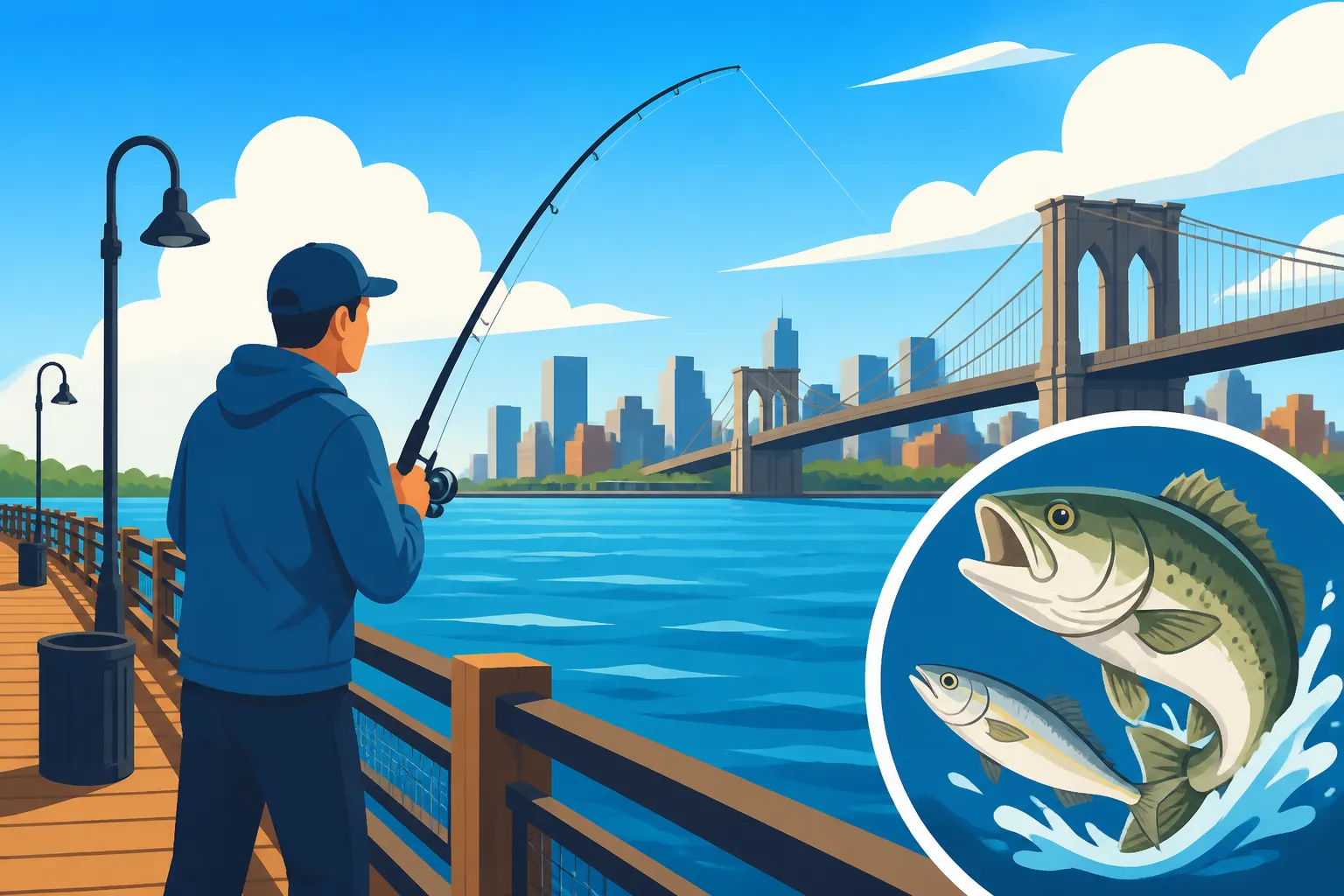
These piers, running along the East River waterfront, offer some of the most spectacular views imaginable, with the Manhattan skyline and the Brooklyn Bridge as your backdrop. While all the piers offer some fishing opportunities, Pier 5 is specifically designed with anglers in mind.
Pier 5, Brooklyn Bridge Park: This pier is a true gem for Brooklyn anglers. It features designated fishing areas, fish-cleaning stations, and even some interpretive signage about local marine life. The pier extends well into the East River, giving you access to strong currents that bring in baitfish and, consequently, predator species. It's a fantastic spot for striped bass, bluefish, and even some fluke. The concrete structure and railings make it safe and accessible for families. You'll often see anglers using clam snouts or bunker chunks for bait, or casting artificials like bucktails and soft plastics. The swift currents require heavier sinkers to hold bottom, but they also bring in the bigger fish. It's a very popular spot, so arriving early on weekends or fishing during off-peak hours can enhance your experience.
Other Piers in Brooklyn Bridge Park (Piers 1-6): While Pier 5 is the dedicated fishing pier, you can certainly wet a line from other piers within the park, keeping in mind general park rules and avoiding crowded areas. These piers provide excellent access to the same East River ecosystem, with similar species available. Just be mindful of other park visitors and maintain good casting etiquette. These spots can be great for casting small lures for schoolie striped bass or bottom fishing for porgies with squid or sandworms. The access is fantastic, with plenty of public transit options nearby, making it an easy escape into nature for city residents.
Coney Island Pier
The Coney Island Pier is a true classic. Stretching an impressive 1,000 feet out into the Atlantic Ocean, this iconic pier offers an expansive platform for anglers, separating you from the bustling boardwalk crowds.
Coney Island Pier's Grand Scale: This is arguably Brooklyn's most famous fishing pier, and for good reason. Its length allows anglers to reach deeper waters and experience different current patterns than shorter piers. During peak season, you'll find a lively community of anglers, some of whom have been fishing here for decades. The pier provides ample space, though it can still get busy on prime fishing days. The Atlantic access means a wider range of species are possible, especially migratory ones. Expect to encounter significant numbers of fluke, bluefish, and striped bass, particularly when baitfish are moving through. Porgies are also a staple, as are occasional weakfish. In fact, many anglers specifically head here for the chance to hook into some impressive weakfish during their runs.
Amenities and Access: The pier is well-maintained and offers public restrooms nearby, though dedicated bait shops directly on the pier are a thing of the past. It's best to come prepared with your bait and tackle. The pier's direct exposure to the ocean means you need to be mindful of swell and wind conditions, which can significantly impact fishing. Despite the crowds, the sheer size and historical charm of Coney Island Pier make it a must-visit for any Brooklyn angler. Access is straightforward via the D, F, N, and Q subway lines, making it incredibly convenient for most New Yorkers. Before you head out, it's always a good idea to check local fishing reports for recent catches and optimal times to fish.
Canarsie Pier
For a different kind of urban fishing experience, head to Canarsie Pier, nestled on the western edge of Jamaica Bay. This pier offers a more tranquil, yet still productive, environment compared to the bustling waterfronts of the East River.
Gateway to Jamaica Bay's Diverse Ecosystem: Canarsie Pier provides unique access to the rich estuarine waters of Jamaica Bay. This expansive bay is a haven for a variety of fish species, especially those that thrive in slightly shallower, more protected environments with marshland features. The currents here are generally less intense than in the main harbor, making it a good spot for lighter tackle and a more relaxed fishing session. Anglers frequently target striped bass, especially schoolies, which can be found foraging along the bay's edges. Fluke are also very popular here, often lying in wait in the channels and depressions.
Beyond the Usual Suspects: What sets Canarsie Pier apart is the potential for other species. You'll find a healthy population of blue crabs, making it a popular crabbing spot as well. Additionally, anglers often hook into yellow perch, white perch, and even some small sharks like sand sharks. The calmer waters also make it a great place to try for snapper bluefish during the summer months, which are a blast on ultra-light gear. The pier is quite long and offers plenty of space, and there are amenities like restrooms and a small concessions stand nearby. It's a fantastic spot for a family outing and a good alternative to the more exposed piers facing the open ocean. You can easily find public transportation via the L train to Canarsie-Rockaway Parkway and then a short bus ride.
Bush Terminal Piers Park
One of Brooklyn's newer waterfront parks, Bush Terminal Piers Park offers a more modern and often less crowded fishing experience in Sunset Park. This park was once an industrial complex and has been revitalized into a beautiful public space with excellent fishing access.
A Quiet Oasis with Productive Waters: Bush Terminal Piers Park provides a serene environment to cast your line, often feeling more secluded than the more famous piers. The park features multiple piers and shoreline access points that extend into the Upper New York Bay. This location gives anglers access to migratory species like striped bass and bluefish, similar to other harbor locations, but often with less competition. Fluke are also a consistent target here, especially around the varied bottom contours created by the former industrial infrastructure. The area is known for good water quality and diverse baitfish populations, which naturally attract game fish.
Modern Amenities and Accessibility: The park itself is beautifully landscaped, with walking paths and seating areas, making it a pleasant place for a full day out. While it doesn't have dedicated fish cleaning stations like Pier 5, the general park amenities are excellent. Access is convenient via the D, N, and R subway lines, and there's also ample street parking, which is a rare luxury in Brooklyn. It's a great choice for those looking to avoid the bustling crowds of other piers while still having a good chance at a solid catch. Anglers often report success using a variety of baits, from bloodworms for smaller species to cut bait for larger predatory fish.
Essential Gear and Local Regulations for Brooklyn Pier Anglers
Before you head out to any of Brooklyn's fantastic fishing piers, it's crucial to be prepared with the right equipment and a clear understanding of the local rules. Getting caught off guard with regulations or inadequate gear can quickly turn a fun day into a frustrating one.
Recommended Rods, Reels, and Tackle
Selecting the right gear for pier fishing in Brooklyn is vital for both comfort and success. You'll generally want a versatile setup that can handle a range of species and conditions.
Versatile Rod and Reel Combos: A medium-heavy spinning rod, typically between 7 to 9 feet in length, is a great all-around choice. This length provides good casting distance for reaching further out from the pier, and the medium-heavy action offers enough backbone to handle larger fish like striped bass or bluefish, while still being sensitive enough for porgies or fluke. Pair this with a reliable spinning reel in the 4000 to 6000 size range, spooled with 20-30 lb braided line. Braided line offers superior sensitivity and casting distance, and its thin diameter helps cut through currents. Always use a fluorocarbon leader (20-40 lb test) for abrasion resistance and invisibility in the water.
Essential Terminal Tackle: For bottom fishing, which is a primary method from piers, you'll want a selection of sinkers (pyramid, bank, or Sputnik styles are good for holding bottom in current) ranging from 1 to 4 ounces. A standard two-hook Porgie rig or a high-low rig is excellent for targeting bottom dwellers. For fluke, a standard fluke rig with a bucktail or a jig and Gulp! grub combo works wonders. Don't forget an assortment of hooks, swivels, and a pair of pliers for unhooking fish. Lures like bucktails, metal jigs, and soft plastic paddletails are also incredibly effective for casting to predatory fish.
Bait Basics: When it comes to bait, fresh is always best. Common and effective baits include sandworms, bloodworms, squid strips, and fresh bunker (Atlantic Menhaden) chunks or strips. You can usually find these at local bait and tackle shops throughout Brooklyn and Long Island. For specific advice on what's biting, ask the staff at these shops or observe what successful anglers on the pier are using.
Navigating New York's Fishing Regulations
This is probably the most crucial part of pier fishing anywhere in New York, and especially in densely regulated urban areas. Ignoring the rules can lead to hefty fines, so it pays to be informed.
Saltwater Fishing Registry: For starters, unless you're on a registered for-hire fishing vessel, anyone age 16 or older fishing in New York's marine and coastal district waters, which includes all of Brooklyn's saltwater piers, must enroll in the free New York State Department of Environmental Conservation's (DEC) Marine Recreational Fishing Registry. It's completely free and easy to do online. You can find more information in our New York Saltwater Fishing Registration Guide. While it's not a traditional "license," it serves a similar purpose for saltwater anglers.
Catch Limits and Size Restrictions: Every species has specific regulations regarding minimum size, daily possession limits, and open seasons. These can change yearly, so always consult the most current DEC regulations guide before you go. For popular species like striped bass, there are often very specific slot limits (e.g., a fish must be between two lengths to be kept). For fluke, there's a minimum size and a daily bag limit, and for bluefish, the same applies. Familiarize yourself with the regulations for fish species you can catch in New York, especially those common to Brooklyn piers.
Circle Hook Requirements: For those targeting striped bass with bait, remember that New York State, like many other states, has a Striped Bass Circle Hook Requirement. This means that if you're using bait to target striped bass, you must use a non-offset, non-stainless steel circle hook. This regulation is designed to minimize gut hooking and improve the survival rate of released fish. Always be prepared with the correct hooks if you plan on using bait. Ignoring this rule can result in significant penalties.
Pier Fishing Gear & Regulation Quick Reference
Here's a handy table summarizing some key considerations for your Brooklyn pier fishing adventure:
| Category | Recommendation | Important Notes |
|---|---|---|
| Rod & Reel | 7-9 ft medium-heavy spinning rod, 4000-6000 size reel | Versatile for casting and fighting various species. |
| Line | 20-30 lb braided mainline with 20-40 lb fluorocarbon leader | Braided for sensitivity/casting, fluoro for abrasion resistance/stealth. |
| Sinkers | 1-4 oz pyramid, bank, or Sputnik sinkers | Needed to hold bottom in strong currents. |
| Hooks | Assorted J-hooks (sizes 1/0 – 4/0), non-offset circle hooks (for striped bass bait) | Match hook size to bait and target species. Circle hooks are mandatory for striped bass bait fishing. |
| Rigs | High-low rigs, Porgie rigs, standard fluke rigs, bucktails, jigs, soft plastics | Choose based on target species and fishing style (bottom fishing, jigging, casting). |
| Bait | Fresh squid, sandworms, bloodworms, bunker chunks/strips | Essential; purchase from local bait shops. |
| Tools | Pliers, knife, measuring tape/fish ruler, rag, small cooler with ice | For hook removal, cutting line, measuring fish, cleaning, and keeping catches fresh. |
| Saltwater Registry | Required for anyone 16+ fishing marine waters (unless on licensed charter) | Free, easy online registration with NYS DEC. Check our New York Recreational Marine Fishing Registry for details. |
| Regulations | Consult current NYS DEC fishing guide for all species-specific rules | Size limits, bag limits, seasons vary by species. Check New York Fishing Season Dates and Catch Limits. |
| Circle Hooks | Mandatory for striped bass bait fishing | Non-offset, non-stainless steel. Critical for conservation and compliance. |
Maximizing Your Success on Brooklyn's Piers
Just knowing where to go and what gear to bring is half the battle. To truly enhance your pier fishing experience in Brooklyn, understanding the nuances of timing, technique, and responsible angling is key.
Best Times to Fish
Timing is everything in fishing, and urban piers are no exception. The ebb and flow of tides, the time of day, and the season all play significant roles in determining your success.
Tidal Influence: For saltwater pier fishing in New York Harbor and its tributaries, the tide is often more critical than the time of day. Most species become more active during moving water – particularly the beginning and end of incoming or outgoing tides. As the water moves, it dislodges baitfish and other food sources, concentrating them for predatory fish. A good strategy is to arrive an hour before a tide change (high or low) and fish through the change, as this period often sees the most action. You can easily find local tide charts online or at bait shops.
Dawn and Dusk: While tides are paramount, fishing during dawn and dusk hours can provide an added advantage, especially for light-sensitive species like striped bass and weakfish. These low-light conditions offer prime feeding opportunities, as fish feel more secure hunting baitfish closer to the surface or near the pier structure. Even during slack tides, these periods can produce some surprising catches.
Seasonal Considerations: As mentioned earlier, different fish species are present at different times of the year. Spring and fall are prime seasons for migratory striped bass and bluefish. Summer offers excellent fluke, porgy, and snapper bluefish action. Winter fishing from piers is generally much slower, but hardcore anglers might still target blackfish or the occasional resident striped bass. Knowing New York Fishing Season Dates and Catch Limits will help you plan your trips.
Safety and Etiquette on Busy Piers
Fishing in a high-traffic urban environment like Brooklyn requires more than just fishing skill; it demands awareness, respect for others, and adherence to safety protocols.
Mind Your Casts and Surroundings: Piers, especially popular ones like Coney Island Pier or Pier 5, can get crowded. Before you cast, always look around to ensure your casting arc is clear of people, especially children, and other anglers' lines. A stray sinker can be dangerous. Keep your fishing area tidy and contained, avoiding sprawling gear that might trip someone.
Respect Fellow Anglers and Park Users: This one seems obvious, but it's important to remember that piers are public spaces used by many different groups. Give other anglers ample space. Don't cast over their lines or crowd into their spots. If someone is having success, politely observe rather than immediately setting up right next to them. If you're using bait, be mindful of odors and proper disposal. Always pack out everything you pack in, including discarded line, bait containers, and food wrappers. Remember that leaving fishing line or hooks on the pier can be hazardous to wildlife and people alike.
Practice Catch-and-Release Responsibly: For fish you don't intend to keep, or those that don't meet legal size limits, practice proper catch-and-release techniques. Handle fish minimally, wet your hands before touching them, and use a de-hooking tool to quickly and safely remove hooks. Release them gently into the water. This ensures the sustainability of our fisheries.
Local Insights and Resources
To truly become a successful Brooklyn pier angler, tapping into local knowledge and resources is invaluable.
Connect with Local Bait Shops: These are often the best sources of up-to-the-minute fishing reports. Staff at shops like Stella Maris Bait & Tackle in Sheepshead Bay or other local outfits can tell you what's biting, what bait is working best, and even specific pier conditions. They often have the pulse of the local fishing scene.
Online Fishing Communities: Join local New York fishing forums or social media groups. These communities are great places to ask questions, share tips, and get real-time reports from other anglers who frequent Brooklyn piers. You might even find a fishing buddy!
Consider a Charter for Deeper Dives: While piers offer fantastic access, sometimes you want to explore beyond what you can reach from shore. This is where local fishing charters come in. Websites like FishingBooker can be an excellent resource for finding reputable captains operating out of Brooklyn or nearby areas like Sheepshead Bay. They offer everything from half-day fluke trips to full-day striped bass adventures. A charter can provide an incredible learning experience, letting you fish with experienced pros and target species in deeper waters you can't reach from the pier. If you're ever curious about taking the next step, checking out What to Bring on a New York Fishing Charter or How to Find a Reputable Fishing Guide in New York might be good next steps.
Whether you're a seasoned angler or a complete beginner, Brooklyn's fishing piers offer a unique and accessible way to enjoy the sport in the heart of the city. With the right gear, knowledge of regulations, and a respectful attitude, you're well on your way to a memorable fishing adventure.
Disclaimer
Fishing regulations and conditions are subject to change. Always consult the latest New York State Department of Environmental Conservation (DEC) regulations before fishing. This guide is for informational purposes only and does not constitute legal advice. Adhere to all local park rules and safety guidelines while fishing.