Best Shore Fishing Spots for Striped Bass on Long Island
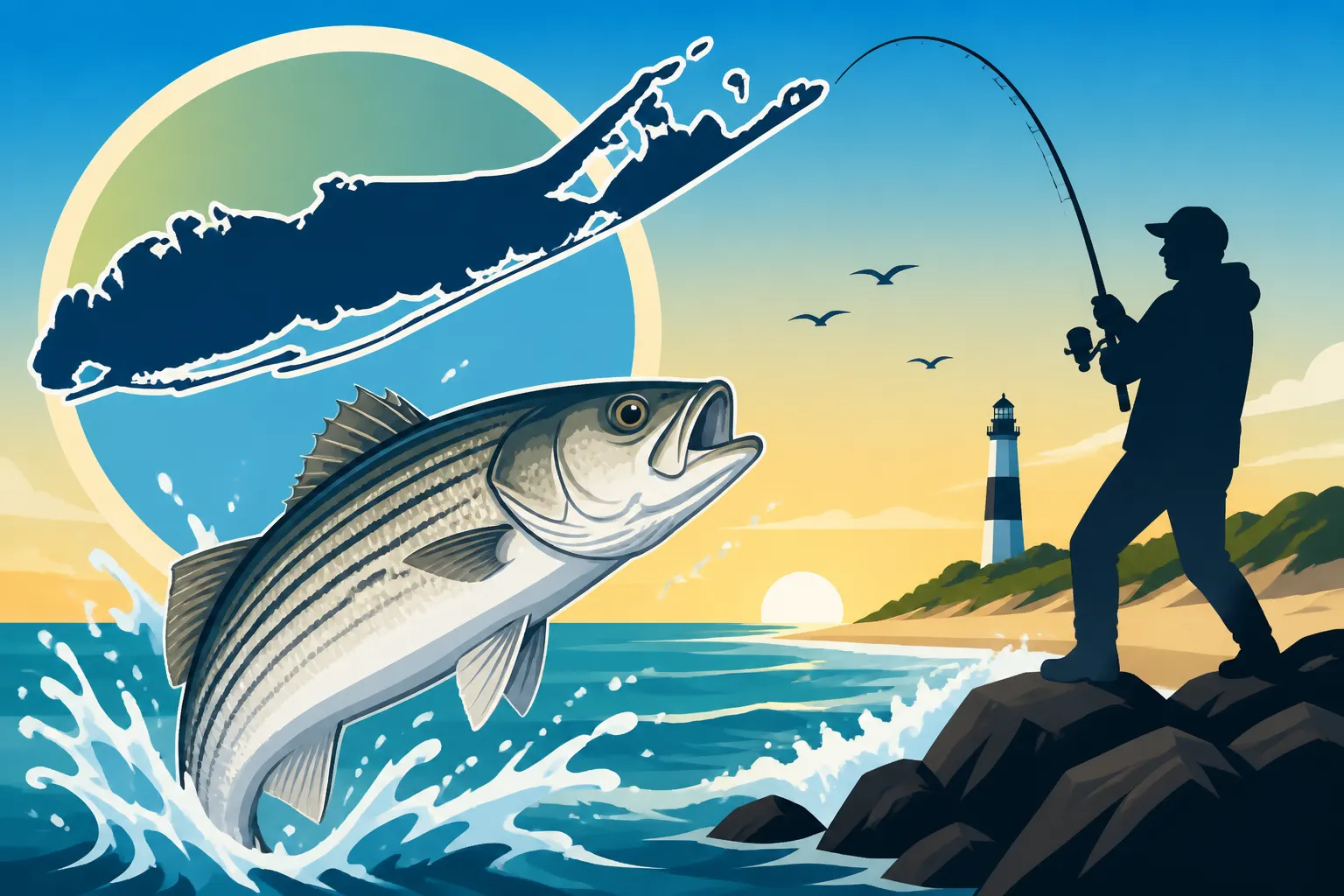
It can feel incredibly frustrating, can't it? You've got that itch to chase striped bass, those powerful, silver-sided beauties, but you don't own a boat or have access to one. You're standing on the shore, gazing out at the vast waters surrounding Long Island, wondering where in the world you can cast a line and actually have a real shot at hooking a keeper. This guide is here to cut through that confusion, giving you the insider scoop on the very best shore fishing spots for striped bass right here on Long Island, along with the tips and tricks you’ll need to make your next outing a success.
The Allure of Long Island for Shore Striper Anglers
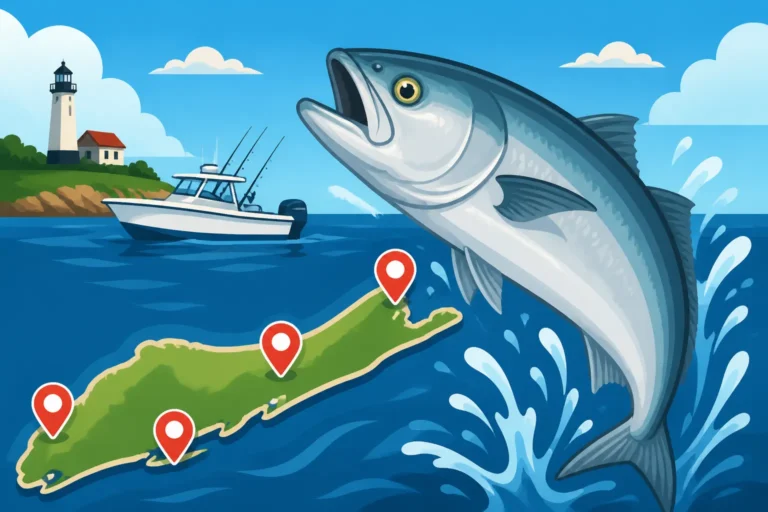
Long Island, a sprawling stretch of land jutting into the Atlantic, is an absolute paradise for anglers, especially those who prefer the simplicity and accessibility of shore fishing. Its unique geography, with the Atlantic Ocean to the south, Long Island Sound to the north, and a myriad of bays, inlets, and estuaries in between, creates an incredibly diverse habitat for striped bass. These migratory fish follow baitfish along the coast, often coming surprisingly close to shore, particularly during their spring and fall runs.
What makes Long Island so special for shore-bound striper enthusiasts is the sheer variety of fishing environments. You're not limited to just one type of scenario. You can experience the raw power of surfcasting into the churning Atlantic, the nuanced strategy of working an inlet on a strong current, or the quiet patience required for targeting stripers in a calmer bay. Each spot offers a different challenge and a unique reward, making every trip an adventure. For many, it's about the connection to the water, the thrill of the cast, and the potential for that tell-tale tug on the line that signifies a powerful striped bass on the other end.
Why Striped Bass Love Long Island's Coastline
Striped bass, often simply called "stripers," are attracted to Long Island for several compelling reasons, primarily revolving around food and habitat. The island sits directly in their migratory path as they move north in spring and south in fall. During these crucial times, vast schools of baitfish, such as bunker (menhaden), spearing, and sand eels, congregate along the coast and within the various inlets and bays. Stripers follow these baitfish, often herding them into ambush points created by natural structures or man-made features.
The diverse coastline also provides a mix of sandy beaches, rocky outcroppings, jetties, piers, and marshy areas. These structures create current breaks, deeper channels, and prime hunting grounds where stripers can lie in wait. For instance, the turbulent waters around inlets act like a natural funnel, concentrating both bait and predators. The cooler, oxygen-rich waters of the Atlantic side, especially during warmer months, also appeal to these powerful fish. Furthermore, the numerous estuaries and sheltered bays offer important nursery grounds and feeding opportunities for juvenile stripers before they join the larger migratory schools. This ecological richness means there's almost always a chance to intercept a striped bass from Long Island's shores.
Prime Long Island Shore Fishing Spots for Striped Bass
Now, let's get down to brass tacks: where exactly on Long Island should you be wetting a line from shore for those elusive striped bass? The truth is, there are countless hidden gems, but some spots consistently produce for a reason. These locations offer reliable access, favorable conditions, and a history of successful striper catches.
Montauk Point: The Legendary East End
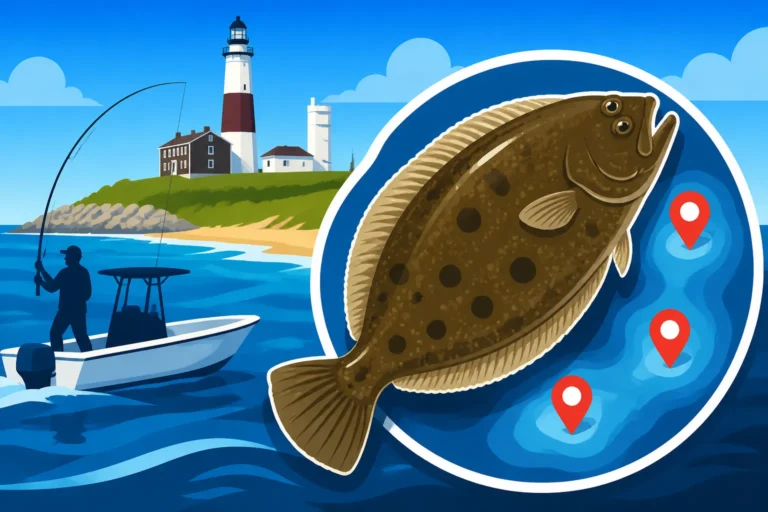
Montauk Point, often affectionately referred to as "The End," is arguably the most famous striper fishing destination on Long Island, if not the entire East Coast. It's a place where legends are made and where truly colossal striped bass are caught right from the rocky shore. The dramatic confluence of strong currents, deep water, and abundant baitfish makes it a magnet for stripers, especially during the fall run when the fish are gorging themselves before their southward migration.
Fishing Montauk requires a certain level of commitment and respect for the environment. The terrain can be rugged, with slippery rocks and powerful waves, so proper footwear and caution are paramount. Anglers often target specific "rips" or current lines where baitfish are swept, drawing in hungry stripers. The area around the Montauk Lighthouse and the numerous jetties and rock piles extending into the ocean are prime spots. You'll often see seasoned surfcasters throwing large pencils, poppers, or swimming plugs at dawn and dusk, or soaking large chunks of fresh bunker or eels after dark. It’s not just about the fishing; it’s an experience, a pilgrimage for many dedicated striper hunters. You can find more detailed information on species in the area in our guide on the "Fish Species Found in Long Island Sound".
Shinnecock Inlet: A Dynamic Hotspot
Moving west along the South Shore, Shinnecock Inlet stands out as another premier location for shore-bound striped bass anglers. This constantly shifting, powerful inlet connects Shinnecock Bay with the Atlantic Ocean, creating a highway for both baitfish and stripers. The strong currents here make it a dynamic and often challenging place to fish, but with challenge comes great reward.
Both the east and west jetties of Shinnecock Inlet are popular spots. Anglers can walk out onto these jetties, allowing them to cast into deeper water and intercept stripers moving in and out with the tides. The outgoing tide, in particular, tends to flush bait from the bay into the ocean, triggering feeding frenzies. Live eels, chunk bait (especially bunker), and bucktail jigs are highly effective here. The trick is to cast into the current and allow your offering to drift naturally, mimicking an injured baitfish. However, always exercise extreme caution on the jetties, as rogue waves can be dangerous, especially during rougher conditions. Understanding "Best Tides for Striped Bass Fishing on New York's Long Island Sound" can be a game-changer when fishing an inlet like Shinnecock.
Jones Beach and Gilgo Beach: South Shore Surfcasting Havens
For those who prefer the open expanse of a sandy beach and the rhythmic cast of surf fishing, Jones Beach and Gilgo Beach offer fantastic opportunities. These South Shore beaches are famous for their consistent populations of sand eels and bunker, which draw in stripers from spring through fall. While you might not be targeting the massive cows found at Montauk, these beaches consistently produce good numbers of schoolie and slot-sized stripers.
Surfcasting here means focusing on reading the beach – looking for cuts, troughs, and sandbars where stripers might ambush bait. The deeper water just beyond the breaking waves is often where the action is. Popular baits include fresh clam, bunker chunks, and sand worms. For artificials, diamond jigs, metal lures, and small swimming plugs that mimic sand eels or spearing are deadly, especially when fish are actively feeding in the surf. These spots are particularly productive during the cooler hours of dawn and dusk, or after dark when stripers are less wary. Remember, access points and parking at Jones Beach can vary, so always check local regulations before heading out.
North Shore Bays and Harbors: More Sheltered Opportunities
While the South Shore gets a lot of the spotlight, Long Island's North Shore, bordering the Long Island Sound, offers a different, often more sheltered, but equally productive shore fishing experience for striped bass. The numerous bays, harbors, and tidal creeks along this coastline provide excellent habitat, especially for resident stripers and during the earlier parts of the spring run or later in the fall.
Areas like Port Jefferson Harbor, Northport Bay, and Oyster Bay are prime examples. Here, you'll find docks, piers, rocky points, and marsh edges that create ideal ambush points. Fishing here often involves lighter tackle and more finesse than heavy surfcasting. Small swimming plugs, soft plastics (like paddletails or jerk shads), and bucktail jigs are very effective. Live eels or chunk bait can also be incredibly productive, especially around structure or deeper channels. These spots are often more accessible and family-friendly, making them great for a casual evening outing. While the fish might not be as large as their ocean-going counterparts, the action can be fast and furious, offering a fantastic opportunity to catch multiple fish. For those considering broadening their fishing horizons, platforms like FishingBooker can help you find local guides specializing in these nuanced bay fishing techniques.
Mastering Shore Fishing Techniques and Gear for Stripers
Shore fishing for striped bass on Long Island isn't just about showing up with a rod and reel. It’s about understanding the specific conditions, having the right gear, and employing smart techniques. The more prepared and knowledgeable you are, the higher your chances of success.
Essential Rods, Reels, and Lines
Choosing the right tackle is fundamental. For heavy surfcasting on the ocean side, a sturdy surf rod between 9 to 12 feet long is ideal. This length allows for long casts over the breaking waves and provides the leverage needed to fight powerful fish in strong currents. Pair this with a robust spinning reel, sized 6000 to 10000, capable of holding 250-300 yards of 30-50 lb braided line. Braided line is crucial for its strength, lack of stretch (which helps with bite detection), and thinner diameter for longer casts. A 30-50 lb fluorocarbon or monofilament leader, 3-5 feet long, is then tied to the braid to provide abrasion resistance and make your offering less visible.
For bay, harbor, or inlet fishing where less extreme casting is needed, a medium-heavy spinning rod, 7 to 9 feet long, matched with a 4000 to 6000 size reel spooled with 20-30 lb braid will suffice. This lighter setup offers more sensitivity and is less tiring to cast repeatedly. Remember, having a reliable setup is key, and investing in quality gear pays off in the long run.
Top Baits and Lures for Long Island Stripers
The choice of bait or lure often depends on the location, time of year, and what the stripers are currently feeding on.
- Live Bait: Live eels are absolute striper magnets, especially after dark and in rocky areas or inlets. They're typically fished on a circle hook with minimal weight, allowing them to swim naturally. Fresh bunker (menhaden) are another top choice. If you can catch live bunker, free-lining them is incredibly effective.
- Chunk Bait: Freshly cut chunks of bunker or clam are highly productive, particularly when surfcasting. The scent trail they leave in the water can draw stripers from a distance. Use a fish-finder rig or a simple high-low rig to present these on the bottom.
- Artificial Lures:
- Plugs: Topwater poppers and pencils create surface disturbance that can trigger aggressive strikes, especially at dawn and dusk. Swimming plugs (like SP Minnows or Daiwa Salt Pro Minnows) mimic baitfish and are excellent for casting in the surf or along jetties.
- Soft Plastics: Paddle-tail shads (such as those from Keitech or Tsunami) or jerk shads rigged on jig heads are incredibly versatile and effective in bays, inlets, and even the surf.
- Jigs: Bucktail jigs are classic striper lures. They can be tipped with a pork rind or a soft plastic trailer and are fantastic for working current seams in inlets or bouncing along the bottom in the surf. Diamond jigs are great for reaching deep-feeding fish when sand eels are present.
Experimentation is key! Pay attention to what the baitfish are doing and try to "match the hatch." If you see birds diving, it's a good sign of bait, and stripers are likely not far behind.
Reading the Tides and Water Conditions
Understanding the tides and water conditions is paramount for successful shore fishing for striped bass. Stripers are highly influenced by current and bait movement.
- Tidal Flow: Inlets, such as Shinnecock, often fish best on an outgoing tide as bait is flushed from the bay into the ocean. Conversely, a strong incoming tide can push bait into bays and harbors, activating stripers there. Along open beaches, fishing around high tide, especially during a new or full moon when tides are strongest, can often be productive as fish move closer to shore to feed in the newly flooded areas.
- Moon Phases: New and full moons bring the strongest tidal swings, known as "spring tides." These powerful currents often concentrate bait and make for excellent striper fishing. The "Best Tides for Striped Bass Fishing on New York's Long Island Sound" are often during these periods.
- Water Temperature: Stripers are cold-blooded and their activity levels are directly tied to water temperature. They become more active as water temperatures rise in spring and remain active until the water cools significantly in late fall.
- Wind and Waves: A moderate chop or a light swell can be beneficial, as it breaks up the water's surface, making it harder for stripers to see you and easier for them to ambush bait. Heavy winds, however, can make casting difficult and create unfavorable conditions. Pay attention to the wind direction; an onshore breeze often pushes bait closer to shore.
| Fishing Location | Best Tide | Ideal Bait/Lure | Key Feature/Tip |
|---|---|---|---|
| Montauk Point (Ocean) | Strong incoming/outgoing | Live Eels, Large Plugs, Chunk Bunker | Rugged terrain, focus on rips, especially fall run. |
| Shinnecock Inlet | Outgoing | Live Eels, Chunk Bunker, Bucktail Jigs | Strong currents, use caution on jetties, target current seams. |
| Jones Beach (Surf) | High tide | Fresh Clam, Bunker Chunks, Diamond Jigs, Soft Plastics | Look for cuts & troughs in the sand, dawn/dusk best. |
| North Shore Bays/Harbors | Incoming | Small Plugs, Soft Plastics, Live Eels | Structure-oriented, lighter tackle, more sheltered. |
Key Regulations and Best Practices for Long Island Stripers
Fishing for striped bass on Long Island, and throughout New York, comes with a responsibility to understand and adhere to the regulations set forth by the New York State Department of Environmental Conservation (DEC). These rules are in place to ensure the sustainability of the striped bass population for future generations of anglers. It's not just about avoiding penalties; it's about being a good steward of our natural resources.
Understanding Current Striped Bass Regulations
New York's fishing regulations, particularly for migratory species like striped bass, can change, sometimes annually, so it's absolutely crucial to check the latest DEC regulations guide before every fishing season. Generally, you'll need to pay close attention to several key aspects:
- Size Limits (Slot Limits): Striped bass often have a "slot limit," meaning you can only keep fish that fall within a specific minimum and maximum length. For example, a common regulation might be a 28 to 31-inch slot. Fish smaller than the minimum or larger than the maximum must be immediately released. This protects both juvenile fish and the large, important breeding stock. Our guide on "New York Striped Bass Length Requirements" can provide further context.
- Bag Limits: This dictates how many fish you can keep per day. Typically, for recreational anglers, this is one fish per person per day.
- Season Dates: Striped bass seasons have specific opening and closing dates. There might also be specific closures for certain areas, such as the Hudson River during winter months to protect spawning fish, as detailed in "Striped Bass Season Closure Dates on the Hudson".
- Gear Restrictions: There are often rules about the type of hooks you must use, especially when bait fishing. The "Striped Bass Circle Hook Requirement" is a significant one in New York, meaning non-offset circle hooks are mandatory when using bait, as they greatly reduce gut-hooking and improve the survival rate of released fish.
- Marine Fishing Registry: Don't forget that if you're fishing for striped bass (or any marine fish) in New York, you must register annually with the Recreational Marine Fishing Registry. It's free, but it's mandatory.
Penalties for fishing without a license or violating regulations can be steep, including fines and potential confiscation of gear. Ignorance of the law is not an excuse, so always carry a copy of the regulations (or have them easily accessible on your phone) and a measuring device.
Practicing Responsible Catch and Release
Even if you're within the legal slot limit, practicing responsible catch and release for larger or smaller fish is vital. Many anglers choose to release all but a few fish they intend to eat, especially the large breeders. Here are some best practices:
- Handle Fish Gently: Minimize the time the fish is out of the water. Support its body horizontally, avoiding hanging it vertically by the jaw or gills.
- Wet Your Hands: Always wet your hands before handling a fish to protect its protective slime coat.
- Use Proper Tools: Have a de-hooking tool or needle-nose pliers ready to quickly remove hooks.
- Circle Hooks for Bait: As mentioned, use non-offset circle hooks when fishing with bait to reduce gut-hooking.
- Revive If Necessary: If a fish looks sluggish upon release, hold it gently in the water, facing into the current, until it regains its strength and can swim away on its own.
By adhering to these regulations and practices, we ensure that Long Island's phenomenal striped bass fishing opportunities remain vibrant for all of us, year after year. For those interested in diverse fishing experiences beyond individual shore spots, resources like FishingBooker can help you connect with professional guides who strictly adhere to all local regulations and promote sustainable fishing practices.
Final Thoughts on Your Long Island Striper Quest
Shore fishing for striped bass on Long Island is a deeply rewarding pursuit, offering a unique blend of challenge, natural beauty, and the undeniable thrill of battling a powerful fish. Whether you're standing on the legendary rocks of Montauk, navigating the currents of Shinnecock Inlet, or casting into the waves at Jones Beach, each location provides a distinct adventure. The key to success lies in understanding the fish, the environment, and equipping yourself with the right knowledge and gear.
Remember, patience is a virtue in fishing. Not every cast will yield a fish, and not every trip will be epic, but the anticipation, the solace of the surroundings, and the eventual triumph of a hook-up make every moment worthwhile. Embrace the journey, learn from every outing, and always respect the incredible marine resources that Long Island offers. Maybe you'll find yourself looking up "New York Fishing Charters and Guides" on FishingBooker one day to take your striper pursuit to the next level, but for now, the shore awaits.
Disclaimer
The information provided in this guide is for general informational purposes only and is subject to change. Fishing regulations, season dates, and size limits can vary and are often updated by the New York State Department of Environmental Conservation (DEC). It is the responsibility of every angler to consult the latest official DEC fishing regulations before engaging in any fishing activity. Always prioritize safety, especially when fishing near water, jetties, or in challenging conditions.