Best Trout Streams Near Albany, New York
It can be incredibly frustrating when you're itching to cast a line for some beautiful trout, but you're new to the Albany area or just tired of the same old spots that feel picked over. Finding those serene, productive trout streams within a reasonable drive can feel like a secret handshake you're not in on. This guide is here to change that, offering you a comprehensive look at some of the best trout fishing opportunities just a stone's throw from New York's Capital Region.
The Allure of Trout Fishing Near Albany
There’s something truly special about trout fishing – the quiet anticipation, the subtle tug on the line, and the vibrant beauty of a wild or stocked trout emerging from crystal-clear water. For anglers in and around Albany, New York, the good news is that you don't have to venture deep into the Adirondacks or the remote Catskills to find quality trout waters. The Capital Region and its immediate surroundings are blessed with an abundance of streams and creeks that offer fantastic opportunities for catching brook, brown, and rainbow trout.
Many people assume you need to travel hours to get away from the hustle and bustle, but the truth is, some of the most overlooked gems are right under our noses, often flowing through rolling farmlands, quiet wooded areas, and even the fringes of charming small towns. These waters provide not just excellent fishing, but also a chance to disconnect, breathe fresh air, and enjoy the natural beauty that New York State is renowned for. It's a fantastic way to spend a morning or an entire day, whether you're a seasoned fly angler or someone just starting out with a spinning rod.
Common Trout Species in Capital Region Waters
When you hit the streams near Albany, you'll primarily be targeting three species of trout, each with its own unique appeal and fighting style. Understanding what you're likely to encounter can help you tailor your approach and gear for the best results.
First up, we have the Brook Trout, often New York's official state fish. These native beauties are characterized by their worm-like markings on a dark olive background, vibrant red spots surrounded by blue halos, and white leading edges on their fins. They thrive in colder, cleaner headwaters and smaller tributaries, often a sign of excellent water quality. While they don't usually grow as large as other trout species in these smaller streams, their vibrant colors and wild nature make them a prized catch. Finding a brook trout is often considered a testament to the health of the stream.
Next, the Brown Trout is perhaps the most common and widely distributed trout species in the region's larger streams. Originally from Europe, brown trout are highly adaptable and can tolerate slightly warmer water temperatures and more varied stream conditions than brook trout. They are known for their golden-brown flanks, often adorned with dark spots and some red-orange spots, often with pale halos. Brown trout can grow quite large, offering a thrilling fight, and they are notorious for their wary nature, making them a challenging and rewarding target for experienced anglers. They are often stocked by the New York Department of Environmental Conservation (DEC) to supplement wild populations.
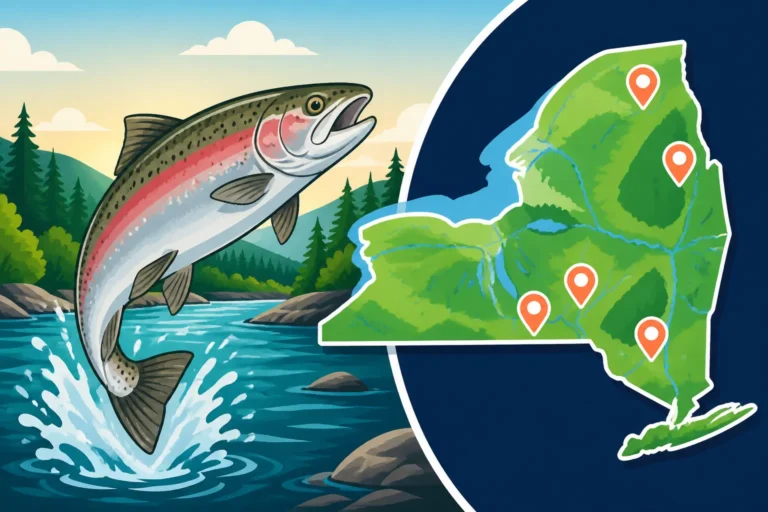
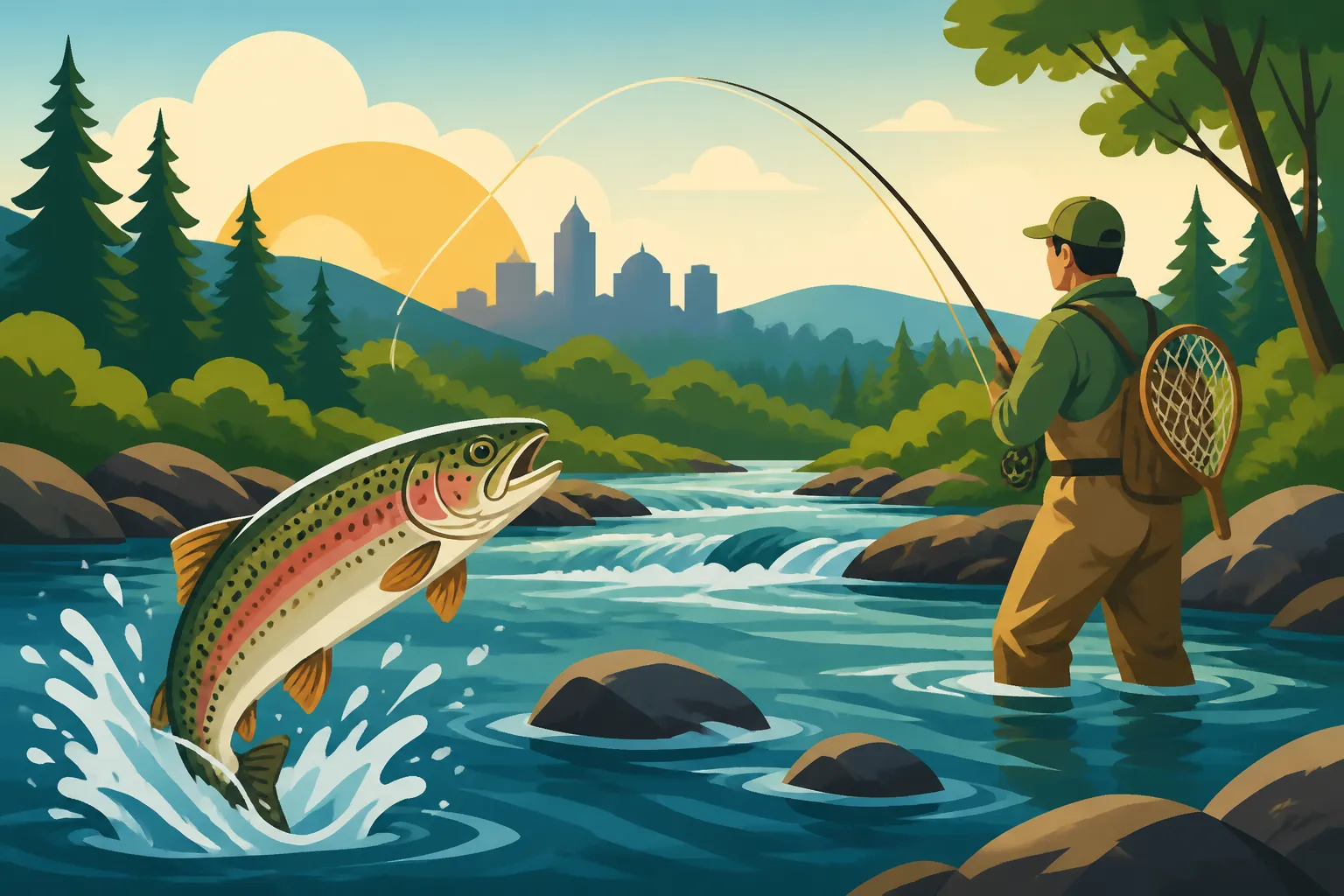
Finally, we have the Rainbow Trout, easily identifiable by the distinct pink or red stripe running horizontally along their sides, especially prominent during spawning season. Their bodies are typically silvery with numerous small dark spots. Rainbow trout are spirited fighters, often leaping clear out of the water when hooked, providing an exciting experience for any angler. Like brown trout, they are frequently stocked in many regional streams to provide ample fishing opportunities and are generally found in medium to larger-sized creeks and rivers. Understanding the differences between these species is key to appreciating your catch. If you want to dive deeper into the nuances of these fish, check out our guide on A Guide to New York's Trout Species.
Why the Capital Region is a Trout Angler's Paradise
The area surrounding Albany is a true gift for trout anglers. It sits at a crossroads of various geographic features, including the foothills of the Catskill Mountains, the Hudson River Valley, and proximity to numerous smaller watersheds. This diverse landscape translates into an array of stream types, from small, brush-lined trickles holding wild brookies to wider, more open rivers that are regularly stocked with robust brown and rainbow trout.
What makes it a paradise isn't just the sheer number of streams, but also their accessibility. Many of these waters have public access points, whether through state land, public fishing easements, or town parks. The New York DEC plays a crucial role, too, with an active stocking program that ensures many streams receive a fresh injection of catchable trout each spring and fall. This helps maintain healthy populations and increases the chances of a successful outing, even in waters that might not support significant wild populations. For those curious about the official sources of this support, the New York DEC Fishing Regulations Guide offers a wealth of information.
The variety of fishing experiences also contributes to its appeal. You can spend a peaceful morning fly fishing a small, secluded brook or enjoy a more social day spin fishing a larger, easily accessible creek with family or friends. The convenience factor is huge; you can often be on the water in less than an hour from Albany, meaning you don't have to commit to a multi-hour drive just to get your fishing fix. This makes it ideal for spontaneous trips or quick escapes after work.
Top Trout Streams to Explore Within a Short Drive of Albany
Now, let's get down to the nitty-gritty: the specific streams you should be exploring. While there are countless small brooks and unnamed trickles that hold trout, these are some of the most well-known and productive streams within easy reach of Albany, offering diverse experiences for anglers of all skill levels.
Poestenkill Creek: A Hidden Gem
Just a short drive east of Albany, primarily flowing through Rensselaer County, you'll find the Poestenkill Creek. This stream is a true hidden gem for many anglers, offering a mix of wild and stocked trout, particularly brown and rainbow trout in its lower and middle sections. It flows from its headwaters in the Rensselaer Plateau down towards the Hudson River, creating varied habitat along its course.
The character of the Poestenkill shifts dramatically as it flows. In its upper reaches, it's a smaller, quicker stream, often holding feisty wild brook trout in its colder pools and riffles. As it widens and flows through areas like Poestenkill village and around Troy, it becomes a more substantial stream, capable of holding larger stocked trout. Anglers will find a mix of faster runs, deep pools, and gravelly bottoms. Access can be found in several spots, including public fishing easements and parks. One popular spot is around the village of Poestenkill itself, where the creek meanders through some beautiful scenery.
Fishing techniques here can vary. In the slower, deeper pools, bait fishing with worms or small shiners can be effective, especially for freshly stocked trout. For those who prefer artificials, small spinners (like Mepps or Panther Martin) or spoons worked through runs and deeper pockets often entice a strike. Fly anglers will find success with nymphing techniques, especially during colder months, and dry flies when hatches are occurring, typically from late spring through early fall. This creek is a fantastic option for a quick escape and often sees less pressure than some of the more famous Catskill waters.
Kinderhook Creek: Diverse Opportunities
South of Albany, meandering through Columbia County, lies the Kinderhook Creek. This is a larger, more significant stream that offers diverse trout fishing opportunities, primarily for brown and rainbow trout. The Kinderhook is a fantastic option because it has excellent water quality in many sections and benefits from regular stocking by the DEC, ensuring a good population of fish throughout the season.
The creek's journey takes it through picturesque agricultural lands and some wooded areas, featuring a variety of stream structures. You'll encounter long, smooth glides, broken by fast riffles and deeper pools carved out by fallen trees and bedrock. Its wider nature makes it suitable for both fly fishing and spin fishing, with ample room for casting. Popular access points include several state-owned public fishing rights (PFR) sections that are clearly marked. These PFRs are invaluable for finding good stretches to fish.
Successful approaches on Kinderhook Creek often involve matching the hatch for fly anglers, particularly during spring and early summer when caddis and mayfly hatches can be prolific. Nymphing is consistently effective, especially with patterns imitating common aquatic insects. For spin anglers, Rapala crankbaits, small Kastmasters, and rooster tails are proven producers. Live bait like garden worms or minnows, fished under a bobber or lightly weighted, can also be very productive, particularly when water levels are slightly elevated or off-color after rain. It’s always smart to check the local conditions and the New York Fishing Season Dates and Catch Limits before heading out.
Basic Creek and Catskill Creek: Gateway to the Catskills
While technically pushing the boundaries of "near Albany," Basic Creek and the larger Catskill Creek, located in Greene County, serve as excellent northern gateways to the Catskill Mountain fishing experience without the longer drive associated with the more famous rivers like the Beaverkill or Esopus. Both streams offer beautiful scenery and rewarding trout fishing.
Basic Creek is a smaller, often wilder tributary to Catskill Creek. It's known for its colder water and more pristine character, making it a prime location for brook trout, though brown trout are also present. The fishing here can be more challenging due to the tighter quarters and spooky nature of wild trout, but the reward of a colorful native brook trout is unparalleled. Access can be found along Route 81 and other local roads, often requiring a bit of bushwhacking to find the best, most secluded spots. Small dry flies, tiny nymphs, and ultra-light spinning gear with micro-spinners are the go-to choices for this intimate stream.
Catskill Creek, on the other hand, is a much larger and more substantial river system that flows into the Hudson. It's heavily stocked by the DEC with brown and rainbow trout, especially in its lower and middle sections, and also holds a good population of wild brown trout. The creek offers a wide array of habitats, from bedrock gorges to gravelly runs and deep, slow pools. This diversity means there's a fishing spot for almost every preference. Public access points are numerous, including several PFR sections and bridges along county roads. If you’re looking for a more extensive fishing trip, or want to explore some of the many options available in the region, resources like FishingBooker can help you find local guides who specialize in these waters, particularly if you're targeting specific areas or techniques.
For Catskill Creek, both fly fishing and spin fishing are highly effective. Fly anglers will find success with streamer patterns, larger nymphs, and dry flies during hatches. Spin anglers can use a variety of artificial lures, including larger inline spinners, small crankbaits, and soft plastics rigged on jig heads. Bait fishing with worms or powerbait is also popular, especially right after stocking. These streams provide a wonderful blend of scenic beauty and productive fishing, making the slightly longer drive well worth it.
Essential Tips for Successful Trout Fishing Near Albany
Beyond knowing where to go, understanding how to approach these Capital Region trout streams is crucial for a successful and enjoyable outing. Trout are notoriously finicky, but with the right gear, techniques, and adherence to regulations, you can significantly increase your chances of hooking into some beautiful fish.
Gear and Tackle Recommendations
Having the right equipment can make all the difference, whether you're a seasoned pro or just starting your trout fishing journey. For most streams near Albany, versatility is key.
For Spin Fishermen:
A light to ultra-light spinning rod, typically 5 to 6.5 feet in length, paired with a small spinning reel spooled with 4 to 6 lb test monofilament or fluorocarbon line is ideal. This setup allows for accurate casting of small lures and offers enough sensitivity to feel subtle bites. You'll want an assortment of small artificial lures:
- Inline Spinners: Mepps Aglia, Panther Martin, Rooster Tail in sizes #0 to #2. Silver, gold, black, and firetiger patterns are generally effective.
- Small Spoons: Kastmaster, Acme Little Cleo in 1/8 to 1/4 ounce.
- Small Crankbaits: Rapala Original Floaters or Countdown models in 1-2 inch sizes, in natural trout colors or bright patterns.
- Soft Plastics: Small trout worms or tiny tube jigs can be effective when rigged on a light jig head.
Live bait options include garden worms, mealworms, or small minnows, fished under a small bobber or with minimal weight. Always check New York Freshwater Fishing Rules regarding bait restrictions, as some waters may have specific limitations.
For Fly Fishermen:
A 3 to 5-weight fly rod, 7.5 to 9 feet long, paired with a matching reel and weight-forward floating line, is a versatile setup for these streams. You'll need a variety of flies to match the conditions:
- Nymphs: Pheasant Tail, Hare's Ear, Prince Nymph, Caddis Larva patterns in sizes #12-18.
- Dry Flies: Elk Hair Caddis, Adams, Parachute Adams, Blue Wing Olive, Hendrickson in sizes #12-18 for matching hatches.
- Streamers: Woolly Bugger (black, olive, brown), Sculpin patterns in sizes #6-10 for aggressive trout.
Don't forget leaders and tippet in 4x-6x sizes, nippers, forceps for hook removal, and a landing net with a fine mesh to protect fish if you plan on catch-and-release.
Best Times and Techniques
Timing and technique are paramount when targeting trout. These fish are creatures of habit and sensitive to environmental changes.
Best Times:
- Early Spring (April-May): This is prime time, especially after the New York Trout Season Opening Day is April 1. Water levels are often higher, and temperatures are ideal. Stocked trout are abundant and often less wary.
- Late Spring/Early Summer (May-June): As water temperatures rise, fish become more active, and insect hatches are common, making it excellent for dry fly fishing. Morning and evening hours are usually most productive.
- Fall (September-October): Many streams receive fall stockings, and wild trout become more active as water temperatures cool. This can be fantastic for targeting larger brown trout as they prepare for spawning.
- Early Morning and Late Evening: These are consistently the best times of day, as trout are often most active when light levels are low, and insect activity is high.
Effective Techniques:
- Reading the Water: Learn to identify key holding lies: deep pools, undercut banks, current seams, riffles, and areas around submerged structures like logs and rocks. Trout use these spots for cover and to ambush food.
- Upstream Approach: For fly and spin fishing, often approaching from downstream and casting upstream allows you to present your lure or fly naturally without spooking fish, as trout typically face upstream into the current.
- Stealth: Trout are easily spooked. Move slowly, avoid sudden movements, and wear natural-colored clothing. Keep a low profile, especially in clear water.
- Presentation: A natural, drag-free drift with a fly or a smooth retrieve with a spinner is crucial. Avoid jerking motions that look unnatural. If using bait, let it drift freely with the current.
- Patience and Persistence: Sometimes it takes time to find active fish or figure out what they're biting on. Don't be afraid to change lures or flies if you're not getting bites. If you're struggling, a change in technique, such as switching from dry flies to nymphs, might be just what you need. For advanced tactics, our guide on How to Trout Fish in New York offers deeper insights.
Understanding Local Regulations and Hatchery Stocking
Fishing in New York comes with rules, and it's your responsibility as an angler to know and follow them. This includes having the appropriate fishing license and understanding specific regulations for the waters you intend to fish.
Every angler aged 16 and older needs a valid New York State fishing license to fish in these waters. You can easily obtain one online through the DEC website, at town clerk offices, or at many sporting goods stores. Our New York Fishing License Guide provides all the details you need. Without one, you could face penalties for Fishing Without a License in New York: What Happens.
Beyond the license, pay close attention to:
- Season Dates: While trout season generally opens on April 1st, some special regulation waters might have different dates or year-round catch-and-release seasons.
- Size Limits: There are often minimum size limits for trout, which can vary by stream or county.
- Daily Creel Limits: This refers to the maximum number of fish you can keep in a single day. For example, the statewide trout daily limit is often five fish, but it's crucial to check for any special regulations. You can learn more about this in How Many Trout Can You Keep Per Day in New York?.
- Gear Restrictions: Some waters may have "artificials only" rules, "fly fishing only" sections, or restrictions on live bait.
- Trout Stamps: While not always required for a basic license, if you intend to fish for trout in specific designated trout waters, a Trout Stamp might be necessary. To understand if you need one, check out What Is a Trout Stamp?.
The DEC's hatchery stocking program is vital for many of these streams. They stock millions of trout annually across the state. You can often find stocking schedules on the DEC website, which can be immensely helpful in planning your trips, especially if you're targeting freshly stocked fish. Just remember that recently stocked trout can be eager biters but also quickly become wise to common presentations.
Planning Your Albany-Area Trout Adventure
Getting out on the water near Albany is easier than you might think, but a little planning goes a long way. From pinpointing access points to knowing where to grab last-minute supplies, having a solid plan will ensure your fishing trip is seamless and enjoyable.
Finding Public Access Points
One of the biggest hurdles for any angler is finding legal and convenient access to fishing waters. Fortunately, the New York DEC has done a fantastic job of establishing Public Fishing Rights (PFR) easements along many of the state's prime trout streams, including those near Albany.
These PFR sections are typically marked with yellow "Public Fishing Rights" signs and provide legal access for fishing and walking along the streambanks. You can find detailed maps of PFR sections on the DEC's website, which are invaluable for scouting locations before you go. Simply search for the specific stream name (e.g., "Kinderhook Creek PFR map") and you'll often find downloadable PDFs showing parking areas and designated access points.
Beyond PFRs, many streams flow through state forests, wildlife management areas, or local town parks, which also offer public access. Always look for designated parking areas and respect private property boundaries. Never trespass, even if a spot looks promising. A little bit of online research using tools like Google Maps satellite view can help you identify potential access points, bridges, and open areas adjacent to streams. Moreover, local forums and angling clubs can be a treasure trove of information regarding lesser-known access points and current stream conditions.
Local Resources and Bait Shops
Even the most prepared angler might need to pick up some extra bait, tackle, or just get a feel for the local conditions. Albany and its surrounding towns offer several excellent resources.
Bait and Tackle Shops:
While there isn't always a dedicated fly shop right on the banks of every stream, larger sporting goods stores in the Albany area, such as Dick's Sporting Goods or independent shops like Albany Rod and Gun Club, often carry a good selection of trout fishing gear, live bait, and basic fly tying materials. They can also be a great source for up-to-date local fishing reports and advice from experienced staff. Don't underestimate the value of a small, local bait shop; these mom-and-pop operations often have the most current information on what's biting and what gear is working best.
Online Resources:
The New York State DEC website (dec.ny.gov) is your absolute best friend for regulations, stocking schedules, PFR maps, and general information about New York Freshwater Fishing Rules. Additionally, platforms like FishingBooker can sometimes list local guides or charter services for nearby rivers, providing an opportunity for guided trips if you prefer a more tailored experience. Many local angling clubs or online forums dedicated to New York fishing also provide a wealth of community-sourced information, reports, and tips for specific streams around Albany.
Other Amenities:
Many of the towns near these streams, like Kinderhook, Valatie, or Averill Park, have small general stores, gas stations, and eateries where you can grab a quick lunch or a cold drink. It’s always a good idea to pack essentials like water, snacks, sunscreen, insect repellent, and a first-aid kit, as some of the more remote sections of these streams might not have amenities close by. Being prepared means you can focus entirely on the joy of fishing.
Stream Comparison Table: Albany Area Trout Waters
To help you quickly compare some of the great trout streams near Albany, here’s a handy table outlining key features:
| Stream Name | Primary Location | Primary Trout Species | Best Seasons | Typical Fishing Methods | Access Notes |
|---|---|---|---|---|---|
| Poestenkill Creek | Rensselaer County | Brown, Rainbow, Brook (upper) | Spring, Fall, Early Summer | Spin (lures/bait), Fly (nymphs) | Mix of public easements & roadside spots; check DEC maps. |
| Kinderhook Creek | Columbia County | Brown, Rainbow | Spring, Fall, Early Summer | Fly (dry/nymph), Spin (lures/bait) | Numerous DEC Public Fishing Rights (PFR) sections, well-marked. |
| Basic Creek | Greene County | Brook (wild), Brown | Spring, Fall | Fly (small dry/nymph), Ultra-light Spin | More remote; some roadside pull-offs; requires scouting. |
| Catskill Creek | Greene County | Brown, Rainbow | Spring, Fall, Summer | Fly (streamers/nymphs), Spin (lures/bait) | Extensive PFRs, state land access, bridges along county roads. |
This table provides a quick reference, but remember that specific conditions can change, and exploration is always part of the adventure!
Disclaimer
The information provided in this guide is for general informational purposes only. Fishing conditions, regulations, and access points can change. Always consult the official New York State Department of Environmental Conservation (DEC) website for the most current fishing regulations, license requirements, and stream-specific rules before planning your trip. Anglers are responsible for understanding and adhering to all applicable laws and regulations. Fish responsibly and practice Leave No Trace principles.