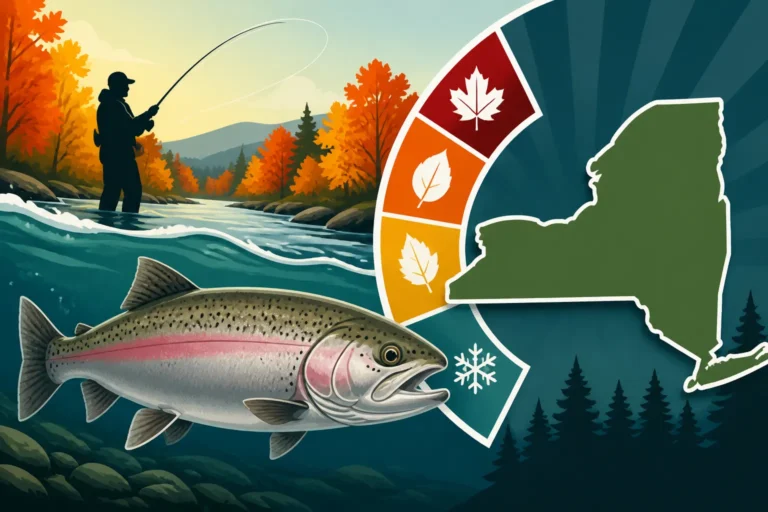
New York Trout Season Opening Day Is April 1
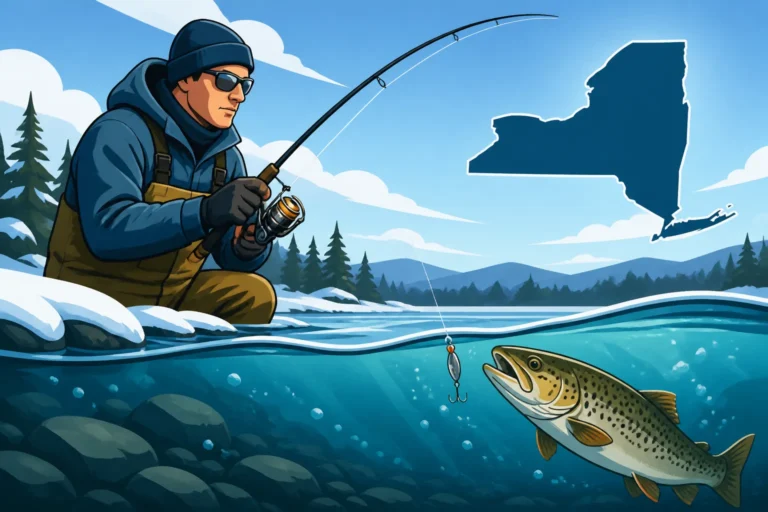
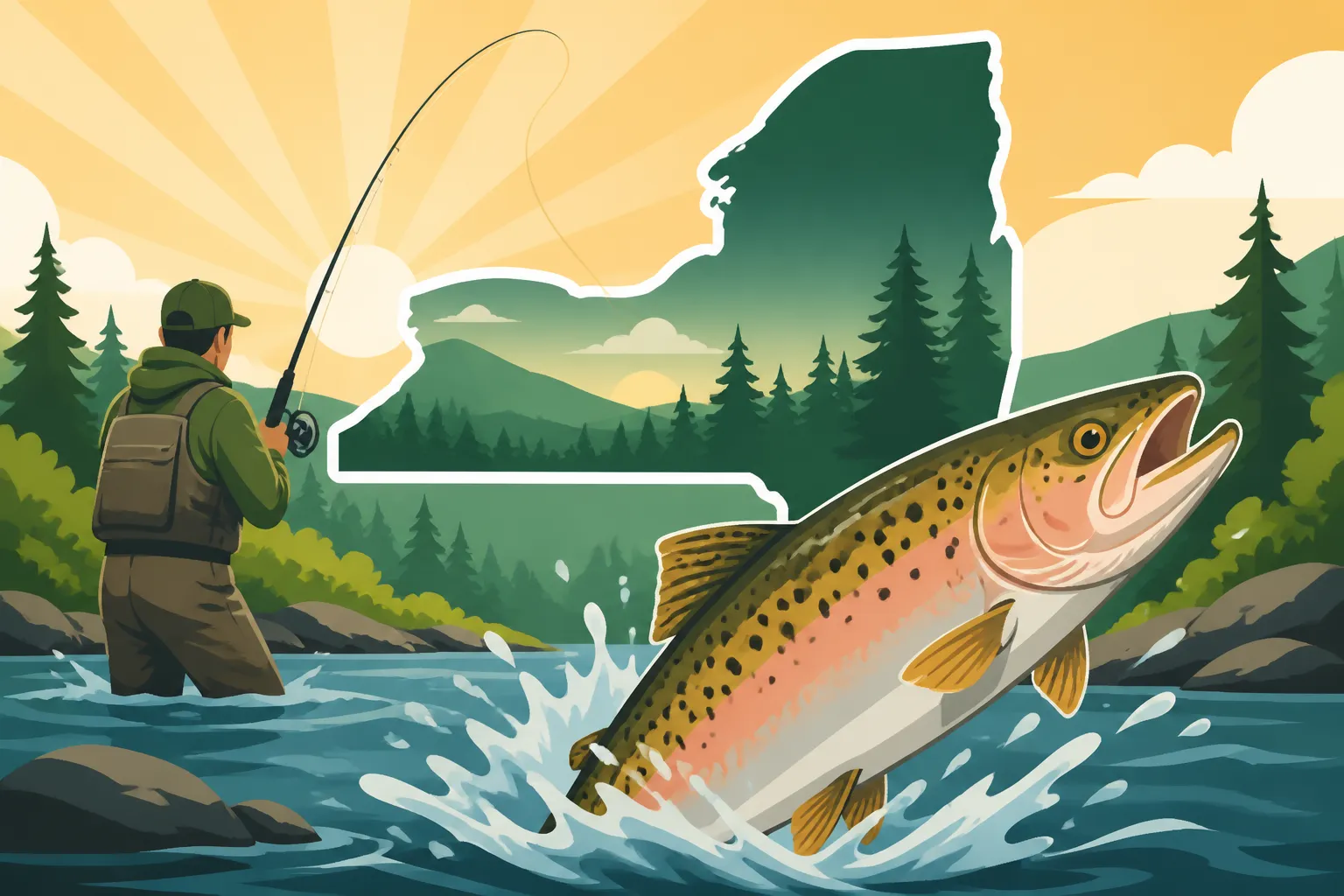
For many anglers in New York, the arrival of spring brings with it a mix of excitement and a touch of impatience, all centered around one crucial date: April 1st. This isn't just a date on the calendar; it's the official kick-off for the regular trout season across much of the state, signaling the return to colder streams and rivers after a long winter, and a chance to finally wet a line for those elusive and beautiful trout. This guide will walk you through everything you need to know to make your New York trout season opening day a memorable one.
The Anticipation and Reality of April 1st for Trout Anglers
April 1st holds a special place in the hearts of New York's trout fishing community. It's a tradition, a right of passage, and often the first real opportunity of the year to chase brook, brown, and rainbow trout in many of the state's picturesque waterways. The air might still have a chill, and ice might linger in shaded spots, but the collective enthusiasm is palpable.
More Than Just a Date: A Cultural Event
For many, opening day is almost a holiday. Families pack up their gear, friends plan annual trips, and tackle shops buzz with activity as anglers stock up on their favorite lures, baits, and flies. It’s a time for camaraderie, sharing stories from past seasons, and perhaps a friendly competition over who lands the first fish of the year. This isn't just about catching fish; it's about connecting with nature, enjoying the crisp spring air, and participating in a long-standing tradition. The anticipation builds through March, with anglers eagerly checking stream conditions, water temperatures, and weather forecasts. It's a shared experience that solidifies the fishing community, bringing together seasoned veterans and excited newcomers alike. You'll often see groups gathered at popular access points, sipping coffee, and eagerly awaiting the first cast of the season.
Understanding the Statewide Opening
While April 1st marks the general opening of trout season across New York, it's incredibly important to understand that specific regulations can and do vary depending on the waterbody. The New York State Department of Environmental Conservation (DEC) manages trout populations through extensive stocking programs and habitat restoration efforts, and these efforts come with specific rules to ensure sustainability. Always consult the official New York Fishing Regulations Explained for the most up-to-date and localized information before heading out. Some waters might have unique size limits, catch-and-release only periods, or even different opening and closing dates. For instance, some lakes might have earlier or later seasons, especially if they support landlocked salmon or unique trout strains. While April 1st is the standard, ignorance of local regulations is no excuse, and a quick check of the DEC's official guide can save you a lot of headache and potential fines.
Essential Preparations for New York's Trout Opening Day
A successful opening day isn't just about luck; it's about being prepared. From ensuring you have the proper legal documents to gathering the right gear, a little foresight goes a long way.
Securing Your Fishing License and Endorsements
First and foremost, before you even think about casting a line, you need a valid New York fishing license. If you're 16 years of age or older, a license is mandatory for fishing in freshwater. You can easily obtain your license online through the DEC website, at a local town clerk's office, or at many sporting goods stores like those found in larger retail chains. You'll also want to make sure you have the appropriate endorsements. For trout, specifically, some waters may require a trout stamp, so be sure to check the specific rules regarding the New York Trout Stamp Cost. It’s always best to get your license well in advance to avoid any last-minute rushes or technical glitches. Remember, officers regularly patrol popular fishing spots, and fishing without a valid license can lead to significant penalties. Having your license easily accessible, either a printed copy or a digital one on your phone, is crucial. For detailed information on how to acquire one, check out our guide on how to Get a Fishing License in New York.
Gearing Up: Rods, Reels, and Tackle
Early season trout fishing in New York often means cold water, and fish can be a bit sluggish. This generally calls for a more subtle approach.
- Rods and Reels: For most stream and river fishing, a light to medium-light action spinning rod (5-7 feet) paired with a 1000 or 2000 series reel spooled with 4-6 lb test monofilament or fluorocarbon line is ideal. This setup provides enough sensitivity for subtle bites and enough backbone to handle a feisty trout. Fly anglers typically opt for 3-5 weight fly rods, especially for smaller streams and more delicate presentations. If you're targeting larger brown trout in wider rivers, you might consider a slightly heavier setup. For more specific advice, our article on the Best Rod Weight for New York Trout Streams can help you choose.
- Tackle Box Essentials: Your tackle box should be well-stocked. Think small:
- Hooks: Size 8-14 baitholder or octopus hooks for bait fishing.
- Weights: Split shot and small worm weights for getting your bait down.
- Swivels: Barrel swivels to prevent line twist.
- Lures: Small inline spinners (Mepps, Panther Martin, Rooster Tail) in sizes 0-2, small spoons (Kastmasters, Little Cleos), and micro crankbaits (Rapala countdowns).
- Floats/Bobbers: Small, sensitive slip bobbers can be very effective in early season when fish are holding in deeper pockets.
- Leader Material: 2-4 lb fluorocarbon leader can be a game-changer in clear, cold water, as it’s nearly invisible to fish.
Don't forget essentials like needle-nose pliers for hook removal, a small net with rubberized mesh (kinder to fish if you're practicing catch-and-release), and a stringer or cooler if you plan to keep your catch. Many of these items, from fishing line to small tackle boxes, can be found conveniently on Amazon, often with quick delivery to get you ready for the big day.
Bait and Lure Choices for Early Season Success
What you offer those trout on opening day can make all the difference. Their metabolism is still slow in the cold water, and they might not chase a lure aggressively.
- Live Bait: This is often the most consistent producer in cold water.
- Worms: Nightcrawlers or smaller garden worms are classic and highly effective. Thread them onto a hook to allow for natural movement.
- Minnows: Small live minnows, if legal in your specific waterbody (always check New York Freshwater Fishing Rules), can entice larger brown trout.
- PowerBait/Berkley Gulp: These scented, dough-like baits are incredibly popular for stocked trout. Form them into a small ball around your hook, allowing them to float just off the bottom.
- Artificial Lures:
- Spinners: Small inline spinners in natural colors (silver, gold, black) or brighter "hot spot" colors can be deadly. Cast upstream and retrieve just fast enough to get the blade spinning, letting it drift naturally downstream.
- Spoons: Small, oscillating spoons mimic injured baitfish and can be worked slowly through deeper pools.
- Jigs: Tiny hair jigs or soft plastic jigs (1/32 to 1/16 oz) tipped with a piece of worm or grub can be jigged slowly near the bottom.
- Flies: For fly anglers, early season often calls for subsurface patterns.
- Nymphs: Pheasant Tail, Hare's Ear, Prince Nymphs, and Stonefly patterns are excellent choices, fished with an indicator or by high-sticking.
- Streamers: Small Woolly Buggers or muddler minnows can imitate baitfish, especially in larger pools.
- Egg Patterns: Especially effective after initial stocking, as trout associate these with food.
Remember, trout can be finicky. Have a variety of options and don't be afraid to experiment until you find what they're hitting on that particular day. Keeping a small tackle organizer, easily found on Amazon, can help you keep these varied options sorted and ready.
Navigating New York's Diverse Trout Waters on Opening Day
New York State boasts an incredible array of trout fishing opportunities, from small, intimate streams nestled in the mountains to vast rivers and lakes. Knowing where to go and what to expect from the conditions is key to a rewarding experience.
Understanding Stocked vs. Wild Trout Fisheries
New York's trout program relies heavily on a robust stocking effort by the DEC. Many popular streams and rivers receive thousands of hatchery-raised brook, brown, and rainbow trout just before or shortly after opening day. These "stocked" waters are often easily accessible and provide excellent opportunities, especially for beginners or those looking for more consistent action. However, fish in these areas can be less wary initially and may become "educated" quickly.
In contrast, wild trout fisheries, often found in the higher reaches of streams or in remote Adirondack or Catskill ponds, hold naturally reproducing populations. These fish tend to be smaller but are generally harder fighting and offer a more challenging, rewarding experience for the purist. The fishing pressure on wild trout streams might also be lighter, but access can be more difficult. Identifying whether you're fishing a stocked or wild stream helps inform your approach. For instance, stocked trout often respond well to PowerBait or bright lures, while wild trout might prefer more natural presentations like nymphs or dry flies matching local insect hatches.
Popular Destinations and What to Expect
New York offers an abundance of prime trout fishing locations.
- Catskill Mountains: The Catskills are renowned as the birthplace of American dry fly fishing. Rivers like the Beaverkill, Willowemoc, Esopus, and Neversink offer legendary angling. While April 1st can be early for significant dry fly hatches, nymphing and streamer fishing can be very productive. Expect stunning scenery and challenging, technical fishing. Many fly shops in towns like Roscoe ("Trout Town USA") are bustling on opening day. Our guide to the Best Trout Streams in the Catskills offers more detailed information.
- Adirondack Park: This vast wilderness offers countless ponds, lakes, and streams, many holding native brook trout. Access can range from roadside pull-offs to multi-mile hikes into the backcountry. Early season often means cold water, so focus on deeper pools or areas where the sun can warm the water slightly. The Ausable River is another famous destination, particularly for its wild trout. If you're looking for more remote experiences, explore the Best Trout Streams in the Adirondacks.
- Western New York: Streams flowing into Lake Erie and Lake Ontario, while famous for steelhead, also hold resident brown trout and stocked rainbows. Rivers like the Cattaraugus Creek, Eighteenmile Creek, and Oak Orchard Creek can provide excellent early season action, especially in their lower reaches.
- Central and Eastern New York: Numerous smaller streams and rivers throughout these regions are heavily stocked by the DEC. Check the DEC's website for their annual stocking schedule to pinpoint freshly stocked waters. These areas are often more family-friendly and offer easier access.
Regardless of where you go, expect variable conditions. Snowmelt can lead to high, turbid water, making it challenging but sometimes pushing larger fish out of hiding. On clearer, lower flows, stealth and finesse become paramount.
Safety First: Early Season Conditions
Spring in New York can be unpredictable, and safety should always be your top priority, especially on opening day.
- Water Levels and Temperature: Snowmelt can cause rivers and streams to swell, increasing current speed and making wading treacherous. Cold water temperatures (often in the low 40s or even colder) pose a significant risk of hypothermia if you fall in. Always wear waders that fit properly, and consider a wading belt to prevent water from filling your waders if you do take a tumble.
- Weather: Be prepared for anything. A sunny, mild morning can quickly turn into a cold, rainy, or even snowy afternoon. Dress in layers, including waterproof outer shells. Wear a warm hat and gloves.
- Footing: Stream banks and trails can be muddy, slippery, or icy in places. Invest in good wading boots with felt soles or stud-ready rubber soles for better traction. A wading staff can provide crucial stability, particularly when crossing swift currents or navigating uneven terrain.
- Buddy System: Whenever possible, fish with a buddy, especially in remote areas or if you're venturing into unfamiliar waters. Let someone know where you're going and when you expect to return. Many safety items, such as first-aid kits and emergency blankets, can be easily packed and are available on Amazon.
Beyond Opening Day: Adhering to New York's Trout Regulations
While April 1st marks the general opening, New York's fishing regulations are designed to protect and manage its diverse fish populations throughout the year. Understanding these rules is not just a legal requirement but a crucial part of being a responsible angler.
Catch Limits and Size Restrictions
The New York Statewide Trout Bag Limit dictates how many fish you can keep and what their minimum size must be. These limits are not arbitrary; they are carefully determined by biologists to ensure sustainable populations. For many general statewide regulations, the daily creel limit for trout is five fish, with a minimum size of 9 inches. However, this is a general rule, and specific waters will often have different rules. For example, some designated trout streams might have higher or lower limits, or different minimum sizes.
It's critical to check the specific regulations for the particular body of water you intend to fish. For instance, a small, heavily stocked pond might have a more liberal limit to encourage harvest, while a pristine wild trout stream might have a much stricter limit or even be catch-and-release only. Keeping undersized fish or exceeding the daily bag limit can result in significant fines and the confiscation of your gear. Always measure your fish carefully and release any that don't meet the legal requirements promptly and carefully.
Special Regulations and Catch-and-Release Waters
Beyond general statewide regulations, New York has numerous "Special Regulations" waters that have unique rules. These might include:
- Catch-and-Release Only: Many high-quality trout streams, particularly in the Catskills and Adirondacks, are designated as catch-and-release only for all or part of the season. This means all trout caught must be immediately returned to the water. Our guide on New York Catch-and-Release Trout Season Dates provides more details on these specific periods.
- Artificial Lures Only: Some waters restrict anglers to using only artificial lures with single hooks to minimize harm to fish.
- Season Lengths: While April 1st is the general opening, some waters may have earlier or later opening or closing dates. For example, certain trophy trout sections might have an extended season or a different start.
- Gear Restrictions: Restrictions on the type of bait (e.g., no live bait), number of lines, or even specific hook types may apply in certain areas.
These special regulations are often posted at access points or clearly outlined in the New York Fishing Regulations Explained. It's your responsibility as an angler to be aware of and abide by these rules. The goal is always to protect and enhance the fishing experience and the health of the fish populations.
The Importance of Responsible Angling
Being a responsible angler goes beyond just following the rules; it's about ethical behavior and stewardship of our natural resources.
- Practicing Catch-and-Release Properly: If you're releasing fish, do so quickly and carefully. Minimize handling, keep the fish in the water as much as possible, use wet hands, and revive the fish until it can swim away strongly. Using barbless hooks can significantly reduce harm to fish.
- Leave No Trace: Pack out everything you pack in, including discarded fishing line, bait containers, and any other trash. Consider packing out more than you brought in.
- Respect Private Property: Always be aware of property lines and respect landowners' rights. Accessing streams through private land without permission is trespassing. Utilize designated public fishing access sites wherever possible.
- Report Violations: If you witness poaching or other illegal fishing activities, report them to the DEC's environmental conservation police.
- Educate Others: Share your knowledge of responsible angling practices with fellow anglers, especially newer generations. This ensures that the tradition of trout fishing in New York can be enjoyed for years to come.
By preparing thoroughly, understanding the regulations, and practicing responsible angling, you can make your New York trout season opening day on April 1st, and indeed your entire season, a truly enjoyable and sustainable experience. If you're looking for more tips on how to fish for specific species, be sure to check out our detailed guide on How to Trout Fish in New York.
Disclaimer
Fishing regulations and conditions in New York State can change frequently. While we strive to provide accurate and up-to-date information, it is always the angler's responsibility to consult the most current New York State Department of Environmental Conservation (DEC) fishing regulations guide before heading out on the water. This guide is for informational purposes only and should not be considered legal advice.