Fall Steelhead Run Timing in New York
Few things are as frustrating as planning a prime fishing trip, only to arrive and find the fish aren't cooperating. For steelhead anglers in New York, the fall run is a calendar highlight, but its exact timing can feel like a moving target, dependent on fickle weather and water conditions. This guide aims to demystify the fall steelhead run, helping you understand when and why these powerful fish enter New York’s rivers, so you can hit the water at the absolute best time.
The Allure of the New York Fall Steelhead Run
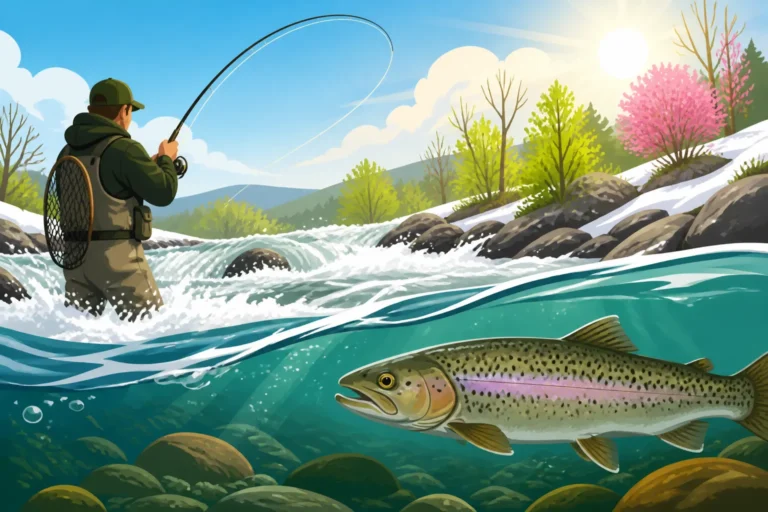
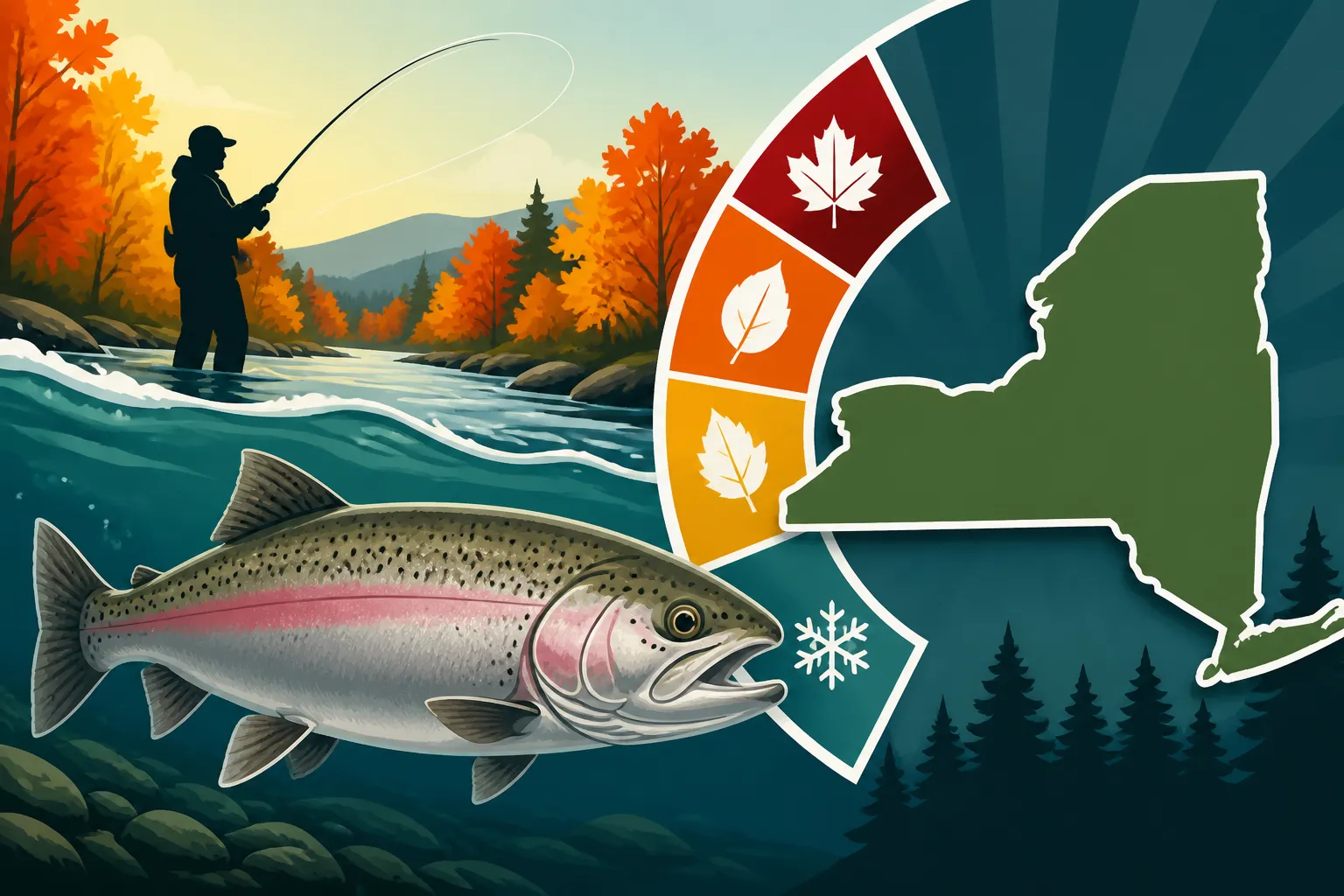
There's something truly magical about chasing steelhead in the crisp air of a New York autumn. The vibrant fall foliage reflecting on the water, the invigorating chill in the air, and the sheer power of a chrome-bright steelhead on the end of your line – it’s an experience that keeps anglers coming back year after year. But what exactly defines this "fall run" and why do these incredible fish decide to leave the vastness of the Great Lakes for our comparatively small rivers?
What Makes the Fall Run So Special?
Unlike salmon, which are on a one-way trip to spawn and then perish, steelhead are essentially rainbow trout that have adapted to live in the open waters of the Great Lakes, growing large and strong on a diet of baitfish. They retain the ability to return to the lakes after spawning, meaning they can make multiple spawning runs throughout their lives. The fall run is, in many ways, a precursor to the main spring spawn. These fish aren't typically driven by an immediate need to reproduce in the fall. Instead, they enter the tributaries to stage, seeking refuge from the rougher lake conditions, finding abundant food sources like salmon eggs, and instinctively moving closer to their eventual spawning grounds.
This pre-spawn staging behavior means they are often incredibly aggressive feeders, making them a fantastic target for anglers. They're fat, healthy, and full of fight, often putting on aerial displays that would make a tarpon blush. The beauty of the surroundings, coupled with the ferocity of the fish, creates an unforgettable angling experience that stands apart from any other season. Plus, you’re often sharing the water with other eager anglers, creating a camaraderie unique to the fall runs.
The Steelhead's Journey: Why They Enter Rivers
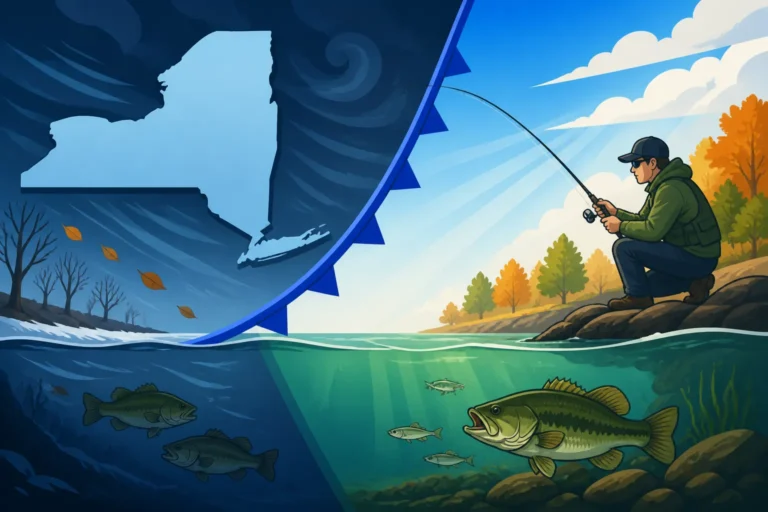
Think of the Great Lakes as an all-you-can-eat buffet where steelhead grow impressively large. But as autumn deepens, conditions in these vast waters can become less hospitable. Strong winds whip up waves, storms become more frequent, and water temperatures begin their slow descent. For steelhead, the rivers offer a sanctuary. They provide more stable water temperatures, shelter from harsh weather, and a readily available food source, especially if salmon are also running.
The primary draw for fall-run steelhead, particularly in tributaries that see large runs of Chinook and Coho salmon, is the abundance of salmon eggs. These protein-rich morsels are like candy to steelhead, providing essential nutrients as they prepare for their own spawning efforts in the spring. As salmon dig their redds (spawning nests) and drop their eggs, steelhead position themselves downstream, eagerly waiting for any loose eggs to drift their way. This "egg bite" is a legendary phenomenon among steelhead anglers. Understanding this behavior is key to knowing when to target them and what presentations will be most effective. It's a natural cycle, a biological imperative that fuels these magnificent fish to move from the lake to the river, making them accessible to us anglers. For a deeper dive into their broader movements, check out our guide on How to Fish for Steelhead in New York.
Decoding the Fall Steelhead Timeline in New York
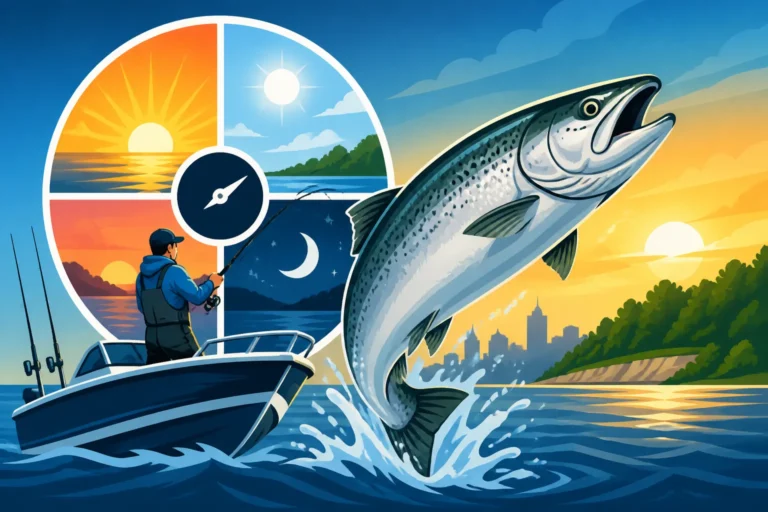
Predicting the exact moment the steelhead turn from lake-dwelling giants to river-bound torpedoes can be tricky. There's no single "start date" etched in stone, as it's a dynamic process influenced by numerous environmental cues. However, we can break down the typical fall season into general windows, each offering distinct opportunities for anglers.
Early Arrivals: September Surprises
While most anglers associate September with the peak of the salmon run, it's also when the first whispers of steelhead activity begin. These early fish are often referred to as "skamanias" or "Washington strain" steelhead, which are known for their early return to tributaries. They're often some of the biggest and brightest, fresh from the lake and full of fight. You might not see them in large numbers yet, but catching one of these early birds is a special treat.
These initial movements are usually triggered by the first significant cool-down or rainfall events of late summer or early fall. A solid rain can raise river levels and drop water temperatures, signaling to these eager fish that it's time to head upstream. They won't be in the upper stretches of rivers at this point, but rather congregating near the river mouths, often intermingling with early-running salmon. Targeting them requires keen observation, looking for subtle signs of movement in the lower river sections or even off the lake's shoreline near the river's outflow. This is often a great time for boat anglers to target them just outside the river mouths.
Peak Action: October's Prime Window
If there's a "prime time" for New York's fall steelhead run, it's undoubtedly October. This is when the run truly hits its stride. By mid-October, most of the major salmon runs are in full swing or winding down, which means one thing for steelhead: a banquet of salmon eggs. The sheer number of steelhead entering the rivers increases dramatically, and they spread out, pushing further upstream as water levels allow.
This month offers consistent action, often with multiple waves of fresh fish entering daily, especially after good rains. Rivers like the Salmon River in Oswego County or the Genesee River in Rochester see heavy steelhead traffic. The fish are actively feeding, making them susceptible to a variety of presentations, from egg imitations to small flies and lures. Anglers will find steelhead holding in deeper pools, behind spawning salmon, and in current breaks. The beauty of fall foliage combined with spirited fishing creates an unforgettable experience. For specifics on one of the region's most famous spots, be sure to consult a Salmon River Fishing Guide. It's crucial during this period to be aware of other anglers and practice good river etiquette, as popular spots can get crowded.
Late Season Opportunities: November and Beyond
Just because the leaves have fallen and the air has a biting chill doesn't mean the steelhead action is over. November often brings some of the most consistent steelhead fishing, especially for those willing to brave colder temperatures. Many salmon have finished their spawning and are dying off, providing a different food source, and the rivers are typically less crowded. Steelhead continue to enter the rivers throughout November and even into December, seeking out deeper, more stable water to "winter over" before the spring spawn.
These late-fall fish are often incredibly aggressive. They've had time to settle into the rivers and are feeding heavily, trying to pack on calories for the lean winter months. Anglers might find success with larger, more aggressive presentations, or by targeting deeper pools where fish are holding. While the numbers of fresh fish entering daily might slow down, the fish already in the river are well-established and predictable in their holding patterns. Remember, conditions can change rapidly, so always prioritize safety, especially when dealing with colder water and potentially icy banks. This extended window makes New York a fantastic destination for steelhead, extending the season well beyond what many other fisheries offer.
Key Environmental Factors Influencing the Run
Understanding the calendar is one thing, but truly cracking the code of the fall steelhead run means paying close attention to Mother Nature. These fish are incredibly sensitive to environmental cues, and a shift in weather or water conditions can trigger a massive run or shut it down completely. Being a successful fall steelhead angler means becoming a bit of a meteorologist and hydrologist.
Water Temperature: The Master Key
Water temperature is arguably the most critical factor influencing when steelhead decide to leave the lake and enter the rivers. Steelhead generally prefer water temperatures in the 40s and 50s Fahrenheit (around 4-15 degrees Celsius) for their migratory movements and active feeding. When the Great Lakes themselves cool down into this range, usually in late September and October, the rivers become more inviting.
However, it's not just about the lake temperature; river temperatures are equally important. A sudden cold snap can drop river temps too quickly, making fish lethargic. Conversely, a prolonged warm spell can delay the run. Anglers often find the most consistent action when river temperatures are stable and slowly declining. If the river warms up too much, steelhead might drop back into the lake. Keep an eye on water temperature gauges (many local bait shops or online resources provide real-time data) and consider investing in a waterproof thermometer if you're serious about your steelhead game. Knowing the optimal range helps you predict when and where fish will be most active, and what presentations might tempt them.
Precipitation and Water Levels: The Trigger
Rainfall is the lifeblood of the fall steelhead run. Without sufficient precipitation, river levels can remain low, making it difficult or even impossible for steelhead to navigate upstream. Low, clear water also makes fish extremely wary and easily spooked. A good, steady rain event, especially after a dry spell, is often the ultimate trigger for a significant push of fish.
When rivers rise and get a bit of color (turbidity) from rainfall, steelhead feel much safer entering and moving upstream. The increased flow also helps wash salmon eggs downstream, further enticing the steelhead. However, too much rain can be detrimental, leading to blown-out rivers that are unfishable due to high, fast, and muddy water. The "sweet spot" is typically after a moderate rain event, when the river is dropping and clearing, but still has good flow and a slight stain. This can last for a few days to a week, offering prime conditions. If you're planning a trip, watching the forecast for significant rain events in the days leading up to your arrival is paramount. You might even want to check resources on How to Fish Cold Water in New York for later season conditions.
The Impact of Lake Conditions
While river conditions often dictate where steelhead are, the Great Lakes themselves play a huge role in when they decide to move. As fall progresses, the Great Lakes can become quite volatile. Strong winds create massive waves, making it uncomfortable and energetically demanding for fish to remain in open water. These rough lake conditions can literally push steelhead towards the calmer, more sheltered environment of the river mouths and lower stretches of the tributaries.
Beyond comfort, the availability of food in the lake can also influence their decision. If baitfish populations are dispersed or less accessible due to changing lake conditions, the abundant and easy pickings of salmon eggs in the rivers become even more appealing. Monitoring lake forecasts and wave action can give you an early indication of when to expect a surge of new fish. For example, a sustained period of strong westerly winds pushing water towards the eastern shore of Lake Ontario might concentrate fish near the mouths of tributaries on that side. Understanding the interplay between lake and river conditions is crucial for predicting the best windows for the fall run.
Regional Breakdown: Where and When to Expect Steelhead
New York State boasts incredible steelhead fishing opportunities, primarily concentrated in the tributaries flowing into Lake Ontario and Lake Erie. While the general timing principles apply statewide, each region and even individual river has its own nuances, largely due to geographic location, river size, and the timing of local salmon runs.
Lake Ontario Tributaries: The Salmon River and Beyond
The Lake Ontario tributaries are legendary for their fall steelhead runs. The Salmon River, near Pulaski, is arguably the most famous, attracting anglers from across the country. Its size and consistent flow make it a prime destination. Steelhead here typically begin showing up in late September, with peak numbers throughout October and strong fishing continuing well into November. The abundance of Chinook and Coho salmon in the Salmon River provides a buffet of eggs, making it a hotspot for egg-imitating flies and baits.
Beyond the Salmon River, other major Lake Ontario tributaries like the Genesee River, Oswego River, Oak Orchard Creek, and Eighteenmile Creek also offer fantastic opportunities. These rivers tend to follow a similar timing pattern to the Salmon River, though smaller streams can be more sensitive to sudden changes in water levels and temperatures. For instance, the Genesee River, flowing through Rochester, can get a run of steelhead that correlates with the peak of its salmon migration. Smaller creeks might see their first push of steelhead after the first significant rain, but may also drop out faster than larger systems. It's always a good idea to check local reports for specific stream conditions. If you're looking for more general information on fishing the region, our guide to Lake Ontario Fishing in New York: Where to Go can be very helpful.
Here's a simplified look at the general timing windows for Lake Ontario tributaries:
| Month | General Steelhead Activity | Key Triggers | Fishing Conditions |
|---|---|---|---|
| September | Early arrivals, mostly near river mouths, mingling with salmon. | First cool snaps, initial rain events, declining lake temps. | Scattered, targeted fishing; focus on lower river. |
| October | Peak run, widespread distribution in rivers, actively feeding. | Consistent rainfall, stable water temps, peak salmon spawning. | Excellent, consistent fishing; can be crowded. |
| November | Strong numbers, fish holding in deeper pools, still aggressive. | Colder temps, continued rain/snow melt, less salmon activity. | Good to excellent, often less crowded, requires cold-weather gear. |
| December | Wintering over, fewer new fish, slower bite, but large fish. | Freezing temps, ice formation, stable flows under ice. | Slow but rewarding, ice fishing potential in some areas. |
(Please note: This table represents general trends. Actual timing can vary significantly year-to-year.)
Lake Erie Tributaries: Smaller Streams, Big Rewards
On the western side of New York, the tributaries flowing into Lake Erie, such as Cattaraugus Creek, Canadaway Creek, Chautauqua Creek, and Eighteenmile Creek (different from the Lake Ontario one), also host incredible fall steelhead runs. These streams are generally smaller and tend to warm and cool more rapidly than the larger Lake Ontario systems. This means their steelhead runs can be a bit more "flashy," often heavily reliant on specific rain events.
The first pushes of Lake Erie steelhead often occur with the earliest substantial fall rains, typically in late September or early October. They might be a bit later than some Lake Ontario systems if the lake stays warm longer. Due to their smaller size, these streams can also rise and fall very quickly. A good rain can bring in a flood of fish, but a subsequent dry spell can cause levels to drop, potentially making fishing difficult. Anglers here learn to be opportunistic, hitting the rivers when conditions are just right – usually a few days after a good rain when the water is beginning to drop and clear.
While there might not be the same volume of salmon as in Lake Ontario tributaries, the Lake Erie streams often have decent numbers of resident brown trout and a good food base. Steelhead here are just as eager to feed on whatever is available. Fishing these smaller systems often requires a more stealthy approach, and understanding river dynamics specific to these smaller, faster-responding watersheds. For a broader overview of opportunities in this region, our guide on Lake Erie Fishing in New York: Where to Go is a great resource.
Preparing for the Fall Steelhead Adventure
The fall steelhead run is not a casual affair. These are powerful fish in often challenging conditions, requiring specific gear and careful preparation. Showing up unprepared can not only diminish your chances of success but also compromise your safety and comfort. Don't let a lack of planning ruin your potential trophy catch!
Essential Gear for the Run
Successful fall steelhead fishing often hinges on having the right tools for the job. You’ll need a robust rod and reel setup capable of handling powerful runs and heavy current. Many anglers opt for longer rods (9-11 feet) for better line control and shock absorption, especially when using lighter lines. Spin fishing with a medium-light to medium action rod, or fly fishing with an 8-9 weight rod are common choices. You can find excellent options on Amazon, from popular brands like Ugly Stik for spinning or Orvis for fly fishing setups.
Beyond the rod and reel, waders are non-negotiable. Full chest waders, preferably breathable ones for comfort, are essential for navigating rivers. Layering clothing is key for warmth, as fall weather can change dramatically from morning to afternoon. Think moisture-wicking base layers, a fleece mid-layer, and a waterproof, windproof outer shell. A good fishing vest or pack will keep your tackle organized. Don't forget polarized sunglasses for spotting fish and protecting your eyes, and a net with a rubber mesh to safely handle and release these incredible fish. For specific tactics, our article on How to Drift Fish for Steelhead can help you refine your approach.
Here’s a quick checklist of essential gear:
- Rods & Reels: 9-11ft medium-light/medium action spinning rod or 8-9wt fly rod. Matching reel with smooth drag.
- Line: 8-12lb fluorocarbon or monofilament main line, with lighter fluorocarbon leaders (4-8lb).
- Waders: Breathable chest waders and wading boots with good grip.
- Layered Clothing: Base layers, fleece, waterproof/windproof jacket and pants.
- Tackle: Selection of egg imitations (roe bags, beads), jigs, small spoons, spinners, and perhaps some small crankbaits.
- Terminal Tackle: Hooks (size 6-12), split shot, swivels, floats/strike indicators.
- Safety Gear: Pliers/forceps, net (rubberized), polarized sunglasses, hat, valid New York Fishing License Guide.
- Comfort: Snacks, water, hand warmers, small thermos with hot beverage.
- Optional (but recommended): Waterproof phone case, camera, small first-aid kit.
When you're packing, think about accessibility. You don't want to be fumbling for gear when a fish hits. A well-organized tackle bag or vest, perhaps even one you picked up from Amazon, can make all the difference in staying efficient on the water.
Staying Informed: Monitoring Conditions
The most successful fall steelhead anglers are often those who stay glued to the latest information. Relying on outdated reports or simply showing up hoping for the best is a recipe for disappointment. There are several ways to keep your finger on the pulse of river conditions.
First, local bait and tackle shops are invaluable resources. They often have real-time reports on water levels, clarity, temperature, and where fish are being caught. Don't be shy; call ahead or stop in for a friendly chat. Websites like the USGS streamflow data can provide real-time graphs of river levels, allowing you to see if a river is rising, falling, or stable. Local online fishing forums and social media groups dedicated to New York steelhead fishing can also offer up-to-the-minute reports and insights from fellow anglers. However, always take online reports with a grain of salt, as conditions can change rapidly. Remember, a valid New York Fishing Regulations Explained is always required, and these change seasonally. Being prepared means knowing not just where the fish are, but what the rules are for catching them.
It's also a smart move to monitor local weather forecasts, paying particular attention to rainfall amounts and temperature changes. A multi-day forecast can help you plan when a river might be coming into prime condition after a rain, or when cold temperatures might slow the bite. Some anglers even track lake temperature buoys to gauge when steelhead might be thinking about heading to the rivers. By integrating all this information, you can significantly improve your chances of timing your fall steelhead adventure perfectly, ensuring you're there when the fish are in.
Disclaimer
Fishing conditions and regulations in New York State can change frequently. Always consult the latest New York State Department of Environmental Conservation (DEC) fishing regulations guide before heading out on the water. This article is intended for informational purposes only and does not constitute legal advice or an official interpretation of fishing laws.