How to Fish in a Cold Front
You planned your New York fishing trip for weeks, maybe even months, envisioning those perfect sunny days and active fish, only for a sudden, unwelcome cold front to roll in. That gut-wrenching feeling when the barometer drops and the air turns crisp, knowing your carefully laid plans might be ruined, is all too familiar. But don't despair! A cold front doesn't have to mean a wasted day on the water. This comprehensive guide will arm you with the knowledge and strategies to adapt to these challenging conditions and still find success on New York's lakes, rivers, and streams.
Understanding the Impact of a Cold Front on Fish Behavior
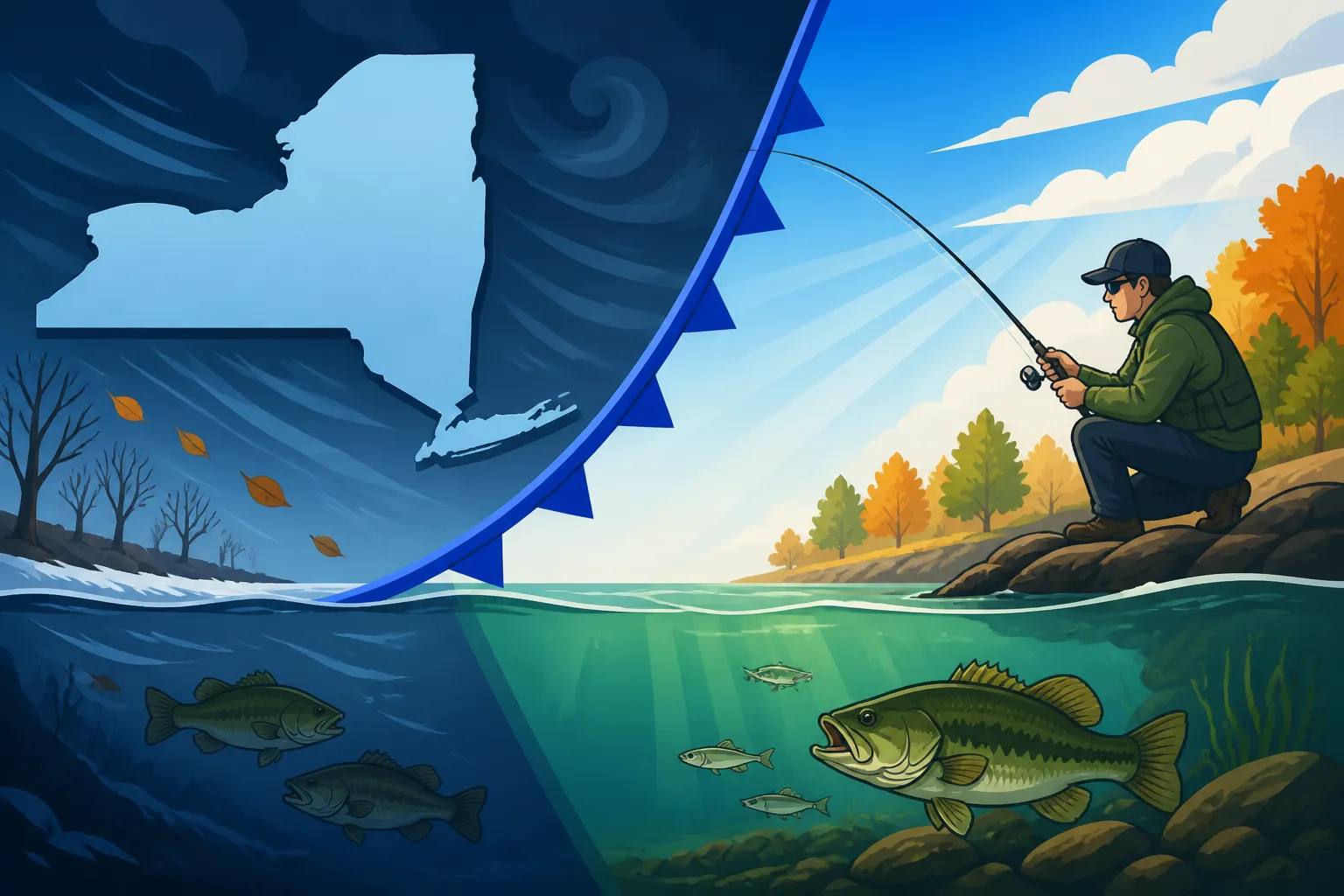
When a cold front sweeps through, it's not just the air temperature that changes; it triggers a cascade of environmental shifts that directly influence fish activity. Understanding these changes is the first step to figuring out how to adjust your approach. It’s like trying to understand a fussy toddler – you need to know why they’re upset before you can calm them down!
How Fish React to Sudden Temperature Drops
One of the most immediate and noticeable effects of a cold front is the drop in water temperature, particularly in shallower waters. Fish are cold-blooded creatures, meaning their body temperature is regulated by their environment. A sudden, significant temperature swing can shock their systems, slowing down their metabolism. Think of it like us trying to run a marathon in a blizzard – we can do it, but we’re going to be a lot slower and less enthusiastic.
This metabolic slowdown means fish become less active. Their digestion slows, so they don't feel the need to feed as aggressively or as often. They often move from shallow, exposed areas to deeper, more stable water where temperature fluctuations are less severe. For instance, if you were targeting largemouth bass basking in shallow coves on a warm day, a cold front might push them to deeper drop-offs or thick weed lines where the water is more consistent. You can learn more about general fish behavior in different conditions by exploring topics like how weather affects fishing in New York.
Beyond the metabolic shift, the sheer discomfort can make them lethargic. They're not actively hunting; instead, they're often seeking refuge, trying to conserve energy. This means they're less likely to chase down a fast-moving lure or venture far from cover. Your presentation needs to cater to this reduced energy level, making it easy for them to strike without expending much effort.
Barometric Pressure Changes and Fish Behavior
The arrival of a cold front is almost always accompanied by a significant rise in barometric pressure. Before the front, pressure typically drops, which often signals an increase in fish activity – a pre-front feeding frenzy, if you will. But once the front passes and the high pressure settles in, it's a different story.
This increase in pressure can make fish feel uncomfortable, almost like a heavy weight pressing down on them. While the exact scientific reasons are still debated, many anglers observe that fish move deeper during high-pressure systems. In deeper water, the pressure difference between the fish's swim bladder and the ambient water pressure is less pronounced, offering a sense of relief. Understanding the best barometric pressure for fishing can give you a significant advantage.
This movement to deeper water also brings them into areas where their eyes, adapted to lower light, might give them an edge, or where they simply feel more secure. They become much more wary and reluctant to move into open water or chase food. This heightened wariness means stealth and finesse become paramount in your fishing approach.
Strategic Adjustments: Location, Lures, and Presentation
Facing a cold front means throwing your usual playbook out the window and adopting a completely different strategy. It's about thinking like a fish under duress – where would you go, and what would you be willing to eat?
Finding Productive Waters and Structure
When a cold front hits, fish often gravitate towards specific types of cover and structure. Your first step is to abandon those open water spots that were productive pre-front. Instead, focus on areas that offer protection and thermal stability. This means looking for deep pockets, submerged structure like rock piles or fallen trees, and dense weed beds that still hold a bit of warmth or provide a sense of security.
In lakes and ponds, examine contour maps for significant drop-offs or sudden depth changes. Fish will often suspend right on these edges, waiting for an easy meal to pass by. Consider the "How to Read a Fish Finder for New York Lakes" guide to hone in on these subtle depth changes and hidden structures. If you're on a river, look for slower current areas, deep eddies behind obstructions, or any area offering a break from the main flow. These sanctuaries offer both cover and a place to rest without fighting the current.
Another key area to focus on is bottlenecks or pinch points where fish might naturally funnel. Even if they're lethargic, they still have to move sometimes, and these areas can concentrate them. Think about points leading into bays, channels between islands, or even bridge pilings. These spots can be goldmines, even during tough conditions.
Downsizing and Slowing Down Your Presentation
This is probably the most crucial adjustment during a cold front. Forget fast retrieves and aggressive jigging. Fish are not in a chasing mood. They want an easy meal that requires minimal energy expenditure. This means slowing everything down to a snail's pace.
If you're using artificials, consider smaller baits. A 2-inch grub or a tiny jig often outperforms a larger lure during a cold front. Think about the subtle movements – a slow drag along the bottom, a tiny twitch, then a long pause. Sometimes, the longer the pause, the better. This gives a lethargic fish ample time to decide if it's worth the effort to strike. For example, learning about "How to Fish Cold Water in New York" will reinforce the importance of this slow, deliberate approach.
When it comes to bait, presentation is equally important. Live bait, like shiners or nightcrawlers, should be fished as naturally as possible, perhaps suspended under a bobber or slowly drifted along the bottom. The goal is to imitate a struggling, easy meal that a fish can ambush without much effort. Even if they're not actively feeding, their predatory instincts can still be triggered by an irresistible, easy target.
Bait and Lure Selection
Choosing the right bait and lure becomes critical when fish are finicky. During a cold front, natural presentations and scent often trump flashy, aggressive lures.
Live Bait: This is often your best bet. Worms, minnows, leeches, or crayfish presented naturally can be irresistible. Consider techniques like a drop shot rig with a live minnow, or a simple split shot and hook presentation with a crawler. The natural movement and scent can often entice a strike when artificials fail. If you're targeting panfish, "Best Bait for Catching Sunfish and Bluegill" can give you ideas for tiny presentations.
Soft Plastics: These are incredibly versatile. Small finesse worms, grubs, tubes, and creature baits rigged weightless, on a tiny jig head, or on a Ned rig are fantastic. Colors should be natural or dark to imitate bottom-dwelling prey. Slowly dragging these along the bottom, or letting them sit for extended periods, can draw strikes. Many anglers find a good selection of these on Amazon.
Jigs: Small jigs tipped with soft plastics or a piece of live bait are highly effective. Think about hair jigs, marabou jigs, or tiny bucktail jigs. Their subtle breathing action in the water can tempt even the most reluctant fish. Focus on jigs in the 1/16 to 1/8 ounce range, allowing for a super slow fall and minimal disturbance.
Hard Baits: While generally less effective than soft plastics or live bait, sometimes a slow-moving jerkbait or a suspending crankbait can trigger a reaction strike, especially if paused for a long time. The key is to make it suspend right in front of the fish's nose, daring it to react.
| Species Targeted | Recommended Lure/Bait | Presentation Style | Key Characteristics |
|---|---|---|---|
| Largemouth Bass | Small Finesse Worms, Jigs | Slow Drag, Long Pauses | Natural colors, subtle action |
| Smallmouth Bass | Drop Shot Minnows, Tube Jigs | Bottom Contact, Gentle Twitch | Live bait motion, scent |
| Trout (River) | Nymphs, Egg Patterns (Fly) | Dead Drift, Natural Presentation | Imitates natural food, low effort |
| Trout (Lake) | Trolling Small Spoons, Worms | Very Slow Troll, Deep | Covers water, easy meal |
| Walleye | Blade Baits, Jig & Minnow | Vertical Jig, Slow Lift/Drop | Flash and vibration, scent |
| Panfish | Micro Jigs, Live Grubs | Tiny Twitches, Suspended | Small profile, easy to swallow |
Essential Gear and Safety Considerations for Cold Front Fishing
Fishing in cold front conditions isn't just about outsmarting the fish; it's also about being prepared for the elements. The weather can turn quickly, and safety should always be your top priority.
Staying Warm and Dry on the Water
The drop in air temperature can be significant, making it easy to get cold quickly, especially if there's any wind or precipitation. Layering your clothing is absolutely essential. Start with a moisture-wicking base layer, add an insulating middle layer (fleece or down), and top it off with a waterproof and windproof outer shell. You'll thank yourself later when that unexpected rain shower hits or the wind picks up across the lake. Good quality insulated gloves and a warm hat are non-negotiable – a significant amount of body heat is lost through your head and extremities.
Footwear is another critical component. Durable, waterproof boots are a must, ideally with insulation. Cold, wet feet are a quick way to end a fishing trip prematurely and can lead to serious discomfort or even hypothermia. Before heading out, consider checking online retailers like Amazon for highly-rated winter fishing gear, from thermal socks to heavy-duty waders. It's an investment in your comfort and safety.
Don't forget extras like hand warmers, a thermos of hot coffee or tea, and plenty of high-energy snacks. Maintaining your core temperature and energy levels will help you stay focused and comfortable for longer periods, increasing your chances of success.
Navigating Unpredictable Conditions and Water Levels
Cold fronts can bring more than just a drop in temperature; they can also be accompanied by strong winds, sudden downpours, or even early snow. These conditions can make navigation challenging and dangerous, especially on larger bodies of water. Always check the forecast thoroughly before you go, and be prepared to cut your trip short if conditions deteriorate.
High winds can create rough water, making it difficult to control your boat or even cast effectively. If you're in a smaller craft, it's wise to stick to more sheltered bays or coves, or even consider shore fishing. If fishing from a boat, ensure all safety equipment, including life jackets, is easily accessible and in good working order. Remember, New York fishing regulations explained cover many safety aspects on the water.
Water levels can also fluctuate due to precipitation or changes in dam releases following a cold front. Be mindful of slippery banks, submerged obstacles that might become exposed, and strong currents in rivers. Always let someone know where you're going and when you expect to return, especially if you're venturing out alone. Being prepared means having a plan for the unexpected.
Species-Specific Approaches to Cold Front Fishing in New York
While the general principles of slowing down and fishing deeper apply across the board, different fish species react to cold fronts in subtly different ways. Knowing these nuances can give you a significant edge in New York's diverse waters.
Cold Front Tactics for Bass (Largemouth and Smallmouth)
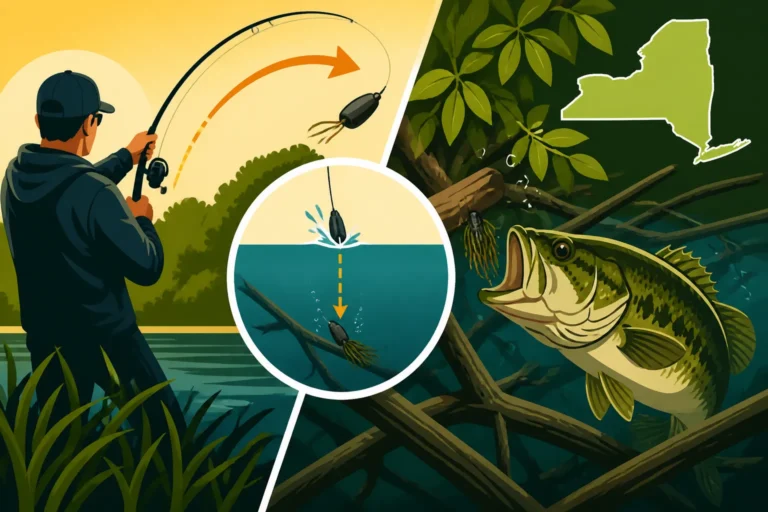
Bass are notorious for shutting down during a cold front. Their aggressive nature seems to vanish, replaced by a sullen lethargy. For largemouth bass, look for the densest cover available – thick mats of weeds, submerged timber, or the deepest parts of boat docks. They'll burrow into these areas, seeking refuge. Present small jigs, Texas-rigged worms, or Senkos right into the heart of this cover, and let them sit for a long time. A small twitch, then a pause for 10-20 seconds, can often be the trigger.
Smallmouth bass, often found in clearer, deeper waters, will retreat to rock piles, deep humps, or channel edges. Drop shot rigs with small soft plastics or live minnows are deadly. Focus on vertical presentations, keeping your bait right in their strike zone. A slow retrieve with a tube jig dragged along the bottom can also be effective. Remember, a common theme for both species is minimal movement and keeping the bait directly in front of them. For more details on these popular freshwater fish, see our guide on New York's Most Popular Freshwater Fish.
Another excellent cold front technique for bass is using a suspending jerkbait. Cast it out, twitch it a few times, then let it sit for a very long count – sometimes up to 30 seconds. The suspending action keeps the lure tantalizingly in the strike zone, allowing a cold, inactive bass to finally commit.
Cold Front Tactics for Trout and Salmon
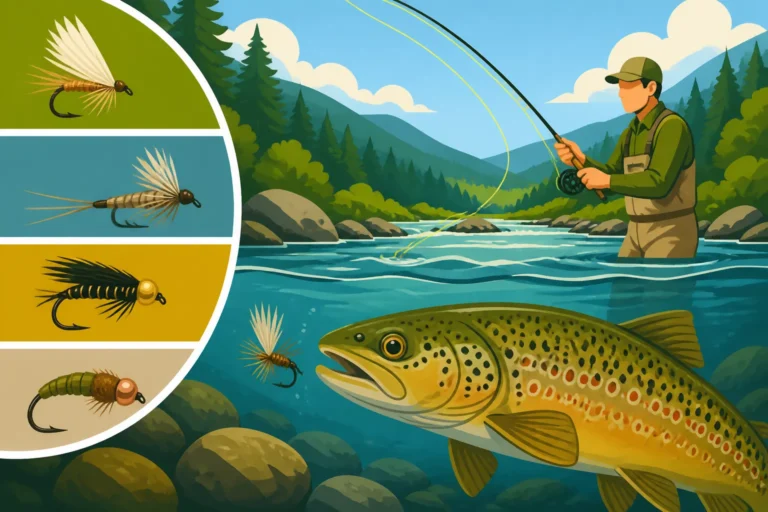
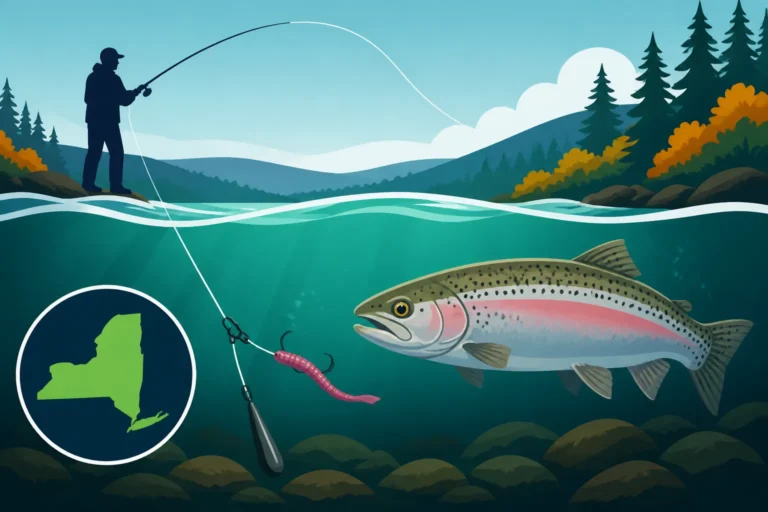
Trout and salmon, being cold-water species, might not be as severely affected by a temperature drop as bass, but a cold front still puts them off their feed. In rivers and streams, trout will often move to deeper, slower pools, undercut banks, or behind large rocks where they can conserve energy and find shelter from increased flow or clarity. Fly anglers should focus on nymphs or egg patterns presented on a dead drift, mimicking natural food washing downstream. The "How to Trout Fish in New York" guide will have more in-depth information on this.
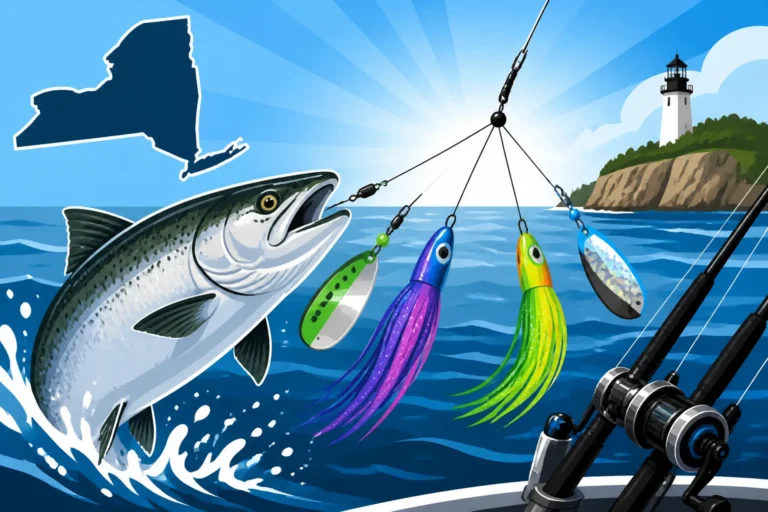
For lake trout or landlocked salmon in larger bodies of water like the Finger Lakes, they will likely remain deep but might become even more particular about what they'll strike. Slow trolling with small spoons or plugs, or jigging with vertical spoons, can be productive. The key is to present your lure at the exact depth where they are holding, which often requires a good fish finder. Consider a guide on "How to Fish Deep Water Lake Trout in Summer on New York's Finger Lakes" for more insights on deep-water tactics.
Chinook and Coho salmon in Lake Ontario tributaries during their fall run can also become finicky. While they are driven by spawning instincts, a sudden cold front can make them hold tighter in pools. Egg sacs, beads, or small stonefly nymphs drifted naturally will be your best bet. Forget bright, flashy lures; opt for subtle, natural colors and presentations that won't spook these already sensitive fish.
Cold Front Tactics for Walleye and Panfish
Walleye, known for being finicky even on good days, become even more challenging during a cold front. They'll retreat to deep water, often congregating on rock humps, breaklines, or channel edges. Vertical jigging with a minnow-tipped jig, a blade bait, or a spoon can be effective. The key is to keep the lure right on the bottom or suspended just above it, with a very slow lift and drop. For those who enjoy the hard water, "How to Ice Fish for Walleye in New York" provides similar slow, vertical jigging tactics that translate well.
Panfish like yellow perch, crappie, bluegill, and sunfish can be a saving grace during cold fronts, especially if you're looking for consistent action. They often school up tightly in deep pockets of structure – brush piles, weed edges, or even under docks. Use tiny jigs (1/32 to 1/64 ounce) tipped with a small piece of worm, a grub, or even a wax worm. A bobber set deep can help you keep your bait in their strike zone, and a very subtle jigging motion is all it takes. Once you find a school, you can often catch several, as they tend to be less affected by the pressure change than larger predatory fish.
Remember that patience is your most important tool when fishing during a cold front. The bites will often be subtle, feeling more like a slight weight than an aggressive strike. Pay close attention to your line and rod tip, and be ready to set the hook at the slightest indication.
Disclaimer
This article is for general informational purposes only and does not constitute professional advice. Laws, prices and regulations vary by location and change over time. Consult a qualified professional for guidance on your specific situation.