Striped Bass Season on the Hudson Runs April Through November
It's incredibly frustrating to plan a fishing trip, only to realize you're unsure about the precise dates and rules for your target species. For many anglers, the majestic striped bass of the Hudson River represents a truly iconic catch, but navigating the open and closed periods can feel like a moving target. This guide will clarify the Hudson River striped bass season, detailing when you can fish for these incredible fish, why those dates are in place, and what you need to know to make your trip both successful and compliant with New York's regulations.
The Hudson River Striped Bass Fishing Calendar
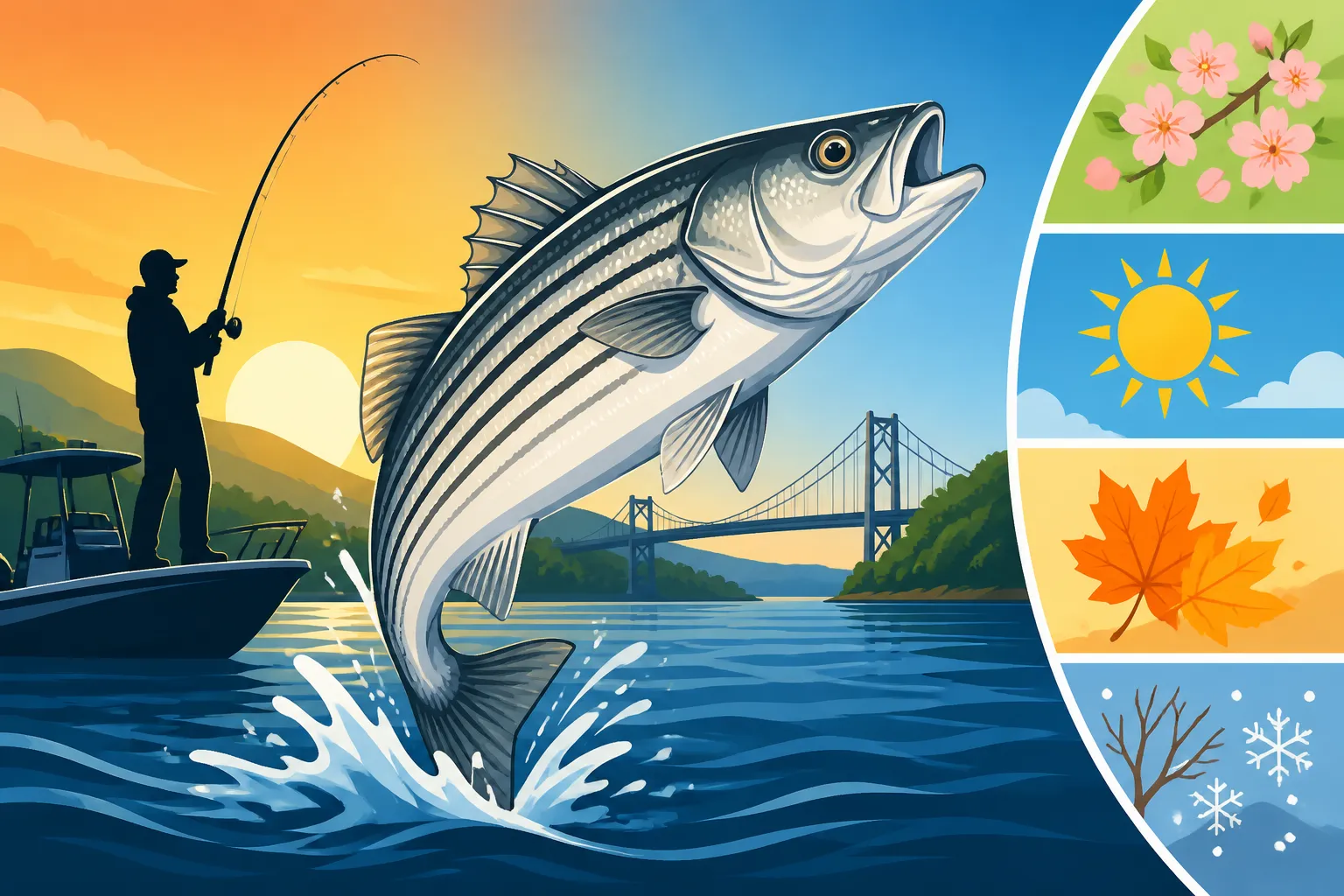
When it comes to chasing striped bass on the historic Hudson River, timing is everything. Unlike some fisheries with very short windows, the Hudson offers a rather generous season, primarily dictated by the fish's migratory patterns and spawning needs. Knowing these periods is crucial, not just for catching fish, but for understanding and respecting the life cycle of these magnificent creatures.
The Spring Run: A Season of Excitement
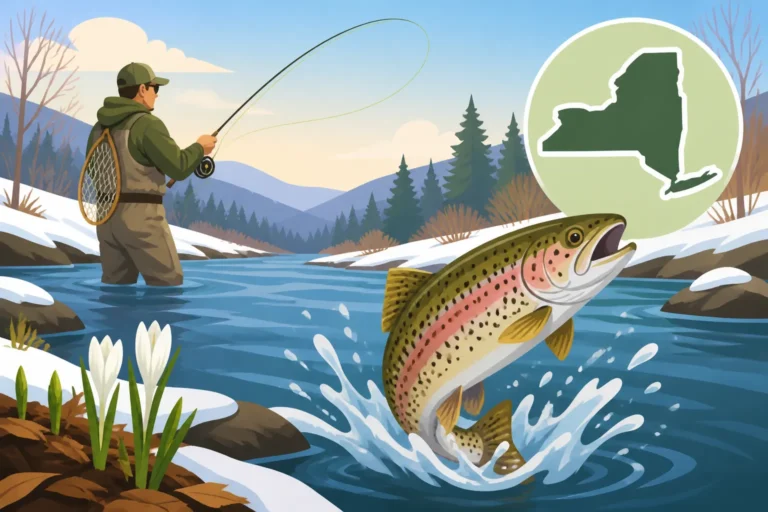
The true excitement for Hudson River striped bass anglers typically ignites in April. This is when the anadromous striped bass, having spent the winter in the warmer saltwater of the Atlantic, begin their incredible migration upriver into the freshwater sections of the Hudson to spawn. It's a massive movement, bringing with it some of the largest fish of the year. You'll find anglers lining the banks, particularly from the Tappan Zee Bridge north past Albany, all eager to intercept these powerful fish.
During April and May, the river pulses with activity. The stripers are hungry after their long journey and before the rigors of spawning, making them aggressive and willing to strike a variety of baits and lures. This is often considered the prime time for trophy-sized fish. However, this period also requires extra vigilance regarding regulations, as protecting the spawning stock is paramount. The river transforms into a vibrant hub, with boats launching at all hours and popular shore fishing spots, like those around the Catskill Creek or Coeymans, teeming with hopeful anglers. It's a special time when the river truly comes alive.
Summer Opportunities: Resident Stripers and Action
As the spring spawn concludes, many of the larger migratory striped bass begin their journey back towards the ocean by early to mid-June. However, that doesn't mean the Hudson River shuts down for striped bass fishing. Far from it! A significant population of smaller to medium-sized striped bass, often referred to as "resident" fish, will remain in the Hudson throughout the warmer summer months, typically from June through August. These fish often hold in deeper, cooler pockets of the river or seek out areas with strong currents and ample baitfish.
Summer fishing for stripers on the Hudson often shifts tactics. You might find anglers focusing more on night fishing, when the water temperatures are cooler and the fish are more active, or targeting specific structures like bridge pilings, submerged humps, or deeper channels. While the sheer numbers or "cow" striped bass of the spring run might subside, consistent action can still be had. It's a time for more finesse, understanding the river's subtle cues, and enjoying the tranquility of the Hudson under the summer sky. Plus, if you're exploring Fish Species Found in the Hudson River, you'll find plenty of other exciting targets during these months.
Fall Migration: A Feeding Frenzy Before Winter
Just when you think the striped bass action might be winding down, the cooler temperatures of September usher in another fantastic period: the fall migration. As autumn leaves begin to change, the remaining striped bass in the Hudson, joined by some returning from their summering grounds in the ocean, start an intensive feeding regimen. Their goal is to pack on as much fat as possible to sustain them through the upcoming winter months. This can lead to some truly epic fishing, often characterized by active schools chasing baitfish.
This period, extending through October and often well into November, can rival the spring run in terms of excitement. The fish are aggressive, feeding heavily on anything from herring and bunker to anchovies and spearing, which are also making their way downriver towards the ocean. Anglers often find success by "matching the hatch" – using lures or baits that mimic the predominant forage. As the season progresses into late November, the bite can become more sporadic as water temperatures drop significantly, prompting the final push of migratory fish out of the river system. It's a frantic, rewarding time before the river eventually falls silent for stripers.
Understanding the "Why" Behind the Season Dates
The Hudson River striped bass season isn't just a set of arbitrary dates; it's meticulously planned around the fascinating life cycle of these fish and rigorous conservation efforts. Grasping the "why" can deepen your appreciation for the fishery and reinforce the importance of adhering to regulations.
Striped Bass Life Cycle and Spawning on the Hudson
The Hudson River is not just a fishing spot; it's one of the most vital spawning and nursery grounds for striped bass on the entire East Coast. When Do Striped Bass Run Up New York's Hudson River?, they're not just looking for a meal; they're undertaking a crucial biological imperative. In the spring, usually from late April through early June, adult striped bass migrate from their oceanic wintering grounds into the freshwater sections of the Hudson, particularly between Kingston and Albany. Here, in the brackish and freshwater mixing zones, they broadcast spawn their eggs, which drift downriver.
This spawning activity is the very heartbeat of the Hudson River striped bass fishery. The New York State Department of Environmental Conservation (DEC) carefully monitors these patterns. By allowing fishing during the spring migration, but implementing strict size and bag limits, the DEC aims to permit recreational harvest while ensuring a sufficient number of mature fish can reproduce successfully. The closure of the season in late November and through the winter protects the fish when they are less active and more vulnerable, ensuring they can overwinter safely and begin the cycle anew the following spring. This continuous protection of the spawning stock is why we continue to enjoy such a robust fishery.
Conservation Efforts and Management
New York's striped bass regulations, including the specific season dates for the Hudson, are a direct result of extensive conservation efforts and scientific management. The goal is to balance recreational fishing opportunities with the long-term health and sustainability of the striped bass population. Over the years, striped bass populations have faced significant challenges, including overfishing and habitat degradation. The DEC, in collaboration with interstate management bodies like the Atlantic States Marine Fisheries Commission (ASMFC), develops regulations to address these issues.
The reason for the specific "April through November" season is largely to provide ample time for the fish to complete their spawning migration and successful reproduction before intense fishing pressure resumes. Additionally, it closes the season when the fish are least active, during the colder months when they conserve energy. This holistic approach, which includes understanding New York Fishing Regulations Explained and habitat protection, is essential. Anglers play a critical role in these efforts by following all rules, practicing responsible catch and release, and reporting any violations. It’s a shared responsibility to maintain this incredible resource for future generations. For up-to-date and complete regulations, always check the official New York DEC fishing guide, which you can often find online or at your local bait shop.
Key Regulations and Best Practices for Hudson River Stripers
Fishing for striped bass on the Hudson River is a fantastic experience, but it comes with responsibilities. Understanding and adhering to the specific rules and adopting best practices are not just about avoiding penalties; they're about ensuring the health of the fishery.
Essential Gear and Bait Considerations
When preparing for a Hudson River striper adventure, having the right gear is paramount. For many, a medium-heavy spinning or baitcasting rod, ranging from 7 to 9 feet, paired with a reel spooled with 20-30 lb braided line, is a versatile setup. You'll want a sturdy leader, 30-50 lb fluorocarbon or monofilament, to handle the abrasive river bottom and the stripers' powerful runs. Lures like large bucktail jigs, soft plastics, and swimming plugs (like those found on Amazon) are highly effective, especially when trying to mimic the prevalent baitfish. Live or fresh cut bait, such as bunker (menhaden), herring, or large sandworms, are also incredibly popular and often unbeatable, especially during the spring run.
Remember, a New York fishing license is mandatory for all anglers 16 years and older. You can often find information on obtaining one through a New York Fishing License Guide or directly from the DEC website. Don't forget other essentials like a good headlamp for night fishing, a sturdy pair of pliers for hook removal, and a reliable measuring device. Sometimes, having a specialized fishing knife or a sturdy pair of fishing gloves (available on Amazon) can make handling fish much easier and safer for both you and the fish. Investing in quality gear not only enhances your fishing experience but also allows you to handle fish with care, which is crucial for successful release.
Navigating Slot Limits and Circle Hook Requirements
One of the most important regulations to grasp for Hudson River striped bass is the slot limit, which is part of the New York Striped Bass Slot Limit Explained. This regulation specifies that only fish within a certain size range can be legally kept, while fish below or above that slot must be immediately released. For example, the current regulation (always double-check the latest DEC guide) might allow you to keep striped bass that measure between 18 and 28 inches. This means a 17-inch fish or a 29-inch fish must go back. This type of regulation is designed to protect both juvenile fish, allowing them to grow and mature, and the largest, most prolific spawning adults, ensuring they continue to contribute to the population.
Another critical regulation, particularly when using natural bait, is the Striped Bass Circle Hook Requirement. This mandate means that if you're fishing with bait (live or dead), you must use a non-offset, non-stainless steel circle hook. The reason for this is simple: circle hooks are designed to hook fish in the corner of the mouth, significantly reducing the chance of gut-hooking, which is often fatal for released fish. Even if you plan to keep a fish within the slot, using circle hooks with bait is essential for the many fish you'll inevitably release outside the slot. Proper fish handling, including minimizing time out of water, supporting the fish horizontally, and using a dehooking tool, is vital for the survival of released stripers.
| Season Phase | Typical Months | Angler Experience | Key Gear Considerations | Primary Fishing Technique | Avg. Water Temp (F) |
|---|---|---|---|---|---|
| Spring Run | April – May | High Action | Heavy Rods, Large Lures/Baits | Casting, Trolling, Chunking | 45-60 |
| Summer Holdover | June – August | Moderate Action | Medium Rods, Live Bait, Smaller Lures | Night Fishing, Deeper Water | 65-75 |
| Fall Migration | Sept – Nov | High Action | Heavy Rods, Large Lures/Baits | Casting, Trolling, Chasing Bait | 50-65 |
Maximizing Your Chances During the Open Season
Beyond just knowing the calendar, understanding how to adapt your approach to the different phases of the striped bass season on the Hudson River can dramatically increase your success. It's not just about showing up; it's about understanding the nuances of the river and the fish.
Seasonal Strategies for Success
During the spring run, from April into May, the focus is often on intercepting migratory fish as they push upriver. This is the prime time for larger fish, and they can be found in various depths. Many anglers employ chunking (fishing cut bait on the bottom), especially in current seams or deeper holes. Trolling large plugs or umbrella rigs can also be highly effective for covering water and finding schools of fish. For those casting from shore or boat, large soft plastics and bucktail jigs are go-to choices. Don't be afraid to experiment with retrieve speeds, as the fish's activity can vary daily. Remember, the How to Fish for Striped Bass in the Spring Run requires specific attention to bait presentation and location.
As we move into the summer months (June, July, August), the fishing can become a bit more challenging but is still very rewarding. The larger migratory fish have moved out, and the resident stripers often seek cooler water. This means focusing on deeper channels, shaded areas, or fishing during low-light conditions, especially at night. Live eels, when available and legal, are a classic summer striper bait. Jigging soft plastics vertically in deeper water or casting topwater lures at dawn or dusk can also be productive. Understanding best time to fish for striped bass on New York's Hudson River often involves paying close attention to tidal charts and local feeding patterns.
The fall migration (September, October, November) sees a resurgence of aggressive feeding behavior. Fish are actively chasing bait, and surface blitzes are not uncommon. Following bird activity can often lead you directly to feeding stripers. Throwing large swimming plugs, topwater lures, or metal jigs into these frenzies can result in explosive strikes. Chunking and live bait fishing remain effective, especially as the water cools and fish become less inclined to chase fast-moving lures. This is also a fantastic time to use an echo sounder to locate schools of baitfish, as the striped bass will rarely be far behind them.
Important Factors Beyond the Calendar
While the calendar provides a general framework, successful Hudson River striped bass fishing depends heavily on other environmental factors. Tides are paramount, especially in the brackish and saltwater sections of the lower and mid-Hudson. Stripers use current to their advantage, ambushing baitfish or moving into prime feeding lanes. Learning to read the tide and understanding how it affects different fishing spots can be more important than the time of day. Many experienced anglers swear by the hour before and after a tide change as prime time.
Water temperature is another critical element. Striped bass are cold-blooded, and their metabolism and activity levels are directly tied to the water temperature. Extremely cold water in late fall will slow them down, while overly warm summer water can send them deeper in search of comfort. Keeping an eye on localized water temperature readings can help you predict where the fish might be holding. Furthermore, unexpected weather fronts can dramatically affect the bite, sometimes shutting it down completely or, conversely, triggering a feeding spree. Consulting reliable weather forecasts and understanding how changing conditions might affect the fish will make you a more adaptable and successful angler. Before you even head out, ensure you're squared away with all the current rules and consult the New York DEC Fishing Regulations Guide to avoid any issues. If you need any specialized gear like a tide clock or a water temperature gauge, Amazon offers a wide selection to help you stay ahead of the game.
Disclaimer
Fishing regulations and seasons, including those for striped bass on the Hudson River, are subject to change. While this guide provides a comprehensive overview, it is essential to always consult the most current regulations published by the New York State Department of Environmental Conservation (DEC) before heading out. State and federal laws supersede any information presented here.