How to Fish a Topwater Lure for Bass
For many anglers in New York, nothing quite gets the heart pumping like a violent blow-up on a topwater lure. It's exhilarating, challenging, and sometimes, incredibly frustrating when the bass seem to ignore everything you throw at them. This guide is all about cutting through that frustration and helping you unlock the magic of topwater fishing for bass, ensuring you understand the why, what, and how to make those surface strikes a reality.
Why Topwater Lures Are a Game Changer for Bass Fishing in New York
There's something uniquely captivating about topwater fishing. Unlike subsurface presentations where you feel a strike, with topwater, you see the strike. It’s often explosive, a sudden eruption of water as a bass commits to your lure, and that visual confirmation makes it one of the most exciting ways to target New York's Bass Species Explained.
The Thrill of the Surface Strike
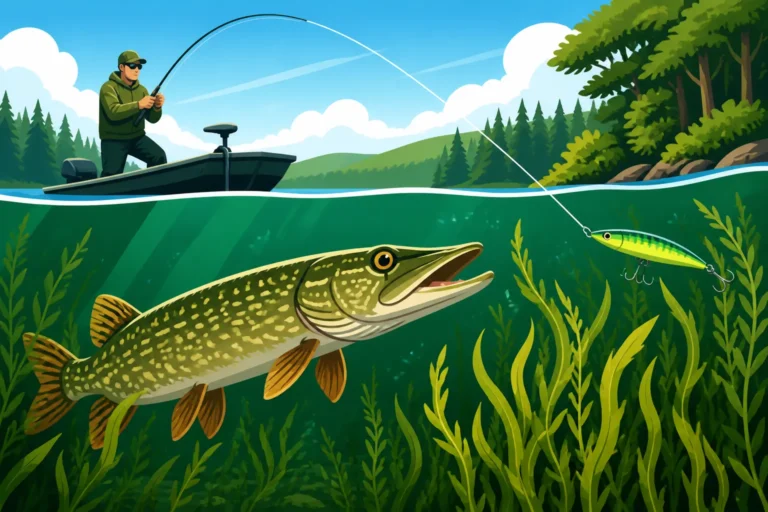
Imagine this: it's early morning on Oneida Lake, the mist is still clinging to the water, and all is quiet. You cast your lure near a lily pad bed, let it sit for a moment, and then give it a subtle twitch. Suddenly, the water explodes! A big largemouth bass has come up from the depths, annihilating your offering in a splashy, aggressive attack. That's the thrill of a topwater strike, and it’s unlike any other.
Bass are apex predators, and their hunting instinct is incredibly strong. When a lure sits on the surface, mimicking an injured baitfish, a struggling insect, or a curious frog, it triggers an aggressive response. It's not just about feeding; it's about territory, competition, and pure predatory instinct. The visual aspect of seeing the fish track your lure, the anticipation as it gets closer, and then the sheer power of the strike makes it incredibly addictive. You’re engaging with the fish on a primal level, and for many, it's the reason they fell in love with bass fishing in the first place. This excitement keeps anglers coming back, hoping to recreate that unforgettable surface explosion.
Ideal Conditions for Topwater Success
While topwater lures can technically work any time, certain conditions stack the odds heavily in your favor for hooking into a New York bass. Generally, low-light conditions are your best friend. Think dawn, dusk, or heavily overcast days. When the sun is high and bright, bass tend to retreat to deeper, cooler water or seek refuge under dense cover, making them less likely to come to the surface.
Water conditions also play a huge role. Calm, glassy water is fantastic for delicate topwater presentations like poppers or walk-the-dog lures, as the subtle ripples and sounds carry well. However, a slight chop can also be beneficial, breaking up the surface and making your lure look more natural, while masking minor imperfections in your retrieve. Clear water allows bass to see your lure from a greater distance, demanding a more realistic presentation, while slightly stained water might call for louder, more erratic lures to grab their attention. Seasonally, late spring, all through summer, and into early fall are prime times. As water temperatures rise, bass become more active and willing to chase bait to the surface. Understanding these factors and matching your approach to the conditions is key to consistent topwater success in New York’s diverse waterways. For specific seasonal insights, check out our guide on Best Time of Year to Fish in New York.
Choosing the Right Topwater Lure for New York Bass
The world of topwater lures is vast and exciting, each designed to create a different kind of commotion and appeal to bass in various situations. Having a diverse selection in your tackle box is crucial for adapting to the dynamic conditions of New York's lakes and rivers.
Poppers and Chuggers
Poppers and chuggers are perhaps the most iconic topwater lures, instantly recognizable by their cupped or dished faces. This unique design allows them to "pop" or "chug" water forward when retrieved, creating a splashing and gurgling sound that perfectly mimics a struggling baitfish or a frog trying to escape. They are fantastic for enticing bass hiding in specific cover, like around boat docks, submerged timber, or along emergent weed lines, where you want to keep the lure in the strike zone for a longer period.
When choosing a popper or chugger, consider both size and color. Smaller, more subtle poppers are excellent for calm, clear water and when bass are finicky. Larger chuggers with a deeper cup can create a significant disturbance, making them ideal for choppy water or when you need to call bass from deeper cover. Natural colors like frog patterns, shad, or sunfish imitations often work well, but don't shy away from brighter, more aggressive colors like chartreuse or fire tiger on darker days or in stained water. Many anglers swear by classic poppers like the Rebel Pop-R or the Heddon Zara Pooch, which you can easily find on sites like Amazon. Experimenting with different sizes and colors is part of the fun and challenge of topwater fishing!
Walk-the-Dog Lures (Stickbaits)
If you've ever watched a seasoned angler work a stickbait, you'll immediately understand why they're called "walk-the-dog" lures. These sleek, often cigar-shaped lures are designed to glide side-to-side across the surface in a mesmerizing sashaying action. This distinctive "walk" imitates a frantic baitfish trying to escape a predator, or a small snake swimming across the water, making them irresistible to bass, especially in open water where you need to cover a lot of ground.
Mastering the walk-the-dog retrieve takes practice, but once you get the rhythm down, it becomes second nature. It typically involves a series of short, downward rod twitches combined with a steady reeling motion to take up slack. The key is to make the lure "dance" from side to side without moving it forward too quickly. These lures are incredibly versatile and can be worked fast and erratic to trigger aggressive strikes, or slow and subtle for more hesitant bass. Brands like Heddon with their Super Spook or Lucky Craft with their Sammy series are popular choices for this type of lure, often available through retailers like Amazon. The beauty of these lures lies in their ability to draw strikes from bass that might be looking for a fast-moving meal.
Prop Baits and Buzzbaits
For sheer surface commotion, prop baits and buzzbaits are hard to beat. Prop baits feature one or more spinning propellers, usually at the front or both ends, that churn and spit water as the lure is retrieved. This creates a commotion that can draw bass from a significant distance, especially when they are actively feeding or you need to generate a lot of noise. They can be worked with a stop-and-go retrieve, allowing the propellers to spin on the pause, or a steady retrieve, depending on how aggressive the bass are.
Buzzbaits, on the other hand, feature a large metal blade that spins rapidly around a wire frame as soon as the lure hits the water and is retrieved. This creates a loud "bloop-bloop-bloop" sound and a massive surface disturbance, often pushing a wake of water ahead of it. Buzzbaits are incredibly effective in low-light conditions, particularly at dawn and dusk, or on overcast days when bass are cruising for an easy meal near the surface. They excel at covering water quickly and drawing reaction strikes from aggressive bass. When choosing a buzzbait, consider the blade style (clacker blades make more noise) and skirt color. White, black, and chartreuse are popular choices. Both prop baits and buzzbaits are excellent options for triggering strikes from bass, especially during the New York Bass Season Opening Day and throughout the warmer months.
Frogs and Rats (Soft Plastic Topwaters)
When bass retreat into the thickest, nastiest cover—lily pads, matted grass, dense weed beds, or overhanging bushes—that's when soft plastic topwater frogs and rats become your secret weapon. These lures are designed to be almost completely weedless, allowing them to glide effortlessly over and through vegetation where other lures would snag instantly. The realism of a hollow-body frog or a soft plastic rat crawling over lily pads is often too much for a hidden bass to resist.
The beauty of these lures lies in their ability to penetrate dense cover. You can literally drag them across a mat of weeds, twitch them in open pockets, or hop them over submerged logs. The key is to wait for the explosion. Often, a bass will "blow up" on the lure without actually getting hooked, so resist the urge to set the hook immediately. Instead, wait until you feel the weight of the fish and then set the hook hard with a sweeping motion. Colors typically mimic natural prey like green frogs, black, or brown, but some anglers prefer white or yellow for high visibility. Many anglers stock up on these versatile and weedless options from online retailers like Amazon, ensuring they have the right bait to penetrate the heavy cover that bass often call home. For more on fishing dense cover, you might want to read How to Fish for Largemouth Bass in Weeds.
Here's a quick comparison of popular topwater lure types:
| Lure Type | Primary Action | Ideal Conditions | Best for | Common Retrieve |
|---|---|---|---|---|
| Popper/Chugger | Spits/Gurgles water, "bloop" | Calm to light chop, precise targets | Triggering strikes in tight cover | Stop-and-Go |
| Walk-the-Dog | Side-to-side sashay, "glide" | Open water, scattered cover, calm | Covering water, enticing curious bass | Steady Twitch |
| Prop Bait | Churns water with propellers | Calm to moderate chop, active bass | Attracting attention from a distance | Varied |
| Buzzbait | Loud surface commotion, "bloop" | Low light, aggressive bass | Fast retrieve, covering lots of water | Steady Wind |
| Soft Frog/Rat | Glides/hops over cover, subtle | Heavy matted vegetation, lily pads | Weedless presentation in thick cover | Twitch/Drag |
Mastering Topwater Retrieve Techniques for Bass
Choosing the right lure is only half the battle; knowing how to bring it to life on the water is where the real magic happens. Each topwater lure type demands a specific retrieve, and mastering these nuances will significantly increase your success rate for New York bass.
The Stop-and-Go (Poppers and Chuggers)
The "stop-and-go" is the quintessential retrieve for poppers and chuggers, and it's all about mimicking an injured or disoriented baitfish struggling on the surface. After casting, let the lure sit motionless for a few seconds. This initial pause is critical, as bass will often strike a lure that has just landed, thinking it's a vulnerable meal. Then, give your rod tip a sharp, downward twitch to make the lure "pop" or "chug" water. Immediately let the lure sit again.
The key to this technique is varying the duration of your pauses and the intensity of your twitches. Sometimes, a long pause of 5-10 seconds after a single pop is all it takes to trigger a strike. Other times, a rapid series of two or three pops followed by a shorter pause will be more effective. Bass often strike during the pause, so stay vigilant! Don't be afraid to experiment with your cadence. If the bass aren't biting with one rhythm, try another. This method is particularly effective around visible structure like stumps, docks, or overhanging branches, as you can keep the lure in the strike zone longer.
Walking the Dog (Stickbaits)
Walking the dog with a stickbait is a retrieve that looks complicated but is surprisingly easy to learn with a little practice. The goal is to make the lure glide from side to side, mimicking an erratic baitfish. To achieve this, cast your lure and let it settle. Then, point your rod tip slightly downward, towards the water. Give a short, sharp twitch of the rod tip, simultaneously reeling in a small amount of slack. As the lure darts to one side, immediately let your rod tip return to its starting position and repeat the twitch, reeling in slack as the lure darts to the other side.
It's all about rhythm and timing. The rod twitch initiates the darting motion, and reeling in the slack prepares you for the next twitch. Don't pull the lure forward aggressively with the reel; the reel is primarily for taking up slack line. The action comes from your rod tip. The faster your twitches and quicker your reel retrieves slack, the faster the "walk." A slower, more deliberate cadence will result in a wider, slower sashay. Pay close attention to how the lure is moving, and adjust your hand movements until you get that irresistible side-to-side glide. This technique is often deadly when fishing How to Fish for Smallmouth Bass in Rivers or covering large, open flats.
Steady Retrieves (Prop Baits and Buzzbaits)
For prop baits and especially buzzbaits, the retrieve is generally much simpler: a steady, consistent retrieve that keeps the lure churning or buzzing on the surface. The goal with these lures is to create continuous noise and disturbance, triggering reaction strikes from aggressive bass.
With prop baits, you can vary your retrieve slightly. A slow, steady pull might create a subtle gurgle, while a faster retrieve will generate more splash and commotion. You can also incorporate short pauses where the propellers might briefly stop spinning, then immediately restart, mimicking a baitfish struggling and then trying to flee. For buzzbaits, the key is to start reeling as soon as the lure hits the water, bringing it to the surface and getting the blade spinning immediately. Maintain a speed that keeps the blade creating that characteristic "bloop-bloop-bloop" sound and a visible wake. If the bass are chasing but not committing, try speeding up or slowing down your retrieve slightly. These lures are fantastic for covering large areas quickly and calling in bass from afar, making them great choices for targeting active fish in new areas.
Working the Cover (Frogs and Rats)
When you're fishing soft plastic frogs and rats, you're often in heavy cover where other lures dare not tread. The retrieve here is less about a consistent action and more about strategic placement and triggering a reaction strike from bass hidden deep within the vegetation. Cast your frog or rat directly onto or near matted grass, lily pads, or thick emergent weeds. Let it sit for a moment, just like with a popper.
Then, gently twitch your rod tip, causing the frog to "walk" or "hop" a short distance across the cover. You want to make it look like a real frog or rodent moving across the surface. When you encounter an open pocket in the vegetation, let the frog sit on the edge for a moment, then twitch it into the opening and pause. This is often where a bass will explode on the lure. The key here is patience and precision. Don't be afraid to leave the lure motionless in a prime ambush spot for an extended period. When the strike comes, it's often violent and surprising. Resist the urge to set the hook immediately; instead, wait a second or two until you feel the weight of the fish, then set the hook hard with a sweeping motion to drive those often hidden hook points home. This technique is deadly in places with extensive aquatic vegetation, like some of New York's Finger Lakes. You should always be mindful of New York Freshwater Fishing Rules and catch limits when enjoying your time on the water.
Gear and Tips for Topwater Bass Fishing in New York
Having the right retrieve is crucial, but it's equally important to pair it with appropriate gear and a good understanding of bass behavior. Topwater fishing can be highly effective, but it often demands slightly different tackle and strategies than subsurface presentations.
Rod, Reel, and Line Selection
For topwater bass fishing, your setup needs to balance sensitivity for working the lure with enough power for strong hooksets and fighting fish out of cover. A medium-heavy to heavy power baitcasting rod, typically between 6'6" and 7'6" in length, is a popular choice. The stiffer backbone allows you to snap the rod tip for those walking-the-dog or popping actions and provides the leverage needed to drive stout hooks through a bass's bony mouth. A fast action tip is also beneficial for precise casting and lure manipulation.
Pair this with a baitcasting reel that has a relatively fast retrieve ratio (around 7.1:1 or higher). This faster gear ratio allows you to quickly take up slack line, which is essential for maintaining control of your lure during the retrieve and for a quick, decisive hookset after a strike. When it comes to line, braided line is a top choice for most topwater presentations. Its zero-stretch quality provides excellent sensitivity and allows for powerful, instant hooksets. It also floats, which helps keep your topwater lure riding high on the surface. Braided line in the 30-50 pound test range is common. While braid is often tied directly to the lure, some anglers prefer to add a short monofilament or fluorocarbon leader, especially in clear water, to reduce visibility. You can find a fantastic selection of these specific rods, reels, and braided lines on Amazon, ready to enhance your topwater arsenal.
Reading the Water and Targeting Structure
Topwater success hinges on being able to "read the water" and identify key ambush points where bass are likely to be lurking. Bass are ambush predators, and they love to hide in or near structure, waiting for an unsuspecting meal to swim by. When fishing topwater, focus on areas where bass have easy access to the surface from cover.
Look for visible cover such as lily pad fields, matted grass beds, submerged timber, fallen trees, brush piles, rock piles, and boat docks. Shaded areas, particularly during brighter parts of the day, are also prime targets, as bass seek refuge from the sun while still being able to see overhead. Cast your topwater lure right up against the edge of these structures, or even directly onto them if using a weedless frog. Consider casting beyond the target and working the lure back through the strike zone. On New York's larger bodies of water, like Lake Ontario or the St. Lawrence River, understanding where these bass like to hide is vital. Explore guides like Best Fishing Spots in New York or New York's Best Lakes for Fishing to help you pinpoint areas that hold promise for topwater action.
Patience, Persistence, and Presentation
Topwater fishing, while exciting, often requires a good dose of patience and persistence. Sometimes bass are eager, and every cast results in a blow-up. Other times, they can be finicky, requiring precise casts and a varied retrieve to entice a strike. Don't get discouraged if you're not getting immediate results.
Start by observing the water. Are there any signs of baitfish activity on the surface? Are there any subtle swirls or rises? These clues can tell you where bass might be feeding. Then, be persistent with your casting, trying different angles and retrieve speeds. If one type of topwater lure isn't working, switch to another. Sometimes a subtle popper is the answer, other times a noisy buzzbait. Presentation is key: make accurate casts that land softly and precisely where you want them. A noisy, splashy cast can spook wary bass. Remember, the goal is to make your lure look as natural and appealing as possible, mimicking an easy meal for a hungry bass.
Hookset Strategies
This is arguably the most challenging and frustrating aspect of topwater fishing for many anglers, especially when those explosive strikes result in no hookup. The common mistake is setting the hook too early, often on the initial splash or "blow-up" before the fish has actually engulfed the lure.
When a bass strikes a topwater lure, it often creates a massive disturbance. Your natural reaction is to yank the rod immediately. Resist that urge! Instead, when you see or hear the strike, count "one Mississippi, two Mississippi" in your head, or simply wait until you feel the weight of the fish on your line. Once you feel that solid tug, then execute a strong, sweeping hookset. For lures with exposed treble hooks (poppers, stickbaits, prop baits), a firm, sweeping motion should do the trick. For weedless soft plastic frogs and rats, which often have their hooks tucked tight to the body, you'll need a much more aggressive, powerful sweeping hookset to drive those hooks through the plastic and into the fish's mouth. This delayed hookset takes discipline, but it significantly increases your landing ratio. Knowing when to strike and when to wait is a learned skill that comes with practice and understanding how bass feed on the surface.
Disclaimer
This article is for general informational purposes only and does not constitute professional advice. Laws, prices and regulations vary by location and change over time. Consult a qualified professional for guidance on your specific situation.