Best Time of Year to Fish in New York
Figuring out the absolute best time to hit the water in New York can feel like trying to solve a complex puzzle, especially with our state's incredible diversity of fisheries, from vast Great Lakes to serene Catskill streams and bustling saltwater bays. Many anglers get frustrated trying to juggle season dates, species movements, and local regulations. This comprehensive guide is here to break down the rhythms of New York's fishing calendar, helping you pinpoint the prime seasons for your target species and make the most of every cast.
Understanding New York's Diverse Fishing Seasons
New York isn't just one type of fishery; it's a tapestry woven from freshwater giants like Lake Ontario and the tranquil Finger Lakes, the mighty Hudson River, and the salty stretches of Long Island Sound. This incredible variety means that what's "best" for one species in one region might be completely different elsewhere. It's a glorious challenge, really, but it definitely requires a bit of homework to truly understand the pulse of our waters throughout the year.
The Influence of Climate and Geography
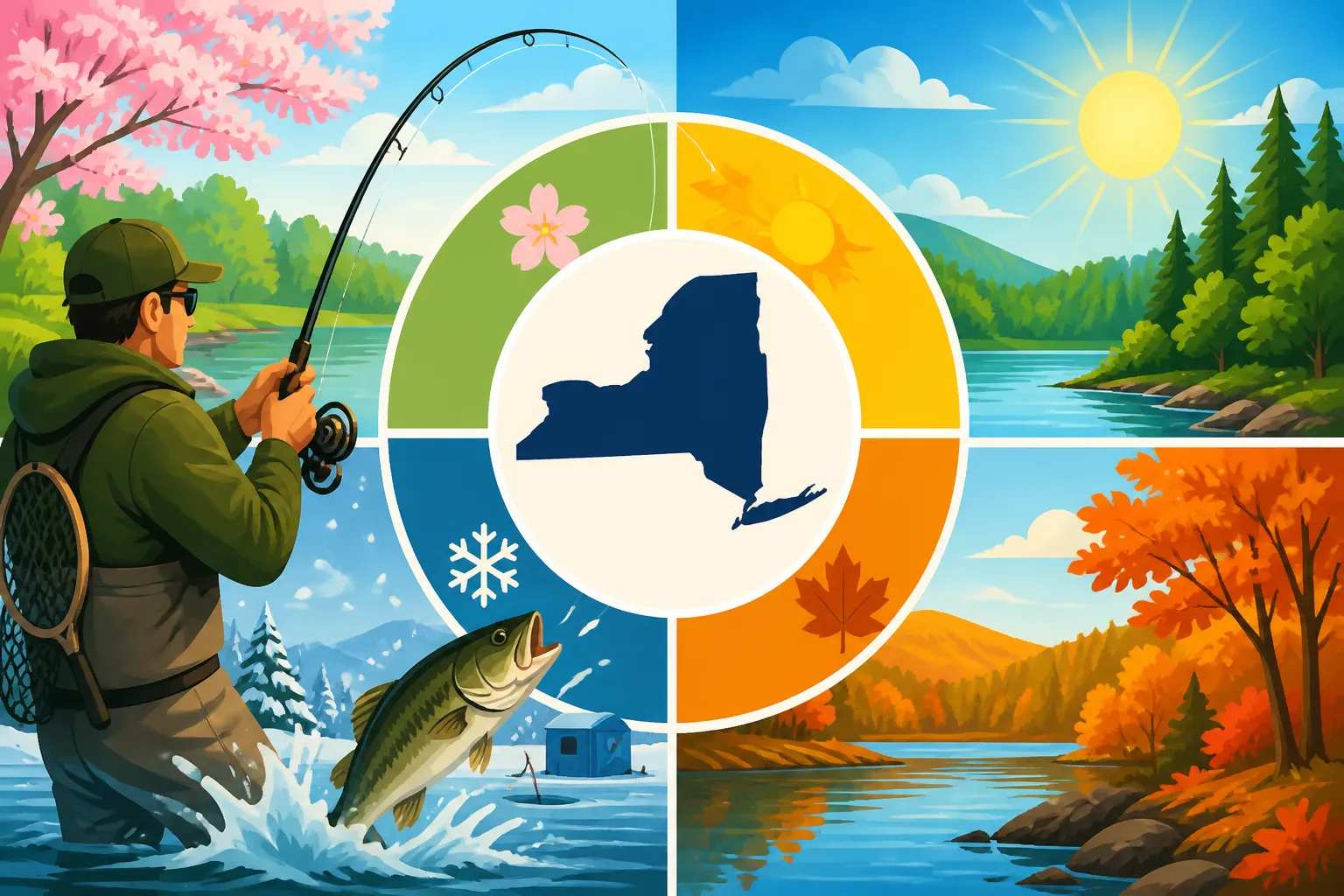
Our state's climate plays a huge role in dictating when fish are active and where they'll be found. Think about it: winters in the Adirondacks are vastly different from those on Long Island. This geographic spread, combined with seasonal temperature shifts, profoundly affects water temperatures, which in turn drive fish metabolism, spawning cycles, and feeding patterns. From the cold, deep waters of the Great Lakes to the warmer, shallower ponds of central New York, each ecosystem has its own unique timetable. You'll find that fish like trout and salmon thrive in colder conditions, often becoming more active in spring and fall, while warmwater species like largemouth bass hit their stride as summer temperatures rise. Understanding these basic environmental drivers is the first step in unlocking New York's fishing potential. It's not just about the calendar date; it's about what that date means for the water around you.
Key Regulatory Periods and Their Impact
Beyond the natural rhythms, New York's Department of Environmental Conservation (DEC) sets specific fishing seasons and regulations that directly influence when and where you can legally target certain species. These regulations are designed to protect fish populations, especially during vulnerable times like spawning. For example, you'll notice that many bass seasons have an early catch-and-release period before the full harvest season opens. This isn't just bureaucratic red tape; it's a vital measure to ensure sustainable fishing for future generations. Ignoring these rules can lead to hefty fines and penalties for fishing without a license in New York. Always, always check the current DEC fishing regulations explained before you head out, as dates and rules can change. It’s a bit of a chore, I know, but it's part of being a responsible angler and makes all the difference in having a legal and successful trip.
Spring Fishing: A Season of Awakening and Opportunity
Ah, spring! After the long, cold grip of winter, those first hints of warmth feel like a resurrection for both anglers and fish. The ice begins to recede, rivers swell with snowmelt, and the water temperatures, even if still chilly, signal a renewed burst of life. This season is absolutely buzzing with activity, offering some of the most exciting fishing opportunities of the entire year across New York.
Early Spring Trout and Salmon Runs
As soon as the ice starts to break up and stream flows increase, many of New York's most sought-after coldwater species begin their annual migrations and feeding binges. Trout season opening day is April 1 for many waters, and this is a hallowed tradition for countless anglers across the state. In many of New York's lakes and streams, you'll find eager brook trout, brown trout, and rainbow trout becoming incredibly active as they shake off winter's lethargy and search for food.
The famous Lake Ontario tributaries, while often thought of for fall salmon, also offer incredible opportunities for steelhead trout in New York during the spring. These powerful, silver bullets, which are essentially migratory rainbow trout, push up into rivers like the Salmon River and Oswego River to spawn. The fishing can be absolutely phenomenal, with anglers using egg imitations, nymphs, or even small jigs to tempt these acrobatic fighters. The spring steelhead run timing in New York generally extends well into May, offering weeks of prime action. Similarly, the Finger Lakes see their own excellent spring action for lake trout and landlocked salmon as they cruise shallower waters before the summer heat drives them deeper.
Bass and Panfish Emerging from Winter Slumber
While coldwater species dominate the early spring narrative, don't forget about the explosion of activity from warmwater species as the water warms into the 40s and 50s Fahrenheit. Largemouth bass and smallmouth bass, though often still in their catch-and-release seasons (check New York bass season dates!), start to move from their deep wintering holes into shallower, sun-warmed bays and flats. They're often lethargic at first, but as the water edges up, they become more aggressive, targeting baitfish and crustaceans.
This is a fantastic time for panfish too. Yellow perch, crappie, and bluegill start to school up in shallow areas, often near submerged structure or weed lines, preparing for their own spawning rituals. Kids especially love this time of year because the action can be non-stop. A simple bobber rig with a worm or a small jig can lead to a bucket full of delicious panfish. Many smaller lakes and ponds really come alive, offering easy access for shore anglers and kayak enthusiasts alike. It's a forgiving time to introduce new anglers to the sport.
Striper Mania in the Hudson and Saltwater Bays
For saltwater enthusiasts, spring means one thing above all else: striped bass. The annual migration of striped bass in New York is a highlight for anglers from New York City up the Hudson River and out onto Long Island Sound. As baitfish like herring and bunker move into the estuaries, so too do the stripers, hungry after their winter dormancy. The Hudson River striped bass season is legendary, with larger fish making their way upriver to spawn. Anglers often target them with live bait like herring, chunk bait, or by casting large plugs and soft plastics.
On Long Island Sound, the waters come alive with anglers chasing schoolie stripers and larger fish moving along the coast. It’s a time of immense anticipation, and when the bite turns on, it can be truly epic. This fishery typically kicks off in April and continues strong into May. Remember that New York striped bass length requirements are in place to manage this prized fishery, so always measure your catch carefully.
Summer Fishing: Warm Waters and Active Bites
When summer officially rolls in, New York's waters transform. The chilly edge of spring gives way to warmer temperatures, often making for more comfortable fishing conditions, especially for those who prefer shorts and t-shirts to multiple layers. While some species might head for deeper, cooler haunts, many others become incredibly active, offering different types of fishing adventures.
Deepwater Lake Trout and Salmon Strategies
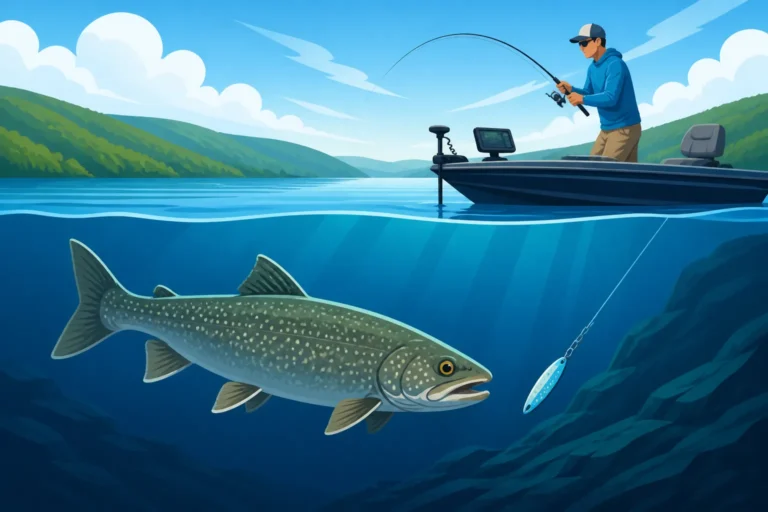
As surface temperatures on larger, deeper lakes like Lake Ontario, Lake Erie, and the Finger Lakes start to climb, coldwater species like lake trout, Chinook salmon, and Coho salmon move to cooler, oxygen-rich depths. This is prime time for trolling. Anglers equipped with downriggers, dipsy divers, and planer boards will be out in force, presenting spoons, flies, and plugs at specific depths.
On Lake Ontario, charter boats, like those out of Oswego or Henderson Harbor, really shine during the summer, expertly targeting salmon and trout far offshore. They'll employ complex trolling spreads, often running multiple lines at various depths to intercept schools of fish. For independent anglers, learning how to downrig for lake trout or understanding the nuances of how to troll spoons for Chinook salmon can be incredibly rewarding. It’s a different game than river fishing, requiring specialized gear, but the reward of a screaming reel and a big, powerful fish on the end of your line is unmatched.
Targeting Warmwater Species in Lakes and Rivers
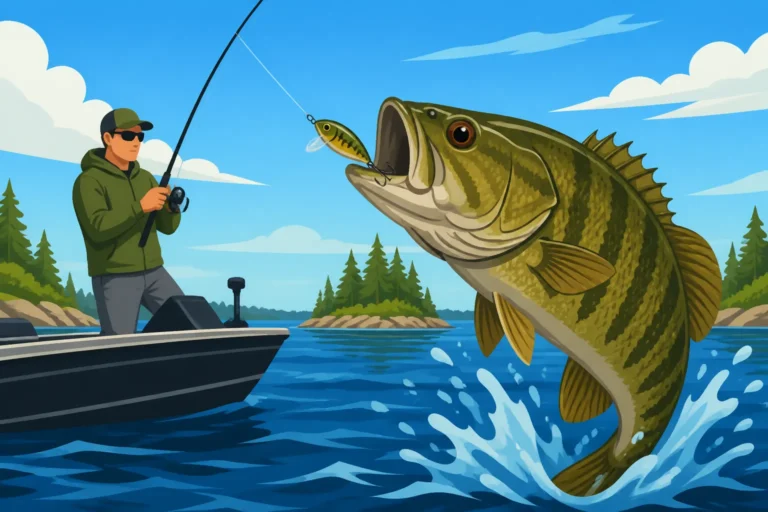
Summer is arguably the quintessential season for warmwater species across most of New York's inland waters. Largemouth and smallmouth bass are in full swing, actively feeding and often holding near cover like lily pads, fallen trees, or rocky points. Topwater action can be incredible during low light conditions, while flipping and pitching into dense cover or fishing deep structure for bass can produce big fish during the heat of the day. Waters like Oneida Lake are renowned for their incredible smallmouth bass fishing, and the St. Lawrence River is a world-class destination for trophy bass.
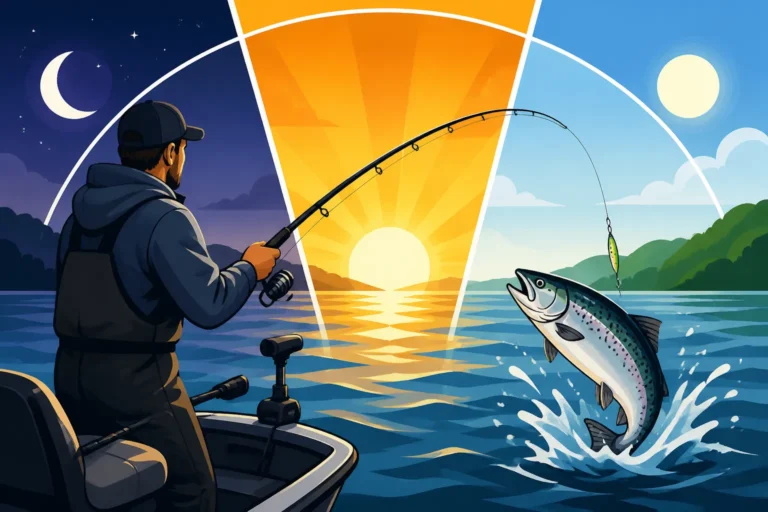
Walleye, another popular warmwater species, also become highly active, especially during dawn, dusk, and even at night. Lakes like Oneida Lake and Lake Erie are hotspots for walleye. Anglers will often jig for walleye or troll crankbaits along drop-offs and humps. Panfish continue to be a great option throughout the summer, often found in weed edges and near docks, making them perfect for family outings or beginners. Even catfish and carp become more active in the warmer months, offering unique angling challenges.
Saltwater Action: Fluke, Bluefish, and More
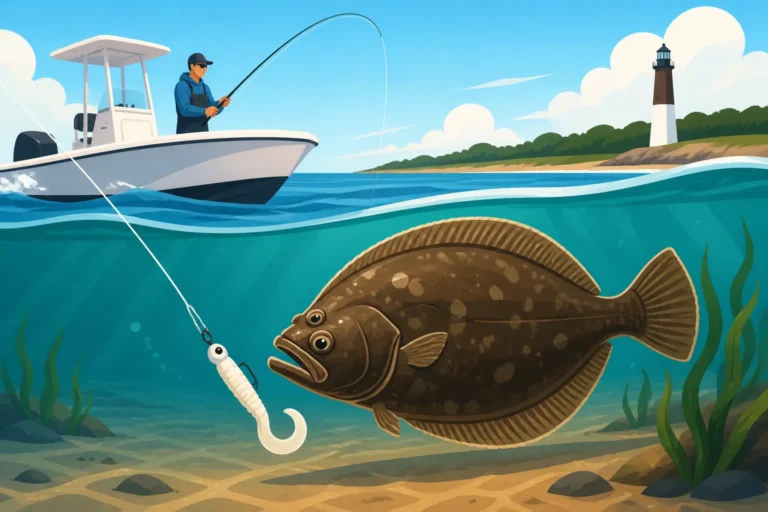
New York's saltwater scene truly heats up in the summer. Fluke (summer flounder) are a highly sought-after species, popular for their delicious fillets and engaging drift fishing techniques. Anglers on Long Island Sound, out of ports like Montauk or Sheepshead Bay, will drift bucktails tipped with Gulp! or strips of squid and spearing over sandy bottoms and channels. Understanding the best drift speed for fluke fishing can significantly increase your success.
Bluefish in Long Island Sound become abundant and aggressive, offering fast-paced action. These toothy critters are known for their powerful runs and willingness to strike almost any lure or bait. They often school up and create impressive feeding frenzies on baitfish. Other species like porgies (scup) and tautog (blackfish) also provide excellent opportunities closer to shore, especially around rocky structures and wrecks. If you're looking to gear up for saltwater fishing, checking out fishing reels or tackle boxes on Amazon can be a good starting point for finding suitable equipment for these robust species. Just remember to have your New York saltwater fishing registration guide in order!
Fall Fishing: The Peak of Many Species
For many seasoned New York anglers, fall isn't just a season; it's a pilgrimage. The crisp air, the vibrant foliage, and the frantic feeding activity of fish preparing for winter make it an exceptionally productive and beautiful time to be on the water. It’s a season of abundance, where many species truly hit their peak.
Exploding Salmon and Steelhead Runs
Without a doubt, fall is synonymous with the epic salmon runs in New York's Great Lakes tributaries. As early as late August, but peaking in September and October, massive Chinook salmon and Coho salmon begin their annual migration from Lake Ontario and Lake Erie into rivers like the Salmon River, Oswego River, and Genesee River. These fish, sometimes weighing over 30 pounds, are driven by an instinct to spawn, and they provide some of the most powerful freshwater fights you'll ever experience.
Anglers line the banks and drift the rivers, using a variety of techniques from drifting egg sacs for steelhead and salmon to casting large plugs and flies. Following the salmon, and often overlapping with their runs, come the tenacious steelhead. These fish gorge themselves on salmon eggs and baitfish, offering continued incredible action well into late fall and early winter. Understanding when Chinook salmon start running in Lake Ontario tributaries is key to timing your trip perfectly. This is a bucket-list fishery for many, drawing anglers from all over.
Aggressive Bass and Walleye Feeding Frenzies
As water temperatures begin to drop from their summer highs, warmwater species enter a "fall bite" period, often characterized by aggressive feeding. Bass, both largemouth and smallmouth, sense the approaching winter and become voracious, trying to put on weight. They'll often move from deep summer haunts to shallower, easily accessible areas, or concentrate on structure in deeper sections as baitfish school up. Fishing crankbaits, spinnerbaits, and even topwater lures on warmer fall days can be incredibly effective. The smallmouth bass on the St. Lawrence River continue to offer fantastic action.
Walleye fishing also reaches a fever pitch in the fall. These keen-eyed predators stack up on offshore structures and along weed lines, feasting on baitfish. Lakes like Oneida and Lake Erie can offer incredible walleye action, especially during evening hours. Jigging spoons or casting swimbaits can be highly productive, as walleye try to pack on calories for the colder months. This is often cited as the best time to fish for walleye in New York, and it's certainly hard to argue with the results.
Late Season Saltwater Opportunities
While the peak summer rush might have subsided, New York's saltwater scene still offers plenty of action in the fall. Striped bass often make a strong reappearance along the coast and in estuaries as they begin their southward migration. Known as the "fall run," this can provide excellent fishing for both boat and shore anglers, particularly on Long Island Sound and along the ocean beaches. Blitzes of stripers and bluefish chasing baitfish are a common and exciting sight, offering incredible light tackle action.
Tautog (blackfish) fishing also becomes incredibly popular in the fall, particularly as water temperatures cool. These powerful, structure-loving fish provide a challenging fight and are excellent table fare. Anglers will often anchor over rocky bottoms, wrecks, and mussel beds, using green crabs or Asian crabs as bait. The fishing can continue well into late November or early December, depending on how quickly winter sets in.
Winter Fishing: Embracing the Ice and Cold
For those who don't hang up their rods when the mercury drops, winter fishing in New York offers a unique and often peaceful angling experience. While it requires different gear and a hearty tolerance for cold, the rewards can be substantial, especially for those willing to embrace the frozen landscape.
Ice Fishing for Panfish, Walleye, and Pike
Once New York's lakes and ponds develop safe ice thickness, ice fishing becomes a beloved pastime. This is a truly social form of fishing, often done with friends and family in portable shanties or cozy heated shelters. Targeted species include yellow perch, bluegill, crappie, walleye, and northern pike. Shallow bays and weed lines are often excellent spots for panfish, which readily take small jigs tipped with wax worms or spikes.
Larger bodies of water, such as Oneida Lake and Chautauqua Lake, are famous for their walleye ice fishing. Anglers use tip-ups rigged with live bait or jigging spoons to entice these bottom-dwelling predators. Northern pike and even tiger muskie can also be caught through the ice, offering a thrilling fight on heavier gear. Safety is paramount when ice fishing in New York. Always check ice conditions and never venture out alone without proper safety equipment. It's an incredible way to extend your fishing season and experience the beauty of New York's winter wonderland. You can find essential gear like ice augers and portable heaters on Amazon to make your experience more comfortable.
Open Water Steelhead and Trout in Tributaries
Even in the dead of winter, not all fishing stops. For the dedicated few, certain open-water fisheries continue to produce, particularly for cold-hardy species. The Great Lakes tributaries, especially the Salmon River and other Lake Ontario tributaries, can still hold good numbers of steelhead throughout the winter. These fish, having entered the rivers in the fall or early winter, often hold in slower, deeper pools, waiting for spring.
Fishing for winter steelhead requires patience, specialized techniques like nymphing or float fishing with egg imitations, and the right cold-weather gear. While the bites can be subtle and the conditions challenging, landing a bright, chrome steelhead against a snowy backdrop is an incredibly rewarding experience. Similarly, some spring-fed streams and rivers around the state remain open and can offer opportunities for brown trout or rainbow trout, particularly on milder winter days.
Safety First: Navigating Winter Conditions
Winter fishing is not without its risks. The most crucial aspect of fishing in cold weather, especially ice fishing, is safety. Before you even think about stepping onto the ice, you must confirm that it's thick enough to support your weight and gear. A general rule of thumb is at least 4 inches of clear, solid ice for individual foot travel, and more for groups or snowmobiles. Always carry ice picks, know how to use them, and let someone know where you're going and when you expect to return.
Beyond ice safety, dressing in layers, wearing waterproof and insulated clothing (like those available on Amazon), and protecting exposed skin are essential to prevent hypothermia and frostbite. Being prepared for sudden weather changes, carrying a thermos of hot coffee or tea, and bringing a fully charged cell phone are also critical. Winter fishing can be wonderfully serene and productive, but respecting the elements is absolutely non-negotiable.
Regional Nuances: Fishing Across New York's Landscapes
New York's fishing landscape is as varied as its geography, meaning that the "best time" to fish can shift dramatically depending on whether you're standing on the shores of Lake Erie or wading a Catskill stream. Truly maximizing your angling success means understanding these regional differences.
Great Lakes and Tributaries: A World-Class Fishery
The colossal waters of Lake Ontario and Lake Erie, along with their intricate network of tributaries, form New York's premier coldwater fishery. This region is world-renowned for its incredible populations of Pacific salmon (Chinook and Coho) and migratory trout (steelhead, brown trout, and lake trout).
- Spring (April-May): Focus heavily on the tributaries for the tail end of the steelhead run. Lake Ontario itself starts to warm up, and brown trout become very active nearshore.
- Summer (June-August): This is prime time for offshore trolling on both Lake Ontario and Lake Erie, targeting deepwater Chinook and Coho salmon, as well as lake trout. Lake Erie also offers phenomenal walleye fishing during this period.
- Fall (September-November): The legendary salmon runs begin, drawing thousands of anglers to rivers like the Salmon River, Oswego River, and Niagara River. Steelhead follow shortly after.
- Winter (December-March): Ice fishing opportunities exist on shallower bays of Lake Erie, but the main draw is often open-water steelhead fishing on the lower sections of the tributaries, especially on milder days.
The sheer size and depth of these lakes create a complex ecosystem where fish movements are dictated by temperature stratification and baitfish migration. For instance, the Best Time to Fish for Chinook Salmon on New York's Lake Ontario typically peaks in late summer and early fall as they stage for their spawning run.
Finger Lakes and Inland Waters: Diverse Opportunities
Central New York's Finger Lakes (like Cayuga, Seneca, and Keuka), along with countless smaller lakes, ponds, and rivers across the state, offer an incredibly diverse array of fishing experiences for both coldwater and warmwater species. These waters are typically smaller and often more accessible than the Great Lakes, providing excellent opportunities for a wider range of anglers.
- Spring (April-May): The Finger Lakes offer excellent opportunities for lake trout and landlocked salmon in shallower waters, while bass and panfish become active in coves and bays. Rivers and streams throughout the state open for trout fishing, often with heavy stocking efforts.
- Summer (June-August): This is the peak season for warmwater species like largemouth and smallmouth bass, walleye (especially on Oneida Lake), and panfish in nearly all inland waters. On the deeper Finger Lakes, lake trout go deep, requiring specific trolling techniques.
- Fall (September-November): The fall bite for bass and walleye can be spectacular as fish feed aggressively. Landlocked salmon and lake trout become active in shallower parts of the Finger Lakes as water cools.
- Winter (December-March): Many of these lakes, particularly the shallower ones, offer fantastic ice fishing for panfish, walleye, and northern pike. Deeper Finger Lakes rarely freeze completely.
From targeting walleye in New York's Oneida Lake to fly fishing for trout in the Catskills, each inland water body has its own unique character and optimal fishing times.
Saltwater Shores and Estuaries: Coastal Adventures
New York's extensive coastline, including Long Island Sound, the Atlantic Ocean, and the Hudson River estuary, offers thrilling saltwater angling opportunities. This region is dominated by migratory species, whose presence is heavily tied to water temperature and baitfish movements.
- Spring (April-May): The highly anticipated striped bass run begins, with fish entering the Hudson River and moving along the Long Island coast. Bluefish also start to appear.
- Summer (June-August): Fluke fishing is in full swing, along with strong populations of bluefish, porgies, and black sea bass. Offshore, anglers target tuna and mahi-mahi.
- Fall (September-November): The legendary "fall run" for striped bass and bluefish provides some of the most exciting action of the year, as fish migrate south. Tautog (blackfish) fishing becomes excellent.
- Winter (December-March): While much of the action slows, dedicated anglers may still find opportunities for winter flounder or target tautog on milder days. Some sections of the Hudson River may offer winter striped bass, particularly in the lower estuary.
Understanding the specific movements of fish like striped bass in New York is critical. For instance, knowing when do striped bass run up New York's Hudson River will dictate your strategy for that iconic fishery.
Planning Your New York Fishing Calendar
With so many variables at play – species, location, regulations, and weather – planning your New York fishing calendar can seem overwhelming. But with a little foresight and an understanding of the fundamental principles, you can significantly increase your chances of being in the right place at the right time.
Utilizing Weather and Water Temperature
The single biggest factor influencing fish activity, after their inherent biological cycles, is water temperature. Fish are cold-blooded, meaning their metabolism is directly tied to the temperature of their environment. This dictates everything from how actively they feed to where they prefer to hold.
- Cold Water (below 45°F): Fish are generally lethargic. Focus on slower presentations, deeper waters for coldwater species, or ice fishing.
- Cool Water (45-55°F): This is often a prime zone for trout, salmon, and early spring bass. Fish are active but not overly aggressive.
- Temperate Water (55-70°F): The sweet spot for most warmwater species like bass, walleye, and panfish. Fish are actively feeding and often in shallower to mid-depth ranges.
- Warm Water (above 70°F): Some species, like trout, will seek deeper, cooler refuges. Warmwater species may become less active during the hottest parts of the day, preferring low light.
Monitoring local weather forecasts, understanding how recent rain affects water clarity, and even checking water temperature gauges (many fishing apps and websites provide this data) will give you a significant advantage. A sudden cold front can shut down a bite, while a sustained warming trend can kick it into high gear. Always consider the local conditions, not just the calendar date.
Best Times for Specific Fish Species
To help you get a quick overview, here’s a table summarizing the peak seasons for some of New York's most popular species. Remember, these are general guidelines, and local conditions can always vary.
| Fish Species | Peak Season(s) in New York | Key Regions | Notes |
|---|---|---|---|
| Chinook Salmon | Late Summer, Early Fall (Aug-Oct) | Lake Ontario & Tributaries | Aggressive runs as they stage for spawning; offshore trolling earlier. |
| Steelhead Trout | Spring (Mar-May), Fall (Sept-Nov), Winter (Dec-Mar) | Lake Ontario & Erie Tributaries | Strong runs in spring/fall; slower, dedicated winter fishery. |
| Brown Trout | Spring (Apr-May), Fall (Sept-Nov) | Great Lakes Tributaries, Inland Streams & Lakes | Active after stocking; strong fall feeding. |
| Lake Trout | Spring (Apr-May), Summer (June-Aug – deep), Fall (Sept-Oct) | Finger Lakes, Lake Ontario, Lake George | Spring/fall in shallower water; deepwater trolling in summer. |
| Largemouth Bass | Late Spring (May-June), Summer (June-Aug), Fall (Sept-Oct) | Inland Lakes, Ponds, Rivers | Strong post-spawn bite; active throughout summer; fall feeding frenzy. |
| Smallmouth Bass | Late Spring (May-June), Summer (June-Aug), Fall (Sept-Oct) | St. Lawrence River, Great Lakes, Finger Lakes | Highly active in temperate waters; excellent fall action. |
| Walleye | Spring (May-June), Summer (July-Aug – nocturnal), Fall (Sept-Oct) | Lake Erie, Oneida Lake, Chautauqua Lake | Excellent spring spawn bite; strong fall feeding. |
| Muskellunge | Summer (July-Aug), Fall (Sept-Nov) | St. Lawrence River, Chautauqua Lake, Tiger Muskie Waters | Often a summer-long pursuit; incredible fall trophy potential. |
| Striped Bass | Spring (Apr-June), Fall (Sept-Nov) | Hudson River, Long Island Sound, Atlantic Coast | Major migratory runs; spring spawn, fall feeding migration. |
| Fluke (Summer Flounder) | Summer (May-Sept) | Long Island Sound, Atlantic Coast, Bays | Popular drift fishery; excellent table fare. |
| Bluefish | Summer (June-Sept), Fall (Sept-Oct) | Long Island Sound, Atlantic Coast | Highly aggressive and migratory; often in schools with stripers. |
| Yellow Perch | Spring (Apr-May), Summer (June-Aug), Winter (Ice Fishing) | Most Inland Lakes & Ponds, Lake Erie | Excellent panfish year-round; especially popular for ice fishing. |
Tips for Year-Round Angling Success
To truly become a successful year-round angler in New York, it's about more than just knowing when to go; it's about being prepared and adaptable.
- Stay Informed: Regularly consult the New York DEC Fishing Season Dates and Catch Limits. Regulations can change, and being up-to-date is crucial.
- Diverse Tackle: Don't limit yourself to one type of fishing. Having a versatile set of rods, reels, and tackle for both warmwater and coldwater species will open up more opportunities. Consider checking out beginner fishing kits on Amazon if you're looking to expand your gear without breaking the bank.
- Layer Up: New York weather is famously unpredictable. Always dress in layers, regardless of the season, to adapt to changing conditions. Waterproof outer layers are a must.
- Embrace New Techniques: Each season and species often benefits from specific techniques. Learn how to fly fish for steelhead, how to troll for salmon, or how to ice fish for walleye. Expanding your skill set makes you a more versatile and successful angler.
- Talk to Locals: Bait shop owners, charter captains, and fellow anglers are invaluable sources of current, localized information. They often have the most up-to-date reports on what's biting and where.
- Keep a Log: Documenting your trips – species caught, location, bait used, water temperature, and weather conditions – can help you identify patterns and improve your success over time.
- Respect the Resource: Always practice responsible angling, follow catch limits, and handle fish with care, especially if you plan to release them. The future of New York fishing depends on it.
Fishing in New York is a continuous adventure, a year-round pursuit of connection with nature and the thrill of the catch. By understanding these seasonal rhythms and preparing accordingly, you can transform your fishing outings from occasional luck to consistent success.
Disclaimer
The information provided in this guide is for general informational purposes only and is subject to change. Always consult the most current New York State Department of Environmental Conservation (DEC) regulations and advisories before engaging in any fishing activities. Fishing conditions, including weather and water levels, can change rapidly, and safety should always be your top priority.