Best Lures for Muskellunge
Chasing muskellunge, often called the "fish of 10,000 casts," is a true test of patience, skill, and the right equipment. Nothing is more frustrating than putting in countless hours on the water, seeing a monster muskie follow your lure, only for it to turn away at the boat. This comprehensive guide is dedicated to helping you demystify the world of muskie lures, ensuring you're armed with the best options and knowledge to entice these elusive giants in New York's incredible waters.
Understanding Muskellunge Behavior and Feeding Habits
Before we dive into the tackle box, it's absolutely crucial to understand the fish itself. Muskellunge are apex predators in their ecosystems, and their behavior heavily dictates how and when they strike a lure. Without this foundational knowledge, even the most expensive lure might sit unnoticed.
Ambush Predators and Their Prey
Muskies are the ultimate ambush predators. They possess incredible camouflage, often lurking in weed beds, submerged timber, or along sharp drop-offs, waiting for an unsuspecting meal to swim by. They're not generally active cruisers; instead, they prefer to explode from cover, engulfing their prey with incredible speed. This ambush style means your lure needs to trigger that predatory instinct in a very short window. You're not just trying to make them hungry; you're trying to make them react.
Their diet is varied but almost always consists of substantial prey. In New York, this can mean anything from suckers, perch, and ciscoes to smaller bass and even ducks or muskrats! This focus on larger prey explains why muskie lures are generally much bigger than those used for other species. Think about the profile of a six-inch perch or a ten-inch sucker; your lure should mimic that size and shape to appear as a worthwhile meal.
Seasonal Changes in Muskie Activity
Muskellunge behavior isn't static; it shifts dramatically with the seasons, impacting where they are and what they're willing to chase. Understanding these seasonal patterns is key to choosing the right lure at the right time.
In the spring, after the spawn, muskies are often recuperating and can be found in shallower, warmer waters, especially around spawning grounds. They might be less aggressive, preferring slower presentations. As summer heats up, they move to deeper, cooler water, often relating to distinct structures like deep weed lines, rock humps, or thermal clines. This is when they can be incredibly active, chasing fast-moving baits. The fall is famously the "feed bag" period, where muskies gorge themselves in preparation for winter. They are often concentrated and extremely aggressive, making it one of the best times for trophy hunters. Knowing the best season for Muskellunge fishing in New York can greatly influence your success.
Water Conditions and Lure Visibility
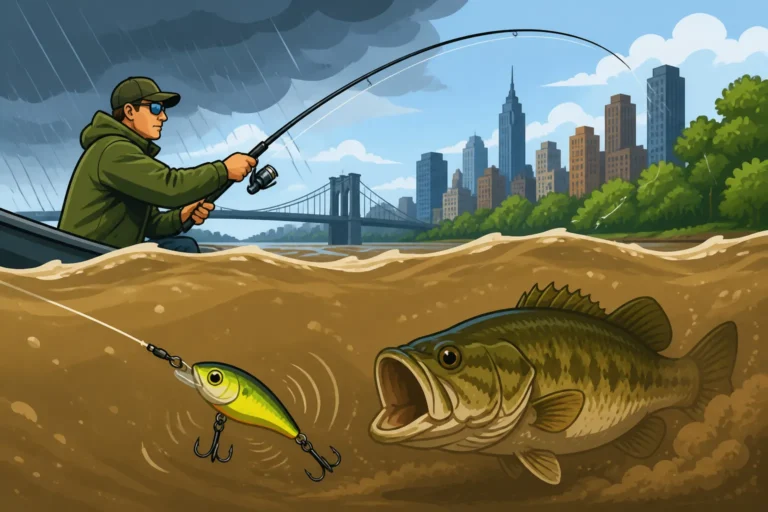
The clarity and temperature of the water play a massive role in lure selection. In clear water, natural colors and more subtle actions might be more effective, as the muskie has ample time to inspect your offering. In stained or turbid water, however, vibration, flash, and bolder, brighter colors become paramount. Muskies rely heavily on their lateral line system to detect vibrations in murky water, so a lure that puts out a strong thumping action can be irresistible.
Water temperature also affects their metabolism and willingness to chase. Colder water usually calls for slower, larger baits that represent a high-value meal with minimal effort. Warmer water often allows for faster retrieves and more erratic actions, as muskies are more energetic and willing to pursue. A good understanding of these environmental factors, along with knowing how to fish cold water in New York, will significantly increase your odds.
The Essential Lure Categories for Muskellunge
Now that we've covered the basics of muskie behavior, let's get into the arsenal. There's a reason muskie anglers often have enormous tackle boxes—different situations call for different tools.
Bucktails and Inline Spinners
Bucktails are, without a doubt, one of the most iconic and consistently productive muskie lures. They are essentially a wire shaft with one or more blades that spin, creating flash and vibration, coupled with a skirt made of deer hair (bucktail) or synthetic materials. They are incredibly versatile and can be fished at various depths and speeds.
The flash and vibration from the blades are a huge draw, especially in stained water or during aggressive feeding periods. Classic bucktails like those from Musky Mayhem Tackle (often found on Amazon, which offers a wide selection) or Mepps have caught countless fish. Modern bucktails often feature larger blades (like tandem #10 or #12), sometimes with stacked blades or oversized components to create even more disturbance. When considering best bucktail colors for Muskellunge, think about bright, contrasting colors in darker water, and more natural patterns in clear water. They are excellent for covering water quickly and drawing reaction strikes.
Jerkbaits and Gliders
Jerkbaits and gliders are designed to imitate an injured or disoriented baitfish, and they require active manipulation from the angler to achieve their enticing action. Unlike bucktails that generate their own action, you impart the movement with rod twitches and pauses.
Jerkbaits, like the popular Bagley BangO Lure, often have a more erratic, darting motion, diving and rising with each twitch. Gliders, such as those from Salmo or Chaos Tackle, typically have a side-to-side, "walk-the-dog" action underwater when retrieved with a snap-pause cadence. Both are fantastic when muskies are being finicky or need a slower, more deliberate presentation. They excel in clear water where a muskie can observe the intricate, lifelike movements. The key is to experiment with different cadences, pauses, and rod tip movements until you find what triggers a strike.
Crankbaits and Trolling Plugs
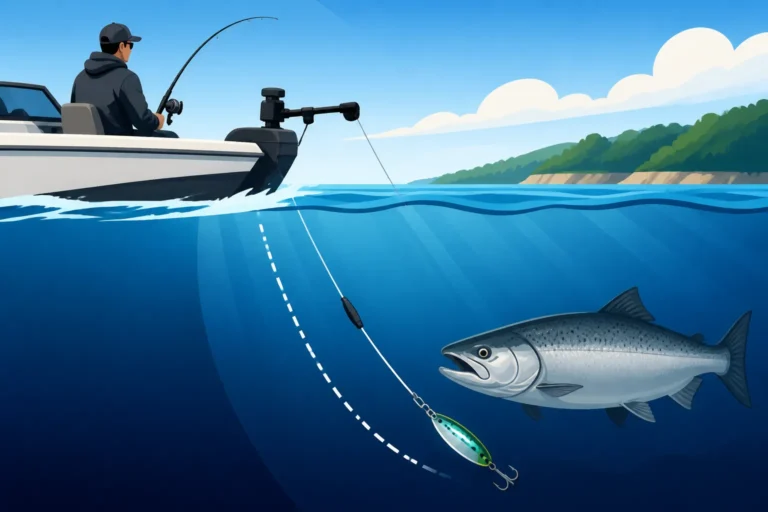
Crankbaits are hard-bodied lures with a lip that causes them to dive to a predetermined depth when retrieved. Trolling plugs are essentially oversized crankbaits, often with a more robust build for handling the stresses of high-speed trolling. These lures are fantastic for reaching muskies in deeper water or covering vast expanses quickly.
They come in various diving depths, from shallow runners that barely break the surface to deep divers that can reach 20 feet or more. Companies like Bucher Tackle and Rapala make excellent muskie-sized crankbaits. For trolling, larger plugs like those from Grandma Lures or Jakes are staples. Trolling allows you to present a lure to muskies that might not be accessible from shore or through casting, especially in large bodies of water like Lake Erie or sections of the St. Lawrence River. When targeting walleye in New York, similar trolling techniques can be used, but with smaller baits. Remember that the vibration and wobble of a crankbait mimic a fleeing baitfish, triggering that chase instinct.
Soft Plastics and Swimbaits
The world of soft plastics has exploded in muskie fishing, offering incredibly realistic profiles and actions that hard baits can't always replicate. These lures are typically made of durable PVC or similar compounds, often rigged with heavy-duty hooks.
Large soft plastic jerkbaits, often rigged weedless, are fantastic for working through heavy cover where muskies love to hide. Large paddle-tail swimbaits, like those from Bondy Bait Company or Drifter Tackle's "Believer" series, provide a more natural swimming motion and a substantial profile. They can be slow-rolled over structure, retrieved with a steady crank, or jigged vertically. Their soft body and natural feel often lead to longer strikes, giving the angler more time to set the hook. This versatility makes them invaluable, especially when muskies are wary of traditional hard baits. You can often find a good range of these on Amazon, making it easy to experiment with different styles.
Topwater Lures
There's nothing quite like the explosive strike of a muskie on a topwater lure. These lures are designed to be fished on the surface, creating commotion, gurgles, splashes, and wakes that mimic an injured or fleeing creature.
Topwater lures for muskie come in many forms:
- Walk-the-dog baits: Like the classic Heddon Super Spook, these glide side-to-side across the surface.
- Prop baits: Featuring one or more propellers, they create a sputtering, churning action. Examples include the Whopper Plopper or Bucher TopRaider.
- Creepers/Flap-tails: These have wings or tails that create a wobbling, walking action on the surface.
- Dawg/Glide baits: Some larger gliders can also be fished on the surface with a high rod tip.
Topwater action is most common in warmer water, typically during dawn, dusk, or even night fishing, when muskies are feeding actively in shallow water. They can also be effective over deep weed beds where fish rise to strike. The visual thrill of a muskie exploding on a topwater is an experience every angler should strive for.
Matching Lures to Specific New York Waters and Seasons
Knowing your lures is one thing, but knowing when and where to deploy them in New York's diverse muskie fisheries is the real secret sauce. New York offers incredible muskie opportunities, from the vastness of the St. Lawrence River to the deep Finger Lakes.
Early Season and Cold Water Tactics
When the water temperatures are still on the colder side, generally in late spring or early summer, muskies are often less willing to exert energy for a meal. This calls for slower presentations and lures that offer a substantial payoff.
In the early season, focus on areas that warm up first, such as shallower bays, dark-bottomed flats, and around newly emerging weed growth. Large, slow-moving glide baits or soft plastics can be incredibly effective here. A big swimbait slow-rolled just above the weeds gives a muskie a high-value target that's easy to ambush. You might also find success with larger crankbaits that dive to a moderate depth, retrieved slowly to give off a wide wobble. Remember, muskies in cold water are looking for efficiency; make it easy for them. Learning how to fish cold water in New York effectively is a skill that will pay dividends.
Summer Weedline and Open Water Strategies
Summer brings higher water temperatures and increased muskie activity. This is when they often set up shop along the edges of deep weed lines, suspended over open water, or relating to prominent structures.
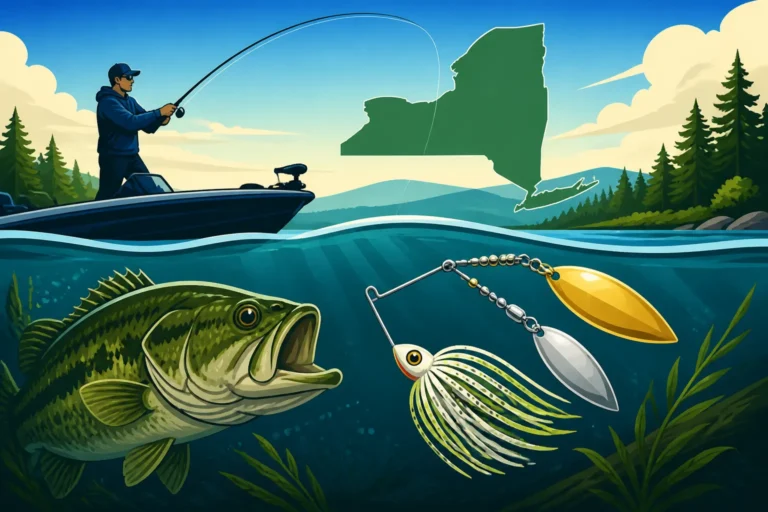
For weed line fishing, bucktails are phenomenal. Their single or double blades allow them to be retrieved relatively weed-free over the tops or along the edges of submerged vegetation. Large spinnerbaits can also be great for this. If muskies are suspended in open water, perhaps chasing schools of baitfish, trolling big crankbaits or deep-diving plugs becomes a highly effective strategy. This allows you to cover vast amounts of water and present lures at various depths until you find where the fish are holding. Consider fishing New York's Finger Lakes for some fantastic open-water opportunities.
Fall Feed Bag and Trophy Hunting
Autumn is when muskies go on a feeding frenzy, bulking up for the lean winter months. This is prime time for trophy hunting, and muskies are often at their most aggressive.
During the fall, muskies frequently move shallower, ambushing baitfish that are also moving to their wintering grounds. Large bucktails with huge blades (like the "Cowgirl" or "Doble Cowgirl") are a classic fall choice, as their flash and vibration mimic schools of fleeing bait. Oversized soft plastics, like magnum swimbaits or rubber baits, also shine. These provide a huge profile and can be retrieved slowly or jigged to attract attention. For the truly massive fish, anglers might also consider super-sized jerkbaits or even live bait where legal (always check New York Fishing Regulations Explained for specific rules). Focusing on deep points, sharp drop-offs, and rocky structures near deeper water can be highly productive. If you're chasing the New York State Muskellunge Record: 69 Pounds, 15 Ounces, this is the season to do it.
Specific New York Lakes and Rivers
New York State boasts several legendary muskie fisheries, each with its own nuances that can influence lure choice.
- St. Lawrence River and Thousand Islands: This vast river system is arguably New York's muskie capital. Muskellunge Fishing in New York's Thousand Islands is renowned, and the fish here are often found relating to current, shoals, and islands. Large bucktails, deep-diving crankbaits (especially when trolling), and substantial gliders are staples. The current can make certain presentations tricky, so heavy lures that can cut through the water are often favored. You might even consider hiring one of New York's St. Lawrence River Muskie Guides to learn the local tricks.
- Chautauqua Lake: Known for its healthy muskie population, Chautauqua Lake offers both open water and extensive weed beds. Trolling large plugs in the deeper basin is popular, but casting bucktails and big jerkbaits along the weed edges is also very effective, especially in the shallower southern end.
- Oneida Lake: While famous for its walleye, Oneida Lake also holds muskies. These fish often relate to the lake's abundant weed growth and rocky shoals. Crankbaits and bucktails are common choices here, focusing on the edges of structure.
- Niagara River: The lower Niagara River holds true giants. Here, the heavy current often dictates using heavier lures or trolling techniques. Large crankbaits and soft plastics are often preferred due to the unique challenges of fishing in strong flows.
Lure Presentation and Retrieval Techniques
Having the right lure is only half the battle. How you present and retrieve it is equally, if not more, important. A perfectly chosen lure fished incorrectly will yield no results.
The Importance of the Figure-Eight
This technique is so critical to muskie fishing that it deserves its own spotlight. Many muskie strikes occur not out in the open, but right at the boat as the fish follows the lure to the very last second. When your lure is within a few feet of your rod tip, instead of simply lifting it out of the water, plunge your rod tip into the water and perform a large "figure-eight" or "L-turn" motion with your lure beside the boat.
This unexpected turn and change of direction often triggers a following muskie into striking. It mimics a baitfish trying to escape. Keep your eyes peeled; even if you don't see a follow, do the figure-eight anyway. You'd be surprised how many fish appear out of nowhere to smash a bait at your rod tip. Mastering How to Figure-Eight a Muskie Boatside is a non-negotiable skill for any serious muskie angler.
Varying Speed and Cadence
Muskies are curious and predatory, but they can also be finicky. Rarely will a consistent, monotonous retrieve be the most effective. Varying your retrieve speed and cadence is key to figuring out what the fish want on any given day.
For bucktails, this might mean accelerating and decelerating, or adding a sudden rip and pause. For jerkbaits and gliders, it's about experimenting with the length of your rod sweeps, the duration of your pauses, and the number of twitches between pauses. Crankbaits can be "pulled" or "ripped" through the water, causing them to suddenly change direction. The goal is to create an erratic action that suggests an injured or fleeing baitfish—something that screams "easy meal" or "threatening intruder." Pay attention to when follows or strikes occur; often, a specific pause or burst of speed is the trigger.
Proper Gear for Casting and Handling Big Lures
Muskie lures are typically large and heavy, and casting them effectively requires specialized gear. This isn't your average bass fishing setup.
You'll need a stout baitcasting rod, usually 8 to 9.5 feet long, with a heavy power rating and a fast to moderate-fast action. This provides the leverage needed to cast big baits and the backbone to fight powerful fish. Pair this with a high-quality baitcasting reel designed for muskie, featuring a strong drag system and a high line capacity, often spooled with 80-100 lb braided line. This heavy braid is crucial for both casting distance and preventing break-offs on sharp teeth. A heavy fluorocarbon or wire leader is also absolutely essential to prevent bite-offs. Without a proper leader, even the strongest braid is no match for a muskie's teeth. Beyond casting, remember to have a large net (at least 48 inches deep, with rubberized mesh for fish safety) and long-nosed pliers or hook cutters for safe fish handling and hook removal.
| Lure Type | Primary Action | Best Use Cases | Common Sizes (Length) | Key Features to Look For |
|---|---|---|---|---|
| Bucktails | Flash, Vibration, Straight Retrieve | Covering water, active fish, varied depths | 8-15 inches | Large, bright blades (#8-12), quality skirt, strong wire |
| Jerkbaits | Erratic darting, suspending | Fickle fish, clear water, slow presentations | 6-12 inches | Durable body, sharp hooks, good suspension/neutral buoyancy |
| Gliders | Side-to-side glide, slow sink | Fickle fish, clear water, specific retrieves | 6-12 inches | Smooth gliding action, quality hooks, often wood or hard plastic |
| Crankbaits | Wobble, dive to depth | Trolling, targeting specific depths, covering water | 5-15 inches | Strong lip, durable finish, rattle (optional), sharp hooks |
| Soft Plastics | Natural swimming, weedless | Heavy cover, realistic presentation, slow retrieves | 8-16 inches | Durable material, realistic profile, proper rigging options |
| Topwater | Surface commotion, splashing | Low light, active shallow fish, clear water | 6-12 inches | Loud props, strong body, sharp hooks, creates a strong wake |
Selecting Lure Size, Color, and Material
These three factors are often where anglers can fine-tune their approach to get those elusive strikes. Don't underestimate the subtle differences these choices can make.
Size Matters: Matching the Hatch and Big Baits
When it comes to muskie fishing, the common mantra is "go big or go home," and there's a lot of truth to that. Muskies are looking for a substantial meal, so starting with larger lures (8 inches and up) is generally a good strategy. However, "matching the hatch" is also incredibly important. If the muskies in a particular body of water are predominantly feeding on smaller perch, a 12-inch bucktail might be overlooked in favor of an 8-inch crankbait that mimics that specific prey.
Always consider the dominant baitfish in the system you're fishing. For instance, on the Great Lakes tributaries, where suckers are common, a large, dark soft plastic might be more effective than a bright, flashy bucktail if the fish are keyed into those suckers. Don't be afraid to go truly huge, either. Some trophy hunters regularly throw baits well over 15 inches, knowing that a true giant muskie isn't going to expend energy for a snack. It's about presenting a value proposition the muskie can't refuse. Remember to always be aware of the Muskellunge Minimum Size Limit in New York, as larger fish often have different regulations.
Color Theory for Different Water Conditions
Color choice isn't just about aesthetics; it's about visibility and triggering a response in different light and water conditions.
- Clear Water: In clear conditions, natural baitfish patterns (perch, sucker, shad) tend to excel. Transparent or semi-transparent lures can also be very effective, mimicking the natural translucence of baitfish. Think about what the muskie would naturally see.
- Stained or Dark Water: When the water is murky or stained, brighter, high-contrast colors are usually best. Chartreuse, hot pink, firetiger, and black-and-orange combinations create a strong silhouette and are more easily seen by muskies. Flash (silver or gold blades on bucktails) is also crucial in these conditions, providing visual cues where other colors might fade.
- Overcast or Low Light: On cloudy days or during dawn/dusk, a mix of natural and brighter colors can work. Sometimes a black lure can create a strong silhouette against a brighter sky, making it very visible from below.
- Sunny Days: In bright sunlight, chrome or metallic finishes can create intense flashes that mimic the scales of a baitfish, drawing attention from a distance.
Experimentation is key, but having a diverse palette of colors in your tackle box, including some of the best bucktail colors for Muskellunge, will ensure you're ready for any condition.
Durability and Hook Quality
Muskies are incredibly powerful fish with mouths full of razor-sharp teeth. This puts immense stress on lures and terminal tackle. Investing in high-quality, durable lures is not just about catching more fish; it's about saving money in the long run and ensuring the safety of the fish you catch.
Look for lures made from robust materials, whether it's high-impact plastic, solid wood, or strong wire construction for bucktails. Cheaply made lures can fall apart after just a few fish, losing components or breaking altogether. More importantly, always check the hooks. Muskie lures should come equipped with heavy-duty treble hooks that can withstand the incredible force of a muskie strike and fight. If a lure comes with flimsy hooks, replace them immediately with stronger, sharper alternatives. Brands like VMC and Owner make excellent treble hooks suitable for muskie. A lost fish due to a bent hook is heartbreaking, and a fish with a hook still in its mouth is a danger to itself. Prioritizing durability and hook quality ensures your investment pays off and you can safely release your catch, helping the species thrive. For specific guidance, researching the Muskellunge Lifespan Explained can offer insights into the importance of responsible fishing.
Disclaimer
Fishing regulations, license requirements, and seasonal dates in New York are subject to change. Always consult the most current New York State Department of Environmental Conservation (DEC) regulations before heading out on the water. This guide is for informational purposes only and does not supersede official regulations.