When Do New York’s Finger Lakes Usually Freeze Over?
Anglers across New York dream of solid ice for winter adventures, but for those eyeing the vast and often deep Finger Lakes, the question of "When do these giants actually freeze over?" can be a source of constant anticipation and frustration. It’s not like a small pond where you can practically watch it happen. This guide is here to shed some light on the nuanced factors that dictate ice formation on the beautiful Finger Lakes, helping you understand the patterns and manage your expectations for safe ice fishing opportunities.
The Complex Dance of Ice Formation: Why the Finger Lakes Are So Tricky
Let's be honest, standing on the shore of one of the magnificent Finger Lakes in mid-January, watching open water stretch to the horizon, can be a bit disheartening when all you want to do is set up a tip-up. These aren't your average farm ponds, and their unique characteristics make predicting a freeze-over a real challenge. It's a dance between mother nature's chill, the sheer size of these water bodies, and a few other crucial factors.
Depth and Volume: The Great Thermal Battery
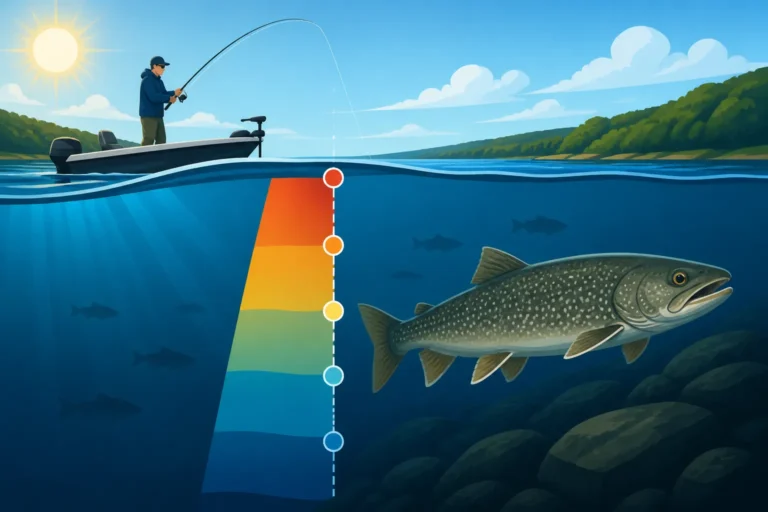
One of the primary reasons the larger Finger Lakes are so reluctant to freeze solid is their incredible depth and immense volume of water. Think about it: water has a high specific heat capacity, meaning it takes a lot of energy to change its temperature. These lakes are basically massive thermal batteries, holding onto heat absorbed during the warmer months. Seneca Lake, for instance, plunges to depths of nearly 618 feet, making it the deepest of all the Finger Lakes. Cayuga Lake isn't far behind at over 435 feet. Even "shallower" ones like Skaneateles Lake still boast average depths well over a hundred feet.
What this means for ice formation is that a prolonged period of intense cold is required to cool the entire water column down to 39 degrees Fahrenheit (4 degrees Celsius), which is the temperature at which water is densest. Only then can the surface water continue to cool and eventually freeze. A few cold nights just aren't enough to overcome the massive thermal reserve these lakes hold. It’s why you might see smaller, shallower lakes completely locked up while the big Finger Lakes remain wide open. It's not just the surface air temperature; it's the entire water body's temperature that matters.
Wind, Current, and Lake Shape: The Surface Agitators
Beyond depth, the Finger Lakes face constant agitation from wind and, in some cases, internal currents. A persistent wind can effectively prevent the surface water from calming down enough to form a stable sheet of ice. Even if the air temperature is well below freezing, wind-driven waves and ripples keep the water in motion, breaking apart nascent ice crystals. Imagine trying to form ice cubes in a blender – it's just not going to happen efficiently. This is especially true for the longer, more exposed lakes like Seneca and Cayuga, which act like wind tunnels.
Furthermore, some of the Finger Lakes, despite being inland, can experience internal currents or seiches (standing waves) that contribute to water movement. The shape of the lake also plays a role. Lakes with narrow, sheltered bays and shallow northern or southern ends tend to freeze first, simply because these areas are less exposed to wind and have less water volume to cool. These little nooks and crannies become prized spots for early season ice anglers, but even then, conditions can change rapidly. Understanding these micro-climates within the larger lake is key to finding safe ice.
Temperature Swings: The Patience Tester
New York winters, while undeniably cold, are rarely a steady, uninterrupted deep freeze. We often experience frustrating temperature swings: a week of bitter cold might be followed by a few days of above-freezing temperatures, even rain. This fluctuating weather pattern is a nightmare for ice formation on large bodies of water. A warm spell can quickly degrade or even melt newly formed ice, setting the clock back to zero.
This constant push and pull means that anglers need a lot of patience and an even greater commitment to safety. You can't just assume that because it was cold last week, the ice is still good. These temperature fluctuations create highly variable conditions, sometimes with drastically different ice thickness just a few yards apart. It's why local knowledge and constantly checking up-to-date conditions are absolutely paramount, especially when you're looking to hit the ice on these grand lakes.
Typical Freezing Patterns and Historical Context
So, knowing how stubborn these lakes can be, what can anglers realistically expect when it comes to a freeze-over? It's less about a specific date and more about a general pattern of which lakes, or parts of lakes, are more likely to offer ice fishing opportunities.
East vs. West: Regional Differences in Ice Cover
While all the Finger Lakes share similar characteristics in terms of origin and general shape, there are subtle differences, often linked to their size, depth, and regional weather patterns. Generally speaking, the westernmost Finger Lakes, such as Conesus, Hemlock, and Canadice (often considered part of the "minor" Finger Lakes due to their smaller size), tend to freeze more consistently and earlier than their larger, deeper eastern counterparts. This isn't a hard and fast rule, but it's a common observation among local anglers.
For instance, Conesus Lake, being the smallest and shallowest of the main Finger Lakes, is often one of the first to offer reliable ice fishing. Keuka Lake, with its unique Y-shape and slightly shallower average depth compared to Seneca or Cayuga, might also see more widespread ice in a truly cold winter. On the other end of the spectrum, Seneca and Cayuga are notorious for remaining largely open throughout most winters, save for their very shallow northern and southern ends, or in exceptionally cold and calm years. When considering where to cast your line, understanding these regional tendencies can save you a lot of wasted travel. Many anglers interested in a true ice fishing experience might start by looking at a lake like Conesus before venturing to the bigger, more temperamental ones.
Shallow Bays and Inlets: First Ice Opportunities
Even on the giants like Seneca and Cayuga, certain areas are much more prone to freezing than the main lake body. These are typically the shallow bays, protected coves, and the very ends of the lakes where tributaries enter. These spots benefit from reduced wind exposure, less water depth to cool, and sometimes a higher influx of colder stream water.
For example, the northern end of Cayuga Lake near Montezuma National Wildlife Refuge often develops safe ice well before the central and southern portions. Similarly, protected bays on the eastern and western shores of many Finger Lakes can provide early season action. These "first ice" spots are highly sought after, but also require extreme caution. The ice here can form quickly and lure eager anglers, but it can also be highly variable, especially near moving water from inlets or springs. Always remember that even within these seemingly safe areas, conditions can vary greatly, and the ice can be thinner than you expect. It's a common mistake for inexperienced anglers to assume a bay is safe just because another nearby bay is. Every spot needs individual assessment.
The Rarity of a Full Freeze: When it Does Happen
A complete freeze-over of the largest Finger Lakes, particularly Seneca and Cayuga, is a truly rare event. It requires a sustained period of exceptionally cold temperatures, often for weeks on end, with very little wind. When it does occur, it's a monumental occasion for local anglers, opening up vast new fishing grounds that are typically inaccessible in winter. Tales are told of winters past when people could drive snowmobiles across Cayuga Lake! However, these stories are increasingly historical anecdotes rather than annual expectations.
For the moderately sized Finger Lakes like Skaneateles, Canandaigua, and Keuka, a complete freeze is more probable in a harsh winter, but still not a given every year. Owasco Lake, being somewhat shallower and smaller, tends to freeze over more frequently than its colossal neighbors.
Here's a general overview of the Finger Lakes and their typical ice-forming tendencies:
| Finger Lake (from West to East) | Average Depth (feet) | Surface Area (acres) | General Ice Tendency | Notes on Freezing |
|---|---|---|---|---|
| Conesus Lake | ~45 | 3,420 | Most frequent complete freeze | Often one of the first to offer safe ice. Popular for panfish and pike through the ice. |
| Hemlock Lake | ~65 | 1,835 | Frequent complete freeze | Important water supply, often has stricter access regulations, but can provide good ice. |
| Canadice Lake | ~30 | 649 | Very frequent complete freeze | Smallest and shallowest, often freezes reliably. |
| Honeoye Lake | ~30 | 1,772 | Very frequent complete freeze | Shallowest of the main Finger Lakes, usually freezes solid. A prime ice fishing destination. |
| Canandaigua Lake | ~150 | 10,550 | Occasional complete freeze in harsh winters | South end and protected bays are more likely to freeze first. Main lake often remains open. |
| Keuka Lake | ~102 | 11,584 | More frequent complete freeze (especially bays) | Its unique "Y" shape and protected areas can lead to significant ice coverage, even if the main branches don't fully cap. |
| Seneca Lake | ~291 | 43,260 | Very rare complete freeze | Largest and deepest, almost always has significant open water. Ice is usually limited to shallow northern/southern ends or protected marinas during extreme cold. |
| Cayuga Lake | ~179 | 42,956 | Rare complete freeze | Second largest and deepest. Like Seneca, ice is generally restricted to its shallower ends (especially the north) and protected bays. |
| Owasco Lake | ~96 | 6,660 | More frequent complete freeze (than larger lakes) | Good candidate for a solid freeze in most cold winters due to its size and depth profile, making it a popular choice for ice fishing among the larger Finger Lakes. |
| Skaneateles Lake | ~145 | 10,900 | Occasional complete freeze in harsh winters | Known for its pristine water, can freeze over in very cold years, but its depth and exposure can make it less consistent than Owasco or the smaller lakes. |
This table really highlights that if you're set on ice fishing the Finger Lakes, you're likely targeting the smaller ones or the sheltered bays of the larger ones. Don't pin all your hopes on a full freeze across Seneca Lake unless we're experiencing a truly historic cold snap!
Prioritizing Safety and Understanding the Risks
The allure of ice fishing on the Finger Lakes is strong, but the unpredictable nature of ice formation means that safety must always be your absolute top priority. No fish is worth risking your life over, and unfortunately, ice-related incidents happen every year.
Ice Thickness Guidelines: A Matter of Life and Death
The New York State Department of Environmental Conservation (DEC) provides clear guidelines for safe ice thickness, and these are not suggestions—they are critical minimums. It's crucial to understand that these are general recommendations for clear, solid ice. Slush ice, white ice, or ice near inlets, outlets, or springs can be significantly weaker, even if it appears thick. For individuals, a minimum of 4 inches of clear, solid ice is needed. For small groups or activities like ice skating, 5-6 inches is recommended. For snowmobiles or ATVs (where permitted), you're looking at 8-12 inches, and for a car or small truck, a robust 12-15 inches.
Crucially, ice thickness can vary dramatically across a single body of water. You might have 8 inches in one spot and 2 inches just a few yards away, especially on the dynamic Finger Lakes. Always drill test holes as you go, particularly when venturing onto new areas or unfamiliar bodies of water. Don't rely on someone else's tracks or assumptions. When you're out there, it's vital to know how to Read Ice Thickness for Safe Ice Fishing and always be vigilant. The consequences of not adhering to these guidelines are severe.
Gear and Preparedness: What Every Ice Angler Needs
Beyond understanding ice thickness, being properly equipped is non-negotiable for ice fishing, especially on larger lakes where rescue can take longer. First and foremost, wear a life preserver or a float suit. These aren't just for boating; they are absolutely essential for ice safety. Should you fall through, a life preserver can keep you afloat and help prevent hypothermia, buying precious time. Ice picks, worn around your neck, are another critical piece of gear that can help you pull yourself out of the water if you go through.
Other essential items include a rope (at least 50 feet with a loop on the end) for potential rescue, a spud bar or ice chisel to test ice ahead of you, and an auger to drill those all-important test holes. Layered, waterproof clothing is a must to combat the cold and stay dry. Having a fully charged phone in a waterproof case is also critical for emergencies. You can find a wide array of reliable safety gear on platforms like Amazon, from specialized float suits to highly visible ice picks. Being prepared isn't about being paranoid; it's about being responsible and ensuring you get home safely after a day on the ice.
Always Check Local Reports: The Golden Rule
I cannot stress this enough: always, always check local ice reports before heading out. The New York State Department of Environmental Conservation (DEC) often provides some information, but the best, most up-to-date intelligence comes from local bait shops, fishing forums, and experienced anglers in the specific area you plan to fish. Conditions can change overnight, and what was safe yesterday might not be safe today.
Many bait shops located near popular ice fishing spots on the Finger Lakes, like those around Honeoye Lake or Owasco Lake, will have daily reports on ice thickness and conditions. They are your best resource for real-time information. Don't be shy; call them up! They live and breathe this stuff. Beyond official reports, local social media groups and fishing forums dedicated to New York fishing are also great places to get current intel. Remember, trust but verify: even with reports, always use your own judgment and test the ice yourself. This is particularly true if you're trying to figure out When Does New York's Catch-and-Release Trout Season Start or other specific dates, as ice conditions will always be the overriding factor for access.
Beyond the Ice: Winter Fishing Alternatives on the Finger Lakes
If the big Finger Lakes aren't freezing over as you hoped, don't despair! New York offers a plethora of winter fishing opportunities, both on and off the ice. Sometimes, adapting your plans can lead to equally rewarding experiences.
Open Water Fishing: When Ice Doesn't Form
Just because the Finger Lakes don't have safe ice doesn't mean they're not fishable in winter. Many anglers successfully target various species from shore or by boat on the open water during the colder months. Lake trout, for example, remain active and can be caught by jigging or trolling in deeper waters. Brown trout and rainbow trout will often cruise shallower areas, especially near tributaries, providing excellent opportunities for shore anglers or those using smaller boats.
The key to successful open-water winter fishing on the Finger Lakes is often patience and understanding fish behavior in cold water. Fish metabolism slows down, so they might not be as aggressive. Slower presentations, smaller baits, and focusing on deeper transition zones or areas with thermal influences (like power plant discharges, where permitted) can be highly effective. This is a great alternative if you're monitoring the conditions for Ice Fishing in New York: A Complete Guide but finding that the ice just isn't cooperating. Even a mild winter can offer fantastic open-water action.
Seeking Smaller, More Reliable Ice Elsewhere
If your heart is set on ice fishing, and the larger Finger Lakes aren't cooperating, consider shifting your focus to smaller, more consistently freezing bodies of water. New York State is dotted with thousands of ponds, smaller lakes, and reservoirs that reliably develop safe ice earlier in the season and maintain it longer. Lakes like Honeoye Lake, as mentioned, or even some of the smaller public ponds, offer fantastic ice fishing for panfish, pickerel, and often some decent pike or bass.
Checking the "Top New York Lakes for Ice Fishing" resource can give you some excellent alternative destinations that are more prone to freezing solid. These smaller bodies of water often provide a safer, more predictable ice fishing experience, especially for beginners or families. While they might not have the same "trophy potential" as the deeper Finger Lakes, they offer consistent action and a more relaxed atmosphere. It's often a much more productive use of your winter fishing time than staring at open water on a massive lake.
Preparing for the Spring Thaw
Ultimately, if winter proves too mild for widespread ice on the Finger Lakes, it simply means an earlier start to the open-water spring fishing season! Many anglers eagerly await the spring thaw for prime trout and salmon action in tributaries, or for the excellent bass fishing opportunities as water temperatures begin to rise. The beautiful thing about fishing in New York is that there's almost always something to fish for, regardless of the season or ice conditions.
Even as ice fishing thoughts linger, it's never too early to start thinking about "New York Fishing Season Dates and Catch Limits" for the upcoming spring. You can use the winter months to maintain your gear, tie flies, or research new spots. Sometimes, accepting that a particular winter just isn't an "ice year" for the big lakes allows you to shift your focus and appreciate the other amazing angling opportunities New York has to offer. Whether you're chasing walleye through the ice on Oneida Lake or targeting steelhead in a Lake Ontario tributary, there's always an adventure waiting.
Disclaimer
This article is for general informational purposes only and does not constitute professional advice. Laws, prices and regulations vary by location and change over time. Consult a qualified professional for guidance on your specific situation.