How Cold Does It Get Before Lakes Freeze in New York?
That first real cold snap of winter always sparks a bit of a debate among anglers, doesn't it? We all stare out at our favorite New York lakes, wondering if they're finally going to cap over, or if we'll get a few more weeks of open-water fishing before the hard water season truly begins. It's not just about the thermometer; there's a whole lot more to understanding when and how our beloved lakes transform into icy playgrounds, and it's crucial for planning those upcoming ice fishing adventures. This guide will walk you through the nitty-gritty of lake freezing, what factors play a role, and what to expect in our diverse New York waters.
The Science Behind Lake Freezing: More Than Just Air Temperature
When we talk about lakes freezing, most people immediately think, "Oh, it needs to be below 32 degrees Fahrenheit, right?" And while that's fundamentally true for water to turn to ice, it's a far more nuanced process than just a simple temperature drop. Lakes aren't like a glass of water sitting on your porch; they're dynamic, complex ecosystems, and their journey to becoming solid ice involves a fascinating interplay of physics and environmental conditions.
Understanding Water Density and Thermal Stratification
One of the most unique properties of water, and a key factor in how lakes freeze, is its density. Unlike most substances that become denser as they get colder, water actually reaches its maximum density at about 39 degrees Fahrenheit (4 degrees Celsius). This might sound like a minor detail, but it has profound implications for aquatic life and how a lake freezes from the top down.
Think about it: as the surface water in a lake cools in the autumn, it becomes denser and sinks. Warmer, less dense water from below then rises to the surface to be cooled in turn. This process, known as "fall turnover," continues until the entire water column reaches that magical 39-degree mark. Once the surface water cools below 39 degrees, it actually becomes less dense again. This colder, lighter water then stays at the surface, where it's most exposed to the chilling winter air. This is why lakes typically freeze from the top down, creating that vital insulating layer of ice that protects the fish and other organisms below. If water behaved like other liquids and simply got denser as it froze, our lakes would freeze from the bottom up, which would be a completely different, and far more lethal, scenario for fish populations. It's a marvel of nature, really, and it means we can safely enjoy Ice Fishing in New York: A Complete Guide each winter.
The Role of Latent Heat of Fusion
Another scientific concept that plays a huge part in delaying the freeze-up is something called the "latent heat of fusion." Essentially, a lot of energy is required to change water from a liquid state to a solid state, even once it reaches 32 degrees Fahrenheit. It's not enough for the water to simply hit the freezing point; a significant amount of heat energy must be removed from the water to convert it into ice.
Imagine you have a pot of water on the stove. It takes a certain amount of energy to bring it to a boil at 212 degrees Fahrenheit, but then it takes even more energy to convert all that boiling water into steam, even though the temperature isn't rising. The same principle applies in reverse to freezing. The water at the surface might hit 32 degrees, but it needs to keep releasing heat to its surroundings before it actually crystallizes into ice. This is why even after a few days of below-freezing temperatures, a large lake might still remain open water. It's working hard to shed all that latent heat. This thermal inertia is also why smaller, shallower bodies of water tend to freeze much faster than large, deep ones, as they have less overall heat to dissipate.
Factors That Influence How Quickly a Lake Freezes Over
It's clear that air temperature alone isn't the sole determinant for lake freezing. There's a whole host of other environmental and physical factors that come into play, making each lake's freezing timeline unique. You could have two lakes just a few miles apart, experiencing the same air temperatures, yet one might be ready for tip-ups while the other is still open water.
Depth and Volume of the Lake
This is probably one of the most significant factors. Simply put, deeper and larger lakes hold a tremendous amount of water, and thus a tremendous amount of heat energy. It takes much longer for this larger volume of water to cool down to 39 degrees, and then even longer to shed the latent heat required for freezing at 32 degrees.
Consider the mighty Finger Lakes, like Seneca Lake or Cayuga Lake. These are deep, vast bodies of water, and they often remain unfrozen, or only partially frozen near the shores, even during prolonged cold snaps. Their sheer volume acts as a heat sink, making them resistant to quick freezing. In contrast, a shallow pond in the Adirondacks, especially one sheltered from wind, might freeze solid after just a few nights below zero. This is why when anglers talk about Top New York Lakes for Ice Fishing, they often mention specific, more manageable bodies of water that consistently cap over. If you're planning your ice fishing season, knowing the typical characteristics of a lake – its depth and overall size – is going to give you a much better prediction than simply checking the general forecast.
Wind Exposure and Current
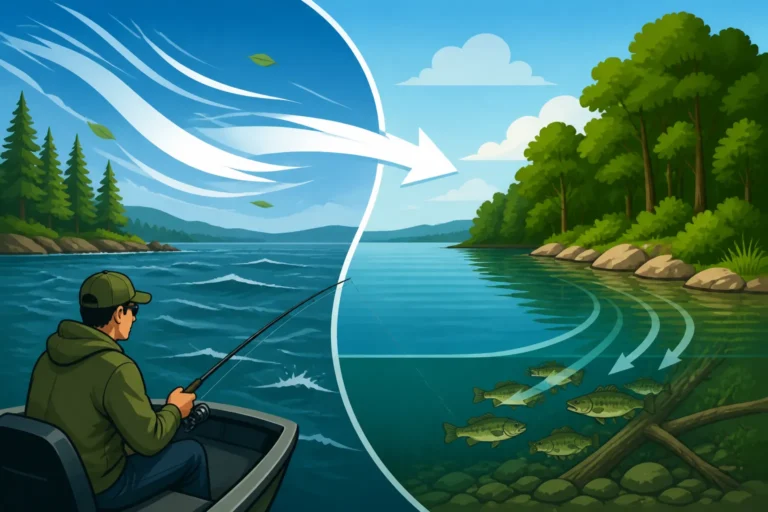
Wind is a major agitator. It constantly mixes the surface water, preventing the colder, less dense 32-degree water from sitting undisturbed at the top where it can freeze. A strong, persistent wind will keep a lake's surface churning, bringing up slightly warmer water from below and inhibiting ice formation. Even if the air temperature is well below freezing, a windy day can make it seem like the lake refuses to cooperate.
Similarly, any kind of current, whether from an inlet, an outlet, or even an underwater spring, will introduce warmer water or simply keep the water in motion, preventing ice from forming. You'll often notice that river mouths, narrow channels, or areas around dams are the last to freeze, and sometimes never completely cap over, even on an otherwise frozen lake. This is a critical safety consideration; even on a frozen lake, areas with current will always have thinner, less stable ice. Always exercise extreme caution, and never assume that simply because most of a lake is frozen, every spot is safe. It's why understanding How Thick Does Ice Need to Be to Fish Safely? is paramount for any ice angler.
Snow Cover and Cloud Cover
Believe it or not, snowfall can actually delay initial ice formation. While a blanket of snow on existing ice acts as an insulator, slowing further thickening, fresh snow falling on open water can insulate the water from the cold air, slowing the cooling process. The flakes themselves are cold, but their insulating properties can actually hinder the rapid heat loss needed for freezing.
Cloud cover also plays a role. Clear, still nights with no clouds are ideal for ice formation because the earth (and the water's surface) can radiate heat directly into space. Clouds act like a blanket, trapping some of that radiant heat and slowing the cooling of the lake's surface. So, a series of clear, cold, calm nights will freeze a lake much faster than cloudy, windy ones, even if the average air temperature is the same. When checking the forecast for potential ice, don't just look at the temperature; check the cloud cover and wind speed too.
Chemical Composition (Salinity) and Aquatic Vegetation
While most New York lakes are freshwater, if you're near brackish water or areas with unusual mineral content, the freezing point can be affected. Saltwater, for instance, has a lower freezing point than freshwater. The Great Lakes, for example, are fresh but their immense size and volume mean they often don't fully freeze over, or only do so after extremely prolonged cold. But for most typical inland New York lakes, this isn't a primary concern.
Aquatic vegetation can be a mixed bag. Dense mats of weeds can actually help insulate shallower waters, sometimes promoting earlier ice formation by creating calmer pockets. However, in other cases, decaying vegetation can release gases that create weak spots in the ice, so always be wary around heavy weed beds, especially early in the season. You'll often find specific regulations around fishing in these areas, so always check the New York Freshwater Fishing Rules before you head out.
Typical Freezing Patterns and Ice Fishing Safety in New York
New York is a big state with incredibly diverse geography, meaning freezing patterns can vary wildly from region to region. What freezes quickly in the Adirondacks might remain open water in the lower Hudson Valley or Long Island for weeks longer. Understanding these regional variations and, most importantly, prioritizing ice safety, is key to enjoying winter fishing.
Regional Freezing Differences Across New York
In general, the northern regions of New York, particularly the Adirondacks and areas along the Canadian border, experience colder temperatures earlier and more consistently. Lakes in these areas, especially the smaller ones like those found in the vast wilderness, are often the first to freeze solid and offer the longest ice fishing seasons. It's not uncommon for anglers to be setting up tip-ups in parts of the Adirondacks by early to mid-December.
As you move south and west, towards the Finger Lakes region or Western New York, the freezing timeline extends. The deeper Finger Lakes, as mentioned, are notorious for rarely freezing completely, or only in shallower bays. Chautauqua Lake in Western New York, while large, does have shallower areas that freeze more reliably. Even large bodies of water like Lake Erie and Lake Ontario typically only experience significant ice cover in their shallower nearshore areas or sheltered bays during exceptionally cold winters, but their main basins rarely freeze entirely.
Downstate, around the Catskills and the Hudson Valley, lakes tend to freeze later, often not until January, and might experience more thaws throughout the winter. Long Island's freshwater ponds will freeze, but its vast saltwater bays and inlets rarely offer safe, widespread ice fishing conditions due to tidal action and higher salinity. Checking local conditions and reports is always more reliable than a statewide generalization.
Ice Thickness Guidelines and Safety Precautions
When it comes to ice fishing, the mantra "no ice is 100% safe" is absolutely true. However, there are established guidelines for minimum ice thickness that every angler should adhere to. Remember, these are general guidelines, and ice strength can vary greatly depending on water currents, natural springs, pressure cracks, and overall ice quality. Clear, "blue" ice is generally the strongest, while milky or snow-covered ice can be weaker.
Here's a general table of ice thickness guidelines, but always consult local conditions and err on the side of caution:
| Ice Thickness | Activity Recommended | Notes |
|---|---|---|
| Less than 2 inches | STAY OFF! | Absolutely unsafe for any activity. |
| 2 inches | Keep off | Will support a single person only under ideal, calm conditions. Not recommended. |
| 3 inches | Single person on foot | Minimum for ice fishing. Proceed with extreme caution. |
| 4 inches | Small groups on foot, ice fishing | Generally considered safe for walking and fishing. |
| 5-7 inches | Snowmobile, ATV | Suitable for small vehicles. Check local regulations. |
| 8-12 inches | Small car, light pickup | Use extreme caution, spread out weight, and avoid crowded areas. Not common in NY. |
| 12-15 inches | Medium truck | Very rare and requires specific conditions. Always verify with local authorities. |
Source: Adapted from various ice safety guidelines (e.g., New York DEC, Minnesota DNR)
It's not just about the thickness; it's about the quality of the ice. Slush ice, white ice (which often forms from frozen snow), or ice that has refrozen after a thaw is significantly weaker than clear, black ice. Always wear a life vest or float suit, carry ice picks around your neck, have a throw rope, and fish with a buddy. Never go out alone, and tell someone where you're going and when you expect to return. Many anglers find great deals on essential safety gear like ice picks and floatation suits on Amazon before the season even begins. These items are truly non-negotiable for anyone venturing onto the ice.
Preparing for the Ice Fishing Season
Once you've wrapped your head around the science of freezing and safety, it's time to get ready for action! The ice fishing season in New York can be incredibly rewarding, offering unique opportunities to target species like walleye, perch, pike, and even trout through the ice. To make the most of it, a little preparation goes a long way.
First, check the New York Fishing Seasons Explained and specifically the New York Ice Fishing Rules for the waters you plan to fish. Regulations for ice fishing can differ from open-water fishing, especially concerning the number of lines you can use. You'll definitely want to make sure your New York Fishing License Guide is up to date, too. While most states honor annual licenses for a calendar year, it's good practice to confirm expiration dates.
Beyond regulatory checks, gear preparation is crucial. This includes making sure your ice auger is sharp (or charged if it's electric), your tip-ups are rigged and ready, and your portable shelter (if you use one) is in good repair. Many anglers start stocking up on small jigs, bait, and tip-up line from Amazon in late fall to avoid the rush. Remember, the right gear, combined with proper safety protocols, is what transforms a cold winter day into a memorable fishing trip. Knowing How to Ice Fish for Walleye in New York or mastering Best Ice Fishing Techniques for New York Panfish will make your time on the ice much more enjoyable.
When Do New York's Finger Lakes Usually Freeze Over?
The Finger Lakes present a special case when it comes to freezing. Their incredible depth and unique geological formation make them remarkably resistant to freezing completely, and for good reason. Understanding their characteristics helps explain why they often remain open when smaller, shallower lakes are capped over.
The Deep Challenge of the Finger Lakes
The Finger Lakes, like Seneca Lake, Cayuga Lake, and even Keuka Lake, are exceptionally deep, some plunging hundreds of feet. This extreme depth means they contain an immense volume of water, and consequently, a massive thermal mass. As discussed earlier, it takes a prolonged period of intense cold to cool such a large body of water from top to bottom to that 39-degree maximum density point, and then even more chilling to bring the surface water down to 32 degrees and then remove the latent heat.
Even during the harshest New York winters, it's rare for the larger Finger Lakes to freeze completely across their entire surface. What you'll typically see is freezing in shallower, more sheltered bays, especially at the northern and southern ends, or in smaller, shallower Finger Lakes like Honeoye or Conesus. These smaller, shallower lakes might cap over more reliably, offering good opportunities for ice anglers. But if you're picturing walking across the middle of Seneca Lake in January, you're likely to be disappointed – and it would be incredibly dangerous to attempt.
Factors Specific to Finger Lakes Freezing
Beyond depth, the Finger Lakes are often quite windy, especially along their long, narrow expanses. This wind exposure further hinders ice formation by constantly churning the surface water. Their connection to the Great Lakes system (via various rivers and canals for some of them) can also mean some subtle water movement that prevents stable ice.
For anglers looking to ice fish the Finger Lakes, the strategy often involves targeting those specific bays and shallower areas that are known to freeze safely. Always check local conditions and ice reports from bait shops or experienced local anglers. You might find excellent ice fishing in a protected cove, while just a mile offshore, the main lake remains wide open. Safety is always paramount, and knowing the specific characteristics of these magnificent but deep lakes is the first step in planning a successful and safe winter outing. Before heading out, it's a good idea to ensure you have a Best Auger for New York Ice Fishing that can handle varying ice conditions, especially if you plan to explore different areas.
Disclaimer
This article is for general informational purposes only and does not constitute professional advice. Laws, prices and regulations vary by location and change over time. Consult a qualified professional for guidance on your specific situation.