Can You Catch Salmon From the Bank in New York?
Oh, the dream of hooking into a powerful salmon, feeling that line scream off your reel, and eventually bringing in a magnificent fish. For so many anglers, this vision is tied to charter boats on Lake Ontario, fancy electronics, and expensive gear. But what if you don't have a boat, or the budget for a charter? The good news, and a common frustration I hear, is that many people wonder if they're simply out of luck. Well, I'm here to tell you that catching salmon from the bank in New York is not only possible, but it's an incredibly rewarding experience that's more accessible than you might think. This guide will walk you through exactly how to make that dream a reality.
Understanding the Salmon Run and Bank Access
The biggest misconception about salmon fishing in New York is that you need a boat to access these mighty fish. While offshore trolling on Lake Ontario is a fantastic way to target salmon, it's during their annual spawning migration that these fish become highly accessible to shore anglers. Chinook, Coho, and even Atlantic salmon (landlocked varieties) leave the vastness of the Great Lakes and Finger Lakes to swim upstream into their natal rivers and tributaries to spawn. This is precisely when bank fishing opportunities explode.
Why Salmon Enter Tributaries
Salmon embark on their arduous journey upstream primarily to reproduce. They're driven by an instinctual urge that's powerful enough to make them navigate strong currents, leap waterfalls, and overcome countless obstacles. As they move from the expansive open waters of Lake Ontario or the Finger Lakes into smaller, shallower rivers and creeks, they become concentrated. This natural funneling effect makes them vulnerable to anglers fishing from the banks. They're no longer spread out in miles of open water, but rather confined to distinct channels, pools, and runs within the river system. Understanding this migration is your first step to successful bank fishing. They're looking for clean gravel beds to lay their eggs, and they'll often hold in deeper pools, behind structure, or in areas with moderate current as they rest during their upstream trek.
Finding Public Access Points
One of the real hurdles for any shore angler is simply finding places where you can actually get to the water without trespassing. New York State, specifically the Department of Environmental Conservation (DEC), has done an admirable job of securing public fishing rights along many of the prime salmon and steelhead tributaries. These Public Fishing Rights (PFR) areas are often marked with distinctive yellow signs. Many bridges, public parks, and designated fishing access sites also offer excellent opportunities. A little pre-trip research using online maps or the DEC's official fishing guides can save you a lot of grief and ensure you're fishing legally. Remember, understanding New York Fishing Regulations Explained is crucial before you even wet a line. Always look for parking areas, designated trails, and signs indicating public access. Some of these areas can get crowded, especially during peak runs, so arriving early is often a smart strategy.
Prime New York Locations for Bank Salmon Fishing
When it comes to bank fishing for salmon in New York, a few locations stand head and shoulders above the rest, particularly the tributaries flowing into Lake Ontario. These rivers see incredible runs of Chinook and Coho salmon, providing unparalleled opportunities for shore-bound anglers.
Lake Ontario Tributaries: The Salmon Capital
Without a doubt, the rivers feeding into Lake Ontario are the epicenters of New York's bank salmon fishing. These waterways swell with salmon during the fall spawning migration, offering fantastic access.
The Salmon River
The Salmon River, near Pulaski, New York, is legendary for a reason. It's often called the "Salmon Capital of the East," and it lives up to the hype. This river is specifically managed for salmon and steelhead, with extensive public access. You can find numerous well-marked public fishing rights areas, from the lower river near Lake Ontario all the way up to the Altmar Hatchery. During the peak of the run, you'll see anglers shoulder-to-shoulder in popular spots like the Lower Fly Zone or the Douglaston Salmon Run (a private, fee-access section). However, there are still plenty of public stretches with ample room, especially if you're willing to walk a bit. When salmon are running, you can expect to find them in deep pools, behind large boulders, and in the seams of faster currents. The key is finding areas where they are holding or actively moving upstream. For a deeper dive, check out our New York's Salmon River Fishing Guide.
Oswego River
Just south of the Salmon River, the Oswego River also offers fantastic bank fishing, particularly around the city of Oswego. The river flows through a more urban landscape, but public access is excellent, especially below the Varick Dam. Here, the sheer volume of water and the structures created by the dam can concentrate fish. Anglers often line the banks, casting into the churning waters below the dam or targeting the calmer eddies. This spot can be particularly good for early-season fish as they stage before pushing further upstream. Navigating the city environment requires different considerations than the more natural Salmon River, but the rewards can be just as great. You'll find concrete walls, piers, and designated fishing platforms that make bank fishing much easier and safer. Our New York's Oswego River Fishing Guide offers even more details on this excellent fishery.
Genesee River and Other Smaller Tributaries
While perhaps not as famous as the Salmon or Oswego rivers, the Genesee River in Rochester also experiences salmon runs, particularly below the Lower Falls. Other smaller tributaries, such as Oak Orchard Creek, Eighteenmile Creek, and Irondequoit Creek, also host salmon. These smaller creeks might not have the sheer numbers of the larger rivers, but they can offer a more intimate fishing experience and sometimes less crowded conditions. Access might be more limited to bridges or smaller public parcels, but a keen eye and some local knowledge can uncover some real gems. Keep in mind that salmon runs in these smaller systems can be highly dependent on rainfall, as higher water levels are needed for fish to push upstream from the lake. Always check local regulations, as smaller streams can have special rules.
Finger Lakes Tributaries: Landlocked Salmon Opportunities
While Lake Ontario gets most of the attention for Chinook and Coho, some of New York's Finger Lakes hold populations of landlocked Atlantic salmon. These fish also embark on spawning runs into tributary streams, though often on a smaller scale than their Pacific cousins. Lakes like Cayuga and Seneca have landlocked salmon that will enter their feeder streams in the fall, providing exciting, albeit sometimes more challenging, bank fishing opportunities. These fish tend to be smaller than Great Lakes Chinook but are known for their incredible fighting ability. Targeting these often requires a bit more stealth and a refined approach, as the waters can be clearer and the fish warier.
Essential Gear and Techniques for Bank Salmon Fishing
Successfully catching salmon from the bank requires specific gear and techniques adapted to river conditions and the powerful nature of these fish. You can’t just show up with a panfish rod and expect to land a 20-pound Chinook!
Rods, Reels, and Line
When you're fighting a brute like a Chinook salmon, you need gear that can handle the stress. For bank fishing in New York's powerful rivers, a medium-heavy to heavy-action spinning or baitcasting rod, typically 9 to 11 feet long, is ideal. The longer length helps with casting heavier baits, mending line in current, and absorbing the shock of a powerful salmon's head shakes. Many anglers opt for a Fenwick or St. Croix rod for their durability and sensitivity, though you can find excellent options on Amazon from brands like Ugly Stik or Penn that offer great value.
Pair your rod with a sturdy spinning reel in the 4000 to 6000 size range, or a baitcasting reel with a good drag system and strong line capacity. Your reel needs to hold at least 200 yards of line to let those big fish run. For line, 20-30 pound braided mainline is a popular choice for its strength and sensitivity. You'll then tie on a leader of 15-20 pound fluorocarbon, which is nearly invisible underwater and abrasion-resistant, essential for fishing in rocky riverbeds. The main thing is to have gear that instills confidence when that big fish hits.
Baits, Lures, and Terminal Tackle
Salmon are driven by instinct when they enter the rivers, and while they may not be actively feeding, they will strike out of aggression or memory.
- Egg Imitations: This is perhaps the most popular and effective bait for river salmon. Both real salmon eggs (skein) and artificial egg imitations (plastic beads, soft plastic eggs) work incredibly well. Salmon are conditioned to see eggs in the river, whether from their own species or trout, and will often pick them up. You can often buy pre-tied egg sacs or individual beads from local tackle shops. If tying your own, make sure your hooks are sharp and appropriately sized, typically an owner hook in sizes 4 to 1/0, hidden within the eggs.
- Spoons and Spinners: Aggressive salmon will often strike at flashy hardware. Spoons like the Little Cleo or Krockodile in bright colors (orange, chartreuse, silver, gold) can be highly effective, especially in faster, deeper runs. Spinners, such as those from Mepps or Blue Fox, also elicit reaction strikes. These are great for covering water and finding active fish. You can find a wide variety of these popular lures on Amazon.
- Crankbaits and Stickbaits: For staging fish in deeper pools or slower current, larger crankbaits or stickbaits, often used for trolling in the lake, can provoke a strike. These imitate baitfish and can be particularly effective during lower light conditions.
- Flies: Fly fishing for salmon in the tributaries is an art form. Large egg patterns, flesh flies (imitating decaying salmon flesh), and gaudy attractor patterns can all work. Many dedicated fly anglers prefer this method for the direct connection and challenge it offers.
- Terminal Tackle: Don't forget swivels to prevent line twist, split shot or pencil lead for weight to get your bait down to the fish, and a landing net – a large, sturdy net is absolutely essential for bank fishing, as you won't have the luxury of a boat to maneuver the fish.
Bank Fishing Strategies and Techniques
Success from the bank often comes down to reading the water and presenting your bait effectively.
Reading the Water
Salmon will hold in specific areas. Look for:
- Deep Pools: These provide resting areas and cover.
- Current Seams: Where fast and slow water meet, fish often hold in the slower water, waiting for food or simply resting.
- Behind Structure: Large boulders, fallen trees, or bridge abutments create eddies and breaks in the current where fish can conserve energy.
- Gravel Beds: This is where they spawn, and you'll often see them actively paired up.
Understanding these holding spots is key to putting your bait in front of fish.
Casting and Presentation
- Drifting: For egg sacs and beads, a natural drift is crucial. Cast upstream, allow your weight to tick the bottom, and let your bait drift naturally downstream, just like a loose egg would. This requires careful line control (mending) to avoid drag.
- Casting Lures: When using spoons, spinners, or crankbaits, cast across or slightly upstream, allowing the current to sweep the lure as you retrieve. Vary your retrieve speed and add pauses to entice strikes.
- Stealth: Salmon, especially in clear water, can be spooky. Approach the bank quietly, avoid heavy footsteps, and keep a low profile. Long casts help keep you out of their immediate sightline.
Fighting a Fish from Shore
This is where the challenge and thrill truly come in. Once you hook a salmon, they often go on powerful runs.
- Maintain Control: Keep your rod tip up, pointed towards the fish, and maintain tension. Let the drag do its job.
- Work the Current: Use the current to your advantage. Try to steer the fish out of the main current into slower water to tire it out.
- Be Patient: Don't try to horse the fish in too quickly. These fish are incredibly strong.
- Landing Net: Have your large net ready. Once the fish is tired and close to shore, scoop it headfirst into the net. This is much safer for both you and the fish than trying to beach it. Always consider catch and release best practices if you don't plan to keep your catch. For more on safe handling, look up "Catch-and-Release Handling Rules" on the DEC website.
Timing Your Bank Salmon Adventure
Timing is everything when it comes to bank fishing for salmon in New York. These fish are migratory, and their presence in the rivers is highly seasonal. Knowing when and under what conditions to go can significantly increase your chances of success.
Peak Salmon Runs by Species
The salmon runs in New York are a truly spectacular natural phenomenon, but they don't happen all at once. Different species arrive at different times, and understanding this can help you plan your trips.
Chinook Salmon: The Fall Brawlers
Chinook salmon, often called King salmon, are the biggest and most sought-after salmon species in New York. Their main spawning run typically begins in late August and peaks through September and into October in the Lake Ontario tributaries. This is when the rivers truly come alive, and you'll find the most concentrated numbers of fish. Early in the run, fish might be found staging in the river mouths or lower reaches, actively moving upstream. As the run progresses, they'll push further inland. Knowing When Do Chinook Salmon Start Running in Lake Ontario Tributaries? can give you a significant advantage. This period is often characterized by big fish and big fights, perfect for the dedicated bank angler.
Coho Salmon: Silver Streaks
Coho salmon, or Silver salmon, usually follow the Chinook run, often peaking in October and November. They are generally smaller than Chinook but are known for their acrobatic fights and aggressive strikes. You'll find them in many of the same tributaries as Chinook, sometimes mixed in, sometimes in their own distinct waves. Coho are often more willing to strike lures than the more lock-jawed Chinook, making them a fun target for anglers using spoons and spinners. Our guide on Coho Salmon in New York can provide more detailed information.
Steelhead and Brown Trout: Bonus Catches
While your primary target might be salmon, the same tributaries that host salmon also see impressive runs of steelhead (migratory rainbow trout) and large brown trout. Steelhead often begin entering the rivers in late fall, overlapping with the tail end of the salmon run, and continue through winter and into spring. Brown trout, especially larger ones, are also present, often drawn in by the abundance of salmon eggs. It's not uncommon to hook into a gorgeous steelhead or a monster brown trout while fishing for salmon, making every cast an exciting possibility. Learning How to Identify a Steelhead vs a Brown Trout can add to your river knowledge.
Daily Timing and Environmental Factors
Beyond the seasonal runs, daily timing and environmental conditions play a massive role in bank fishing success.
Best Time of Day
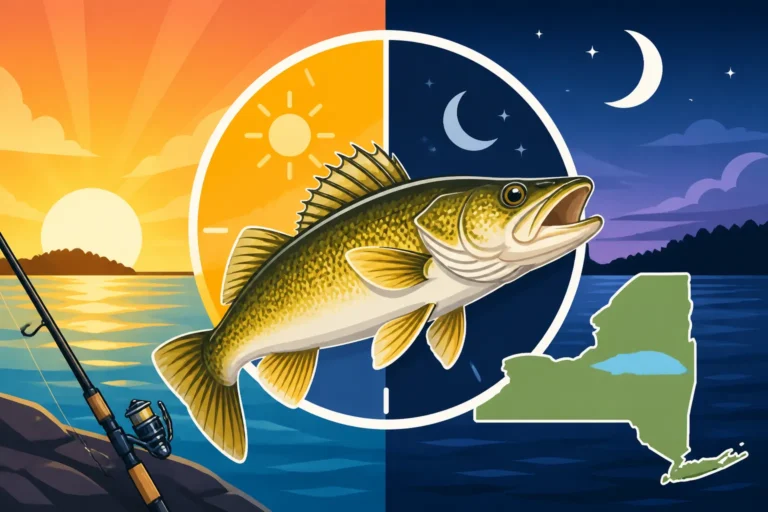
Like many fish, salmon are often most active during periods of low light. Early morning (dawn) and late evening (dusk) are prime times. The reduced light provides them with a sense of security and can encourage them to move and strike more readily. These times can also be less crowded, offering a more peaceful experience for the bank angler. However, during a strong run, fish can be active throughout the day, especially if weather conditions are overcast or rainy.
Water Levels and Clarity
River conditions are paramount.
- Water Levels: Rain can be a bank angler's best friend. Increased rainfall leads to higher water levels, which encourages salmon to push further upstream from the lake. A rising or stable high water level often means active fish. Conversely, very low water levels can make fish skittish and concentrate them in fewer, deeper holes.
- Water Clarity: While clear water can be challenging (requiring more stealth), overly muddy water after heavy rains can also shut down the bite. The ideal condition is often slightly stained water – enough clarity for the fish to see your presentation, but enough murkiness to make them feel secure. After a significant rain, allow the river a day or two to settle before heading out.
Weather Considerations
Overcast skies and light rain can actually be excellent fishing weather, as it softens the light and can increase fish activity. Bright, sunny days can make fish more wary, especially in shallower water. Cold fronts can sometimes slow fishing down, but often the salmon's drive to spawn is stronger than the effects of minor weather changes. Always remember to dress in layers and be prepared for rapidly changing weather, especially in the fall in New York. A good pair of waders and a waterproof jacket are a bank angler's best friend; you can find solid options for both on Amazon.
Tips for a Successful Bank Salmon Fishing Trip
Landing a New York salmon from the bank is a true achievement. While we’ve covered the basics, there are always those little extra tips that can make a big difference, transforming a decent day into a truly memorable one.
Be Prepared for the Fight of Your Life
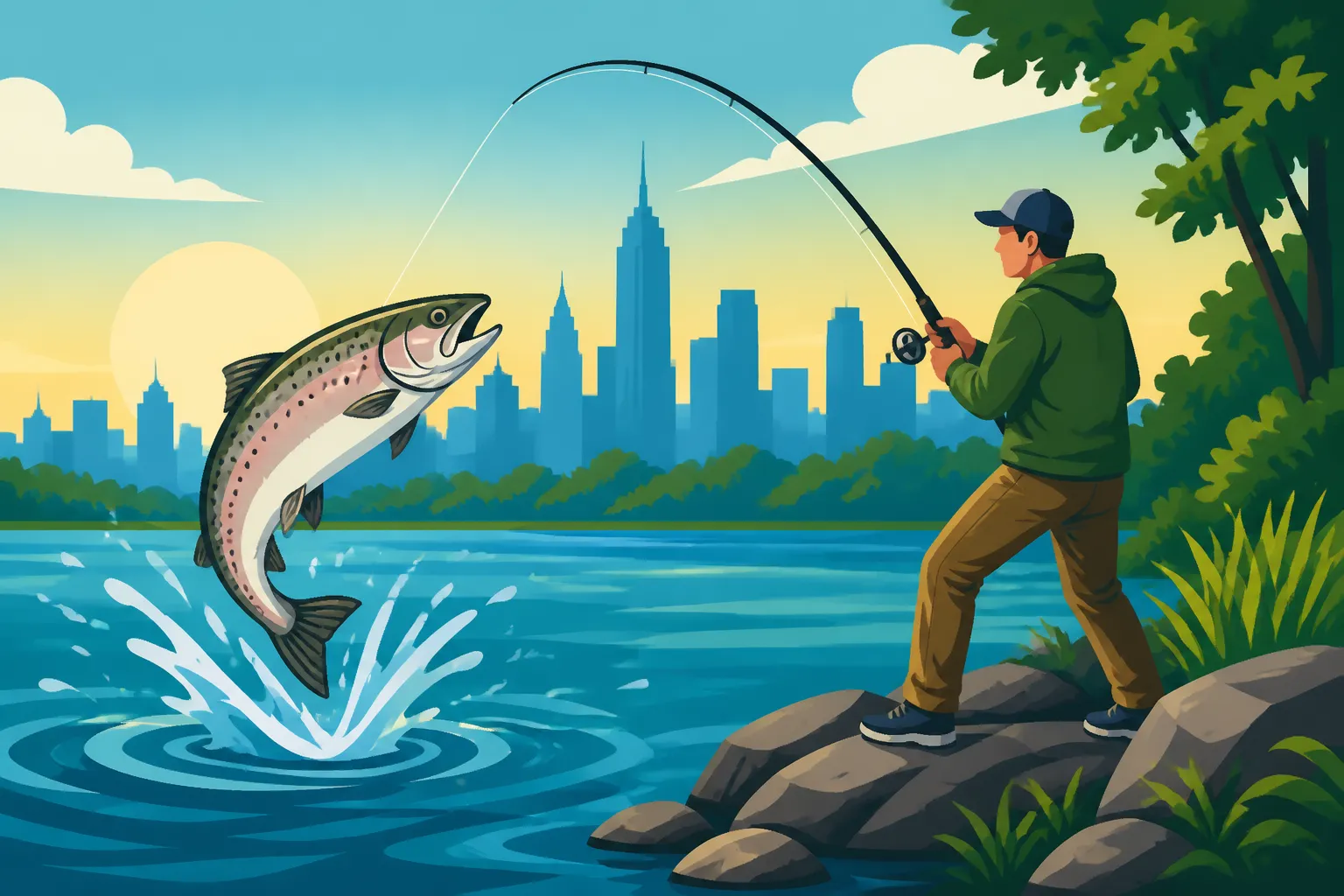
I cannot stress this enough: river salmon are incredibly powerful. They have been packing on weight and muscle in the Great Lakes for years, and they're fueled by a primal urge to spawn. When you hook one, it's not a gentle tug. It's often an explosive, drag-screaming, adrenaline-pumping battle. Be ready for long runs, powerful head shakes, and sudden changes in direction. Don't be surprised if a fish runs hundreds of feet downstream in a matter of seconds. Your drag must be set correctly – tight enough to set the hook and wear the fish down, but loose enough to prevent your line from snapping. This is why investing in quality gear, like a reliable reel with a smooth drag, is so important. Remember that you're in for a marathon, not a sprint. Take your time, let the fish tire, and maintain steady pressure.
Pack Smart, Pack Light (Relatively)
Bank fishing means you're carrying everything on your back. You're often walking along uneven terrain, through brush, or even wading in the river. A heavy pack can quickly ruin your day. Focus on essentials:
- Tackle: A small, well-organized tackle box or backpack with your preferred baits, lures, hooks, weights, and leaders. Don't bring your entire collection!
- Landing Net: A large, long-handled landing net is non-negotiable. You can't boat-flip a 20-pound salmon from the bank.
- Waders: Chest waders are often crucial for getting into the best casting positions and navigating the river's edge. Make sure they fit well and are leak-free. Neoprene waders are great for colder water.
- Tools: Pliers for hook removal, line clippers, and a measuring tape if you plan to keep fish.
- Essentials: Water, snacks, sunscreen, insect repellent, a first-aid kit, and a small garbage bag to pack out any trash. A reliable headlamp or flashlight can be invaluable if you're fishing at dawn or dusk, as can be a durable waterproof bag for your phone or wallet. You can find many of these practical accessories on Amazon.
Respect Other Anglers and the Resource
New York's salmon rivers, especially the most popular ones, can get crowded during peak season. A few simple courtesies go a long way:
- Maintain Spacing: Give other anglers ample room. A general rule of thumb is to allow enough space for everyone to cast comfortably without interfering with others.
- Don't Crowd: If someone is hooked up, give them space to fight and land their fish. Don't cast into their fishing lane.
- Practice Catch and Release: If you're not planning to keep your catch, practice proper catch and release techniques. Minimize handling, keep the fish in the water as much as possible, and use a dehooking tool.
- Leave No Trace: Pack out everything you pack in. Dispose of fishing line and garbage properly. Protecting these precious resources ensures they remain vibrant for generations to come.
- Know the Rules: Always be aware of New York Fishing Season Dates and Catch Limits for the specific river you're on, as special regulations, such as single-hook artificials only or fly-fishing only sections, are common on salmon tributaries.
Persistence Pays Off
Bank fishing for salmon can be challenging. There will be days when the fish aren't biting, days when you lose multiple fish, and days when you feel like you've tried everything. Don't get discouraged! Salmon fishing is often about patience, persistence, and learning from every outing. Pay attention to what's working for others (within respectful bounds), experiment with different presentations, and keep a positive attitude. The reward of finally landing that magnificent New York salmon from the bank, using your own two feet to access the water, is an experience that makes all the effort worthwhile. It's truly a testament to the thrill of the chase and the beauty of New York's incredible fisheries.
Disclaimer
Fishing regulations and conditions can change. Always consult the most current New York State Department of Environmental Conservation (DEC) fishing regulations guide before heading out. This guide is for informational purposes only and does not supersede official regulations. Stay safe and fish responsibly.