How to Fish for Striped Bass in the Spring Run
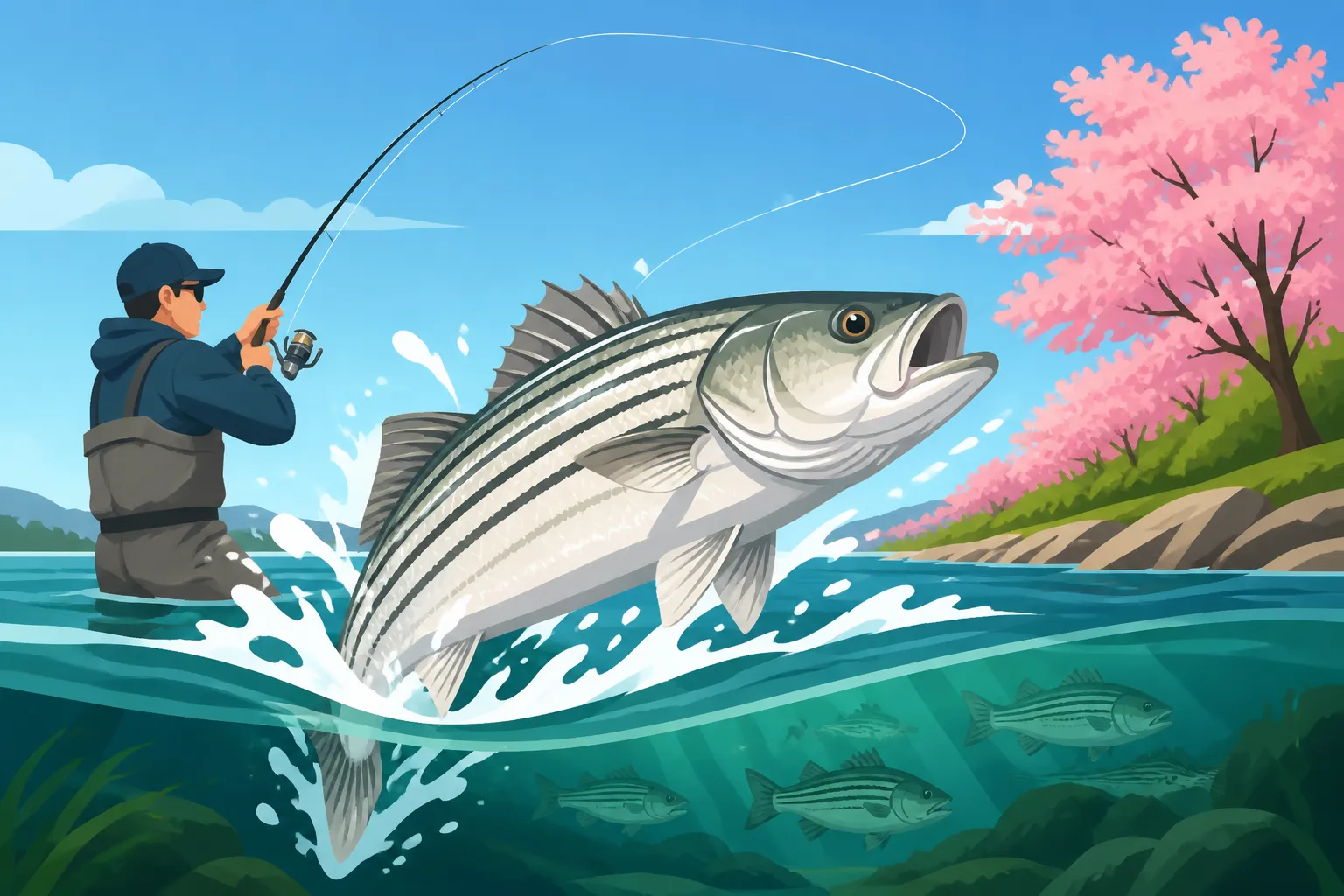
There's nothing quite like the anticipation of spring for a New York angler. After a long, cold winter, when the ice finally recedes and the waters begin to warm, a familiar itch starts to set in. You know what's coming: the striped bass spring run. But sometimes, it feels like this incredible event is fleeting, a blink-and-you-miss-it opportunity, leaving you wondering how to truly capitalize on the season's best fishing. This guide is all about equipping you with the knowledge and tactics to successfully target and land those coveted striped bass during their powerful spring migration through New York's waters.
Understanding the New York Striped Bass Spring Run
The spring run isn't just a random occurrence; it's a vital, predictable migration driven by biology and environmental cues. Understanding these underlying factors is key to being in the right place at the right time.
Why the Spring Run is Prime Time for Stripers
The spring striped bass run is a phenomenon that really gets the blood pumping for anglers across New York. Essentially, it's a massive northward migration of these powerful fish, driven by their urge to spawn and the availability of abundant forage. As the water temperatures climb into the mid-40s to low 60s Fahrenheit, the stripers begin their journey from their wintering grounds in the ocean, pushing into estuaries, rivers, and along the coast.
What makes this period so special is the fish's intense feeding behavior. They've spent the winter conserving energy, and now, with the spawn ahead and their metabolisms kicking into high gear, they are ravenous. They're looking to bulk up, chasing baitfish like bunker (Atlantic menhaden), herring, and sand eels that are also making their way into shallower waters. This means that if you can intercept them during this feeding frenzy, you're often in for some incredibly aggressive strikes and memorable battles. It’s a completely different game than the slower, more deliberate fishing you might encounter in other seasons.
Key Timing and Duration of the Run
Pinpointing the exact start and end of the spring run can feel like chasing a ghost, as it varies year to year based on weather patterns, water temperatures, and even the specific body of water you're fishing. Generally, however, you can expect the action to really pick up in New York around April, sometimes even late March if winter has been mild.
For anglers targeting striped bass in the Hudson River, the migration typically begins when the river water temperature hits that sweet spot. These fish will push far upstream into the brackish and even freshwater sections to spawn. You can learn more about the specific season details in our guide on when "Striped Bass Season on the Hudson Runs April Through November". Along the coast, especially around Long Island and through the Long Island Sound, the timing is similar, often peaking in May as larger schools move closer to shore and into bays and inlets. The run usually starts to taper off by late May or early June as the spawning is complete and the fish disperse to their summer feeding grounds. Keeping an eye on local fishing reports and water temperature gauges is your best bet for staying ahead of the curve. It’s all about monitoring those subtle environmental shifts that trigger the big migration.
Top Gear and Baits for Spring Run Stripers
Having the right tackle and a selection of effective baits and lures can make all the difference when those stripers are on the prowl. Don't skimp on quality; these fish fight hard!
Rod, Reel, and Line Setups
For spring run striped bass, you'll want gear that can handle strong, often aggressive fish in potentially strong currents. The exact setup will depend on whether you're casting from shore, drifting from a boat, or even light tackle jigging.
- Rods: A medium-heavy to heavy action spinning or conventional rod, typically 7 to 10 feet long for shore casting, and 6.5 to 7.5 feet for boat fishing, is generally a good starting point. Longer rods give you more casting distance from shore, which can be crucial when trying to reach distant schools or rips. For boat anglers, a slightly shorter rod offers better control for jigging and fighting fish in close quarters. Look for rods with a stout backbone for fighting power but a sensitive tip to detect subtle bites, especially when using bait.
- Reels: Pair your rod with a durable, high-quality reel that has a smooth drag system. For spinning setups, a 4000 to 6000 size reel is appropriate, offering ample line capacity and cranking power. If you prefer conventional gear, a reel like an Abu Garcia Ambassadeur 6500 or a Penn Squall 25N (or similar) will give you the torque and line capacity needed. Ensure your reel can withstand saltwater conditions, as corrosion is a constant battle.
- Line: Braided line is almost universally preferred for striped bass due to its superior strength-to-diameter ratio, zero stretch for excellent sensitivity, and long casting capabilities. A main line of 30-50 lb test braid is usually sufficient. You'll want to attach a fluorocarbon or monofilament leader, typically 30-50 lb test, using a strong knot like an Albright or an FG knot. The leader provides abrasion resistance against sharp rocks and fish mouths, and its lower visibility can be an advantage in clear water.
Essential Lures and Baits
Striped bass are opportunists, and their diet in the spring run is incredibly varied, but some offerings are consistently more effective than others.
- Live Bait: Without a doubt, fresh live bait is often king, especially for larger, more finicky stripers. Live bunker (Atlantic menhaden) are a top choice, as are herring and even large sandworms. Fishing live bait requires specific rigging, often with a large circle hook through the nose or back, allowing the bait to swim naturally. You can find quality live bait at most local bait shops during the spring season.
- Cut Bait: If live bait isn't an option, fresh cut bait, particularly chunks of bunker, mackerel, or even clam, can be incredibly effective, especially when fished on the bottom in channels or around structure. The scent trail it puts out can draw in fish from a distance.
- Plugs: Topwater plugs like poppers and spook-style lures can create explosive strikes, especially during low light conditions or when stripers are actively busting bait on the surface. Subsurface plugs like swimming plugs (e.g., Bomber Long A, Redfin) are excellent for imitating baitfish just below the surface. These are often easy to find on retailers like Amazon, offering a wide selection of colors and sizes.
- Soft Plastics: Large soft plastics, particularly paddle tails and jerk shads, rigged on heavy jig heads, are incredibly versatile. They can be bounced along the bottom, retrieved with a steady swim, or twitched erratically to mimic injured baitfish. Brands like Keitech, Z-Man, and Berkley Gulp! offer excellent options for striped bass.
- Bucktails: A classic for a reason, bucktail jigs are deadly effective. They can be fished plain, tipped with a strip of pork rind or a soft plastic trailer. They mimic a variety of baitfish and crustaceans and are particularly good in current. You'll want to experiment with different weights and colors to match the conditions. For an in-depth look at what these fish are feasting on, check out our guide on the "Best Bait for Striped Bass".
Effective Techniques for Catching Spring Run Striped Bass
Once you've got your gear dialed in, it's time to talk tactics. Striped bass fishing is as much an art as it is a science, and understanding how to approach different environments will boost your success.
Shore Fishing Strategies
Shore fishing for striped bass during the spring run can be incredibly rewarding, though it often requires a bit more legwork and a keen eye for reading the water.
- Identify Ambush Points: Stripers are ambush predators, especially in current. Look for structure that creates current breaks or eddies where baitfish might congregate. This includes jetties, rock piles, bridge pilings, points, and even sudden changes in bottom contour. These are prime locations where stripers will hold, waiting to dart out and intercept an easy meal. Public access points like those found in the "Best Shore Fishing Spots on Long Island, New York" can be fantastic starting points.
- Fan Casting: When you're fishing from a stationary position on shore, fan casting is essential. Cast your lure or bait in a wide arc, covering as much water as possible. Start by casting straight out, then gradually move your casts to the left and right, covering the entire water column in front of you. This increases your chances of hitting an active fish or a school of bait.
- Matching the Hatch (and the Depth): Pay attention to what baitfish are present. If you see small baitfish dimpling the surface, try a smaller, faster retrieve with a swimming plug or soft plastic. If larger bunker are around, scale up your offerings. Also, consider the depth. Stripers might be on the surface, mid-column, or right on the bottom. Experiment with jig head weights and retrieve speeds to find where they're holding. Sometimes, a slow, deliberate retrieve along the bottom is what it takes, while other times, a fast, erratic retrieve will trigger a reaction strike.
Boat Fishing Tactics
Fishing from a boat opens up a whole new world of possibilities for targeting spring run stripers, allowing you to cover more ground and access deeper water and less pressured areas.
- Trolling: Trolling can be incredibly effective for covering large areas and finding active schools of fish, especially in expansive bays or along the coast. Large swimming plugs, Mojos, umbrella rigs, and even bunker spoons are popular choices. Vary your speed and depth until you start getting bites. Many anglers use planer boards or downriggers to present lures at specific depths and wider spreads.
- Drifting and Jigging: When you locate a school of fish on your fish finder, or if you're targeting specific structures like channel edges or underwater humps, drifting and jigging can be deadly. Drop bucktails, soft plastics on jig heads, or even live eels down to the fish. Focus on vertical presentations, letting the current work your lure as you drift. Aggressive jigging can often provoke strikes from sluggish fish.
- Finding Bait Schools: This is paramount for boat anglers. Use your electronics to locate schools of baitfish, especially bunker. Where there's bait, there are usually stripers. Watch for bird activity, slicks on the water, or even visible bait schools breaking the surface. Once you find the bait, position your boat upstream or upcurrent and drift through the school, presenting your offerings naturally. If you're looking for prime locations, our article on "Where to Fish for Striped Bass on the Hudson River" offers some excellent starting points for boat anglers.
The Importance of Tides and Structure
Understanding how tides and underwater structure influence striped bass behavior is perhaps one of the most critical elements of consistent success.
- Tidal Influence: Striped bass are incredibly attuned to tidal movements. Moving water concentrates baitfish, creates current seams, and often triggers aggressive feeding behavior. The beginning and end of a moving tide (incoming or outgoing) are often the most productive, as bait is pushed through pinch points and stripers position themselves to ambush. Slack tide periods can be slower, but don't count them out entirely, especially in deeper channels where fish might still be holding. You might also want to consult a guide on the "Best Time of Day to Fish in New York" for broader patterns.
- Reading Structure: Whether you're fishing from shore or a boat, identifying and understanding structure is crucial.
- Points and Jetties: These natural features create current breaks and funnel bait, making them excellent ambush points.
- Reefs and Rock Piles: Submerged rocky areas provide cover for stripers and attract baitfish.
- Channel Edges and Drop-offs: Fish often patrol the edges of deeper channels, especially where there's a significant depth change, as these are natural migratory highways and feeding lanes.
- Bridge Pilings: Bridges offer both current breaks and overhead cover, drawing in both bait and predatory stripers. Learning to read the water around these structures – identifying rips, eddies, and subtle changes in current – will dramatically improve your chances.
Navigating Regulations and Responsible Angling
Fishing is a privilege, and with that comes the responsibility to understand and abide by regulations, and to practice ethical angling to ensure the health of the fishery for generations to come.
New York Striped Bass Regulations
New York State has specific regulations in place to manage the striped bass population, which is crucial for their long-term sustainability. These regulations can change, so always check the latest New York State Department of Environmental Conservation (DEC) rules before heading out. Our comprehensive guide, "New York Fishing Regulations Explained", is an excellent resource for staying up-to-date.
Currently, striped bass often have a slot limit, meaning you can only keep fish within a specific length range (e.g., 28 to 31 inches). This protects both the younger, growing fish and the large, mature spawners. There are also specific season dates and daily bag limits. For example, specific areas like the Hudson River might have different regulations than marine waters. One critical regulation that has been in place for a few years is the circle hook requirement when fishing with natural bait for striped bass. This means if you're using live bunker, worms, or cut bait, you must use a non-offset circle hook. This is a game-changer for protecting the fish, as we detail in "How to Use Circle Hooks for Striped Bass" and "Why Are Circle Hooks Required for Striped Bass Bait Fishing?". It significantly reduces gut-hooking, which can be fatal to released fish. Always have the appropriate hooks on hand, available from most tackle shops or online at places like Amazon.
Practicing Catch and Release Effectively
Many anglers, myself included, choose to practice catch and release for striped bass, especially the larger breeding-size fish. This is a vital conservation practice, particularly given the pressures on striper populations.
- Minimize Stress: The goal is to get the fish in, unhooked, and back in the water as quickly and gently as possible. Avoid prolonged fights, especially with larger fish, as lactic acid buildup can be detrimental.
- Proper Handling:
- Keep them wet: Try to keep the fish in the water as much as possible. If you must remove it for a quick photo or measurement, do so swiftly.
- Support the body: If you lift a fish, support its weight horizontally, especially for larger stripers. Avoid holding them vertically by the jaw or tail, which can damage their internal organs and spine.
- Avoid rough surfaces: Don't drag fish onto dry sand, rocks, or boat decks. Use a wet mat or cradle if possible.
- Use appropriate tools: Pliers or a dehooking tool are invaluable for quickly removing hooks, particularly with circle hooks which often lodge cleanly in the corner of the mouth.
- Revive the fish: If a fish appears sluggish, hold it upright in the water, facing into the current, and gently move it back and forth until it regains its strength and swims away on its own.
- Conservation: Every fish you release successfully contributes to the future health of the fishery. By being mindful of our impact, we ensure that the thrilling spring run of New York striped bass will continue for years to come. Remember to check the "Striped Bass Length Requirements" carefully for any fish you intend to keep.
Essential Gear Checklist for Spring Striped Bass
Being prepared can often mean the difference between a frustrating day and a fantastic one. Here's a quick checklist of essential items to consider for your next spring striper trip.
| Category | Item | Notes |
|---|---|---|
| Fishing Gear | Rod & Reel Combo (Medium-Heavy) | Appropriate for casting distance from shore or maneuvering in a boat, with smooth, reliable drag. |
| Braided Main Line (30-50 lb) | For strength, sensitivity, and casting distance. | |
| Fluorocarbon/Mono Leader (30-50 lb) | For abrasion resistance and stealth. | |
| Circle Hooks (Non-offset) | REQUIRED for natural bait fishing. Various sizes (4/0-8/0) to match bait size. | |
| J-Hooks (Optional, for lures) | If not using natural bait. | |
| Swivels & Snaps | Quality hardware for quick lure changes and preventing line twist. | |
| Sinkers/Weights | Pyramid, egg, or bank sinkers for bottom fishing; jig heads for soft plastics. | |
| Pliers/Dehooking Tool | Essential for quick and safe hook removal, especially with toothy fish. | |
| Fishing Knife | For cutting bait, line, and general utility. | |
| Landing Net or Lip Gripper | For safely landing and handling fish, minimizing stress. | |
| Lures & Baits | Live Bait (Bunker, Worms) | If available and targeting larger, choosier fish. |
| Cut Bait (Bunker, Mackerel) | Scent trail can be very effective. | |
| Topwater Plugs (Poppers, Spooks) | For surface action, especially at dawn/dusk. | |
| Swimming Plugs (Minnow Imitations) | Versatile for various depths and retrieve styles. | |
| Soft Plastic Shads/Paddle Tails | Rigged on jig heads, excellent for mimicking baitfish. | |
| Bucktail Jigs | Classic, effective, and versatile for different conditions. | |
| Pork Rind/Soft Plastic Trailers | To add scent, action, and bulk to bucktails. | |
| Safety & Comfort | Fishing License | Always carry your valid New York fishing license! |
| Waders & Wading Boots | If shore fishing in rocky or shallow areas. | |
| Waterproof Raingear | Spring weather can be unpredictable. | |
| Layers of Clothing | To adapt to changing temperatures. | |
| Hat & Polarized Sunglasses | For sun protection and spotting fish/structure. | |
| Sunscreen & Insect Repellent | Essential for comfort and protection. | |
| Headlamp/Flashlight | If fishing before dawn or after dusk. | |
| First-Aid Kit | Small kit for minor cuts, scrapes, etc. | |
| Water & Snacks | Stay hydrated and fueled. | |
| Cooler with Ice | For keeping bait fresh or preserving any legal keepers. |
This checklist covers the basics, but savvy anglers often customize it based on their specific fishing style and target location. Always prioritize safety and ethical fishing practices!
Disclaimer
The information provided in this guide is for general informational purposes only and is not intended as legal advice. Fishing regulations in New York, including those pertaining to striped bass, can change frequently. It is the responsibility of every angler to consult the latest official New York State Department of Environmental Conservation (DEC) regulations before fishing. Failure to comply with current regulations may result in penalties. Fishing involves inherent risks; always prioritize safety on the water.