How to Troll Crankbaits for Walleye
Walleye fishing in New York offers some incredible thrills, but let's be honest, these fish can be notoriously finicky. There are days when you feel like you're doing everything right, yet the bite just isn't there, leaving you scratching your head about how to cover more water and entice those elusive walleye. If you've ever found yourself struggling to locate schools of walleye or consistently get them to strike in larger bodies of water, you're not alone. This comprehensive guide is here to walk you through the ins and outs of one of the most effective methods for targeting walleye across New York's diverse waters: trolling with crankbaits.
The Undeniable Advantage of Trolling Crankbaits for Walleye
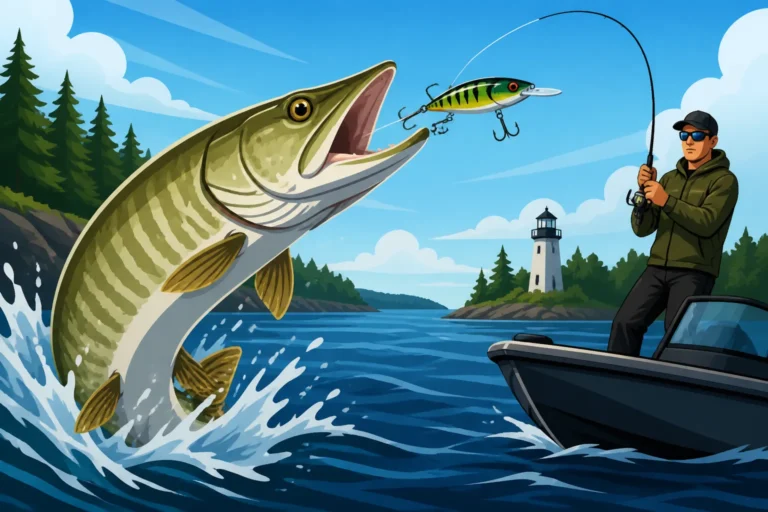
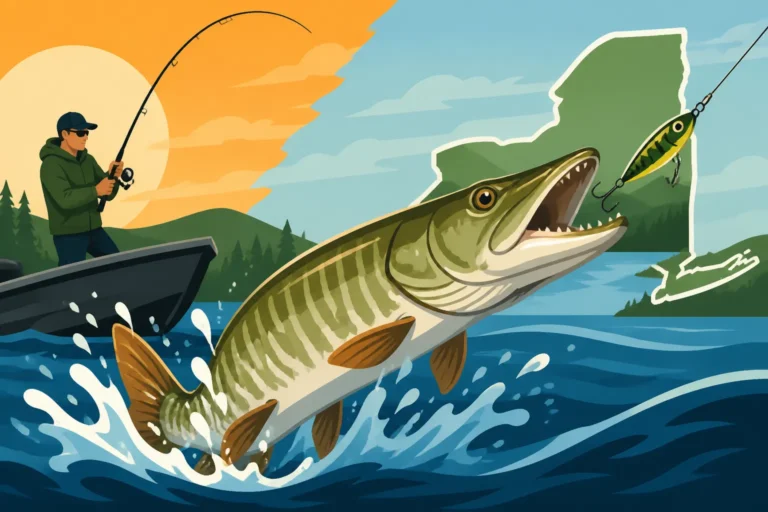
Trolling crankbaits for walleye isn't just a technique; it's a strategic approach that allows you to systematically cover vast amounts of water and present a lure that perfectly mimics the natural forage. Unlike casting or jigging, which often focus on smaller, more localized areas, trolling enables you to search for active fish over large flats, along drop-offs, and across expansive basins. It's particularly effective when walleye are scattered or when you're exploring new territory and aren't sure where they're holding.
Covering Expansive Waters Efficiently
Imagine you're out on a big lake like Oneida Lake or even the deeper sections of Lake Erie. Casting and retrieving simply won't let you cover enough ground to find those scattered schools of walleye. Trolling changes the game entirely. By deploying multiple lines, each with a different crankbait or running at a different depth, you're essentially creating a broad "net" to sweep through the water column. This increases your chances of encountering fish that might be suspended over open water or spread out along a vast contour. It's about maximizing your time on the water and making every minute count, especially when the walleye aren't tightly schooled.
Another huge benefit is the ability to maintain a consistent presentation. When walleye are actively feeding, they often prefer a steady, predictable retrieve. Trolling allows your crankbaits to move at a constant speed and depth, perfectly imitating a baitfish swimming naturally, which can be incredibly enticing to hungry walleye. This consistent action can often trigger strikes from fish that might ignore a more erratic cast-and-retrieve presentation. It's about offering them an easy, appealing meal that they can track and commit to.
Mimicking Forage and Triggering Reaction Strikes
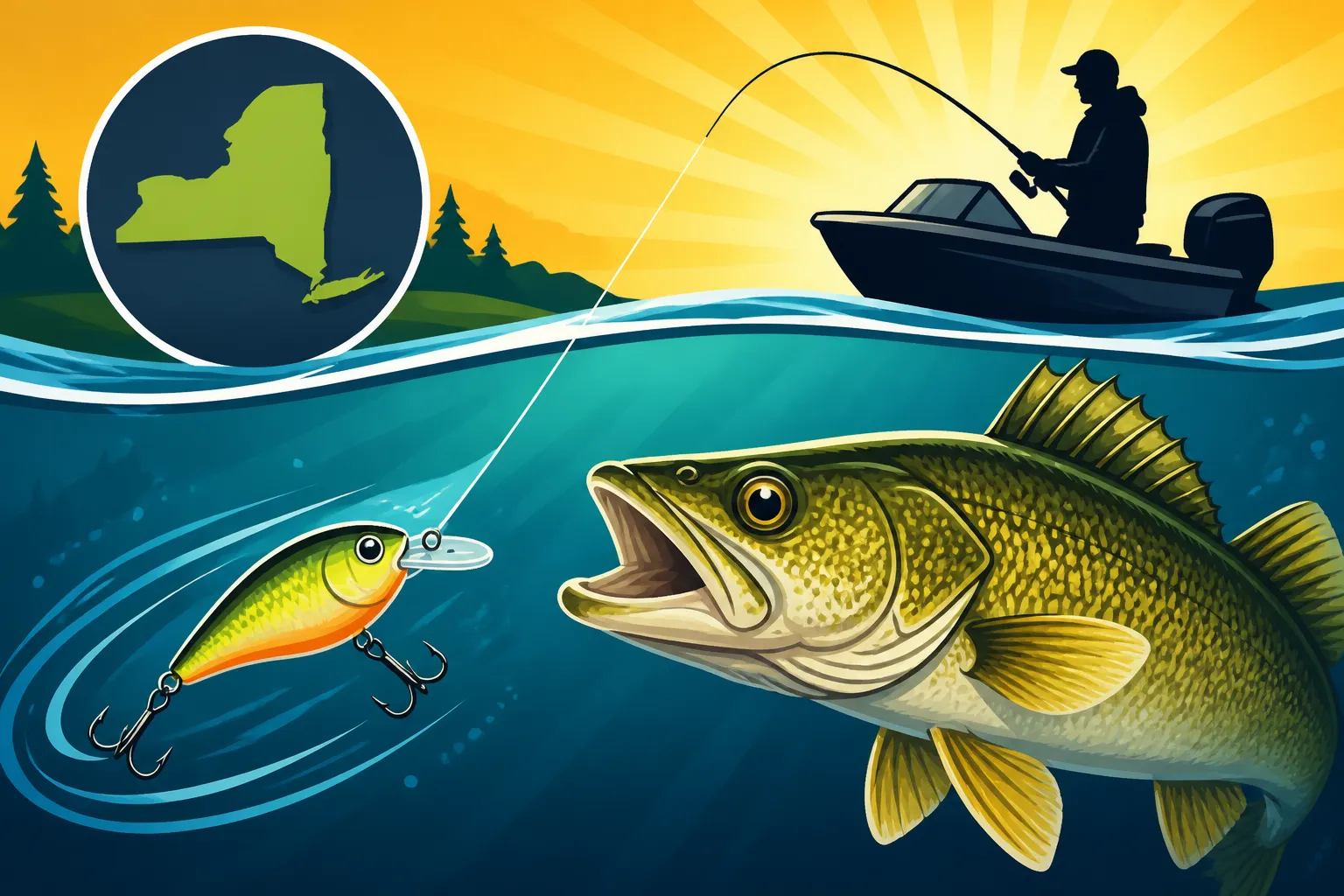
Crankbaits are designed to imitate baitfish, and their wobbly action, vibrant colors, and varying dive depths make them incredibly effective. As you troll, the crankbait displaces water, creates vibrations, and reflects light, all mimicking a fleeing or injured baitfish. Walleye, being opportunistic predators, are drawn to these cues. The beauty of crankbaits lies in their versatility. Some dive shallow, perfect for targeting fish in shallower bays or over weed flats, while others plunge deep, reaching walleye that are hugging the bottom in twenty or thirty feet of water, or even deeper in places like the Finger Lakes.
The flash and vibration of a crankbait can also trigger powerful reaction strikes. Sometimes, a walleye isn't necessarily hungry, but the sudden appearance and erratic movement of a crankbait within its strike zone is too much to resist. This is especially true when trolling at slightly higher speeds, which can provoke an aggressive chase and strike response. It's a fantastic way to capitalize on the predatory instincts of walleye, turning a potentially slow day into an exciting one.
Decoding the Crankbait: Choosing the Right Lure for New York Walleye
The world of crankbaits can seem overwhelming with countless shapes, sizes, and colors. However, selecting the right one for walleye in New York involves understanding a few key principles related to depth, action, and imitation. The goal is always to match your lure to the conditions, imitating what the walleye are naturally feeding on and presenting it at their preferred depth. You'll find an incredible array of options on Amazon, making it easy to compare features and read reviews before you buy.
Understanding Crankbait Styles and Dive Depths
Crankbaits come in various styles, each designed to achieve different dive depths and actions.
- Shallow-diving crankbaits typically feature a small lip and run just a few feet below the surface. These are excellent for targeting walleye in shallow bays, over submerged weed beds, or along shorelines during low-light conditions. Think of areas where you might find "New York Bass Season Dates" overlapping with prime walleye territory.
- Medium-diving crankbaits have a larger lip and can reach depths of 10-15 feet. These are incredibly versatile and a go-to for many situations, covering a wide range of structure and depths found in many New York lakes and rivers.
- Deep-diving crankbaits boast very long, prominent lips, allowing them to plunge to impressive depths, sometimes 20-30 feet or more, particularly when paired with the right line and trolling speed. These are essential for targeting walleye in deeper water, such as offshore humps or significant drop-offs.
- Lipless crankbaits, while not strictly for trolling in the traditional sense, can be drifted or cast-and-retrieved effectively. They sink quickly and create a strong vibration, useful in certain vertical presentations if walleye are tightly schooled. For trolling, however, you'll primarily be focused on the lipped varieties.
The choice often comes down to where the walleye are holding in the water column. If you’re seeing fish arches on your sonar at 20 feet, you need a crankbait that can consistently reach and stay at that depth. Remember that factors like line diameter, trolling speed, and the amount of line out will all influence a crankbait's actual running depth. It’s a dynamic interplay you'll learn to master over time.
Color and Size Selection for Different Conditions
When it comes to crankbait color, the general rule of thumb is to "match the hatch" – imitate the natural forage present in the water you're fishing. However, there are also times when "matching the mood" or triggering a reaction strike with a bold color is more effective.
- Natural Colors: In clear water, colors like perch patterns, shiner, smelt, or shad imitations tend to work best. These mimic the prey fish that walleye naturally feed on in many New York waters. If you're fishing a lake known for a specific baitfish, try to find a crankbait that looks just like it.
- Bright/Vibrant Colors: In stained or muddy water, or during low-light conditions (dawn, dusk, overcast days), brighter colors like chartreuse, firetiger, or orange can be incredibly effective. These colors create a stronger silhouette and are more easily detected by walleye in reduced visibility. Sometimes, even in clear water, a bright, contrasting color can trigger an aggressive strike from a curious walleye.
- Metallic Finishes: Silver, gold, and chrome finishes with a blue or black back can be deadly, especially on sunny days, as they reflect light like a fleeing baitfish. These are particularly popular for targeting "Walleye in New York" that are feeding on open-water schools.
For size, consider the size of the baitfish in the area. Generally, a crankbait between 3 to 5 inches is a good starting point for walleye. However, if you're targeting larger trophy walleye, don't be afraid to go with a slightly bigger lure, especially in waters known for big fish like Lake Erie. Conversely, if the walleye are being particularly finicky, a smaller profile might be just the ticket. It's often a good idea to start with a variety of sizes and colors and let the fish tell you what they prefer on any given day.
| Crankbait Style | Typical Dive Depth (approx.) | Best Use Cases | Key Characteristics |
|---|---|---|---|
| Shallow-Diver | 0-8 feet | Shallow flats, weed lines, topwater action | Small lip, often slender body, subtle wobble |
| Medium-Diver | 8-15 feet | Main lake points, intermediate depths, river channels | Medium lip, versatile, balanced action |
| Deep-Diver | 15-30+ feet | Deep structure, open water trolling, thermocline | Long, large lip, aggressive dive, wide wobble |
| Jointed Crankbait | Varies, often medium | Erratic, more natural swimming action, slower speeds | Hinged body, increased flexibility and movement |
Assembling Your Walleye Trolling Arsenal
Successful crankbait trolling for walleye requires more than just a boat and a lure. The right rods, reels, line, and accessories are crucial for presenting your baits effectively, detecting subtle bites, and landing those hard-fighting walleye. Investing in quality gear, much of which you can easily source from retailers like Amazon, will significantly enhance your experience and success rate.
Rods, Reels, and Line: The Foundation
Your trolling setup starts with a dedicated rod and reel.
- Rods: When choosing trolling rods, you'll want something with a moderate to fast action, around 7 to 9 feet in length, and a medium power rating. This combination provides enough backbone to handle large walleye and the strain of trolling heavy lures or planer boards, but also enough tip sensitivity to detect light bites and absorb the shock of a strike without tearing the hooks out. A fiberglass or composite rod often works well for trolling due to its durability and forgiving action.
- Reels: Line counter reels are almost a necessity for effective trolling. These reels feature a digital or mechanical counter that tells you exactly how much line you have out, which is vital for replicating successful presentations. If you find fish at a certain depth with a specific amount of line out, a line counter reel allows you to precisely repeat that setup. A baitcasting reel in a 20 or 30 size is typically a good choice, offering enough line capacity and a smooth drag system.
- Line: The type of fishing line you use dramatically impacts your crankbait's dive depth and sensitivity.
- Monofilament: Often a favorite for trolling due to its stretch, which acts as a shock absorber when a fish strikes, preventing hooks from pulling out. It also has good knot strength. However, its larger diameter can reduce dive depth. A 10-14 lb test monofilament is common.
- Braided Line: Offers superior strength-to-diameter ratio, allowing your crankbaits to run deeper due to less water resistance. It has virtually no stretch, providing excellent sensitivity to detect bites or feel your lure working. However, the lack of stretch means you'll need a rod with a more forgiving action to compensate, and some anglers prefer to add a fluorocarbon or monofilament leader (around 10-20 feet) to absorb shock and provide a nearly invisible presentation. A 15-30 lb test braid is popular.
- Fluorocarbon: Known for its low visibility in water and its density, which allows crankbaits to dive slightly deeper than monofilament. It has less stretch than mono but more than braid. Many anglers use a fluorocarbon leader with braided mainline for the best of both worlds.
Planer Boards and Lead Core Line for Depth Control
Mastering depth control is paramount in walleye trolling. Two essential tools for this are planer boards and lead core line.
- Planer Boards: These innovative devices allow you to spread your lines out horizontally from the boat, covering a wider swath of water than you could with just your rod tips. This is especially useful for avoiding spooking shallow-running fish with your boat's shadow or motor noise. They come in inline versions (attached directly to your fishing line) or larger mast systems (where lines clip onto a main line running from a mast). Using planer boards means you can deploy multiple rods, each targeting a different depth or distance from the boat, vastly increasing your coverage. You can find robust planer board setups for a range of budgets on Amazon.
- Lead Core Line: This specialized line has a lead weight woven into its core, causing it to sink. The beauty of lead core is that a specific amount of line released will sink to a relatively predictable depth at a given speed. It's often spooled onto a reel, with a short monofilament or fluorocarbon leader attached to the crankbait. By varying the number of "colors" (sections of lead core, typically 10 yards per color, with each color sinking about 5 feet) you let out, you can precisely target different depths. This is incredibly effective when walleye are suspended in open water, allowing you to present a lure directly in front of them without additional weights or downriggers. For specific depth recommendations for various species, you might check out resources like "How Deep to Troll for Salmon on New York's Lake Ontario" for comparison, although walleye often prefer slightly different depths and presentations.
Mastering the Art of the Troll: Techniques for Success
Trolling crankbaits for walleye is far from just putting a line in the water and driving. It's a nuanced art that combines boat control, understanding fish behavior, and precise lure presentation. Developing a keen sense for these elements will separate good trollers from great ones.
Optimal Trolling Speed and Direction
The right speed is crucial for giving your crankbait its intended action and enticing strikes.
- Speed Range: Most walleye crankbaits perform best at speeds between 1.5 to 2.5 miles per hour (mph). However, this can vary significantly based on water temperature, clarity, and the mood of the fish. In colder water, a slower troll (1.0-1.5 mph) might be more effective as walleye are less active. In warmer water, or when trying to trigger reaction strikes, you might speed up to 2.5-3.0 mph. Experimentation is key.
- Boat Control: A consistent speed is more important than a fast one. Using your boat's throttle and potentially a kicker motor or electric trolling motor to maintain a steady speed is vital. GPS-enabled electric trolling motors with spot-lock features are game-changers for holding precise speeds and courses, even in wind or current.
- Direction and Turns: Don't just troll in straight lines! Incorporate S-turns and gradual curves into your trolling path. When your boat turns, the crankbaits on the inside of the turn will slow down and drop, while the crankbaits on the outside will speed up and rise. This change in speed and depth can often trigger a strike from a following fish. Pay attention to which side of the boat gets hit the most during a turn; this can reveal what the fish are preferring on that particular day. For similar strategies, you might look at "Best Trolling Speed for New York's Lake Ontario Salmon," though species specific nuances exist.
Reading Electronics and Adjusting Depth
Your boat's electronics are your eyes underwater. Understanding how to use your fish finder effectively is non-negotiable for successful trolling. For comprehensive understanding, you may want to refer to a guide like "How to Read a Fish Finder for New York Lakes."
- Sonar Interpretation: Use your fish finder to identify baitfish schools, individual fish arches (which could be walleye!), and changes in bottom structure like humps, points, and drop-offs. Pay close attention to the depth at which you're seeing fish. If walleye are holding at 18 feet, you need to ensure your crankbaits are running at or just above that depth.
- Thermocline: In many New York lakes during the warmer months, walleye will often relate to the thermocline – the layer of water where the temperature rapidly changes. Your fish finder can help you locate this thermal break. Walleye are often found just above or within the thermocline, as it offers comfortable temperatures and often concentrates baitfish.
- Depth Adjustment: If you're marking fish but not getting bites, adjust your crankbait depth. This can be done by changing the amount of line out, switching to a different diving crankbait, adjusting your trolling speed, or adding small snap weights (clip-on lead weights) in front of your lure. Remember to keep an eye on "Walleye Minimum Size Limit" and "Walleye Daily Limit in New York" as you fish. If you're consistently catching smaller fish, it might be a sign to adjust your depth or lure size to target larger individuals.
Structure, Presentation, and Hotspots
Walleye are structure-oriented fish, even when they're in open water. They often relate to subtle changes in the bottom, current breaks, or areas where baitfish congregate.
- Targeting Structure: Focus your trolling efforts around key structural elements like rocky points, submerged humps, deep weed edges, creek channels, and sudden depth changes. In rivers like the Niagara or St. Lawrence, current breaks and eddy lines are prime targets. If you're unsure where to start, explore "Best Walleye Fishing Spots in New York" to get some ideas.
- Precision Presentation: Once you've identified a promising area or marked fish, try to make precise passes through that zone. Use your GPS to mark waypoints of where you got bites or saw fish. This allows you to troll over the same productive areas repeatedly. Vary your passes slightly—a little deeper, a little shallower, a little faster, a little slower—to dial in the exact presentation the walleye prefer.
- Experimentation with Lures: Don't be afraid to experiment with different crankbait models and colors. Have several rods rigged with different options. If one color or style starts producing, switch other rods to match. Pay attention to how the "Best Walleye Jig Colors for Stained Water" can also influence crankbait success. Remember that walleye can be picky, and what worked yesterday might not work today. Always be willing to adapt.
- Understanding the Bite: Walleye bites while trolling can sometimes be subtle, especially if the fish are lethargic. You might just see a slight twitch in your rod tip, or the rod might load up as if you've snagged a weed. Keep a constant watch on your rod tips. A good trolling rod will have a sensitive enough tip to show the subtle vibrations of the crankbait, and any deviation from that rhythm could signal a bite. Many anglers also find success with alternative techniques like "How to Jig for Walleye" when walleye are concentrated in smaller areas.
By diligently applying these techniques and understanding the behavior of walleye, you'll greatly increase your chances of consistent success with crankbait trolling in New York's incredible waters. It's a rewarding method that allows you to explore and conquer some truly fantastic fisheries.
Disclaimer
This article is for general informational purposes only and does not constitute professional advice. Laws, prices and regulations vary by location and change over time. Consult a qualified professional for guidance on your specific situation.