New York Catch-and-Release Trout Season Runs October 16 Through March 31
The changing seasons in New York can make understanding fishing regulations feel like trying to solve a complex puzzle, especially when it comes to trout. Many anglers get confused about when they can fish for trout, what they can keep, and what rules apply outside the traditional spring and summer months. This guide is here to clear up that confusion, focusing specifically on the crucial New York catch-and-release trout season that runs from October 16 through March 31, ensuring you're well-prepared to hit the water responsibly.
Understanding New York's Trout Seasons
New York State, with its incredible network of coldwater streams and rivers, offers fantastic trout fishing opportunities. However, these opportunities are often governed by a staggered approach to conservation, distinguishing between periods when you can harvest fish and times when catch-and-release is mandated. This dual system is designed to protect trout populations, especially during vulnerable periods like late fall, winter, and early spring.
The Traditional "Keep" Season
For most waters across New York, the regular trout season, where you can harvest trout (within specific daily limits and size restrictions), typically opens on April 1st and runs through October 15th. This is the period when many anglers head out with the intention of bringing home a fresh meal. During this time, you'll often find rivers stocked with trout by the DEC, and natural populations are actively feeding. Understanding the specific nuances of the New York Trout Season Opening Day is key for planning your spring adventures, but it's equally important to know when that season transitions.
However, once October 15th passes, the rules change significantly. What might seem like the end of trout fishing for the year is actually just the beginning of a different, equally rewarding season for dedicated anglers. This shift is crucial for preserving the wild and naturally reproducing trout, particularly brown trout and brook trout, as they begin their spawning preparations or are in the midst of it.
The Importance of Catch-and-Release
The designated New York catch-and-release trout season, running from October 16 through March 31, is a cornerstone of trout conservation in the state. During these colder months, trout are often more vulnerable due to lower metabolism and the stresses of spawning. Requiring catch-and-release ensures that breeding fish have the best chance to successfully reproduce, maintaining healthy populations for future generations. It’s not just about compliance; it's about stewardship.
This season also provides a unique opportunity for anglers to sharpen their skills without impacting the fish population. It shifts the focus from "harvest" to "experience," promoting a deeper appreciation for the fish and their habitat. It's a chance to truly observe trout behavior in different conditions and to practice ethical angling, ensuring every released fish swims away strong. If you're wondering about the overarching rules, a quick look at the New York Fishing Regulations Explained can provide a broader context.
Key Dates for Catch-and-Release
So, let's nail down those dates: the New York catch-and-release trout season runs strictly from October 16 through March 31. During this window, you absolutely cannot keep any trout you catch in waters designated for this season. This applies to all trout species: brook trout, brown trout, rainbow trout, and lake trout (though lake trout often have their own specific regulations to check).
It's vital to note that this catch-and-release season often comes with specific gear restrictions, which we'll dive into shortly. These restrictions are put in place to further minimize harm to the fish. Always consult the official New York Department of Environmental Conservation (DEC) regulations guide for the most up-to-date information, as specific waters or tributaries might have unique rules. The general rule for New York Catch-and-Release Trout Season Runs October 16 Through March 31 is widespread, but localized exceptions do exist.
Navigating Catch-and-Release Regulations
Beyond just knowing the dates, understanding the "how" of catch-and-release trout fishing in New York is paramount. These aren't just suggestions; they are legally binding regulations designed to protect the very fish we love to pursue. Ignoring them can lead to penalties and, more importantly, can harm the fish population.
Gear and Tackle Requirements
During the New York catch-and-release trout season, most regulated waters will require the use of artificial lures only and often specify single, barbless hooks. The rationale behind this is simple: live bait, while effective, is more likely to be swallowed deeply by a fish, causing internal damage that makes successful release difficult. Artificial lures, particularly those with single, barbless hooks, typically result in hookups in the lip or jaw, making removal quick and clean.
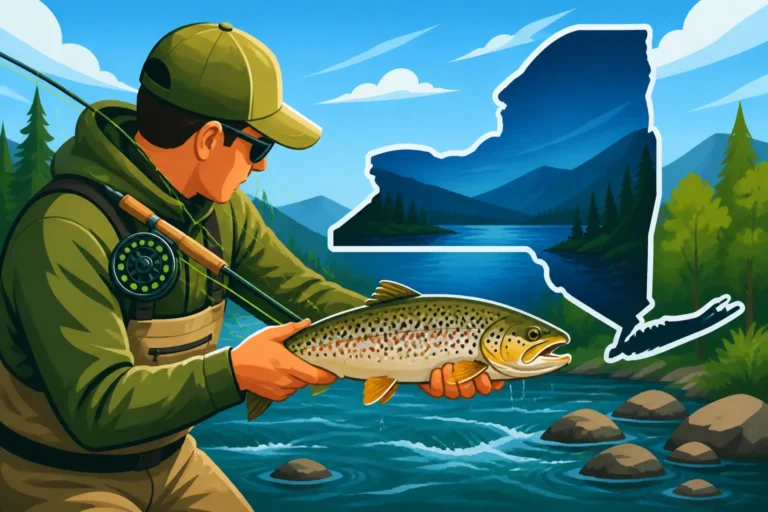
Imagine you're out on a crisp November morning on the Beaverkill River. You hook into a beautiful brown trout. If you're using a single, barbless hook on a small spinner or fly, it's usually a simple matter to gently dislodge the hook. However, if you were using a worm on a treble hook, that fish might swallow it, significantly reducing its chances of survival. Carrying a pair of needle-nose pliers or a hook remover, easily found on platforms like Amazon, is non-negotiable for quick and safe unhooking. For those interested in fly fishing, understanding How to Fly Fish in New York will naturally lead you to using artificial flies, which fits perfectly into these regulations.
Handling Fish with Care
The moment you hook a fish during catch-and-release season, your primary goal shifts from "landing it" to "releasing it unharmed." This requires a gentle touch and a methodical approach.
- Minimize Fight Time: Bring the fish in as quickly as possible to reduce stress and exhaustion. Long fights, especially with delicate trout, can be fatal.
- Keep Fish Wet: Avoid taking the fish out of the water if at all possible. This is the golden rule. The protective slime layer on a fish's skin is crucial for its health; exposing it to air and handling can remove this layer, leaving it vulnerable to disease. Use a net to cradle the fish in the water.
- Wet Hands: If you must handle the fish, wet your hands thoroughly first. This helps preserve that vital slime coat.
- Gentle Hold: Support the fish horizontally, never vertically by the jaw or gills, which can damage internal organs.
- Quick Hook Removal: Use those pliers or a hook remover to quickly and carefully remove the hook. If the hook is deeply swallowed, it’s often better to cut the line as close to the hook as possible than to try and dig it out, which can cause irreparable damage.
- Revive if Necessary: If the fish seems sluggish, hold it gently in the water, facing upstream, allowing water to flow over its gills. Don't move it back and forth; this doesn't help. Wait until it shows strong signs of recovery and swims away on its own power.
Mastering these techniques is a mark of a responsible angler and contributes directly to the success of the catch-and-release program.
Understanding Special Regulations Waters
While the October 16 to March 31 catch-and-release season applies broadly, New York State has numerous "Special Regulations Waters." These are specific rivers, streams, or sections of waterways that have unique rules that supersede the general regulations. These special rules might include year-round catch-and-release, specific lure restrictions, or even different season dates.
For instance, some sections of famous trout streams like the West Branch of the Delaware River or the Ausable River might have year-round artificials-only or catch-and-release mandates. It's imperative that before you head out, you check the DEC's official fishing regulations guide, often available online or at local bait shops and sporting goods stores (like those you might find supplies for on Amazon). Simply knowing "New York Catch-and-Release Trout Season Runs October 16 Through March 31" isn't enough; you must verify for your specific location. This diligence is a critical part of being a well-informed angler and avoids accidental violations, or worse, harming local fish populations. The New York Special Regulations Waters List is your best friend here.
Why Embrace Catch-and-Release Trout Fishing?
Beyond the legal requirement, there are profound reasons why dedicated anglers embrace the catch-and-release ethos, especially during these cooler months. It's an opportunity to connect with nature on a different level and to develop a deeper understanding of the fishery.
Conservation and Future Generations
The most obvious and perhaps most important reason is conservation. By releasing healthy trout, particularly during their spawning season in the fall for brown trout and brook trout, we directly contribute to the sustainability of the fishery. Rainbow trout, for example, typically spawn in the spring, so protecting them during the late winter/early spring catch-and-release season is equally vital. Each successfully spawned fish contributes thousands of eggs, ensuring robust populations for your children and grandchildren to enjoy.
Think of it as an investment in the future of fishing. Every decision you make, from careful handling to observing regulations, plays a part in ensuring that New York's incredible trout resources remain vibrant. It's a testament to responsible angling and a commitment to the ecological health of our waterways. This principle is at the heart of many of the New York Freshwater Fishing Rules.
Skill Development and Challenge
Fishing during the colder, catch-and-release season often presents a different set of challenges that can significantly hone an angler's skills. Trout are generally less active in cold water, requiring more precise presentations, slower retrieves, and a keen eye for subtle takes. You'll learn more about trout behavior, their holding patterns, and how they react to different stimuli when the conditions aren't as forgiving.
Fly anglers, in particular, find this season incredibly rewarding. Matching specific insect hatches (often tiny midges) or effectively presenting nymphs in cold, clear water demands a high level of finesse and observation. For those looking to push their abilities and deepen their understanding of trout fishing, this period offers a challenging and ultimately gratifying experience. You'll find yourself paying closer attention to water temperature, stream structure, and fish lies, developing instincts that will serve you well year-round. It's also a great time to experiment with new fly patterns or lure colors you might have seen on Amazon.
Experiencing Winter and Early Spring Beauty
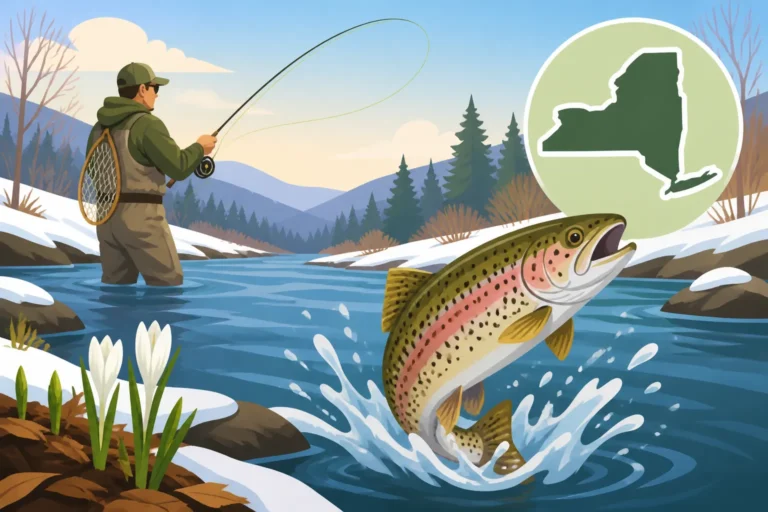
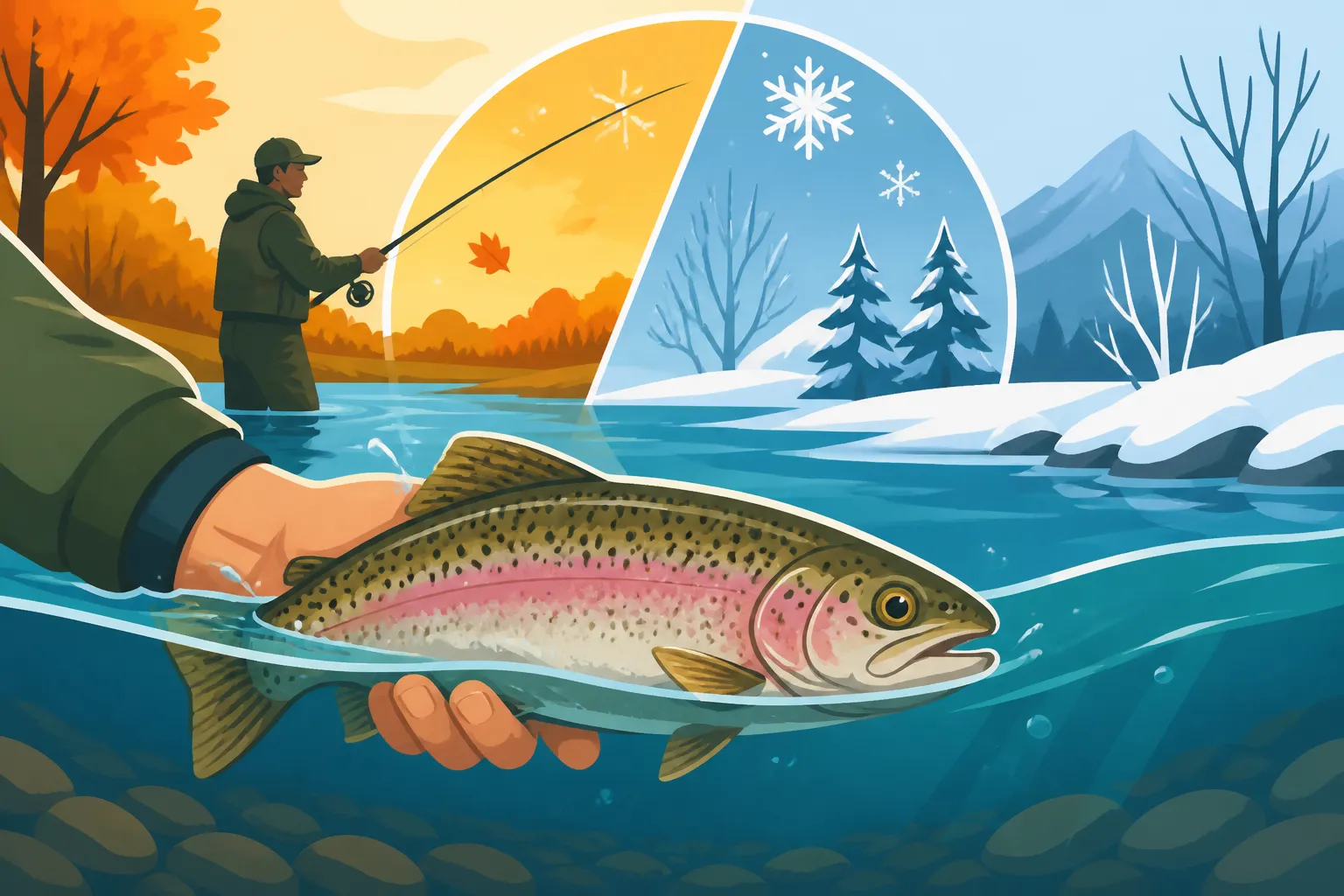
There's a unique, serene beauty to fishing in New York during the late fall, winter, and early spring. The crowds are thinner, the air is crisp, and the landscape transforms. Imagine casting a fly on a snowy riverbank, or feeling the gentle tug of a trout in the quiet solitude of a freezing morning. The vibrant colors of a freshly caught brook trout, contrasted against a backdrop of bare trees or glistening ice, are simply breathtaking.
This season offers an escape from the hustle and bustle, a chance to reconnect with nature in its rawest, most peaceful form. It's an opportunity for quiet contemplation, observation, and appreciation for the wild places that New York State offers. The cold shouldn't deter you; with the right layers of clothing, perhaps a good insulated jacket and warm boots (again, easy to find on Amazon), it can be an incredibly comfortable and rewarding experience. This feeling of solitude and natural beauty is part of what makes Ice Fishing in New York: A Complete Guide so popular as well.
Essential Gear for New York's Catch-and-Release Trout Season
Just like any specialized angling, successful and safe catch-and-release trout fishing in the colder months requires the right equipment. Being prepared for the conditions and the regulations will significantly enhance your experience and the fish's well-being.
Rods, Reels, and Line
For trout, especially in New York's streams, a lighter setup is usually best. A 4-weight or 5-weight fly rod, or a light action spinning rod (5'6" to 6'6") paired with a matching reel, is ideal. These lighter setups make the fight more enjoyable but also reduce the chance of overpowering and stressing the fish.
When it comes to line, a good quality monofilament or fluorocarbon line in the 4-6 pound test range for spinning gear is perfect. Fluorocarbon is especially beneficial in clear, cold water because of its low visibility. For fly fishing, a weight-forward floating line will handle most nymphing and dry fly situations, while a sinking tip can be useful for streamers. Consider adding a small leader of lighter fluorocarbon (2-4 lb test) to your main line to enhance stealth. You can easily find high-quality lines and leaders from brands like Seaguar or Berkley on Amazon.
Lures and Flies
As mentioned, artificial lures are often mandatory during the catch-and-release season. This is where your tackle selection becomes critical.
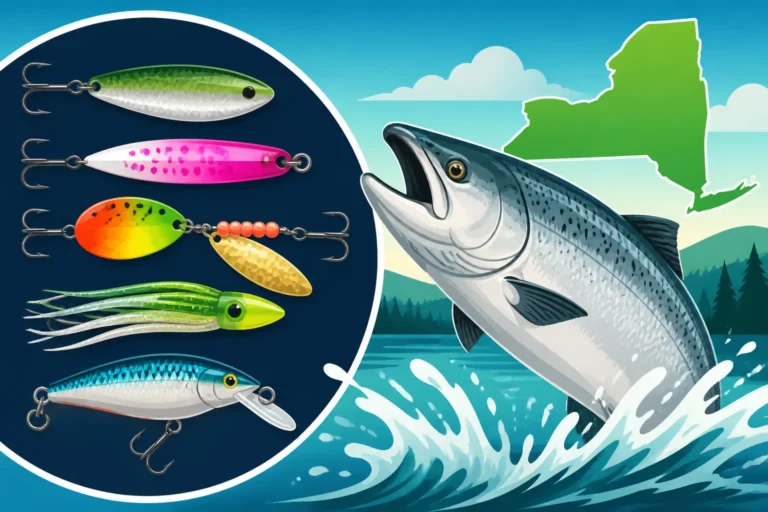
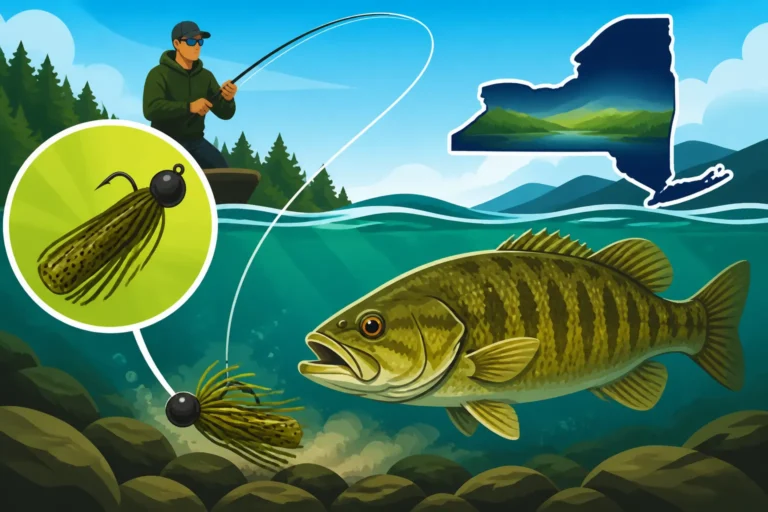
- For Spinning: Small inline spinners (Mepps, Panther Martin), tiny spoons (Kastmaster), and small jerkbaits or soft plastic swimbaits rigged on a jig head are excellent choices. Look for natural colors like olive, brown, or black, as well as some flashier options like silver or gold.
- For Fly Fishing: This season is prime for nymphing. Patterns like Pheasant Tails, Hare's Ears, Stoneflies, and Squirmy Wormies in sizes 14-20 are highly effective. Midges (tiny flies) are also crucial, often fished in tandem. Streamers like Woolly Buggers can also entice larger trout. When it warms up slightly, you might even find opportunities for dry flies if a hatch occurs. Consider adding a few of these essential patterns to your fly box. For more specific guidance on selecting patterns, check out guides on How to Trout Fish in New York.
Cold Weather Apparel and Safety
Fishing in late fall, winter, and early spring in New York means cold temperatures, and sometimes even ice or snow. Dressing appropriately isn't just about comfort; it's about safety.
- Layering is Key: Start with a moisture-wicking base layer (merino wool or synthetic), add an insulating mid-layer (fleece or down), and top it with a waterproof, windproof outer shell.
- Waders and Boots: Neoprene waders are fantastic for warmth in cold water. Pair them with good wading boots. If you're shore fishing, insulated, waterproof boots are essential.
- Headwear and Gloves: A warm hat is critical for retaining body heat, and fingerless gloves or convertible mittens will keep your hands warm while allowing dexterity for tying knots and handling fish.
- Safety Gear: Always tell someone where you're going and when you expect to return. Carry a fully charged phone, a first-aid kit, and consider a thermos of hot coffee or soup. On colder days, an inflatable PFD (Personal Flotation Device) is a smart choice, especially if you're venturing near moving water or potentially unstable banks. Never take chances with ice; familiarize yourself with How to Read Ice Thickness for Safe Ice Fishing if considering fishing near frozen areas.
By prioritizing warmth and safety, you'll ensure your focus remains on the joy of fishing, not the discomfort of the cold.
Comparing Trout Fishing Seasons in New York
To help clarify the distinctions between the regular trout season and the specific catch-and-release period, here's a handy comparison table. This highlights the general rules; always remember to verify for your specific fishing location with the New York DEC.
| Feature | Regular Trout Season (Generally April 1 – Oct 15) | Catch-and-Release Trout Season (Oct 16 – March 31) |
|---|---|---|
| Keeping Fish | Permitted (within daily limits & size) | Not Permitted (all trout must be released) |
| Bait Type | Live bait, artificial lures, flies (check regs) | Artificial Lures Only (often specified) |
| Hook Type | Barbed hooks generally allowed | Single, Barbless Hooks (often specified) |
| Primary Goal | Harvest and recreation | Conservation, skill development, and recreation |
| Trout Vulnerability | Generally lower (more active) | Higher (spawning, slower metabolism) |
| Crowd Levels | Can be moderate to high, especially post-stocking | Generally lower, offering solitude |
| Typical Weather | Spring to fall (mild to warm) | Late fall, winter, early spring (cold, potentially icy/snowy) |
This table provides a quick reference, but remember that specific New York Fishing Season Dates and Catch Limits can vary, so always double-check the current DEC regulations before heading out.
Disclaimer
The information provided in this guide is for general informational purposes only and is not a substitute for official regulations. Fishing rules and regulations in New York State can change frequently and may vary by specific waterbody. Always consult the most current New York State Department of Environmental Conservation (DEC) fishing regulations guide before engaging in any fishing activities. Failure to comply with regulations can result in fines and penalties.