When Does New York’s Catch-and-Release Trout Season Start?
Many New York anglers find themselves scratching their heads when trying to navigate the often-complex world of fishing regulations, and figuring out the exact start date for catch-and-release trout season is a common point of confusion. It’s frustrating when you just want to enjoy a peaceful day on the water but are constantly worried about unintentionally breaking a rule. This comprehensive guide is here to untangle those specific dates and help you confidently plan your trout fishing adventures, ensuring you're fully aware of when New York's dedicated catch-and-release trout season officially kicks off.
Unpacking the Official Start Date for New York's Catch-and-Release Trout Season
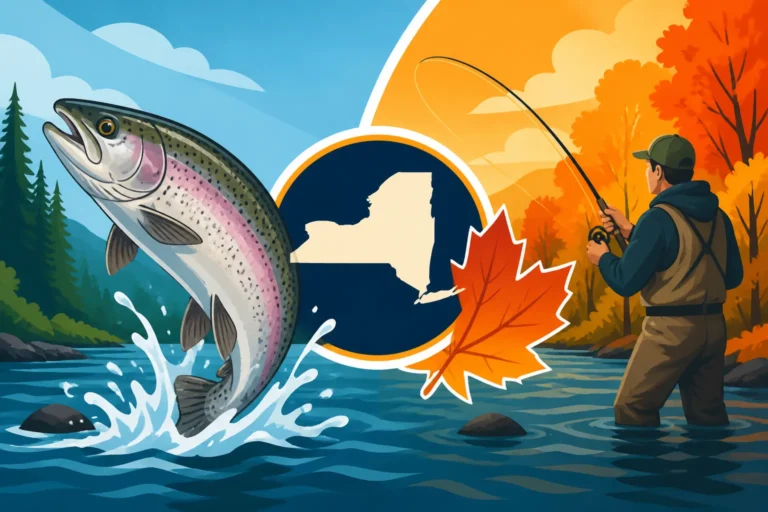
Let's cut right to the chase, because this is often the burning question for many dedicated trout anglers: when can you legally target trout exclusively for catch-and-release in New York State? The statewide catch-and-release trout season officially begins on October 16th each year. This period then extends through to March 31st of the following year. Knowing this precise timeframe is absolutely crucial, as it dictates how you can legally interact with these magnificent fish during the colder months when many other angling opportunities might be winding down.
The rationale behind this specific date range is rooted in conservation and the biological cycles of trout. As autumn deepens, many trout species, particularly brown trout and brook trout, enter their spawning periods. By transitioning to a strict catch-and-release regulation during this sensitive time, the New York State Department of Environmental Conservation (DEC) aims to protect the breeding stock and ensure the long-term health and vitality of trout populations. It's a critical management tool that allows anglers to continue enjoying the sport while minimizing impact on the next generation of fish. This period also often coincides with colder water temperatures, which generally increase the survival rate of released fish, making catch-and-release an even more effective conservation practice.
It’s important to distinguish this catch-and-release season from the general trout season, which traditionally opens on April 1st statewide. During the general season, you typically have specific creel limits and minimum size requirements, allowing for the harvest of trout. However, once October 16th rolls around, the rules shift dramatically. Suddenly, every trout you catch, regardless of size or species (unless in specially designated year-round waters or areas with specific exceptions), must be immediately and carefully released. This change requires a different mindset and approach, focusing entirely on the thrill of the catch and the safe return of the fish. If you're looking for more details on the general season, check out our guide on New York Trout Season Opening Day, which clarifies those spring dates. Remember, the period from October 16th to March 31st is explicitly for catch-and-release, as outlined in the DEC's comprehensive guidelines for New York Catch-and-Release Trout Season Runs October 16 Through March 31.
While the statewide dates provide a good baseline, it's also worth noting that some specific waters across New York State operate under year-round catch-and-release regulations or have unique seasonal rules. These "special regulations" waters are often managed for trophy potential or to protect fragile wild trout populations, and they might allow catch-and-release fishing even outside of the statewide October 16th to March 31st window. It’s why simply knowing the general dates isn't always enough; a deeper dive into the specifics of your chosen fishing spot is almost always necessary to stay compliant and fish responsibly.
Navigating the Complexities of New York's Trout Regulations
Understanding New York's trout regulations can feel like trying to untangle a particularly stubborn fishing knot. It’s not just a matter of knowing the statewide catch-and-release dates; you also have to contend with a patchwork of localized rules that vary from stream to stream, and sometimes even within different sections of the same waterway. This can be incredibly frustrating for anglers, leading to endless double-checking of the DEC regulations guide. But trust me, taking the time to truly understand these nuances is the best way to avoid fines and ensure you're contributing to the health of our fisheries. For a broader overview, our guide on New York Fishing Regulations Explained can be a helpful starting point.
The primary distinction you'll encounter beyond the general statewide regulations is the existence of "Special Regulations Waters." These are specific streams, rivers, and sometimes even lakes that the DEC manages with tailored rules designed for particular conservation goals. For trout, this often means areas designated as "Catch-and-Release Only" for the entire year, not just during the statewide special season. Other special regulations might include "Artificial Lures Only," prohibiting bait, or "Fly Fishing Only," further restricting the type of tackle allowed. The reason for these stringent rules is usually to protect wild trout populations, enhance natural reproduction, or foster a trophy fishery where larger, older fish are given every chance to survive and grow. For example, many of the prized streams in the Catskills, like sections of the Beaverkill or Esopus, fall under such special regulations year-round. You can often find detailed information about these specific locations in the official New York Special Regulations Waters List.
Identifying these waters and understanding their specific restrictions is paramount. The best tool you have is the annual New York Freshwater Fishing Regulations Guide, published by the DEC. This guide is your bible. It lists every county, every body of water with special regulations, and precisely what those rules entail—from specific opening and closing dates, to tackle restrictions, to whether it’s catch-and-release only. Relying solely on word-of-mouth or outdated information can lead to costly mistakes. The frustration of arriving at a prime spot only to realize your chosen bait is illegal, or that the area is catch-and-release when you were hoping to keep a fish, is something we’ve all experienced. To prevent this, always cross-reference your plans with the most current DEC guide, which is usually available online or at any licensed fishing agent. Our article on New York Freshwater Fishing Rules dives deeper into these intricacies.
Furthermore, even within general regulation waters during the October 16th to March 31st catch-and-release period, there are often still some subtle rules to remember. For instance, while the "no kill" rule is universal for trout during this time, some regulations might specify that you can only use artificial lures to reduce deep hooking, even if it's not explicitly labeled as an "artificials only" water. It's truly a layered system, and while it seems cumbersome, each rule is designed with a purpose: to protect our precious natural resources. It requires anglers to be diligent, but the reward is healthier fish populations for everyone to enjoy for years to come.
Mastering the Art of Responsible Catch-and-Release to Protect Our Trout
Once you understand when New York's catch-and-release trout season starts and the importance of adhering to those dates, the next step is arguably just as vital: learning how to practice responsible catch-and-release. It's not just about letting the fish go; it's about letting them go in the best possible condition, ensuring their survival. After all, the entire purpose of a catch-and-release season is to protect the trout, and careless handling can negate that effort. Many anglers feel a genuine concern about the fish's welfare, and rightly so. We want to enjoy the fight, marvel at the beauty of the trout, and then send it off safely to spawn or grow larger.
The cornerstone of responsible catch-and-release begins with your gear. Barbless hooks are paramount. They significantly reduce the trauma to a fish's mouth and make unhooking quicker and easier, often without even needing to remove the fish from the water. You can buy hooks that are already barbless, or you can easily crimp down the barb on any regular hook with a pair of pliers. When fishing with bait, particularly during the shoulder seasons when catch-and-release might be mandatory, consider using circle hooks if regulations allow. These hooks are designed to hook fish in the corner of the mouth, minimizing gut hooks which are often fatal. For lures, using single, barbless hooks instead of treble hooks is another excellent practice to reduce harm. Many anglers proactively swap out treble hooks on their favorite spinners and spoons. If you're looking to upgrade your tackle with these fish-friendly options, online retailers like Amazon offer a wide selection of barbless hooks, single replacement hooks, and high-quality fishing pliers or forceps.
Proper fish handling is equally critical. The moment you land a trout, every second counts. Here are some key practices:
- Wet Your Hands: Always wet your hands thoroughly before touching a fish. Dry hands can remove the fish's protective slime coat, leaving it vulnerable to infections.
- Minimize Air Exposure: Trout breathe through their gills, which are designed to extract oxygen from water. Holding a fish out of water for extended periods, especially in warm temperatures, causes immense stress and can lead to organ damage or death. Snap a quick photo if you must, but keep the fish in the water as much as possible.
- Support the Fish: If you need to lift the fish for a photo, support its body horizontally with one hand under its belly and another gently grasping the base of its tail. Avoid squeezing its midsection or holding it vertically by the jaw or gills, which can damage internal organs or break its jaw.
- Use a Net: A knotless, rubberized landing net is an invaluable tool. It allows you to scoop the fish gently, keep it submerged while you unhook it, and prevents fin or scale damage that traditional knotted nets can cause. These nets are readily available, often found on Amazon or at local tackle shops.
- Quick Unhooking: Have your tools ready. Forceps or long-nosed pliers are essential for removing hooks quickly and cleanly. If a fish is deeply hooked, especially in the gills or gut, it’s best to cut the line as close to the hook as possible. Attempting to extract a deeply embedded hook will often do more harm than good.
- Revive Gently: Once unhooked, hold the fish facing upstream in the current, supporting it gently until it regains its strength and swims away on its own. Don't simply toss it back; watch for strong tail kicks. In still water, move it back and forth gently to push water through its gills. This is especially important when the water is warmer or the fight was prolonged. Our article on Catch-and-Release Handling Rules provides even more in-depth techniques.
By adopting these responsible practices, you not only increase the survival rate of the trout you catch but also elevate your angling experience, knowing you're truly doing your part for conservation. This commitment to ethical angling is a hallmark of truly dedicated trout enthusiasts in New York.
Beyond the Dates: Planning Your New York Catch-and-Release Trout Fishing Trips
Knowing that New York's statewide catch-and-release trout season starts on October 16th and runs through March 31st is just the first step. The next, and often most exciting, part is planning your actual fishing trips during this unique period. This time of year offers a very different experience than spring or summer fishing, with its own set of challenges and immense rewards. Anglers who brave the colder weather are often treated to solitude on the water and the chance at some truly magnificent, colorful trout. For those new to trout fishing, our guide on How to Trout Fish in New York offers foundational advice.
What to Expect During the Catch-and-Release Season:
- Weather Conditions: Be prepared for anything from crisp autumn days to freezing winter winds and even early spring thaws. Layers are your best friend. Waterproof and insulated clothing, warm hats, gloves, and waders are non-negotiable. Checking the forecast diligently is key, and never underestimate the biting cold that can accompany trout streams, especially in shaded ravines.
- Water Conditions: As temperatures drop, water levels can fluctuate. Fall rains or winter snowmelt can raise levels, while prolonged cold snaps can lead to lower, clearer flows. Ice formation is a real possibility, especially on smaller streams and slower sections. Always prioritize safety, especially when wading in cold water, and consider ice fishing rules if lakes are your target.
- Fish Behavior: Trout become less active in colder water, conserving energy. They often hold in deeper pools, slower runs, or near structure, and their feeding windows can be shorter. This often means a more subtle approach is required, with slower retrieves and presentations.
Popular Areas for Quality Catch-and-Release Opportunities:
New York State boasts an incredible diversity of trout waters that shine during the catch-and-release season.
- The Catskills: This region is legendary for its wild brown and brook trout streams. Rivers like the Beaverkill, Willowemoc Creek, Esopus Creek, and the East Branch of the Delaware River offer exceptional fly-fishing opportunities, with many sections under special catch-and-release, artificials-only, or fly-fishing-only regulations year-round. These streams are particularly beautiful in the fall foliage. If you're heading this way, don't miss our insights into the Best Trout Streams in the Catskills.
- The Adirondacks: For those seeking a wilderness experience, the Adirondack Park offers countless ponds, lakes, and streams teeming with wild brook trout. Many of these waters are remote and require a hike, but the reward of catching a native brook trout in its pristine environment, especially during the quiet, solitary months, is unparalleled.
- Western New York Tributaries: The tributaries of Lake Ontario, while famous for their salmon and steelhead runs in the fall and winter, also hold resident brown and rainbow trout. Many sections are designated for catch-and-release or artificials-only to protect these populations.
- Finger Lakes Tributaries: While the Finger Lakes themselves are known for their lake trout and landlocked salmon, their feeder streams can offer intimate catch-and-release opportunities for brown and rainbow trout, especially in the early spring as temperatures begin to rise.
The Joy and Challenge of Winter/Early Spring Fishing:
Fishing during the catch-and-release season requires patience and perseverance. The fish might not be as eager to bite as they are during a spring hatch, but the rewards are profound. You'll witness the landscape in a different light, often enjoying tranquil moments free from summer crowds. Catching a vibrant, healthy trout in the crisp autumn air or against a backdrop of pristine snow is an unforgettable experience. It's a testament to your dedication and respect for the fish. For more on the rules around keeping fish, including during general seasons, check out New York Statewide Trout Daily Limit Explained and How Many Trout Can You Keep Per Day in New York?.
Remember, regardless of when or where you choose to fish, a valid New York State fishing license is almost always required. You might be asking, "Do I Need a Fishing License to Fish in New York?" and the answer is usually yes for anyone 16 years or older. Make sure yours is current by reviewing our New York Fishing License Guide.
Quick Reference: New York Trout Season Overview
To help clear up any lingering confusion about the different trout seasons and regulations, here’s a quick overview. Remember, this table provides a general summary, and it’s always best to consult the official DEC regulations for the specific waters you plan to fish, as localized special regulations always supersede general statewide rules.
| Season Type | Start Date | End Date | Key Regulations (Statewide General) | Tackle Restrictions (General) | Harvest Allowed |
|---|---|---|---|---|---|
| General Trout Season | April 1st | October 15th | Daily limit and minimum size limits apply (check local rules) | All legal methods (bait, lures, flies) | Yes |
| Catch-and-Release Only | October 16th | March 31st | All trout caught must be immediately released | All legal methods (check for local "artificials only" rules) | No |
| Special Reg. Waters | Varies by water | Varies by water | Specific rules (e.g., year-round C&R, artificials only, fly-fishing only) | Varies (often artificial lures or flies only) | Varies (often no) |
This table highlights the critical shift that occurs on October 16th. While the tackle might still be the same in some areas, the outcome of your catch is unequivocally catch-and-release. Always have your current DEC regulations guide with you, either a physical copy or easily accessible on your phone, to verify the rules for your specific location. Staying informed ensures a worry-free and enjoyable angling experience in New York's beautiful trout waters.
Disclaimer
The information provided in this guide is for general informational purposes only and is subject to change. While we strive to provide accurate and up-to-date content, fishing regulations, season dates, and specific rules for individual water bodies in New York State can be complex and are regularly updated by the New York State Department of Environmental Conservation (DEC). It is the responsibility of every angler to consult the most current official New York State Freshwater Fishing Regulations Guide prior to any fishing activity to ensure full compliance with all applicable laws and regulations. Failure to do so may result in penalties.