Best Time to Fish for Walleye in New York
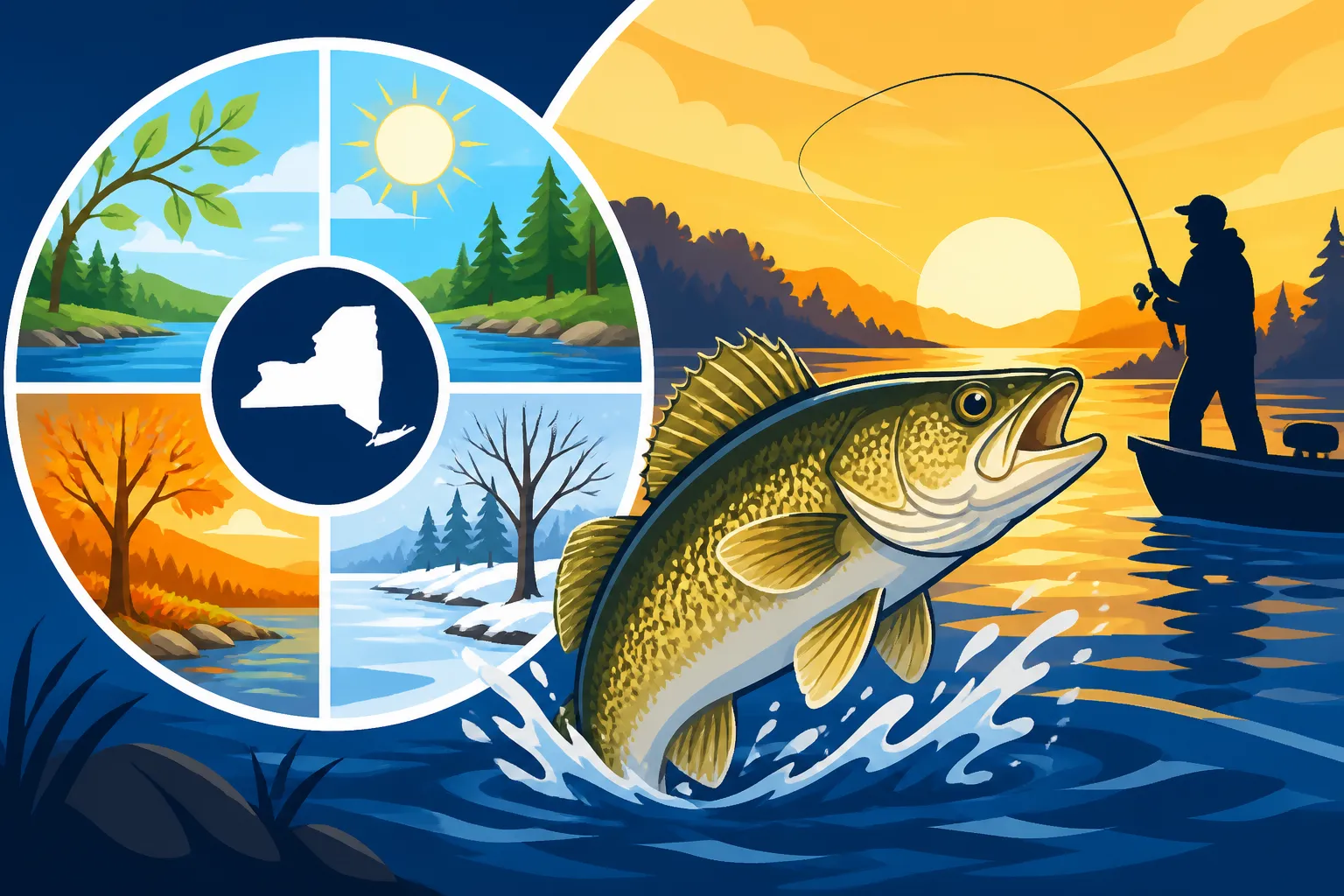
There’s nothing quite like the thrill of hooking into a New York walleye. Their golden flanks, sharp teeth, and notoriously finicky bite make them a prized catch for anglers across the state. But if you've ever spent hours on the water without a single strike, you know the frustration. The truth is, walleye are creatures of habit, and their behavior changes dramatically with the seasons and even the time of day. This comprehensive guide is here to unravel the mystery, helping you pinpoint the absolute best times to hit the water for these elusive beauties, ensuring your next walleye trip is a resounding success.
Understanding Walleye Behavior Throughout the Year
Walleye aren't just fish; they're environmental barometers, keenly sensitive to changes in water temperature, light, and food availability. To consistently catch them, you need to think like a walleye and understand their seasonal migrations and feeding patterns. It's not enough to simply know where they are; you need to understand why they're there and what they're doing.
Pre-Spawn Periods and Early Spring Opportunities
As the ice finally recedes and the days start to lengthen in early spring, a subtle but significant shift occurs in walleye behavior: the pre-spawn staging. This is a crucial window for anglers, often before the actual spawning period, when walleye begin to shake off their winter lethargy and become increasingly active.
During this time, water temperatures typically hover in the low 40s (Fahrenheit). Walleye, especially the larger females, start to migrate from their deeper wintering grounds towards shallower areas with current, like river mouths, neck-down areas, or along rocky shorelines near traditional spawning sites. They're not actively feeding aggressively yet, but they're building up energy reserves for the upcoming spawn. This movement makes them more predictable and concentrated. The key here is patience and precision. Slow presentations, like jigging with soft plastics or live bait, are often the most effective. Look for areas where current delivers warmer water or where dark bottom absorbs sunlight, creating slight temperature advantages. This early spring bite can be challenging but incredibly rewarding for those who brave the chilly conditions.
The Spawn and Post-Spawn Recovery
The actual walleye spawn is a fascinating natural event, typically occurring when water temperatures reach the 45-50°F range. In New York, this usually falls between late March and early May, depending on the specific body of water and yearly weather patterns. Walleye are broadcast spawners, laying their eggs over rocky bottoms, shoals, or gravel beds in shallow, moving water, often at night. During the peak of the spawn, fishing for them can be difficult, and in many areas, specific seasons or closures are put in place to protect the species. It's vital to check the latest New York Walleye Season Dates and regulations for the specific waters you plan to fish to ensure you're in compliance.
Once the hectic spawning ritual is over, both male and female walleye enter a post-spawn recovery phase. The females, especially, are often exhausted and lean, needing time to regain their strength. They'll typically move to nearby deeper waters to rest and recuperate. The males, however, often linger around the spawning grounds for a bit longer, guarding the eggs and becoming quite aggressive towards anything that might pose a threat, including your lure. This can present a short window for some excellent fishing, especially for smaller males, as they're hungry and territorial. As the water warms further, both sexes will begin a more robust feeding pattern to replenish their energy, transitioning into their summer routines.
Summer Feeding Frenzy and Deep Water Tactics
Summer fishing for walleye in New York presents a completely different challenge and opportunity. As surface water temperatures climb into the high 60s and 70s, walleye become more active and spend their days primarily in deeper, cooler water. They often relate to thermal stratification – the thermocline – which is the layer where warm surface water meets cooler, deeper water. This zone is rich in oxygen and often holds schools of baitfish, making it a prime hunting ground for walleye.
This period, typically from June through August, can be incredibly productive, especially if you know how to target fish in open water or along deep structure. Walleye in summer are often suspended over deep basins or congregated on offshore reefs, humps, and ledges. Trolling with crankbaits or spoons at precise depths is a common and highly effective tactic, especially on large bodies of water like Lake Erie or the Finger Lakes. Vertical jigging over deep structure or drop-offs can also be deadly. And let's not forget about night fishing – walleye are notoriously low-light predators, and summer nights, particularly around full moons, can produce some of the biggest fish of the year as they move shallower to feed. This is where understanding how to Troll Crankbaits for Walleye really pays off.
Fall Turnover and Aggressive Feeding
For many seasoned walleye anglers, autumn is the undisputed prime time. As air temperatures drop and lake waters begin to cool, a phenomenon known as "fall turnover" occurs. The surface water cools, becomes denser, and sinks, mixing with the deeper, warmer water. This process redistributes oxygen and nutrients throughout the water column, essentially resetting the lake's ecosystem.
Following turnover, which usually happens from late September through October, walleye enter an aggressive feeding period. They know winter is coming, and they need to pack on calories. This means they'll often be found in a wider range of depths and locations, sometimes moving back into shallower feeding flats during low-light conditions, but still relating heavily to structure and baitfish schools. The cooler water makes them more active and less sluggish than in the heat of summer, and they're often willing to chase down larger, more aggressive baits. Crankbaits, jerkbaits, and larger jigs with soft plastics can all be incredibly effective. This is a fantastic time for trophy walleye, as the fish are in peak condition and actively hunting.
Key Factors Influencing Walleye Activity (Beyond Season)
While the seasonal cycle dictates broad patterns, walleye activity on any given day is a complex dance influenced by a myriad of environmental factors. Ignoring these nuances can mean the difference between a banner day and a skunk. You might think you've hit the "best time," but if other factors aren't aligning, the fish simply won't cooperate.
Water Temperature is King
We've touched on it already, but it bears repeating: water temperature is perhaps the single most critical factor influencing walleye behavior. Their metabolism, feeding activity, and location are all directly tied to the mercury reading. Walleye are cold-blooded, meaning their body temperature mirrors that of their surroundings.
- Below 40°F: Walleye are sluggish, often schooled tight in deep water. Bites are subtle, requiring slow, deliberate presentations.
- 40-55°F (Pre-Spawn/Post-Spawn): Activity increases. Fish move shallower for spawning or to recover. Medium to slow presentations.
- 55-70°F (Peak Feeding): This is the sweet spot. Walleye are active, feeding aggressively, and found at various depths, often relating to the thermocline in summer.
- Above 70°F: Walleye will seek out the deepest, coolest water available, becoming less active during the day. Night fishing or targeting deep thermal refuges becomes essential.
Understanding the specific temperature zones in a lake or river, especially where temperature breaks occur, can unlock incredible walleye fishing. A good fish finder with temperature capabilities is an invaluable tool for locating these sweet spots, allowing you to fine-tune your approach.
Time of Day and Low-Light Conditions
Walleye earned their name from their large, glassy, light-sensitive eyes – which are perfectly adapted for low-light conditions. This means they are primarily crepuscular (most active at dawn and dusk) and nocturnal feeders. While you can certainly catch walleye during bright daylight, your chances often skyrocket during these periods.
- Dawn and Dusk: These twilight hours are prime. Walleye often move from their deeper resting areas into shallower feeding zones to ambush baitfish. The dim light gives them a distinct advantage over their prey.
- Night Fishing: Don't underestimate the power of the dark! On clear, calm nights, especially around a new moon, walleye can be incredibly active and move into very shallow water. Many trophy walleye are caught after the sun goes down. Light-colored or glow-in-the-dark lures can be particularly effective.
- Overcast Days: Heavy cloud cover can extend the prime low-light bite throughout the day, making mid-day fishing surprisingly productive. Stormy weather, before a front arrives, can also trigger a feeding frenzy.
Weather Patterns and Barometric Pressure
Just like us, walleye react to changes in the weather, and especially to shifts in barometric pressure. Ignoring the forecast is a common mistake that can lead to disappointing results. It's truly amazing How Weather Affects Fishing in New York.
- Stable High Pressure (Sunny, Calm): Often means slower fishing during the day. Walleye might be deeper and less aggressive. Focus on low-light periods.
- Falling Barometric Pressure (Approaching Front): This is often a golden window! As a low-pressure system moves in, walleye frequently go on a feeding binge. They sense the impending change and feed heavily. This can be fantastic for a few hours before the storm hits.
- Rising Barometric Pressure (Post-Front): After a cold front passes and high pressure settles in, fishing can be notoriously tough. Walleye often become lethargic and tight-lipped, seeking deep cover. This is when finesse tactics and extreme patience are required.
- Wind: A moderate chop on the water surface can actually be beneficial. It breaks up light penetration, disorients baitfish, and creates current, often pushing food sources. Walleye will often position themselves on the windy side of structure or shorelines to ambush prey. Too much wind, however, can make boat control and presentation difficult.
Understanding the Best Barometric Pressure for Fishing is a subtle art, but one that separates consistent anglers from casual ones.
Forage Availability and Location
No matter the season or weather, walleye will always be where the food is. Their entire existence revolves around finding and eating smaller fish, crayfish, and insects. If you can locate the baitfish, you're halfway to finding the walleye.
- Baitfish Schools: In large lakes, walleye will often follow vast schools of shad, alewives, smelt, or ciscoes. Learning to read your sonar to identify these schools is paramount.
- Structure: Walleye frequently relate to structural elements like rock piles, humps, ledges, submerged timber, and weed lines because these areas attract baitfish or provide ambush points.
- Current: In rivers or areas with current, walleye will position themselves in current breaks or eddies, waiting for food to be swept to them. This makes river mouths and channel edges prime targets.
- Seasonality of Prey: Different forage species are more prevalent at different times of the year. For example, in spring, walleye might feast on newly hatched fry, while in summer and fall, they'll target larger baitfish. Knowing What Walleye Eat helps you choose the right baits.
Top Walleye Fisheries in New York and Their Peak Seasons
New York is blessed with an incredible array of walleye fisheries, each with its unique characteristics and peak seasons. From the vast expanse of Lake Erie to the productive waters of Oneida Lake, understanding the local nuances can dramatically improve your success.
Lake Erie's Walleye Mecca
When you talk about walleye in New York, Lake Erie is usually the first place that comes to mind, and for good reason. It's consistently ranked as one of the best walleye fisheries in the world, renowned for both quantity and trophy potential. The sheer size of the lake means it can support a massive population, and the abundant forage, primarily emerald shiners, fuels rapid growth.
- Spring (Late April – June): This is a fantastic time for shore and nearshore boat anglers. After the spawn, walleye, particularly males, can be found in relatively shallow waters, often in bays and near river mouths, such as the Buffalo Harbor area. Casting jigs, blade baits, or suspending stickbaits can be very effective. This period around New York's Lake Erie Walleye Fishing Near Buffalo, New York can be legendary.
- Summer (July – September): This is prime time for open-water trolling. As the water warms, walleye move offshore and suspend over deeper basins, often following baitfish. Charter boats run out of Dunkirk, Buffalo, and Barcelona, targeting these schools with planer boards, downriggers, and a variety of crankbaits and spoons. The bite can be phenomenal during this period, with anglers often catching limits of delicious eating-size walleye. Night trolling or jigging over specific deep structures can also yield giants.
- Fall (October – November): While weather can be unpredictable, the fall bite on Lake Erie can be incredible for larger fish as they stage for winter. Trolling or casting rip-baits near deeper contours and offshore reefs can produce some true monsters.
Oneida Lake's Consistent Action
Oneida Lake, located north of Syracuse, is often called "New York's Walleye Factory" – and it lives up to the name. It's a relatively shallow, fertile lake with extensive weed beds, shoals, and a healthy population of baitfish, making it an ideal walleye habitat. Unlike the deep-water trolling of Lake Erie, Oneida offers more diverse opportunities, including extensive shallow water fishing.
- Spring (May – Early June): Immediately after the spawn, walleye on Oneida become very active. They'll relate to shallow shoals, rocky points, and the edges of newly emerging weed beds. Jigging with live bait (like a minnow or a nightcrawler piece) or soft plastics is a go-to tactic. Trolling shallow-diving crankbaits along these contours can also be effective, especially at dawn and dusk. The Best Time to Fish for Walleye on New York's Oneida Lake often starts right after the season opener.
- Summer (June – August): Walleye spread out in the summer, but they can still be found. Many anglers focus on trolling worm harnesses or shallow-diving crankbaits over the extensive mud flats and weed edges. Night fishing with stickbaits or jigs becomes a highly productive strategy as fish move shallower to feed under the cover of darkness. Don't overlook the deeper channels and subtle drop-offs throughout the lake.
- Fall (September – October): Similar to Lake Erie, the fall bite on Oneida can be red-hot. As the lake cools and weeds die back, walleye become more concentrated and aggressive. Trolling crankbaits, casting jigs to prominent structure, or drifting with live bait are all excellent methods. This is when some of the biggest walleye from Oneida are often caught.
St. Lawrence River and its Mighty Walleye
The St. Lawrence River, particularly in the Thousand Islands region, offers a unique walleye fishing experience. It's a vast river system with strong currents, deep channels, and numerous islands and shoals. While known for its world-class muskie and smallmouth bass fishing, the walleye population here is robust and offers great opportunities.
- Spring (May – Early June): Walleye in the St. Lawrence often spawn in tributary rivers or in sections of the main river with suitable current and rocky bottoms. Post-spawn, they can be found staging in eddies and current seams, near rocky points, or around the mouths of bays. Jigging with heavy jigs and soft plastics or blade baits is a common tactic to battle the current.
- Summer (July – August): As the water warms, walleye will seek out deeper sections of the river, often relating to channel edges, deep shoals, and submerged islands. Trolling with crankbaits or worm harnesses that can get down to depth is effective. Drifting with live bait in current breaks can also be productive. The clearer water of the St. Lawrence often means a stronger low-light bite here.
- Fall (September – October): The fall bite on the St. Lawrence can be excellent as walleye feed heavily before winter. They'll often school up on deep structure or along the main channel. Trolling deep-diving crankbaits or vertical jigging in specific deep holes are go-to methods. The fish are typically very strong and healthy here due to the current and rich forage base.
Other Notable Walleye Waters
Beyond these giants, New York has numerous other lakes and reservoirs that offer fantastic walleye fishing at various times of the year. Each has its own rhythm and local favorites among anglers.
- Chautauqua Lake: Located in Western New York, Chautauqua Lake has a healthy walleye population, with good fishing often in spring and fall. Trolling, jigging, and casting are all effective, especially around the extensive weed beds and contours.
- Great Sacandaga Lake: In the Adirondacks, this large, deep lake provides excellent walleye opportunities. The spring and fall periods are particularly good, with trolling being a popular method for targeting suspended fish or those relating to structure.
- Black Lake: Known for its diverse fishing, Black Lake in the North Country offers good walleye fishing, particularly in its shallower, weedy areas. Spring and fall are often productive, with jigging and live bait being key.
- Lake Champlain: While largely shared with Vermont, the New York side of Lake Champlain holds a strong walleye population. The spring rivermouth bite and deeper summer trolling are popular.
Ultimately, to truly master walleye fishing in any of these waters, it's worth checking out guides on the Best Walleye Fishing Spots in New York and talking to local bait shop owners and fellow anglers. They often have the most up-to-date information on current conditions and productive techniques.
Essential Techniques and Gear for Different Walleye Seasons
Just as walleye behavior shifts throughout the year, so too should your tactics and tackle. What works wonders in chilly spring waters might be completely ignored in the heat of summer. Adapting your approach is not just recommended; it's essential for success.
Spring Jigging and Shallow Water Presentations
When those early spring waters are still frigid, walleye are often lethargic but focused on putting on weight for the spawn. They're typically found closer to shore or in river systems, and a subtle approach is key.
- Jigging: This is arguably the most versatile and effective spring technique. A 1/8 to 1/4 ounce jig head, tipped with a live minnow, a section of nightcrawler, or a soft plastic grub, is deadly. The key is a slow, methodical retrieve, keeping the bait close to the bottom. Sometimes just holding it still, letting the current impart action, is all it takes. For targeting specific spots, knowing How to Jig for Walleye is a game-changer.
- Blade Baits: Lures like the Heddon Sonar or Rapala Rippin' Rap can be extremely effective in cold water. Their tight vibration and flashy profile often trigger strikes from sluggish walleye. A lift-and-drop retrieve, allowing the bait to flutter back down, mimics a dying baitfish.
- Suspending Jerkbaits: When retrieved slowly with long pauses, these lures can imitate an injured baitfish perfectly. Their ability to "hang" in the strike zone for extended periods drives walleye crazy. Look for clear or natural patterns.
- Live Bait Rigs: A simple slip-sinker rig with a lively minnow or shiner is hard to beat, especially in stained water or during tough bites. Fish it slowly along river channels or rocky drop-offs.
You'll often find anglers stocking up on their favorite jigs, minnow buckets, and a selection of reliable soft plastics at local bait shops or through online retailers like Amazon before heading out for the spring run.
Summer Trolling and Vertical Jigging
Summer means walleye have often moved deeper, either suspending in open water or clinging to deep structure. Covering water efficiently and targeting precise depths becomes paramount.
- Trolling with Crankbaits: This is the bread and butter of summer walleye fishing on larger lakes. Using planer boards allows you to spread out multiple lines, covering a wider swath of water and mimicking a school of baitfish. Deep-diving crankbaits, or those weighted to get down to the thermocline, are essential. Colors vary, but natural baitfish patterns and bright colors (like firetiger or chartreuse) are always good starting points. Learn How to Troll Crankbaits for Walleye to master this technique.
- Trolling with Worm Harnesses: A spinner rig adorned with a nightcrawler is a classic and highly effective option, especially when walleye are spread out or less aggressive. The flash of the blades combined with the natural scent and action of the worm is irresistible.
- Vertical Jigging (Deep Water): When walleye are schooled tight on deep structure (humps, ledges, rock piles), vertical jigging directly over them with heavy jigs, spoons, or blade baits is deadly. This requires a good fish finder to precisely locate the fish.
- Downriggers: For targeting extremely precise depths in deeper water, particularly when fish are suspended, downriggers are invaluable tools for presenting lures accurately.
A robust trolling rod and reel setup, alongside a reliable fish finder, are non-negotiable for serious summer walleye anglers. Many experienced boaters often update their sonar units or purchase new tackle through retailers like Amazon to ensure they have the latest technology.
Fall Crankbaits and Blade Baits
Fall is when walleye bulk up, and they are often willing to chase down larger, more aggressive presentations. The cooler water fuels their predatory instincts.
- Crankbaits and Jerkbaits: Deeper-diving crankbaits and suspending jerkbaits that imitate larger baitfish are excellent choices. Trolling these along deep break lines or casting them to rocky points and humps can trigger violent strikes. Experiment with retrieves, incorporating pauses and erratic twitches.
- Blade Baits: These continue to be effective in fall, especially for jigging vertically over structure or for covering water when casting. Their strong vibration and flash are highly attractive.
- Soft Plastics on Jigs: Larger paddle-tail swimbaits or grub-style plastics on heavy jig heads can be worked slowly along the bottom or jigged through schools of baitfish.
The key in fall is often covering water until you find a concentration of feeding fish. Once you do, slow down and work the area thoroughly.
Ice Fishing for Walleye
When New York's lakes freeze over, a whole new world of walleye fishing opens up. Ice fishing for walleye can be incredibly rewarding, though it often requires a different set of strategies and specialized gear.
- Tip-Ups: These passive rigs allow you to set multiple lines, covering a wider area. Baited with live minnows, they are fantastic for covering different depths and waiting for a hungry walleye to cruise by.
- Jigging Spoons and Lipless Crankbaits: Active jigging with these lures can call in walleye from a distance. A lift-and-drop retrieve, varying the cadence, is often effective. Adding a small piece of bait (like a minnow head or wax worm) to a bare jig can seal the deal.
- Small Jigs and Live Bait: For finicky walleye, tiny jigs tipped with a minnow head or a few maggots, fished under a sensitive float, can be deadly. This is especially true when fish are hugging the bottom or when fishing pressure is high.
- Electronics: A good flasher or an ice fishing sonar unit is almost essential for ice fishing walleye. It allows you to see your lure, detect fish approaching, and understand how they react to your presentation. This can also help you understand How to Ice Fish for Walleye in New York.
For ice fishing, safety is paramount. Always check ice thickness before heading out, and consider investing in quality ice fishing apparel and safety gear. Items like ice augers, portable shelters, and flashers are readily available through retailers like Amazon.
Regulations and Best Practices for Sustainable Walleye Fishing
Being a responsible angler means more than just catching fish; it means understanding and respecting the rules that protect the fishery, and adopting practices that ensure healthy populations for future generations. Ignoring the regulations not only risks fines but also jeopardizes the very resource we cherish.
Understanding New York Walleye Regulations
New York State has specific regulations designed to manage walleye populations, which can vary by water body. These regulations are in place to ensure sustainable fishing and prevent overharvesting.
- Season Dates: As mentioned, walleye season often opens in early May in many parts of New York and closes in mid-March, but specific opening and closing dates can differ significantly between lakes and rivers. For example, some sections of the St. Lawrence River might have slightly different dates or special regulations. Always consult the official New York DEC Fishing Regulations Guide before you go.
- Minimum Size Limits: Walleye must reach a certain length before they can be legally kept. This allows them to spawn at least once, contributing to the next generation. These limits can range from 15 to 18 inches, depending on the body of water.
- Daily Bag Limits: There's a limit on the number of walleye you can keep in a single day. This prevents individuals from taking an excessive amount of fish. The Walleye Daily Limit in New York is typically 5 fish, but again, this can vary by specific lake or river.
- Special Regulations: Some waters may have unique regulations, such as slot limits (where fish within a certain size range must be released) or no-kill zones, to protect specific parts of the population. Always verify the regulations for your chosen fishing spot.
It's your responsibility to be informed. Carrying a copy of the latest regulations, either physical or digital, is always a smart move.
Catch-and-Release for Future Generations
While keeping some walleye for the frying pan is part of the enjoyment of fishing, practicing responsible catch-and-release is crucial, especially for larger, older fish that are vital for spawning.
- Minimize Handling: The less you handle a fish, the better its chances of survival. Try to keep the fish in the water as much as possible.
- Wet Hands: Always wet your hands before touching a fish to avoid removing its protective slime coat, which guards against disease.
- Proper De-Hooking Tools: Use pliers, forceps, or de-hookers to quickly and safely remove hooks. Barbless hooks can make this even easier.
- Support the Fish: If you must take a picture, support the fish horizontally, especially large walleye, to protect their internal organs. Never hold a large walleye vertically by the jaw.
- Revive Gently: If a fish seems stressed, gently hold it in the water, facing into the current, until it regains its strength and swims away on its own.
By treating every fish with care, whether you keep it or release it, you're contributing to the health and longevity of New York's walleye fisheries.
Respecting the Resource and Other Anglers
Fishing is a shared passion, and respecting both the environment and your fellow anglers creates a more enjoyable experience for everyone.
- Leave No Trace: Pack out everything you pack in. This includes old fishing line, bait containers, and any other trash.
- Be Mindful of Others: Give other anglers space, especially if they are already fishing a spot. Don't crowd someone's boat or cast over their lines.
- Respect Private Property: If fishing from shore, be aware of property lines and access points.
- Report Violations: If you witness someone breaking fishing laws, report it to the New York State Department of Environmental Conservation (DEC) to help protect the resource.
Being a good steward of the environment and a considerate fellow angler ensures that the thrill of walleye fishing in New York will be enjoyed for generations to come.
Walleye Fishing Calendar Overview
This table provides a general overview of walleye activity in New York throughout the year. Remember, these are guidelines, and local conditions can vary significantly. Always check specific regulations and local reports for the most current information.
| Season | Months | Walleye Behavior & Location | Common Techniques | Key Considerations |
|---|---|---|---|---|
| Early Spring | Late March – April (Post-Ice Out) | Pre-spawn staging. Moving to shallower areas, river mouths, rocky shoals. Still sluggish. | Slow jigging (minnows/soft plastics), blade baits, suspending jerkbaits. | Cold water, subtle bites. Check water temperatures carefully. Often closed for spawn. |
| Late Spring | May – Early June | Post-spawn recovery. Females deeper, males often lingering near spawning areas. Increased activity. | Jigging (minnows/crawlers), shallow trolling (crankbaits/worm harnesses), casting. | Season openers typically in May. Aggressive males. |
| Summer | June – August | Deeper, cooler water; suspending over basins or on deep structure/reefs (thermocline). Active. | Open-water trolling (crankbaits/spoons/worm harnesses), vertical jigging. Night fishing. | Hot weather, target deep water, low-light fishing is key. |
| Early Fall | September – Mid-October | Fall turnover. Walleye spread out, active feeding before winter. Follow baitfish. | Trolling (crankbaits/spoons), casting jigs/blade baits to structure. | Aggressive fish. Can be fantastic for trophies. |
| Late Fall | Late October – November | Intensive feeding, moving deeper as water cools. May school tightly. | Deep trolling, vertical jigging, large crankbaits. | Weather can be rough. Big fish focused on food. |
| Winter | December – March | Under the ice. Slow metabolism. Holding on structure or suspended. | Ice fishing: tip-ups (minnows), jigging spoons, small jigs with bait. | Ice safety is crucial. Electronics are very helpful. |
Disclaimer
The information provided in this guide is for general informational purposes only. Fishing regulations, season dates, and limits are subject to change by the New York State Department of Environmental Conservation (DEC). Always consult the most current official New York Freshwater Fishing Rules and regulations specific to your chosen fishing location before heading out on the water. Fishing inherently involves risks, and safety precautions should always be observed.