Best Barometric Pressure for Fishing
Have you ever spent hours meticulously planning a New York fishing trip, checked all the forecasts, packed your best gear, and arrived at your favorite spot only to find the fish completely shut down? It's incredibly frustrating, and often, the culprit isn't your bait selection or technique, but something you can't see or feel: the barometric pressure. Understanding how this invisible force affects fish behavior is a game-changer for any angler, and this guide is here to demystify it so you can adjust your strategy and find more success on the water.
Understanding Barometric Pressure and Its Impact on Fish
The weather isn't just about sunshine or rain; there's a whole invisible world of atmospheric pressure constantly at play, and it dictates a lot more than just whether you need an umbrella. For us anglers, it's one of the most crucial, yet often overlooked, factors influencing a fish's mood and willingness to bite. When you start to understand this, you'll be able to predict those tough days and those "feeding frenzy" moments with surprising accuracy.
What is Barometric Pressure, Anyway?
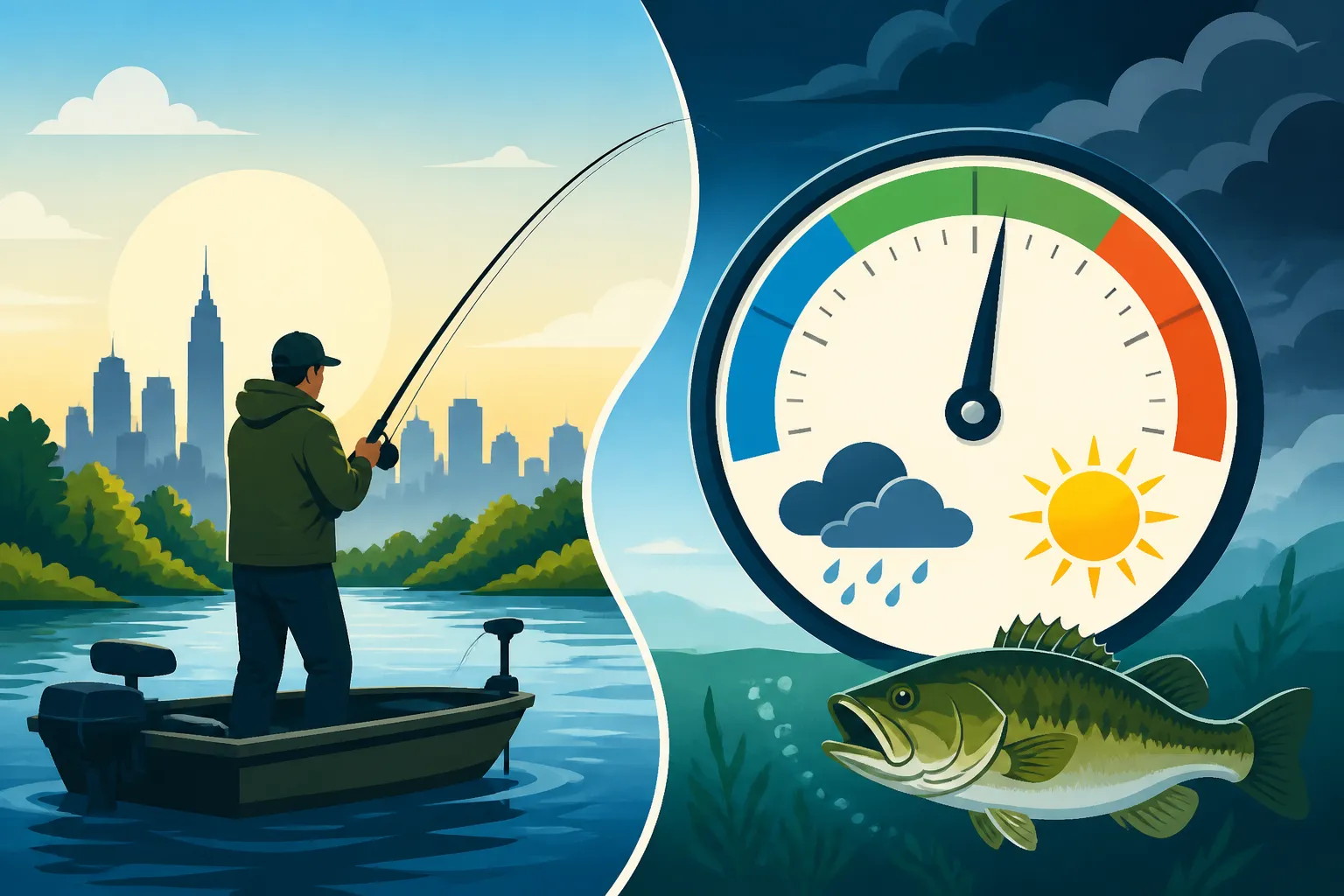
In simple terms, barometric pressure is the weight of the air pushing down on everything, including our beautiful lakes and rivers here in New York. We measure it in units like millibars or inches of mercury. Think of it like a giant blanket of air above us; sometimes that blanket is heavy (high pressure), and sometimes it's lighter (low pressure). This weight isn't static; it's constantly changing as weather systems move across the landscape. A rising barometer usually indicates clearing skies and fair weather moving in, while a falling barometer often signals an approaching storm or unsettled conditions.
For fish, these changes are incredibly significant. Unlike us, they live submerged in water, which already exerts its own immense pressure. Their bodies are finely tuned to these subtle shifts in atmospheric pressure that transfer directly through the water column. When the pressure changes, it's not just a weather report for them; it's a physiological event. Being able to read these changes is like having an extra piece of intelligence when you're out on the water, helping you figure out why the fish might be acting the way they are.
The Fish's Perspective: Swim Bladder and Pressure Changes
To truly grasp why barometric pressure matters, you need to understand the fish's most sensitive organ to these changes: the swim bladder. This gas-filled sac helps most fish maintain buoyancy in the water column, allowing them to stay at a certain depth without expending too much energy. It's like their internal ballast system, precisely calibrated to the surrounding pressure.
When the atmospheric pressure changes, so does the pressure exerted on the water, and consequently, on the fish's swim bladder. If the pressure drops (low pressure), the gases in their swim bladder can expand. To compensate and avoid floating up, fish often have to move shallower or work harder to stay down. Conversely, when the pressure rises (high pressure), the gases in their swim bladder can compress, making them feel heavier. To compensate, they might move deeper to find more comfortable hydrostatic pressure, or once again, expend more energy to stay at their desired depth. This constant adjustment can make fish uncomfortable, sluggish, or even cause them to feed aggressively as they try to regulate their bodies. It’s a lot like how our ears pop when we drive up or down a mountain—just imagine having to do that constantly!
The discomfort or comfort induced by these pressure fluctuations directly influences a fish's activity level and feeding behavior. A fish that's constantly struggling to regulate its buoyancy isn't going to be thinking about chasing down a meal. This is why knowing how to interpret barometric trends is so important: it gives you a peek into what’s going on inside the fish, allowing you to anticipate their movements and feeding patterns long before you cast a line.
High Pressure Systems: Clear Skies, Tougher Bites
Ah, the beautiful, sunny days after a cold front passes through New York. We love them for picnics and hikes, but for fishing? They can be surprisingly tough. These stable, high-pressure systems often bring with them clear, calm conditions that, while pleasant for us, can spell frustration for anglers.
Stable High Pressure: The "Post-Front" Syndrome
When a high-pressure system settles in after a cold front, you typically see those gorgeous, cloudless blue skies and light winds. While it might look like the perfect day to be on the water, it often ushers in what anglers affectionately (or not-so-affectionately) call the "post-front bite" – or lack thereof. The barometer is high and stable, meaning the air is dense and heavy, putting more pressure on the water. This increased pressure can make fish feel uncomfortable, causing their swim bladders to compress, making them feel heavier and forcing them to expend more energy to maintain depth.
As a result, fish often become sluggish and less active. They'll frequently move deeper, seeking out areas where the hydrostatic pressure of the water itself can counteract the increased atmospheric pressure, bringing their internal systems back into equilibrium. You'll find them holding tight to structure, suspended in open water, or simply less willing to chase down a meal. Their metabolism slows, and they become incredibly picky, often ignoring baits that they would readily strike on other days. It’s not that they’re not there; they’re just not in the mood to party. You might need to study up on New York Freshwater Fishing Rules or New York Saltwater Fishing Registration Guide to make sure you're compliant, but understanding the pressure is just as vital to success.
Adjusting Your Strategy for High Pressure
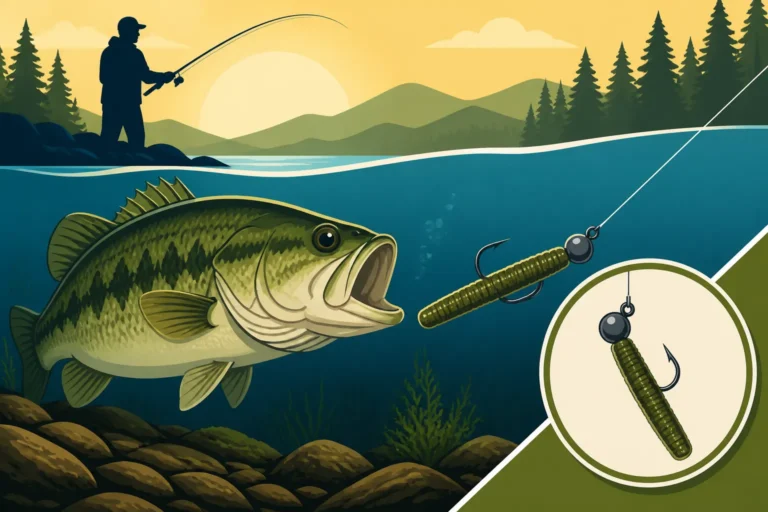
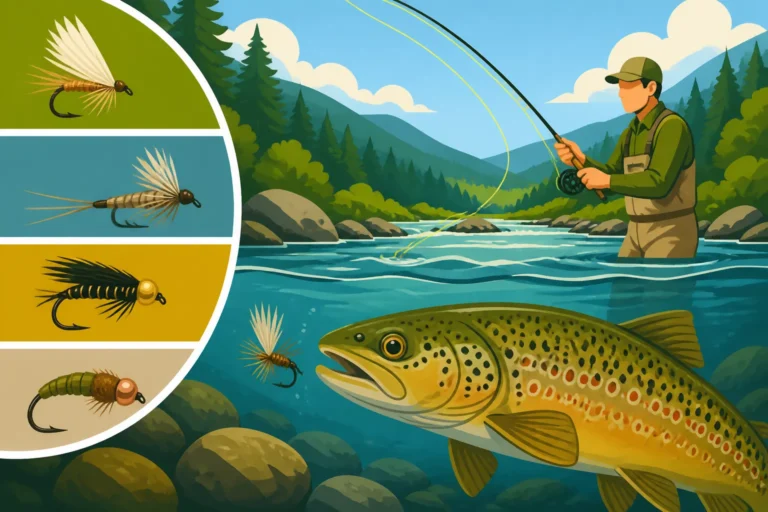
Fishing during stable high-pressure periods requires a significant shift in your approach. Forget power fishing and fast retrieves; this is the time for finesse and patience. Since fish tend to move deeper, targeting drop-offs, submerged structures, or deep weed lines becomes paramount. Think about those hidden pockets where fish can feel safe and comfortable away from the intense surface light and pressure. If you're targeting bass, a slow-crawled jig or a deeply presented shaky head might entice a bite, whereas faster-moving crankbaits will likely be ignored. For trout, try small nymphs or tiny streamers presented meticulously along the bottom of pools or beneath current seams.
Focus on subtle presentations and smaller baits. Instead of a flashy spoon, try a more natural-looking worm or a soft plastic bait on a light line. Slow your retrieve way down, giving fish ample time to inspect your offering without feeling pressured to react quickly. Low-light conditions, such as early morning or late evening, often provide the best windows of opportunity, as the direct sunlight is less intense and fish might venture slightly shallower to feed before retreating to deeper water during the harsh midday sun. Remember, fish are often glued to the bottom or structure during these times, so ensuring your bait reaches their depth is crucial. For specific species like walleye, understanding Best Time to Fish for Walleye in New York in combination with high pressure can make a huge difference.
Low Pressure Systems: Stormy Weather, Hot Bites?
While high pressure often means tough fishing, a dropping or stable low-pressure system can be an angler's best friend. These are the times when fish metabolism often kicks into high gear, and they become much more willing to chase a meal.
Falling Barometer: The Pre-Front Feeding Frenzy
The magical window for many anglers occurs when the barometric pressure is falling, signaling an approaching weather front – think clouds gathering, wind picking up, and a general feeling of change in the air. During this period, fish often sense the impending storm and a shift towards more comfortable, lower pressure conditions. Their swim bladders expand slightly, making them feel lighter and more active, and they often move shallower. This is when many species go on a feeding frenzy, trying to gorge themselves before the actual bad weather hits. It’s a primal urge to fuel up when conditions are favorable.
This pre-front period is often the "best barometric pressure for fishing," particularly for aggressive species like bass, pike, and even trout. Fish become bolder, more willing to leave cover, and less hesitant to strike at a wider variety of baits. You might find fish actively patrolling shallow flats, crashing baitfish schools at the surface, or setting up ambush points near structure, ready to pounce. It’s a great time to engage in "power fishing" tactics, covering a lot of water with fast-moving baits to capitalize on their increased aggression. You don't want to miss these opportunities, especially if you've been having a tough time with the fish, so make sure you're familiar with New York Fishing Season Dates and Catch Limits to maximize your legal fishing time.
Fishing During and After a Low-Pressure Front
While the pre-front drop in pressure is often fantastic, fishing during an actual storm can be a mixed bag, and safety should always be your top priority. Light rain and overcast skies can often prolong the good bite, especially if the pressure remains low and stable. The reduced light penetration from cloud cover can make fish feel more secure in shallower water, and the rain can wash insects and nutrients into the water, triggering a feeding response. However, heavy downpours, lightning, and strong winds are dangerous and best avoided. No fish is worth risking your safety.
Immediately after the storm passes, if the pressure remains low and stable, fishing can still be excellent. The water might be stirred up and slightly stained, which can also be beneficial, providing more cover for predatory fish. However, if a strong cold front quickly follows the low-pressure system, sending the barometer soaring back up to high, stable readings, the bite can shut down just as quickly as it started. This rapid rise in pressure will revert fish to their post-front, sluggish behavior. The key is to monitor those pressure trends closely using a weather app or even a dedicated fishing barometer you can find on platforms like Amazon. This will give you the real-time insight needed to determine if the fish are still in their feeding mood or if it’s time to switch to a more finesse-oriented approach. Keep an eye on How Weather Affects Fishing in New York for a broader understanding of meteorological impacts.
Stable vs. Changing Pressure: The Key to Consistent Success
It's not just about whether the pressure is high or low; the trend of the pressure is often more important than the absolute reading. A stable barometer, whether high or low, allows fish to settle into predictable routines, while rapidly changing pressure can throw them completely off balance.
Stable Barometer: Predictable Patterns
When the barometric pressure remains steady for an extended period, whether it's stably high or stably low, fish tend to establish more predictable patterns. They adjust to the prevailing conditions and find their comfort zones. If it's a stable high-pressure system, they'll likely be deeper and less aggressive, but you can learn their preferred deep structures or cover areas. If it's a stable low-pressure system, they might remain shallower and more active for longer, allowing for consistent success with more aggressive tactics.
The advantage of stable pressure is that once you figure out the pattern, you can often replicate your success day after day, assuming other factors like temperature and forage remain constant. It removes one major variable, allowing you to focus on other elements like structure, bait, and presentation. This is where understanding things like Best Time to Fish for Bass in New York or Best Time of Year to Fish in New York really shines, because you can align your understanding of pressure with seasonal fish behavior. Even if the fishing isn't "on fire," you can still have productive days by understanding where the fish are likely to be and how they're likely to react in those consistent conditions.
Rapidly Changing Pressure: The Toughest Conditions
Conversely, rapidly changing barometric pressure is often the most challenging condition for anglers. This usually happens during the passage of intense weather systems—a sudden, dramatic drop just before a severe thunderstorm, or a sharp, rapid rise immediately following a cold front. During these volatile periods, fish can become completely disoriented and uncomfortable. Their bodies are working overtime to adjust their swim bladders, and their primary focus isn't on feeding.
Rapid pressure changes can cause fish to suspend awkwardly in the water column, move erratically, or simply hunker down and cease all feeding activity. It’s like being on a turbulent airplane ride where your ears keep popping; you’re probably not thinking about eating a gourmet meal. When faced with such conditions, patience is more than a virtue—it's a necessity. You'll need to experiment with different depths, presentation speeds, and bait types. Sometimes, going with something very subtle, like a slow-moving worm or a tiny jig, is the only way to coax a reaction strike. Understanding How to Fish Cold Water in New York and how it interacts with rapid pressure drops can be particularly useful, as fish will often dive even deeper to seek refuge from both cold and pressure fluctuations.
Practical Tools and Tips for Anglers
Knowing about barometric pressure is one thing; effectively using that knowledge on the water is another. Modern technology and some old-school wisdom can give you a significant edge.
Monitoring Barometric Pressure
The good news is you don't need a degree in meteorology to keep tabs on the barometer. The easiest way for most anglers is through their smartphone weather apps. Many popular weather applications now include a barometric pressure trend alongside temperature and precipitation forecasts. Look for apps that show whether the pressure is rising, falling, or stable. Some fishing-specific apps even integrate this data with predicted fish activity, though these should be taken with a grain of salt and combined with your own observations.
For those who prefer a more direct approach, a standalone handheld barometer can be a valuable tool. These devices give you real-time readings and often display a history of pressure trends, which can be incredibly helpful when you're already out on the water and want to see how the conditions are changing. You can find a wide range of reliable handheld barometers on Amazon, from basic analog models to more advanced digital units that log data. Having a dedicated device specifically for fishing can give you a deeper understanding of the micro-climate at your fishing spot, rather than relying on regional forecasts.
Combining Pressure with Other Factors
While barometric pressure is undeniably important, it's just one piece of the puzzle. Truly successful anglers learn to combine pressure readings with other critical environmental factors to form a holistic picture of fish behavior. Water temperature, for instance, is often just as vital, as fish are cold-blooded creatures whose metabolism is directly tied to the water's warmth. A perfect barometric pressure combined with freezing cold water might still mean a tough bite. Likewise, factors like cloud cover, wind direction, and even the Best Moon Phase for Fishing in New York can significantly influence how fish react to a given pressure system.
For example, a falling barometer (good for fishing) on a sunny, calm day might still mean fish are spooky due to lack of cover, whereas the same falling barometer with heavy cloud cover and a light chop on the water could lead to an explosive bite. Species-specific behaviors also play a huge role; what makes a walleye active might be different for a largemouth bass. By consistently observing and noting how fish respond under various combinations of pressure, temperature, light, and wind, you'll develop an intuition that will serve you well on every trip to New York's waters. Learning How to Read a Fish Finder for New York Lakes can also help you confirm fish depth and activity as you correlate with pressure changes.
To help you visualize how different barometric pressure trends might affect your fishing, here's a quick guide:
| Barometric Pressure Trend | Typical Weather | Fish Behavior | Recommended Tactics |
|---|---|---|---|
| Rapidly Falling | Approaching storm, increasing clouds, wind | Highly active, feeding aggressively, often shallower | Power fishing, fast retrieves, reaction baits, cover water |
| Stable Low | Overcast, light rain, humid | Active, feeding, may remain shallower if light is low | Moderate retrieves, varied baits, target structures |
| Rising Slowly | Clearing skies, calm after low pressure | Starting to adjust, possibly moving deeper | Slower presentations, larger baits to entice, look for structure |
| Stable High | Clear skies, calm, sunny, often post-front | Sluggish, less active, often deeper, picky | Finesse techniques, slow retrieves, small baits, target deep cover/structure |
| Rapidly Rising | Sudden clear skies, cold front, strong winds | Very sluggish, disoriented, shut down, deep or suspended | Extremely slow, subtle presentations, patience, small jigs/worms |
Remember, this is a general guideline. Always combine this knowledge with your observations, local intel, and your understanding of the specific fish species you're targeting. For instance, knowing How to Fish for Largemouth Bass in Weeds during stable high pressure means presenting a weightless worm into that deep cover, not just along the edges.
Disclaimer
This article is for general informational purposes only and does not constitute professional advice. Laws, prices and regulations vary by location and change over time. Consult a qualified professional for guidance on your specific situation.