How to Fish for Striped Bass in New York
There’s nothing quite like the electrifying jolt of a striped bass hitting your line, a moment that makes all the early mornings and chilly evenings worth it. But let’s be real, chasing these magnificent fish in New York can feel like solving a complex puzzle, especially with varying regulations and the sheer vastness of our waters. This comprehensive guide is here to untangle that complexity, giving you the knowledge and confidence to consistently hook into some incredible New York striped bass.
Understanding New York's Striped Bass: The Ultimate Gamefish
Striped bass, often affectionately called "stripers," are more than just a fish; they're an icon of East Coast angling, especially here in New York. Their power, size, and migratory habits make them a truly formidable and rewarding target. Getting to know their life cycle and behaviors is the first step to unlocking consistent success.
Striped Bass Biology and Life Cycle in New York Waters
Striped bass, Morone saxatilis, are an anadromous species, meaning they spend most of their lives in saltwater but return to freshwater to spawn. For many New York anglers, this means our beloved Hudson River is a critical nursery and spawning ground. These fish can live for quite a long time, with some individuals reaching over 30 years old. Their growth rate is impressive, and they can reach substantial sizes, which is why we often refer to them as "trophy fish."
Juvenile stripers spend their first few years in brackish estuaries like the Hudson, feeding on a variety of smaller organisms, until they are large enough to venture out into the Atlantic Ocean. Once they migrate, they join the vast coastal population, moving up and down the coast seasonally. Understanding this journey is key to predicting when and where you might encounter them, whether you're fishing in a tidal river or out on the open ocean.
Key Migratory Patterns and Seasonal Presence
The life of a New York striped bass is a journey, dictated largely by water temperature and the availability of food. As the waters warm in spring, usually starting in April, adult stripers move into the Hudson River and other coastal rivers for their spawning run. This is a highly anticipated time for many anglers, offering some of the year's best fishing opportunities. You can learn more about specific timing in our guide to Striped Bass Season on the Hudson Runs April Through November.
After spawning, these fish move back out into the ocean and begin their northward migration along the Atlantic coast, feeding heavily on bunker (Atlantic menhaden), herring, and other baitfish. Throughout summer and into fall, they'll be present along the Long Island coastline, in Long Island Sound, and around the many bays and inlets. As winter approaches and water temperatures drop, they typically migrate south to warmer waters, often off the coast of Virginia and North Carolina, only to return the following spring. This continuous movement means understanding the seasons is paramount to your success.
Identifying Striped Bass vs. Other Similar Species
While seasoned anglers can spot a striper a mile away, it's easy for newcomers to confuse them with similar-looking fish, especially species like white perch or even sometimes a small bluefish. The most distinctive feature of a striped bass is its seven or eight prominent horizontal black stripes running along its silvery body, extending from behind the gills to the tail. These stripes are typically unbroken and clearly defined.
White perch, for instance, are much smaller, rarely exceeding a foot in length, and while they have faint lateral lines, they lack the bold, distinct stripes of a striper. Bluefish, another popular saltwater gamefish in New York, have a more streamlined, torpedo-shaped body, sharp teeth, and a distinctly bluish or greenish back with a silvery belly, completely lacking the prominent stripes. Always be sure of your identification to ensure you're complying with New York's specific regulations for each species.
Prime Locations to Target Striped Bass in New York
New York is truly blessed with an incredible variety of waters, offering fantastic opportunities to pursue striped bass, from vast rivers to bustling coastal areas. Each location presents its own unique challenges and rewards, making it essential to choose your spot wisely based on the time of year and your preferred fishing method.
The Iconic Hudson River: A Striper Haven
When you talk about striped bass in New York, the Hudson River immediately comes to mind. It's a cornerstone of the East Coast striped bass fishery, serving as a primary spawning ground. From the tidal reaches near Troy all the way down to New York Harbor, the Hudson teems with stripers, especially during their spring spawning run and fall migration. This massive river offers diverse environments, from deep channels and rocky shorelines to expansive flats and tributaries, providing ample habitat for stripers.
Anglers often focus on areas with current breaks, structure, or concentrations of baitfish. Spots like the Tappan Zee Bridge, areas around Haverstraw Bay, and the various creeks and flats throughout the lower and mid-Hudson are legendary. Boat fishing is popular here, allowing access to deeper channels, but shore access points are also plentiful, particularly in city parks and designated fishing areas. Many guides specialize in this region, offering insights into New York's Hudson River Striped Bass Guides if you're looking for expert assistance. Remember, while the fishing can be phenomenal, specific catch and release regulations often apply in the Hudson, especially regarding Striped Bass Season Closure Dates on the Hudson.
Long Island Sound and Its Estuaries
Moving east, Long Island Sound offers a completely different but equally productive striped bass experience. This large estuary, bordered by Long Island to the south and Connecticut to the north, is a rich feeding ground for stripers throughout the warmer months. Its diverse bottom structure, rocky reefs, oyster beds, and numerous tidal creeks and rivers make it an ideal habitat. Stripers congregate in the Sound to feed on squid, crabs, and, crucially, vast schools of bunker.
From the western reaches near New York City to the eastern tip, anglers can find success. Popular areas include the western bays of Long Island, the numerous harbors and inlets along both the North and South Shores, and the deeper channels where baitfish funnel through. Fishing from a boat is common here, allowing anglers to target specific reefs and rips, but surf casting from beaches and jetties can also be incredibly productive. Learning about Best Fishing Spots on Long Island Sound can help you pinpoint your next adventure.
Coastal Waters and Surf Casting Hotspots
For many, the quintessential New York striped bass experience involves the raw power of the ocean and the thrill of surf casting. The Atlantic coastline of Long Island, from the Rockaways to Montauk, is legendary for its surf fishing. Here, stripers patrol the wash zone, ambushing baitfish like mullet, sand eels, and bunker that get caught in the waves. Montauk Point, often called "The End," is particularly famous for its incredible fall run fishing, where trophy stripers can be caught from shore.
Beyond Montauk, other significant surf fishing spots include Jones Beach, Fire Island, and various state parks and public access beaches along the south shore of Long Island. Jetty fishing is also highly effective, allowing anglers to cast into deeper water and target fish holding around structure. These areas can be incredibly dynamic, with changing tides and currents, making them exciting and challenging. Access is often seasonal, so always check local regulations before you go.
Essential Gear for New York Striped Bass Anglers
One of the most common frustrations for new anglers is feeling overwhelmed by the sheer volume of gear options available. But don't worry, you don't need to break the bank to get started chasing stripers in New York. The key is choosing reliable equipment that matches the type of fishing you plan to do. A good starting point can be finding quality essentials on a platform like Amazon, which offers a wide range of options.
Rods, Reels, and Line: Matching Your Setup to the Method
Choosing the right rod and reel combination is crucial for enjoying your striper fishing experience and successfully landing these powerful fish. For general boat fishing or light-to-medium surf casting, a medium-heavy spinning rod, 7 to 9 feet in length, paired with a 5000-7000 series spinning reel, is a versatile choice. This setup provides enough backbone to handle a good-sized striper while still being comfortable to cast all day. For heavier surf casting, especially with larger lures or bait, you might opt for a longer rod, 10 to 12 feet, with a more robust 8000-10000 series reel.
When it comes to line, braided line is almost universally preferred for striped bass. Its lack of stretch offers superior sensitivity, allowing you to feel even the lightest bites, and its thinner diameter means you can spool more strong line onto your reel. A good starting point is 30-50 pound test braided line. Always tie a fluorocarbon leader, typically 30-60 pound test, to your braid. Fluorocarbon is nearly invisible underwater and more abrasion-resistant, offering a critical buffer against rocky bottoms and sharp gill plates.
Terminal Tackle Essentials: Hooks, Leaders, and Weights
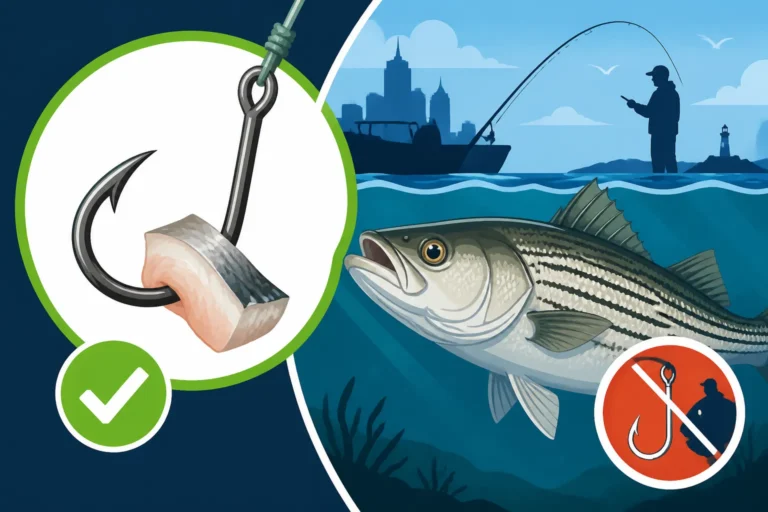
Terminal tackle refers to all the bits and pieces at the end of your fishing line. For striped bass, this means sturdy hooks, strong leaders, and appropriate weights. Circle hooks are now a mandatory requirement when fishing for striped bass with bait in New York waters, as they significantly reduce gut-hooking and improve the chances of a successful release. You can delve deeper into this vital regulation with our guide on Striped Bass Circle Hook Requirement. Sizes can range from 5/0 to 9/0, depending on the bait size.
For leaders, 30-60 pound fluorocarbon is standard. The length can vary from 24 inches to several feet, depending on your rig and fishing conditions. Always check for nicks and abrasions after fighting a fish or getting snagged. Weights, such as pyramid or bank sinkers, are necessary for bottom fishing with bait, ensuring your offering stays in the strike zone. The weight needed will depend heavily on the current; a good rule of thumb is to use just enough weight to hold bottom without constantly dragging. Having a variety of weights on hand, easily found on Amazon, is always a good idea.
Specialized Equipment for Shore and Boat Fishing
While a general setup will get you by, certain specialized items can greatly enhance your fishing success and comfort, whether you're fishing from shore or a boat. For surf anglers, a sturdy sand spike is indispensable for holding your rod while waiting for a bite, saving your arms from constant holding. A surf bag, equipped with various plugs, bucktails, and soft plastics, allows for quick lure changes, and a comfortable pair of waders can extend your casting reach.
Boat anglers will benefit from a reliable fish finder or depth sounder to locate structure and bait schools. A net with a long handle and rubberized mesh is crucial for safely landing larger fish, minimizing stress on the fish and preventing hooks from tangling. Rod holders, either flush-mount or rail-mount, keep your rods secure while trolling or bottom fishing. Don't forget essentials like pliers, a cutting tool, and a measuring tape, regardless of where you fish.
Mastering Live and Cut Bait Techniques for Stripers
There’s an undeniable truth in fishing: sometimes, nothing beats the real thing. Live and cut baits are incredibly effective for striped bass, often out-producing lures, especially when fish are lethargic or picky. The key is understanding what they eat and how to present it naturally.
The Art of Fishing Live Bait: Bunker, Eels, and Mackerel
Live bait fishing for striped bass is an exciting and often highly productive method. The most popular live baits in New York are bunker (Atlantic menhaden), eels, and sometimes mackerel or herring. Bunker are a primary forage fish for stripers, especially in the Hudson River and Long Island Sound. You can often spot schools of bunker on the surface, or sometimes even net them yourself. Presenting a live bunker, either free-lined with a circle hook through its nose or back, or under a float, can be irresistible to a hungry striper.
Eels are another classic striper bait, particularly effective at night. They’re tough, wiggly, and stripers absolutely love them. Rigging an eel involves hooking it through the lips with a large circle hook, allowing it to swim freely. Mackerel and herring, while less common for live bait in all New York waters, are phenomenal where available, especially in cooler, more northern waters or offshore. The frantic swimming action of a live baitfish is a powerful trigger for a predatory striped bass, making them incredibly effective when trying to learn How to Fish for Striped Bass on New York's Hudson River.
Effective Cut Bait Rigs and Presentations
When live bait isn't an option or fish are feeding on something less active, cut bait can be a game-changer. Fresh bunker chunks are arguably the most popular and effective cut bait for stripers. The oily, smelly nature of bunker releases a strong scent trail that stripers can detect from a distance. Other effective cut baits include clam bellies, squid, and even pieces of mackerel.
The most common rig for cut bait is a fish-finder rig or a simple high-low rig. A fish-finder rig allows the fish to take the bait without feeling the weight of the sinker, leading to more confident bites. It consists of a sliding sinker on your main line, followed by a swivel, a fluorocarbon leader (24-48 inches), and then a circle hook. For surf fishing, a pyramid sinker often works best to hold bottom in the waves. Always use fresh bait; stale or frozen-then-thawed bait loses much of its appeal. Getting familiar with Best Bait for Striped Bass will certainly give you an edge.
Chumming Strategies for Attracting Striped Bass
Chumming is the practice of dispersing bait into the water to attract fish to your fishing area. For striped bass, especially in areas like the Hudson River or Long Island Sound, chumming can be incredibly effective. The goal is to create a scent trail that draws fish in and keeps them around your boat or shoreline. Bunker is king for chumming, either ground-up bunker deployed in a chum pot or simply cut into small pieces and thrown overboard at regular intervals.
When chumming, it's crucial to match your fishing bait to your chum. If you’re chumming with bunker, fish with bunker chunks or live bunker. The idea is to make your hooked bait indistinguishable from the free offerings. Don't overdo it; a steady, light stream of chum is more effective than dumping a large amount at once, which can quickly fill up the fish. You can find excellent quality frozen bunker blocks for chumming on Amazon. This technique works wonders, especially if you're trying to figure out How to Chum for Striped Bass effectively.
Top Lure Fishing Strategies for Aggressive Stripers
There’s a special kind of thrill that comes from tricking a powerful striped bass into striking an artificial lure. Lure fishing for stripers is dynamic, engaging, and highly rewarding, offering anglers a chance to actively hunt these fish rather than passively wait for a bite.
Plugging and Topwater Action: The Thrill of the Strike
For many, the most exciting way to catch a striped bass is on a topwater plug. There's nothing quite like seeing a large striper explode on a surface lure, creating a dramatic splash and a heart-stopping moment. Topwater plugs like poppers and walk-the-dog style baits (e.g., Heddon Super Spook or Gibbs Dannys) are fantastic for this, especially during low light conditions or when stripers are actively chasing bait on the surface.
Beyond topwater, other hard plugs are incredibly effective. Swimmers and minnow plugs, like the Bomber Long A or Yo-Zuri Mag Darter, imitate baitfish and can be deadly when retrieved steadily or with a twitch-pause retrieve. Pencil poppers are also excellent for covering large amounts of water and attracting attention. Color choice often depends on water clarity and available forage, but white, chartreuse, and natural baitfish patterns are always good starting points. Surf casters, especially, rely heavily on a diverse arsenal of plugs to mimic different baitfish in various conditions.
Jigging and Soft Plastics: Versatility for All Depths
Jigging with lead head jigs and soft plastics offers immense versatility for targeting striped bass, from shallow flats to deep channels. Bucktail jigs are a classic and highly effective option. They can be fished with a variety of retrieves – bounced along the bottom, jigged vertically, or even cast and reeled steadily. Adding a pork rind or a soft plastic trailer to a bucktail can enhance its action and appeal, particularly when trying to imitate squid or a fleeing baitfish.
Soft plastic paddletails and jerk shads, rigged on a weighted swimbait hook or a jig head, are also incredibly potent. Brands like Z-Man and Keitech offer incredibly lifelike options. These lures can be cast and retrieved, jigged vertically, or even trolled. Their natural swimming action and soft feel often entice strikes even from wary fish. For deeper water or strong currents, heavier metal jigs, often called diamond jigs or butterfish jigs, can be dropped to the bottom and quickly jigged up to trigger reaction strikes. This method is particularly effective when targeting schooling stripers holding near structure.
Trolling for Trophy Striped Bass
Trolling is a highly effective method for covering large expanses of water and targeting bigger, often deeper-holding striped bass, particularly from a boat. This technique involves dragging lures or baits behind a moving boat at a controlled speed. Umbrella rigs, Mojo rigs, and large diving plugs are commonly used when trolling for stripers. Umbrella rigs, which consist of multiple lures trailing behind a main lure or spreader bar, mimic a school of baitfish and can be incredibly effective for attracting multiple strikes.
When trolling, varying your speed, depth, and lure presentation is key. Different lures are designed to run at different depths, and using planer boards or downriggers can help you get your baits into the desired strike zone. Keep an eye on your fish finder for bait schools and any marks that indicate stripers. Trolling can be particularly productive in large open areas of Long Island Sound or the lower Hudson, especially during peak migration periods when fish are spread out and actively feeding.
Navigating New York's Striped Bass Regulations
Let’s face it, fishing regulations can be a headache. They change, they vary by location, and it’s easy to get confused. But when it comes to striped bass in New York, understanding and adhering to the rules isn’t just about avoiding a fine; it’s about protecting a vital resource for future generations of anglers. Always consult the New York State Department of Environmental Conservation (DEC) website for the most current regulations, or pick up a copy of the New York DEC Fishing Regulations Guide.
Understanding Season Dates, Size Limits, and Bag Limits
New York's striped bass regulations are designed to manage the fishery sustainably, and they often change to reflect the health of the stock. Therefore, it's absolutely crucial to check the specific season dates, minimum and maximum size limits, and daily bag limits before you head out. These regulations can differ significantly between different bodies of water, such as the Atlantic Ocean, Long Island Sound, and the Hudson River. For instance, the New York Striped Bass Length Requirements might be different in a bay compared to the open ocean.
Generally, there will be a slot limit, meaning you can only keep fish that fall within a specific size range (e.g., 28 to 31 inches). This protects both juvenile fish, allowing them to mature, and large, reproductively important spawning females. The bag limit usually restricts anglers to one fish per person per day. These limits are subject to change, so a quick check online or with a local bait shop can prevent any unwelcome surprises from a conservation officer.
Circle Hook Requirements and Conservation Efforts
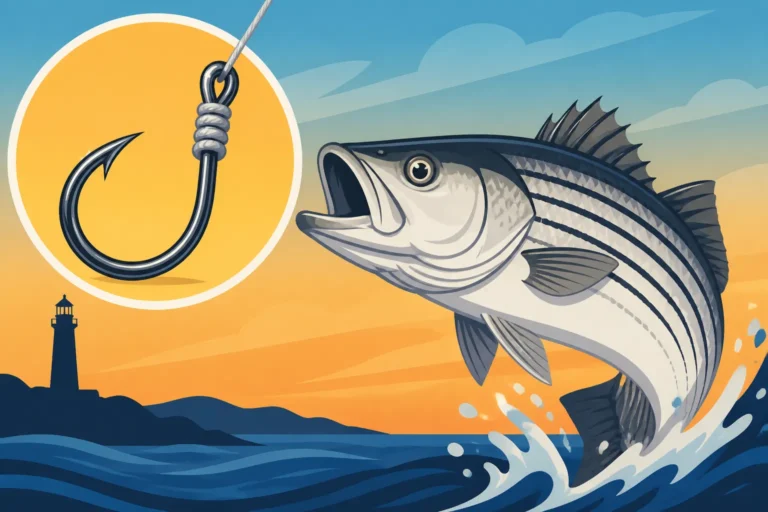
A significant and vital regulation for striped bass fishing in New York, and throughout much of the East Coast, is the mandatory use of circle hooks when fishing with bait. This rule was implemented to dramatically reduce "gut-hooking" – where a fish swallows a J-hook deep into its digestive tract, making release deadly. Circle hooks are designed to hook fish in the corner of the mouth, increasing survival rates for released fish.
This regulation applies to both recreational and charter anglers when using natural bait. Even if you plan to keep your fish, using a circle hook is required. Anglers are encouraged to learn how to properly use and fish with circle hooks, as they require a slightly different hook set technique than traditional J-hooks (usually just reeling until the fish is on, rather than a hard "snap" set). This commitment to conservation, especially for released fish, is paramount to maintaining a healthy striped bass population.
Special Regulations for Specific Waters (e.g., Hudson River)
While many regulations are statewide, specific bodies of water often have unique rules, and the Hudson River is a prime example. Due to its role as a critical spawning ground and its historical environmental challenges, the Hudson River often has distinct season dates and slot limits for striped bass that differ from coastal waters. For example, during certain times, there might be specific catch-and-release only periods or more restrictive size limits to protect spawning fish.
It's also important to be aware of any potential fish consumption advisories that might be in place for specific areas, including the Hudson River, due to historical contaminants. These advisories don't prohibit fishing, but they provide guidance on safe consumption levels for various species, including striped bass, especially for vulnerable populations like children and pregnant women. Always check these advisories to make informed choices about eating your catch. A quick search for "New York Fishing Regulations Explained" will lead you to the most updated information.
Reading the Water: Tides, Weather, and Time of Day
Successful striped bass fishing isn't just about having the right gear or knowing the right spot; it's about understanding the environment. Stripers are highly sensitive to changes in their surroundings, and learning to "read the water" by paying attention to tides, weather, and time of day can dramatically increase your catch rates.
Tidal Influences and Current Breaks
For fishing in tidal waters like the Hudson River, Long Island Sound, or any coastal estuary, understanding the tides is paramount. Striped bass are powerful swimmers, but they often use the currents to their advantage, ambushing baitfish that are pushed along by the moving water. The beginning and end of a tide (the "slack tide") can be productive as fish spread out, but often the strongest feeding windows occur during the moving tides, particularly the outgoing tide as it sweeps bait out of estuaries.
Current breaks, which are areas where the flow of water changes direction or intensity (like behind a point, a bridge abutment, or a submerged rock pile), are prime ambush points for stripers. They'll sit in these calmer areas, expending less energy, waiting for baitfish to be swept past them. Learning how the tide affects current flow in your chosen fishing spot, and identifying these current breaks, will be a game-changer. Local tide charts, easily accessible online or through fishing apps, are your best friend here.
Weather Patterns and How They Affect Striper Behavior
Like most fish, striped bass are influenced by weather. Overcast days, for instance, can often lead to more aggressive feeding throughout the day because the low light conditions make stripers feel more secure. Conversely, bright, sunny days might push them into deeper water or shaded areas, making them less active. Wind can also be a significant factor; a light chop on the water can break up the surface, making it harder for baitfish to see predators and easier for stripers to hunt.
However, strong winds can make fishing difficult and even dangerous, especially for smaller boats. Rain can sometimes trigger a bite, as it washes bait and nutrients into the water, but heavy downpours can muddy the water, making it harder for stripers to hunt by sight. Always pay attention to the forecast, not just for your safety, but to anticipate how the fish might be behaving. Sometimes, slightly less "perfect" weather conditions for humans can be ideal for fishing.
Best Times of Day for Striped Bass Action
While stripers can be caught at any time of day, certain windows tend to be far more productive. Generally, low light conditions are prime time. This means dawn, dusk, and nighttime. During these periods, stripers, especially larger ones, are often more willing to venture into shallower water to feed, and they lose some of their wariness. Fishing for striped bass at night, often with live eels or dark-colored plugs, can be incredibly rewarding, yielding some of the biggest fish. Our guide on How to Fish for Striped Bass at Night offers detailed strategies.
However, depending on the tide and specific location, mid-day can also produce, especially on overcast days or in areas with strong current. During the hot summer months, the night bite becomes even more crucial, as water temperatures can push fish into deeper, cooler water during the day. Always factor in the time of day, combined with tidal stages, to maximize your chances.
Here's a quick look at how these elements interact:
| Factor | Ideal Conditions for Striped Bass | Why It Matters |
|---|---|---|
| Tide | Moving tides (incoming/outgoing) | Pushes bait, creates current breaks, active feeding. |
| Moon Phase | New or Full Moon | Stronger tides during new/full moons often equate to more active fish. |
| Time of Day | Dawn, Dusk, Night | Low light increases striper confidence, especially in shallow water. |
| Weather | Overcast, light chop, stable front | Reduces visibility for bait, breaks up surface, comfortable for fish. |
| Water Temp. | 55-70°F (spawning/feeding range) | Key indicator for migration and active feeding; too hot/cold slows metabolism. |
| Barometric Pressure | Stable or slowly falling | Stable pressure generally means stable fish behavior; drastic changes can shut them down. |
Advanced Tips and Tricks for Consistent Striper Success
Once you've got the basics down, you can start refining your approach to become a more consistent and successful striped bass angler in New York. It's about thinking like a fish and understanding their habitat more intimately.
Locating Structure and Forage for Productive Spots
Striped bass are predatory, and predators need two things: places to hide or ambush from (structure) and food (forage). Learning to identify these key elements is critical. Structure can be anything from rocky reefs, jetties, bridge pilings, and submerged wrecks to channel edges and sudden depth changes. These areas offer stripers cover, current breaks, and prime ambush points. Using a good quality fish finder if you're on a boat, or carefully observing your surroundings if fishing from shore, can reveal these hidden hotspots.
Equally important is locating forage. If there's no bait, there are unlikely to be many stripers. Keep an eye out for signs of baitfish: diving birds, splashes on the surface, or even "nervous water" – subtle ripples that indicate schools of bait just below the surface. In saltwater, bunker, herring, and sand eels are primary forage. In the Hudson, alewives and white perch are also important. Fishing where the bait is will almost always put you on the fish.
Stealth and Presentation: Minimizing Your Footprint
Striped bass, especially larger, older fish, can be incredibly wary. While they are aggressive predators, they are also easily spooked. Excessive noise on a boat (dropping tackle, loud talking), bright lights at night, or casting a heavy lure with a loud splash in shallow water can all send fish scattering. Being mindful of your "footprint" on the water is crucial, particularly when fishing in calm, clear conditions or in shallower areas.
Presentation of your bait or lure is also key. Whether you're casting a live bunker or jigging a soft plastic, aim for a natural, unhurried presentation. Your lure should mimic an injured or fleeing baitfish, not a clumsy, unnatural object. If using bait, ensure it drifts naturally with the current. This attention to detail can often be the difference between a productive day and a frustrating one. Sometimes, even having a pair of polarized sunglasses, available on Amazon, can help you spot subtle movements without disturbing the fish.
Ethical Angling and Catch-and-Release Practices
As responsible anglers, we have a duty to ensure the health of the striped bass fishery for future generations. This means practicing ethical angling, especially when releasing fish. Many regulations are designed to promote catch and release, and knowing how to properly handle a fish you intend to release is vital for its survival.
Minimize handling time; get the fish in, unhook it, and get it back in the water as quickly as possible. Use a wet hand or gloves if you must touch the fish, to protect its protective slime coat. If the fish is gut-hooked despite using a circle hook, cut the line as close to the hook as possible rather than trying to remove the hook, which often causes more internal damage. For larger fish, cradle them horizontally and support their belly, especially during a quick photo, before gently releasing them headfirst into the current. By following these practices, we all contribute to a thriving striped bass fishery in New York.
Disclaimer
The information provided in this guide is for general informational purposes only and is not intended to be a substitute for consulting official New York State Department of Environmental Conservation (DEC) regulations. Fishing rules and regulations, including season dates, size limits, and bag limits, are subject to change without notice. Always check the current DEC official website or obtain a printed copy of the regulations before engaging in any fishing activity in New York waters. Failure to comply with regulations can result in fines and penalties.