New York DEC Fishing Regulations Guide
The sheer volume of fishing regulations in New York can feel like trying to untangle a bird's nest of fishing line – confusing, frustrating, and seemingly endless. Many of us have been there, standing by the water, scratching our heads about bag limits or season dates. This comprehensive guide will cut through the clutter, demystifying the New York Department of Environmental Conservation (DEC) fishing regulations so you can spend less time worrying and more time enjoying the incredible angling opportunities our state offers.
Understanding the DEC's Role in New York Fisheries
It’s easy to feel like the DEC is just a bunch of bureaucrats making rules, but their role in our beloved New York fishing scene is far more profound and vital. They are the guardians of our aquatic resources, working tirelessly to ensure the health and sustainability of fish populations across the state. Without their dedicated efforts, the vibrant fisheries we enjoy today might very well dwindle.
The Mission of the DEC in Fisheries Management
The New York State Department of Environmental Conservation, or DEC as we all know it, isn't just a regulatory body. It's the dedicated steward of our state's incredible aquatic resources. Their mission is multifaceted, focusing on protecting, conserving, and managing fish and wildlife populations, as well as their habitats. This means they're constantly monitoring fish stocks, assessing environmental health, and implementing programs to ensure that future generations can enjoy the same, if not better, fishing experiences we do today.
Think about it: without the DEC, our precious waterways would be vulnerable to overfishing, pollution, and the unchecked spread of invasive species. They're the ones behind the scenes, conducting surveys, stocking programs for various trout and salmon species, and working tirelessly to maintain ecological balance. Their work is vital for keeping our lakes, rivers, and coastal waters teeming with diverse and healthy fish. It's a huge undertaking, balancing the needs of anglers, environmental conservation, and the economic benefits that recreational fishing brings to communities across the state.
This stewardship isn't just about fish; it's about the entire ecosystem. The regulations they put in place, from catch limits to seasonal closures, are all designed with this broader picture in mind. They consider everything from spawning cycles and water temperatures to predator-prey dynamics and habitat integrity. It’s a science-backed approach, even if it sometimes feels a bit overwhelming to us on the fishing end. Their efforts extend to everything from the Adirondack ponds to the Great Lakes, ensuring that both pristine wilderness and bustling urban waterways are managed responsibly.
How Regulations Are Developed and Updated
You might wonder how these regulations actually come into being, and why they seem to change every so often. It's not just a bunch of folks in an office throwing darts at a calendar. The DEC's regulations are the result of extensive scientific research, data collection, and public input. Biologists collect data on fish populations, growth rates, spawning success, and angler harvest. This scientific information forms the bedrock of their decision-making.
Once data is analyzed, the DEC proposes changes or new regulations. This isn't the final step, though. They hold public comment periods, workshops, and hearings where anglers, conservation groups, and other stakeholders can voice their opinions and provide valuable real-world observations. It’s a process designed to be transparent, allowing us, the fishing community, to have a say in how our fisheries are managed. After considering all input, the final regulations are adopted and published. This is why it's so important for us to stay informed and even participate in these public forums when they arise. It’s our chance to help shape the future of fishing in New York. You can learn more about how to keep up with these changes by checking out the official New York DEC Fishing Regulations Guide each year.
The dynamic nature of fish populations and environmental conditions means that regulations aren't static. What works one year might not work the next due to climate change, new invasive species, or shifts in fish behavior. For example, a severe winter or a hot, dry summer could impact certain fish stocks, necessitating adjustments to catch limits or season lengths. The DEC is constantly adapting, and while it might sometimes feel like a moving target, it's all for the long-term health and sustainability of our beloved fisheries. This adaptive management approach is critical for responding to environmental challenges and ensuring resilient fish populations.
Key Regulatory Areas You Need to Know
One of the biggest hurdles for new and even experienced anglers in New York is figuring out which set of rules applies to them. Our state offers an incredible diversity of fishing environments, from vast freshwater lakes to expansive saltwater estuaries, and each comes with its own specific guidelines. Getting a handle on these key distinctions is foundational to responsible angling.
Freshwater vs. Saltwater Regulations
One of the most common sources of confusion for New York anglers is distinguishing between freshwater and saltwater rules. It’s not a one-size-fits-all situation, and getting it wrong can lead to some hefty fines. Essentially, New York State divides its waters into two main categories, each with its own set of rules, licenses, and even reporting requirements. Understanding this fundamental distinction is your first step to legal and responsible angling.
For freshwater fishing, you'll generally need a valid New York State fishing license. This covers everything from the mighty Great Lakes tributaries and the Finger Lakes to the smallest trout streams in the Catskills and Adirondacks. The rules for freshwater fishing, including season dates and catch limits, are specific to individual species and often vary by water body or region. It’s a nuanced system, acknowledging the diverse ecosystems across the state. For instance, the regulations for bass in Lake Erie might be different from those in a small private pond in the Hudson Valley. You can dive deeper into these specific rules by reading about New York Freshwater Fishing Rules.
Saltwater fishing, on the other hand, operates under a slightly different framework. While you don't typically need a traditional license for saltwater angling, you do need to register with the New York State Recreational Marine Fishing Registry. This registration is free, but it's absolutely mandatory for anyone 16 years or older fishing in marine waters, which include the Atlantic Ocean, Long Island Sound, and their tidal tributaries. This registry helps the DEC and NOAA Fisheries gather vital data on marine recreational fishing, which in turn informs management decisions for saltwater species. Many anglers have been caught off guard by this requirement, so it's crucial to remember that "free" doesn't mean optional! For more details on this, check out our guide on the New York Saltwater Fishing Registration Guide.
Understanding Fishing License Requirements
Let's talk licenses. If you're planning to drop a line in any freshwater body in New York and you're over the age of 16, you almost certainly need a New York State fishing license. This includes residents and non-residents alike, with different fee structures for each. It’s a simple piece of paper (or digital file on your phone!) that grants you the legal right to participate in one of New York's most cherished outdoor traditions. Without it, you’re not just breaking the rules; you’re potentially risking fines and losing your gear.
There are various types of freshwater fishing licenses to choose from, designed to fit different needs and budgets. You've got your annual licenses, which are great for dedicated anglers who hit the water frequently throughout the year. Then there are shorter-term options like 1-day or 7-day licenses, perfect for a quick weekend trip or if you’re just visiting the state. For our more seasoned anglers, there are even discounts available for seniors over a certain age. Understanding the options is key to getting what you need without overspending or falling short of compliance. A great resource for exploring these choices is our detailed guide on the New York Resident Fishing License Cost. We also have a specific guide for new anglers in our New York Fishing License Guide if you're just starting out.
When purchasing your license, you'll find plenty of options. You can easily buy them online through the DEC's licensing system, which is super convenient. Many local bait and tackle shops, sporting goods stores, and even some town clerk offices are also authorized vendors. Always make sure to carry proof of your license, whether it's the physical copy or a digital version on your phone, whenever you're out fishing. Conservation officers do check, and it's always better to be prepared than to face the embarrassment and consequences of being caught without one. Just a heads up, even if you buy a brand-new rod from Amazon and are super eager to use it, you still need that license! It’s also important to remember to check if Do Kids Need a Fishing License to Fish in New York? as the rules differ for younger anglers.
The Importance of the Marine Fishing Registry
As we touched on earlier, the New York State Recreational Marine Fishing Registry is a critical component for saltwater anglers. While it’s often confused with a license, it serves a slightly different, yet equally important, purpose. For anyone aged 16 or older engaging in recreational marine fishing, including spear fishing, out to three miles offshore, this free registration is absolutely non-negotiable.
Why is it so important? This registry allows the DEC and federal agencies like the National Oceanic and Atmospheric Administration (NOAA) to collect vital data on recreational fishing effort and harvest in marine waters. This information is crucial for assessing fish stocks, understanding fishing pressure, and developing sustainable management plans for species like striped bass, fluke, and bluefish. Without this data, it would be much harder to make informed decisions that protect these valuable resources for the long haul.
Registering is straightforward and can be done quickly online through the DEC’s website. You'll simply provide some basic personal information, and you're good to go. It’s an annual registration, so remember to renew it each year. Many times, I've heard stories of anglers who thought because it was free, it wasn't a big deal, only to find themselves in a bind when a conservation officer asked for their registration. It's a small step that makes a big difference in the grand scheme of marine conservation. So, before you head out to Long Island Sound or the Atlantic, make sure your New York Saltwater Fishing Registration Guide is complete! You don't want to get caught without it.
Navigating Specific Species Regulations
Once you have your license or marine registry squared away, the next challenge is understanding the specific rules for the fish you're targeting. New York is home to a fantastic array of fish, and the DEC has meticulously crafted regulations to protect each species, often tailoring rules to specific water bodies or regions. This means a little homework goes a long way.
Trout and Salmon: The Kingpins of Freshwater
For many New York anglers, trout and salmon are the ultimate freshwater prizes. Our state is blessed with incredible opportunities for species like brook trout, brown trout, rainbow trout (including their anadromous steelhead cousins), lake trout, and various salmon species like Chinook and Coho. However, with great fishing comes specific responsibilities, and the regulations for these prized fish are often among the most detailed and variable.
Generally, trout season in New York officially opens on April 1st, but this isn't a hard and fast rule for every single water body. Many streams, especially in the Catskills and Adirondacks, have special regulations like catch-and-release-only sections, artificial lures only, or unique season dates to protect sensitive wild trout populations. It's not uncommon to find a stream where the general statewide limit might be five trout, but a specific section of that same stream might be entirely catch-and-release with certain gear restrictions. Always consult the Special Regulations by County section in the official guide for the specific water you plan to fish. You can also explore our article on New York Trout Season Opening Day for more details.
When it comes to salmon, particularly the mighty Chinook and Coho in Lake Ontario and its tributaries, the regulations shift to focus on their annual runs. These magnificent fish migrate up rivers like the Salmon River in Oswego County in the fall, drawing anglers from all over the world. The DEC sets specific season dates and catch limits for these runs, which are crucial for maintaining healthy spawning populations. Additionally, a "Trout Stamp" or "Freshwater Fishing Stamp" may be required as an add-on to your fishing license if you plan to target trout and salmon in certain waters. It's an extra layer of regulation that ensures dedicated funding for their management. To understand if you need one, check out our guide on What Is a Trout Stamp?. These specific regulations are designed to protect these iconic species and ensure their long-term viability, so understanding them is paramount.
Bass, Walleye, and Other Popular Game Fish
Beyond trout and salmon, New York boasts fantastic fishing for a variety of other popular game fish, each with its own set of rules. Largemouth and smallmouth bass are incredibly popular, found in virtually every corner of the state, from the St. Lawrence River to the Finger Lakes. Their seasons typically include a catch-and-release period in spring, followed by an open season with specific bag and size limits. These regulations are designed to protect bass during their crucial spawning periods, ensuring future generations of healthy fish. For instance, New York Bass Season Dates are a critical piece of information for any bass angler.
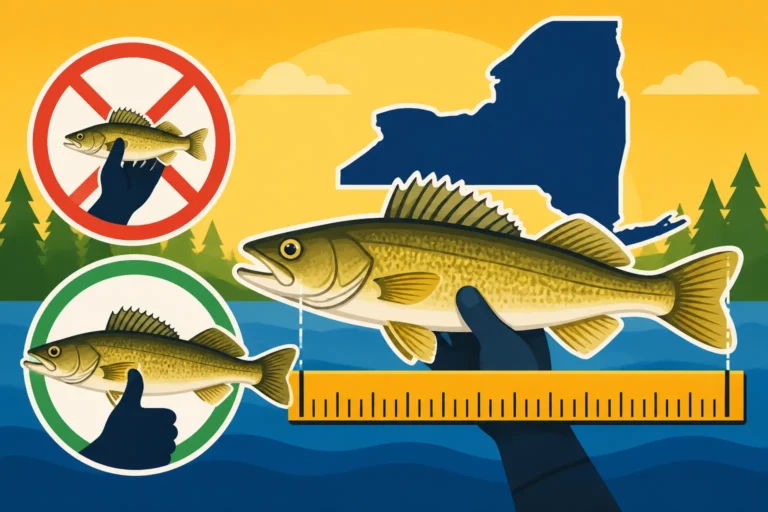
Walleye, known for their delicious fillets and elusive nature, are another highly sought-after species, particularly in waters like Lake Erie, Oneida Lake, and the Bay of Quinte. Walleye regulations usually involve specific minimum size limits and daily creel limits. These are put in place to manage the population, allowing enough fish to reach maturity and spawn effectively. It's not uncommon to see different regulations for walleye on different lakes, reflecting the unique characteristics and fishing pressure each water body experiences. Our article on New York Walleye Season and Limits provides an in-depth look.
Other popular species like northern pike, muskellunge (including the impressive tiger muskie), and panfish such as perch and crappie, also have their own seasonal and creel limits. Muskellunge, being a true trophy fish, often have very large minimum size limits, sometimes exceeding 40 inches, to allow these slow-growing giants to reach their full potential. Panfish, while smaller, are often managed with generous limits due to their abundance and faster reproduction rates. It’s always best practice to check the current New York Fishing Season Dates and Catch Limits before heading out, as these can change annually based on biological surveys and management goals.
Saltwater Species: Limits and Seasons
Stepping into the marine environment, the regulations for saltwater species like striped bass, fluke (summer flounder), bluefish, and tautog are just as crucial as their freshwater counterparts. These rules are often influenced by both state and federal management plans, given the migratory nature of many ocean species. For example, striped bass regulations are complex, involving slot limits (a range of legal sizes you can keep), season closures, and even gear restrictions, such as the mandatory use of circle hooks when fishing with natural bait.
Striped bass, being one of the most iconic saltwater species in New York, are subject to particularly dynamic regulations aimed at rebuilding their populations. A "slot limit" means you can only keep fish that fall within a specific length range, say from 28 to 31 inches, and any fish larger or smaller must be released. This helps protect both juvenile fish and large, breeding adults, which are critical to the fishery's health. Missing these specific measurements or seasons can lead to significant penalties, so having a reliable measuring device from a store like Amazon and knowing the current New York Striped Bass Length Requirements is essential.
Fluke, bluefish, and other bottom fish also have their own unique sets of rules, including minimum sizes, daily bag limits, and specific open seasons. These can vary not only year to year but sometimes even by region within New York's marine district. For instance, the fluke regulations in Long Island Sound might differ slightly from those in the open Atlantic waters off Montauk. The best advice for saltwater anglers is to always consult the current marine fishing regulations guide published by the DEC, as these are frequently updated to respond to stock assessments and federal mandates. Ignorance of the law is never an excuse, especially when it comes to preserving our ocean fisheries.
General Fishing Rules and Equipment
Beyond the specific rules for different fish species, there are overarching regulations that govern the act of fishing itself. These general rules are designed to promote ethical angling, prevent the spread of diseases and invasive species, and ensure that our waterways remain healthy and productive for everyone.
Legal Fishing Methods and Gear Restrictions
Beyond species-specific regulations, there are general rules that govern how we can actually go about fishing in New York. These regulations cover everything from the number of lines you can use to the types of gear that are permissible. The goal is to ensure fair chase, prevent overharvest, and maintain the safety of both anglers and wildlife.
In most freshwater situations, New York generally allows anglers to use up to two lines, each with a single hook or artificial lure. However, this is a general guideline, and specific waters may have different rules. For instance, certain trophy trout waters might restrict you to only one line or specific types of artificial lures to reduce mortality rates for released fish. Ice fishing, a popular winter activity, often allows for a greater number of lines, typically up to five tip-ups or jigging rods, but even those have specific rules about attendance and tagging. It's never safe to assume; always verify the local rules.
Saltwater fishing typically has fewer restrictions on the number of lines, especially when fishing from a boat. However, certain gear types might be prohibited or required for specific species. As mentioned, circle hooks are now mandatory for striped bass when using natural bait. There are also rules about snagging, chumming, and using certain netting devices. The bottom line is that while many techniques are broadly legal, checking for exceptions or special conditions for your specific fishing location and target species is paramount. A good fishing guide, often available in digital format for your e-reader or physical copy from Amazon, can be an invaluable companion for understanding these nuances.
Bait Rules and Invasive Species Concerns
What you use to attract fish is just as regulated as the fish themselves. New York has very strict rules regarding bait, especially live bait, primarily to prevent the introduction and spread of invasive species. This is a huge concern because invasive species can decimate native fish populations and severely disrupt ecosystems. Transporting bait from one water body to another is one of the quickest ways to spread these unwanted guests.
For instance, using baitfish from one body of water in another is often prohibited unless specifically allowed and processed in certain ways. This means that little shiners you caught in Lake X can't just be dumped into Lake Y. There are also specific lists of prohibited invasive baitfish species. If you buy live bait from a bait shop, it must typically be certified disease-free and often comes with receipts that specify its origin. Always "Know Vexar" which refers to the mesh bags often used for baitfish from DEC-certified dealers. If you're using bait, make sure to read up on the Rules on Using Live Bait in New York to ensure you're compliant and not inadvertently harming our waterways.
Beyond live bait, even practices like proper disposal of unused bait, cleaning your boat and gear, and draining live wells before leaving a water body are critical for preventing the spread of aquatic invasive species. Zebra mussels, quagga mussels, round gobies, and viral hemorrhagic septicemia (VHS) are just a few examples of invaders that can cause immense damage. The DEC's "Clean, Drain, Dry" initiative is not just a suggestion; it's a vital part of responsible angling that every fisherman and woman must adhere to. Being diligent about this helps protect the fishing we all cherish.
Catch-and-Release Best Practices
For many of us, fishing isn't just about harvesting dinner; it's about the thrill of the chase and the joy of a healthy release. In New York, catch-and-release is a common practice, sometimes even mandated by regulation, especially for trophy fish or during spawning seasons. However, simply tossing a fish back isn't enough; doing it correctly is vital for the fish's survival.
The DEC promotes specific catch-and-release best practices to minimize stress and injury to the fish. This includes using appropriate tackle to land the fish quickly, minimizing handling time out of the water, and using wet hands to protect the fish's protective slime coat. If you’re targeting fish that you intend to release, consider using single, barbless hooks, which make removal much easier and less damaging. Forceps or needle-nose pliers are indispensable tools for quick and safe hook removal.
For species like trout and salmon, especially during warmer water temperatures, the stress of being caught can be significant. If water temperatures are high, it might be best to avoid targeting these fish altogether, as their survival rates after release drastically decrease. When releasing, gently hold the fish in the water, facing upstream, until it regain its strength and can swim away on its own. Never just toss a fish back into the water from a height. This conscientious approach ensures that the fish you release has the best possible chance of thriving and contributing to future generations of anglers. It’s a sign of a truly ethical and responsible fisherman.
Where to Find Official Information and Resources
Feeling overwhelmed by all these regulations? Don't worry, you're not alone! The good news is that the DEC provides a wealth of resources to help you stay informed and compliant. Knowing where to look for the most accurate and up-to-date information is half the battle.
The Official DEC Fishing Regulations Guide
While guides like this one aim to simplify and explain, the absolute, undisputed authority on New York fishing regulations is the official New York State Fishing Regulations Guide published annually by the DEC. This comprehensive booklet is your Bible for legal fishing. It contains all the statewide regulations, special regulations by county and specific water bodies, season dates, catch limits, license information, and vital conservation messages.
You can usually pick up a physical copy of this guide for free at any licensed fishing agent – think your local bait shop, sporting goods store like Dick's Sporting Goods or Bass Pro Shops, or a DEC office. Many anglers keep a copy in their tackle box or boat bag, ready for quick reference. The DEC also makes a digital version available as a PDF on their website, which you can easily download to your phone or tablet. I always recommend having a digital copy saved on your device for quick access, especially when out on the water where cell service might be spotty.
Don't rely solely on word-of-mouth or outdated information from a friend. Regulations change, and what was legal last year might not be this year. Make it a yearly ritual to review the new guide, even if you think you know the rules inside and out. There's always some small update or clarification that could save you a headache (or a fine!). Keeping up-to-date with the New York DEC Fishing Regulations Guide is arguably the most important step for any responsible angler.
Online Resources and Mobile Apps
In this digital age, the DEC has done a pretty good job of making information accessible online, supplementing the physical guide. Their official website is a treasure trove of information, offering not just the full regulations guide but also links to fishing reports, stocking schedules, public fishing access maps, and news updates relevant to anglers. It’s a dynamic platform that's updated more frequently than the annual printed booklet.
Beyond the official DEC site, several reputable third-party websites and mobile applications can help you navigate regulations. While I always stress cross-referencing with the official DEC source, some apps are designed to provide quick access to state-specific regulations, often with geo-location features that can show you rules pertinent to your exact fishing spot. Just make sure the app you use pulls its data directly from official DEC sources and is regularly updated. Searching for "fishing regulations New York" on your app store, or even on Amazon for a digital version of a fishing almanac, can yield useful tools.
The convenience of having this information at your fingertips, whether through a web browser on your phone or a dedicated app, cannot be overstated. Imagine being out on Lake Erie, unsure about the walleye limit, and being able to pull up the exact regulation in seconds. This greatly reduces the chances of unintentional violations and allows you to fish with confidence. Plus, many of these online resources also offer valuable educational content, helping you become a more informed and effective angler.
Local Bait Shops and Sporting Goods Stores
While online resources are fantastic, never underestimate the power of local knowledge and the personal touch you get from your bait shop owner or a seasoned employee at a sporting goods store. These individuals are often lifelong anglers themselves, deeply embedded in the local fishing scene. They not only sell you the bait and tackle but also serve as invaluable community hubs for fishing information.
Many bait shops are official license vendors, meaning they'll always have the latest printed DEC regulations guide available. More importantly, they often have real-time, hyper-local insights into specific regulations, recent changes, and how those rules are being enforced. They can tell you about any special closures, temporary restrictions, or even unwritten etiquette for a particular spot. For instance, if you're wondering about the latest New York Resident Fishing License Cost, they can probably tell you off the top of their head, or certainly look it up for you.
When you're shopping for new gear, say a fishing rod or a tackle box from Amazon or your local sporting goods store, don't hesitate to strike up a conversation with the staff. Ask them about the local fishing conditions, what's biting, and if there are any specific regulations you should be aware of for the waters you plan to visit. Their practical experience can often provide context to the written rules, helping you understand why certain regulations are in place. These local experts are an amazing complement to the official DEC resources, providing that crucial bridge between official policy and real-world application.
New York Fishing Regulations At a Glance (General Statewide Rules)
Understanding the general framework of New York's fishing regulations can be a great starting point, though remember that always checking specific guides for your chosen body of water and species is crucial. This table offers a simplified overview of common regulations for popular species.
| Species | General Season | Daily Limit | Minimum Size | Special Notes |
|---|---|---|---|---|
| Freshwater | ||||
| Trout (Brown, Rainbow) | April 1 – Oct 15 (statewide) | 5 | 9-12 inches | Varies widely by stream/region; often catch-and-release areas. |
| Lake Trout | Year-round (some exceptions) | 3 | 21 inches | Different limits on Great Lakes, Finger Lakes. |
| Largemouth Bass | June 15 – Nov 30 (Open) | 5 | 12 inches | Catch & Release only before June 15 in most areas. |
| Smallmouth Bass | June 15 – Nov 30 (Open) | 5 | 12 inches | Catch & Release only before June 15 in most areas. |
| Walleye | May 1 – March 15 (statewide) | 5 | 18 inches | Varies by waterbody (e.g., Lake Erie, Oneida Lake). |
| Northern Pike | May 1 – March 15 | 5 | 18 inches | 22 inches on Lake Champlain. |
| Muskellunge | June 1 – Nov 30 | 1 | 40 inches | 54 inches on St. Lawrence River. Check specific waters. |
| Panfish (Perch, Bluegill, Crappie) | Year-round | 50 | No min. size | Some waters have specific limits. |
| Saltwater | ||||
| Striped Bass | Varies by season/zone | 1 | Slot limit | Check current slot limits (e.g., 28"-31"). Circle hook required for bait. |
| Fluke (Summer Flounder) | May 4 – Oct 9 (NY Marine Waters) | 4 | 18.5 inches | Check for potential changes yearly. |
| Bluefish | Year-round | 3 or 10 | No min. size | 3 fish for private boats/shore, 10 for for-hire vessels. |
| Tautog (Blackfish) | Oct 1 – Dec 14 (South of Pt. Judith, RI) | 3-6 | 16 inches | Varies by season and region; often split seasons. |
Note: This table is a simplified guide. Always refer to the most current official New York State Fishing Regulations Guide for precise and up-to-date information for your specific fishing location and time of year.
Disclaimer
Please remember that fishing regulations are subject to change. While we strive to provide the most accurate and up-to-date information, it is your responsibility as an angler to consult the official New York State Department of Environmental Conservation (DEC) fishing regulations guide before you head out on the water. This article is intended for informational purposes only and should not be considered a substitute for the official DEC publication.