Rules on Using Live Bait in New York
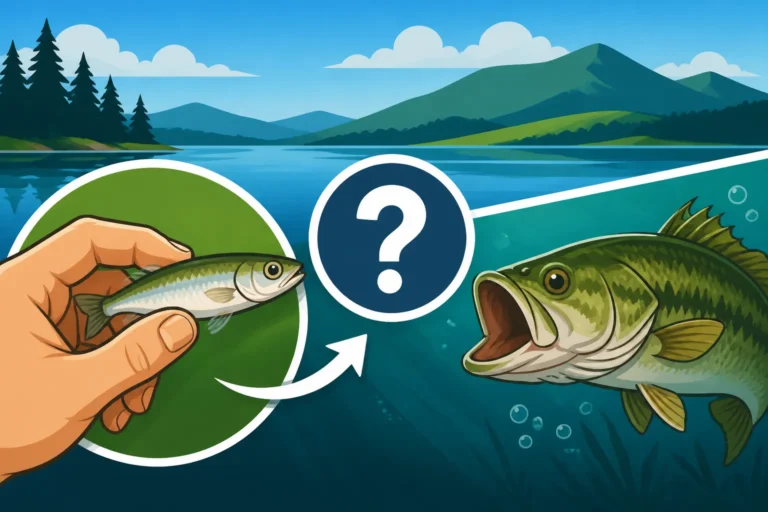
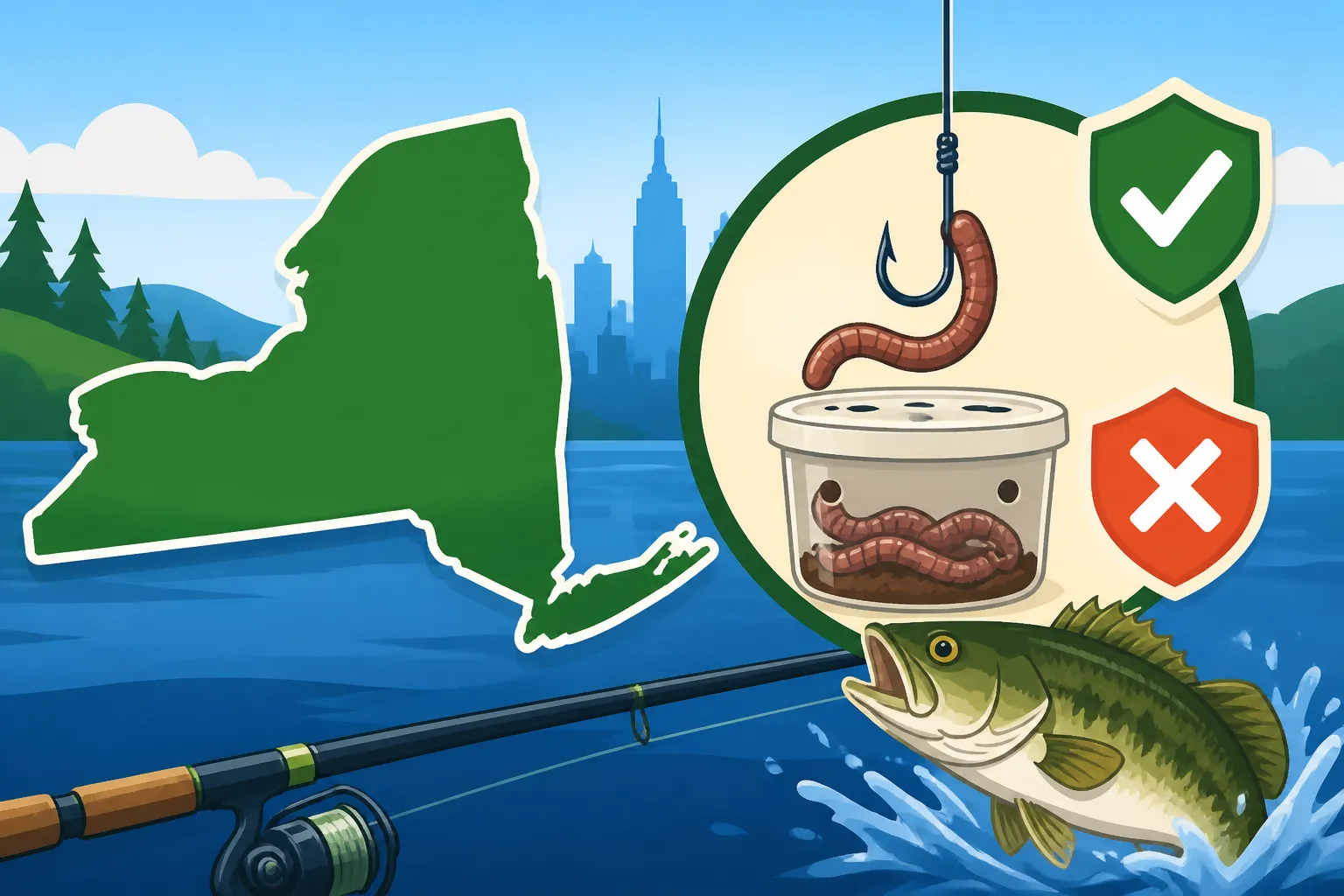
Oh, the age-old question of live bait! It seems so simple, doesn't it? You just want to use a few minnows or worms to catch some fish, but then you start hearing whispers about regulations, invasive species, and certified bait, and suddenly your relaxing day on the water feels like a pop quiz on ecological policy. It's truly frustrating trying to keep up with all the nuances. This guide is here to untangle the web of rules around using live bait in New York, helping you understand exactly what's allowed, what's not, and why, so you can fish with confidence and peace of mind.
The Complex World of Live Bait Regulations in New York
When it comes to fishing in New York, a lot of folks just grab their trusty worm bucket or a tub of minnows and head out. But the truth is, the world of live bait isn't as straightforward as it seems. The New York State Department of Environmental Conservation (DEC) has put a lot of thought into these regulations, and while they might seem like a hassle, they're in place for some very important reasons. Understanding the 'why' behind the rules can really help in adhering to them.
Why So Many Rules?
You might wonder why there are so many specific rules just for a handful of live bait options. The primary reason is to protect New York's diverse aquatic ecosystems from devastating threats like invasive species and disease. Imagine introducing a foreign species of bait fish into a lake where it has no natural predators. It could outcompete native fish for food, disrupt the food web, and even alter the entire habitat, leading to a collapse of the local fishing. We've seen this happen in other parts of the country, and New York is keen to prevent similar scenarios.
Beyond invasive species, there's also the very real risk of spreading diseases. Things like Viral Hemorrhagic Septicemia (VHS) or whirling disease can be carried by bait fish, even if they appear healthy. Once introduced into a new waterbody, these pathogens can quickly decimate fish populations, affecting both sport fish and the ecosystem as a whole. So, while it feels like bureaucracy, these rules are vital safeguards for the health of our lakes, rivers, and streams. It's all about ensuring the vibrant fishing opportunities we enjoy today are there for future generations, too. You can learn more about these broader protections in our guide to New York Fishing Regulations Explained.
General Principles for Live Bait Use
Generally speaking, the overarching principle for live bait in New York is to prevent the movement of anything potentially harmful from one waterbody to another. This means that if you're using bait, it should ideally originate from the same waterbody you're fishing, or it should be purchased from a certified bait dealer. The idea is to limit the risk of transferring organisms or diseases that don't naturally belong in a particular area.
For many common baits like worms, grubs, and crickets, the rules are often more relaxed, as these terrestrial creatures pose less of a threat to aquatic ecosystems. However, when you start getting into aquatic live baits – especially minnows, shiners, or even crayfish – that's when the regulations become much stricter. The DEC wants to ensure that any fish or aquatic invertebrates used as bait are either native to the waterbody or come from a source that's been verified as disease-free and non-invasive. Always check the specific regulations for the water you plan to fish, as different waterbodies can have very different guidelines. Our New York Freshwater Fishing Rules offers a comprehensive look at what you need to know for inland waters.
Specific Restrictions and Prohibited Live Baits
Diving a bit deeper, it's not just about if you can use live bait, but which live bait and how you procure and use it. New York has very specific lists of what's allowed and what's strictly off-limits, largely to combat the dual threats of ecological disruption and disease transmission.
Bait Fish Species You Cannot Use
The most critical restriction centers around certain species of bait fish that are either invasive or carry a high risk of disease. For instance, species like the Round Goby, which is an extremely aggressive and prolific invasive fish found in the Great Lakes and some of their tributaries, are strictly prohibited from being used as bait. Moving even one of these fish to another waterbody could unleash an ecological disaster, as they outcompete native species and eat their eggs. Similarly, any species that isn't native to New York's waters, or that is designated as a protected species, cannot be used.
The general rule of thumb is: if you didn't buy it from a certified bait dealer with a receipt, or if you didn't catch it directly from the waterbody you are currently fishing, you should be extremely cautious. It's illegal to transport most aquatic bait animals from one body of water to another, even if they're "native" species. This prevents accidental transfers. Ignorance of the law is never an excuse, so staying informed is paramount.
Prohibited Collection Methods
It's not just the species of bait that's regulated, but also how you collect it. Many anglers enjoy catching their own bait, and in New York, that's often allowed, but with limitations. For example, in many freshwater bodies, minnows, shiners, and other small bait fish can be collected using minnow traps or seine nets, but there are size restrictions on these devices and specific areas where their use is prohibited. Using larger nets, electrofishing equipment, or any method that could harm the general fish population or damage habitat is strictly forbidden.
Furthermore, any bait collected must be used in the same waterbody from which it was taken. You cannot catch minnows from one lake and then transport them, even a short distance, to another. This is a key measure to prevent the spread of diseases and invasive species. The DEC's regulations are quite clear on this point, and violating these collection and transportation rules can result in significant penalties. Our detailed guide on Bait Fish Collection Rules delves deeper into the specifics of what you can and cannot do when gathering your own bait.
Disease Concerns and Certified Bait
The threat of disease is a major driver behind New York's live bait regulations. Diseases like Viral Hemorrhagic Septicemia (VHS) can be carried by many different fish species without showing immediate symptoms. If you introduce an infected bait fish into a healthy waterbody, you could inadvertently trigger an outbreak that devastates the native fish populations. This is why the concept of "certified bait" is so important.
Certified bait refers to bait fish that have been tested and verified as disease-free by a licensed facility. When you purchase certified bait, especially from a reputable bait shop, they should provide you with a receipt that indicates the bait's origin and certification. This receipt is your proof that you're using bait that meets DEC standards. If you're going to use live bait that could carry disease, such as minnows or suckers, always purchase it from a DEC-registered bait dealer and keep your receipt handy. Even then, you can usually only use it in the waterbody you bought it for, or one very specifically designated. Discarding unused bait inappropriately is also a big no-no, as it poses the same risks.
Navigating Waterbody-Specific Regulations
One of the trickiest aspects of fishing in New York, particularly with live bait, is that the rules aren't always uniform across the entire state. What's perfectly legal in Lake Erie might be strictly prohibited in a small Adirondack pond. This is where local knowledge and diligent research become your best friends.
The Importance of DEC Special Regulations
The New York DEC publishes an annual Fishing Regulations Guide, which is an absolute must-read for any angler. Within this guide, you'll find a section dedicated to "Special Regulations by Waterbody." This is where things get granular. Some lakes, reservoirs, or even specific river stretches might have unique rules regarding bait use, catch limits, or even allowed fishing methods. For example, certain trout streams or remote Adirondack ponds might be designated "artificial lures only" to protect delicate wild trout populations from bait-related mortality or disease introduction.
It's not uncommon to find rules like "no baitfish allowed," "only worms allowed," or specific restrictions on the size and type of bait fish permitted. These special regulations are often implemented based on local ecological conditions, the presence of vulnerable species, or concerns about preventing the spread of specific invasive organisms unique to that area. Always consult the official DEC guide or their website before heading out to a new spot. This is especially true for popular destinations like the Finger Lakes or the tributaries of the Great Lakes. You can find more specific rules for unique locations in the New York Special Regulations Waters List.
Example Scenarios: Lakes, Rivers, and Ponds
Let's consider a few hypothetical, but very common, scenarios. If you're fishing a large, active fishery like Lake Ontario for salmon or steelhead, you might find that using live alewives (if legally obtained and certified) or even smelt is permissible, as these are part of the existing ecosystem. However, if you then decide to take your leftover live bait to a pristine, isolated trout pond in the Catskills, you'd likely be breaking the law. That small pond might have a strict "no live bait fish" rule to prevent the introduction of foreign species or diseases that could wipe out its native brook trout.
Rivers often have a mix of regulations, too. A slow-moving section of the Hudson River might allow a wider array of bait, while a fast-flowing trout stream further upstream could be "flies and artificial lures only." Even within the same waterbody, rules can change seasonally, tied to specific fish spawning periods. For example, during certain times, some areas might become catch-and-release only or have bait restrictions. Always double-check the current New York Fishing Season Dates and Catch Limits for the specific species you're targeting.
Bait Fish Collection Rules
Collecting your own bait can be a rewarding part of the fishing experience, but it’s crucial to know the rules. In New York, you are generally allowed to collect minnows, suckers, chubs, and other non-game fish for use as bait, but with significant caveats. First, you must have a valid New York fishing license to collect baitfish. Second, the collection must occur in waters that are not designated as trout waters or otherwise restricted. The methods are also regulated: you can typically use a minnow trap, seine net (usually not exceeding 20 feet in length and 4 feet in depth), dip net, or cast net.
The most important rule, as mentioned before, is that any bait fish you collect must only be used in the same waterbody from which they were taken. You cannot transport them to another lake, river, or pond. This is a critical barrier against invasive species and disease. Any unused bait must either be released back into the waterbody it came from (if healthy) or disposed of on land, never in another waterbody. This might seem inconvenient, but it’s a non-negotiable step to protect New York’s aquatic environments. For more specifics, check out the Can I Use Minnows as Bait in New York Lakes? guide.
Best Practices for Responsible Live Bait Angling
Beyond simply following the letter of the law, responsible angling means adopting best practices that help protect the very resources we enjoy. Live bait fishing, perhaps more than any other method, carries a higher potential for ecological impact if not done thoughtfully.
Preventing the Spread of Invasive Species
This is arguably the most important responsibility for live bait anglers. Every time you move fishing gear or bait from one waterbody to another, you risk transporting aquatic invasive species (AIS). These can include tiny larvae, eggs, plant fragments, or even microscopic organisms clinging to your boat, trailer, waders, or bait bucket. The "Clean, Drain, Dry" mantra is crucial here:
- Clean: Inspect and remove all visible mud, plants, fish, and animals from your boat, trailer, waders, and equipment. This includes your bait bucket! Rinse everything thoroughly.
- Drain: Completely drain all water from your boat, livewell, bilge, and bait buckets before leaving the access site. Don't carry water from one lake to another.
- Dry: Allow all equipment to thoroughly dry for at least 5 days before using it in another waterbody. If drying isn't possible, a high-pressure wash with hot water can also be effective.
Never release unused bait fish or other aquatic organisms into any waterbody unless they originated from that same waterbody. Even if they appear harmless, you could be introducing a devastating problem. Always dispose of unused bait on land or in the trash.
Ethical Considerations and Conservation
Responsible live bait angling also encompasses ethical considerations. When using live bait, it's crucial to minimize harm to both the bait itself and any fish you catch. This means using appropriate hook sizes, avoiding deep hooking, and handling fish gently if you intend to release them. Using circle hooks for many species, particularly striped bass in certain areas of the Hudson River, is not just a regulation but an ethical practice to improve survival rates of released fish. This is important for many of the Fish Species You Can Catch in New York.
Beyond immediate handling, conservation also means thinking about the future. Support efforts to control invasive species, advocate for clean water, and stay informed through resources like the New York DEC Fishing Regulations Guide. By being proactive and mindful, we contribute to a healthier environment and ensure that the joy of fishing continues for generations to come.
Essential Gear for Live Bait Anglers
Having the right gear isn't just about catching more fish; it's also about managing your live bait responsibly and efficiently. A good quality bait bucket or livewell is paramount for keeping your bait alive and healthy. Look for insulated options, especially during warmer months, and consider one with a built-in aerator to ensure oxygen levels remain high. You can find excellent portable aerators and bait buckets on platforms like Amazon, offering a wide range of sizes and features to suit your specific needs.
Beyond the bucket itself, a small mesh net for easily retrieving bait, a sturdy pair of pliers for hook removal, and perhaps a small cutting board and knife for preparing larger bait are all valuable additions to your tackle box. Don't forget a cooler with ice for storing any harvested fish, as proper storage contributes to the quality of your catch. Many anglers also find specialized bait hooks and sinkers helpful for presenting live bait naturally and effectively. Shopping for these items on Amazon can provide a good overview of the options available.
Summary of New York Live Bait Rules
To help simplify things, here's a quick overview of the general principles regarding live bait in New York. Remember, these are general guidelines, and waterbody-specific rules always take precedence.
| Aspect of Live Bait Use | Generally Allowed | Generally Prohibited | Key Considerations |
|---|---|---|---|
| Terrestrial Baits | Worms, grubs, crickets, grasshoppers, mealworms | Live aquatic insects from other waterbodies | Low risk of invasive species/disease spread. |
| Aquatic Baits (General) | Bait fish caught in the same waterbody you are fishing | Bait fish transported from any other waterbody | Highest risk for invasive species and disease. Always verify source. |
| Certified Bait | Purchased from a DEC-registered dealer with a receipt | Uncertified bait of aquatic origin | Essential for minnows/shiners. Keep receipt as proof of origin. |
| Collection of Bait Fish | Using legal nets/traps in non-restricted waters | Transporting collected bait to a different waterbody | Must have fishing license. Use bait only in water it was collected from. |
| Disposal of Unused Bait | On land, in trash, or back into original waterbody | In any other waterbody or storm drain | Prevents spread of disease and invasive species. |
| Special Regulations | Check DEC guide for specific waterbody rules | Assuming state-wide rules apply everywhere | Many waterbodies have "artificial lures only" or "no bait fish" rules. |
Disclaimer
The information provided in this guide is intended for general informational purposes only and does not constitute legal advice. Fishing regulations in New York are subject to change, and specific rules can vary significantly by waterbody and season. Always consult the official New York State Department of Environmental Conservation (DEC) Fishing Regulations Guide or the DEC website for the most current and accurate information before engaging in any fishing activities. Compliance with all applicable laws and regulations is the sole responsibility of the angler.