New York Ice Fishing Rules
There's nothing quite like the crisp air and serene solitude of a New York winter day spent out on the hard water. But let's be honest, the thought of bundling up, drilling holes, and trying to coax fish from under a sheet of ice can be intimidating enough without having to navigate a maze of confusing regulations. Many anglers, new and experienced alike, get bogged down wondering if the rules change once the lakes freeze over. This comprehensive guide is here to cut through that ice, laying out all the essential New York ice fishing rules, from licensing to line limits and everything in between, so you can focus on the tug at the end of your line instead of worrying about a DEC officer.
The Basics: Do You Even Need a License for Ice Fishing in New York?
This is often the first question that pops into an angler's mind when considering ice fishing. The short answer is yes, with very few exceptions, the same licensing requirements that apply to open water fishing also apply to ice fishing in New York. The ice might be thick, but the rules are pretty much the same!
General Fishing License Requirements
You might be out on a frozen lake, perhaps somewhere like Oneida Lake for walleye or a small Adirondack pond for brook trout, but you're still engaging in fishing. Therefore, a valid New York State fishing license is almost always a requirement. The state Department of Environmental Conservation (DEC) enforces these regulations year-round to manage fish populations and fund conservation efforts. Imagine heading out with all your gear, setting up your shanty, and just as you get that first bite, a DEC officer checks for your license, only for you to realize you're not properly covered. That's a quick way to ruin a perfectly good ice fishing day and potentially incur a fine.
When it comes to who needs a license, age is a key factor. In New York, all anglers aged 16 and older must possess a valid fishing license. This means if you're planning a family ice fishing trip, your teenage kids or any adult friends will need their own licenses. For those wonderful little ones under 16, they generally don't need a license, which is a fantastic way to introduce them to the sport without the added paperwork. This can be particularly confusing for parents, so it's always good to double-check the specifics regarding Do Kids Need a Fishing License to Fish in New York?.
Furthermore, whether you're a lifelong New Yorker or visiting from out of state, the type of license you need, and its cost, will differ. New York residents generally pay a lower fee for their annual fishing licenses. If you're an out-of-state angler visiting for a weekend trip to hit some of the state's prime ice fishing spots, you'll need to look into a non-resident license, which might come as an annual, 7-day, or even 1-day option. Understanding the difference between a New York Resident Fishing License Cost and a New York Nonresident Fishing License Cost is crucial to avoid any unwelcome surprises. Always secure your license before heading out onto the ice, either online through the DEC website, at a licensed vendor like Walmart or a local bait shop, or even at a town clerk's office.
The Marine Fishing Registry for Saltwater Ice Fishing
Now, here's where things get a little more nuanced, and it's a point of confusion for many anglers. While most ice fishing in New York happens on freshwater lakes and ponds, there are a few opportunities for saltwater ice fishing in specific brackish bays and estuaries, particularly around Long Island. If your ice fishing adventure takes you to these saltwater areas, like some sheltered parts of Long Island Sound or certain back bays, then the standard freshwater fishing license isn't enough on its own.
For recreational marine fishing, including ice fishing in designated marine waters, New York State requires anglers to enroll in the free New York State Recreational Marine Fishing Registry. This isn't a license you purchase, but rather a registration that helps the state monitor fishing effort and populations in saltwater environments. The good news is, as its name implies, the Marine Fishing Registry is indeed free, so it won't add to your out-of-pocket expenses. You can easily sign up online through the DEC website.
The question then often arises: "Do I need both a freshwater license and a marine registry if I'm doing saltwater ice fishing?" The answer is generally no, not simultaneously for the same act of fishing. If you are exclusively ice fishing in waters designated as marine, you need the marine registry (if you're 16 or older). However, if you plan to fish freshwater during other times of the year, or even freshwater and saltwater on the same trip (which is unlikely for ice fishing unless you're traversing very specific estuaries), then you would need both. For most ice anglers, if you're on a true freshwater lake, only the standard fishing license is needed. But if you venture into brackish or saltwater bodies, ensure you've covered your bases with the New York Recreational Marine Fishing Registry. It's a quick and essential step that will keep you on the right side of the law.
Understanding Ice Safety and When It's Even Legal to Be Out There
Beyond the paperwork, the most critical aspect of ice fishing in New York, or anywhere for that matter, is safety. The DEC regularly issues warnings, but ultimately, it's on each individual angler to assess the conditions. Mother Nature doesn't care if you have a license; she cares about ice thickness!
Essential Ice Thickness Guidelines
When you're out on the ice, safety isn't just a suggestion; it's the number one rule. The allure of early season ice or the stubborn desire to get one last trip in late spring can be tempting, but it's during these times that ice is most unpredictable. The DEC, along with many experienced ice anglers, provides clear guidelines on ice thickness for safe travel. These aren't just arbitrary numbers; they are based on extensive experience and tragic accidents.
For a single person walking on foot to fish, a minimum of 3 to 4 inches of clear, solid new ice is generally recommended. This is enough to support your weight and basic gear. However, if you're planning on bringing along a group of friends or family, perhaps for a social day of ice fishing on a popular spot like Lake George, you'll want more. A minimum of 5-7 inches is recommended for small groups or activities like ice skating. Thinking of bringing out an ATV or snowmobile to cover more ground on a larger lake? You'll need at least 8-12 inches of solid ice. And for those who enjoy the comfort of a small passenger car on the ice, you're looking at a serious minimum of 12-15 inches of clear, solid ice. These are minimums, and more ice is always better.
It's absolutely crucial to remember that ice thickness can vary wildly, even on the same body of water. Current holes, springs, inlets, outlets, and areas with currents (like those found on rivers or larger lakes) will always have thinner ice, often unpredictably so. You might find 8 inches of ice in one spot and only 20 feet away, find a dangerously thin patch. Always check the ice as you go, drill test holes, and never venture out alone. Carrying safety equipment like ice picks, a spud bar (to test ice ahead of you), and a throw rope is not optional; it's mandatory for a responsible ice angler. Understanding How Thick Does Ice Need to Be to Fish Safely? is your first step to a successful and safe outing.
New York's Ice Fishing Season Dates
Unlike some other states or specific hunting seasons, New York doesn't typically have a rigid, statewide "ice fishing season" with set opening and closing dates. For the vast majority of waters across the state, ice fishing is legal as long as the general fishing season for the species you are targeting is open, and, critically, as long as there is safe, fishable ice. This means that if the walleye season on Oneida Lake is open, and there's enough solid ice to walk on safely, you can ice fish for walleye. The same applies to panfish, trout, and other species.
However, there are always nuances and exceptions. Some specific bodies of water, or even certain regions, may have special regulations that define specific ice fishing seasons or closures. For instance, some trout ponds might have specific winter closures or special regulations for ice fishing, particularly for stocked waters. It's always, always best practice to consult the current New York State Freshwater Fishing Regulations Guide, often referred to as the "DEC Guide," before heading out. This guide will provide detailed, water-specific regulations that might supersede the general rules. You can usually pick up a physical copy at most bait and tackle shops or DEC offices, or download a digital version from the DEC website.
The common misconception, "Is Ice Fishing Legal Year-Round in New York?", is something many new anglers wonder about. While you can technically fish year-round for many species in open water, ice fishing is, by its very nature, restricted to when safe ice forms. Once the ice melts, you transition back to open water fishing, and the specific regulations for those times apply. So, while there's no official "ice fishing season," the presence of safe ice dictates the practical season, and the species-specific seasons dictate what you can legally target. Always be aware of the daily limits and minimum sizes for the fish you're pursuing, as these apply whether you're fishing through a hole in the ice or from a boat.
Gear and Tactics: Rules Around Your Setup
Once you've got your license and you're confident in the ice conditions, it's time to set up your gear. Ice fishing involves specific tools and techniques, and just like open water fishing, there are rules dictating how many lines you can use, what bait is allowed, and even what kind of shelter you can have.
Number of Lines and Tip-Ups
One of the most appealing aspects of ice fishing for many anglers is the ability to cover more water with multiple lines, especially using tip-ups. A tip-up is a device that signals a bite by "tipping up" a flag when a fish takes the bait, allowing you to fish multiple holes simultaneously. In New York State, the regulations around the number of lines you can use are quite clear, but it's a detail many novice ice anglers overlook.
Generally, for freshwater ice fishing, you are allowed to use a maximum of five fishing devices at any given time. This means any combination of jigging rods (the short rods you actively hold and fish with) and tip-ups, up to a total of five. So, you could have five tip-ups, or two jigging rods and three tip-ups, or any combination that totals five. The important part is that each device counts towards that five-device limit. This is a common point of confusion, as many people ask, "How Many Fishing Rods Can I Use at Once?", not realizing that tip-ups also count towards this limit.
Furthermore, there are rules about how far away you can be from your lines. All lines and devices must be under your immediate control and within sight. This typically means you must be close enough to tend to your lines if a fish bites, often interpreted as being within a reasonable walking distance, usually no more than 50 feet, though this isn't a hard and fast rule in the regulations; it's more about being able to respond quickly. The intention is to prevent anglers from setting lines and leaving them unattended for extended periods, which can lead to fish being swallowed too deeply or becoming gut-hooked. Imagine having five tip-ups spread across a wide expanse of ice on a place like Chautauqua Lake, and you're nestled in your shanty. You need to be able to see those flags pop and get to them quickly! These Rules on Number of Lines Allowed are in place to ensure ethical angling and proper fish handling.
Bait Regulations for Ice Fishing
The type of bait you use can make or break an ice fishing trip, but it's also an area with strict regulations designed to prevent the spread of invasive species and protect native fish populations. For many ice anglers, live minnows are the go-to bait for walleye, perch, and pike. However, there are crucial rules you need to be aware of when using live bait in New York.
Firstly, the use of live bait, especially minnows, is generally permitted in most New York waters. However, there are often restrictions on where you can collect your own bait and where you can use it. For example, you typically cannot collect bait fish from one body of water and then transport and use them in a different body of water. This is a critical regulation because moving bait fish can inadvertently introduce harmful invasive species, like zebra mussels or viral hemorrhagic septicemia (VHS), from one ecosystem to another. This is why many people ask, "Can I Use Minnows as Bait in New York Lakes?" – the answer is yes, but with important caveats regarding their origin.
If you purchase live bait, such as fathead minnows or golden shiners, from a bait shop, it must come from a certified source. Bait dealers are required to certify that their bait is disease-free and legal for use. Always keep the receipt from your bait purchase, as it serves as proof of origin if questioned by a DEC officer. If you're using bait other than live fish, such as worms, maggots, or scented soft plastics, these regulations are generally less stringent, but it's still good practice to dispose of any unused bait properly and never dump it into the water. For those who prefer to collect their own bait, such as by seining minnows, you must adhere to strict Bait Fish Collection Rules, including specific permits or restrictions on where and how you can do so. For anglers looking for specific baiting accessories like bait buckets with aerators to keep minnows lively, you can find a wide selection of reliable options on sites like Amazon.
Shelter and Hole Size Rules
Ice fishing often involves spending hours exposed to the elements, so shelters are a welcome luxury. Whether you're pulling a portable pop-up shanty or have a more permanent structure, there are regulations regarding their use, especially if you plan to leave them on the ice.
For portable ice fishing shelters, like those popular Eskimo or Clam models, you can generally use them as needed during your fishing day. However, if you plan to leave a shelter unattended or overnight, it must be clearly marked with your name and address (or your DEC customer ID number). This identification is crucial because it allows the DEC to track ownership and enforce rules about removal. In most areas, all ice shanties and shelters must be removed from the ice by March 15th, or when the ice begins to melt, whichever comes first. This rule is vital to prevent debris from becoming hazards to navigation once the ice breaks up and to avoid littering our beautiful lakes and ponds. Some specific waters, like Lake Champlain, might have slightly different dates or regulations for shanty removal, so always check the local rules.
Regarding the holes you cut in the ice, New York has specific limits on their size. The maximum diameter allowed for any ice fishing hole is 12 inches. This rule is primarily in place for safety reasons, as larger holes can pose a significant hazard to other ice users, especially in areas with poor visibility or heavy snow cover. A 12-inch hole is plenty large enough to land even a trophy walleye or pike, but it's small enough to be a manageable safety risk. Using a power auger, like those from Strikemaster or Ion, makes drilling multiple holes a breeze, but always be mindful of the size limit. If you're ice fishing on a large body of water, perhaps targeting Lake Trout in the Finger Lakes, you'll want to ensure your holes are within the legal diameter.
Species-Specific Regulations for Ice Anglers
Just because there's ice on the water doesn't mean the fish have different rules. The same daily limits, minimum sizes, and season dates that apply to open water fishing generally apply to ice fishing. However, it's easy to get confused when you're bundled up and focused on staying warm, so let's break down some common species.
Walleye and Perch Ice Fishing Rules
Walleye and yellow perch are arguably two of the most popular targets for ice anglers in New York, drawing crowds to lakes like Oneida Lake, Lake Erie, and Chautauqua Lake. The good news is that the general Walleye Season and Limits and Yellow Perch rules remain consistent whether you're fishing from a boat or through a hole in the ice.
For walleye, the season typically runs from the first Saturday in May through March 15th, with a daily creel limit of three fish and a minimum size limit of 15 inches for most waters. However, it's absolutely critical to consult the DEC fishing regulations guide, as specific waters can and do have different rules. For instance, some lakes might have a higher minimum size limit or a lower daily limit. Imagine you're out on Oneida Lake, known for its fantastic walleye fishery, and you catch a few legal-sized fish. If you then move to a different lake with stricter regulations, those same fish might suddenly be illegal to possess. Always check the section on "Special Regulations by Waterbody" in the DEC guide for the specific lake you are fishing. These details are paramount, especially when considering the Walleye Daily Limit in New York and the Walleye Minimum Size Limit.
Yellow perch, on the other hand, are much more forgiving, making them a fantastic target for beginners and families. For most of New York State, there is no closed season for yellow perch, and there's no daily limit or minimum size limit, provided you are fishing in waters not under special regulation. This liberal approach allows anglers to harvest a good number of these delicious panfish for a meal. You can often find excellent yellow perch ice fishing on Lake Erie near Dunkirk, or on many smaller lakes and ponds across the state. While the rules are simple for perch, it's still essential to practice responsible harvesting and only take what you will eat, leaving plenty for others and for future populations. Knowing How to Catch Yellow Perch on New York's Lake Erie involves understanding the general statewide rules.
Trout and Panfish Ice Fishing Regulations
Trout species like lake trout, brown trout, and rainbow trout also attract their fair share of ice anglers, particularly on deeper, colder lakes in the Adirondacks and the Finger Lakes. Panfish, including bluegill and crappie, are another immensely popular target, especially for those looking for fast action and delicious table fare. The regulations for these species during the ice fishing season can have a bit more variability.
For trout, the statewide general season for most trout species opens April 1st and closes October 15th for much of the state. However, many lakes and ponds remain open for ice fishing for trout, often with specific regulations regarding daily limits and minimum sizes, particularly for lake trout in larger bodies of water like the Finger Lakes or Lake George. For example, some lakes might have a 15-inch minimum for lake trout and a daily limit of three, while others could be more restrictive. It's crucial to consult the New York Statewide Trout Daily Limit Explained section of the regulations, as it outlines these nuances. Some waters even have "catch-and-release only" periods or special regulations, so always be absolutely certain of the rules for your specific waterbody.
Panfish, which include bluegill, sunfish, crappie, and rock bass, are generally quite accessible to ice anglers. Similar to yellow perch, for most of New York, there is no closed season for these species, and often no daily creel limit or minimum size limit, again, provided you are fishing in waters not under special regulation. This makes them ideal for newcomers to ice fishing or for those looking to stock up on some tasty fillets. Popular panfish ice fishing spots include Black Lake and various smaller ponds throughout the state. While the rules are often very generous for panfish, specific waters might have special "Panfish and Sunfish Limits in New York" if populations are under pressure, so always verify. For specialized ice fishing rods and micro-jigs perfect for targeting panfish or even sensitive tip-ups for trout, a quick search on Amazon will reveal a plethora of options to enhance your gear setup.
What Happens If You Bend (or Break) the Rules?
Ignorance of the law is no excuse, especially when it comes to fishing regulations. The New York State Department of Environmental Conservation (DEC) enforces these rules to ensure sustainable fisheries for everyone, and they take violations seriously. Getting caught violating fishing regulations can lead to a range of unpleasant consequences, from fines to loss of privileges.
Penalties for Common Violations
The repercussions for not adhering to New York's ice fishing rules can vary depending on the severity of the offense. For many first-time minor infractions, you might receive a warning, but more often than not, a ticket and a fine will be issued. Let's consider some of the most common violations for ice fishing:
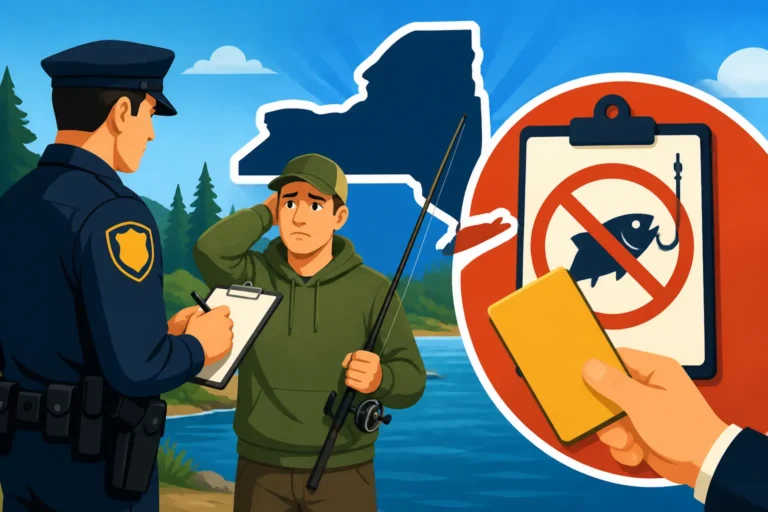
- Fishing Without a License: This is perhaps the most frequent violation and one that DEC officers are always on the lookout for. If you are caught fishing and are 16 years or older without a valid New York fishing license or marine registry (if applicable), you will almost certainly be issued a ticket. The fines for fishing without a license can range from $50 to $250, plus additional court fees and surcharges. Furthermore, repeated offenses can lead to much higher fines and potentially even the suspension of your fishing privileges for a period of time. This is why understanding What Happens If You Get Caught Fishing Without a License? is so crucial. It’s an easy rule to follow, and the penalties are simply not worth the risk.
- Exceeding Daily Limits or Keeping Undersized Fish: These violations are also very common and directly impact fish populations. If you keep more fish than the daily creel limit allows (e.g., more than three walleye from a specific lake) or keep fish that are below the minimum size limit (e.g., a walleye under 15 inches), you face fines. Fines for these offenses typically start around $75 to $250 per fish, depending on the species and the number of fish involved, plus statutory surcharges. For highly regulated species or significant over-limits, these fines can be substantial.
- Using Illegal Bait or Too Many Lines: While perhaps less common than license violations, these infractions are still subject to penalties. If you're caught using bait that is prohibited in a specific waterbody (e.g., certain live bait in designated "trout only" waters) or if you're found to be fishing with more than the allowed five lines/devices, you can expect a fine, usually in the range of $50 to $200 per violation, plus court fees. The Fine for Fishing Without a License in New York is just one of many potential penalties, and it’s always better to know the rules upfront.
The bottom line is that these penalties are designed to deter illegal activity and protect New York's valuable natural resources. Always err on the side of caution, and if you're unsure about a regulation, look it up or ask a DEC official before you risk a violation.
The Importance of Reporting and Conservation
Beyond simply avoiding a ticket, understanding and adhering to New York's ice fishing rules is a fundamental part of being a responsible angler and a good steward of our natural environment. The regulations aren't just there to make your life harder; they are carefully crafted by fisheries biologists and conservation experts to ensure the health and sustainability of fish populations for generations to come.
When you follow catch limits and size restrictions, you're directly contributing to maintaining healthy breeding populations and preventing overfishing. When you properly dispose of unused bait and trash, you're preventing pollution and the introduction of invasive species, which can devastate local ecosystems. Even simple things like correctly handling fish you plan to release, especially in cold temperatures, are important. Practicing Catch-and-Release Handling Rules minimizes stress and injury to the fish, increasing their chances of survival.
The DEC relies on responsible anglers to help monitor and protect our waters. If you witness a violation, such as someone exceeding limits or polluting, reporting it to the DEC's Law Enforcement line is an important act of conservation. You can usually find this number in the DEC fishing guide or on their website. By acting as extra eyes and ears, you help ensure that New York's incredible ice fishing opportunities remain vibrant and abundant. Every angler has a role to play in conservation, and it starts with knowing and respecting the rules.
Comparing Common Ice Fishing Regulations
To help you quickly grasp some of the key regulations discussed, here's a handy table summarizing common ice fishing rules in New York. Remember, always consult the official NYSDEC Fishing Regulations Guide for the most current and specific information for the waterbody you plan to fish.
| Regulation Category | General Statewide Rule (Freshwater) | Common Exceptions/Notes |
|---|---|---|
| Fishing License | Required for ages 16 and older. | Marine Fishing Registry needed for saltwater/brackish ice fishing (free). |
| Ice Thickness | 3-4" for single person, 5-7" for groups, 8-12" for snowmobiles/ATVs. | Always test ice; thickness varies greatly. No official rule, but strong recommendations. |
| Number of Lines | Maximum of 5 devices (jigging rods + tip-ups). | All lines must be under immediate control and within sight. |
| Bait (Minnows) | Generally allowed, but must be from certified source or legally collected. | Do not transport bait between waterbodies. Some waters may have bait restrictions. |
| Hole Size | Maximum 12 inches in diameter. | Ensures safety for other ice users. |
| Ice Shanties/Shelters | Must be removed by March 15th (or ice melt) and clearly identified. | Check local regulations for specific dates, especially on shared border waters like Lake Champlain. |
| Walleye Season | Typically first Sat. in May – March 15th. | Daily limit (e.g., 3 fish), minimum size (e.g., 15"). Check specific waterbody rules. |
| Perch/Panfish | No closed season, often no daily limit or minimum size. | Check specific waterbody rules for exceptions; practice ethical harvesting. |
| Trout Season | Varies by species and waterbody; many lakes open for ice fishing. | Specific daily limits and minimum sizes apply (e.g., Lake Trout). Consult guide for details. |
Disclaimer
The information provided in this guide is intended for general informational purposes only and does not constitute legal advice. While we strive to provide accurate and up-to-date information, fishing regulations are subject to change and may vary significantly by specific waterbody or time of year. It is the sole responsibility of each angler to consult the current New York State Department of Environmental Conservation (DEC) Freshwater Fishing Regulations Guide and any relevant local ordinances before engaging in any fishing activity. Failure to do so may result in penalties.