Rules on Number of Lines Allowed
One of the most common questions I hear from fellow anglers, especially those new to New York or traveling from other states, is about how many lines they can actually use. It’s a completely fair question, and honestly, the rules can feel a bit like a tangled mess of fishing line sometimes, varying by water body, season, and even the type of fishing you’re doing. But don't worry, we're going to untangle all that confusion in this guide, making sure you're clear on the rules so you can focus on what really matters: catching fish!
General Rules for Freshwater and Saltwater Fishing
The first step to understanding line limits in New York is knowing whether you're dropping your hook in freshwater or saltwater. These two environments operate under distinctly different sets of regulations, and mistaking one for the other can land you in a bit of hot water with the New York State Department of Environmental Conservation (DEC). It's a fundamental distinction that every angler needs to grasp from the get-go.
New York Freshwater Line Limits
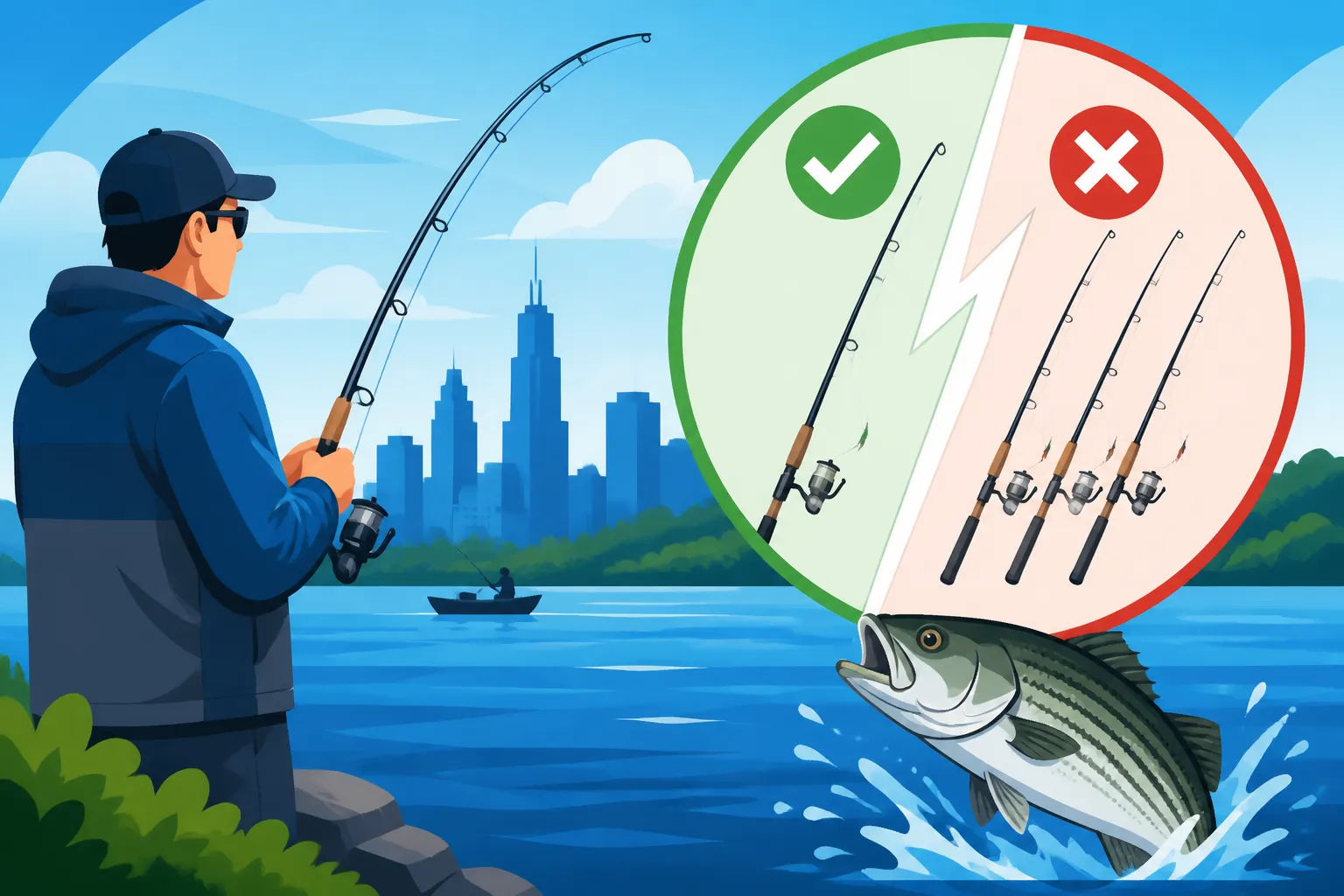
When it comes to freshwater fishing in New York, the general rule is pretty straightforward for most lakes, rivers, and streams: you are allowed to fish with no more than two lines at any given time. This means two rods and reels, two hand lines, or any combination thereof. It sounds simple enough, but there are nuances. For instance, each rod or line must be personally attended by you. You can't just set up three rods and wander off for a coffee break; if a DEC officer sees an unattended line, that counts as a violation.
Think of it this way: if you’re sitting on the bank of the Susquehanna River hoping for some smallmouth bass, you can have one rod casting a crankbait and another rigged with a worm under a bobber. But that third rod you brought along? It needs to stay in its case or propped up without a line in the water. This rule applies to the vast majority of inland waters across the state, ensuring that anglers aren't over-fishing a particular spot and that everyone has a fair chance. It’s all part of the state’s effort to manage fish populations and prevent localized depletion, which is crucial for the long-term health of our beloved fisheries. Remember, understanding these guidelines is a key part of New York Freshwater Fishing Rules.
New York Saltwater Line Limits
Now, let's shift gears to the marine environment. If you're out on the vast stretches of Long Island Sound, the Atlantic Ocean, or even the tidal portions of the Hudson River, the rules for the number of lines allowed are generally much more relaxed. For recreational anglers in New York's marine and coastal district waters, there isn't a strict statewide limit on the number of rods or hand lines you can use. This means you can typically deploy multiple rods, whether you’re surfcasting on a Long Island beach, bottom fishing from a party boat, or trolling for stripers from your private vessel.
This increased leniency often comes down to the sheer size of the marine environment and the different types of fishing popular there. Trolling for pelagic species, for example, often involves multiple lines to cover more water and mimic a school of baitfish. Similarly, bottom fishing for fluke or blackfish might see anglers using several rigs to increase their chances. However, even with this flexibility, common sense and courtesy are paramount. Tangling with other anglers because you have too many lines out in a crowded spot is a quick way to sour a fishing trip for everyone. Also, while there isn't a line limit, always ensure you're in compliance with the New York Saltwater Fishing Registration Guide, as most recreational marine anglers need to register annually. Keep in mind that specific federal regulations may apply if you're venturing further offshore into federal waters, so always double-check if you're going deep sea.
Specific Exceptions and Special Regulations
Just when you think you've got the general rules down, New York's diverse geography and unique fishing opportunities introduce a few important exceptions. These aren't just minor footnotes; they're critical distinctions that can impact how you rig up for a day on the water. Ignoring these special regulations could lead to a citation, so paying close attention here is non-negotiable.
Ice Fishing Line and Tip-Up Rules
Ice fishing is a cherished winter tradition in New York, but it comes with its own distinct set of rules regarding line limits. Unlike open-water fishing, where "two lines" usually means two rods, ice fishing often involves a combination of jigging rods and tip-ups. A tip-up is a device that signals a bite by flagging up when a fish takes the bait, allowing you to cover more area without actively holding a rod.
For most of New York's frozen waters, recreational ice anglers are allowed to use up to five lines. This limit typically allows for a combination of jigging rods (where you actively work a lure) and tip-ups. Each tip-up or jigging rod counts as one line. For example, you could have three tip-ups spread out to target different depths or areas, and two jigging rods that you're actively working near your shanty. It’s a great way to increase your chances, especially when targeting species like walleye or pike that might be spread out.
However, there are crucial exceptions! On Lake Erie and Lake Ontario, the rule is even more generous, allowing anglers to use up to seven lines. This is largely due to the immense size of these Great Lakes and the deep, open-water fishing often pursued through the ice. Conversely, if you're fishing on Lake Champlain (which New York shares with Vermont), the rule reverts to a maximum of two lines. This is where those interstate reciprocal agreements can get a bit tricky, and why it's vital to check the local regulations for specific border waters. Getting caught with too many lines, especially tip-ups, is a common violation for those unfamiliar with the specific rules.
Here's a quick reference table for common ice fishing line limits:
| Water Body Type | Max Number of Lines/Tip-ups | Notes |
|---|---|---|
| Most Freshwater Lakes | 5 | Combination of jigging rods and tip-ups, all attended. |
| Lake Erie | 7 | For active jigging rods and tip-ups. |
| Lake Ontario | 7 | For active jigging rods and tip-ups. |
| Lake Champlain | 2 | New York-Vermont reciprocal rules apply. |
| Special Regulation Waters | Varies | Always check specific regulations for unique ponds or lakes. |
Remember, all lines and tip-ups must be under your immediate supervision. You can’t just set them and leave the ice for an extended period. Many anglers find convenient carrying cases and organizers for their tip-ups and ice fishing rods on platforms like Amazon, making it easier to transport and set up within the legal limits. This attention to detail is why understanding New York Ice Fishing Rules is so important.
Great Lakes, Border Waters, and Special Regulation Areas
Beyond the general freshwater and saltwater distinctions, New York has specific regions and water bodies with unique line limits. These are often in place due to their ecological significance, shared management with other states or countries, or to protect particular fish populations.
For instance, the Great Lakes themselves (Lake Erie, Lake Ontario, and their connecting rivers like the Niagara and St. Lawrence) often have slightly different rules than smaller inland lakes, particularly for certain species or during specific seasons. While the ice fishing rules for Erie and Ontario are more liberal, always consult the current DEC fishing regulations guide for open-water fishing on these massive bodies of water, as there can be nuances. These vast waters are where you might encounter specific trolling regulations that implicitly allow more lines to be deployed from a boat, particularly for salmon and trout species.
Border waters also present a unique challenge. Fishing the Delaware River, which borders Pennsylvania, or Lake Champlain, shared with Vermont, means navigating reciprocal agreements. While New York's general rule might be two lines, a reciprocal agreement might allow you to fish under the rules of the neighboring state if you possess their license, or it might standardize a specific rule for that shared water. For example, on Lake Champlain, both New York and Vermont anglers are limited to two lines. This is a complex area, and it's essential to understand New York Fishing License Reciprocity with Other States to avoid inadvertent violations.
Finally, New York is home to numerous "Special Regulation Waters List" — specific lakes, ponds, or stream sections that have tailored rules. These rules can dictate everything from tackle type to bait restrictions, and yes, sometimes even the number of lines. A small, intensively managed trout stream might limit you to one line to reduce angling pressure, while a larger, less sensitive water body might adhere to the general two-line rule. These special rules are often posted at access points or detailed in the annual DEC fishing regulations guide. You can find the full breakdown in the New York DEC Fishing Regulations Guide, which is your ultimate authority on these localized rules. Never assume; always verify for the specific water you plan to fish.
The Rationale Behind Line Limits and Consequences of Violations
It’s easy to get frustrated with fishing regulations, especially when they seem to differ from one water body to the next. But there's always a solid reason behind these rules, typically rooted in conservation, fairness, and safety. Understanding why these limits are in place can make them a bit easier to accept and follow, and certainly more motivating than just fearing a fine.
Conservation and Fair Play
The primary reason for limiting the number of lines an angler can use is for conservation. In freshwater systems, fish populations can be particularly vulnerable to overfishing. If every angler were allowed to deploy an unlimited number of lines, it would exponentially increase the harvest pressure on fish stocks. Limiting lines helps to ensure that fish populations remain healthy and sustainable for future generations of anglers. It's about preventing a "gold rush" mentality where everyone tries to catch as much as possible, as quickly as possible, potentially depleting a fishery.
Beyond conservation, line limits also promote fair play. Imagine a busy fishing pier where one individual has 10 lines cast out, hogging all the prime real estate and inevitably tangling with other anglers. This creates an unpleasant and unfair experience for everyone else. By limiting lines, the DEC aims to create a more equitable environment where all anglers have a reasonable chance to enjoy their sport without interference. It’s a balance between individual freedom and community responsibility, ensuring that our shared natural resources are managed for the benefit of all. This is also why rules like New York Fishing Season Dates and Catch Limits exist – to protect fish and ensure everyone gets a shot.
Penalties for Exceeding Line Limits
Ignoring the line limits is not just a minor oversight; it’s a violation of New York State environmental conservation law, and it carries real consequences. DEC Environmental Conservation Officers (ECOs) patrol our waterways precisely to ensure these rules are followed, and they don't take violations lightly. Getting caught with too many lines in the water can result in more than just a stern talking-to.
Typically, the penalties for exceeding line limits involve fines. The exact amount can vary depending on the severity of the violation, the specific water body, and whether it's a first offense. These fines can range from modest amounts to several hundred dollars. In addition to monetary penalties, you could also face the forfeiture of your fishing equipment (rods, reels, tip-ups, etc.) that were used in the commission of the offense. In more serious or repeat cases, you might even have your fishing license suspended or revoked, meaning you won't be allowed to fish in New York for a specified period. No one wants to spend money on New York Fishing License Costs and Options only to have it revoked because of a preventable error.
It's a costly lesson that's easily avoided by simply checking the regulations before you cast your line. Remember, ignorance of the law is not an excuse. ECOs are professionals dedicated to protecting New York's natural resources, and they expect anglers to know and follow the rules. If you're ever unsure, it's always better to err on the side of caution and use fewer lines, or consult the official DEC regulations. You can learn more about general consequences in our guide on Penalties for Fishing Without a License in New York, as many violations fall under similar enforcement actions.
Practical Tips for Adhering to Line Regulations
Navigating New York's fishing line regulations doesn't have to be a source of stress. With a bit of preparation and common sense, you can easily stay compliant and focus on the joy of fishing. After all, the goal is to enjoy your time outdoors, not constantly worry about rules.
Pre-Trip Planning and Gear Management
Before you even leave your driveway, take a few minutes to check the regulations for the specific body of water you'll be fishing. A quick visit to the DEC website or a glance at the annual fishing guide can save you a lot of hassle. Confirming the line limits, especially for ice fishing or special regulation waters, should be part of your routine. You can often find the most up-to-date information in the New York DEC Fishing Regulations Guide.
When you're packing your gear, only bring the number of rods you intend to actively use within the legal limits. If the limit is two lines, don't bring five rods to the water's edge, even if only two are rigged. This avoids any ambiguity if an ECO observes you. For ice fishing, carefully count your tip-ups and jigging rods. Many anglers invest in specialized rod cases or carriers, readily available on platforms like Amazon, that help keep their gear organized and make it easy to manage exactly how many rods they have ready for deployment. This proactive approach ensures you're never accidentally exceeding the limit. A simple tackle box, also easily found on Amazon, for all your lures and baits, keeps you focused on your active lines.
Maximizing Your Chances with Fewer Lines
Some anglers might feel that being limited to two or five lines is a disadvantage. However, many seasoned pros will tell you that quality often trumps quantity. Instead of focusing on having more lines in the water, concentrate on making the lines you do have as effective as possible.
This means paying close attention to your bait presentation, understanding the fish behavior for the species you're targeting, and precisely reading the water. Are you fishing the right depth? Is your lure mimicking natural prey effectively? Are you using the correct terminal tackle? Sometimes, using a single, perfectly presented line will outperform multiple haphazardly deployed ones. Think about mastering different techniques for the species you're after. For example, if you’re trout fishing, focus on a precise drift or presentation rather than scattering multiple lines. If you're targeting bass, concentrate on working one lure through optimal cover. You might even find that you become a more skilled angler by focusing your efforts.
Also, consider using a good quality fish finder, which can be purchased from retailers like Amazon, to locate fish more efficiently. Knowing where the fish are can help you make the most of your permitted lines, guiding your placement and technique to increase your hook-up rate without breaking any rules.
Disclaimer
Please remember that fishing regulations, including line limits, can change. Always consult the most current New York State Department of Environmental Conservation (DEC) fishing regulations guide or their official website before you head out to fish. This article is intended for informational purposes only and should not be considered a substitute for the official state regulations.