Why Do Some New York Lakes Have Different Fishing Rules?
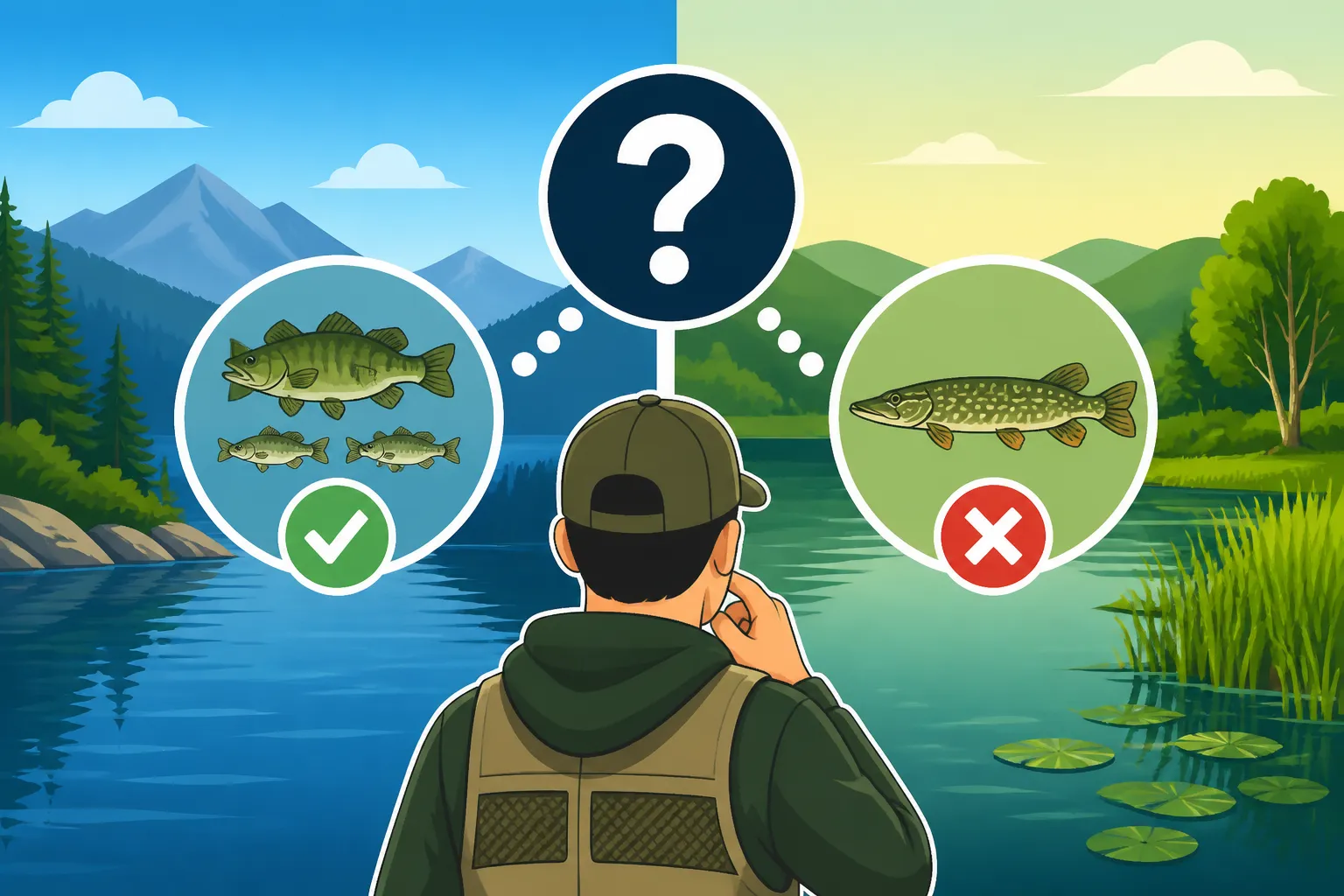
It can be incredibly confusing and even downright frustrating when you're trying to do the right thing, meticulously checking the fishing regulations, only to discover that the rules change drastically from one lake to another, sometimes just a few miles apart. You might wonder, "Why on earth is this lake catch-and-release only, while that one lets me keep five trout?" This guide is here to unravel that mystery, explaining the various reasons behind New York's seemingly complex, yet thoughtfully designed, fishing regulations.
The Foundation: Why New York Needs Rules in the First Place
Before we dive into the specific reasons for different rules, it’s important to understand the overarching purpose of fishing regulations in New York State. The New York State Department of Environmental Conservation (DEC) manages these rules with a primary goal: to conserve, protect, and enhance the state's incredible aquatic resources for current and future generations. Without these rules, unchecked fishing pressure, environmental degradation, and mismanagement could quickly deplete fish populations and damage delicate ecosystems.
Balancing Conservation with Recreational Opportunity
It's a delicate dance, really. On one hand, the DEC wants to ensure there are always plenty of fish swimming in our lakes and rivers. On the other, they want to provide fantastic recreational opportunities for anglers like us. This balance is at the heart of every regulation. Think of it like managing a garden; you want to harvest some vegetables, but you also need to ensure there are enough seeds and healthy plants left for next year's crop. Sometimes, a particular lake might need a different kind of "gardening" approach because its soil or climate is unique.
When you're out on the water, seeing a healthy fish population isn't just luck; it's often the direct result of carefully crafted regulations. These rules might dictate when certain species can be caught, how many you can keep, or even what kind of gear you can use. They are all designed to minimize stress on fish during critical life stages, like spawning, and to maintain a sustainable population structure. This also means you, as an angler, play a crucial role in helping the DEC achieve these goals by understanding and following the rules.
Protecting Vulnerable Species and Habitats
Not all fish species are created equal in terms of their resilience to fishing pressure or their habitat needs. Some species, like certain trout strains, might be particularly sensitive to warm water temperatures or habitat disruption, making them more vulnerable. Others might have very specific spawning requirements that need to be protected. The DEC identifies these vulnerabilities through extensive research and monitoring, then tailors regulations to provide the necessary protection.
For instance, you might find that a certain small, cold-water Adirondack lake has extremely restrictive trout regulations, perhaps even fly-fishing-only or artificial-lures-only rules, and even a requirement to release all fish. This isn't arbitrary; it's because that lake might harbor a sensitive, wild brook trout population that struggles to reproduce if faced with too much pressure or if handled improperly. The rules are there to give these precious fish the best chance to thrive, often in their native range where they are most at home.
Environmental Factors and Unique Habitats
New York is a vast state, stretching from the Atlantic Ocean to the Great Lakes, encompassing everything from pristine mountain lakes to bustling urban rivers. It's no surprise that the environmental conditions and the types of habitats available for fish vary wildly across this landscape. These natural differences are a huge driver behind why some New York lakes have vastly different fishing rules.
Water Body Characteristics and Ecological Health
Every lake, river, and stream has its own distinct personality. Things like depth, temperature, water clarity, nutrient levels, and the presence of aquatic vegetation all contribute to a unique ecological profile. For example, a shallow, warm-water lake might be perfect for largemouth bass and panfish, while a deep, cold, oxygen-rich Finger Lake might be prime habitat for lake trout and landlocked salmon. The fish species that thrive in these different environments, and how many of them there are, will naturally dictate different management strategies.
Consider the immense Great Lakes, like Lake Ontario and Lake Erie, compared to a smaller, isolated pond in the Catskills. The sheer scale and complexity of the Great Lakes ecosystem, with its diverse species and migratory patterns of fish like Chinook Salmon in New York, require robust and coordinated management efforts, often involving multiple states and even international agreements. A small pond, on the other hand, might have its own unique set of challenges, like overpopulation of panfish or limited oxygen in deeper areas, requiring very specific local regulations to maintain balance. You'll often find the most detailed rules in the official New York Fishing Regulations Explained guide, which you can usually find through the DEC website or by picking up a physical copy at a local sporting goods store.
Natural Fish Reproduction and Carrying Capacity
One of the biggest factors influencing regulations is whether a body of water can naturally sustain a healthy fish population through its own reproduction. Some lakes have excellent spawning habitat and abundant forage, allowing fish to reproduce successfully year after year. Other lakes might lack suitable spawning grounds, or perhaps their ecosystem can only support a limited number of large predatory fish due to scarce food sources. This concept is known as "carrying capacity."
When a lake has strong natural reproduction, the regulations might be more liberal, allowing anglers to keep more fish because the population can easily rebound. However, if a lake struggles with natural reproduction, the DEC might implement stricter catch-and-release rules, higher minimum size limits, or reduced bag limits to protect the existing fish and ensure they have a chance to spawn. This is especially true for species like wild brook trout, where every individual counts. Understanding these factors helps the DEC tailor regulations to the specific needs of each fishery, ensuring that the enjoyment of angling today doesn't compromise the health of the fishery tomorrow.
Species Management and Stocking Programs
New York State actively manages its diverse fish populations through various programs, including extensive stocking. These efforts directly influence the fishing rules you encounter on different lakes and rivers. Depending on whether a water body relies on natural reproduction or supplementary stocking, the regulations can shift dramatically.
Protecting Spawning Fish and Genetic Integrity
Many fish species, from trout to bass to walleye, have specific times of the year when they gather to spawn. These periods are incredibly vulnerable for the fish, as they are often concentrated and focused on reproduction, making them easier to catch. To protect these critical breeding populations and ensure future generations of fish, the DEC often implements closed seasons or strict catch-and-release periods. For example, you’ll find very specific New York Bass Season Dates designed to protect bass during their spring spawning period, when they are on nests and most vulnerable.
Furthermore, some waters contain genetically unique or rare strains of fish that the DEC wants to protect from potential hybridization with stocked fish or overharvest. In these special regulation waters, you might find regulations that prohibit the use of certain baits, like live bait, or restrict fishing to artificial lures only. The goal is to minimize stress and mortality, ensuring that if a fish is caught, it has the best chance of survival after being released. This commitment to preserving the genetic integrity of native fish is a cornerstone of responsible fisheries management.
Stocked Waters vs. Wild Fisheries
This is perhaps one of the most significant reasons for differing rules. New York has an extensive fish stocking program, raising millions of fish each year at state hatcheries to supplement wild populations or create "put-and-take" fisheries where natural reproduction is limited. These stocked fish, particularly trout, are often intended to be harvested.
In contrast, "wild fisheries" rely entirely on natural reproduction. These waters often have more stringent regulations – think lower bag limits, higher minimum sizes, or even catch-and-release only sections – to protect the naturally reproducing fish and their delicate ecosystem. For instance, a lake heavily stocked with rainbow trout might have a generous daily limit because the fish are put there for anglers to catch and take home. However, a nearby stream known for its wild brook trout might be strictly catch-and-release to safeguard that self-sustaining population. This distinction helps the DEC allocate resources effectively and manage each water body according to its unique characteristics and management goals. When you're fishing in New York, it's always a good idea to know if you're on a stocked or wild fishery, as this often hints at the type of regulations you can expect. A quick search of the DEC website or their comprehensive guide will tell you.
Historical Context and Local Governance
Fishing regulations aren't just conjured out of thin air; they evolve over time, shaped by years of observation, public input, and sometimes, very specific local needs or historical agreements. Understanding this historical and local dimension helps explain why rules might seem inconsistent from one area to the next.
Long-Term Monitoring and Adaptive Management
The DEC doesn't just set rules and forget about them. They have dedicated biologists and environmental conservation officers who are constantly monitoring fish populations, habitat health, and angler success. They conduct surveys, sample fish, analyze catch data, and listen to feedback from the angling community. If data indicates a decline in a particular species, or if a new invasive species emerges, regulations might be adjusted. This is called adaptive management – responding to changes in the environment or fish populations.
For example, a lake that once had a thriving population of a certain species might see its regulations change if pollution or habitat loss has impacted its ability to sustain those numbers. Conversely, if a conservation effort proves successful and a fish population rebounds, the rules might be relaxed a bit to allow for more recreational harvest. These long-term studies often reveal trends that necessitate changes to established rules, ensuring the regulations remain relevant and effective.
Public Input and Special Interest Waters
You might be surprised to learn how much public input goes into shaping fishing regulations. The DEC often holds public forums, solicits comments on proposed rule changes, and engages with various stakeholders, including local fishing clubs, environmental groups, and even landowners. These discussions can highlight local concerns or unique opportunities that might not be apparent from a statewide perspective, leading to localized rules.
Moreover, some waters hold special historical or cultural significance for certain types of fishing. Think of the legendary trout streams in the Catskills, like the Beaverkill and Willowemoc, which are renowned for their fly-fishing heritage. These waters often have very specific, sometimes more restrictive, regulations that reflect a desire to preserve that unique angling experience and the wild nature of the fishery. These "special regulation waters" are identified as such in the New York Freshwater Fishing Rules and Marine Fishing Registry. You might even find specialized gear available on Amazon, like specific fly-fishing setups, that cater to these unique rule sets.
To illustrate how varied New York's fishing rules can be, let's look at a simplified comparison of a few hypothetical lake scenarios. Keep in mind, these are generalized examples to show the types of differences you might encounter, and actual regulations are much more detailed and specific. Always consult the official DEC guide for the exact rules of your chosen fishing spot!
| Feature | Small Adirondack Trout Pond (Wild) | Large Finger Lake (Mixed Fishery) | Great Lake Tributary (Anadromous Run) | Warmwater Lake (Bass/Panfish) |
|---|---|---|---|---|
| Primary Goal | Protect wild brook trout | Diverse fishery, recreational harvest | Manage migratory salmon/steelhead | Recreational warmwater species |
| Trout Season | Often shorter, sometimes closed | Standard season with stocking | Year-round, but specific run rules | Limited to no trout regulations |
| Bag Limit | Very low (e.g., 1 or 2), or C&R | Moderate (e.g., 3-5) | Variable by species, often low | Generous for panfish, moderate for bass |
| Size Limit | High minimum (e.g., 12+ inches) | Standard (e.g., 9-10 inches) | Varies by species, often a slot limit | Standard minimum for bass |
| Bait/Lure Type | Artificial Lures Only / Fly Only | Live bait often allowed | Specific rules for egg sacs/flies | Any legal bait/lure |
| Special Rules | Barbless hooks, C&R areas | Downriggers, multiple lines allowed | Sanctuary areas, closed periods | Night fishing rules, weed bed rules |
| Reason for Rules | Fragile ecosystem, native species | Stocking, diverse angler interests | High fishing pressure on runs | Abundant habitat, natural cycles |
This table clearly shows that a "one-size-fits-all" approach simply wouldn't work for New York's incredibly varied aquatic environments. Each body of water demands a tailored management plan to ensure its long-term health and the continued enjoyment for anglers.
Navigating New York's Diverse Regulations
It's clear that the diverse fishing rules across New York State aren't arbitrary; they're the result of careful scientific study, a deep understanding of unique ecosystems, and a commitment to preserving our natural heritage. While it might seem like a lot to keep track of, understanding why these differences exist can make the process less daunting and even more rewarding.
Always Check Before You Cast
The golden rule of fishing in New York, or anywhere for that matter, is to always check the current regulations for the specific body of water you intend to fish. This cannot be stressed enough. Rules can change annually, and what was legal last year or in another county might not be where you are today. The DEC publishes a comprehensive guide, often referred to as the "New York Fishing Regulations Explained", and it's your best friend out on the water. You can find digital versions online, or pick up a physical copy at most bait shops, sporting goods stores, or DEC offices.
Paying attention to signage at boat launches or popular fishing access points is also crucial, as these often highlight specific local rules. Having a waterproof copy of the regulations, or a reliable digital version on your phone (just make sure it's charged!), is just as important as having your tackle box. For anyone needing to replace a lost or damaged guide, or just wanting an extra copy, you can find them available for purchase through various retailers, including on Amazon.
Understanding Special Regulations Waters
Throughout New York, certain lakes, ponds, and sections of rivers are designated as "Special Regulations Waters." These are areas where the standard statewide or regional rules are superseded by unique regulations designed to protect specific species, manage a fragile ecosystem, or provide a particular type of angling experience. You'll often see these listed in their own section within the fishing guide, detailing restrictions on things like bait types, length limits, bag limits, or even fishing methods (e.g., fly-fishing only).
These waters are typically highlighted for good reason – perhaps they hold a genetically pure strain of brook trout, are a critical spawning ground for a sensitive species, or are part of an experimental management program. Respecting these special rules is paramount to ensuring these unique fisheries continue to thrive. A good example might be a specific stretch of the Salmon River for fall steelhead fishing, which will have very distinct rules compared to a nearby lake that is primarily stocked for bass.
Your Role in Conservation
Ultimately, every angler plays a vital role in upholding the integrity of New York's fisheries. By taking the time to understand why some New York lakes have different fishing rules, you're not just avoiding a potential penalty for Fishing Without a License in New York; you're becoming a more informed and responsible conservationist. When you adhere to the specific regulations for a given body of water, whether it's the New York Statewide Trout Bag Limit or the New York Striped Bass Length Requirements, you are directly contributing to the health and sustainability of our aquatic resources.
This deep dive into the reasons behind varying regulations should empower you to approach each new fishing destination with confidence, knowing that the rules are there for a greater purpose. So, grab your gear, check the regulations, and get ready to enjoy the incredible diversity of fishing opportunities that New York State has to offer!
Disclaimer
The information provided in this guide is for general informational purposes only and is not a substitute for the official regulations published by the New York State Department of Environmental Conservation (DEC). Fishing regulations can change frequently, and it is the sole responsibility of the angler to consult and comply with the most current official New York State fishing regulations before engaging in any fishing activities.