How Many Fishing Rods Can I Use at Once?
It’s a question every passionate angler has pondered: just how many fishing rods can you actually use at once in New York State without running afoul of the law? You're out there, rods rigged, maybe even a couple different baits, and you wonder if adding another setup will increase your chances or just land you a hefty fine. This guide is here to untangle the rules, clarify the common misconceptions, and give you the confidence to fish within the legal limits.
The Core Rule: How Many Rods Are You Generally Allowed?
The New York State Department of Environmental Conservation (DEC) sets clear guidelines for recreational fishing, and understanding these is your first step to a worry-free day on the water. It can feel a bit like navigating a maze sometimes, but once you know the basics, most of it makes sense.
The Standard Two-Line Limit
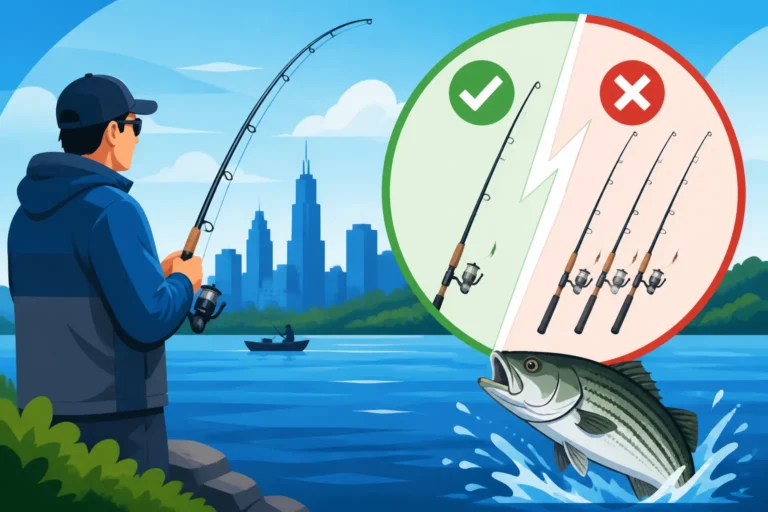
For the vast majority of freshwater fishing in New York, and also for most marine recreational fishing, the rule of thumb is that you are allowed to use two lines (or rods) per angler. This is the statewide standard that covers everything from your local pond to the Finger Lakes, and even out on Long Island Sound. A "line" generally refers to a single fishing rod and reel setup, or a hand line. This means if you’re fishing from shore, a boat, or even a pier, you’re usually limited to managing two active setups at any given time.
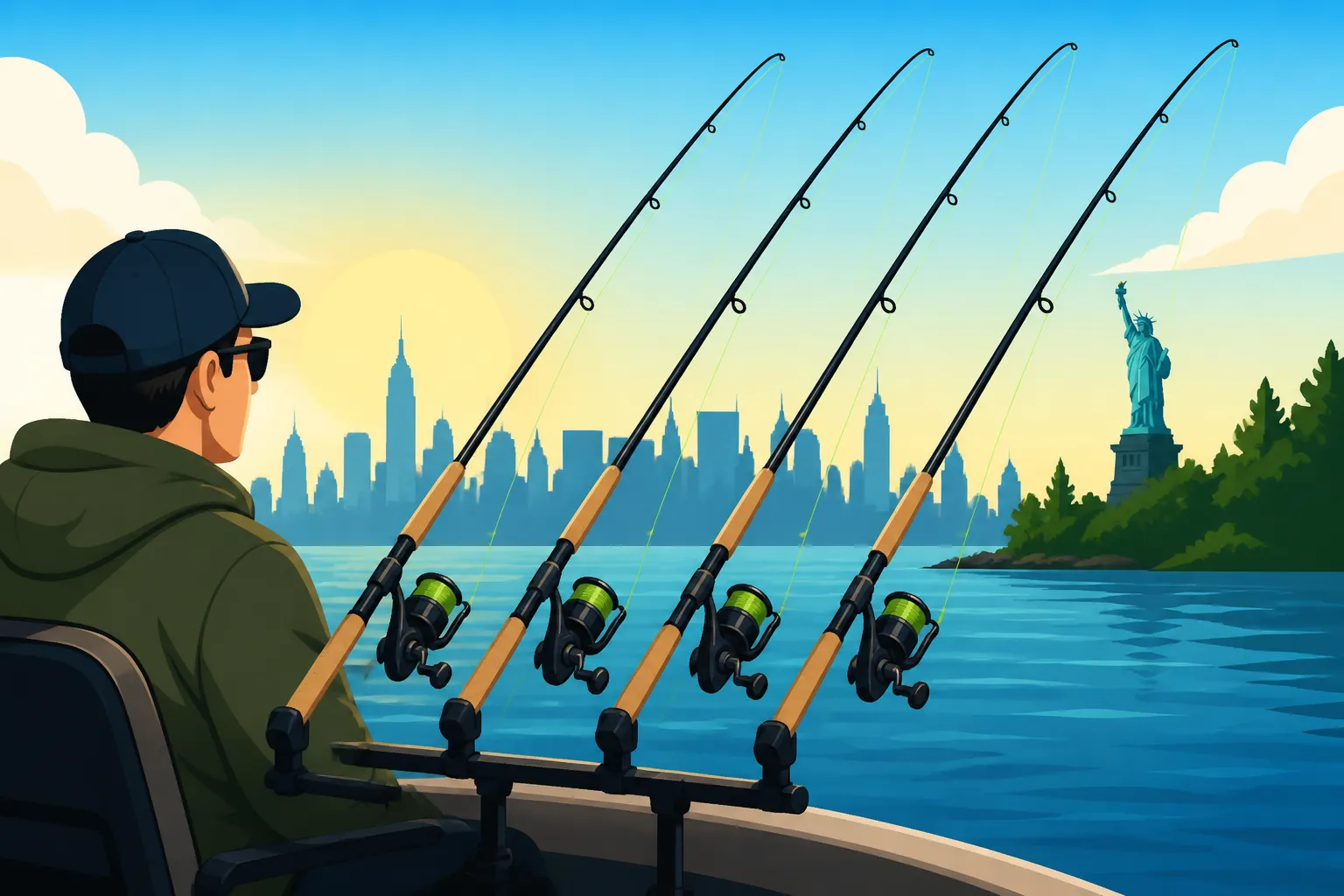
Think of it this way: you can have one rod set up for bass with a worm on the bottom, and another for panfish with a bobber and a tiny jig. Both are actively fishing, both are within the two-line limit. The DEC emphasizes that these lines must be under the immediate control of the angler. You can't just set up a bunch of rods, walk away, and come back later. This "immediate control" clause is crucial and often misunderstood. It means you should be close enough to tend to your lines, set the hook, or retrieve them if needed. Many seasoned anglers will purchase rod holders, available easily on platforms like Amazon, to keep their two rods secure and visible, especially when fishing from a boat or a stationary spot on shore.
Rationale Behind the Regulations
You might wonder why there's a limit at all. It's not just to make things difficult for anglers; these regulations are deeply rooted in sound environmental management and fair play. Primarily, it's about conservation and preventing overharvest. If everyone could use an unlimited number of lines, the potential for taking more fish than is sustainable would skyrocket, quickly depleting fish populations in popular spots. These rules help maintain healthy ecosystems and ensure there are plenty of fish for future generations. For a broader understanding of why these rules are in place, check out our guide on New York Fishing Regulations Explained.
Beyond conservation, there's an element of fair chase and angling ethics. Limiting lines creates a more even playing field for all recreational anglers. It also minimizes the potential for tangled lines, conflicts with other anglers, and the accidental capture of non-target species, which can lead to unnecessary stress or injury to the fish. When you’re focused on one or two lines, you're more engaged with each bite and more prepared to handle your catch responsibly, whether you're keeping it or practicing catch-and-release.
Navigating the Nuances: Exceptions and Special Waters
While the two-line rule is a good general guideline, New York fishing regulations have specific exceptions, and these are critical to understand to avoid any unpleasant surprises. Ignoring these can be an honest mistake, but it's still a violation.
Ice Fishing: A Different Game Entirely
This is where things change significantly! When the hard water season arrives and lakes freeze over, the rules for how many fishing rods you can use at once shift dramatically. For ice fishing, anglers in New York are generally permitted to use up to seven ice fishing devices (lines). That's a huge jump from two! These devices can be tip-ups, which are set to signal a bite automatically, or jigging rods that you actively hold and work. Each device must be clearly marked with the angler's name and address.
This increased allowance acknowledges the nature of ice fishing – it’s often about covering more area and waiting for fish to come to you in colder, slower conditions. It also means you’re often dealing with separate holes, requiring you to spread out your efforts. It's a very different approach than casting a line from a boat. If you’re getting into the hard water game, our comprehensive guide on Ice Fishing in New York: A Complete Guide will be an invaluable resource. Remember, while you can use up to seven devices, they still need to be under your immediate supervision. You can't just set them and abandon them while you go grab a coffee from the bait shop miles away. Keep them within sight and a reasonable distance for quick retrieval.
Great Lakes and Their Tributaries
New York is blessed with access to two of the Great Lakes, Lake Erie and Lake Ontario, and their numerous tributaries like the Salmon River and Oswego River. These large bodies of water, particularly during the migratory runs of salmon and steelhead, sometimes have their own specific regulations that can override statewide rules. While the general two-line rule often applies, it's paramount to check the special regulations section of the current New York DEC Fishing Regulations Guide when fishing these areas.
For instance, certain tributaries during specific seasons might have single-hook restrictions or other unique requirements that indirectly impact how you might fish with multiple lines. While the number of lines might stick to the two-rod standard for open water, understanding the nuances of these highly popular fisheries is essential. Always double-check the DEC's current guide or the "New York Fishing Regulations Explained" document for the latest updates on specific Great Lakes tributaries. You might find a wealth of useful information in our guide on New York's Great Lakes Tributaries.
Other Site-Specific Regulations
It’s crucial to remember that some smaller lakes, reservoirs, or even specific stretches of rivers might have their own unique fishing rules that differ from the statewide standard. These "Special Regulations Waters" are often put in place to protect sensitive fish populations, manage specific fisheries (like trophy trout waters), or address unique ecological conditions. You might find a single-hook-only rule, catch-and-release only sections, or even restrictions on bait use.
These site-specific rules are usually clearly listed in the New York DEC Fishing Regulations Guide. For example, some ponds stocked with trout might have a different daily creel limit or season, which can sometimes influence gear restrictions. Always check the section in the guide dedicated to special regulations. Before you head out to a new spot, especially if it’s an obscure pond or a lesser-known section of a river, take a few minutes to verify if it's on the New York Special Regulations Waters List. It’s a small effort that can save you a big headache.
Practicalities of Multi-Rod Fishing (Within Limits)
Even with the standard two-line limit for most open-water fishing, you can still employ smart strategies to maximize your chances and make the most of your time on the water. It’s all about efficient setup and knowing your gear.
Maximizing Your Two Lines Effectively
When you're limited to two rods, each one becomes a strategic tool. You can use this to your advantage by diversifying your approach. For example, if you're targeting bass, one rod could be rigged with a Texas-rigged worm to probe heavy cover, while the second could have a spinnerbait or a crankbait to cover open water and locate active fish. This allows you to experiment with different depths, presentations, and baits simultaneously, effectively "scouting" the water.
Another common tactic is to use one rod for a stationary bait, like live minnows or worms under a bobber, while actively casting and retrieving with the second rod. This provides a patient approach with one line, while the other is used for more aggressive searching. To keep things organized and prevent tangles, especially if you're in a boat or fishing from a busy pier, you might want to invest in rod holders. You can find excellent, affordable options for boat-mounted or bank-fishing rod holders on Amazon, which can free up your hands and keep your setups secure.
When ice fishing with multiple tip-ups, organization is even more critical. Numbering your tip-ups and having a system for checking them regularly helps you stay on top of any bites. Using different baits or setting tip-ups at varying depths across your allowed spread can help you pinpoint where the fish are holding. Just be sure that all your devices are visible and within a reasonable distance for you to attend to them promptly, especially if you get a flag!
Gear Considerations for Multiple Setups
Managing multiple rods, even just two, requires a bit of thoughtful gear selection and organization. Tangled lines are a common frustration, so having the right accessories can make a world of difference.
- Rod Holders: As mentioned, these are invaluable. For shore anglers, simple bank sticks or spike rod holders keep your rod tips up and your reels out of the dirt. For boaters, flush-mount or rail-mount rod holders are essential for trolling or simply holding your rods securely when not in use. Brands like Scotty and Cabela's offer robust options, and many similar quality items can be browsed and purchased on Amazon.
- Tackle Organization: With different baits on different lines, a well-organized tackle box is a must. This allows for quick bait changes and keeps hooks, weights, and lures from becoming a chaotic mess. Consider a multi-compartment box or smaller utility boxes to keep your options clearly separated.
- Line Management: Be mindful of wind and current, which can easily cause lines to drift into each other. Use appropriate weight to keep your baits down, and if possible, position your rods to minimize overlap. Some anglers even use "rod bells" that clip onto the rod tip, giving an audible alert when a fish bites, which can be particularly useful when tending two lines.
Remember, the goal is to enhance your fishing experience, not to create a stressful juggle. By having the right gear and a thoughtful strategy, you can efficiently fish with multiple lines within the legal framework.
The Ramifications of Over-Fishing: Penalties and Enforcement
Understanding the rules is one thing, but knowing the consequences of breaking them is just as important. No one wants a great day of fishing to end with a ticket, or worse. The New York DEC takes its regulations seriously, and enforcement is a real possibility.
What Happens If You Exceed the Limit?
If a New York DEC Environmental Conservation Officer (ECO) observes you using more fishing rods than legally permitted for the specific body of water or season, you could face significant penalties. These aren't just minor slaps on the wrist; they can impact your wallet and your future fishing privileges.
- Fines: The most common consequence is a monetary fine. The amount can vary depending on the severity of the violation, whether it's a first offense, and the specific regulations broken. These fines can range from a few dozen to several hundred dollars.
- Confiscation of Gear: ECOs have the authority to confiscate illegal fishing gear, which could include the rods and reels you were using in excess of the limit. Imagine losing your favorite rod and reel setup because you weren't paying attention to the rules!
- License Revocation/Suspension: For repeated offenses, or for particularly egregious violations, your New York Fishing License could be suspended or even revoked. This means you wouldn't be legally allowed to fish in New York State for a period, or potentially ever again.
- Court Appearances: Some violations may require a court appearance, adding legal fees, travel costs, and time off work to the already unpleasant experience.
It's a stark reminder that even seemingly minor infractions, like using one too many rods, have real-world consequences. It's always better to err on the side of caution and ensure you're well within the stated limits. You can learn more about the specifics in our article on Penalties for Fishing Without a License in New York, which often outlines the general scale of fishing-related violations.
Importance of Knowing and Carrying the Regulations
Ignorance of the law is never an excuse, especially when it comes to fishing regulations. As an angler, it's your personal responsibility to know and abide by the current rules and regulations for the waters you intend to fish. These rules can change annually, so relying on what you "heard" last year isn't a safe bet.
- Where to Find Current Info: The official source for all New York State fishing regulations is the New York State Department of Environmental Conservation (DEC). They publish a comprehensive guide annually, which is available both online and in print. You can usually pick up a physical copy at local sporting goods stores like Dick's Sporting Goods, bait shops, or DEC offices. Our guide on Where to Pick Up the New York Fishing Regulations Guide provides more details.
- Digital vs. Physical: Many anglers keep a digital copy of the regulations on their phone, which is perfectly acceptable. Just make sure your phone is charged! Having a physical copy in your tackle box or boat is also a solid backup. The goal is to have the information readily accessible should you have a question or an ECO approaches you.
- Asking for Clarity: If you're ever unsure about a specific regulation for a particular body of water, don't hesitate to contact your regional DEC office. They are there to help clarify any confusion. It's much better to ask beforehand than to face the penalties later.
By staying informed and always carrying a copy of the regulations, you're not only protecting yourself from potential fines but also contributing to the responsible enjoyment and conservation of New York's incredible fisheries. For general information, our overarching New York Fishing License Guide can also be a helpful starting point.
New York Fishing Rod Limits at a Glance
To make things a bit clearer, here's a quick reference table for the most common recreational fishing scenarios in New York. Always remember to consult the official DEC regulations for the most current and specific details, especially for any "Special Regulations Waters."
| Scenario | General Rod/Line Limit Per Angler | Key Details & Exceptions |
|---|---|---|
| Freshwater (Open Water) | 2 lines | Applies to most lakes, rivers, and ponds. Lines must be under immediate control. |
| Marine Waters (Open Water) | 2 lines | Applies to Long Island Sound, Atlantic Ocean, Hudson River (tidal section), etc. Immediate control. |
| Ice Fishing | 7 devices (lines) | Includes tip-ups and jigging rods. Each device must be marked with name/address, under supervision. |
| Great Lakes (Erie, Ontario) | 2 lines (open water) | Subject to general open water rules, but always check for specific tributary or seasonal rules. |
| Special Regulations Waters | Varies | Could be 1 line, or specific gear/bait restrictions. MUST CHECK DEC GUIDE. |
| Commercial Fishing | Not Applicable (Different rules) | This guide focuses solely on recreational angling. |
Remember, this table is a general overview. The DEC regulations are the ultimate authority.
Disclaimer
The information provided in this guide is intended for general informational purposes only and does not constitute legal advice. While we strive to provide accurate and up-to-date information, fishing regulations in New York State are subject to change by the New York State Department of Environmental Conservation (DEC). It is the sole responsibility of each angler to review and adhere to the most current official DEC fishing regulations before engaging in any fishing activities. Failure to do so may result in penalties.